Commercial Ice Machines
Deciding? Compare nugget vs. cube vs. flake ice, air-cooled vs. water-cooled ice machines, and the model-number decoder.
Also: undercounter · nugget · flake
🌡️ New to low-GWP refrigerants? Read the commercial refrigerant phase-out, explained — what the EPA rules mean for reach-ins, ice machines and walk-ins.
How much ice do you need?
A planning estimate. Real needs vary with menu, climate and service style — always leave headroom and size the machine on its AHRI (real-condition) rating.
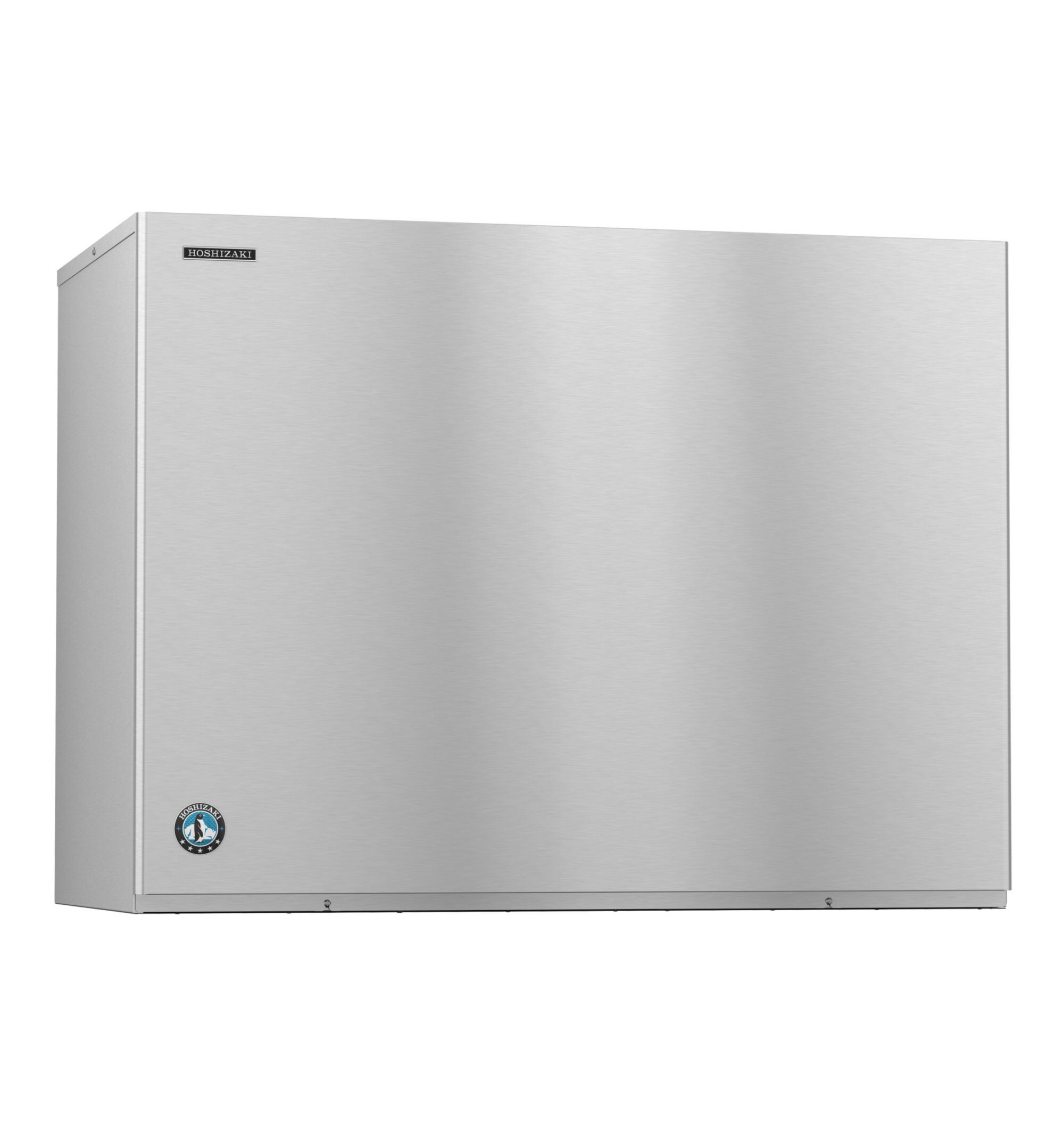
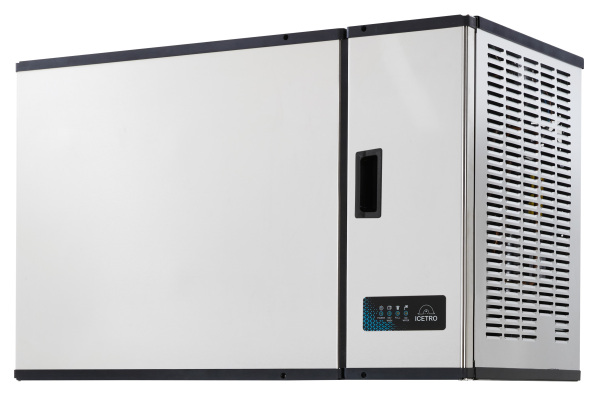


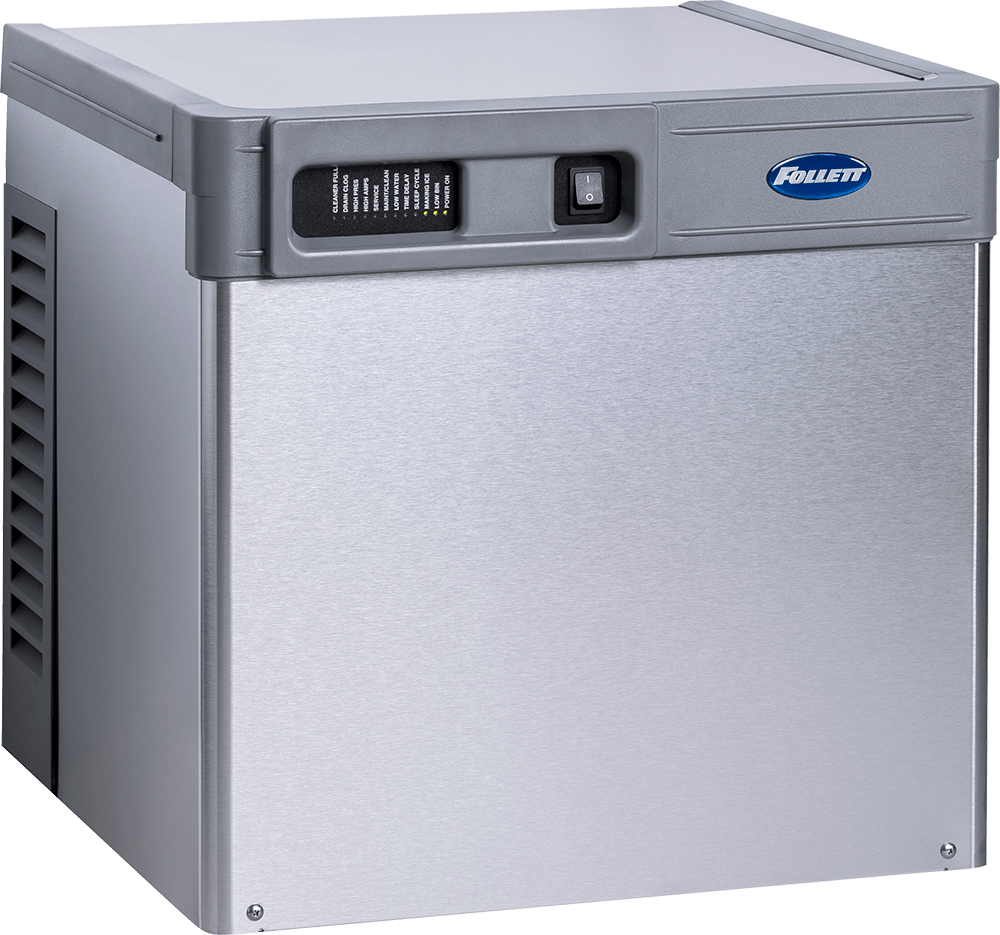

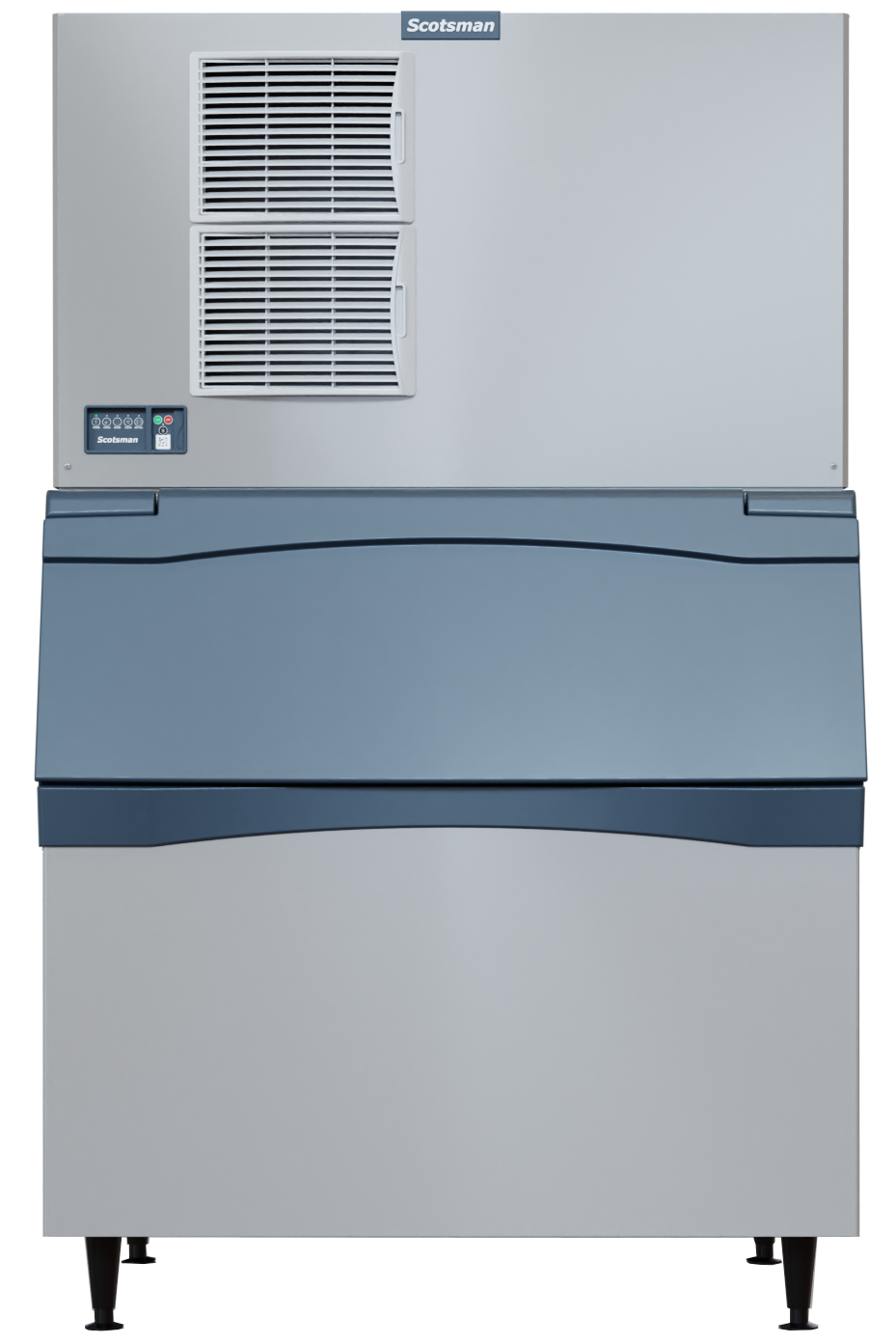
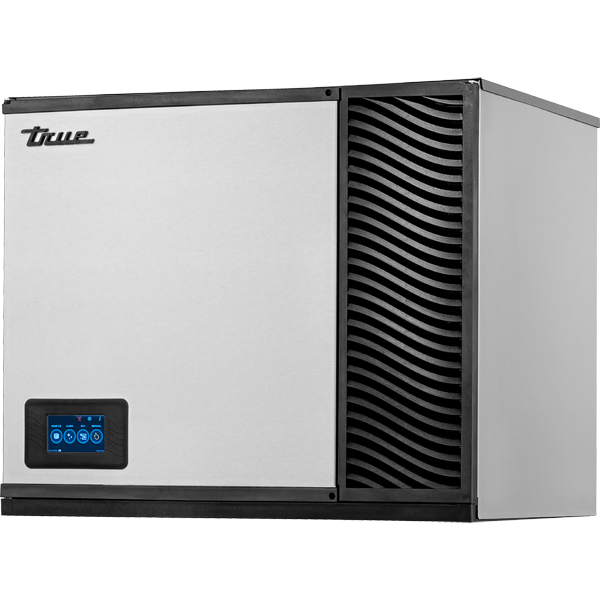
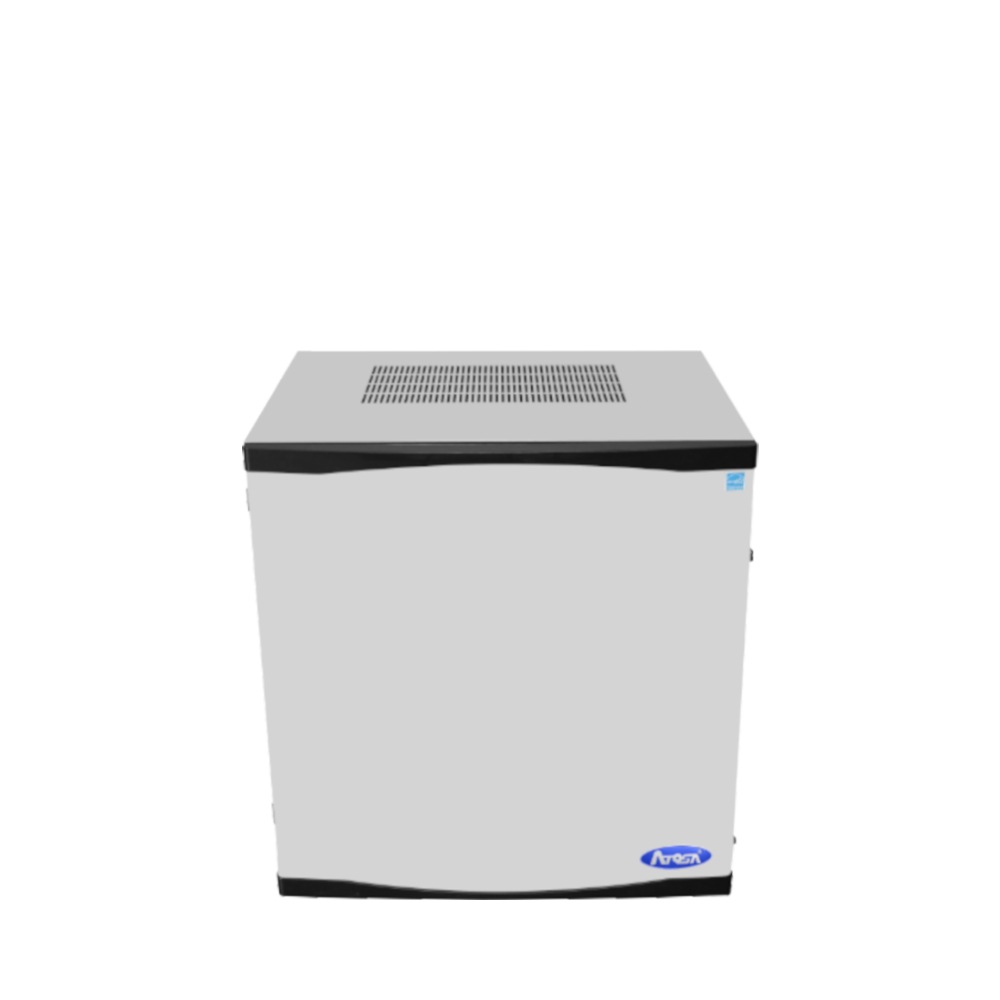
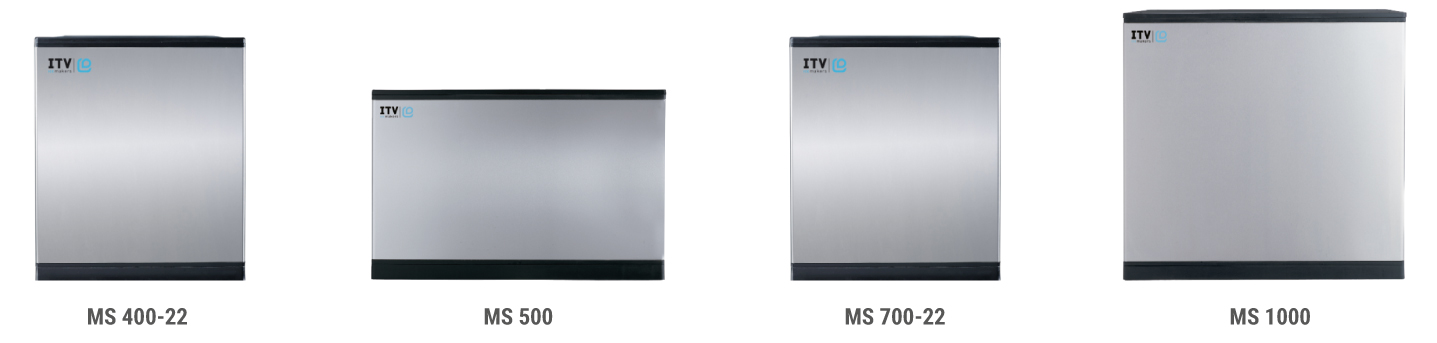

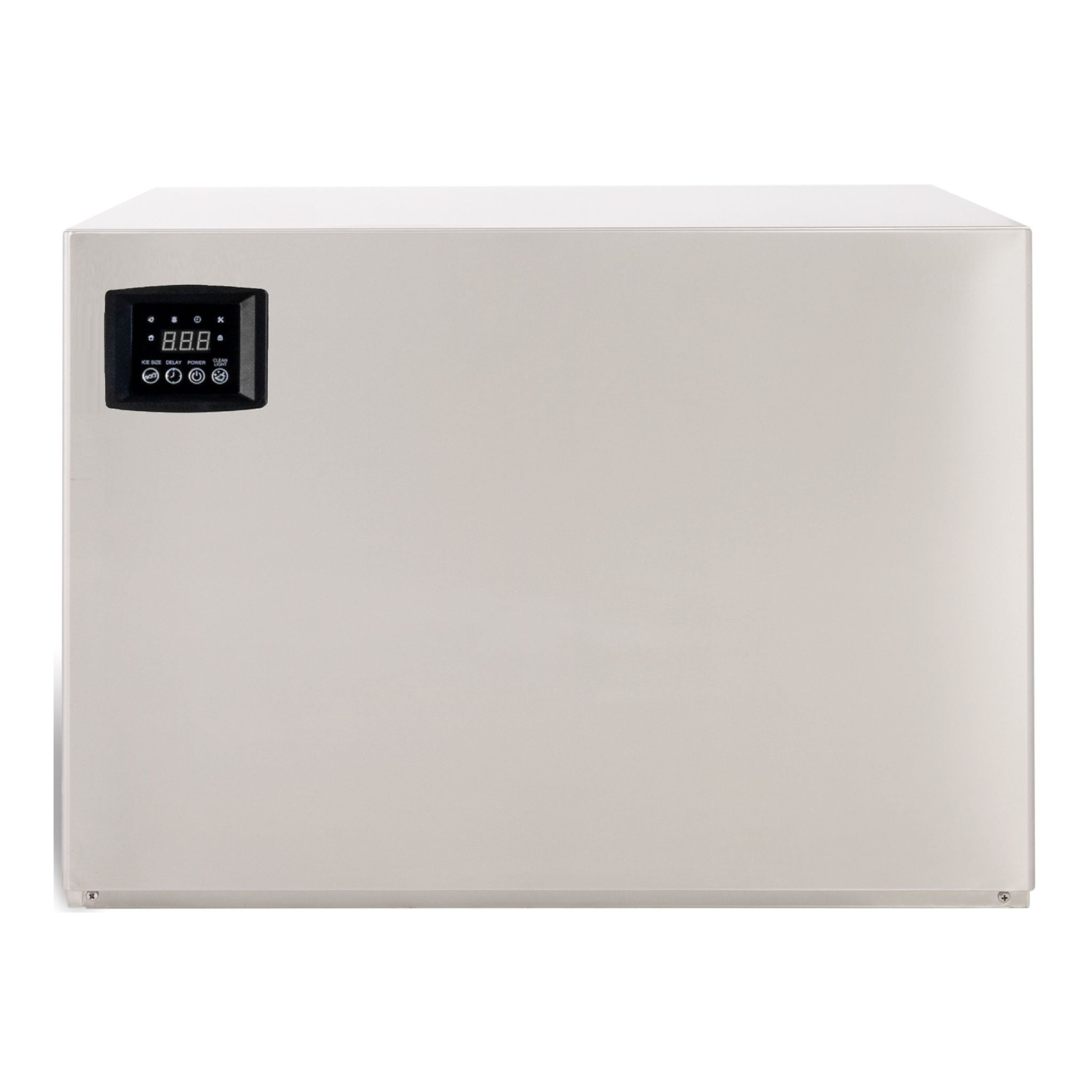
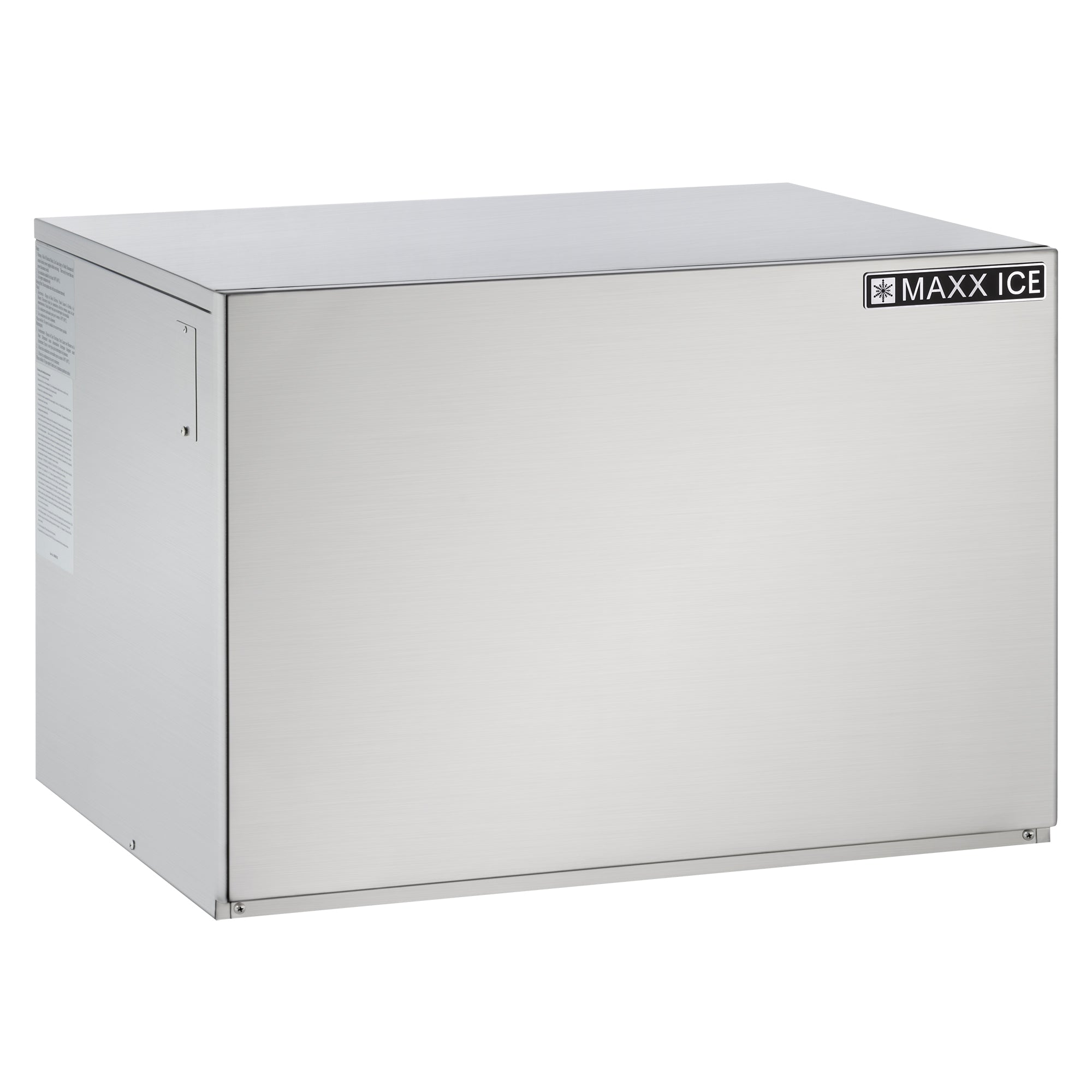
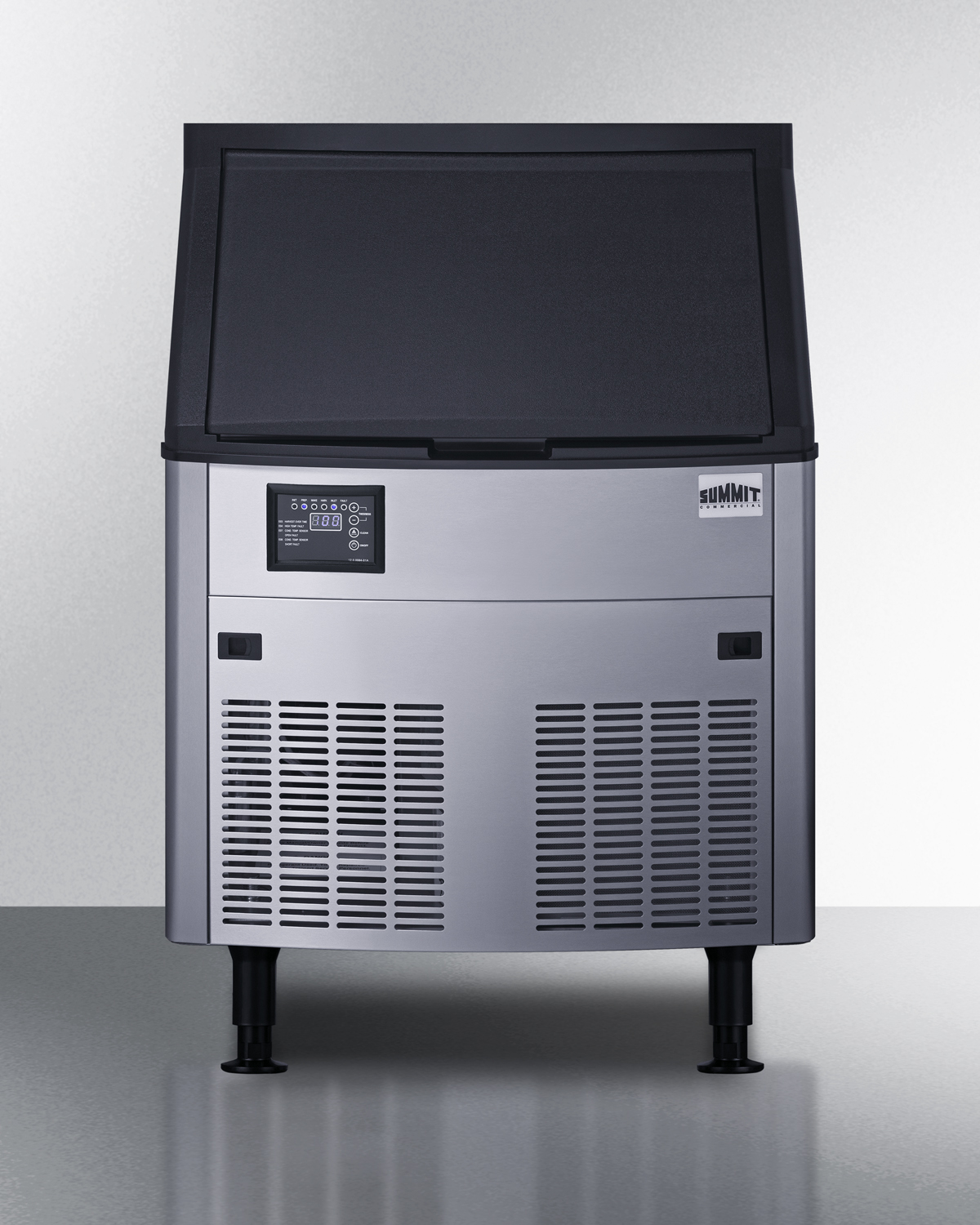
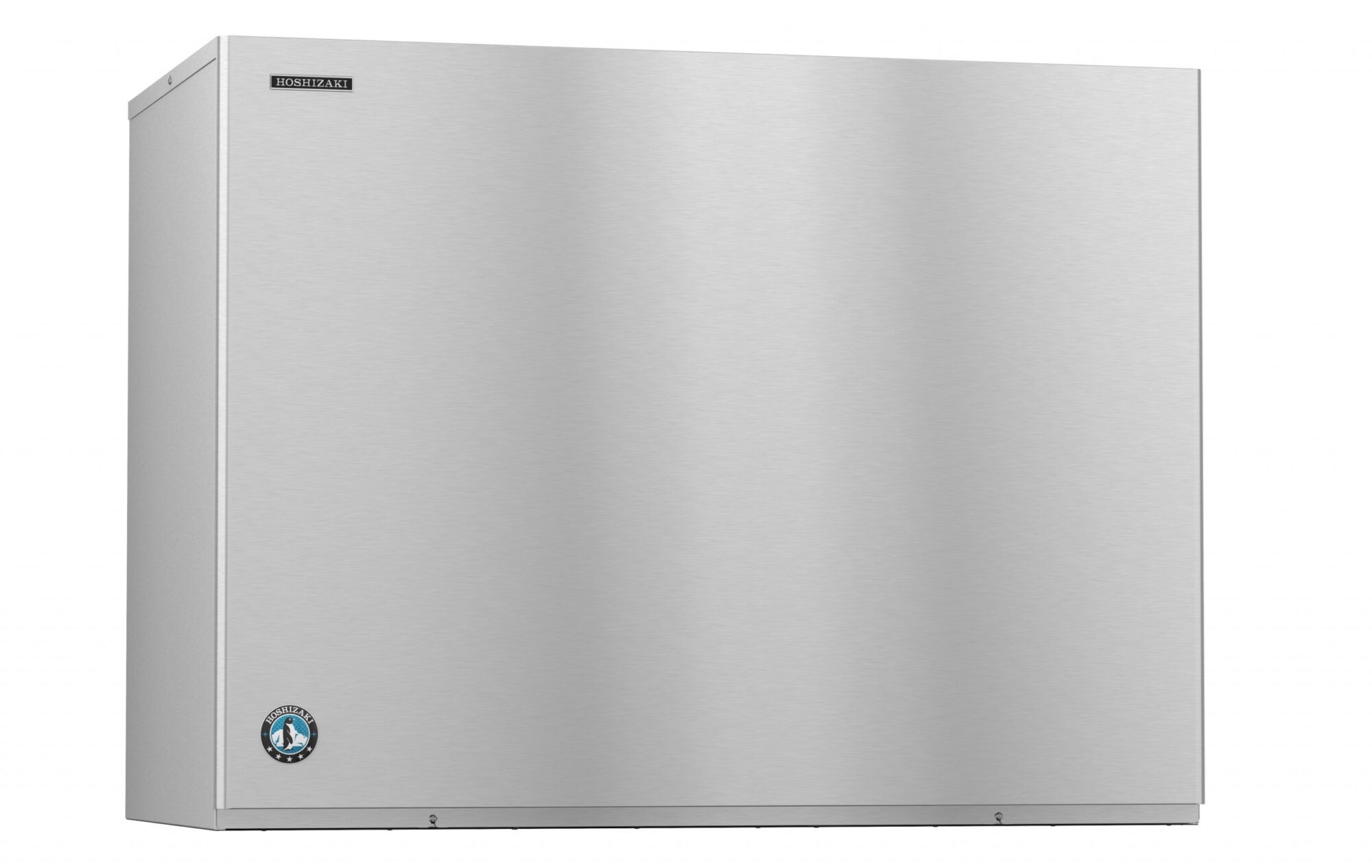
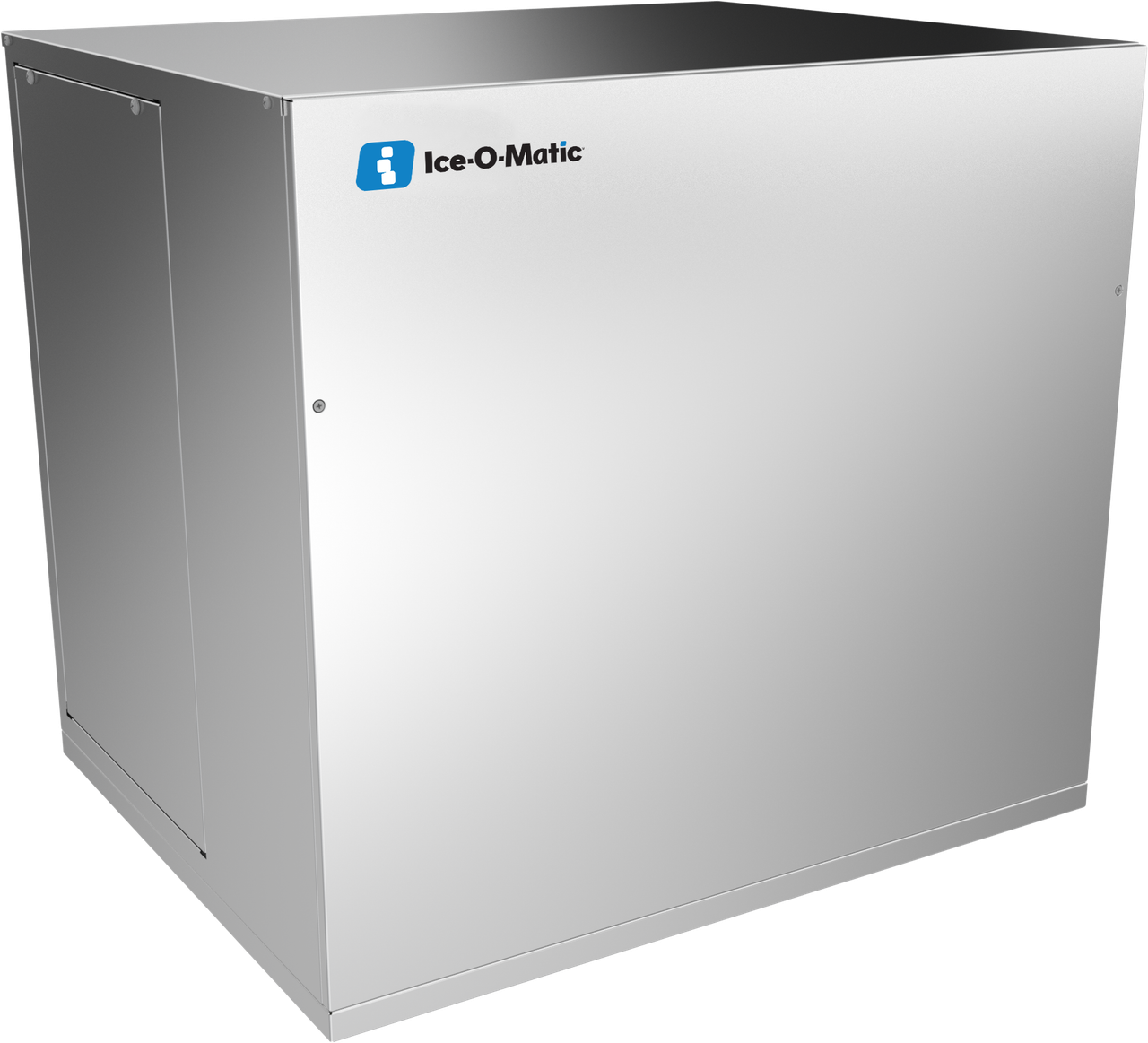
Which ice shape do you need?
Ice shape is the first decision — it follows the drink or the application, not the brand. Filter by ice shape above once you know which you need.
| Ice shape | Best for | Why |
|---|---|---|
| Full cube | Bars, restaurants, banquet | Slow-melting, clear; least dilution in drinks |
| Half cube | High-volume dispensing, bagging | Packs densely; the most versatile all-rounder |
| Nugget / pellet | Healthcare, soft drinks, smoothies | Soft, chewable; absorbs flavor; easy on teeth |
| Flake | Seafood & produce display, blended, therapy | Moldable, high surface area; fast cooling |
| Gourmet / top-hat | Craft cocktails, upscale beverage | Slow-melt showpiece cube for premium drinks |
Which one should you buy?
Shortlists filtered to a real buying need — not paid placements or reviews. Each links to full specs.
Best undercounter ice machines
All-in-one for a bar, café or small kitchen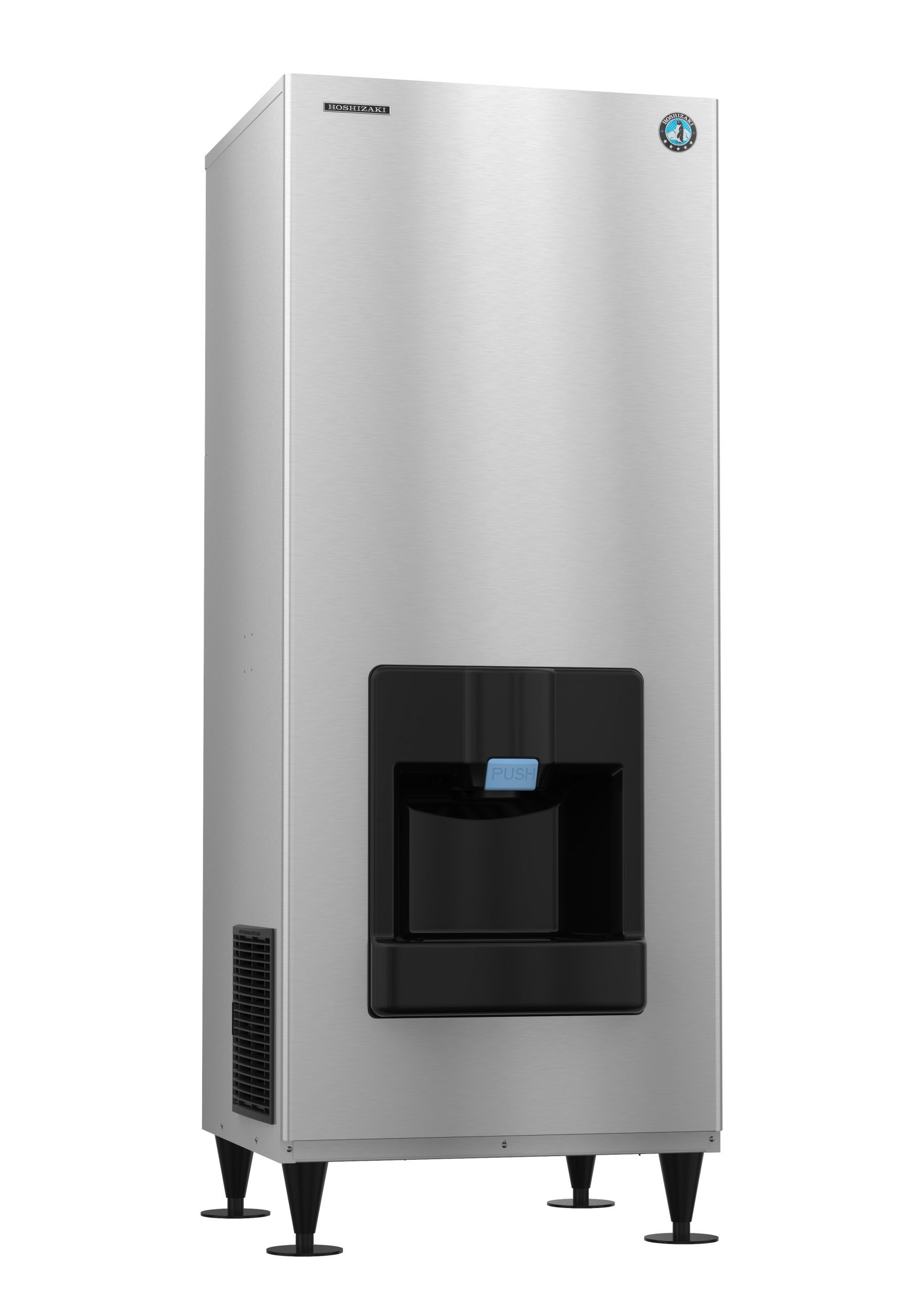
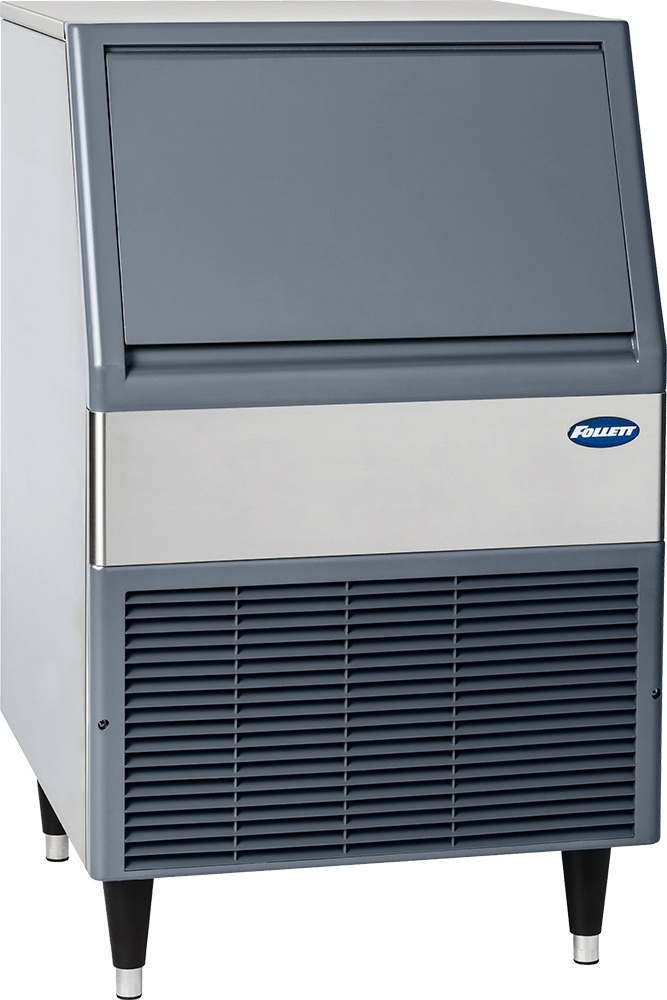
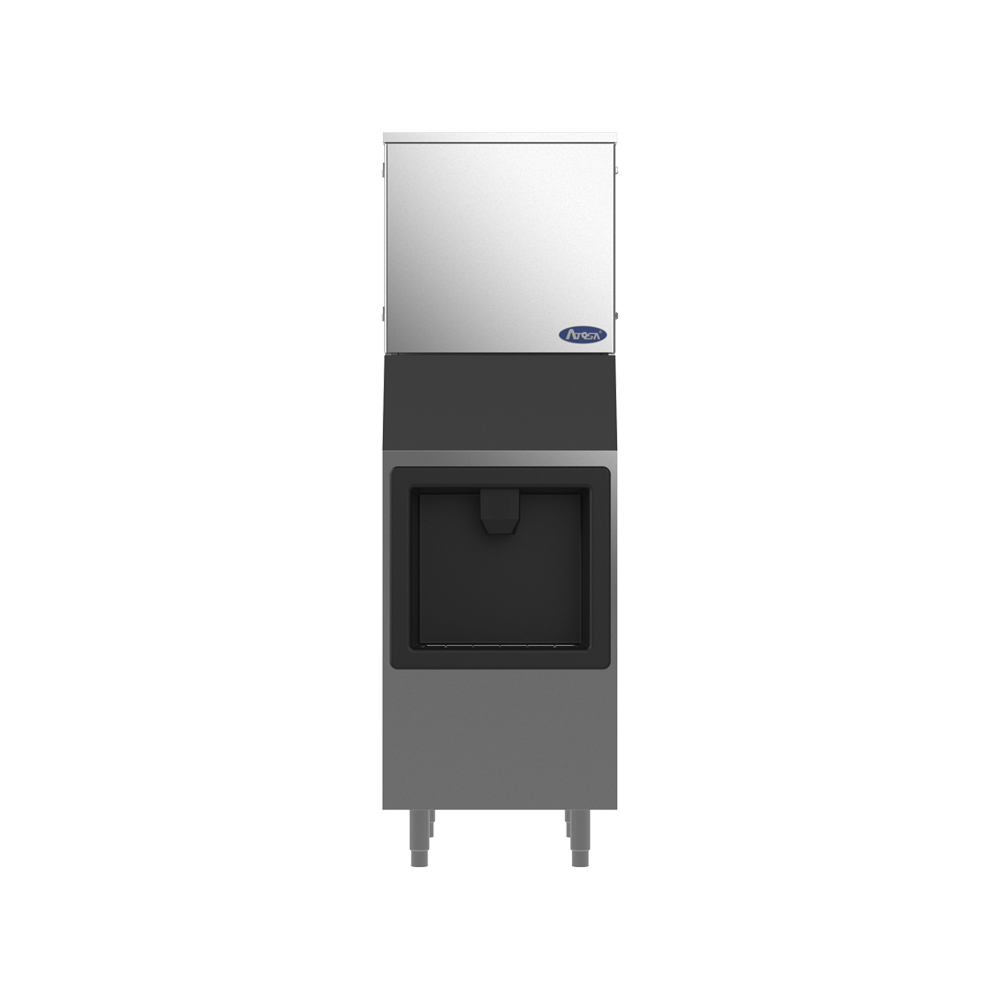
High-volume modular heads
Most ice per day — pair with a storage bin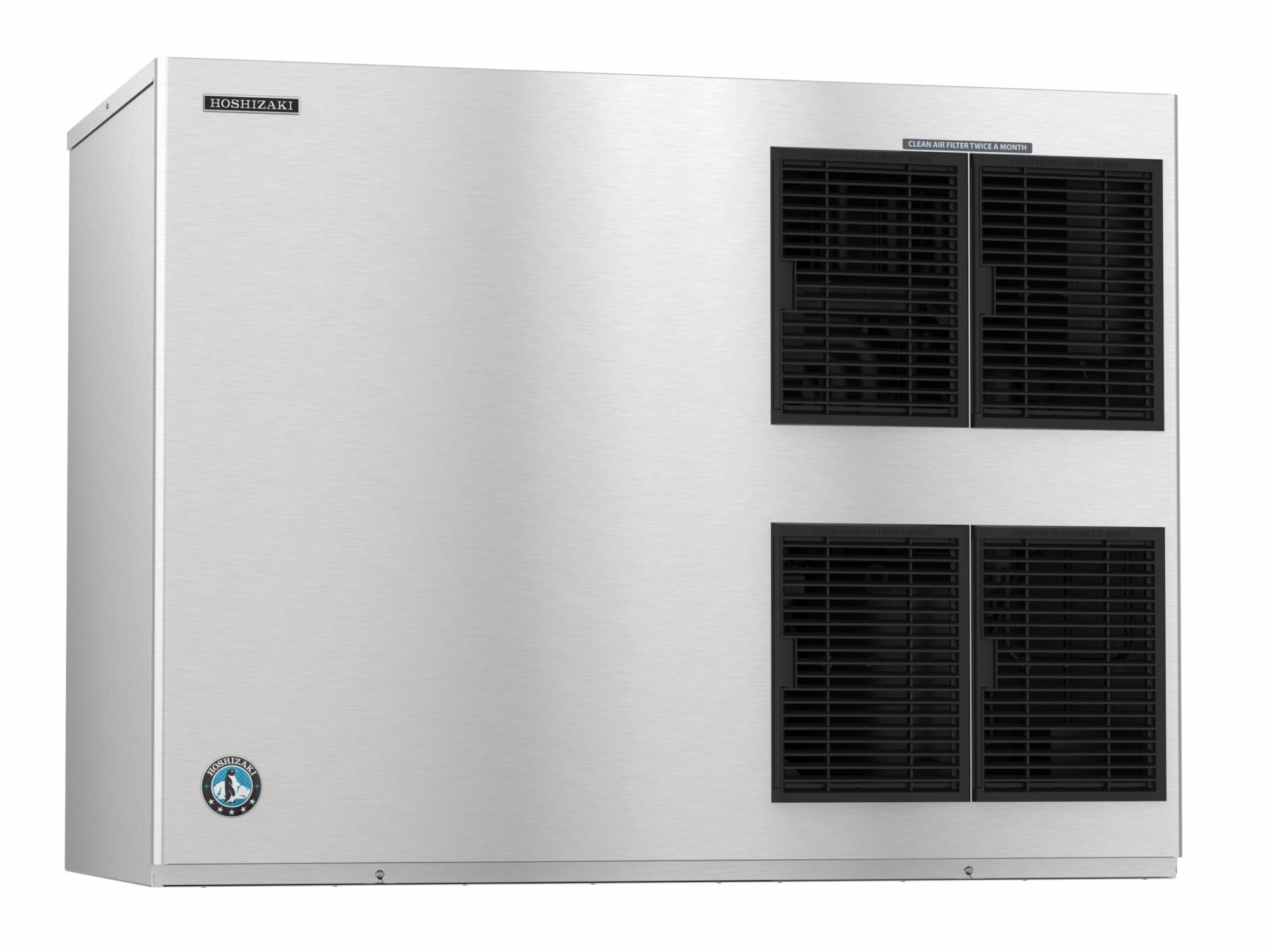
Nugget / chewable ice
Healthcare, soft drinks and smoothiesFlake ice
Seafood & produce display, blended drinks

Half-cube — the all-rounder
Packs dense; the most versatile cubeMost production
Maximum daily output for high-volume operations
Commercial ice machines: buying guide
An ice machine is chosen by ice shape, daily production, machine style (head + bin vs all-in-one), and condenser type. The models here are ENERGY STAR certified. Here is how to read the 559 models above.
1. Start with ice shape
Cube (full/half) is the default for bars and restaurants — slow-melting and clear. Nugget/pellet is the chewable ice for healthcare and soft drinks. Flake is soft and moldable for seafood and produce display. Gourmet is a premium clear cube for craft cocktails. See the shape guide above.
2. Size the daily production — on the real number
Estimate need at roughly 1.5–3 lbs of ice per customer/seat per day depending on operation, plus a 20–30% peak buffer (use the calculator). Then size on the AHRI 90°F/70°F rating, not the marketing “up to” figure measured at 70°F/50°F — the real-world number is meaningfully lower, and a hot kitchen derates it further.
3. Choose the machine style
A modular head makes the most ice but needs a separate storage bin (matched width, sold separately) — the choice for high volume. A self-contained undercounter unit includes storage and fits under a bar or counter. Remote-condenser units put the compressor outside for a quieter, cooler room.
4. Condenser: air, remote (and why not water here)
Air-cooled is cheapest and simplest but exhausts heat into the room and needs clearance and cooler ambient air. Remote exhausts heat outside at a higher install cost. Water-cooled handles hot, tight rooms but uses a lot of water and is restricted in some areas — and isn’t ENERGY STAR certified, so it isn’t listed here.
5. Filtration and electrical
Plan on a water filter — most warranties require it and hard water cuts production and machine life. Check the voltage: larger heads need 208–230V; smaller undercounter units run on 115V. Confirm the circuit and water/drain lines before install.
Warranty
Commercial ice machines commonly carry a multi-year parts & labor warranty plus a longer term on the evaporator and compressor. This page lists the manufacturer warranty where published.
How the brands compare
Ice shapes, machine styles, daily-production range and warranty for the brands with the most models here — a starting point, not a substitute for checking the specific model’s spec sheet.
| Brand | Models | Ice shapes | Styles | Production | Warranty |
|---|---|---|---|---|---|
| Manitowoc | 89 | Cube / Flake / Half-cube / Nugget | Modular Head / Remote-Condenser / Undercounter | 107–1744 lb/day | 3yr parts & labor, 5yr evaporator & compressor |
| Ice-O-Matic | 78 | Cube / Flake / Half-cube / Nugget | Modular Head / Remote-Condenser / Undercounter | 73–1845 lb/day | 3yr parts & labor, 5yr evaporator, 5yr compressor |
| Scotsman | 74 | Cube / Flake / Nugget | Modular Head / Remote-Condenser / Undercounter | 55–1296 lb/day | 3yr parts & labor, 5yr evaporator & compressor |
| Hoshizaki | 44 | Cube / Flake / Nugget | Modular Head / Remote-Condenser / Undercounter | 52–2580 lb/day | 3yr parts & labor; 5yr parts on compressor & condenser |
| Follett | 34 | Flake / Nugget | Modular Head / Remote-Condenser / Undercounter | 58–1632 lb/day | 3yr parts & labor; 5yr compressor (parts) |
| MAXX ICE | 31 | — | Modular Head / Undercounter | 45–356 lb/day | — |
| SAPPHIRE | 31 | — | Undercounter | 47–61 lb/day | — |
| True Refrigeration | 24 | Cube / Half-cube | Modular Head / Undercounter | 82–680 lb/day | 3yr parts & labor; 5yr compressor (parts); 5yr evaporator (parts & labor) |
| Koolaire | 22 | — | Modular Head / Remote-Condenser / Undercounter | 97–1490 lb/day | — |
| EMPURA | 17 | — | Modular Head / Undercounter | 85–423 lb/day | — |
| ATOSA | 13 | — | Modular Head / Undercounter | 101–666 lb/day | — |
| Summit | 12 | — | Modular Head / Undercounter | 45–319 lb/day | — |
| ICETRO | 11 | — | Modular Head / Remote-Condenser / Undercounter | 58–1861 lb/day | — |
| ITV Ice Makers | 8 | — | Modular Head / Undercounter | 114–627 lb/day | — |
| DUURA | 8 | — | Undercounter | 45–50 lb/day | — |
Frequently asked questions
How much ice do I need per day?
A common rule of thumb is roughly 1.5–2 lbs of ice per customer/cover per day for a restaurant, more for a bar (about 3 lbs per seat) or healthcare. Add a 20–30% buffer for your busiest day. Use the sizing calculator above to get a target, then filter by daily production — but remember the headline number is a best-case rating.
Why does a machine make less ice than its rating?
Ice-machine capacity is published at ideal conditions. The AHRI-certified rating uses 90°F air / 70°F inlet water — closer to a real kitchen — and is meaningfully lower than the marketing 'up to' number measured at 70°F air / 50°F water. A unit advertised at ~3,200 lb/day can certify near ~2,580 lb/day. Always size on the AHRI/real-condition figure and leave headroom.
Cube, nugget, or flake — which ice should I choose?
Cube (full or half) is the default for bars and restaurants: slow-melting and clear for drinks. Nugget/pellet ('the chewable ice') is popular in healthcare and for soft drinks. Flake ice is soft and moldable — used for seafood and produce display, blended drinks, and therapy. Gourmet/top-hat ice is a premium clear cube for craft cocktails.
Air-cooled, water-cooled, or remote condenser?
Air-cooled is the cheapest and simplest but exhausts heat into the room and needs clearance and cooler ambient air. Remote-condenser puts the compressor outside for a quiet, cool indoor space at a higher install cost. Water-cooled handles hot, tight rooms but uses a lot of water and is restricted in some jurisdictions. This catalog lists ENERGY STAR–certified air-cooled and remote units; water-cooled models aren't ENERGY STAR certified.
Does an ice machine need a water filter?
Effectively yes. Most manufacturers require filtration to keep the warranty valid, and hard water scales up the evaporator — cutting production (sometimes ~30%) and shortening machine life. Budget for a filter as a required companion, not an upsell, and change cartridges on schedule.
Do I need a separate bin?
A modular 'ice-making head' produces ice but has no storage — you pair it with a matching-width storage bin (sold separately). Self-contained undercounter and countertop units include storage. Match the bin width to the head, and size the bin to hold roughly your peak on-hand need.
Are these ice machines NSF certified?
Commercial ice machines are generally NSF-listed for food-safe materials and cleanability, which is commonly required on plan review. This page flags NSF where the manufacturer publishes it — confirm the specific model with your local health authority when permitting.
About this data
Last verified: August 2026. Specs are compiled from manufacturer spec sheets and authorized dealer listings; where a value isn't published we leave it blank rather than guess.
Methodology: every ice-machine model is compared on the same set of specifications, and dimensions are checked (for sinks, overall width must exceed the combined bowl widths) — figures that fail validation are corrected from the manufacturer model number or omitted. “Street price” is the lowest legitimate published price we've found and can change.
Sourcing: product specs come from the manufacturer; regulatory statements link to the source (e.g. the FDA Food Code and NSF). Code requirements vary by jurisdiction — confirm with the authority reviewing your plans.
Disclosure: FoodServiceNerd is vendor-neutral and free to use. Some “where to buy” links may be affiliate links — we may earn a commission at no cost to you, and it never changes what we list or how we rank it. We don't sell equipment ourselves.
Editorial: compiled and reviewed by the FoodServiceNerd equipment desk (about us). Spot an error? Tell us and we'll correct it.