Glass-Door Merchandiser Refrigerators & Freezers
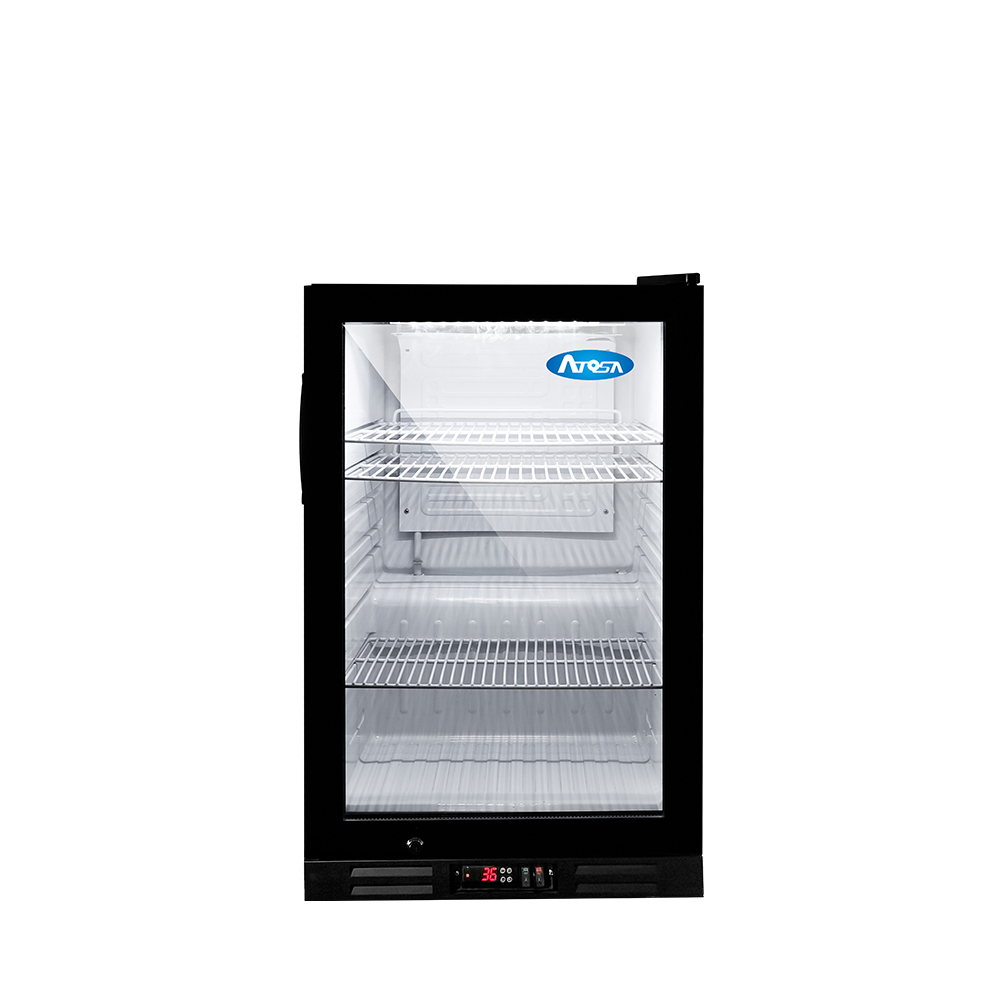
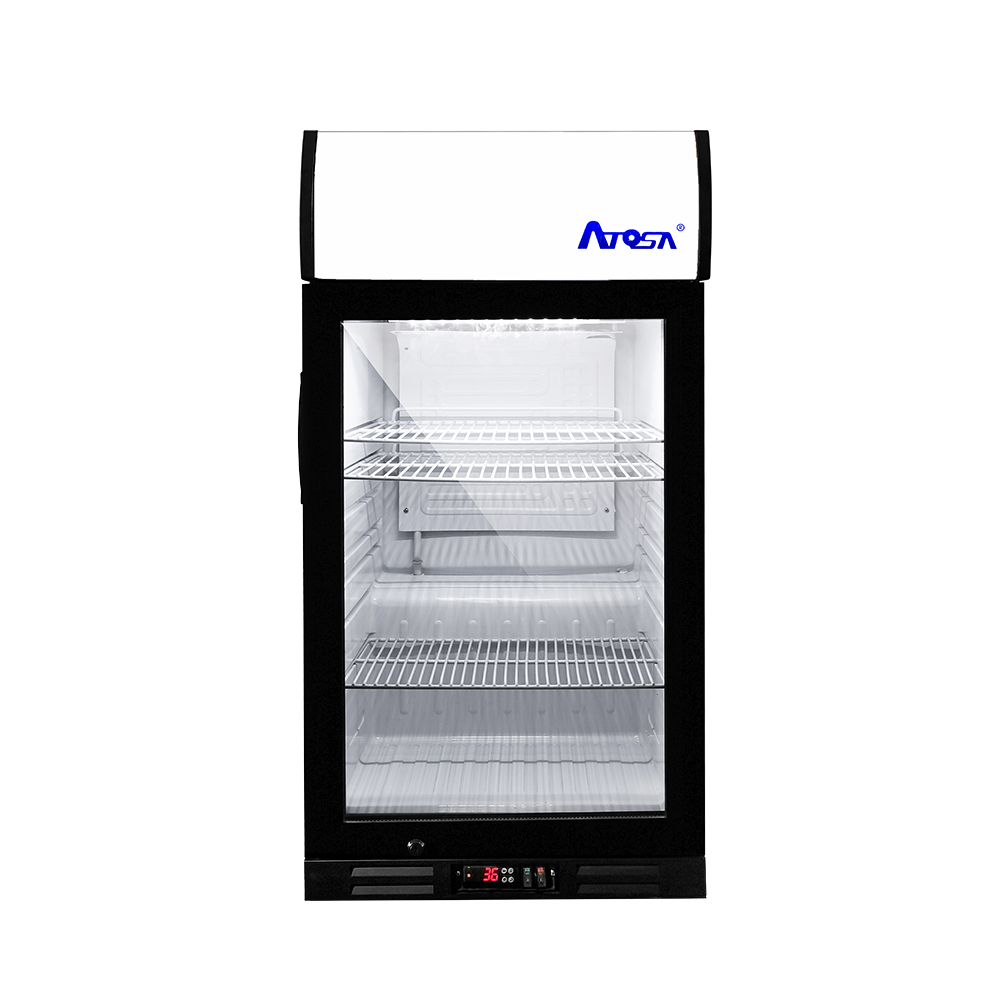
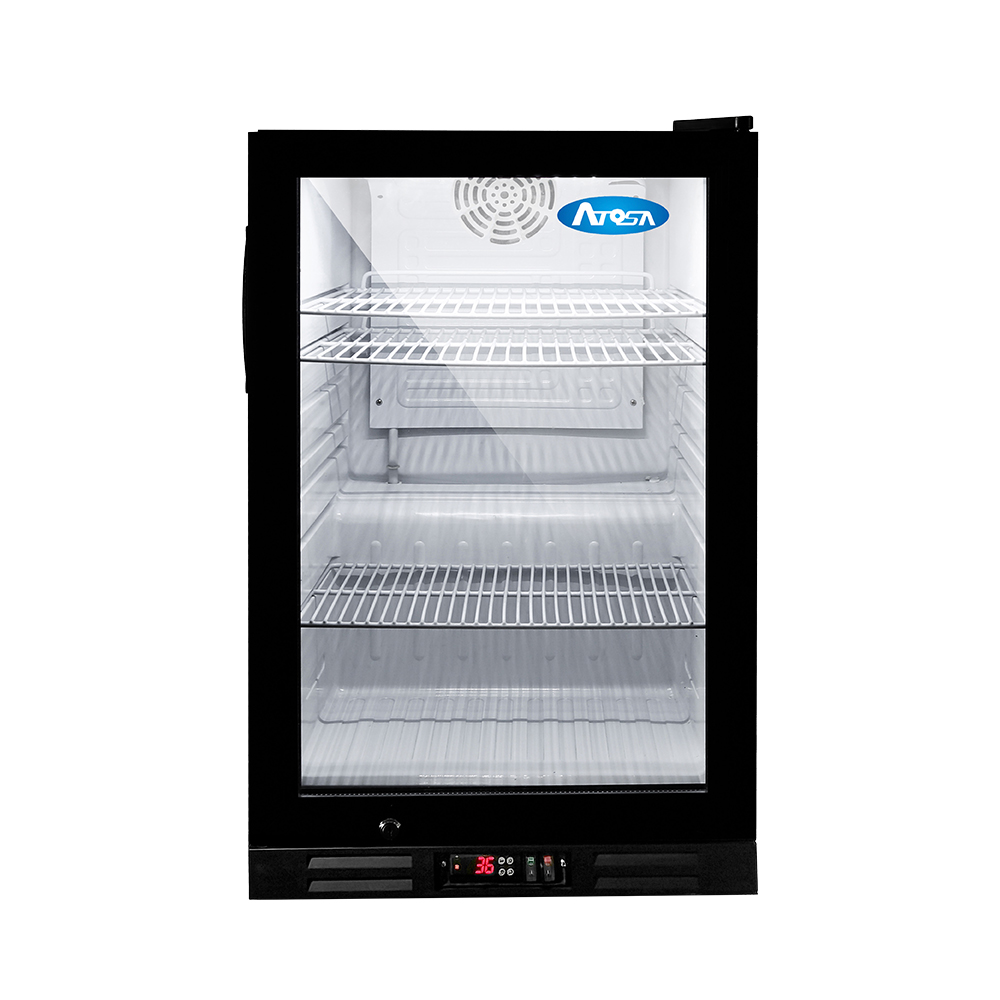
A glass-door merchandiser is refrigeration that sells: a glass-front cabinet that holds product at code temperature while it's displayed. Choose refrigerator (holds ≤41°F for TCS product) or freezer (frozen, e.g. ice cream), then size by door count and interior capacity. A commercial merchandiser is built to hold food-safe temperatures with the doors opening all day; interior lighting and shelving must be cleanable (NSF/ANSI 7).
Deciding? Compare who really makes each merchandiser brand, its refrigerant, and the model-number decoder.
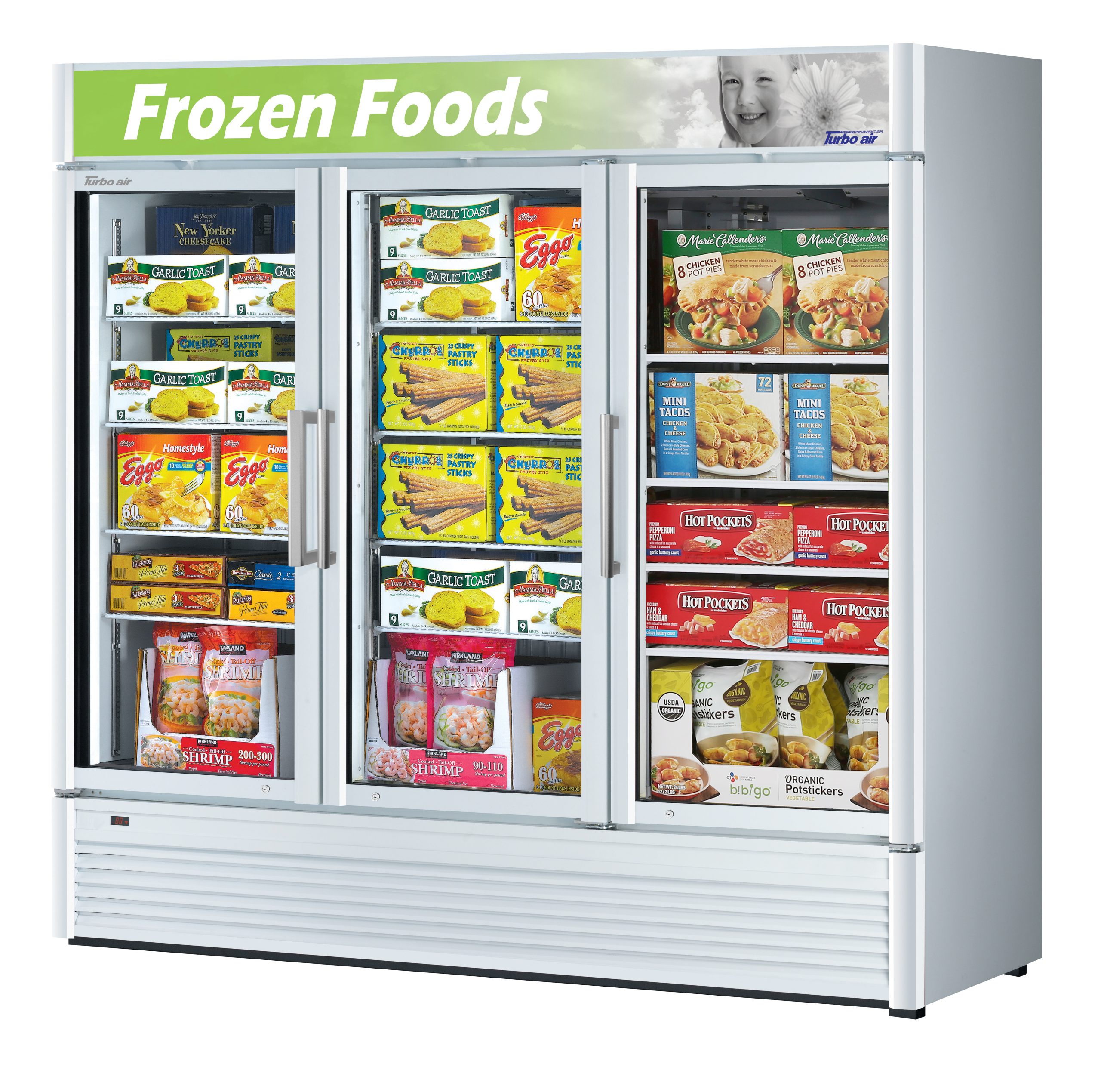
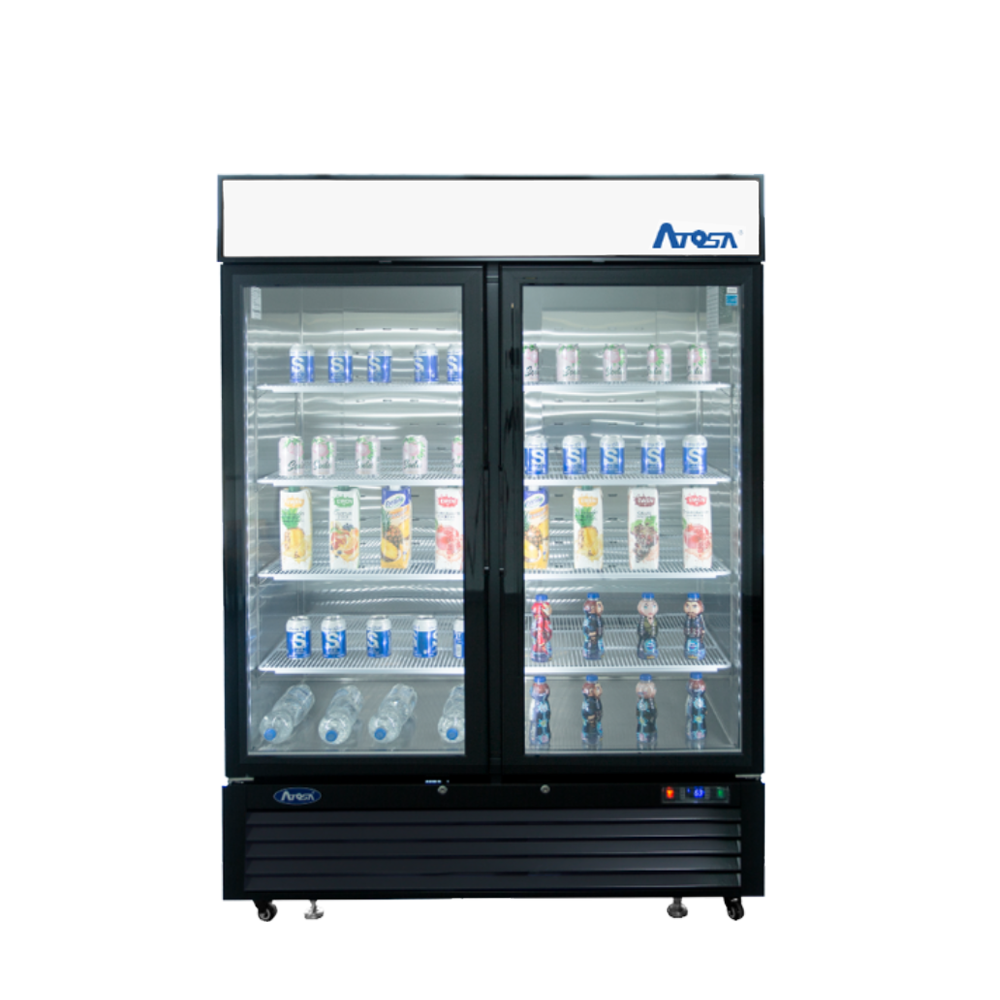
Glass-door merchandisers — refrigerated and frozen — for grab-and-go, beverages, and displayed product. Compare across every brand by type, door count, width, and capacity, then compare on build, not marketing. A commercial merchandiser holds product at code temperature even with the doors cycling all day — the difference from a residential glass-door fridge.
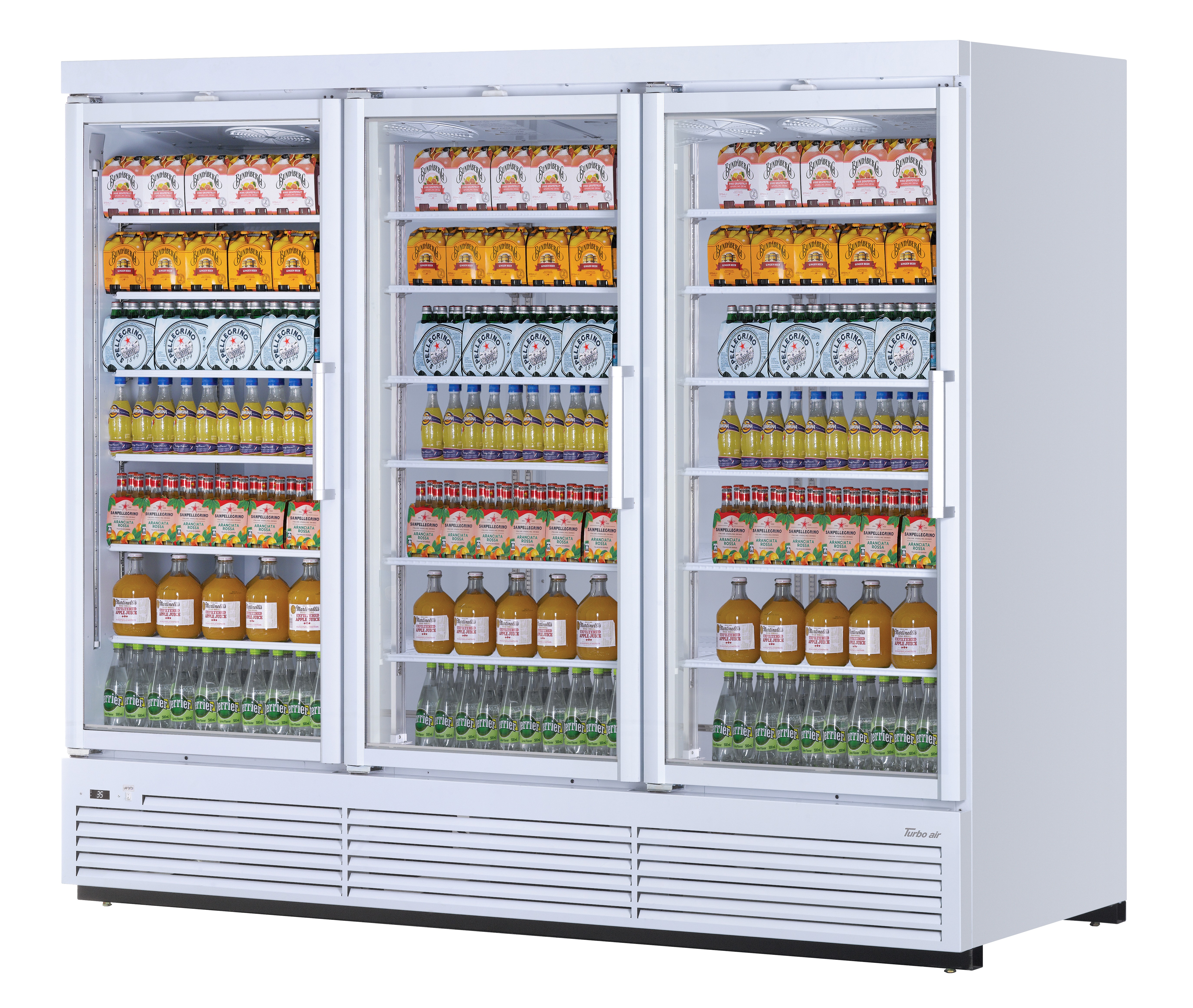


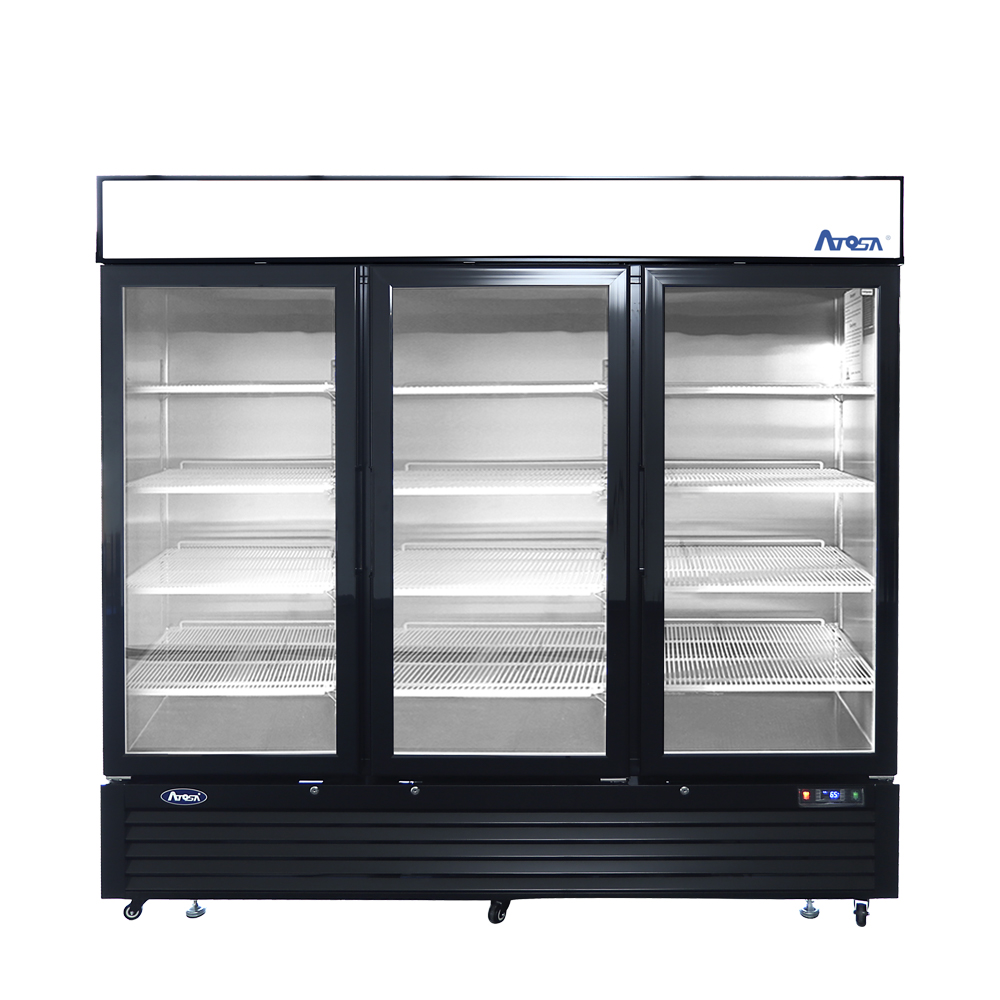
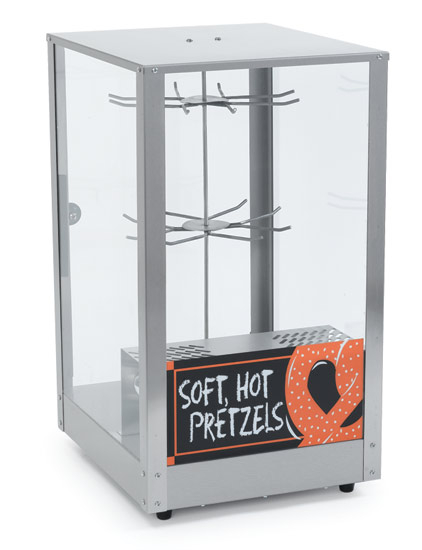


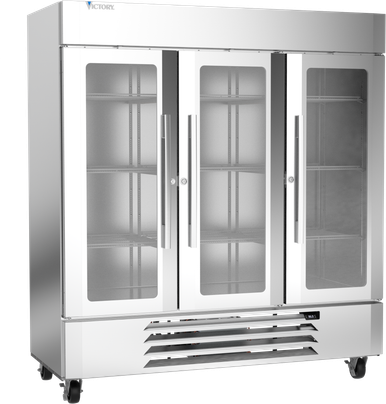

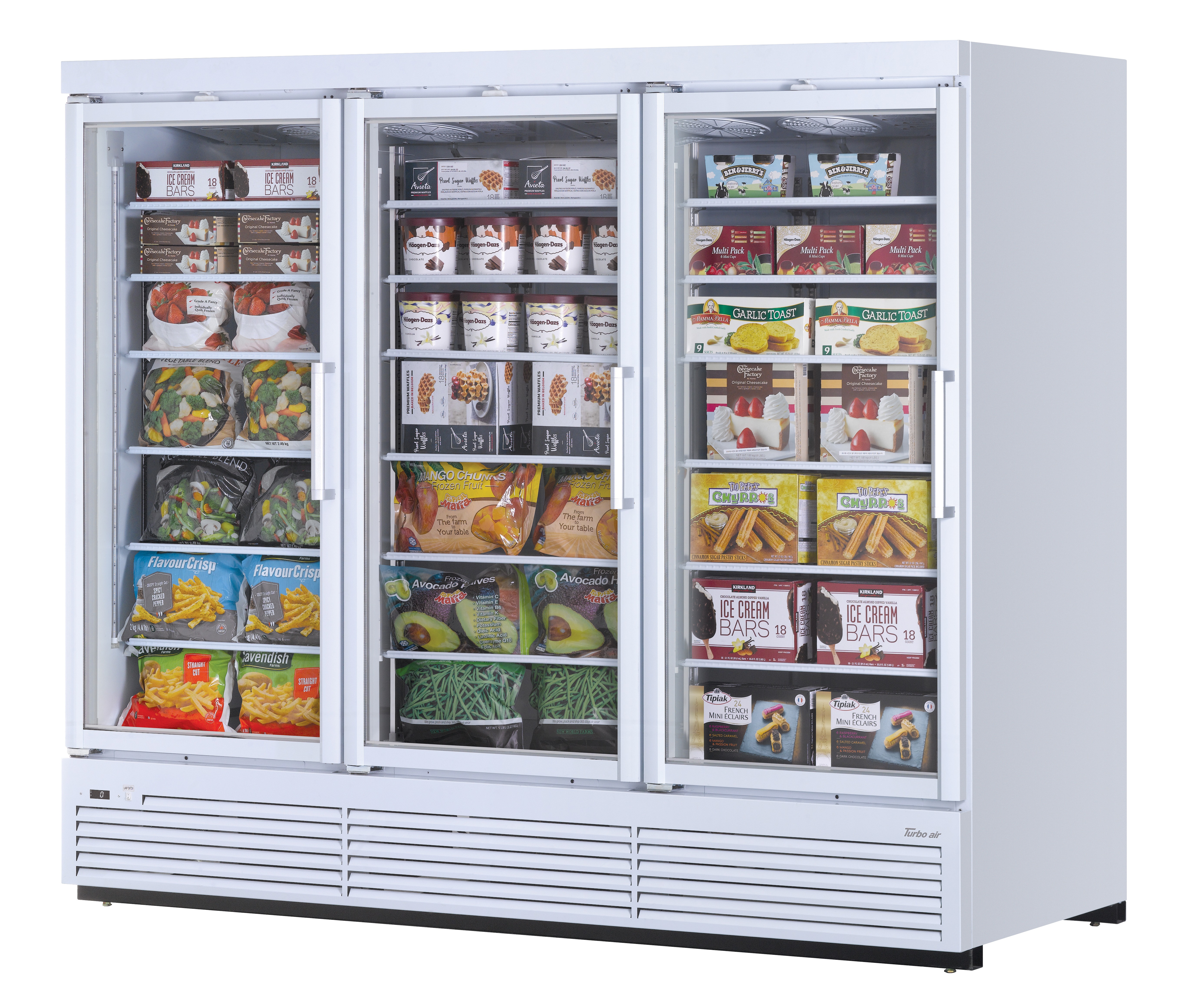

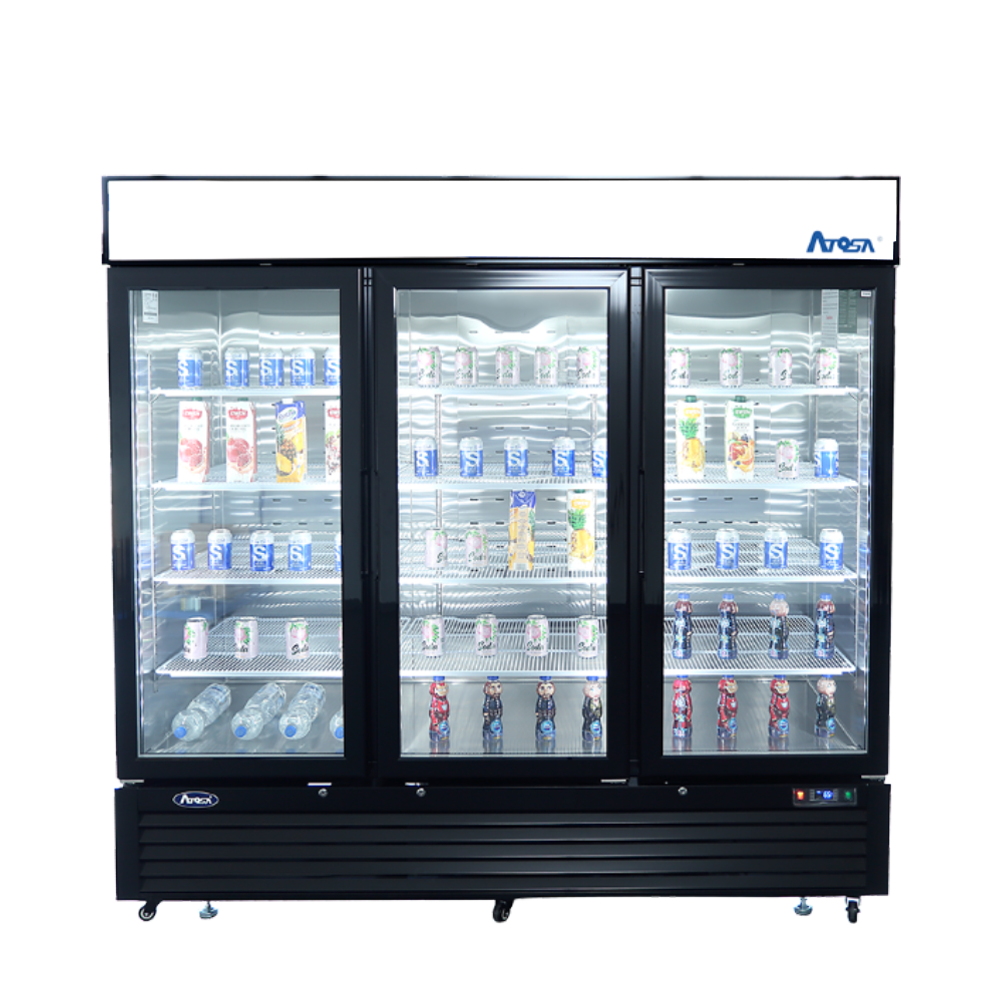

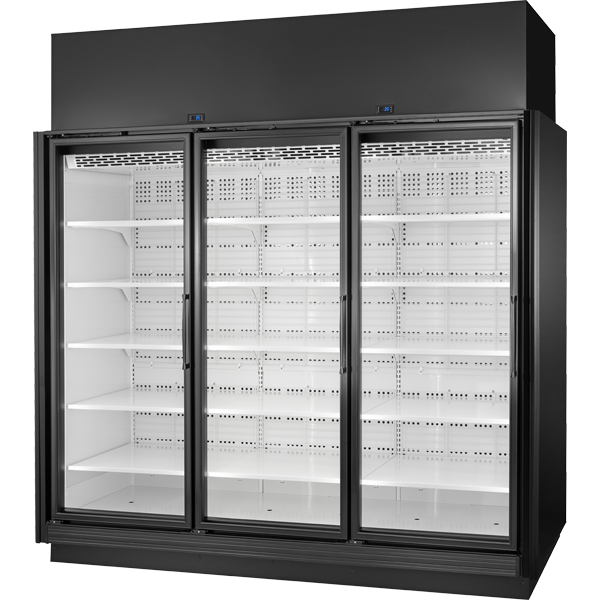
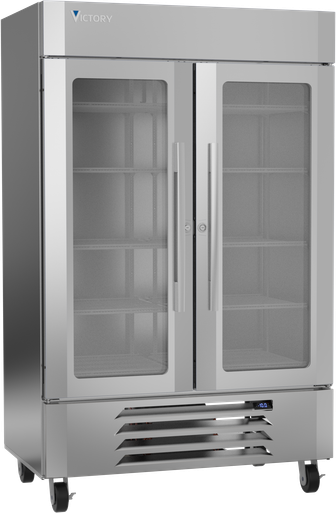
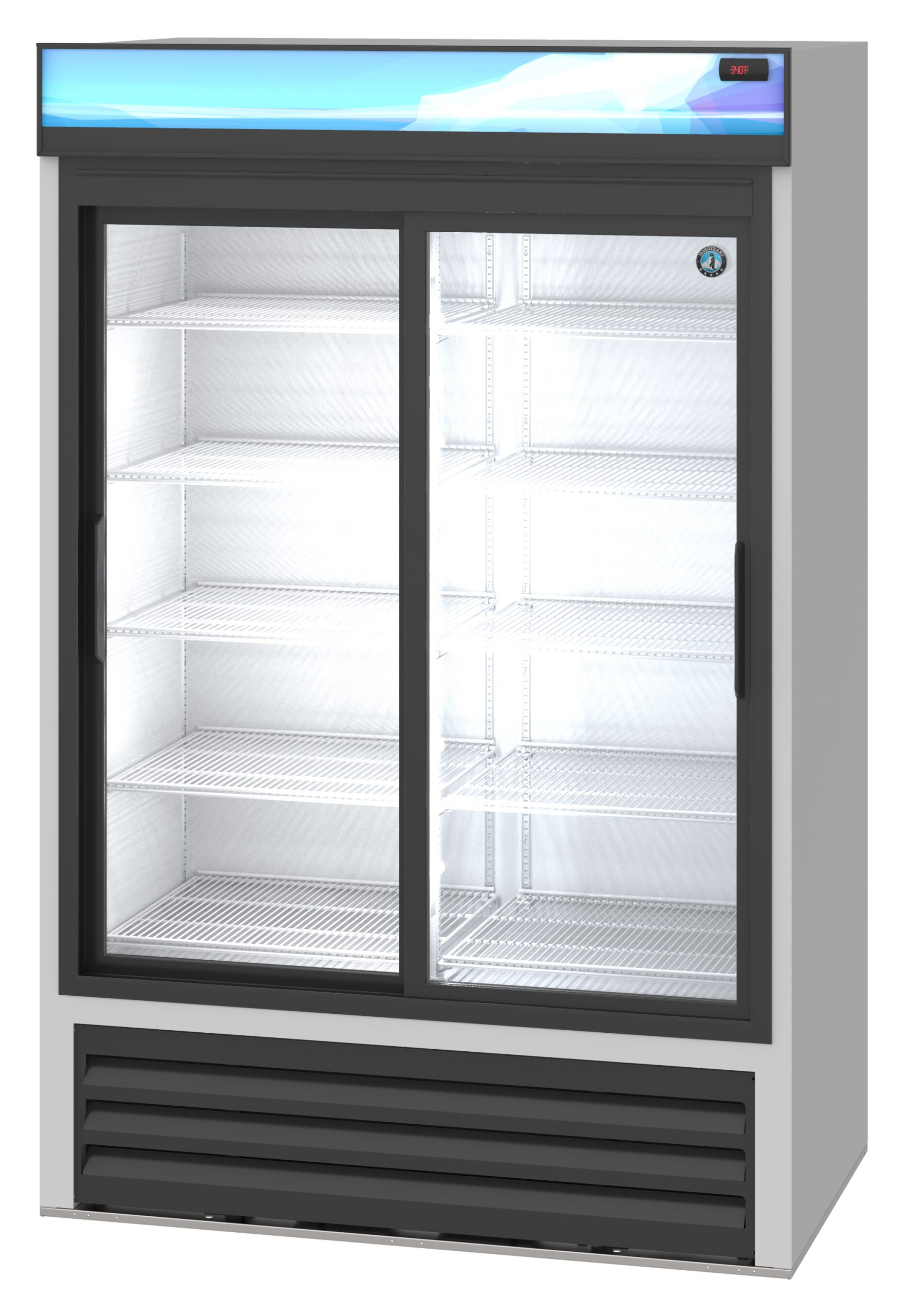
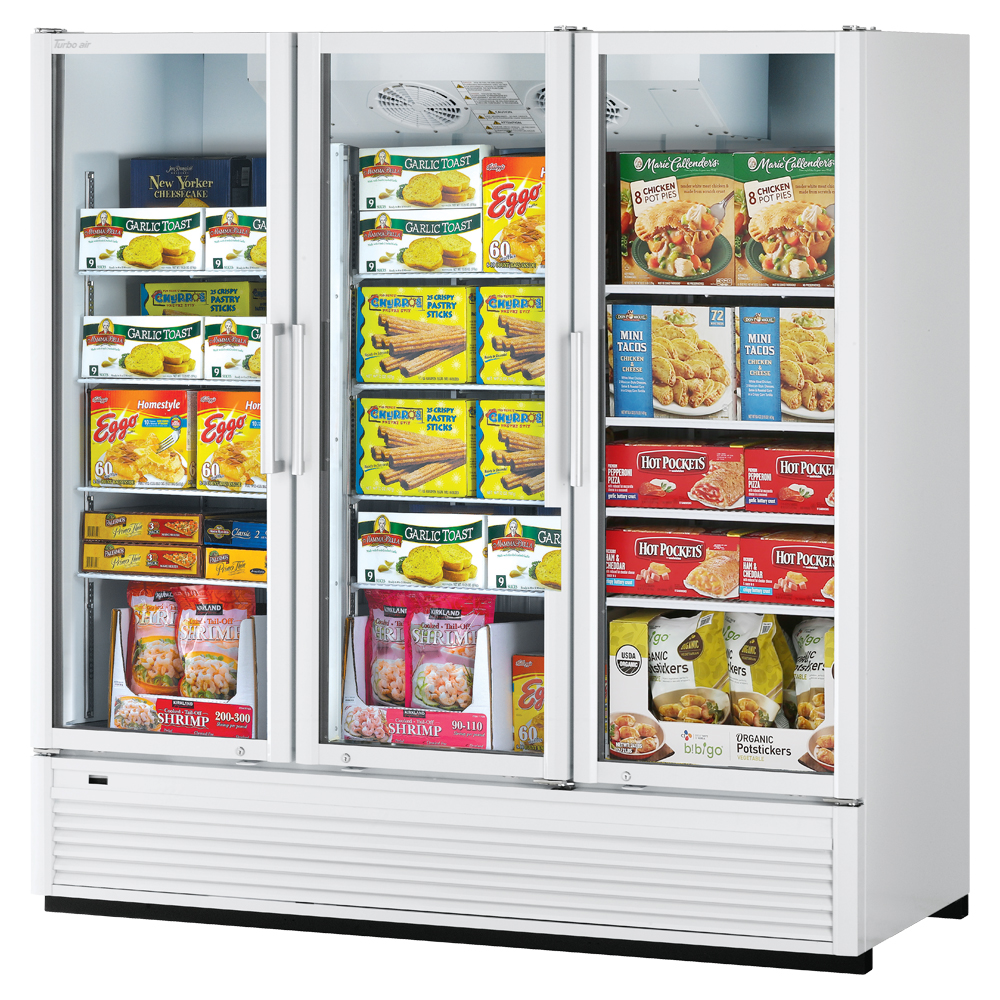

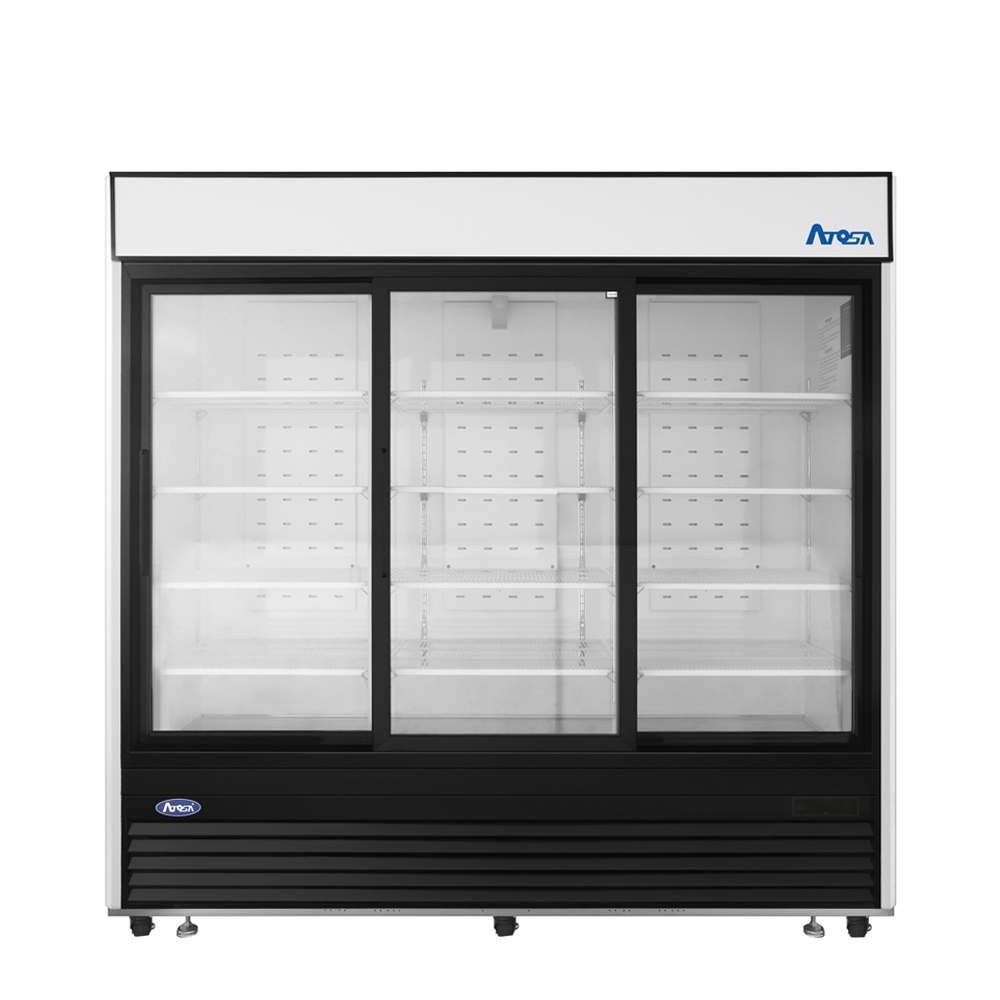
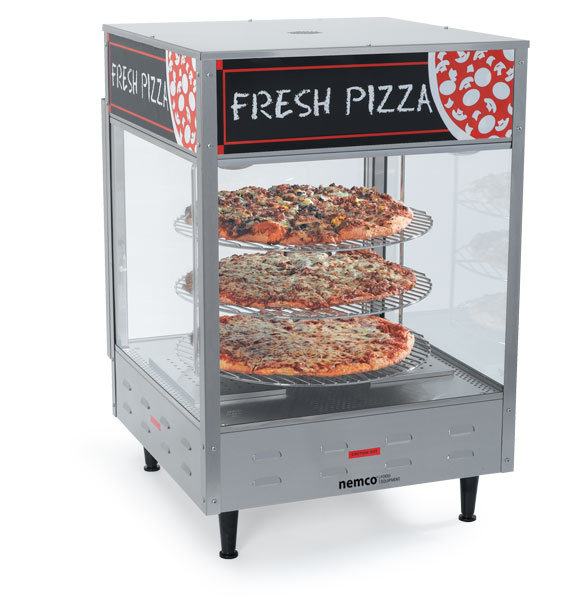

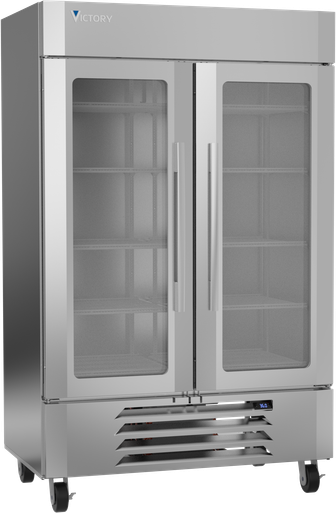

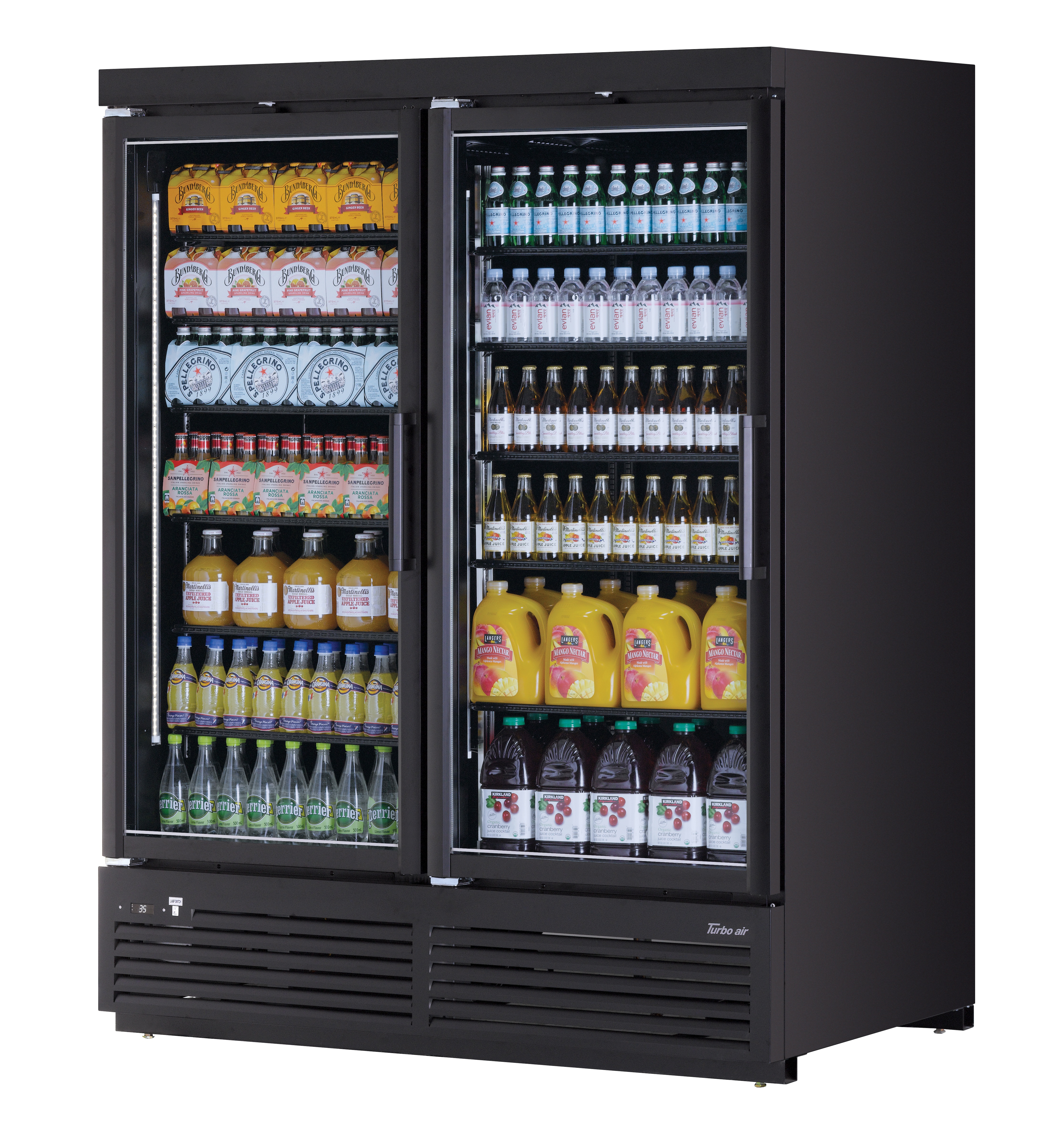


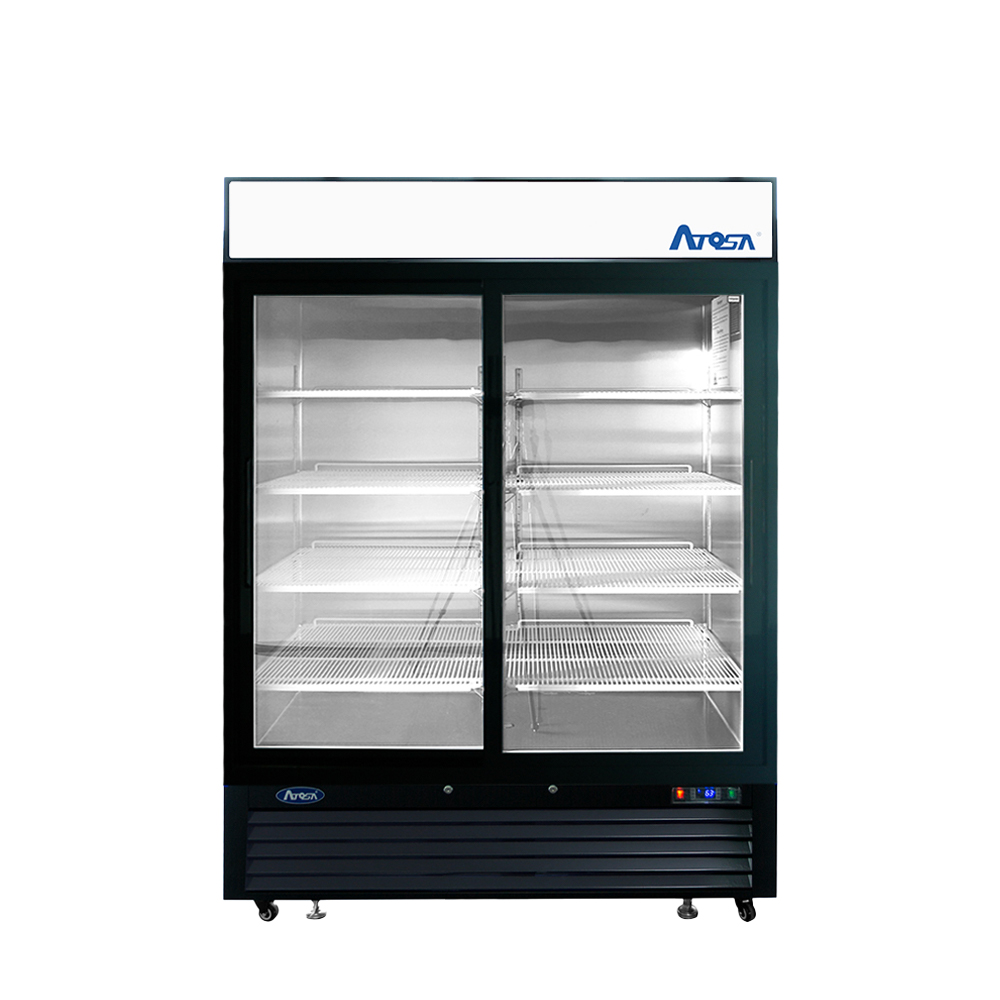

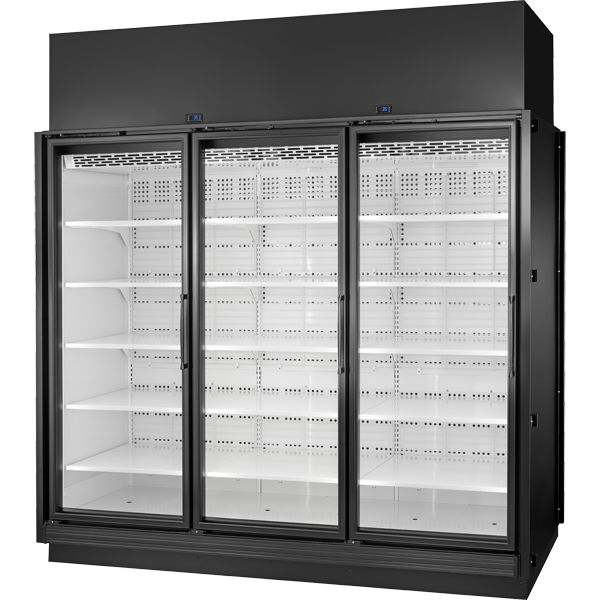
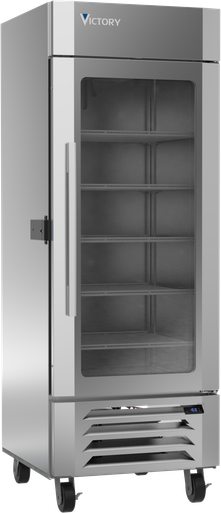
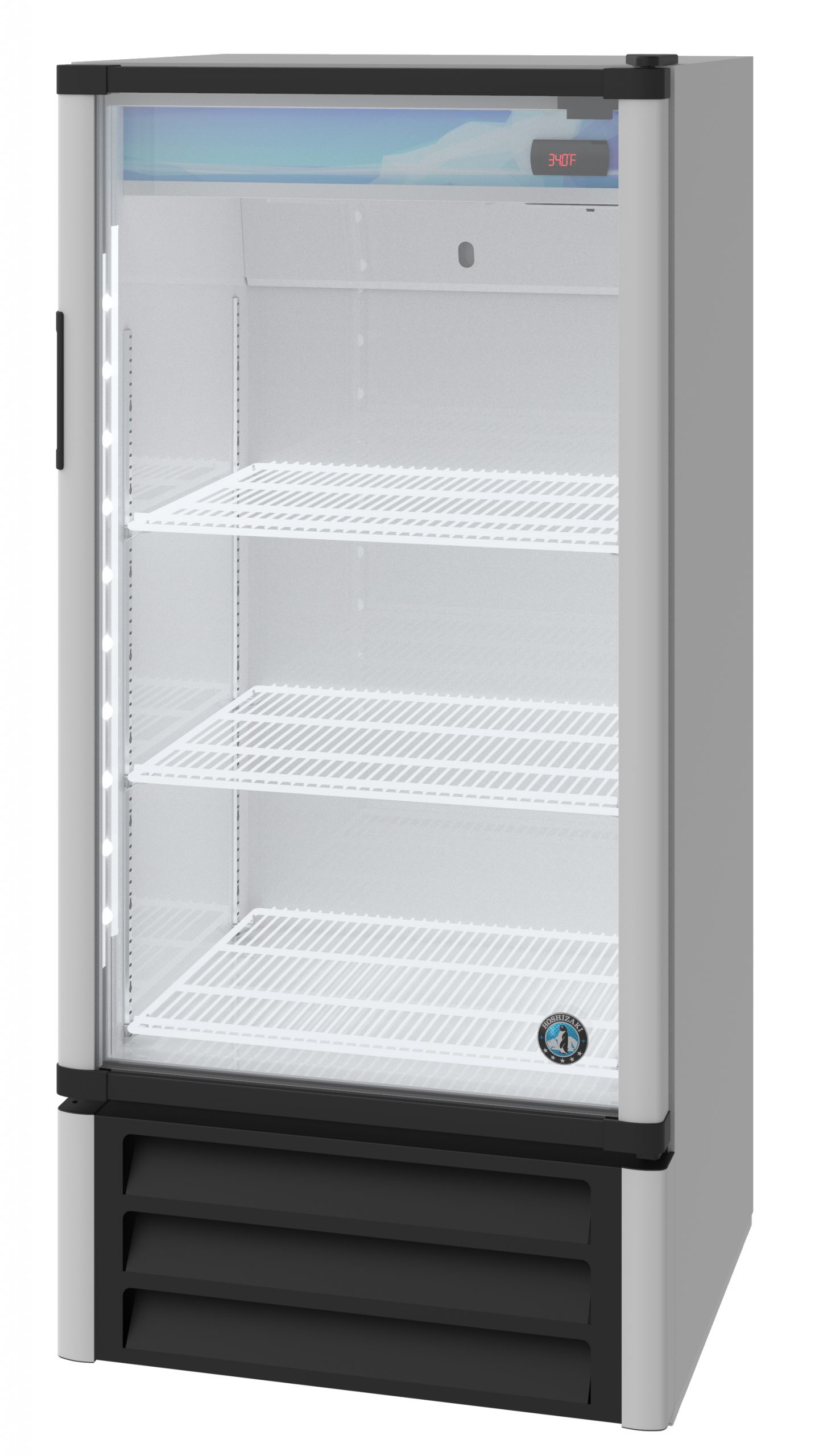

Which one should you buy?
Shortlists filtered to a real buying need — not paid placements or reviews. Each links to full specs.
Refrigerator
Biggest-capacity refrigerator models firstFreezer
Biggest-capacity freezer models first
Most capacity
Maximum cubic feet for high-volume storageCompact footprint
Narrowest units for tight lines and bars
Priced online
Models with a real published dealer price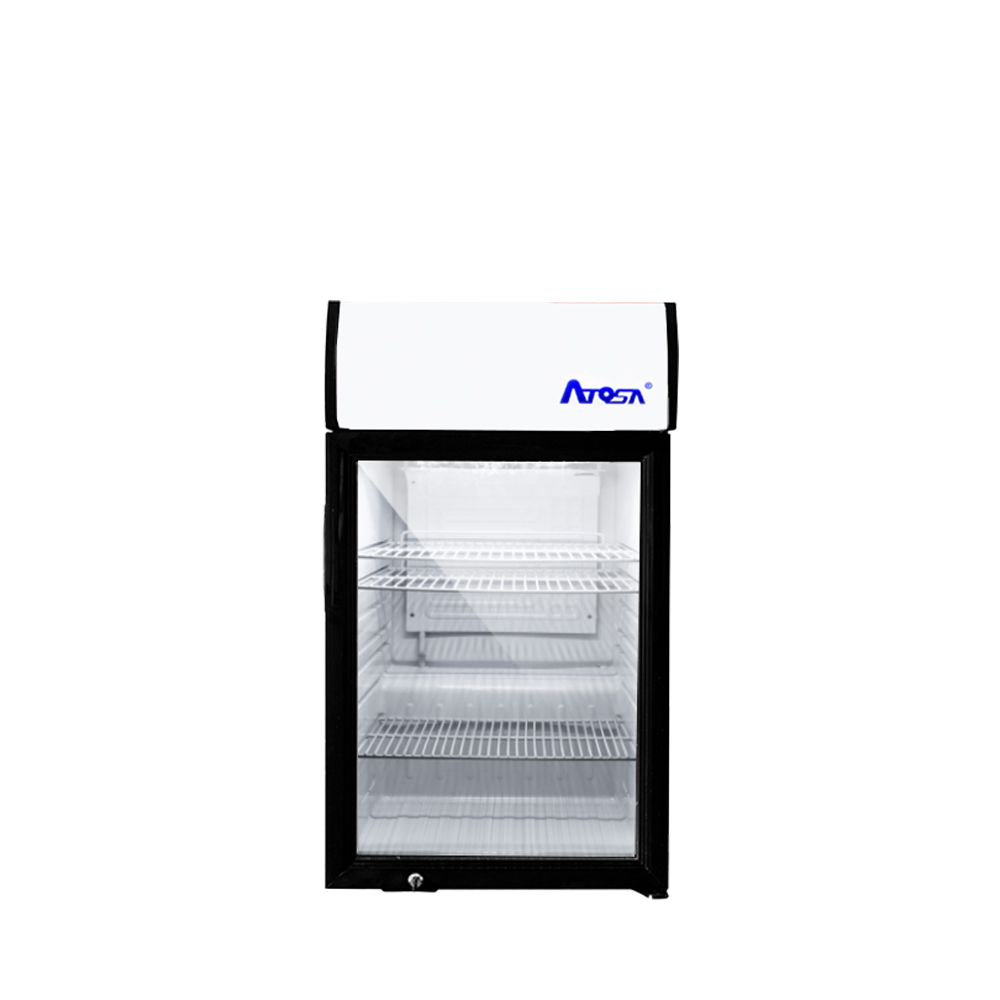
Glass-Door Merchandiser Refrigerators & Freezers: buying guide
A merchandiser is chosen by type (refrigerator or freezer), door count, and interior capacity — refrigeration built to sell while holding code temperature. Commercial models are generally NSF/ANSI-7 listed. Here is how to read the 178 models above.
Refrigerator or freezer
A refrigerated merchandiser displays grab-and-go product at code temperature (commonly ≤41°F); a freezer merchandiser displays frozen product and needs anti-condensate heaters on the glass. Buy the temperature class your product needs.
Doors, width, and capacity
Size by door count and overall width to the wall run, and by interior capacity to your restock cycle. Open-display (air-curtain) units maximize grab-and-go access but use more energy than glass doors.
Holding temperature and duty
The doors cycle all day, so a commercial merchandiser is built to hold food-safe temperature under constant use — the key difference from a residential glass-door fridge. Keep the coil clean and the shelving cleanable.
| Choice | Best use | Consideration |
|---|---|---|
| Refrigerated merchandiser | Grab-and-go drinks & food | Holds ≤41°F |
| Freezer merchandiser | Ice cream / frozen | Anti-sweat heaters; frozen |
| Single glass door | At the register | Impulse grab-and-go |
| Multi-door / open-display | Beverage wall / high traffic | More facings; more energy |
How the brands compare
Types, width range, capacity range, and street-price range for the brands with the most merchandisers here — a starting point, not a substitute for checking the specific model’s spec sheet.
| Brand | Models | Types | Width range | Capacity | Street price |
|---|---|---|---|---|---|
| True | 45 | Refrigerator | 20–128″ W | — | $2,463–$19,509 |
| Turbo Air | 40 | Freezer / Refrigerator | 25–97″ W | 4.3–97 cu ft | $4,268–$21,117 |
| Atosa | 37 | Refrigerator | 13.6–87.9″ W | 2.4–69.5 cu ft | $531–$7,532 |
| Beverage-Air | 15 | Refrigerator | 24.1–75.1″ W | 10–70.2 cu ft | $4,519–$14,876 |
| Migali | 13 | Freezer / Refrigerator | 24.2–82″ W | 4.2–72 cu ft | — |
| Traulsen | 10 | Refrigerator | 29.9–76.3″ W | — | — |
| Victory | 9 | Refrigerator | 27.2–75.1″ W | — | — |
Frequently asked questions
Do glass-door merchandisers keep product cold enough?
A commercial merchandiser is built to hold code temperature (commonly ≤41°F for TCS items; frozen for freezers) even with doors cycling all day — that's the difference from a residential glass-door fridge. For alcohol-only display, some jurisdictions are more lenient.
Refrigerator or freezer merchandiser?
A refrigerated merchandiser displays grab-and-go drinks, dairy, and prepared foods at ≤41°F; a freezer merchandiser displays frozen product like ice cream and needs anti-condensate (anti-sweat) heaters on the glass. Pick by what you're selling.
How is it sized?
By door count and interior capacity — a single-door unit merchandises drinks at the register, two–three doors build a beverage wall. Match capacity to how often you restock and confirm the unit fits the wall run.
Open-display vs glass-door?
An open-display (air-curtain) merchandiser has no doors for the fastest grab-and-go but uses more energy; a glass-door unit holds temperature better and costs less to run. Choose by traffic versus running cost.
Is it NSF listed?
Commercial merchandisers are generally NSF/ANSI-7 listed, commonly required on plan review, with cleanable interior lighting and shelving. Confirm the specific model's listing with the manufacturer and your local authority.
About this data
Last verified: August 2026. Specs are compiled from manufacturer spec sheets and authorized dealer listings; where a value isn't published we leave it blank rather than guess.
Methodology: every glass-door-merchandiser model is compared on the same set of specifications, and dimensions are checked (for sinks, overall width must exceed the combined bowl widths) — figures that fail validation are corrected from the manufacturer model number or omitted. “Street price” is the lowest legitimate published price we've found and can change.
Sourcing: product specs come from the manufacturer; regulatory statements link to the source (e.g. the FDA Food Code and NSF). Code requirements vary by jurisdiction — confirm with the authority reviewing your plans.
Disclosure: FoodServiceNerd is vendor-neutral and free to use. Some “where to buy” links may be affiliate links — we may earn a commission at no cost to you, and it never changes what we list or how we rank it. We don't sell equipment ourselves.
Editorial: compiled and reviewed by the FoodServiceNerd equipment desk (about us). Spot an error? Tell us and we'll correct it.