Undercounter Freezers
A commercial undercounter freezer holds product solidly frozen (about 0°F / −18°C) in a low-profile cabinet that slides under a counter or cook line. Size it by width (door count) and interior capacity. It's built to NSF/ANSI-7 for the cabinet and gaskets; a residential under-counter freezer isn't rated for a commercial line and will fail inspection.
Low-profile frozen storage that lives under a work surface or the cook line, holding product at 0°F within reach of the station. Compare commercial undercounter freezers by capacity, width, and weight, then compare on build, not marketing.

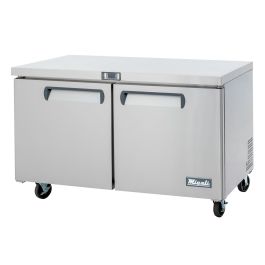
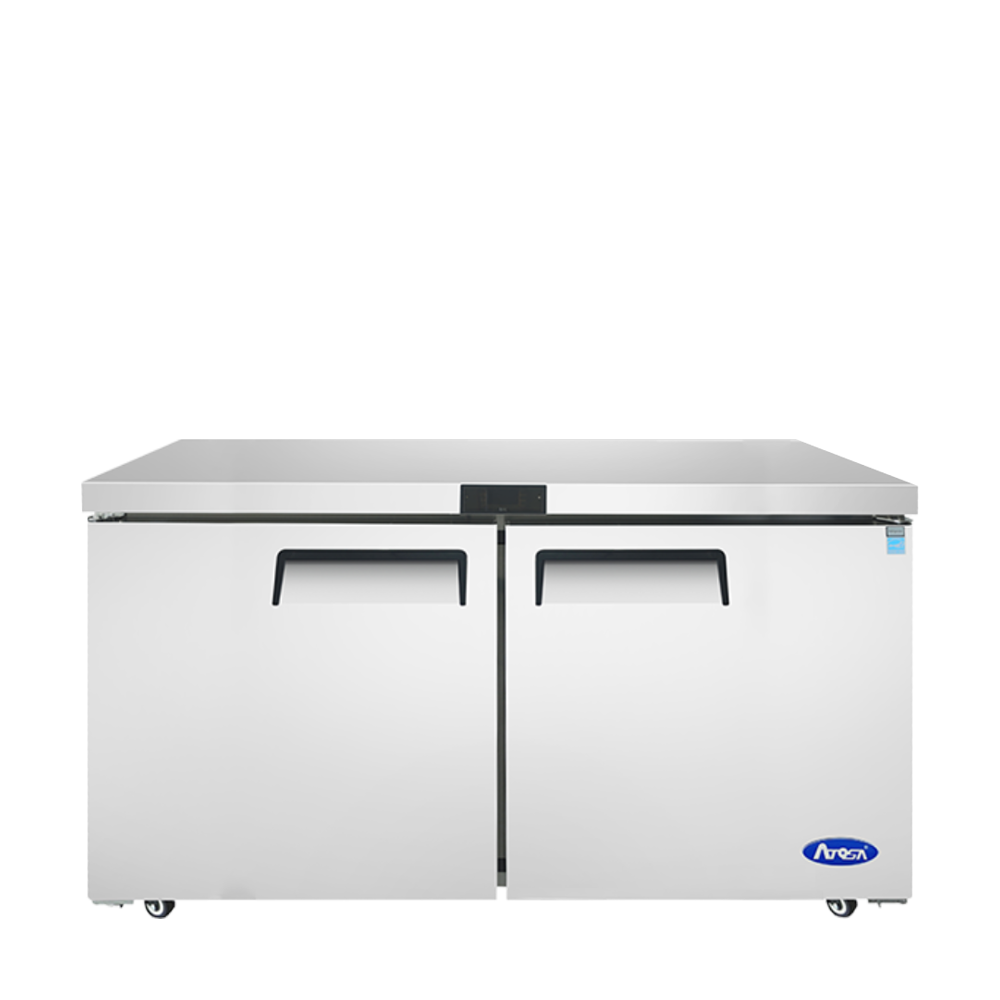
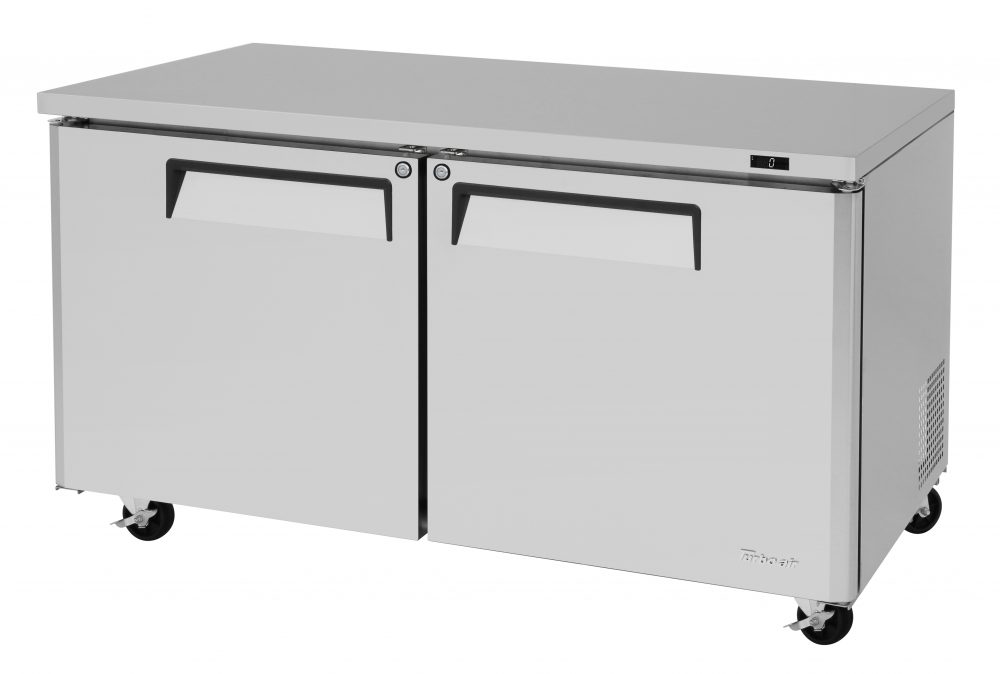

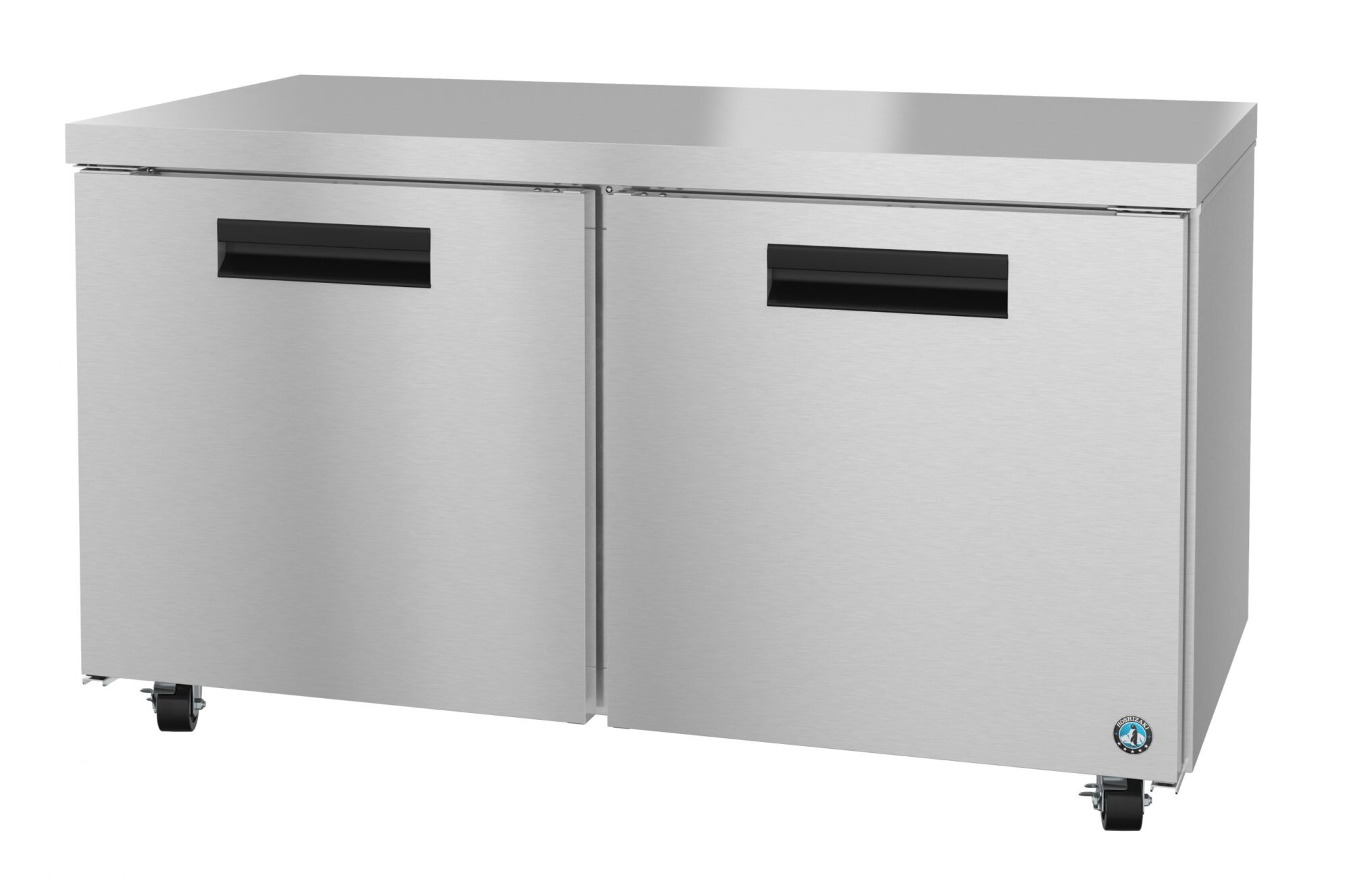

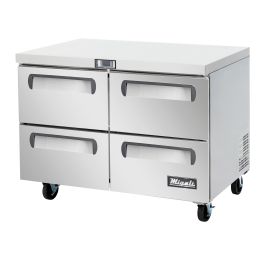

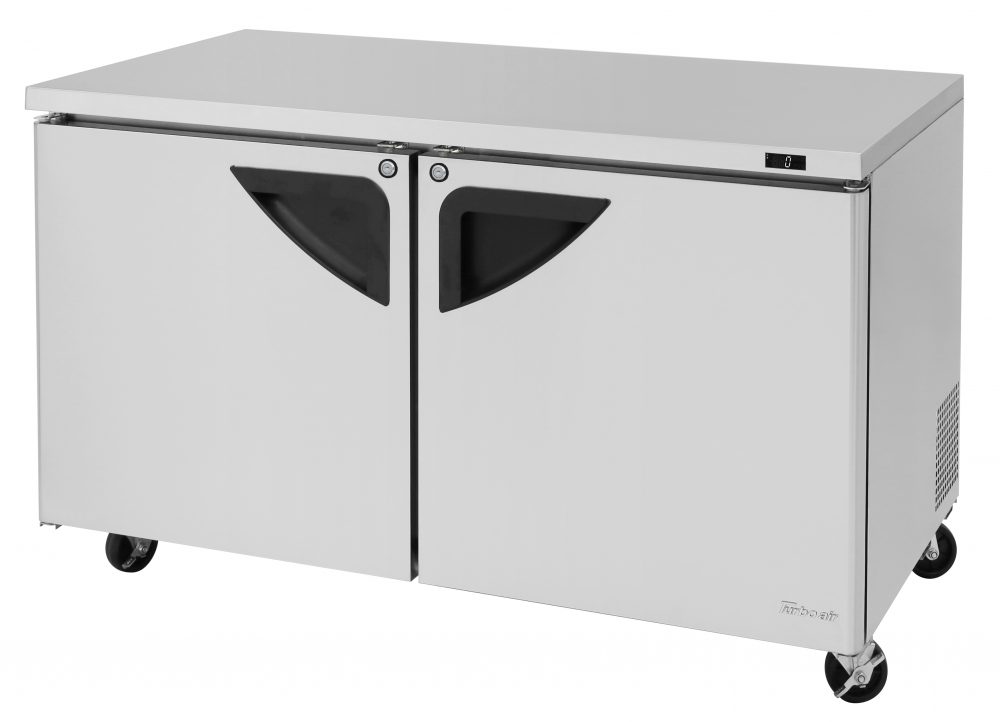

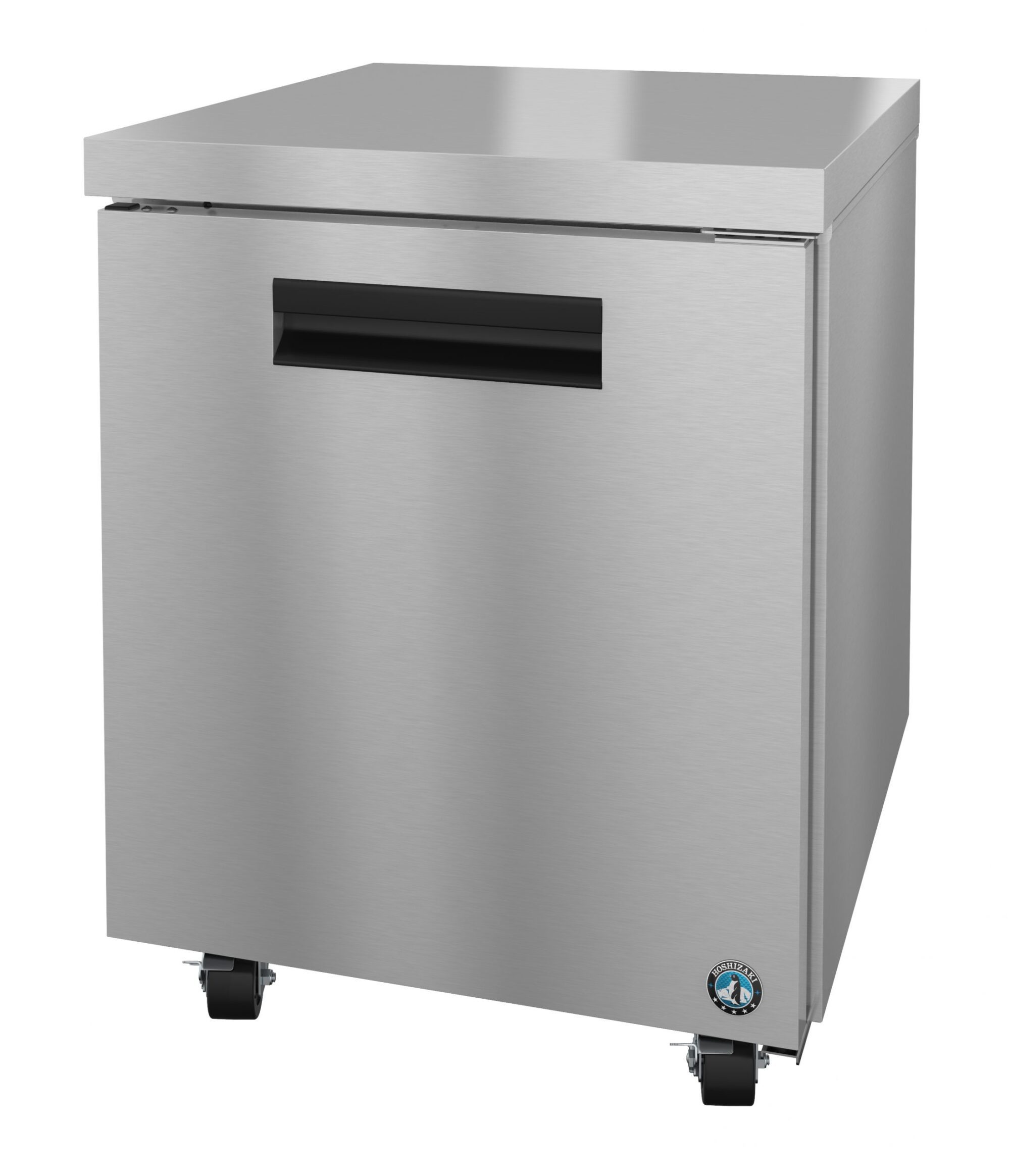
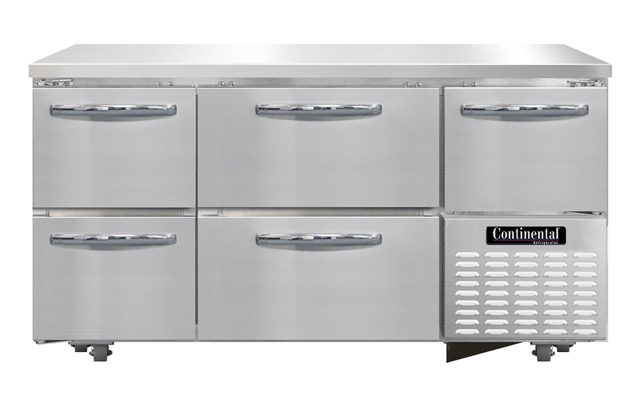
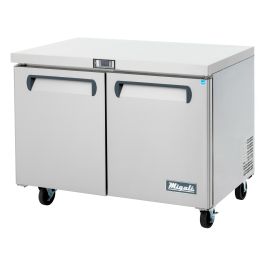


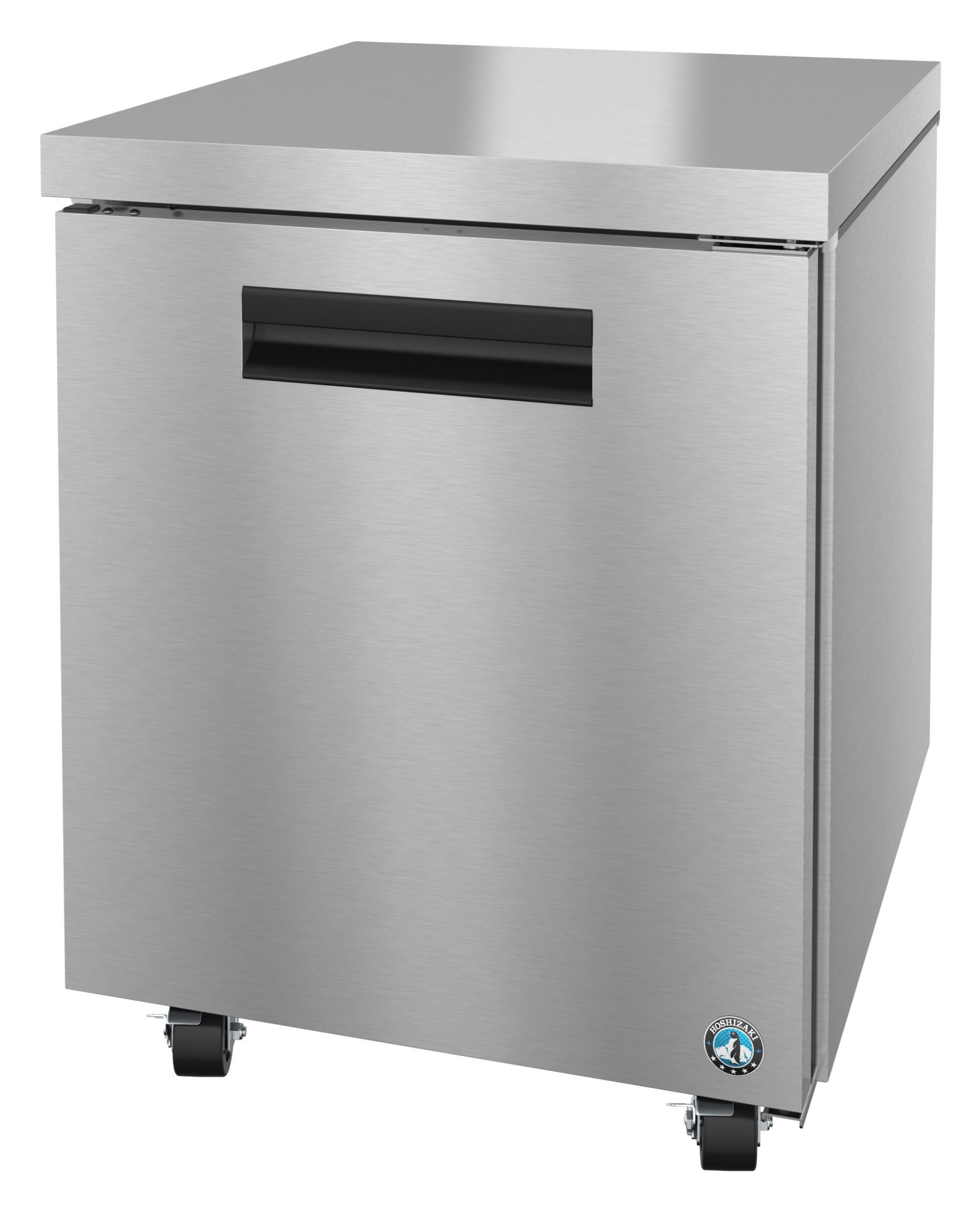
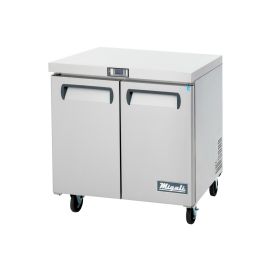

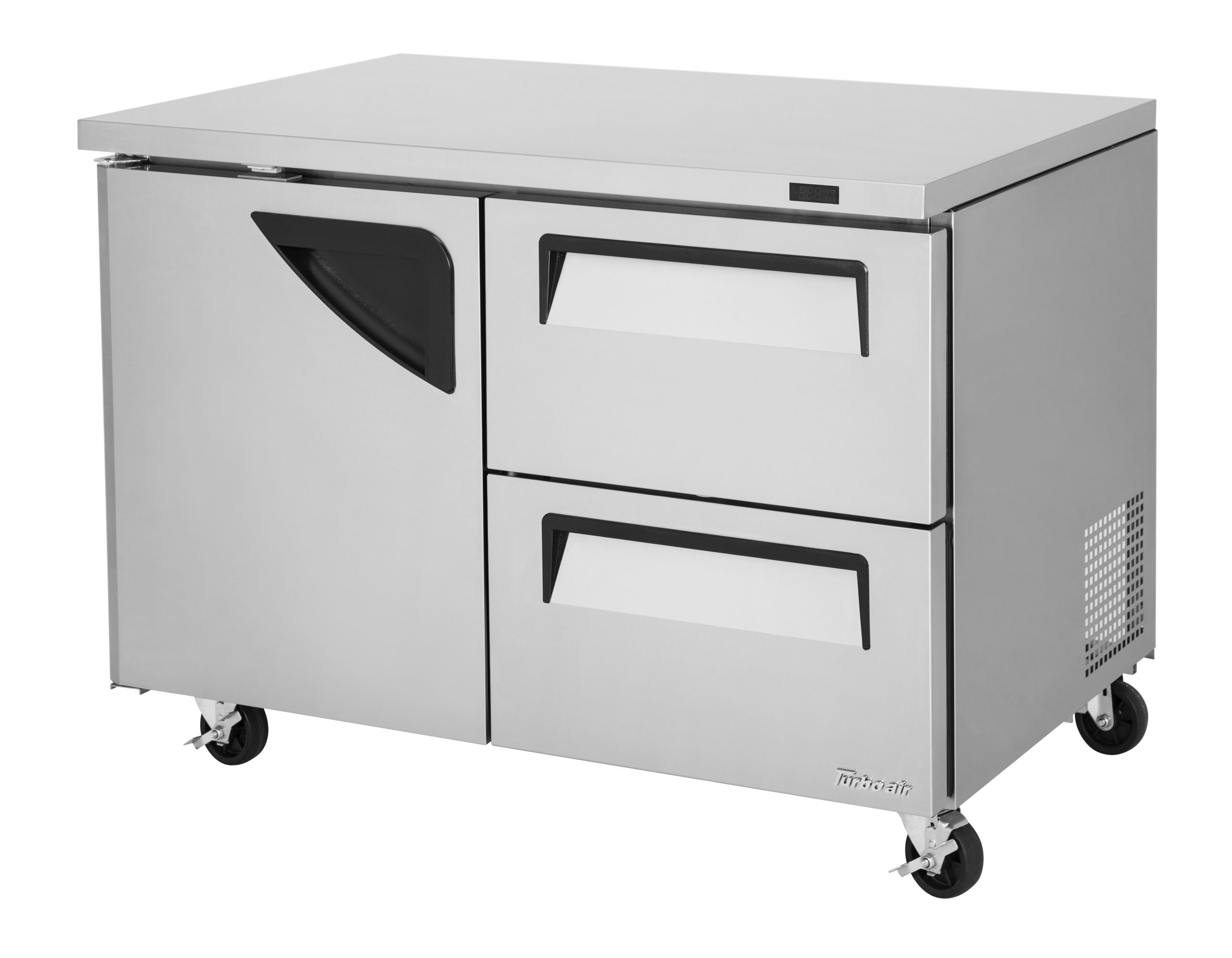
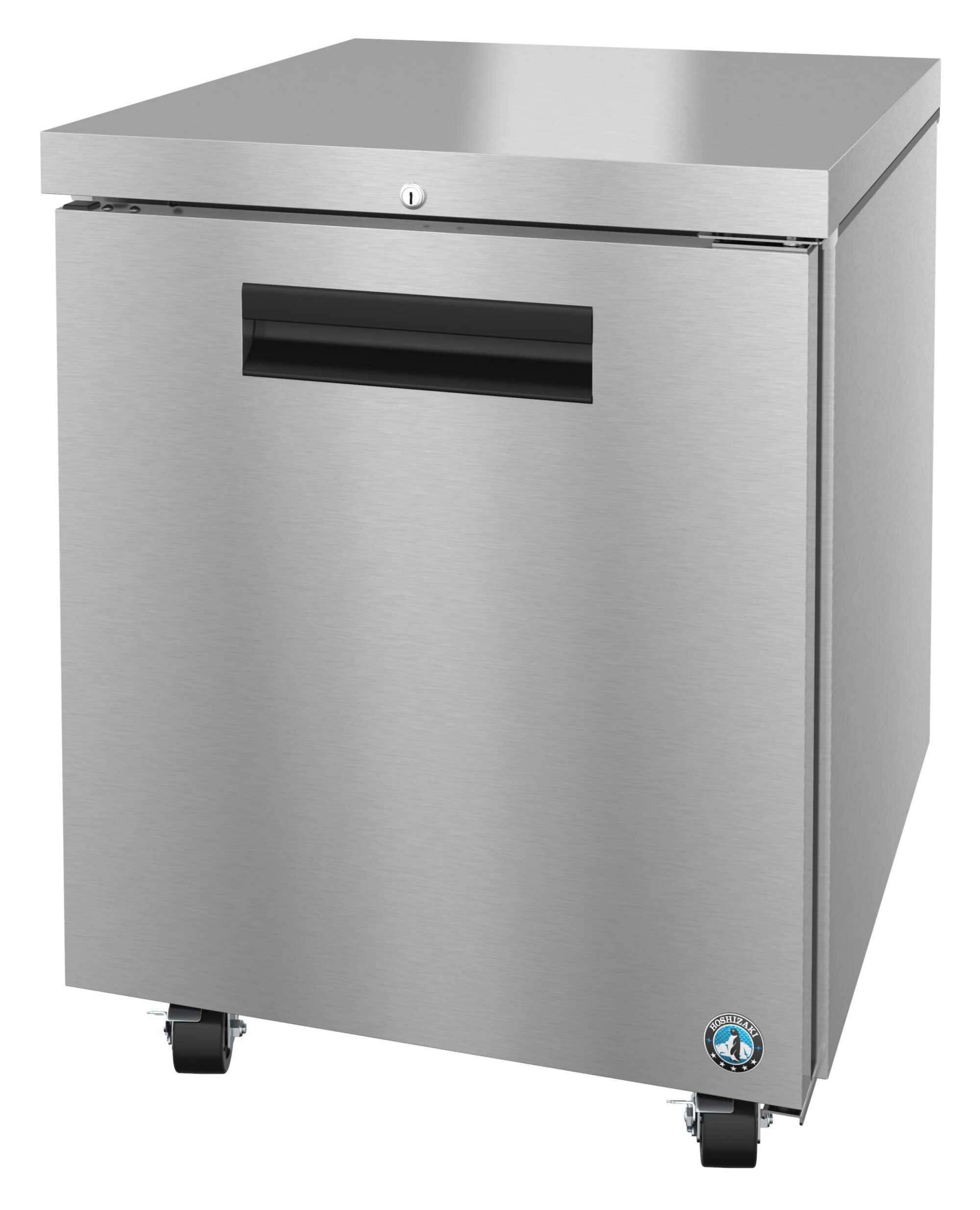
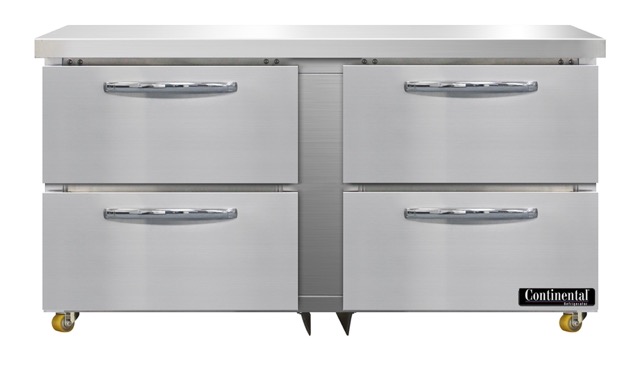


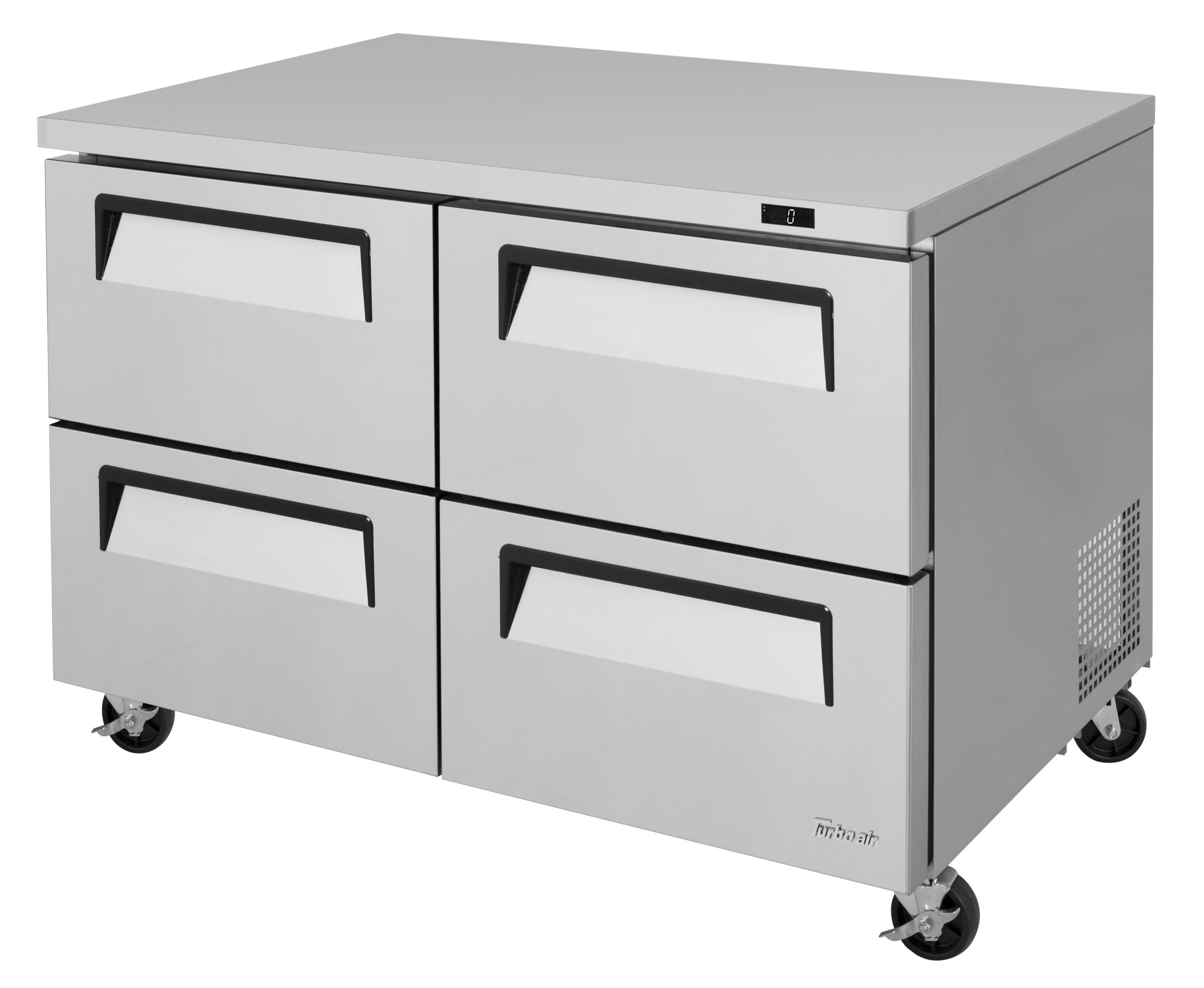
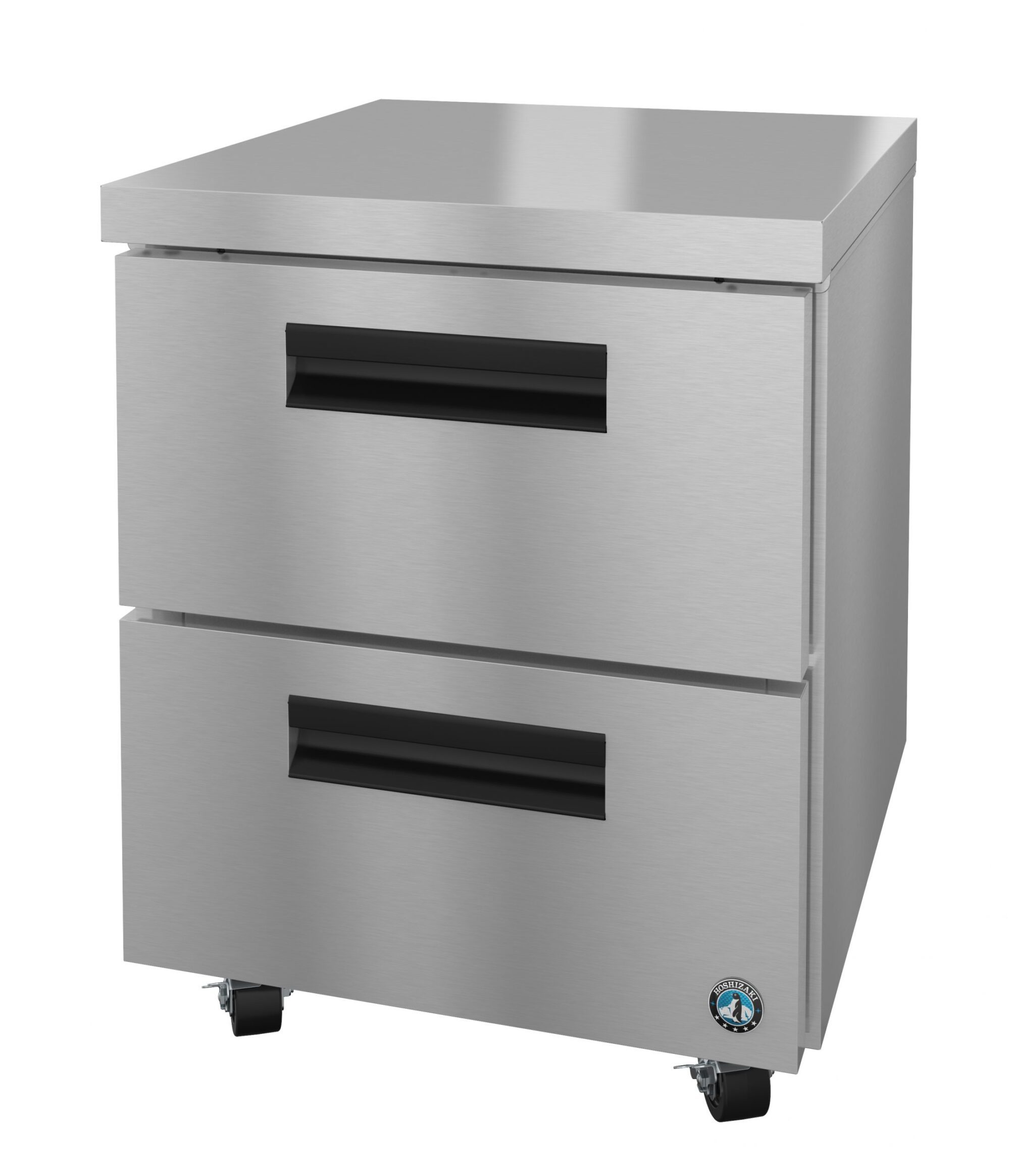

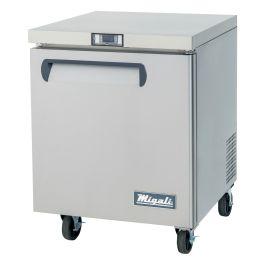
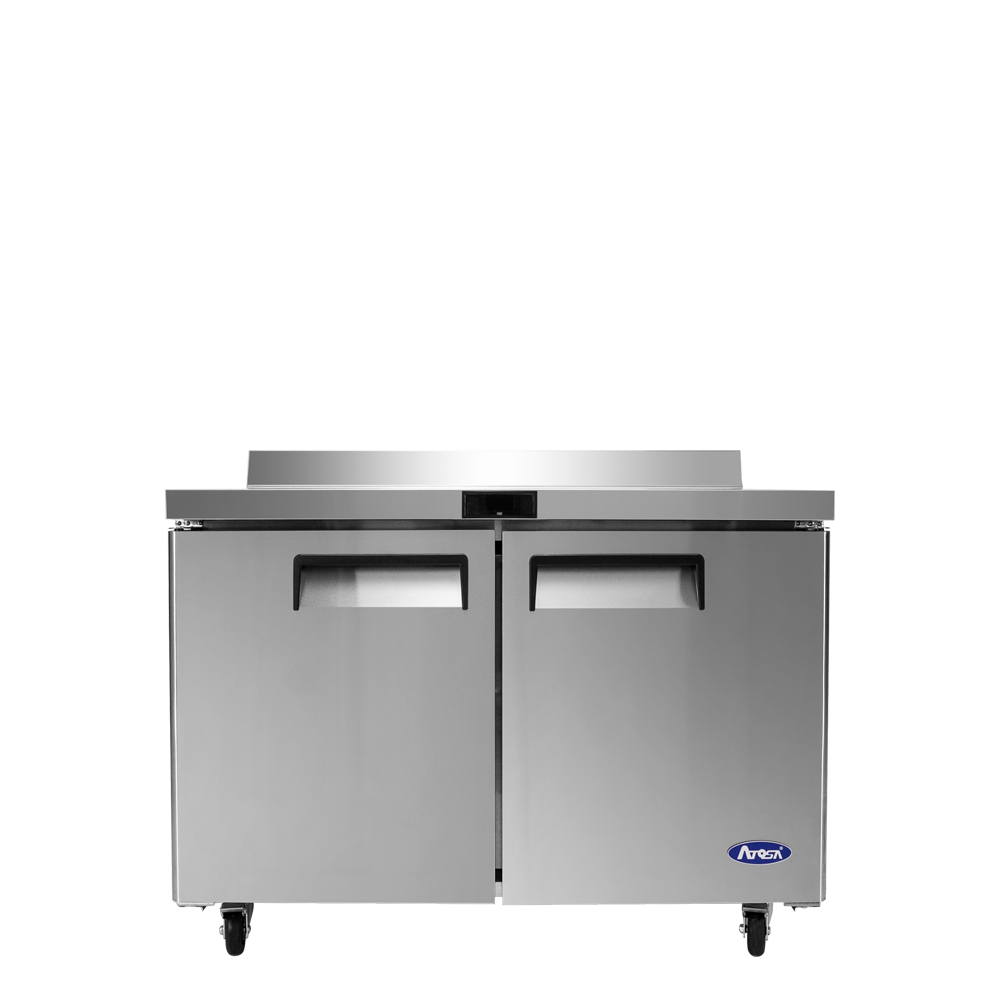
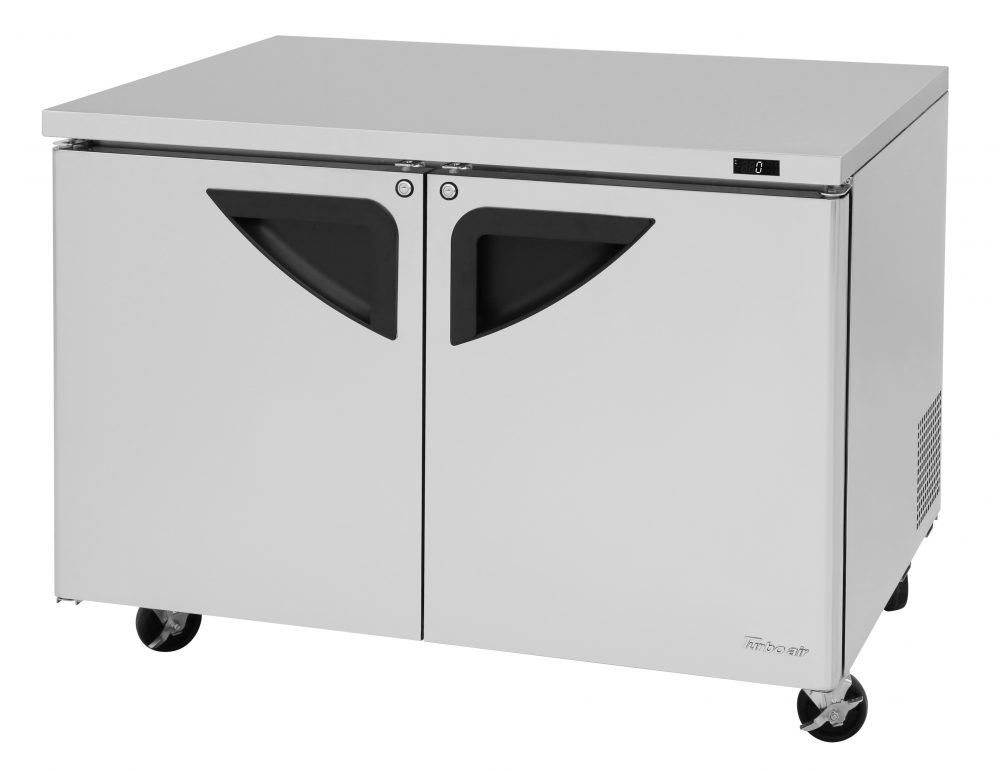

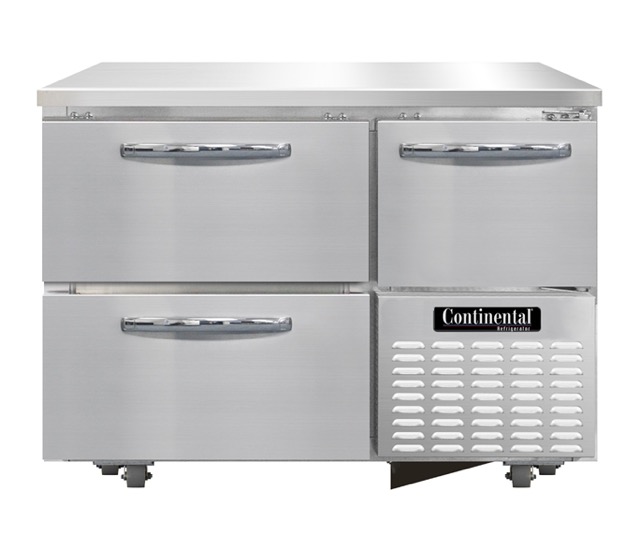
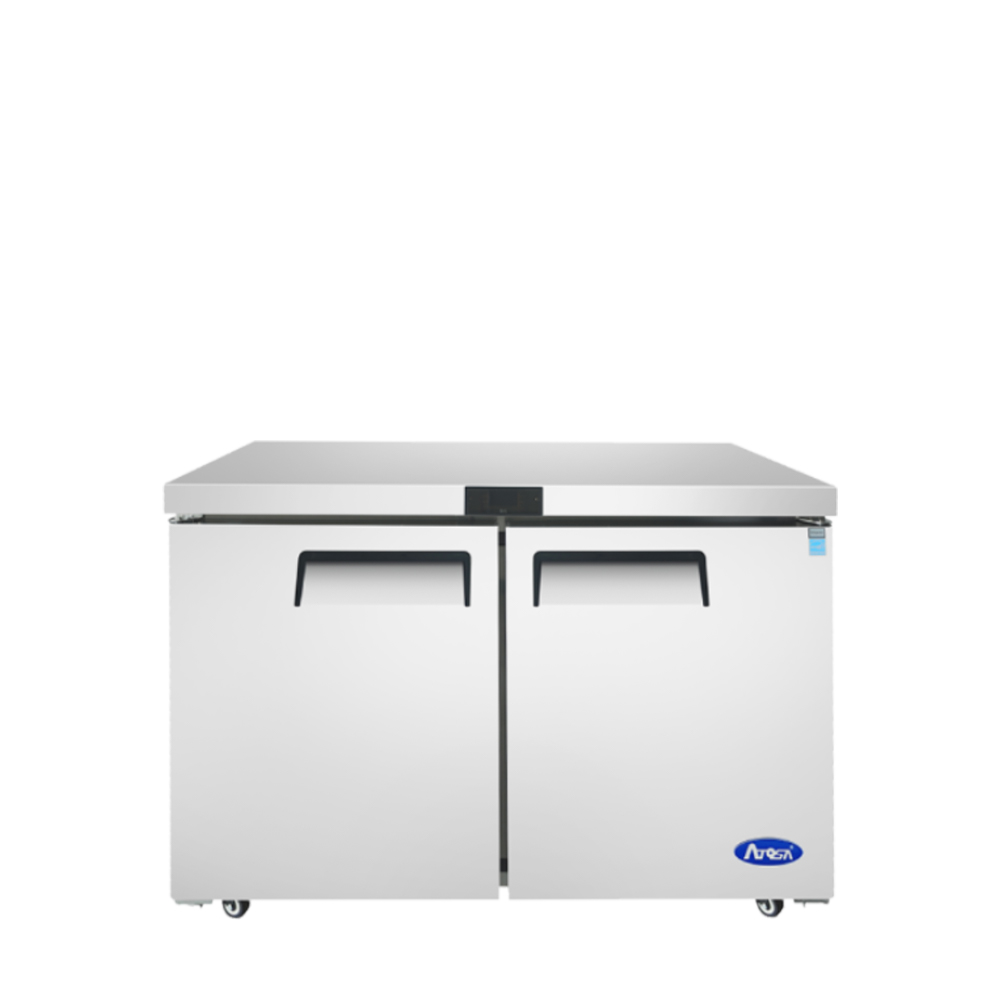
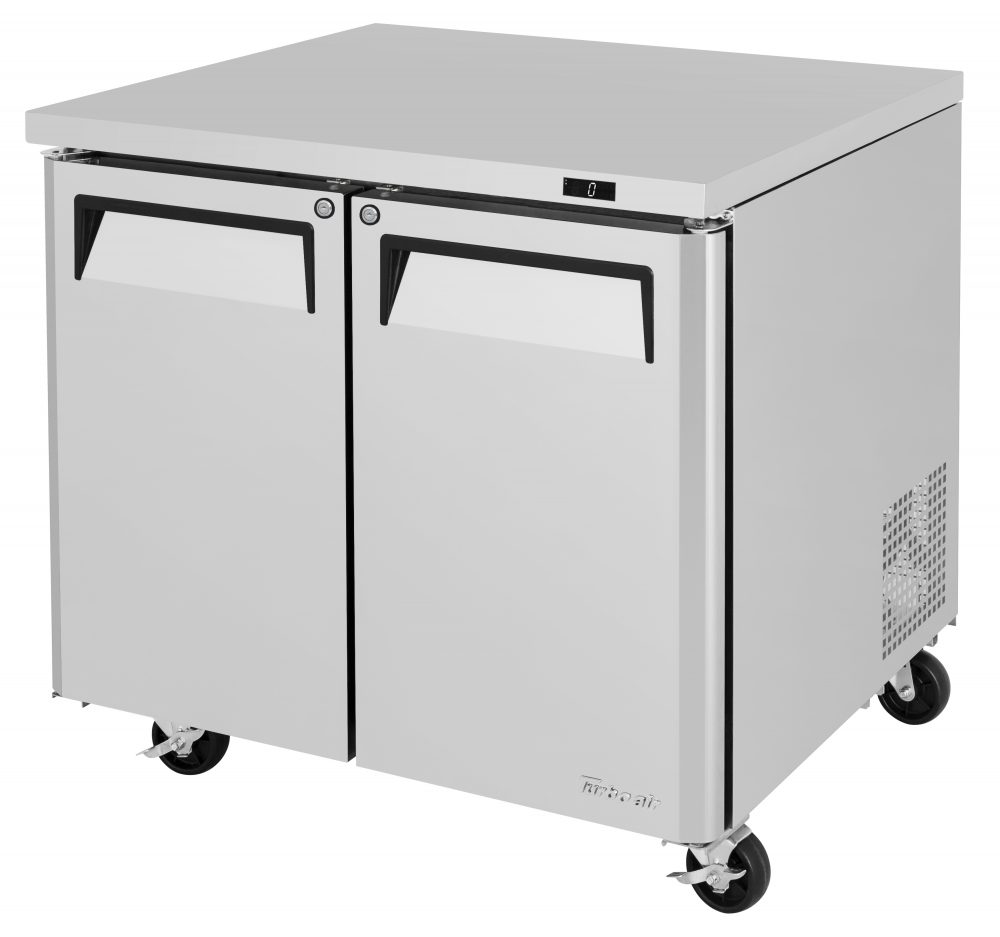
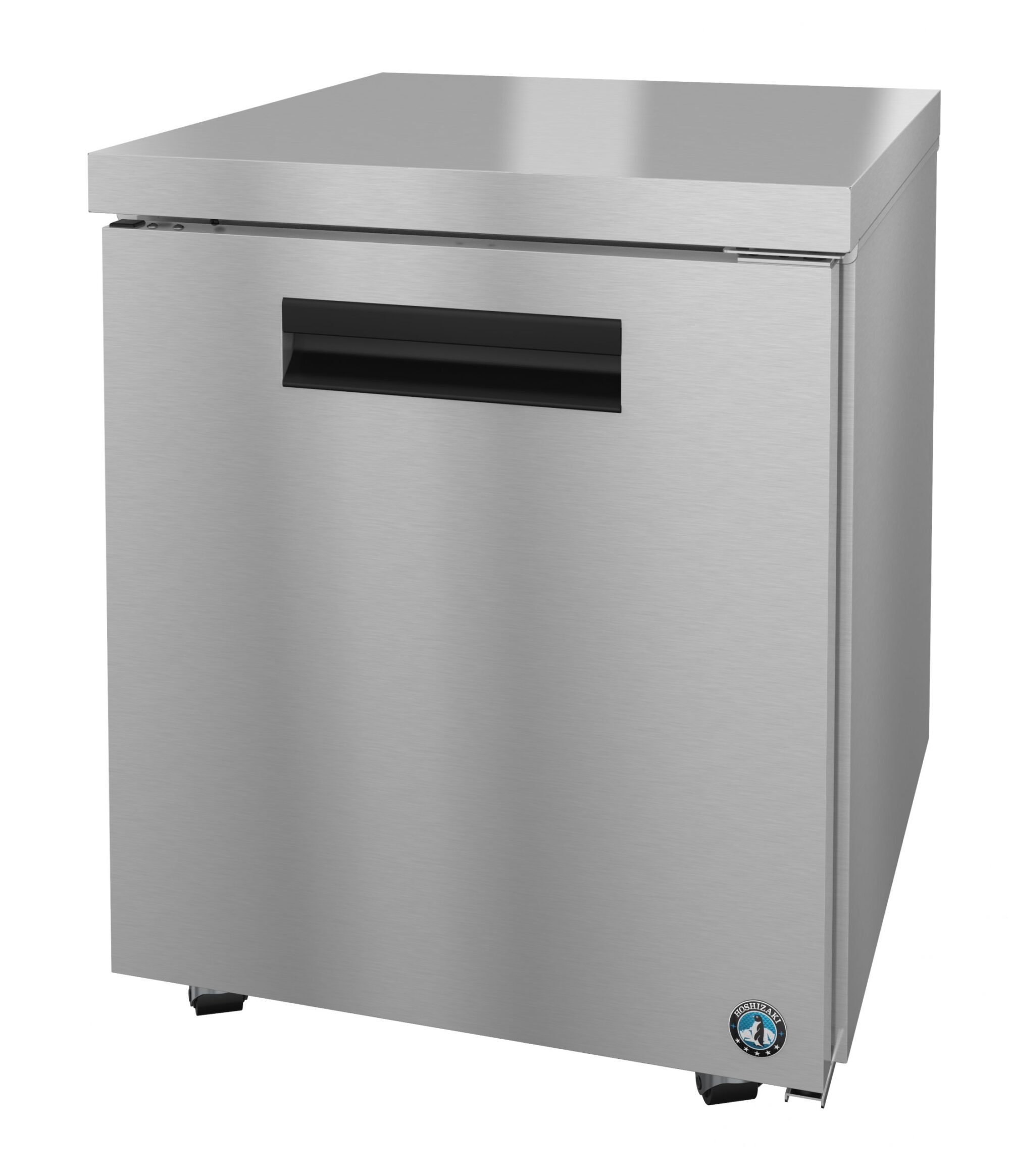


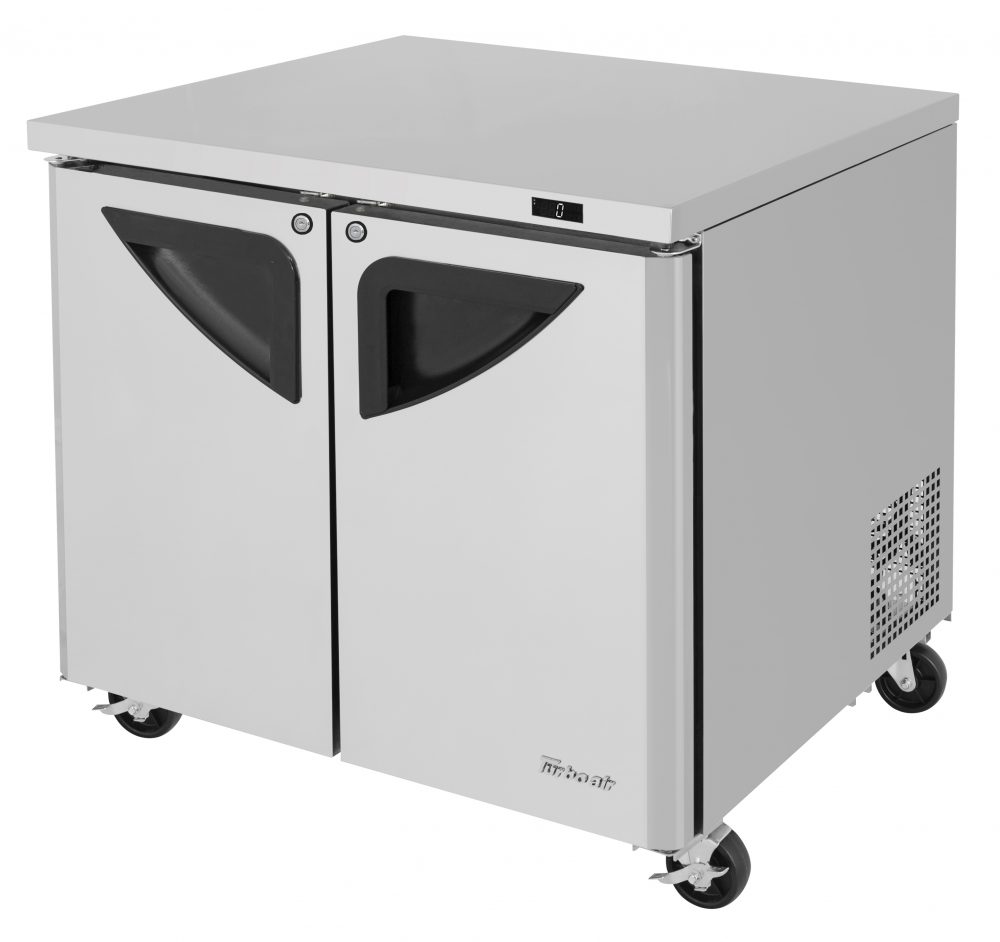
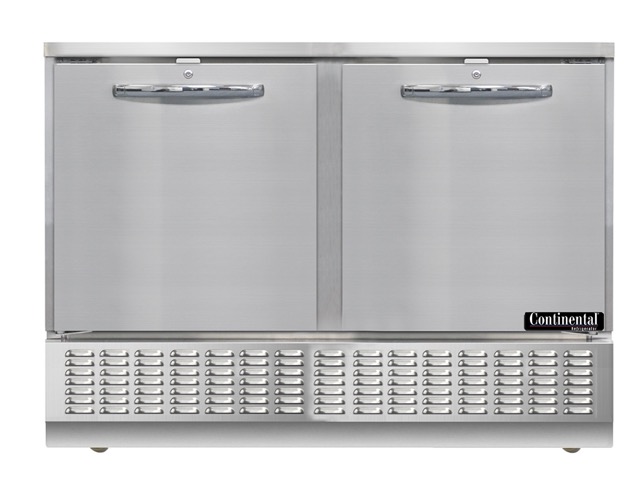

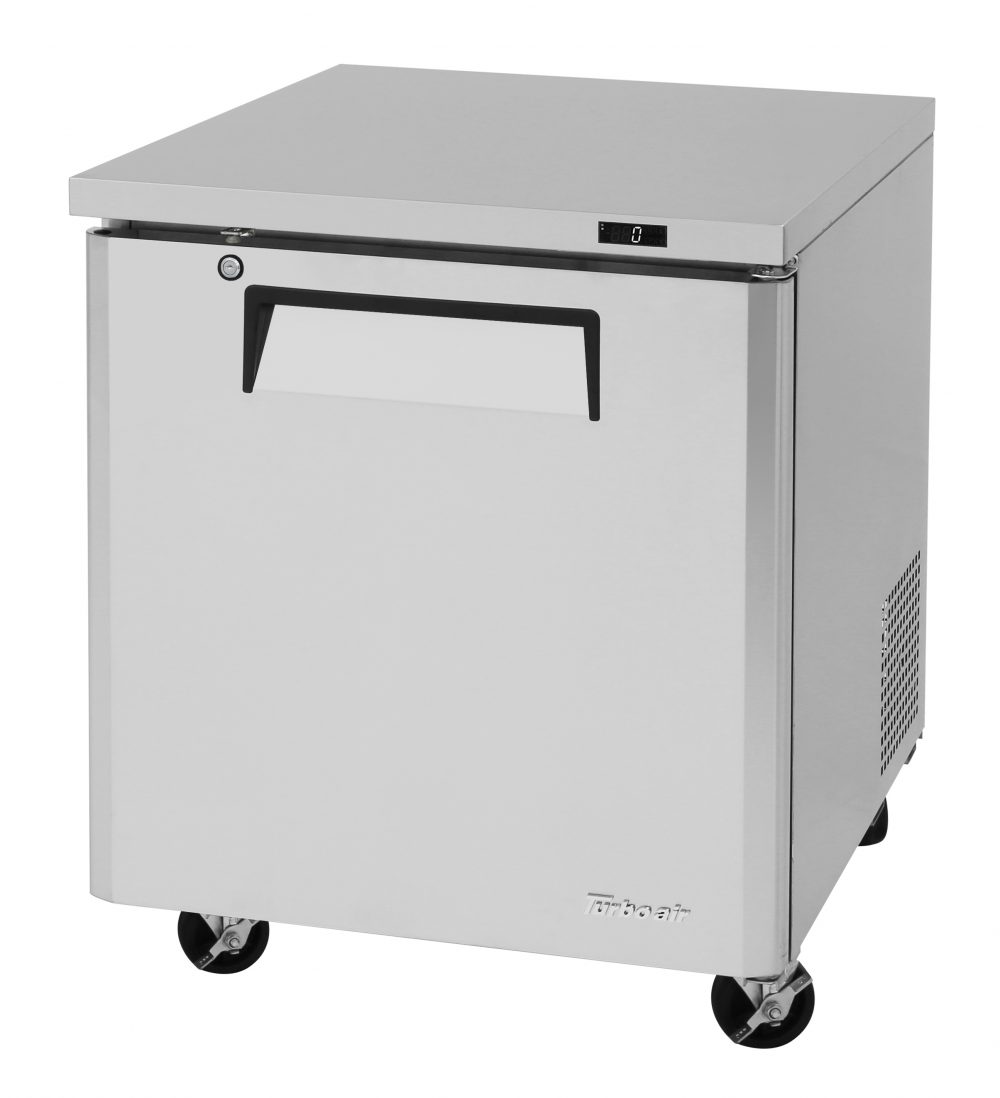
Which one should you buy?
Shortlists filtered to a real buying need — not paid placements or reviews. Each links to full specs.
Most capacity
Maximum cubic feet for high-volume storageCompact footprint
Narrowest units for tight lines and bars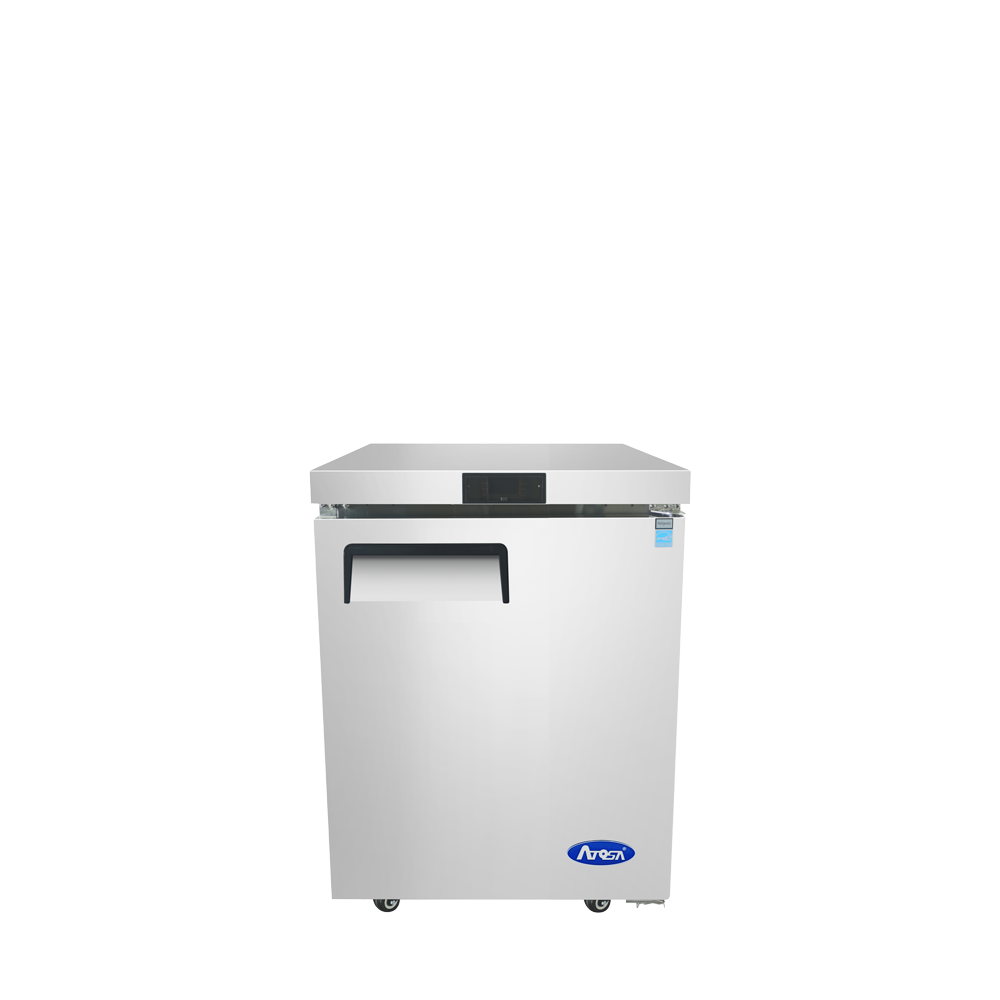

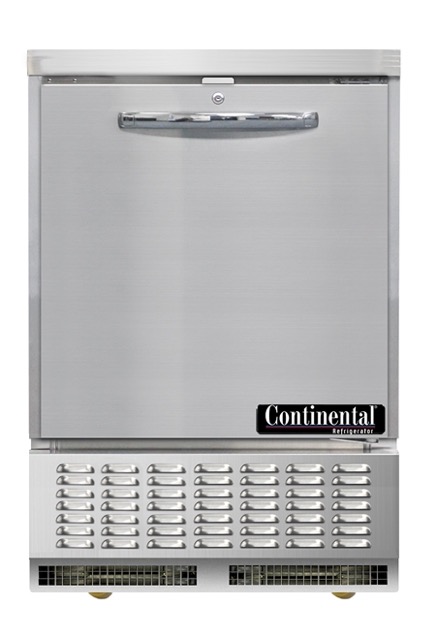
Priced online
Models with a real published dealer price
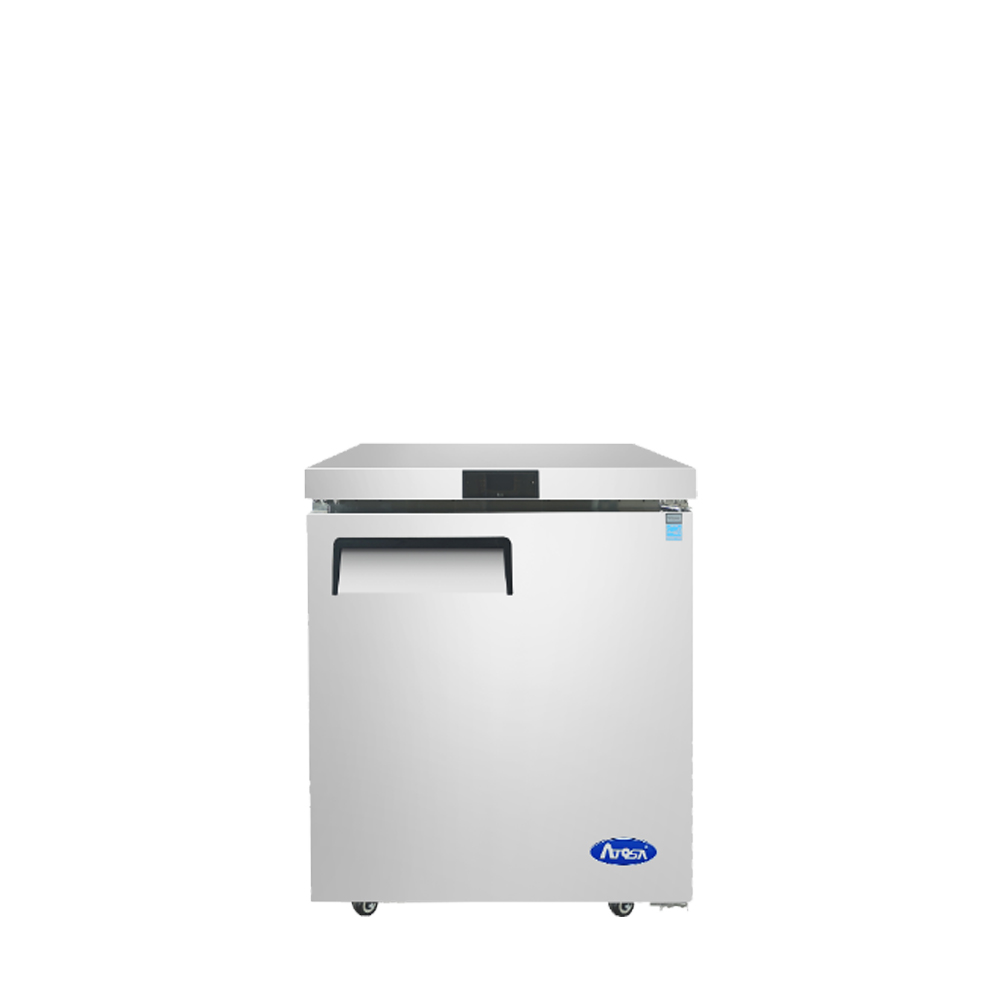
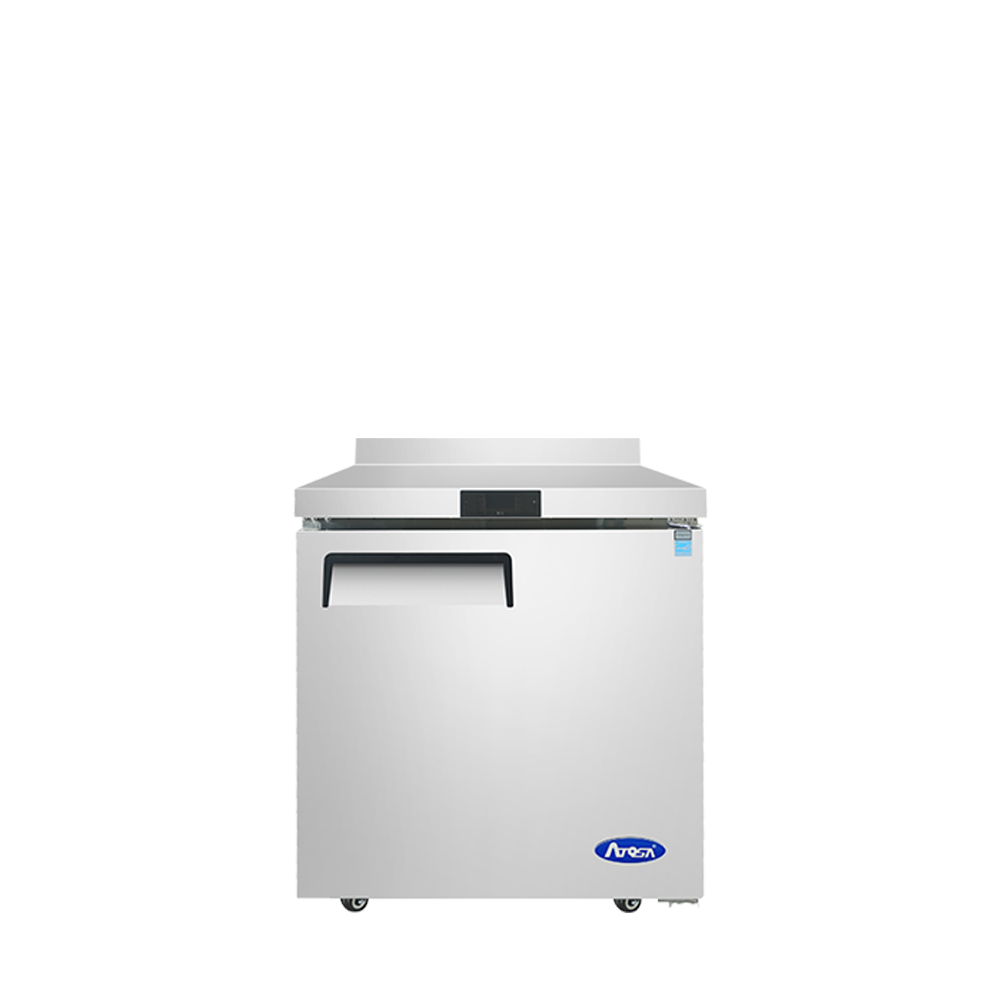
Undercounter Freezers: buying guide
An undercounter freezer is sized by width (door count) and interior capacity, and built to hold product frozen. Commercial models are generally NSF/ANSI-7 listed — confirm the specific model with your local authority. Here is how to read the 70 models above.
Width and capacity
Size overall width (door count) to the counter run and match interior cubic feet to your frozen par levels. A worktop-freezer variant adds a reinforced stainless top you prep on directly.
Temperature and refrigerant
A reach-under freezer holds product frozen (typically ~0°F). Most newer units use efficient R290; keeping the condenser coil clean matters even more on a freezer holding sub-freezing temps.
| Choice | Best use | Consideration |
|---|---|---|
| 27–36″ (1 door) | A single station's frozen backup | Holds ~0°F |
| 48–60″ (2 door) | Under a longer work surface | More capacity |
| Worktop freezer | Prep directly on the lid | Reinforced stainless top |
How the brands compare
Types, width range, capacity range, and street-price range for the brands with the most undercounter freezers here — a starting point, not a substitute for checking the specific model’s spec sheet.
| Brand | Models | Types | Width range | Capacity | Street price |
|---|---|---|---|---|---|
| Atosa | 32 | Freezer | 23.8–60.2″ W | 3.7–17.2 cu ft | $1,429–$2,816 |
| Continental Refrigerator | 12 | Freezer | 24–68″ W | 7–22 cu ft | — |
| Turbo Air | 11 | Freezer | 27–60″ W | 6.8–17 cu ft | $2,689–$6,476 |
Frequently asked questions
Undercounter freezer vs undercounter refrigerator?
Same cabinet footprint, different job: a freezer holds product at 0°F, a refrigerator at ≤41°F. Freezers run a lower-temperature compressor and heavier insulation, so they cost more and hold slightly less usable volume for the same outside size.
Can one undercounter unit do both cold and frozen?
Some models are dual-temp or convertible, but most undercounter boxes are dedicated. If a station needs both, pair a refrigerator and a freezer, or buy a dual-temp model specifically rated for it.
What temperature does it hold?
A commercial undercounter freezer is built to hold product frozen, typically around 0°F. Confirm the rated range on the spec sheet for your product and the requirement with your local health department.
Will a residential undercounter freezer pass inspection?
Generally no. A residential unit can't recover temperature fast enough when the door is opened all shift and typically fails a health inspection — commercial NSF/ANSI-7 listing is the safe answer.
How much clearance does it need?
Leave the manufacturer's specified air clearance around the compressor so it can shed heat, plus door-swing and aisle room. A crowded compressor frosts up faster and fails sooner.
About this data
Last verified: August 2026. Specs are compiled from manufacturer spec sheets and authorized dealer listings; where a value isn't published we leave it blank rather than guess.
Methodology: every undercounter-freezer model is compared on the same set of specifications, and dimensions are checked (for sinks, overall width must exceed the combined bowl widths) — figures that fail validation are corrected from the manufacturer model number or omitted. “Street price” is the lowest legitimate published price we've found and can change.
Sourcing: product specs come from the manufacturer; regulatory statements link to the source (e.g. the FDA Food Code and NSF). Code requirements vary by jurisdiction — confirm with the authority reviewing your plans.
Disclosure: FoodServiceNerd is vendor-neutral and free to use. Some “where to buy” links may be affiliate links — we may earn a commission at no cost to you, and it never changes what we list or how we rank it. We don't sell equipment ourselves.
Editorial: compiled and reviewed by the FoodServiceNerd equipment desk (about us). Spot an error? Tell us and we'll correct it.