Commercial Reach-In Refrigerators
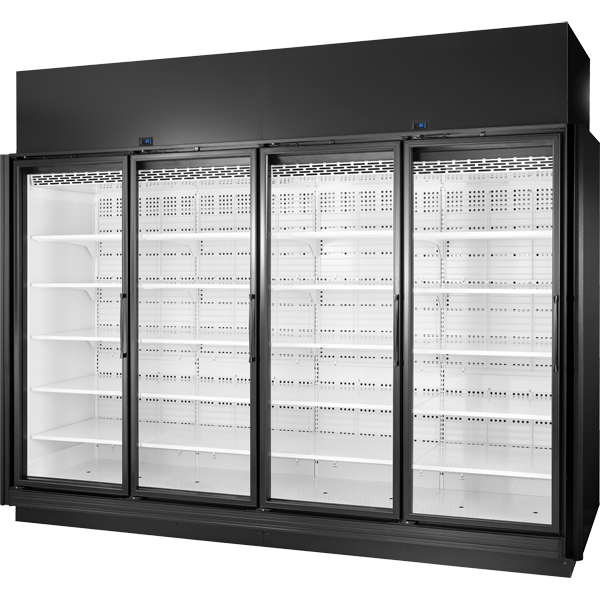
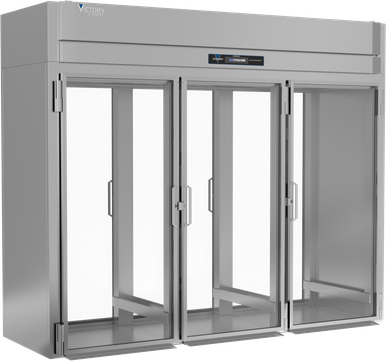
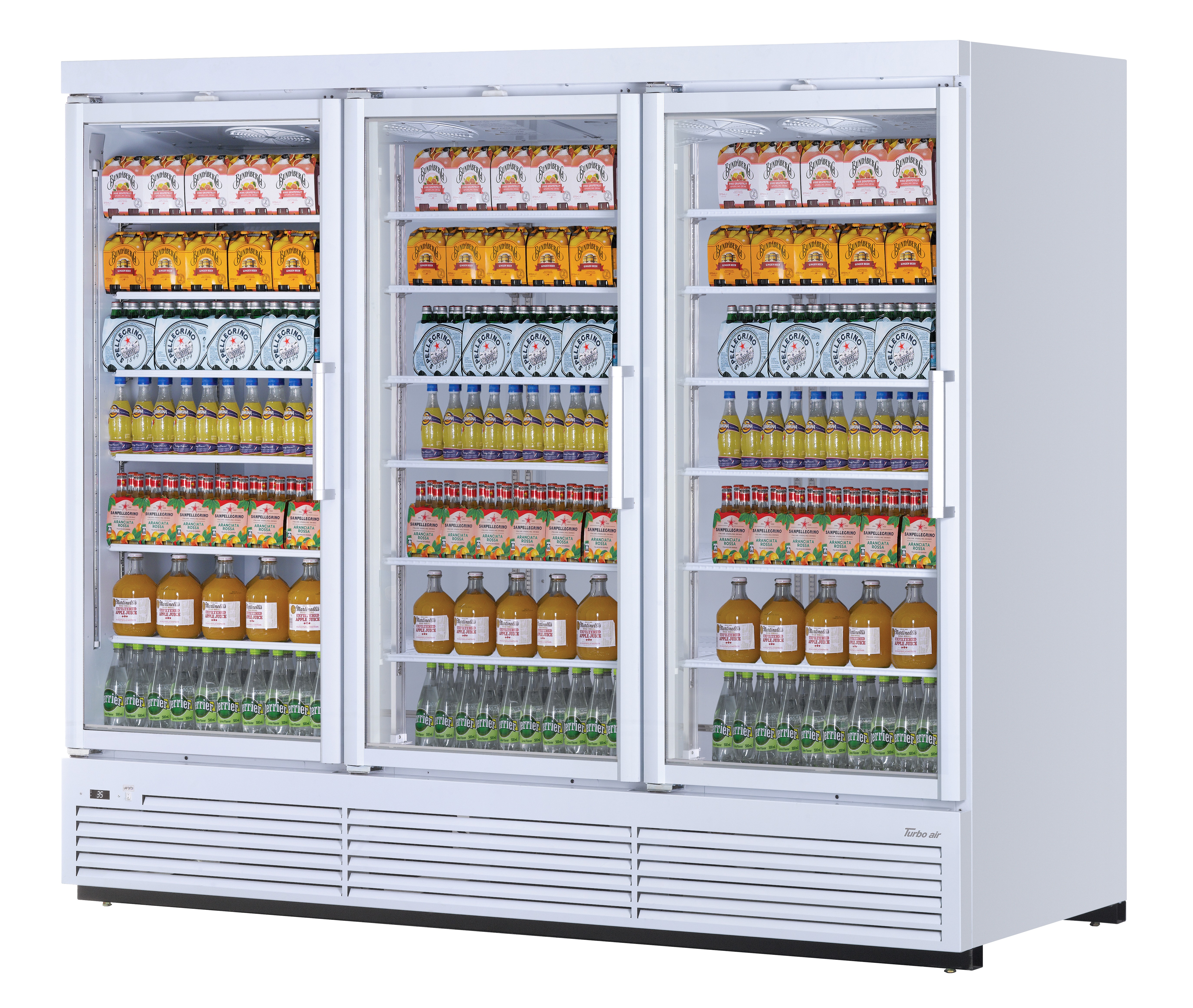
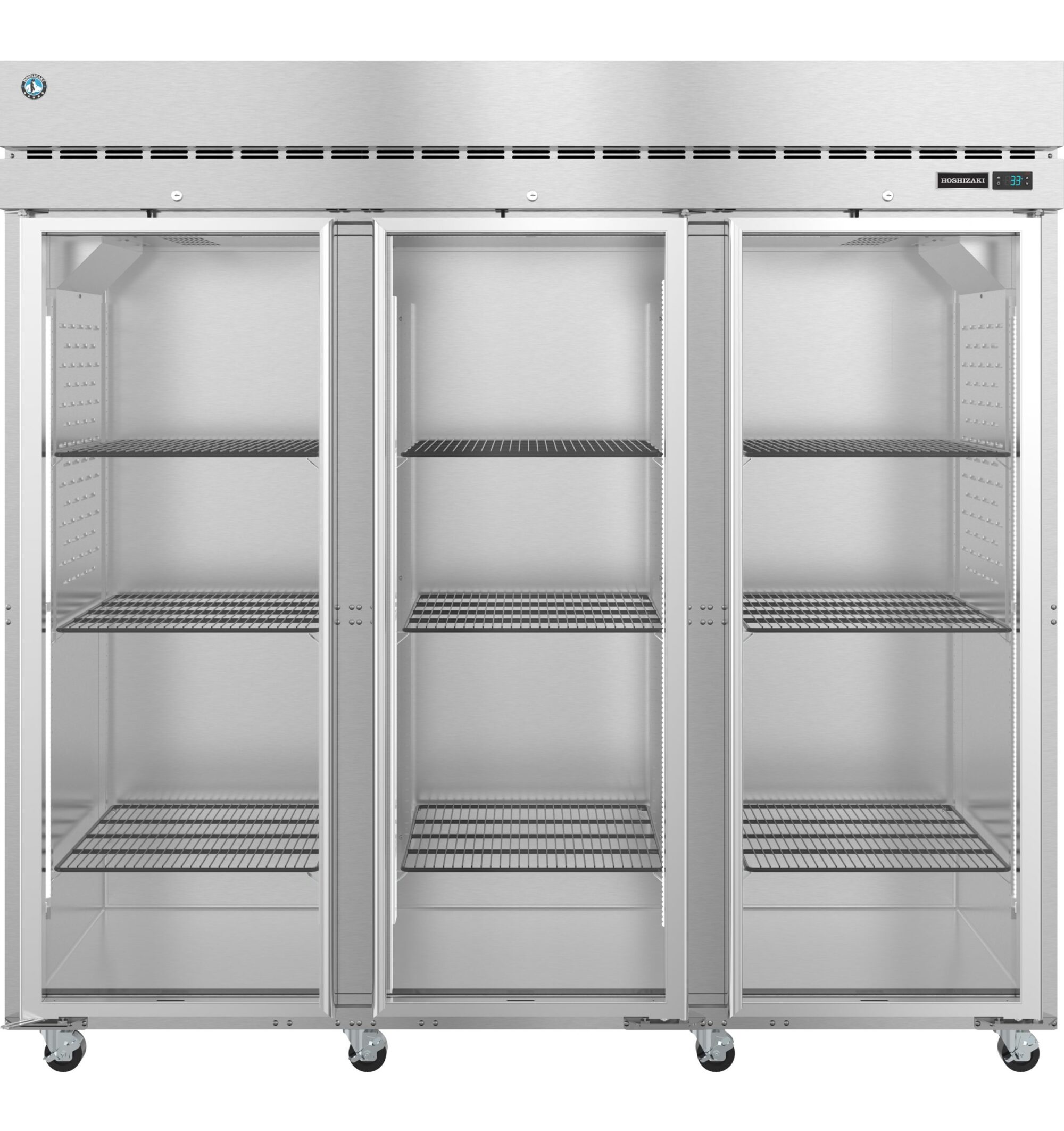
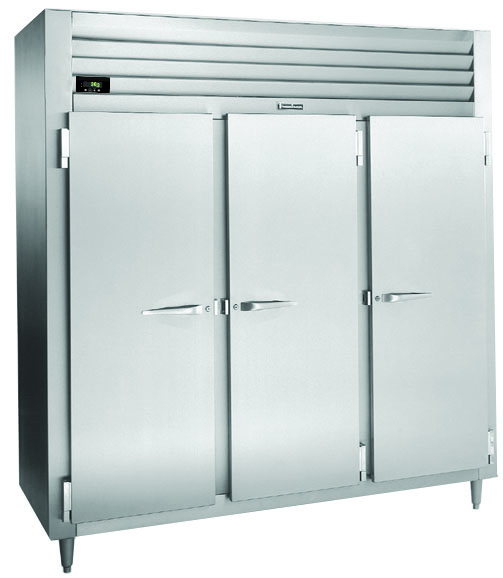
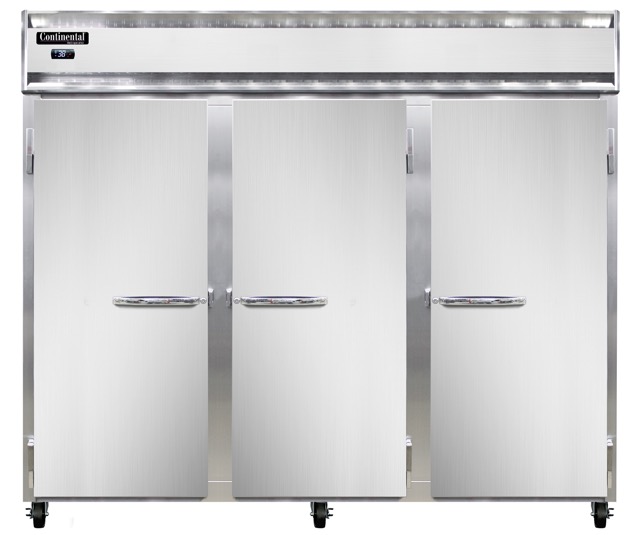
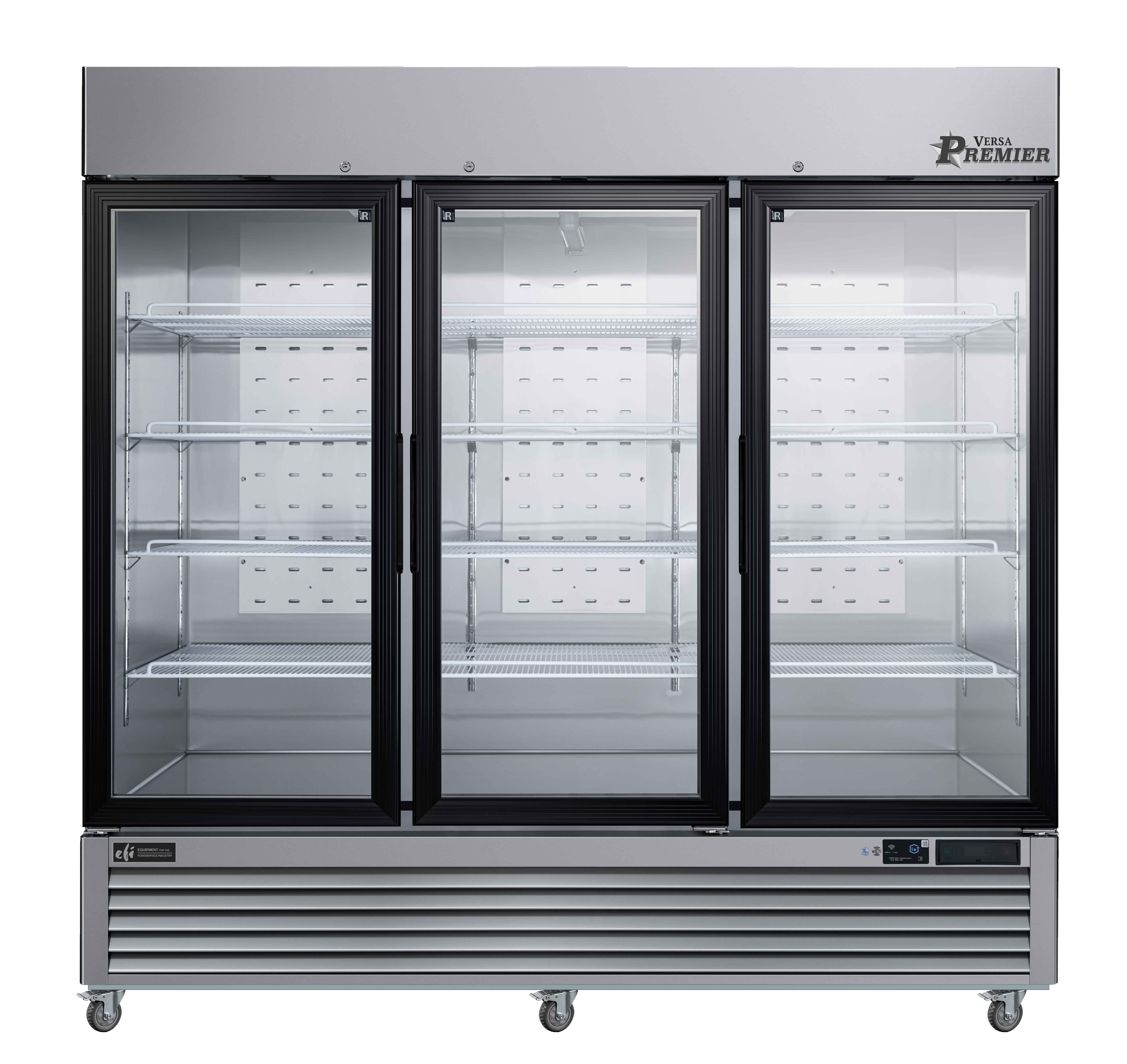
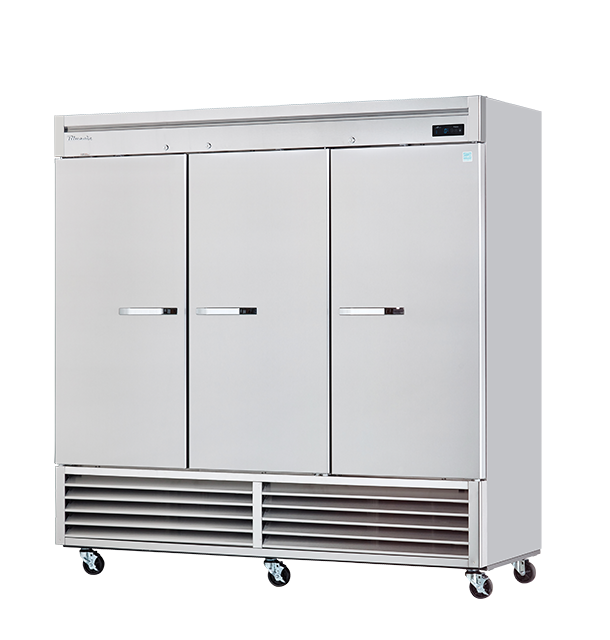
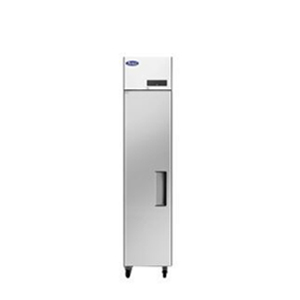
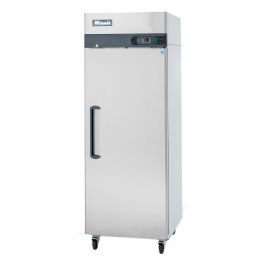
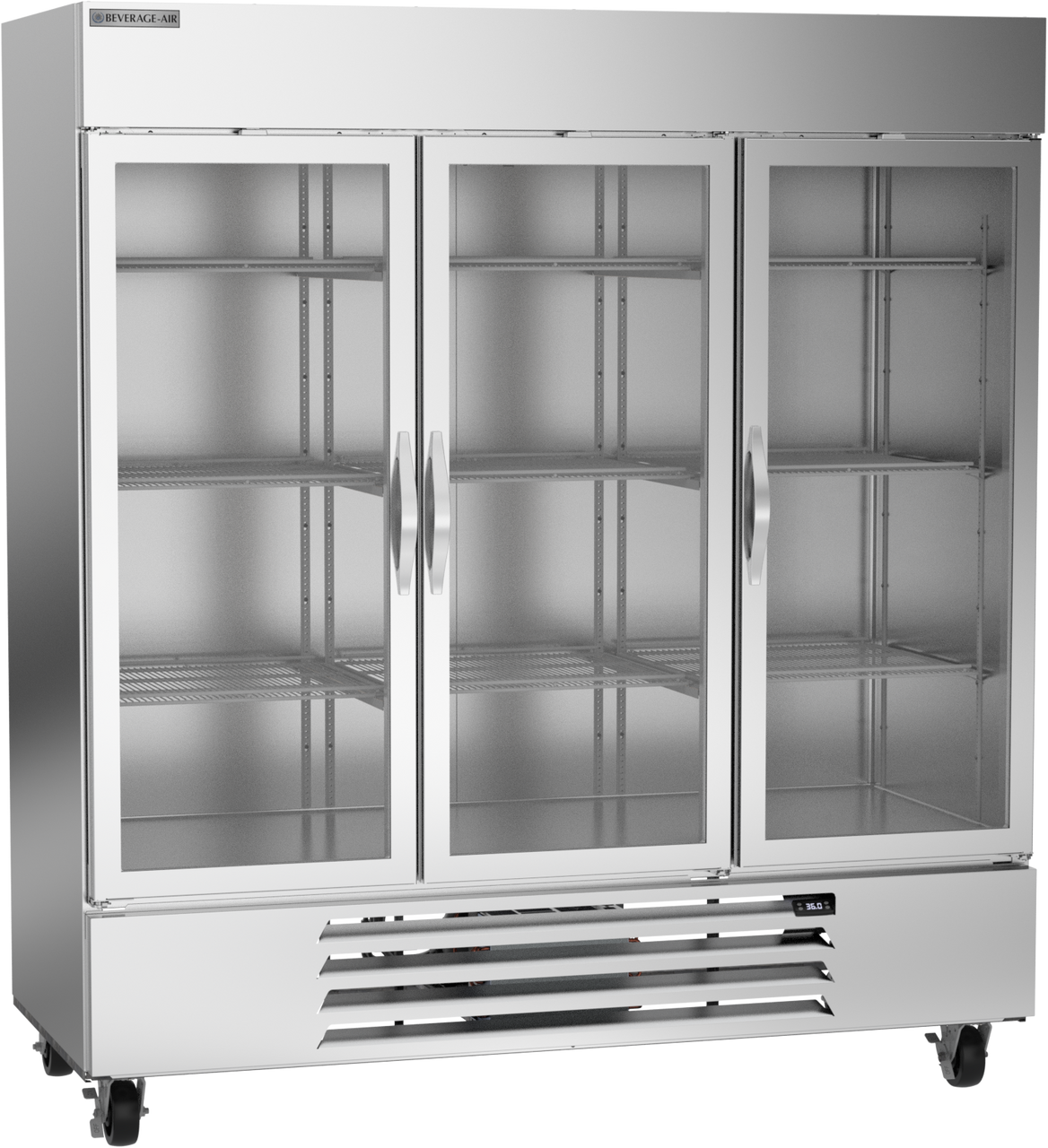
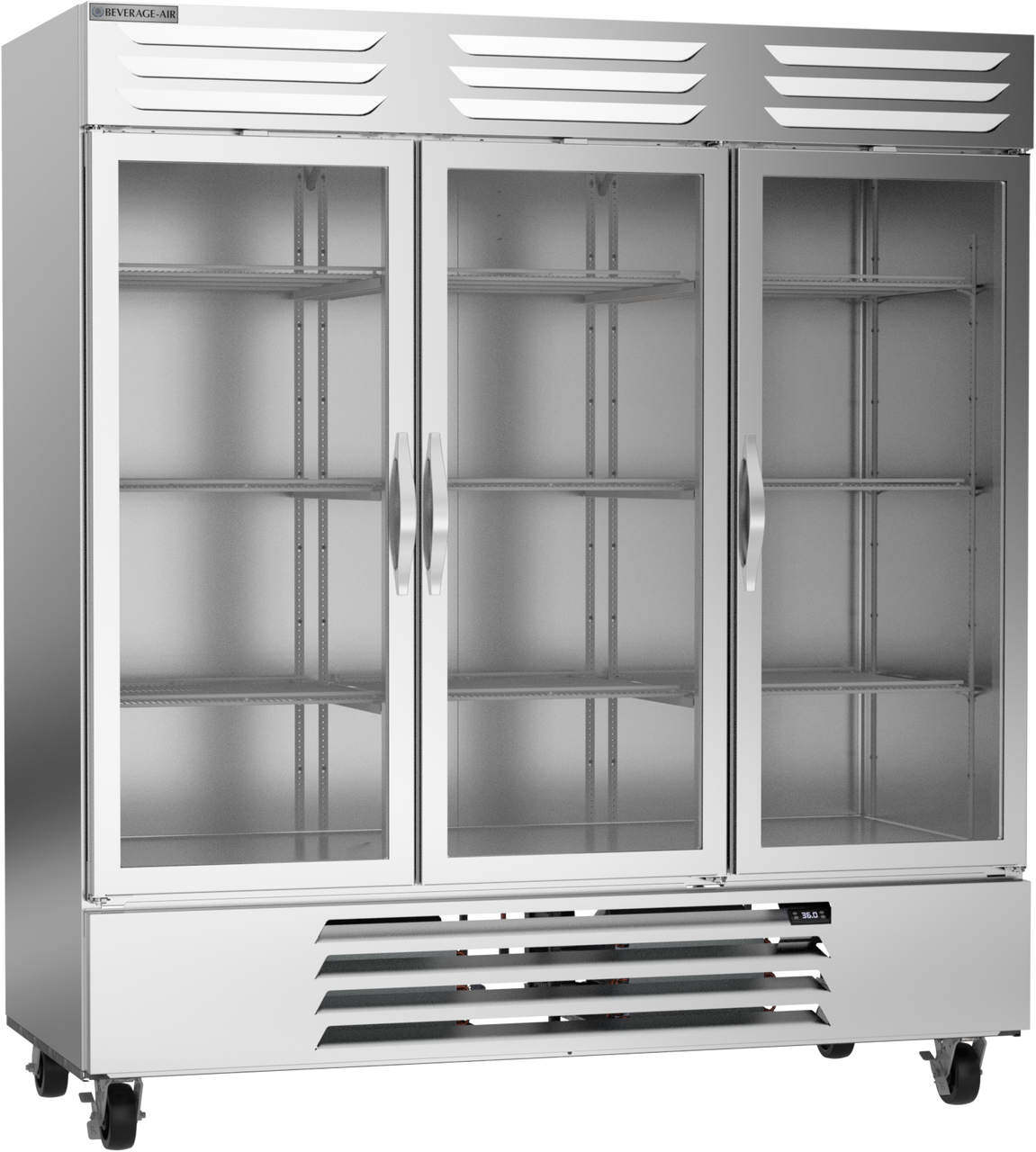
A commercial reach-in refrigerator is sized by sections (1/2/3 doors, roughly 27/54/78 inches wide) and capacity in cubic feet (~20-23 cu ft per section). Choose solid doors for storage, glass for merchandising, or half-doors to cut cold-air loss on a busy line; most new units use efficient R290 refrigerant. Commercial models are generally NSF/ANSI-7 listed.
Deciding? Compare True vs. Turbo Air reach-ins, Traulsen vs. True reach-ins, who really makes each reach-in brand, the refrigerant it uses, and the model-number decoder.









🌡️ New to low-GWP refrigerants? Read the commercial refrigerant phase-out, explained — what the EPA rules mean for reach-ins, ice machines and walk-ins.
Which one should you buy?
Shortlists filtered to a real buying need — not paid placements or reviews. Each links to full specs.
Best 1-door reach-ins
Single-section storage for a line or small kitchen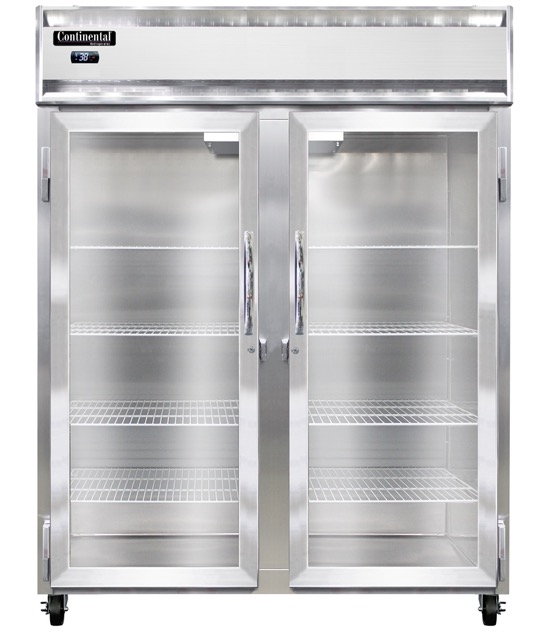


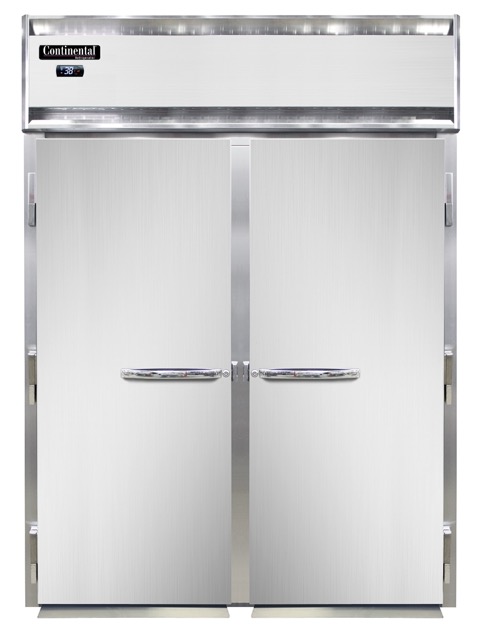
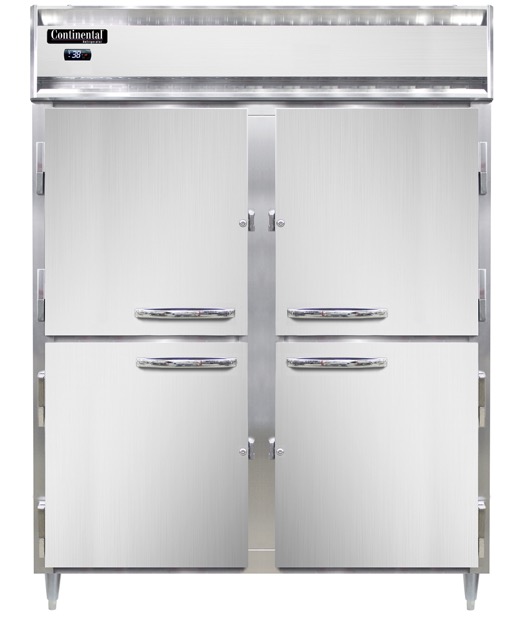
The 2-door workhorse
The most common size — biggest capacity first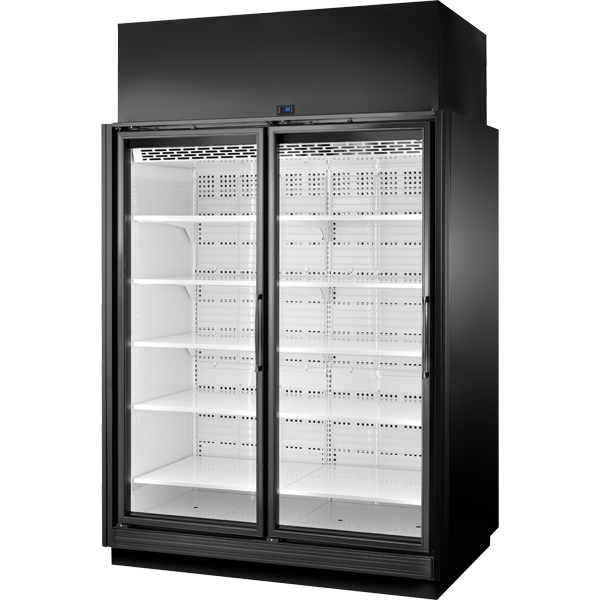
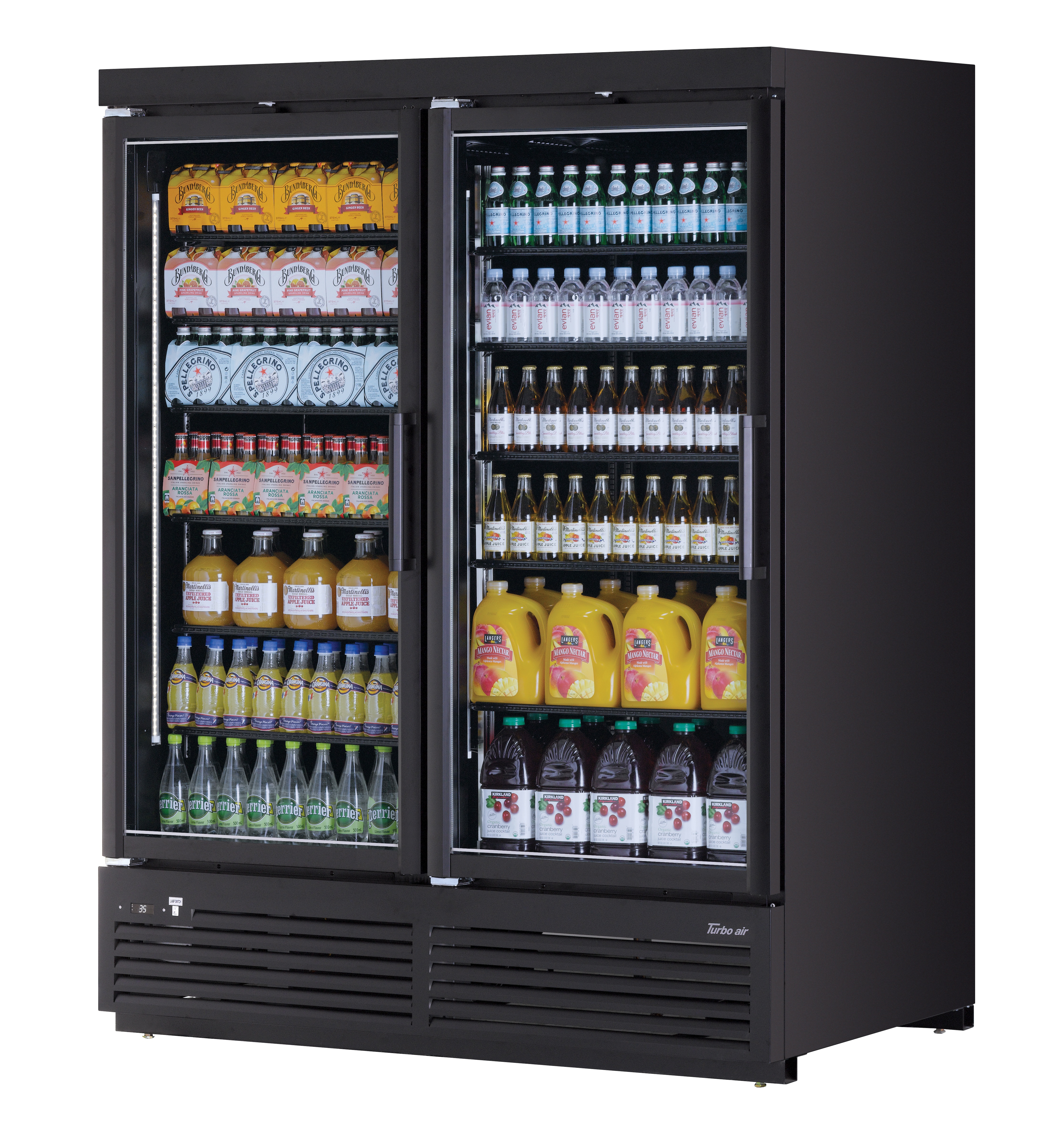
Glass-door merchandisers
Show product front-of-house or grab-and-go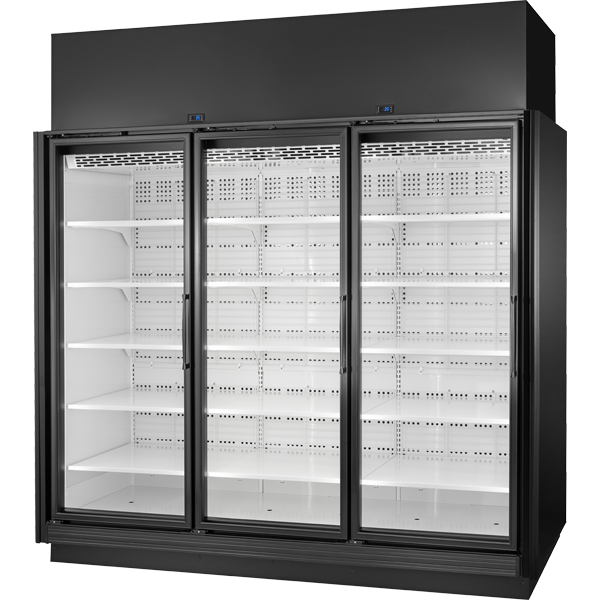
Most capacity
Maximum cubic feet for high-volume storageBottom-mount, easy service
Coil out of the floor grease; simpler to clean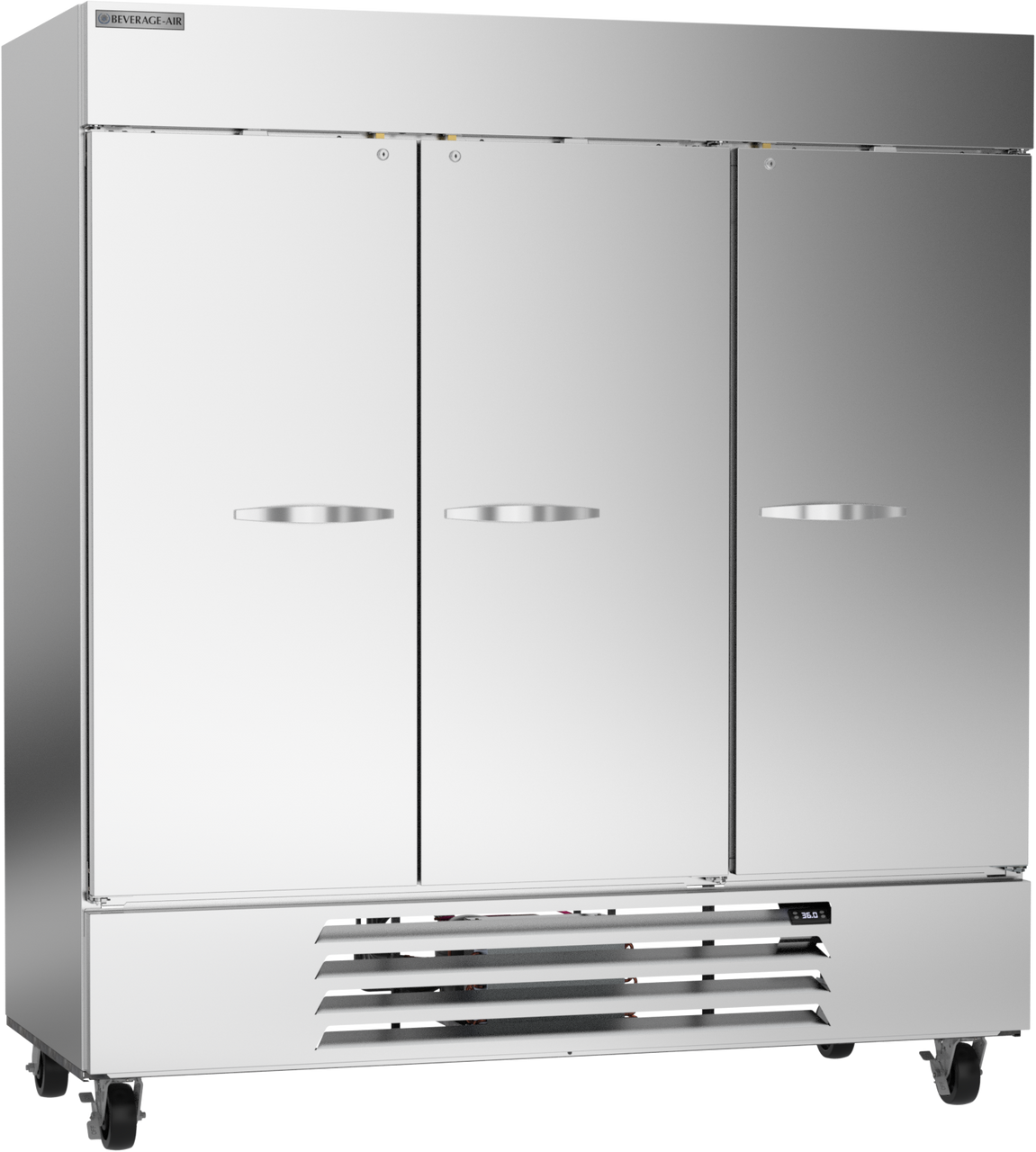
ENERGY STAR certified
Lower running cost; may qualify for rebatesCommercial reach-in refrigerators: buying guide
A reach-in is sized by sections (door/width class) and capacity, then chosen by door style, refrigerant, and compressor position. Commercial models are generally NSF/ANSI-7 listed, which is commonly required on plan review — confirm the specific model with your local authority. Here is how to read the 864 models above.
Sections and capacity
Reach-ins come in 1-, 2-, and 3-section widths (about 27″, 54″, and 78″). Match interior cubic feet to your par levels: roughly 20-23 cu ft per section. Buy for your busiest day, but confirm the cabinet fits the wall run and clears doorways on the way in.
Solid vs glass vs half doors
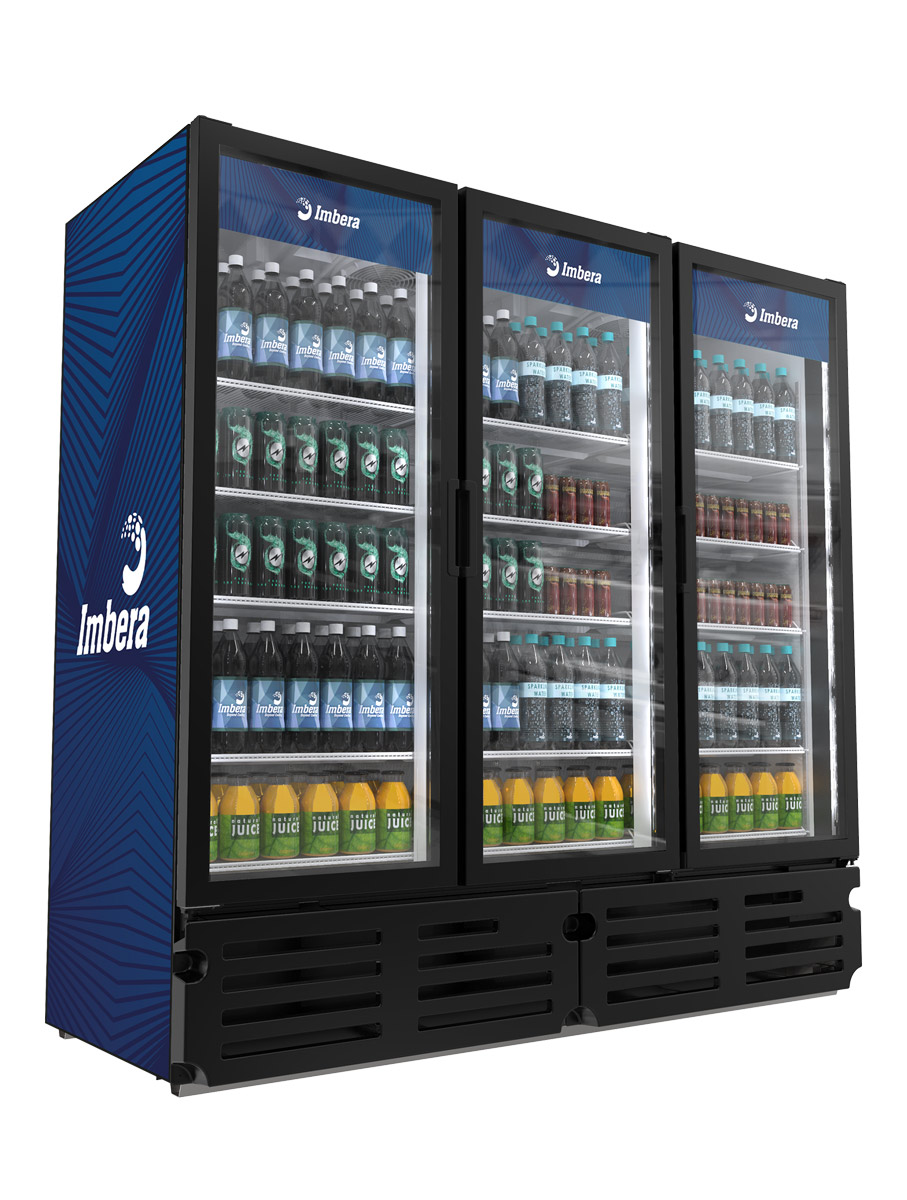
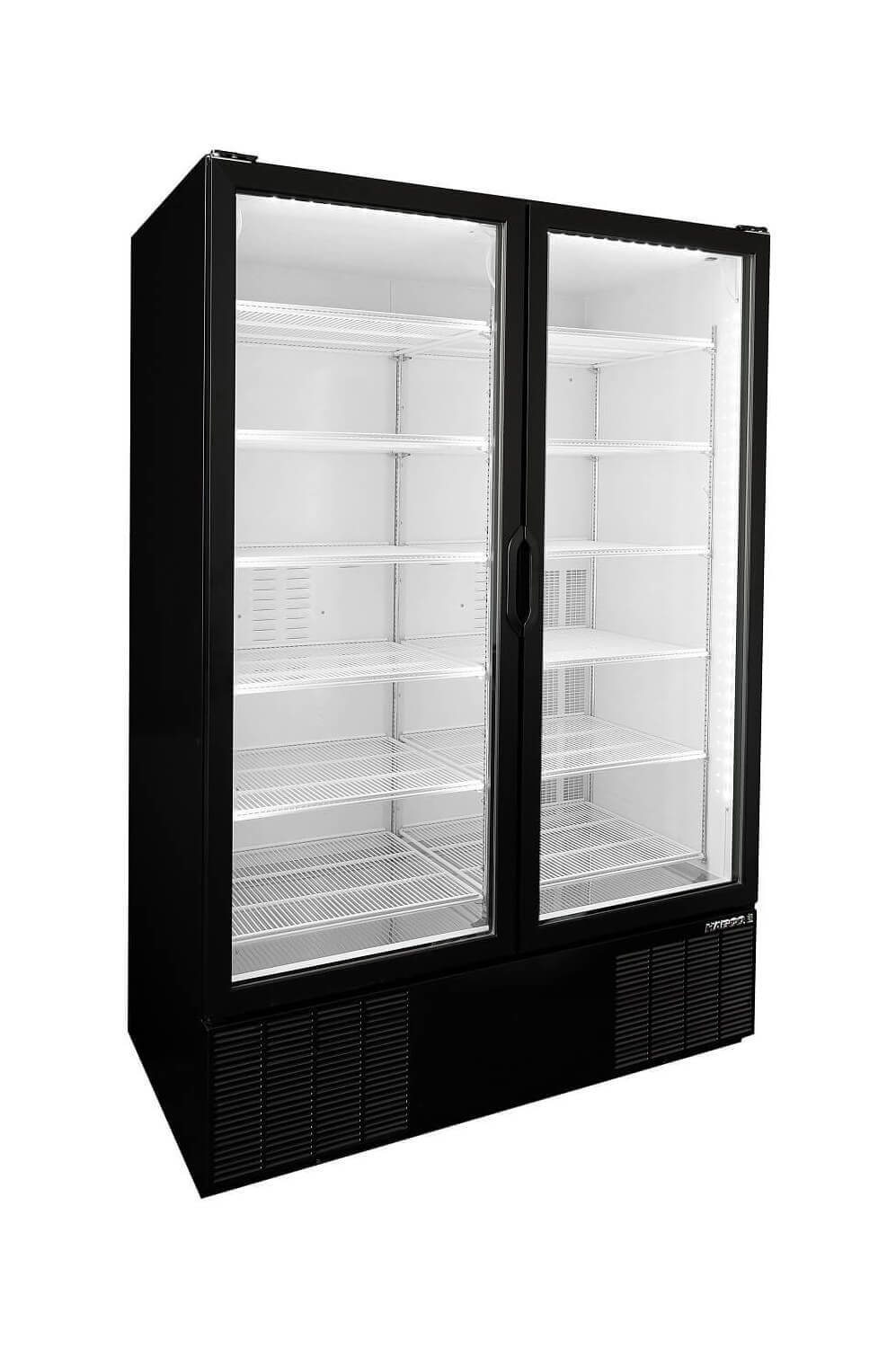
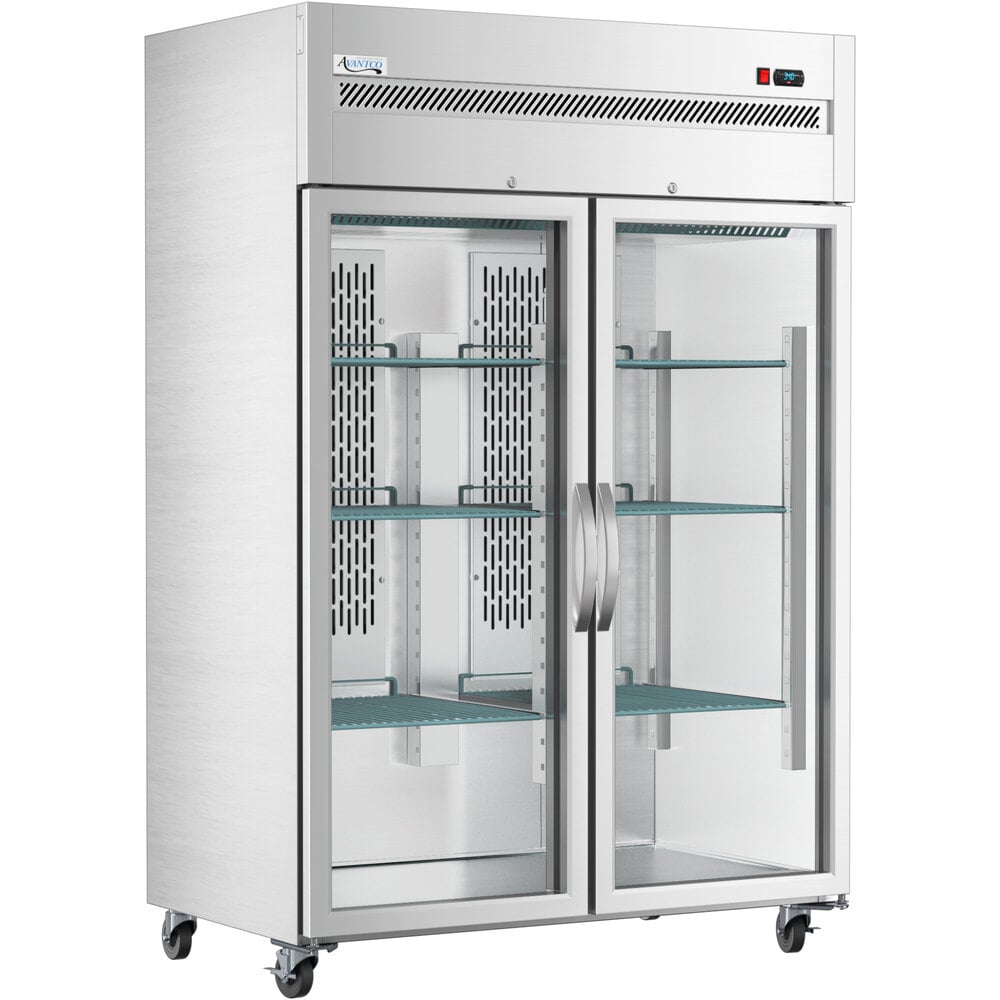
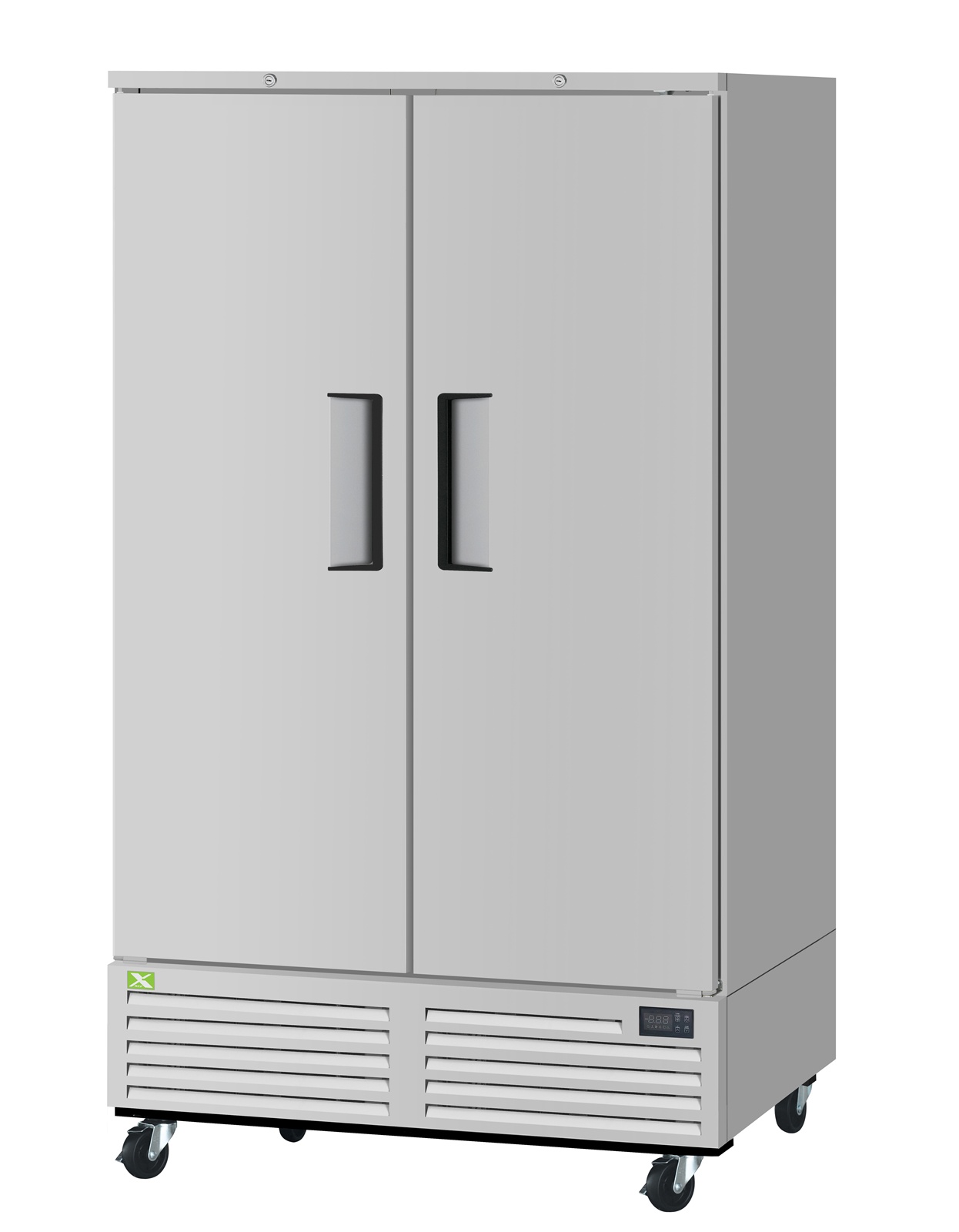
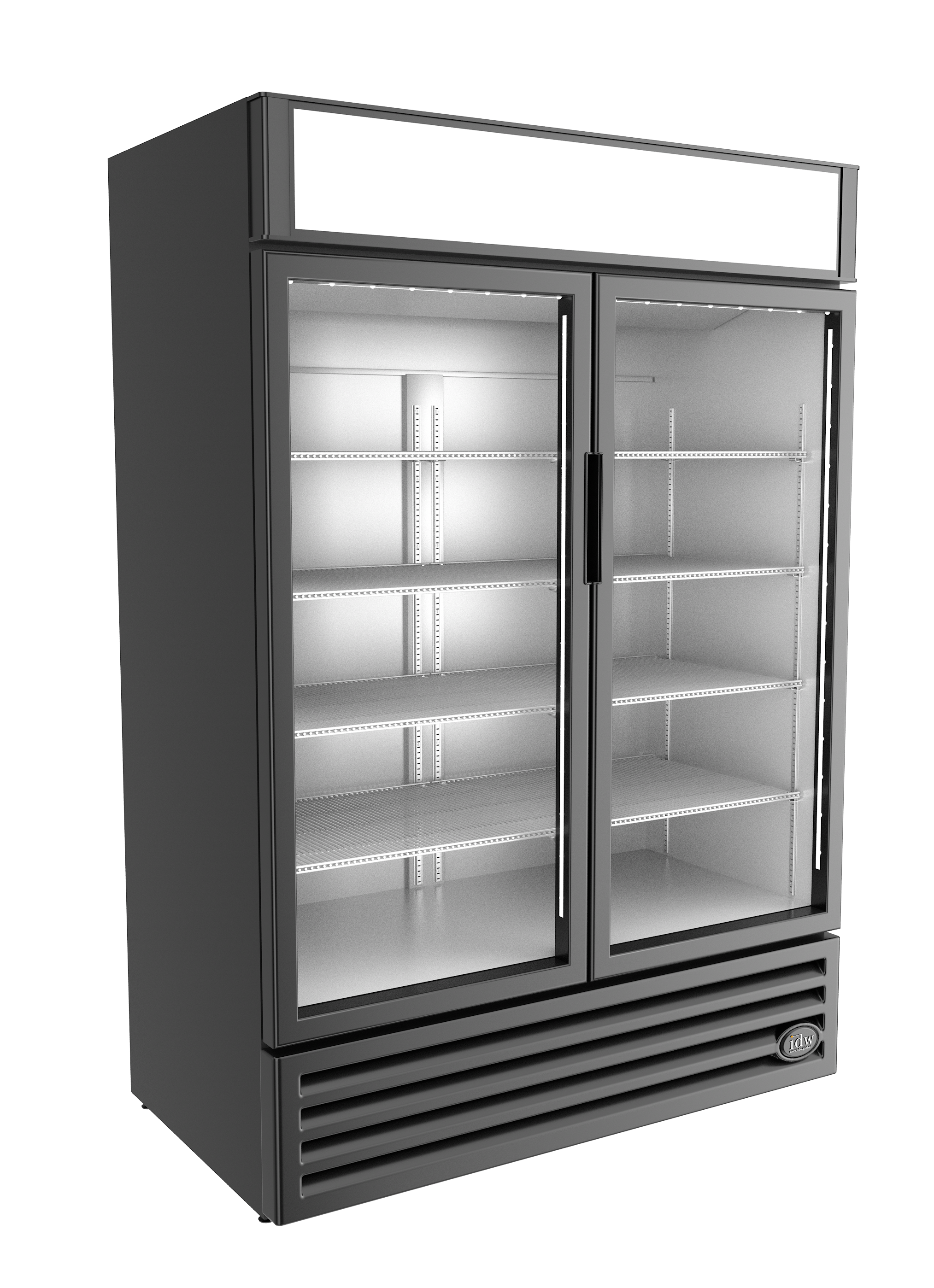
Solid doors insulate best and cost least to run — the default for storage. Glass doors merchandise product but use more energy. Half-doors (two per section) reduce cold-air loss on a busy line because you open only the half you need.
Refrigerant: R290 vs R134a/R404a
Units built since ~2020 mostly use R290 (a hydrocarbon) — efficient and low global-warming-potential, now the standard. Older units use R134a or R404a. R290 systems are factory-sealed with a small, safe charge.
Compressor location
Bottom-mount keeps the coil away from ceiling heat and is easier to clean and service (important in greasy or dusty kitchens); top-mount frees floor space and pulls cooler high air. Whichever you choose, keep the coil clean or the unit runs hot and fails early.
| Choice | Best use | Consideration |
|---|---|---|
| 1 section (~27″) | One door, ~20-23 cu ft | Line or small kitchen |
| 2 section (~54″) | Two doors, ~40-49 cu ft | The workhorse size |
| 3 section (~78″) | Three doors, ~70-72 cu ft | High-volume storage |
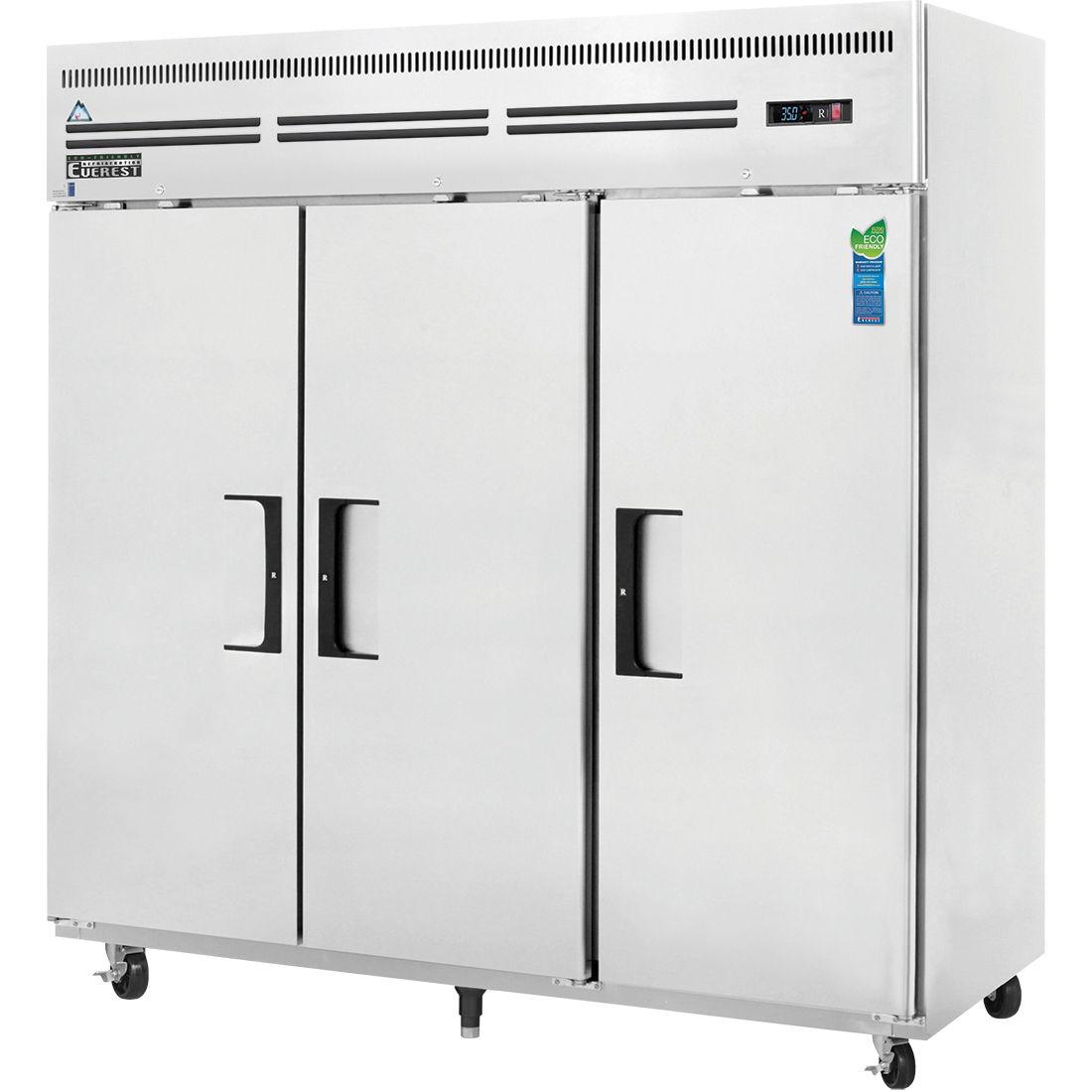
| Solid door | Back-of-house storage | Holds temp, cheapest to run |
| Glass door | Front-of-house merchandising | Higher energy use |
| Half doors | Busy cook line | Less cold-air loss |
| R290 refrigerant | New builds | Efficient, low-GWP standard |
| Bottom-mount | Greasy / dusty floors | Easier coil cleaning & service |
Energy use and ENERGY STAR
Refrigeration runs 24/7, so efficiency compounds. An ENERGY STAR reach-in cuts electricity use and may qualify for utility rebates. This page flags ENERGY STAR models where published — verify the specific model before claiming a rebate.
NSF and installation
Look for the NSF/ANSI-7 listing (commonly required on plan review). Leave the manufacturer’s air clearance around the compressor so it can shed heat, and keep a working aisle plus door-swing room.
Warranty
Commercial reach-ins typically carry a multi-year parts & labor warranty plus a longer compressor warranty (often 5 years). This page lists the manufacturer warranty where published — a longer compressor term is meaningful on equipment that runs constantly.
Maintenance
Clean the condenser coil monthly, check door gaskets for a tight seal, and keep the unit clear of heat sources. A dirty coil or a torn gasket is the most common cause of a reach-in that can’t hold temperature.
How the brands compare
Door styles, capacity range, refrigerant, warranty, and ENERGY STAR availability for the brands with the most reach-in refrigerators here — a starting point, not a substitute for checking the specific model.
| Brand | Models | Door types | Capacity | Refrigerant | Warranty | ENERGY STAR |
|---|---|---|---|---|---|---|
| Beverage-Air | 101 | Glass / Half / Solid | 4.5–71.5 cu ft | R290 | 7-year parts, labor & compressor | Yes |
| True | 100 | Glass / Solid | 4.9–154.5 cu ft | R290 | 7-year parts & labor, 7-year compressor | Yes |
| Traulsen | 85 | Glass / Solid | 18.3–78.8 cu ft | R290 | 6-year parts & labor, 7-year compressor | Yes |
| Turbo Air | 55 | Glass / Half / Solid | 4.5–97.1 cu ft | R290 | 5-year parts & labor, 7-year compressor | Yes |
| Continental Refrigerator | 53 | Glass / Solid | 6.4–76.1 cu ft | R290 | 6-year parts & labor, 7-year compressor | Yes |
| Victory | 52 | Glass / Half / Solid | 9.8–118.3 cu ft | R290 | 3-year parts & labor, 5-year compressor | — |
| Delfield | 47 | Glass / Solid | 7.3–41.5 cu ft | R290 | 1-year parts & labor, 5-year compressor | Yes |
| IDW | 37 | Glass | 0.8–41.7 cu ft | R290 | — | Yes |
| Imbera | 36 | Glass / Solid | 1.6–66.3 cu ft | R290 | 3-year parts & labor, 5-year compressor | Yes |
| Hoshizaki | 33 | Glass / Solid | 2.5–79.0 cu ft | R290 | 3-year parts & labor, 5-year compressor | Yes |
| Everest Refrigeration | 26 | Glass / Solid | 5.4–59.7 cu ft | R290 | 3-year parts & labor, 5-year electrical, 10-year compressor | — |
| Atosa | 25 | Glass / Solid | — | R290 | 3-year parts & labor, 5-year compressor | Yes |
| U-Line | 16 | Glass / Solid | 2.9–20.3 cu ft | R290 | — | — |
| EFI | 15 | Glass / Solid | 16.8–69.4 cu ft | R290 | 2-year parts & labor, 5-year compressor | Yes |
| AVS Companies | 15 | Glass | 24.1–43.8 cu ft | R290 | — | — |
| FWE | 15 | Solid | 17.2–38.7 cu ft | — | — | — |
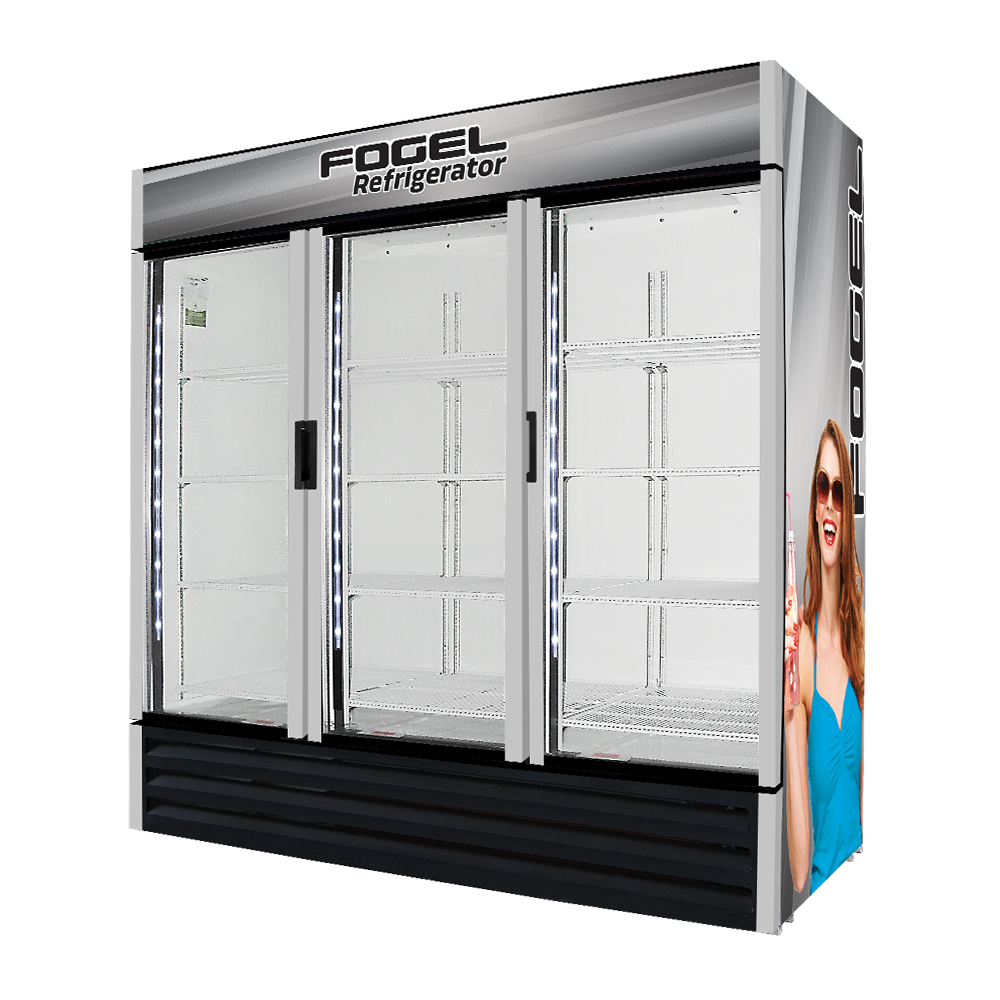
| Fogel | 13 | Glass / Solid | 6.3–56.0 cu ft | R290 | — | — |
| QBD | 13 | Glass | 9.7–42.0 cu ft | R290 | 3-year parts & labor, 5-year compressor | — |
| Desmon Spa | 11 | Glass / Solid | 9.5–42.3 cu ft | — | — | — |
| EMPURA | 10 | Glass / Solid | 11.9–67.3 cu ft | R290 | — | Yes |
| Avantco Refrigeration | 10 | Glass / Solid | 19.9–42.6 cu ft | R290 | — | Yes |
| Migali | 10 | Glass | — | R290 | 2-year parts & labor, 5-year compressor | Yes |
Frequently asked questions
How many sections (doors) do I need?
Size by your par levels and line space. A 1-section (~27″) reach-in holds roughly 20-23 cu ft; a 2-section (~54″) about 40-49 cu ft; a 3-section (~78″) about 70-72 cu ft. Buy the capacity your busiest day needs, then confirm the unit fits your wall run and clears doorways.
Solid, glass, or half doors?
Solid doors hold temperature best and cost less to run — the default for back-of-house storage. Glass doors merchandise product for front-of-house or grab-and-go but use more energy. Half-doors (two per section) cut cold-air loss on a busy line because you open only the half you need.
Top-mount or bottom-mount compressor?
Bottom-mount keeps the condenser coil away from ceiling heat and is easier to clean and service, but the bottom shelf sits higher. Top-mount frees floor space and pulls cooler air up high, but the coil is exposed to more dust. Either is fine if you keep the coil clean.
What refrigerant should I look for?
Most reach-ins built since about 2020 use R290 (propane, a hydrocarbon) — efficient, low global-warming-potential, and now the industry standard. Older units use R134a or R404a. R290 systems are sealed and safe; there is a small charge limit per the unit's design.
Is an ENERGY STAR reach-in worth it?
An ENERGY STAR reach-in uses meaningfully less electricity than a standard model and can qualify for utility rebates that offset the price difference. This page flags ENERGY STAR models where the manufacturer lists the certification — verify the specific model on the ENERGY STAR site before claiming a rebate.
Does the reach-in need to be NSF certified?
Commercial reach-ins are generally NSF/ANSI-7 listed, which certifies food-safe materials and cleanability and is commonly required on plan review. Confirm the specific model's listing with the manufacturer and your local health authority when permitting.
How much clearance does a reach-in need?
Leave the manufacturer's specified air clearance around the compressor (often a few inches at top or bottom and the back) so it can shed heat, plus room for the doors to swing and a working aisle. A crowded compressor runs hot, wastes energy, and fails sooner.
What temperature does a reach-in refrigerator hold?
A reach-in refrigerator is built to hold roughly 33-40°F for cold food storage; many run a 33-38°F range. If you need frozen storage, that's a reach-in freezer (0°F and below) — a separate category. Dual-temp units split the cabinet.
About this data
Last verified: August 2026. Specs are compiled from manufacturer spec sheets and authorized dealer listings; where a value isn't published we leave it blank rather than guess.
Methodology: every reach-in-refrigerator model is compared on the same set of specifications, and dimensions are checked (for sinks, overall width must exceed the combined bowl widths) — figures that fail validation are corrected from the manufacturer model number or omitted. “Street price” is the lowest legitimate published price we've found and can change.
Sourcing: product specs come from the manufacturer; regulatory statements link to the source (e.g. the FDA Food Code and NSF). Code requirements vary by jurisdiction — confirm with the authority reviewing your plans.
Disclosure: FoodServiceNerd is vendor-neutral and free to use. Some “where to buy” links may be affiliate links — we may earn a commission at no cost to you, and it never changes what we list or how we rank it. We don't sell equipment ourselves.
Editorial: compiled and reviewed by the FoodServiceNerd equipment desk (about us). Spot an error? Tell us and we'll correct it.