Refrigerated Display Cases
A refrigerated display case keeps product cold at the point of sale — deli, grab-and-go, or full-service. Size it by footprint (width), interior capacity, and whether it's full-service (served across a counter) or self-service. A case holding TCS product is expected to hold code temperature (commonly ≤41°F) through service, and NSF/ANSI 7 listing is commonly required on plan review — confirm with your health department.
Refrigerated deli, grab-and-go, and full-service display cases — merchandisers that keep product cold while it sells. Compare across every brand by capacity, width, and weight, then compare on build, not marketing. A case holding TCS product is expected to keep it at code temperature even with the glass opening through service.



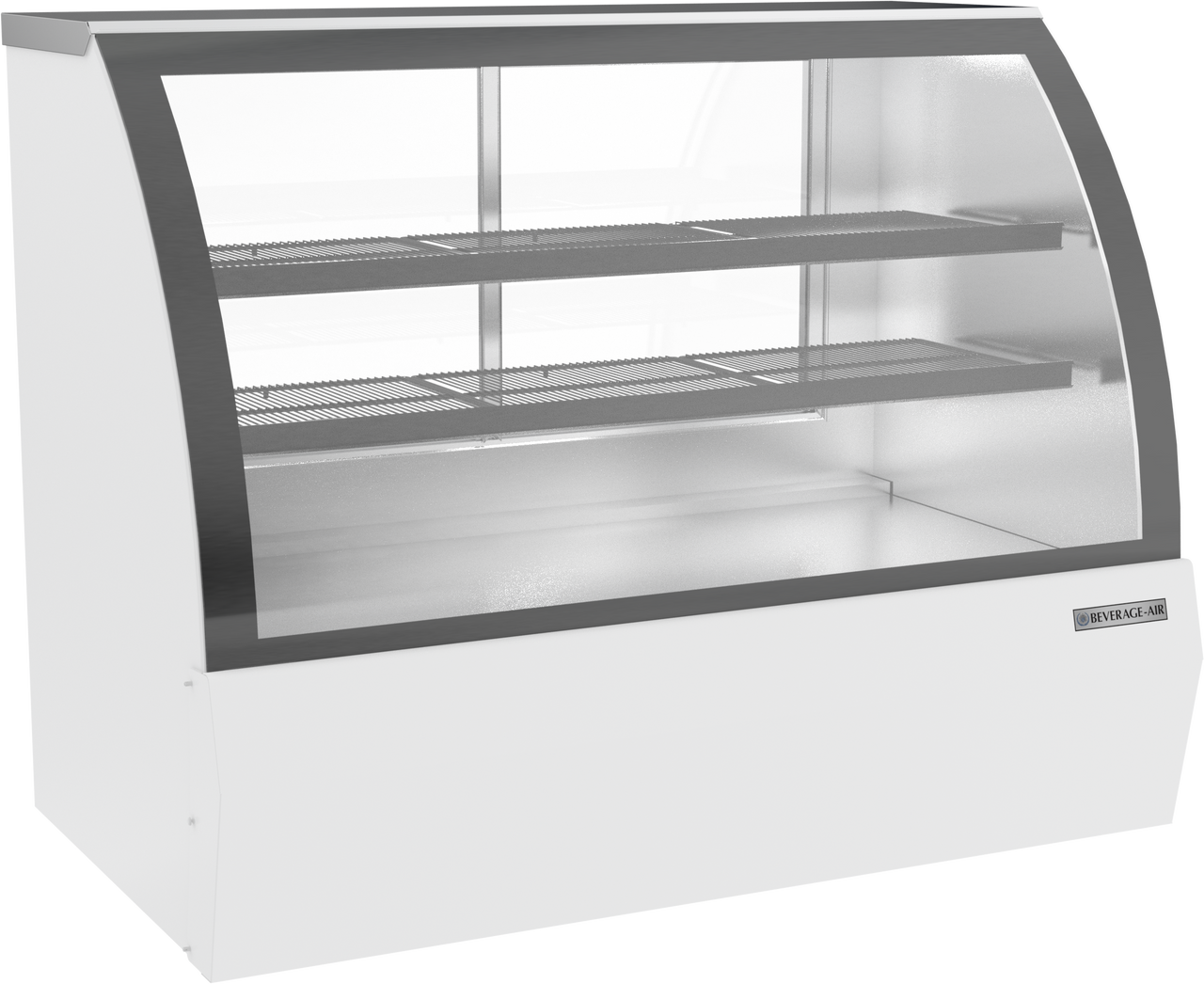

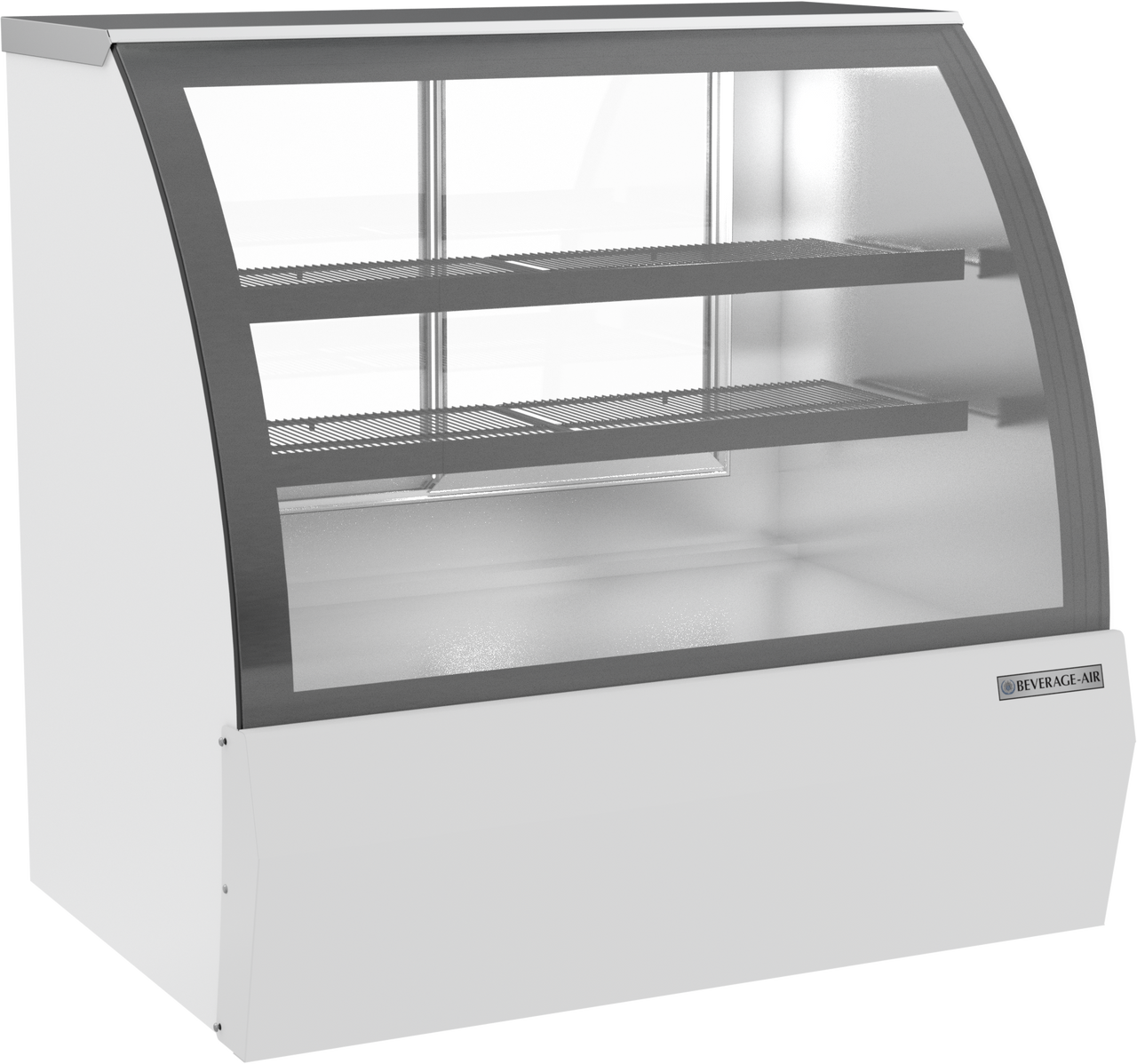
Which one should you buy?
Shortlists filtered to a real buying need — not paid placements or reviews. Each links to full specs.
Most capacity
Maximum cubic feet for high-volume storageCompact footprint
Narrowest units for tight lines and barsPriced online
Models with a real published dealer priceRefrigerated Display Cases: buying guide
A refrigerated display case is chosen by footprint (width), interior capacity, and full-service vs self-service. A case holding TCS product is expected to hold code temperature through service and is generally NSF/ANSI-7 listed. Here is how to read the 30 models above.
Full-service vs self-service
A full-service case is served by staff from behind (single-deck, angled glass); a self-service case (often open, multi-deck) lets customers reach in and holds more facings. Choose by who pulls the product.
Footprint and capacity
Size by width to the counter run and by interior capacity to your display volume. Countertop cases suit the register; floor and multi-deck cases run a deli or market.
Holding temperature
Product holding to code temperature (commonly ≤41°F) is the point — anything dairy- or cream-based belongs in the refrigerated case. Confirm the rated holding temperature and NSF listing when permitting.
| Choice | Best use | Consideration |
|---|---|---|
| Countertop case | At the register | A few shelves, grab-and-go |
| Floor deli / grab-and-go | A deli or market run | Single refrigerated run |
| Full-service | Served across a counter | Single-deck, angled glass |
| Self-service / multi-deck | High-volume self-serve | Most facings |
How the brands compare
Types, width range, capacity range, and street-price range for the brands with the most display cases here — a starting point, not a substitute for checking the specific model’s spec sheet.
| Brand | Models | Types | Width range | Capacity | Street price |
|---|---|---|---|---|---|
| Migali | 25 | — | 2.6–47.1″ W | 2.6–40.5 cu ft | — |
Frequently asked questions
Full-service vs self-service display case?
A full-service case is served by staff from behind the counter (single-deck, angled glass) and merchandises to the customer side; a self-service case (often open, multi-deck) lets customers reach in and holds more facings. Pick by whether staff or customers pull the product.
Curved or straight glass?
Curved glass gives a classic look and a bit more display height; straight (square) glass is easier to clean and reads more modern. Refrigeration performance is similar — it's largely aesthetics and cleaning preference.
What temperature does it hold?
A case holding TCS product (dairy, cream-based, deli) is expected to hold it at code temperature (commonly ≤41°F) even as the glass opens through service. Cases used only for shelf-stable product don't hold to that standard — keep anything cream-based in the refrigerated case.
How is it sized?
By footprint (width) and interior capacity, and by full-service vs self-service. A countertop case adds a few shelves at the register; a floor case runs a deli or market; multi-deck cases hold the most facings for self-serve volume.
Is it NSF listed?
Commercial refrigerated cases are generally NSF/ANSI-7 listed, commonly required on plan review. Confirm the specific model's listing with the manufacturer and your local authority.
About this data
Last verified: August 2026. Specs are compiled from manufacturer spec sheets and authorized dealer listings; where a value isn't published we leave it blank rather than guess.
Methodology: every display-case model is compared on the same set of specifications, and dimensions are checked (for sinks, overall width must exceed the combined bowl widths) — figures that fail validation are corrected from the manufacturer model number or omitted. “Street price” is the lowest legitimate published price we've found and can change.
Sourcing: product specs come from the manufacturer; regulatory statements link to the source (e.g. the FDA Food Code and NSF). Code requirements vary by jurisdiction — confirm with the authority reviewing your plans.
Disclosure: FoodServiceNerd is vendor-neutral and free to use. Some “where to buy” links may be affiliate links — we may earn a commission at no cost to you, and it never changes what we list or how we rank it. We don't sell equipment ourselves.
Editorial: compiled and reviewed by the FoodServiceNerd equipment desk (about us). Spot an error? Tell us and we'll correct it.