Hot Holding & Food Warming Equipment
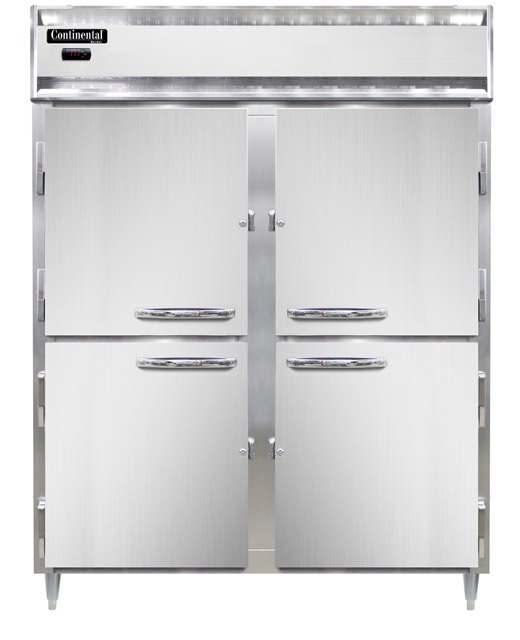
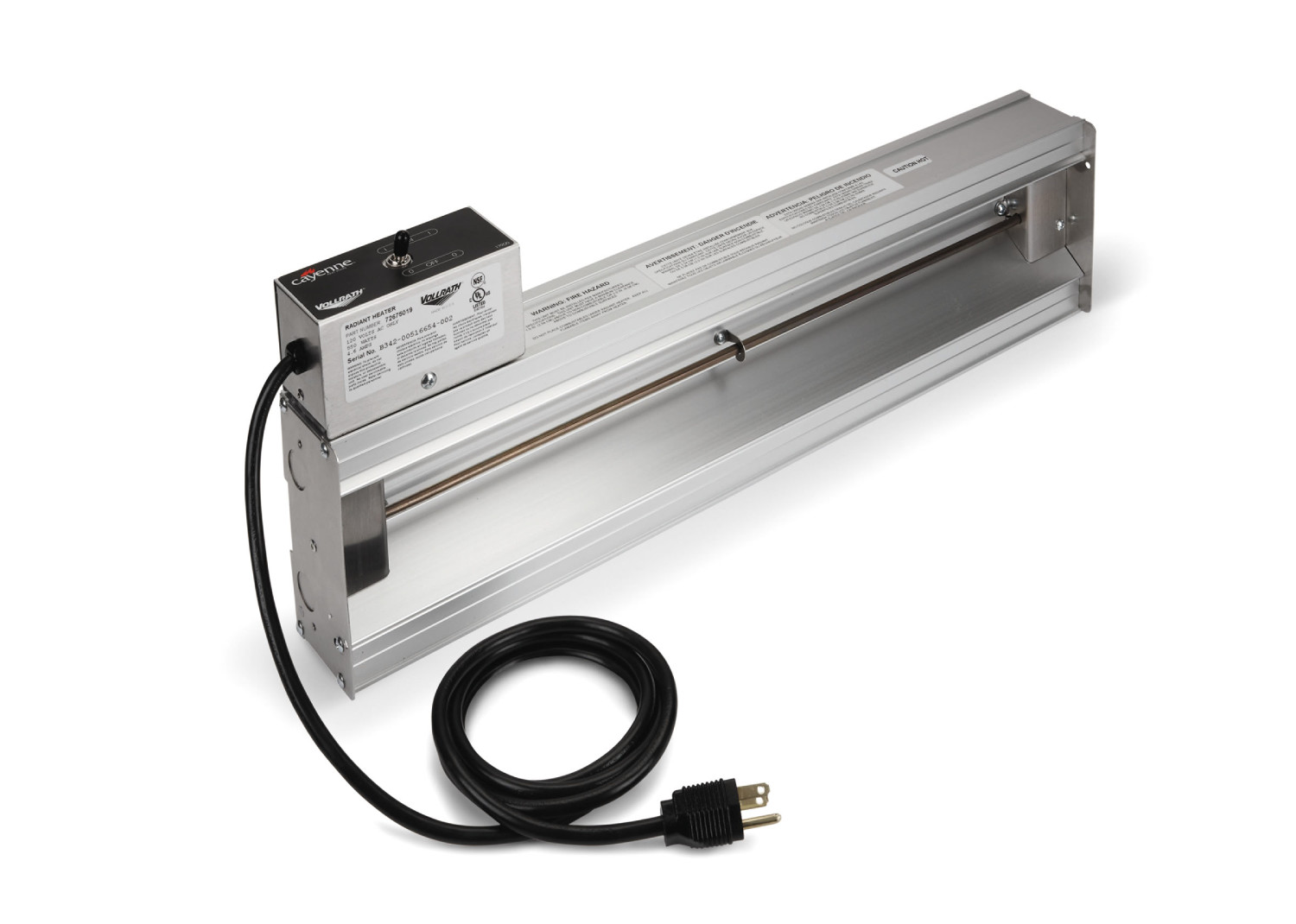
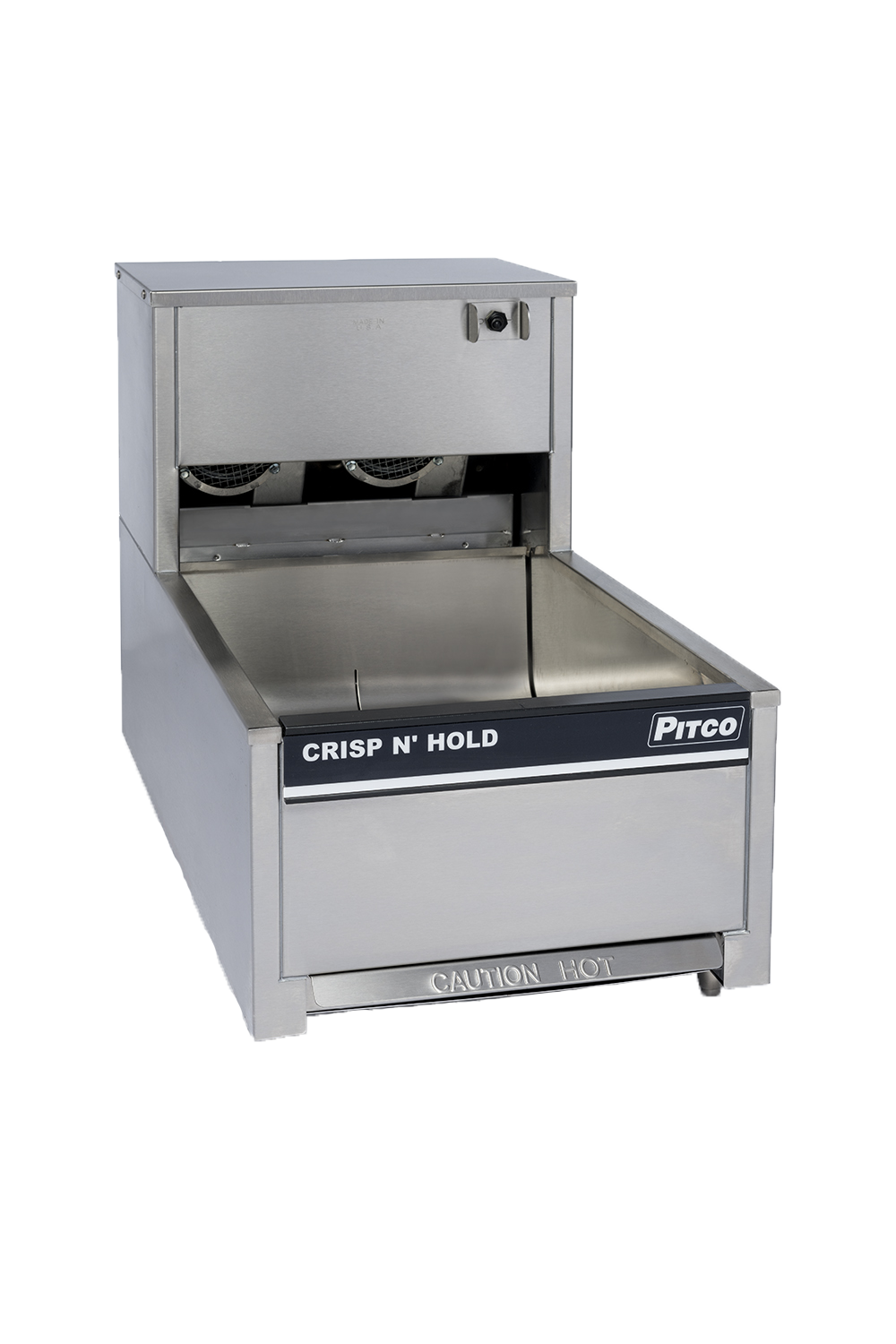
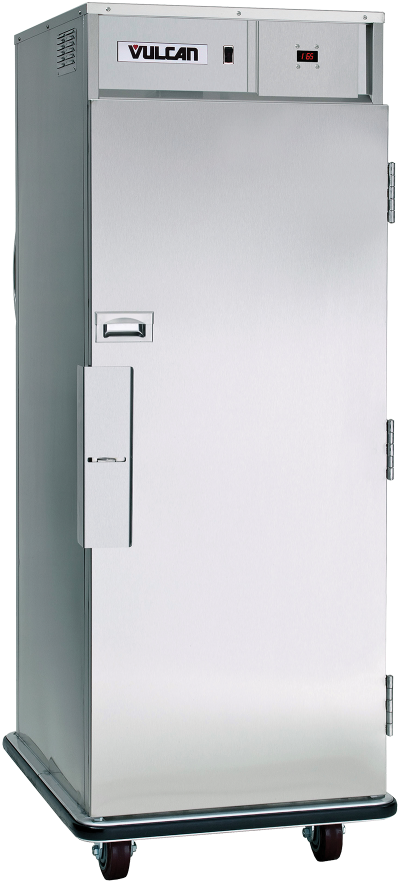
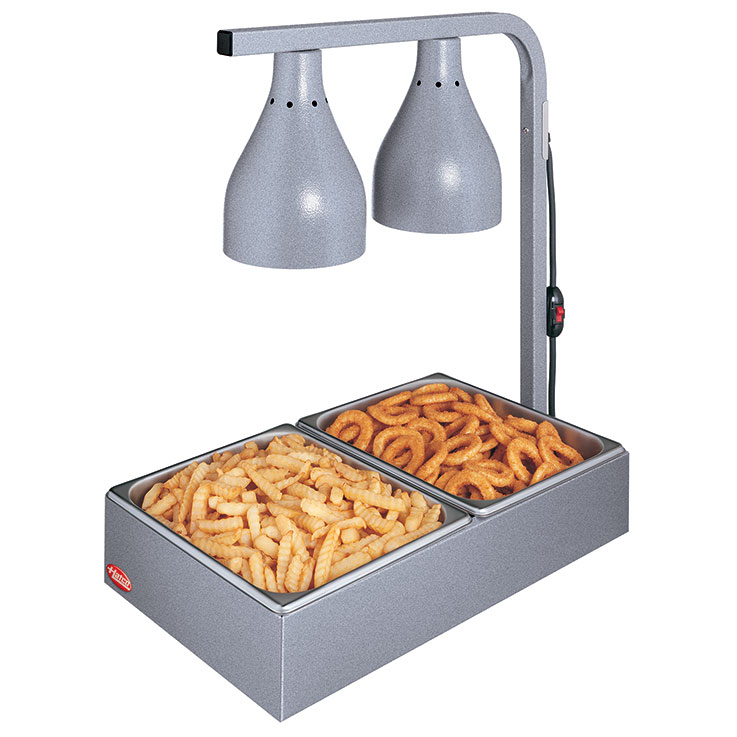
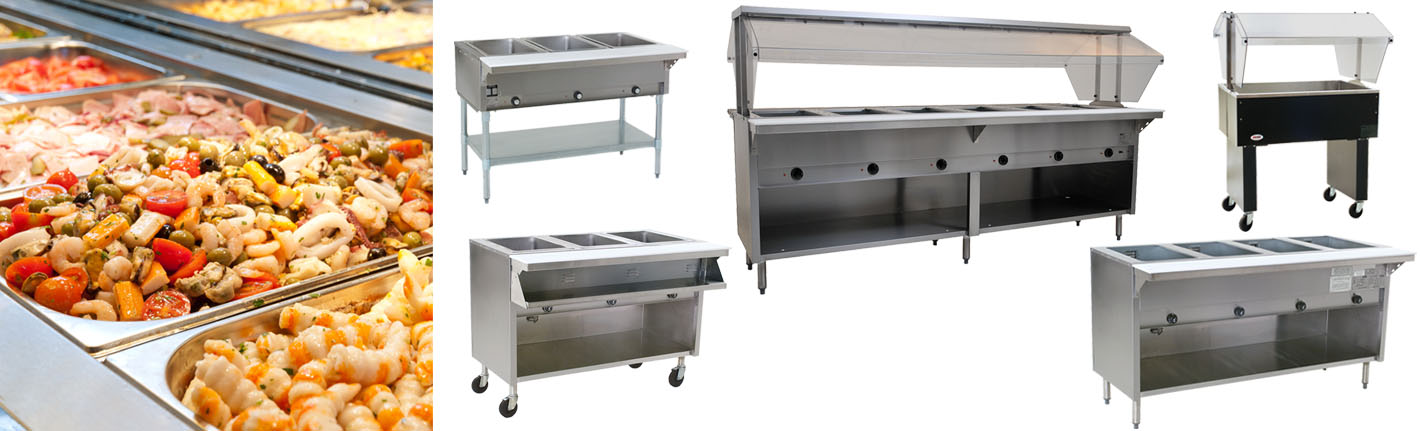
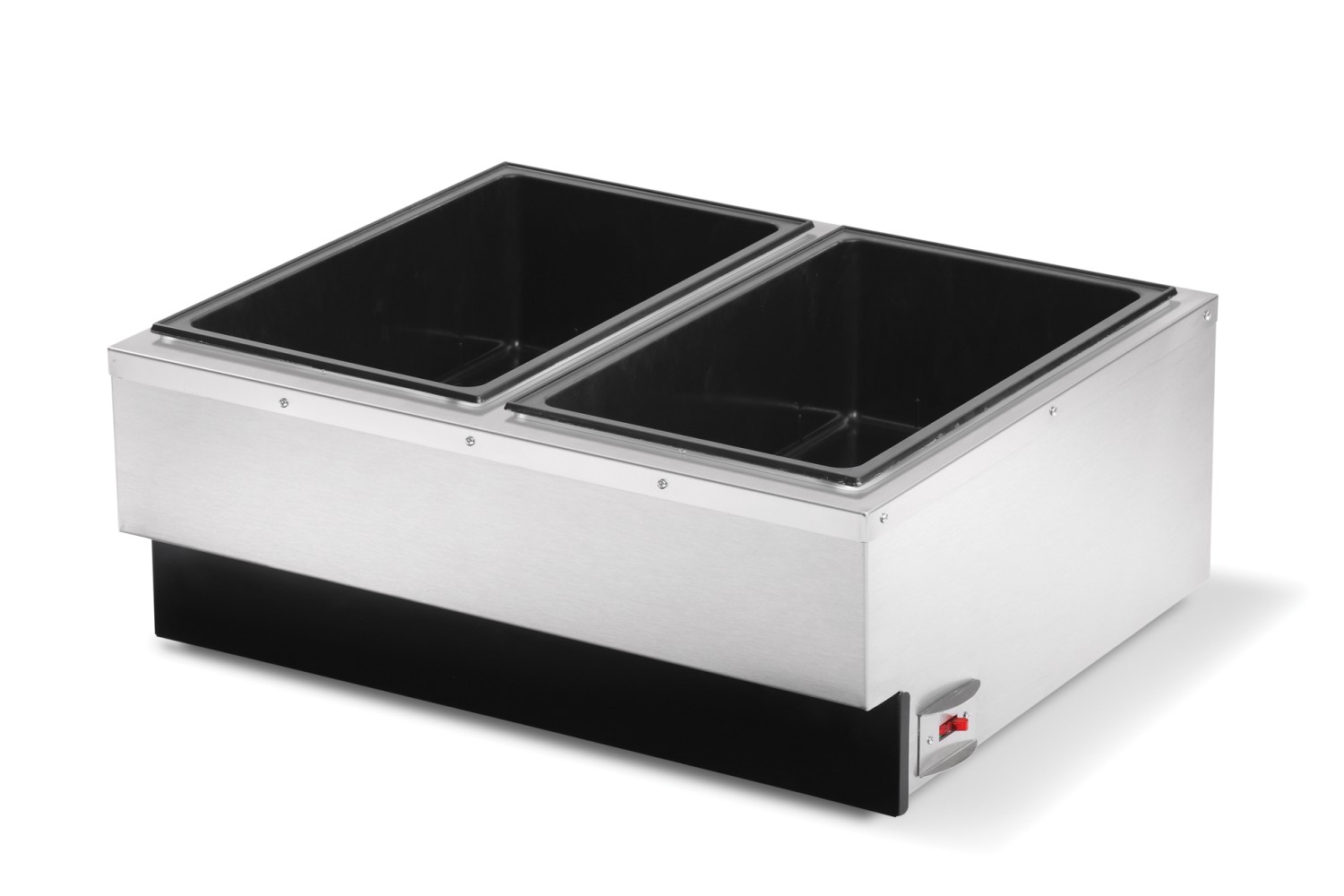
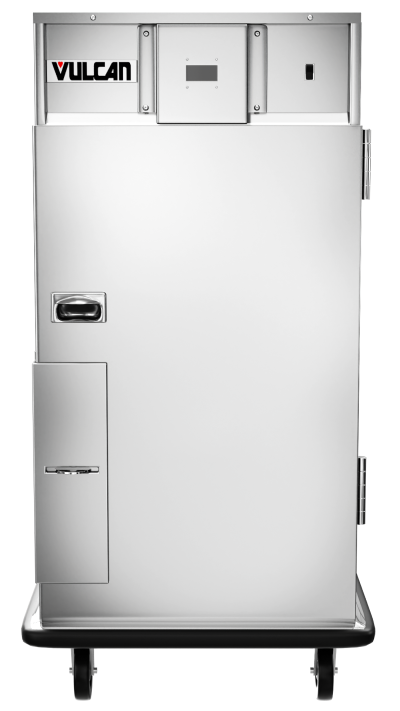
Hot holding equipment keeps already-cooked food at safe serving temperature (135°F+). A holding cabinet stores full sheet or steam-table pans behind a door for banquets and volume service; a countertop warmer or well holds food at a serving line; a drawer warmer keeps rolls or fried food ready; a heat lamp holds plated food at the pass; and a rethermalizer gently brings chilled product back up to serving temperature. Match the equipment to where in your line the food is held, then confirm capacity, humidity control, and utilities on the spec sheet.
Compare hot holding and warming equipment by type and size — the two decisions that drive the rest. Width, depth, height and electrical are shown where the manufacturer publishes them. Holding equipment keeps cooked food safe and ready; it does not cook — confirm the exact model's capacity and hookups before you spec a line.









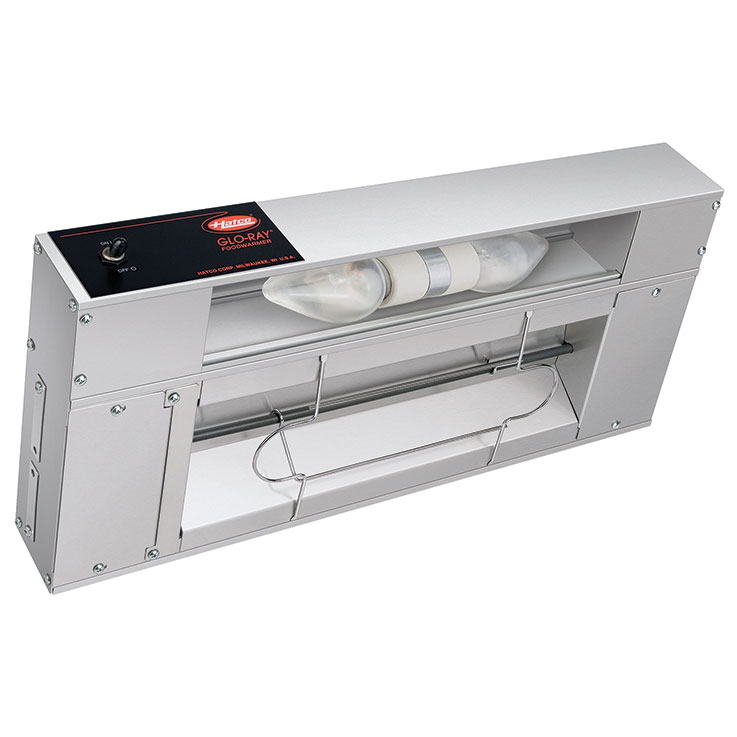


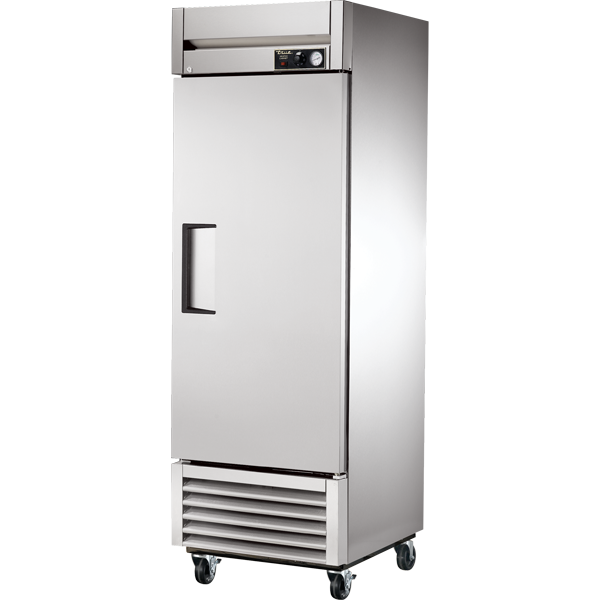
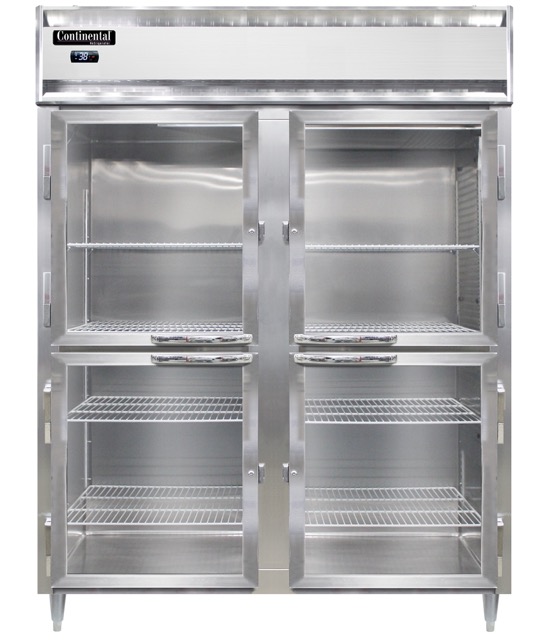
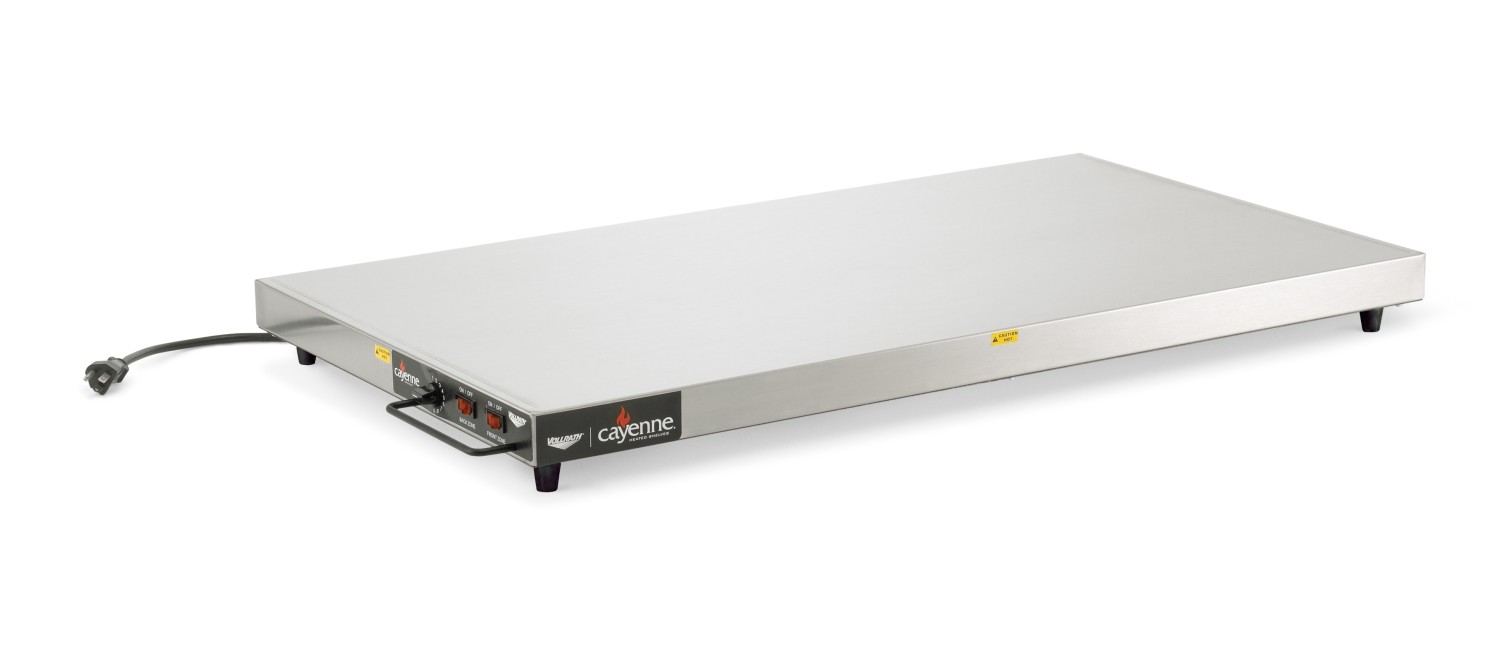

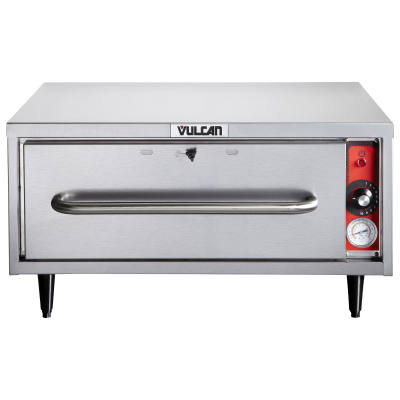
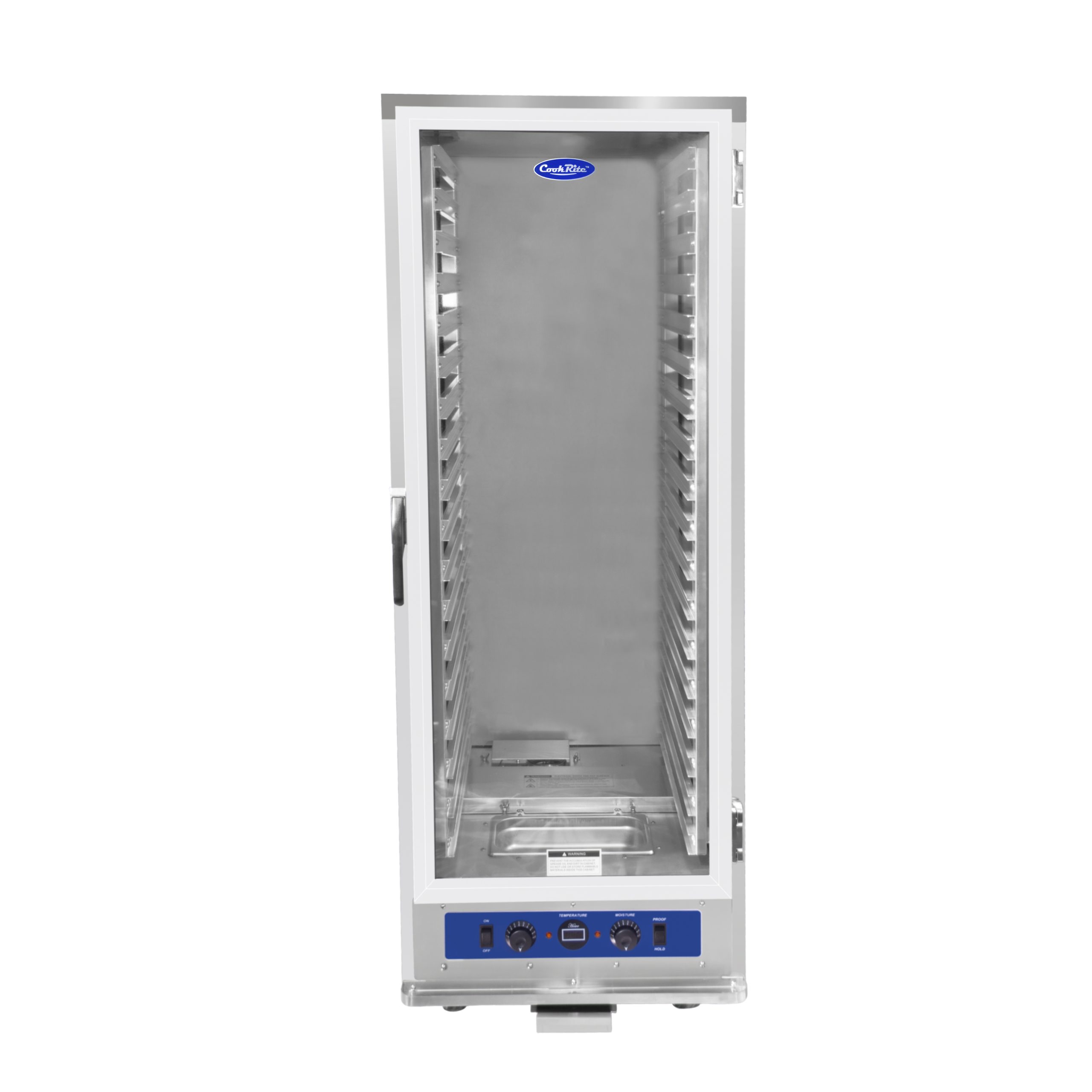

Hot holding & warming equipment: buying guide
Holding equipment is what keeps a finished dish safe and appetizing between the kitchen and the guest. The models above filter by type and width.
Match the equipment to the point in your line
A holding cabinet stores pans behind a door for banquets and volume; a countertop warmer or well holds food at a serving line; a drawer warmer keeps rolls or fried food ready; a heat lamp holds plated food at the pass; a rethermalizer brings chilled product back up to temperature.
Temperature and humidity
All hot holding must keep food at 135°F+ to stay food-safe. Insulated cabinets hold more evenly and use less energy; humidity control keeps food from drying out or going soggy on long holds. Holding equipment does not cook — food goes in already hot.
Size and utilities
Confirm pan capacity, the footprint, and the electrical (some full-size and roll-in cabinets need a dedicated circuit) against your space and panel before you spec.
How the brands compare
Model count and span for the brands with the most models here — a starting point, not a substitute for the specific model’s spec sheet.
| Brand | Models | Width range |
|---|---|---|
| Hatco | 84 | 6–12.4″ |
| APW Wyott | 81 | 6–15.1″ |
| Nemco | 80 | 6.8–79″ |
| Vollrath | 32 | 3–42″ |
| Traulsen | 30 | 29.9–86.1″ |
| Vulcan | 29 | 17.2–28″ |
| Eagle Group | 22 | — |
| Star | 21 | 9.4–29.2″ |
| BK Resources | 17 | — |
| Delfield | 15 | 28–74″ |
| Continental Refrigerator | 14 | 26–57″ |
| Pitco | 10 | 13–28.1″ |
| Atosa | 10 | 21.5–25.1″ |
| True | 6 | 27–68″ |
Frequently asked questions
What temperature does hot holding equipment hold food at?
Holding equipment keeps already-cooked food at 135°F or above — the food-safe hot-holding threshold below which bacteria multiply. It is designed to hold, not cook or reheat; food must go in already at temperature. Better cabinets add humidity control so food doesn't dry out or go soggy.
Holding cabinet vs. proofing cabinet?
A holding cabinet keeps hot food hot for service; a proofer runs warmer-and-humid to raise dough; a proofer/holding combo does both with a switch. If you see 'proofing' in a model name it is dough-focused — confirm the temperature range for your use.
Insulated or non-insulated cabinet?
Insulated cabinets hold temperature more evenly and use less energy, which matters for long banquet holds; non-insulated units are cheaper and fine for short holds near the line. Confirm which a model is on its spec sheet.
Where do your specs and prices come from?
Specifications are compiled from manufacturer spec sheets and authorized dealer listings; where a value isn’t published we leave it blank rather than guess. “Street price” is the lowest legitimate published price from an online dealer we track for that exact model — equipment only, and it changes often. Many models here have no published online price and show “check dealer pricing.”
Does this equipment need to be NSF listed?
Storage and dish-room equipment used in a commercial kitchen is generally expected to be NSF/ANSI listed for cleanable, food-safe construction — that’s what a health inspector checks on plan review. We don’t assert a listing for a specific model unless the manufacturer publishes it; confirm the exact model’s listing when you permit your kitchen.
About this data
Last verified: August 2026. Specs are compiled from manufacturer spec sheets and authorized dealer listings; where a value isn't published we leave it blank rather than guess.
Methodology: every holding & warming unit model is compared on the same set of specifications, and dimensions are checked (for sinks, overall width must exceed the combined bowl widths) — figures that fail validation are corrected from the manufacturer model number or omitted. “Street price” is the lowest legitimate published price we've found and can change.
Sourcing: product specs come from the manufacturer; regulatory statements link to the source (e.g. the FDA Food Code and NSF). Code requirements vary by jurisdiction — confirm with the authority reviewing your plans.
Disclosure: FoodServiceNerd is vendor-neutral and free to use. Some “where to buy” links may be affiliate links — we may earn a commission at no cost to you, and it never changes what we list or how we rank it. We don't sell equipment ourselves.
Editorial: compiled and reviewed by the FoodServiceNerd equipment desk (about us). Spot an error? Tell us and we'll correct it.