Salamander & Cheese-Melter Broilers
Choose a salamander when you need real broiling power to finish and brown proteins; choose a cheese melter when you only gratin, melt, and lightly brown — it’s lower-powered and cheaper to run. Both mount over the range or on a stand and must stay within the hood envelope with correct clearance.
Compare overhead salamander and cheese-melter broilers across every brand by type, output, and width. Filter to the finishing power you need, then compare on build. Total BTU and price are shown where the manufacturer or a dealer publishes them.
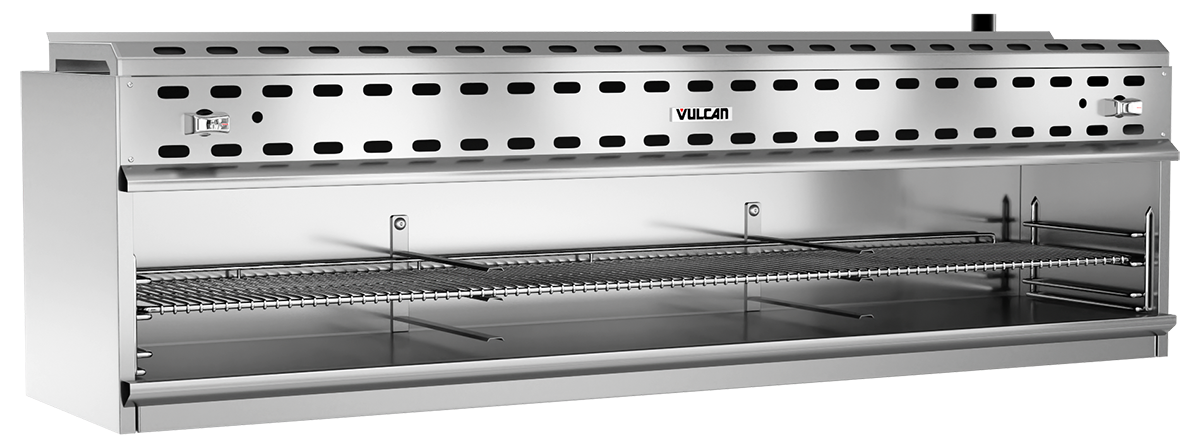
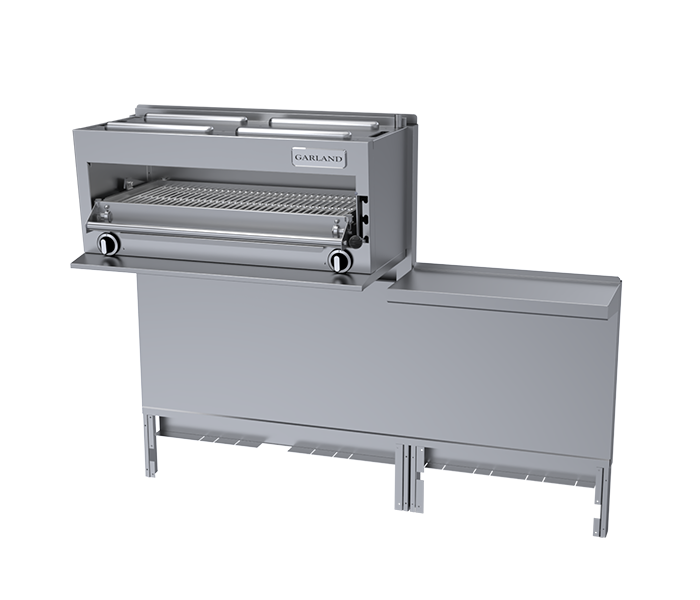
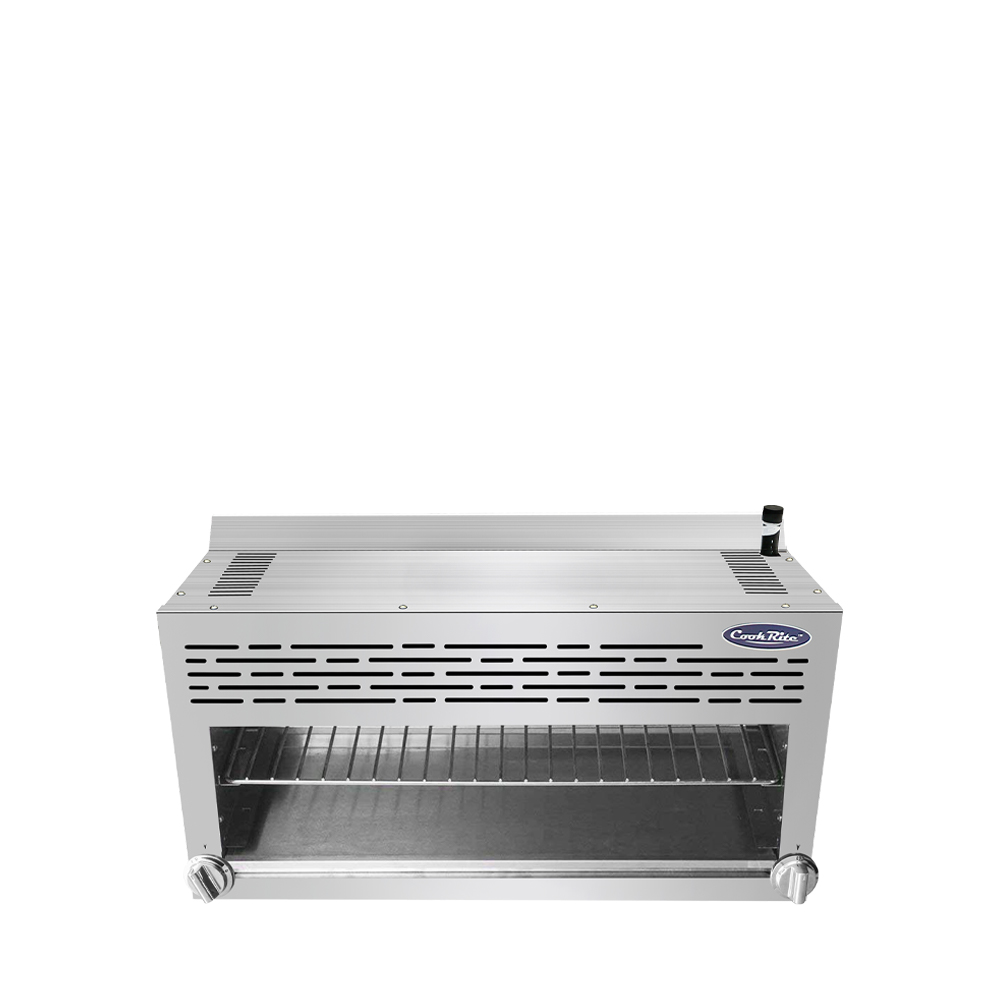
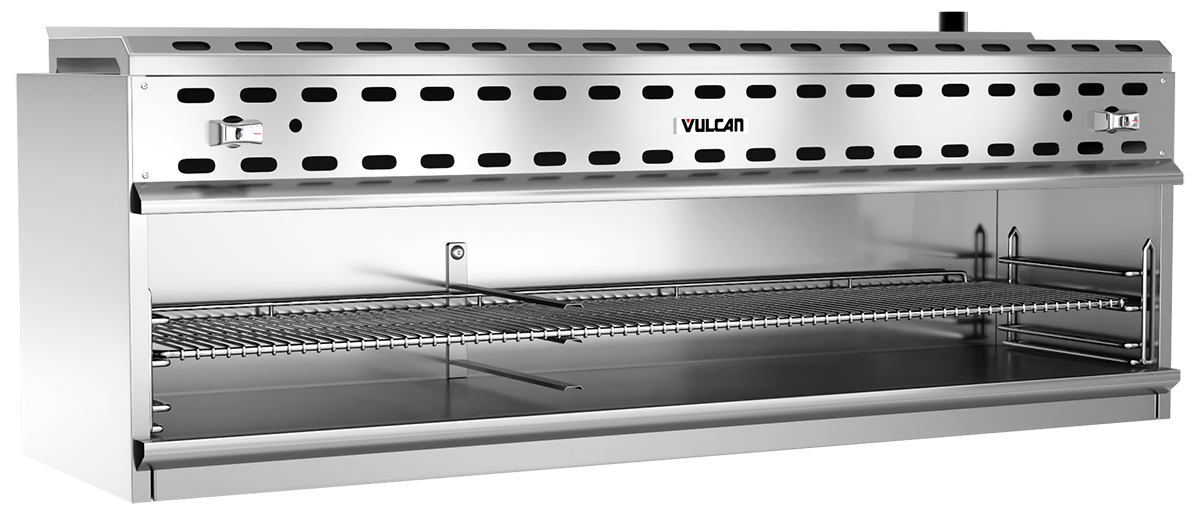
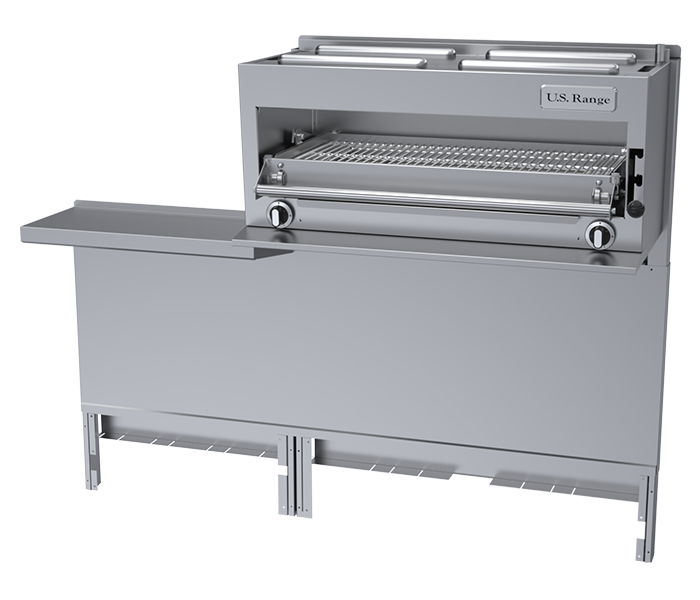
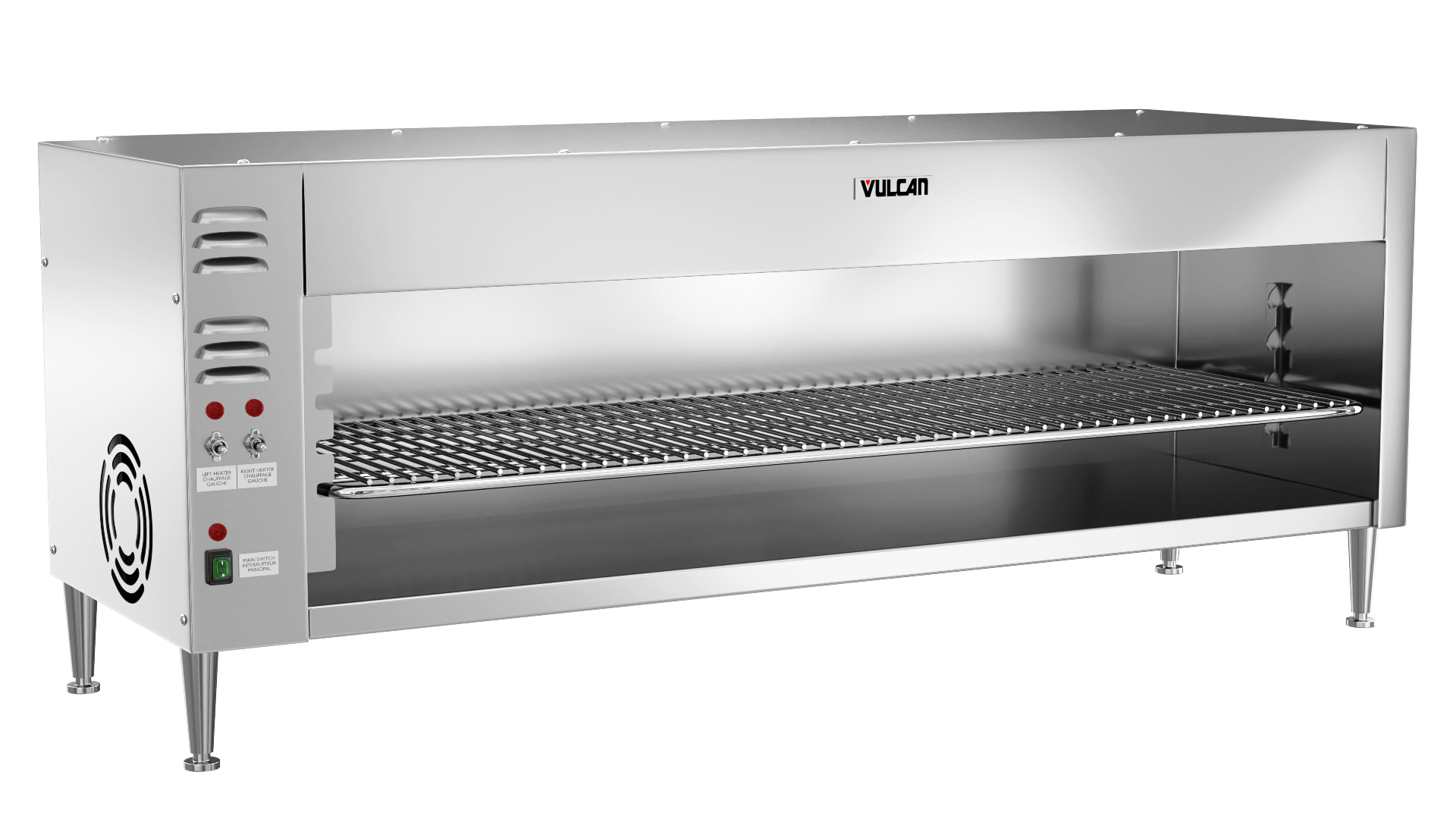
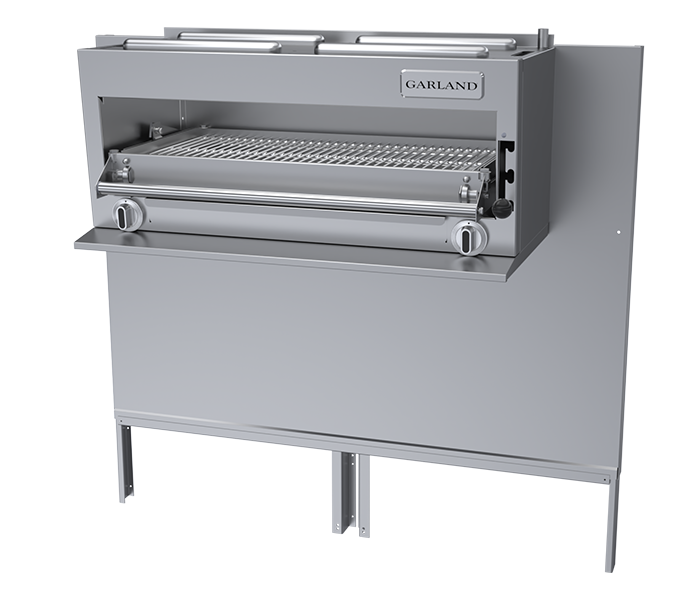
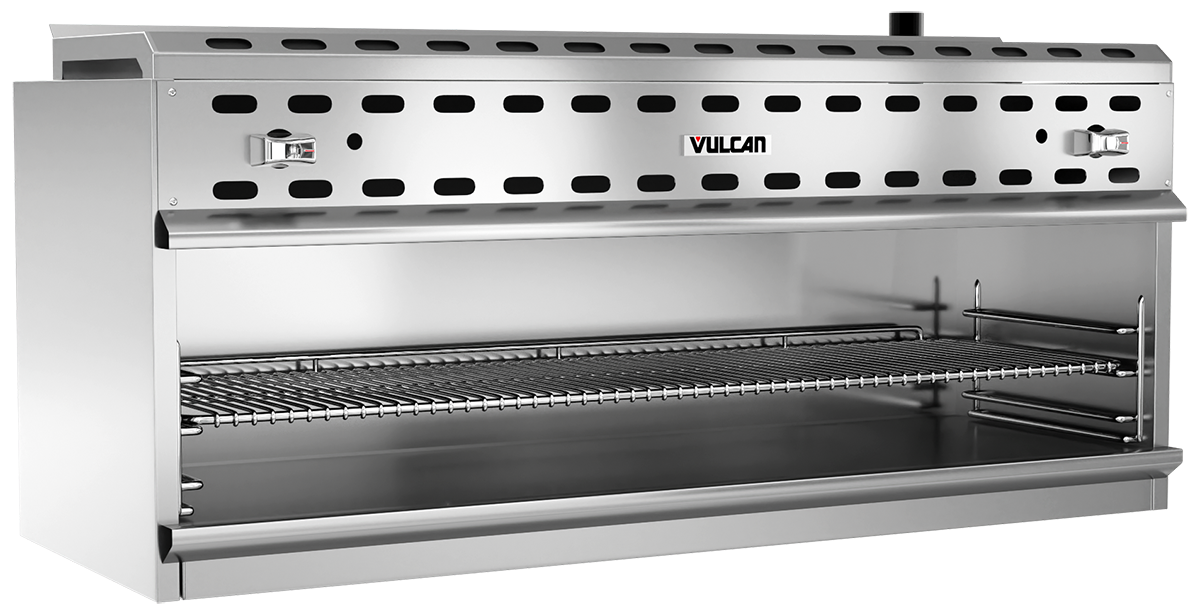
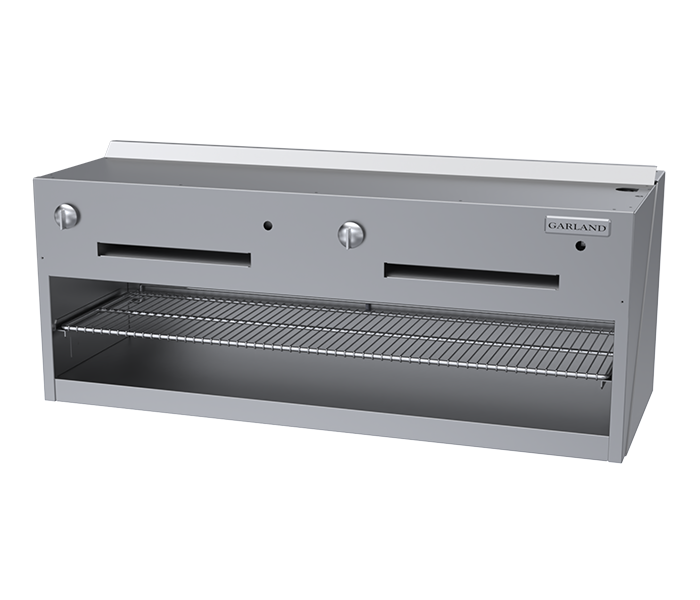
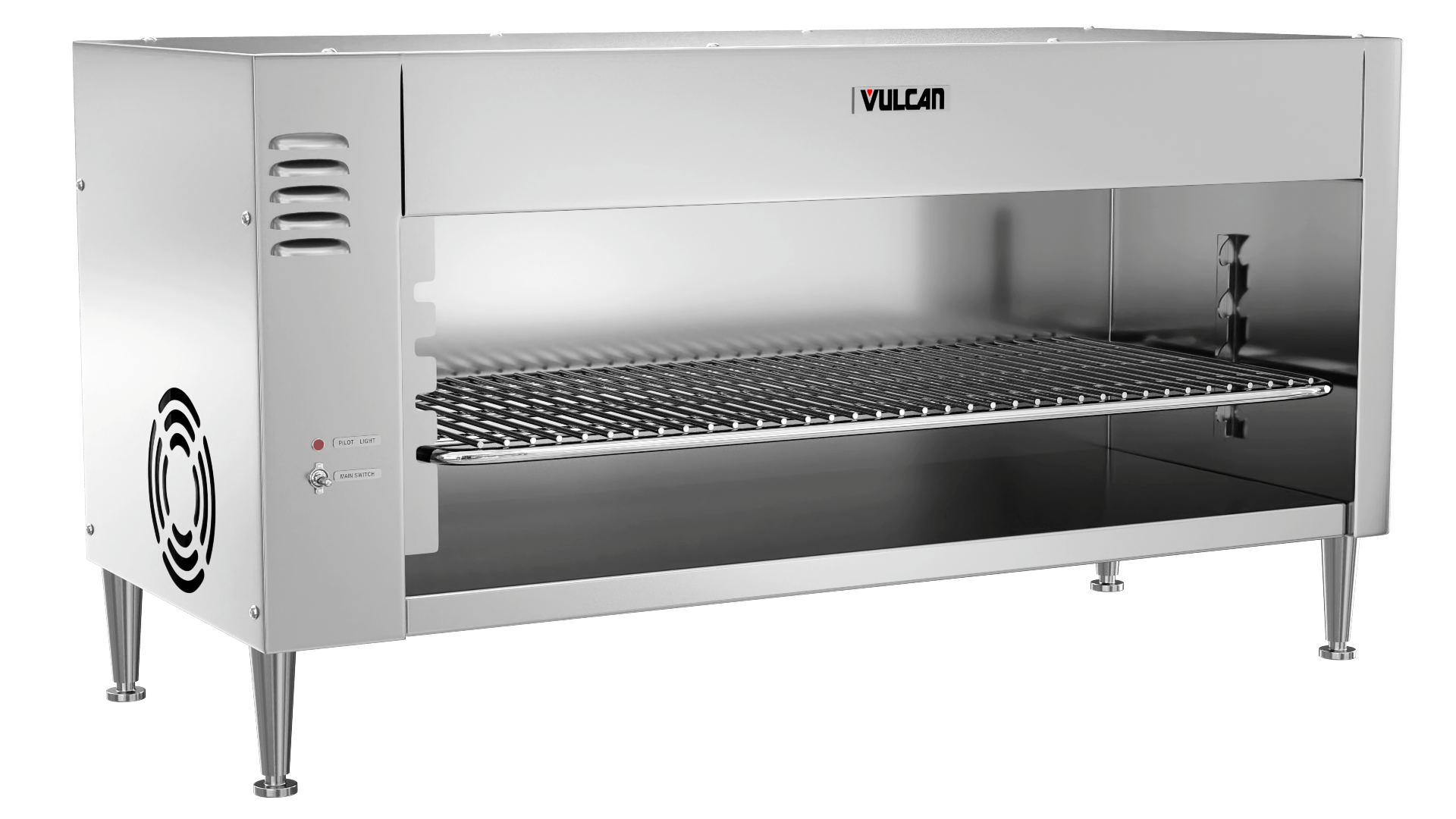
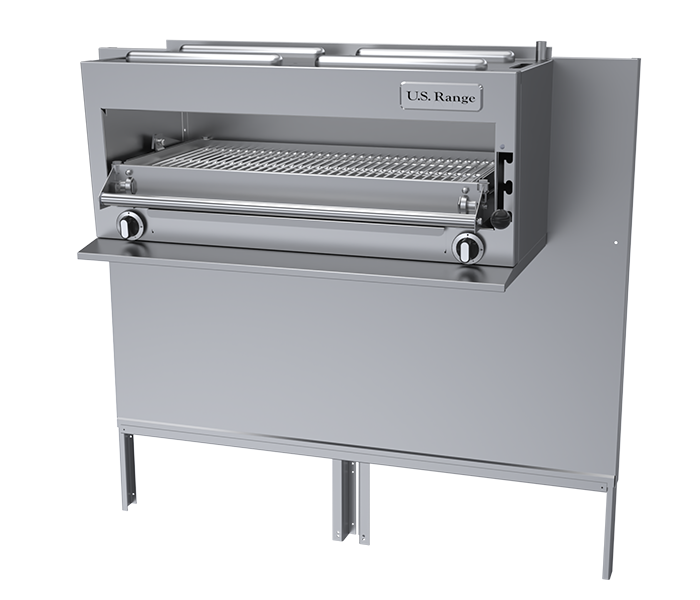
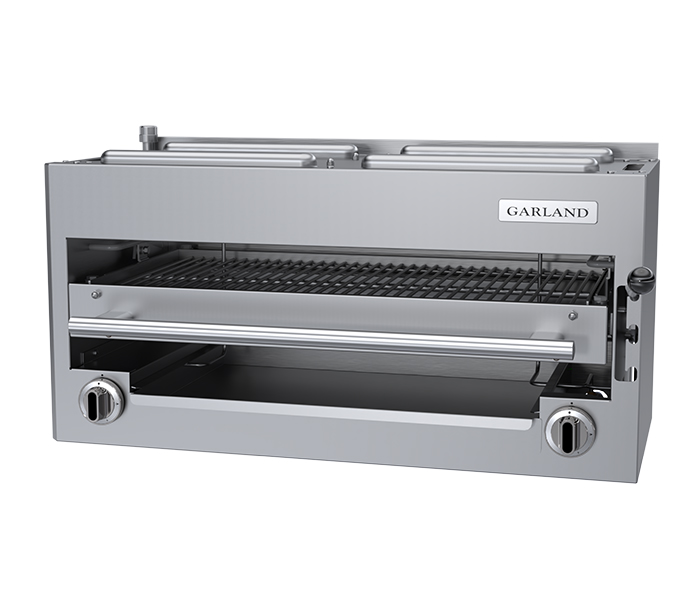
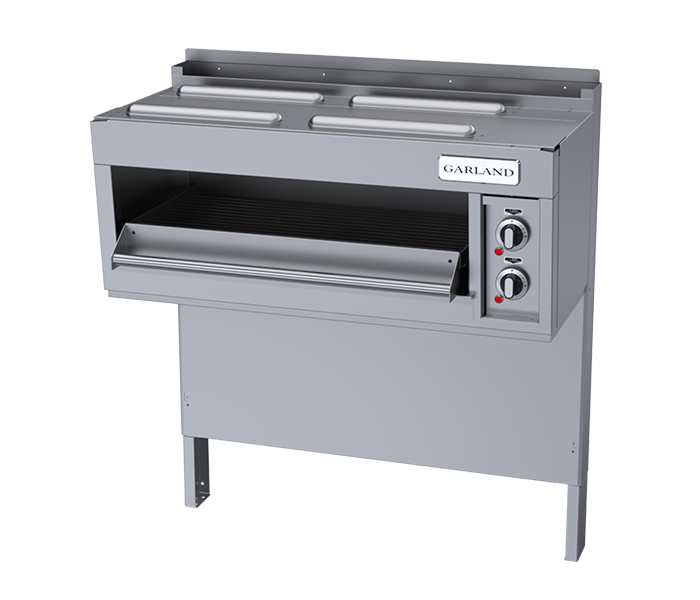
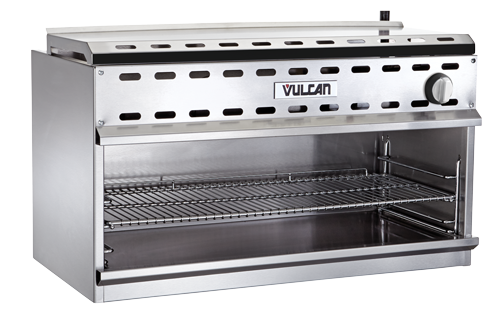
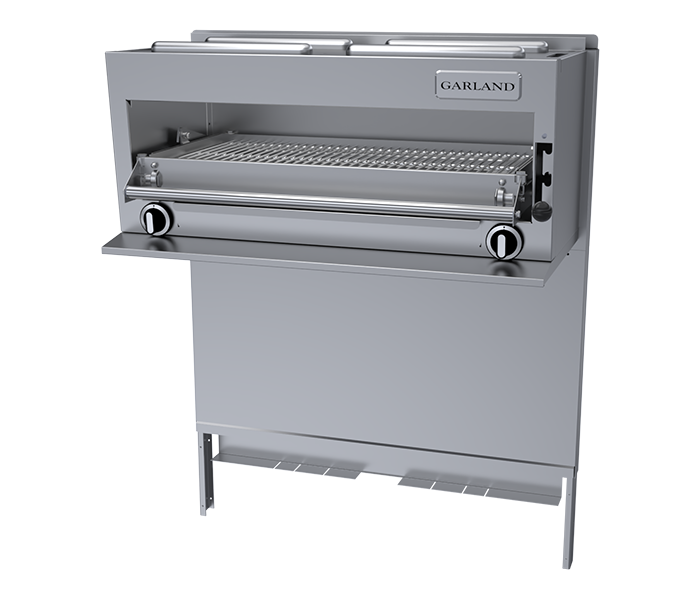
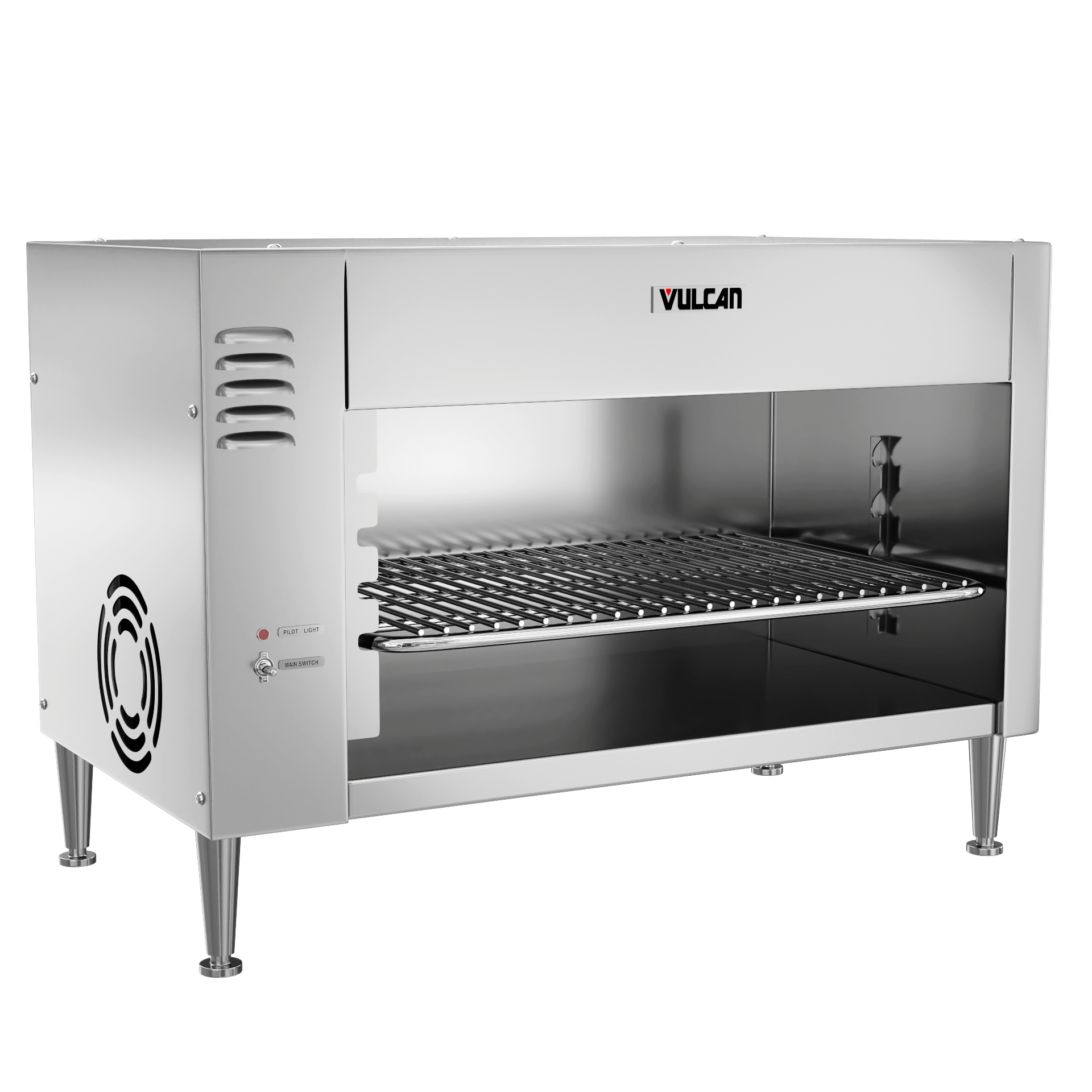
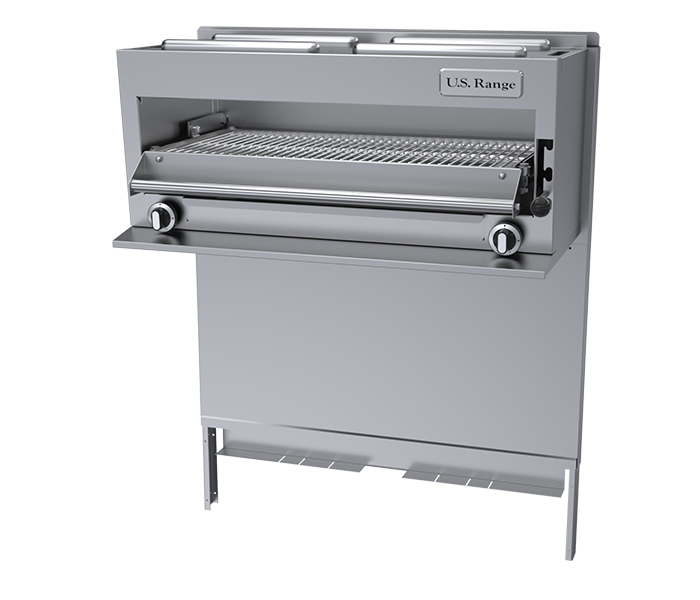
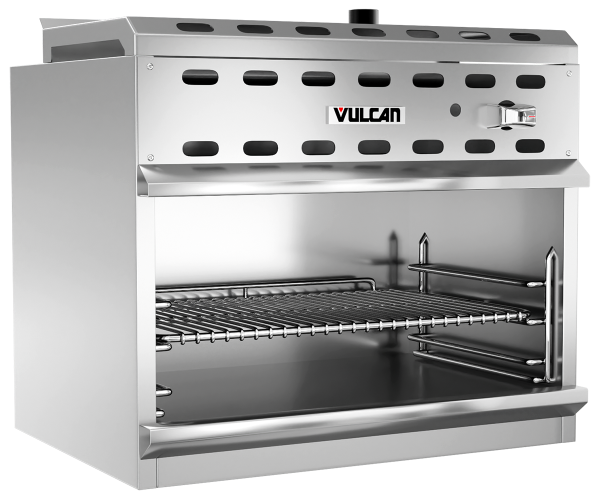
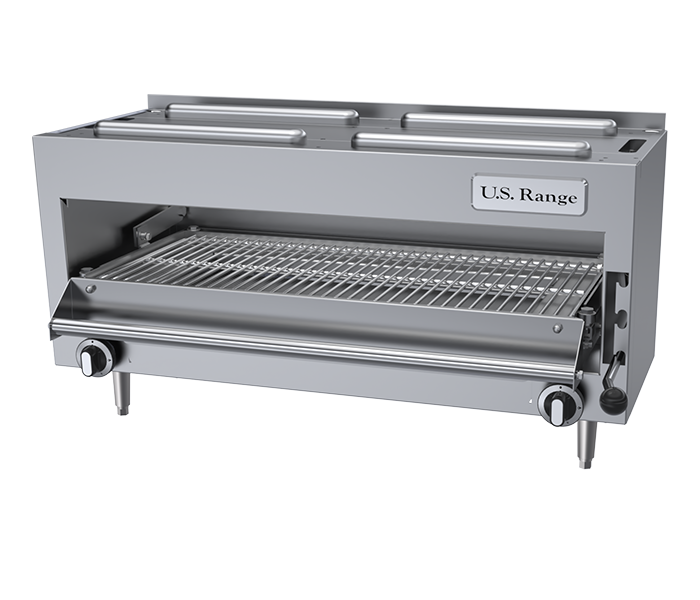
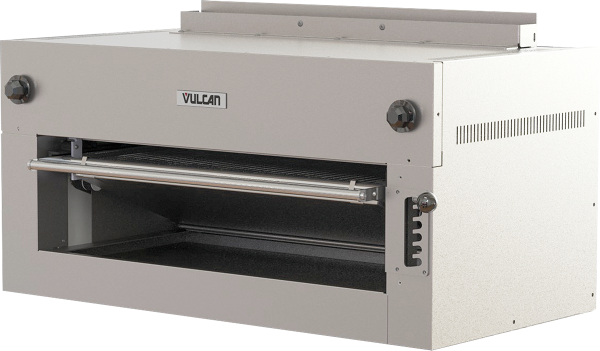
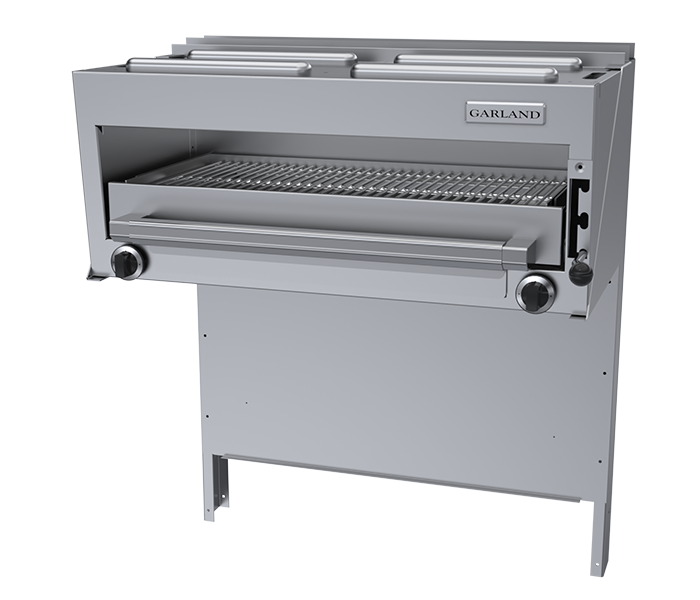
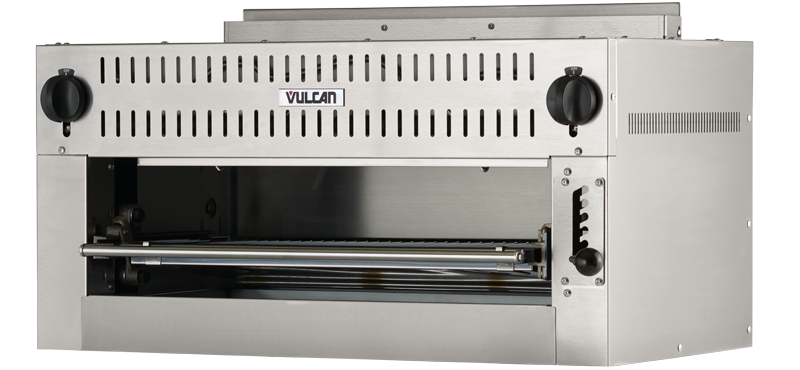
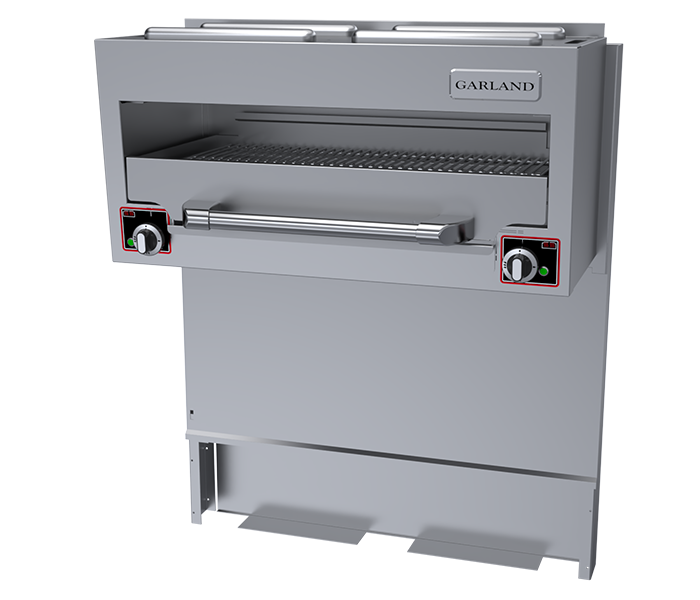
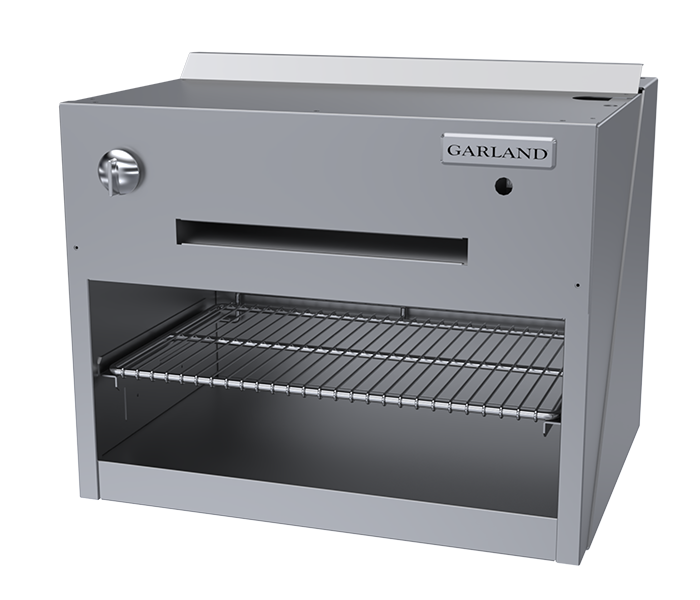
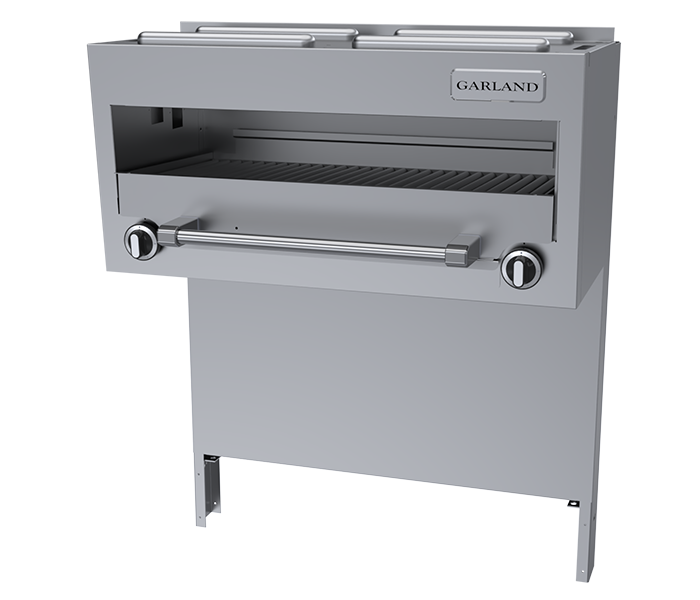
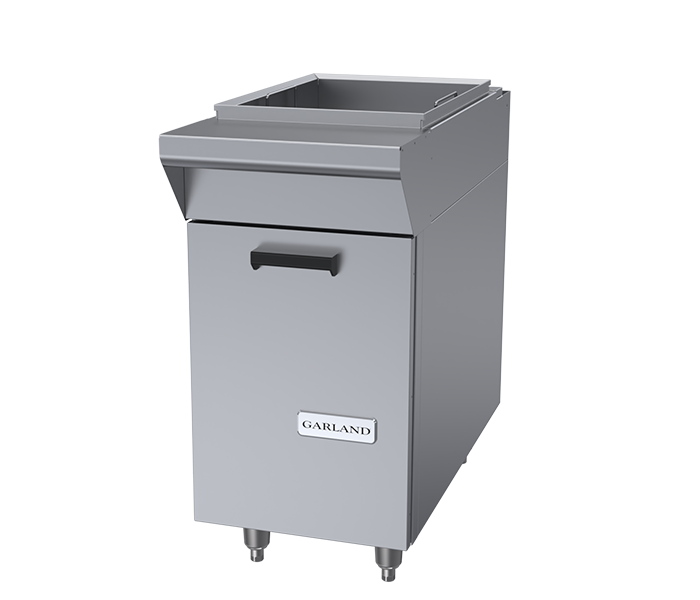
Salamander & cheese-melter broilers: buying guide
An overhead salamander or cheese-melter broiler finishes, browns, and holds plates — mounted over the range or on a stand. Choose by heat output and how it mounts. It is a heat source that lives under the hood envelope. Here is how to read the 43 models above.
Salamander vs cheese melter
A salamander runs hotter and can broil and finish proteins; a cheese melter is lower-powered for melting and light browning, and costs less to run. If you only gratin and melt, a cheese melter is enough.
Output and fuel
Most units are gas; some electric models exist. We show total BTU where the manufacturer publishes it so you can compare true output rather than guess from size.
Mounting
Range-mount to save floor space, or wall/stand-mount over a landing area — as long as it stays under the hood envelope with correct clearance.
Hood and cleanability
An overhead broiler needs to sit within the hood envelope with correct clearance; the removable grease pan and rack are NSF cleanability points. Confirm clearances with the authority reviewing your plans.
How the brands compare
Fuel, width range, and street-price range for the brands with the most salamander broilers here — a starting point, not a substitute for checking the specific model’s spec sheet.
| Brand | Models | Fuel | Width range | Street price |
|---|---|---|---|---|
| Garland | 16 | Electric / Gas | 14–60″ W | — |
| Vulcan | 13 | Electric / Gas | 24–72″ W | $4,447–$28,251 |
| Bakers Pride | 7 | Gas | 24–72″ W | — |
Frequently asked questions
Salamander vs cheese melter — what's the difference?
A salamander runs hotter and can broil and finish proteins; a cheese melter is lower-powered for melting and light browning. If you only gratin and melt, a cheese melter is enough and costs less to run.
Where does a salamander go?
Most mount over the range within the existing hood envelope; a stand or wall mount works over a landing area as long as it's still under the hood with correct clearance.
Gas or electric salamander?
Most units are gas; some electric models exist. We show total BTU where the manufacturer publishes it so you can compare true output.
Does a salamander need a hood?
Yes — an overhead broiler is a heat and grease source and must sit within the hood envelope with correct clearance. The removable grease pan and rack are NSF cleanability points.
How is output compared?
By total BTU where published. We list it only where the manufacturer states it, rather than infer output from the unit's width.
About this data
Last verified: August 2026. Specs are compiled from manufacturer spec sheets and authorized dealer listings; where a value isn't published we leave it blank rather than guess.
Methodology: every salamander model is compared on the same set of specifications, and dimensions are checked (for sinks, overall width must exceed the combined bowl widths) — figures that fail validation are corrected from the manufacturer model number or omitted. “Street price” is the lowest legitimate published price we've found and can change.
Sourcing: product specs come from the manufacturer; regulatory statements link to the source (e.g. the FDA Food Code and NSF). Code requirements vary by jurisdiction — confirm with the authority reviewing your plans.
Disclosure: FoodServiceNerd is vendor-neutral and free to use. Some “where to buy” links may be affiliate links — we may earn a commission at no cost to you, and it never changes what we list or how we rank it. We don't sell equipment ourselves.
Editorial: compiled and reviewed by the FoodServiceNerd equipment desk (about us). Spot an error? Tell us and we'll correct it.