Commercial Induction Ranges & Cooktops
Choose an induction unit by hob count and power (a single hob for a demo or catering station, multiple hobs for a compact line, drop-in or freestanding ranges for a full hot line) and by electrical capacity — induction is electric and draws real power, so confirm the voltage and panel. It needs magnetic (ferrous) cookware.
Deciding? Compare gas, electric, and induction ranges and the model-number decoder.
Compare commercial induction ranges and cooktops across every brand by size and power. Induction is fast, precise, and flameless — filter to the hob count and footprint you need, then compare on build. Power (kW) is shown where the manufacturer publishes it.

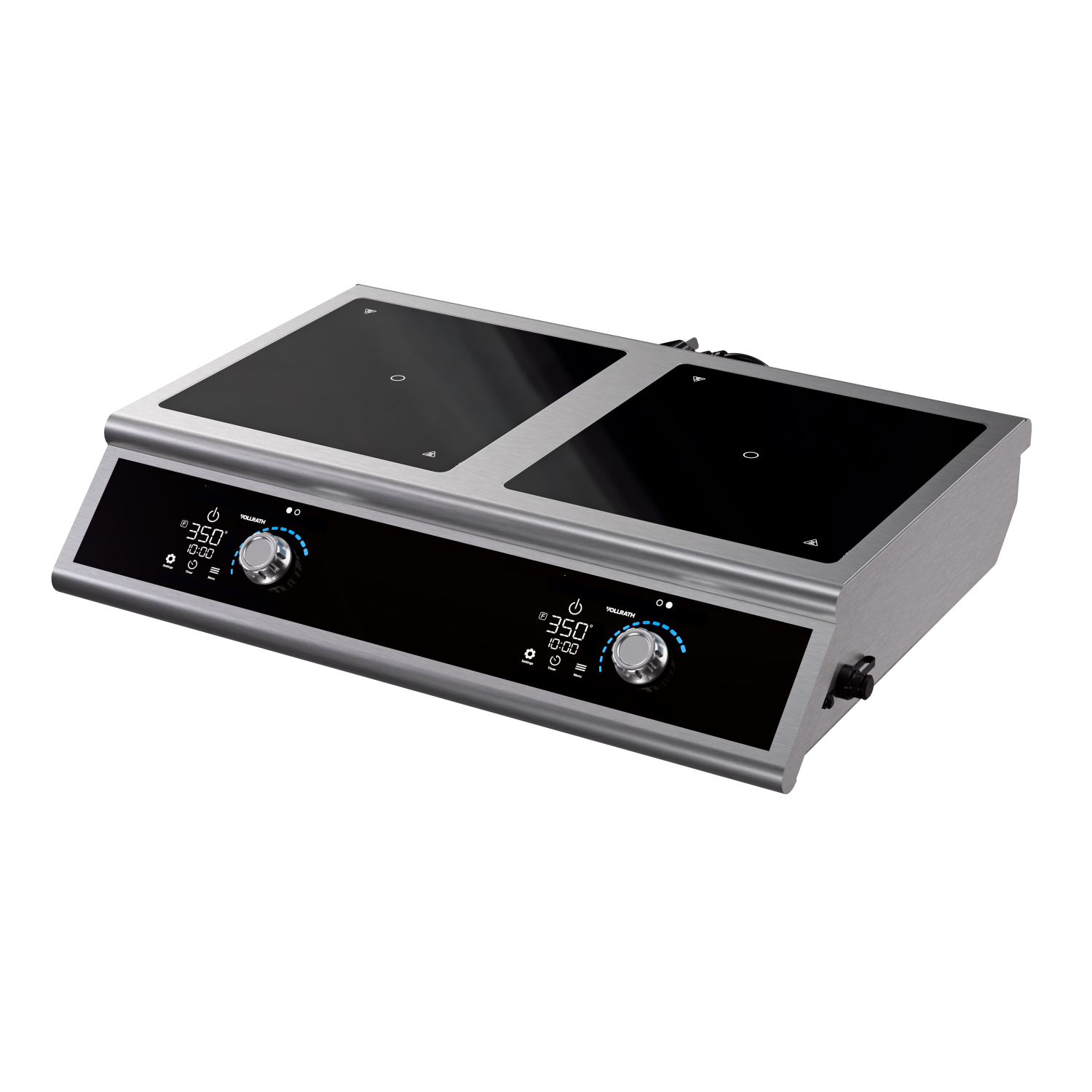
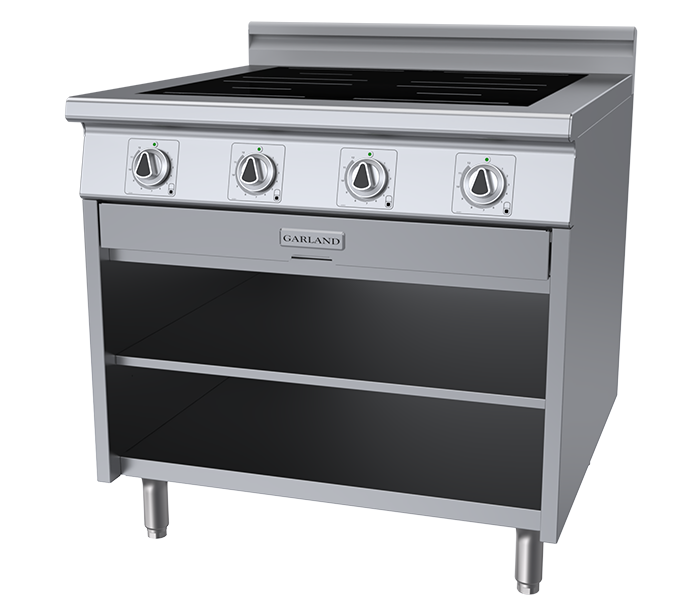
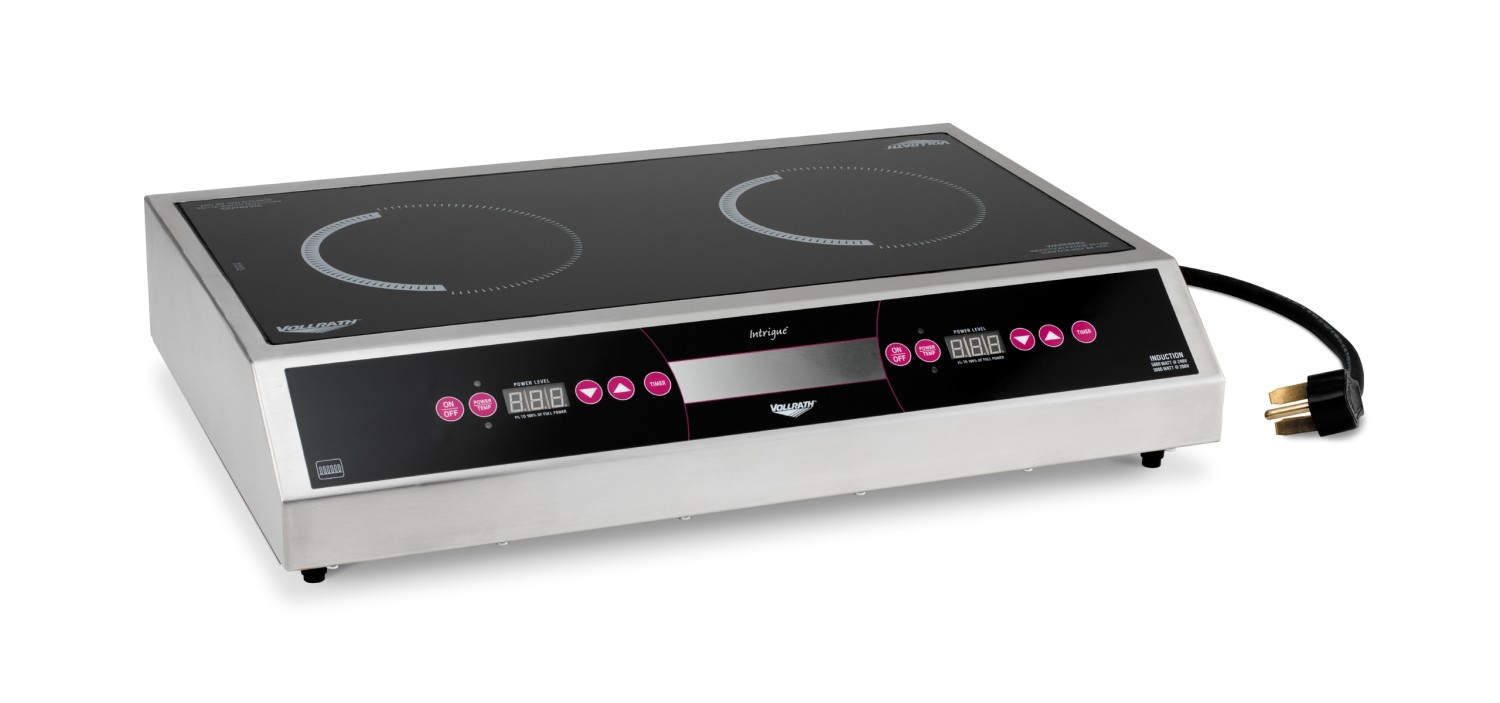
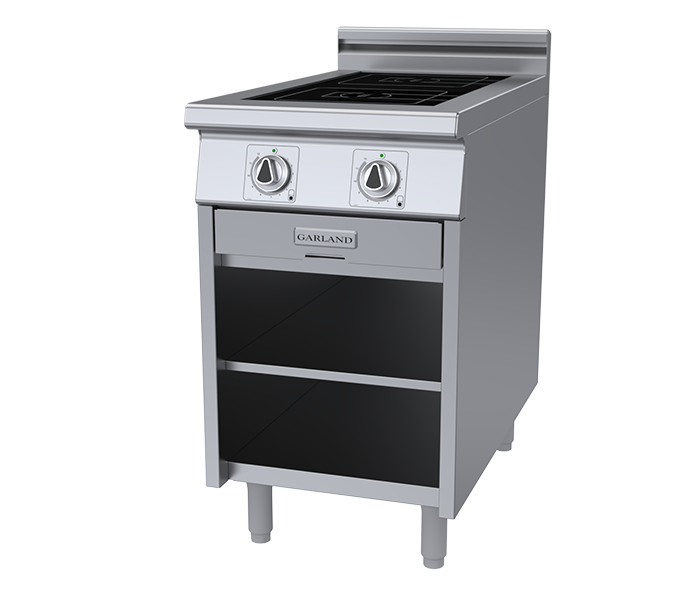
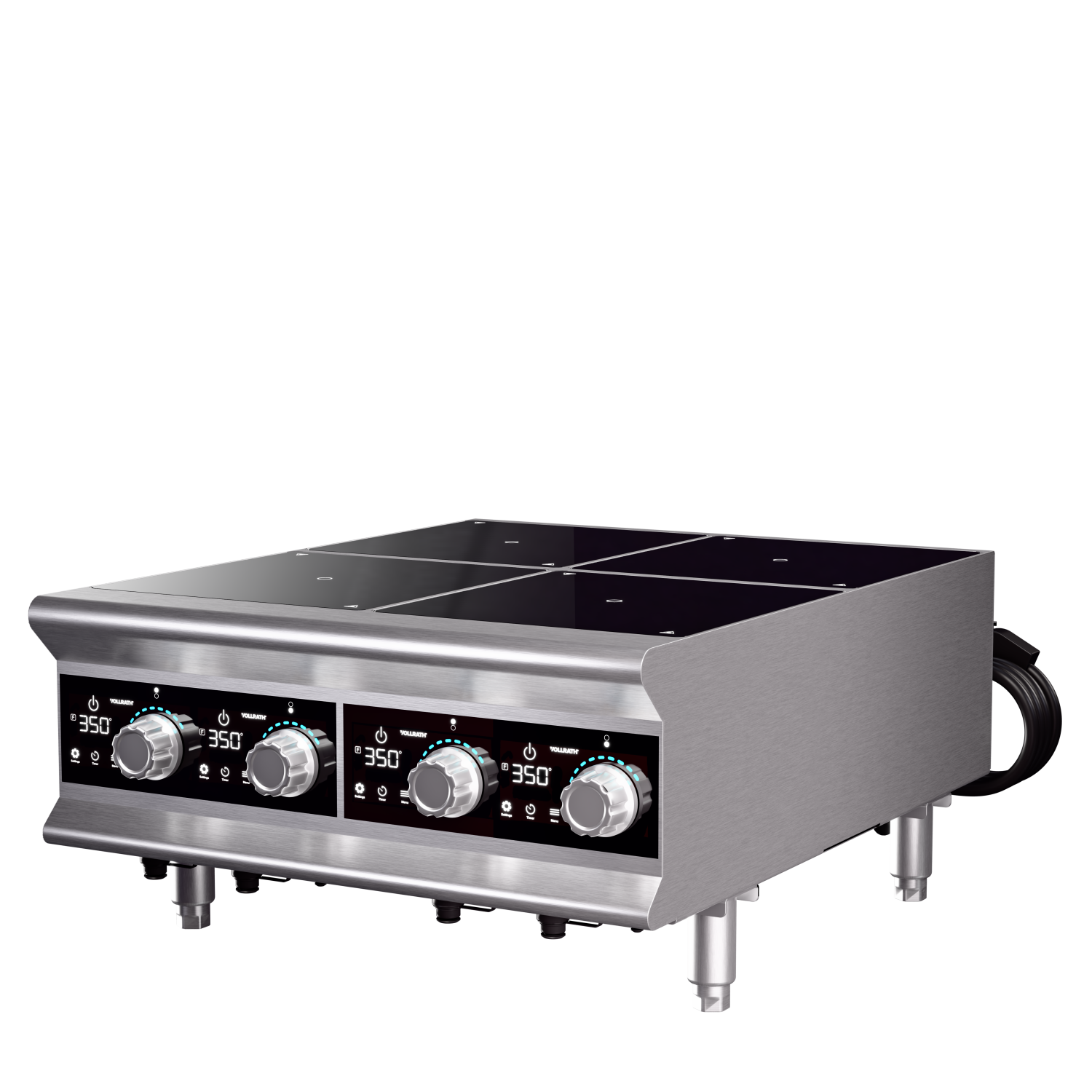
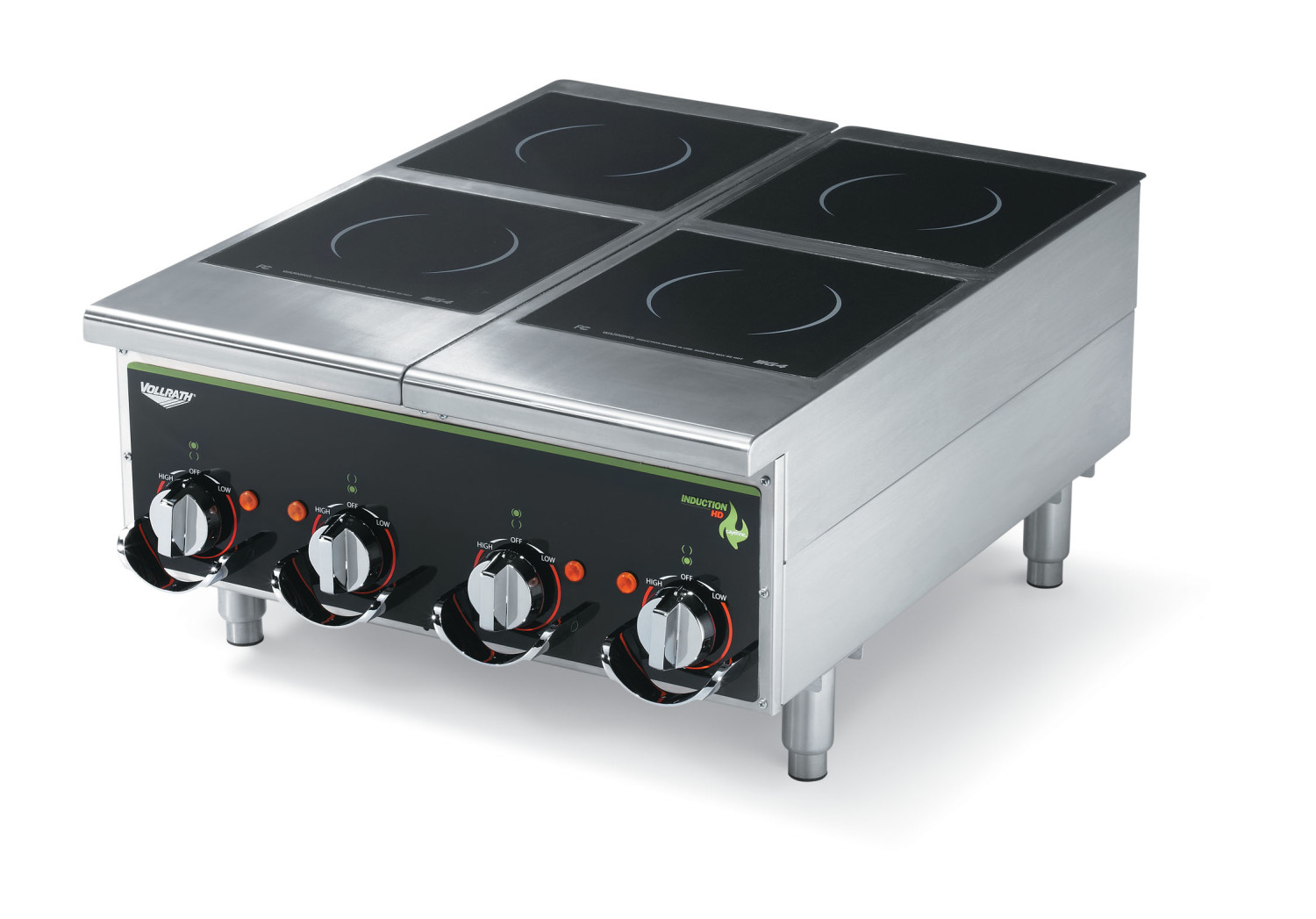
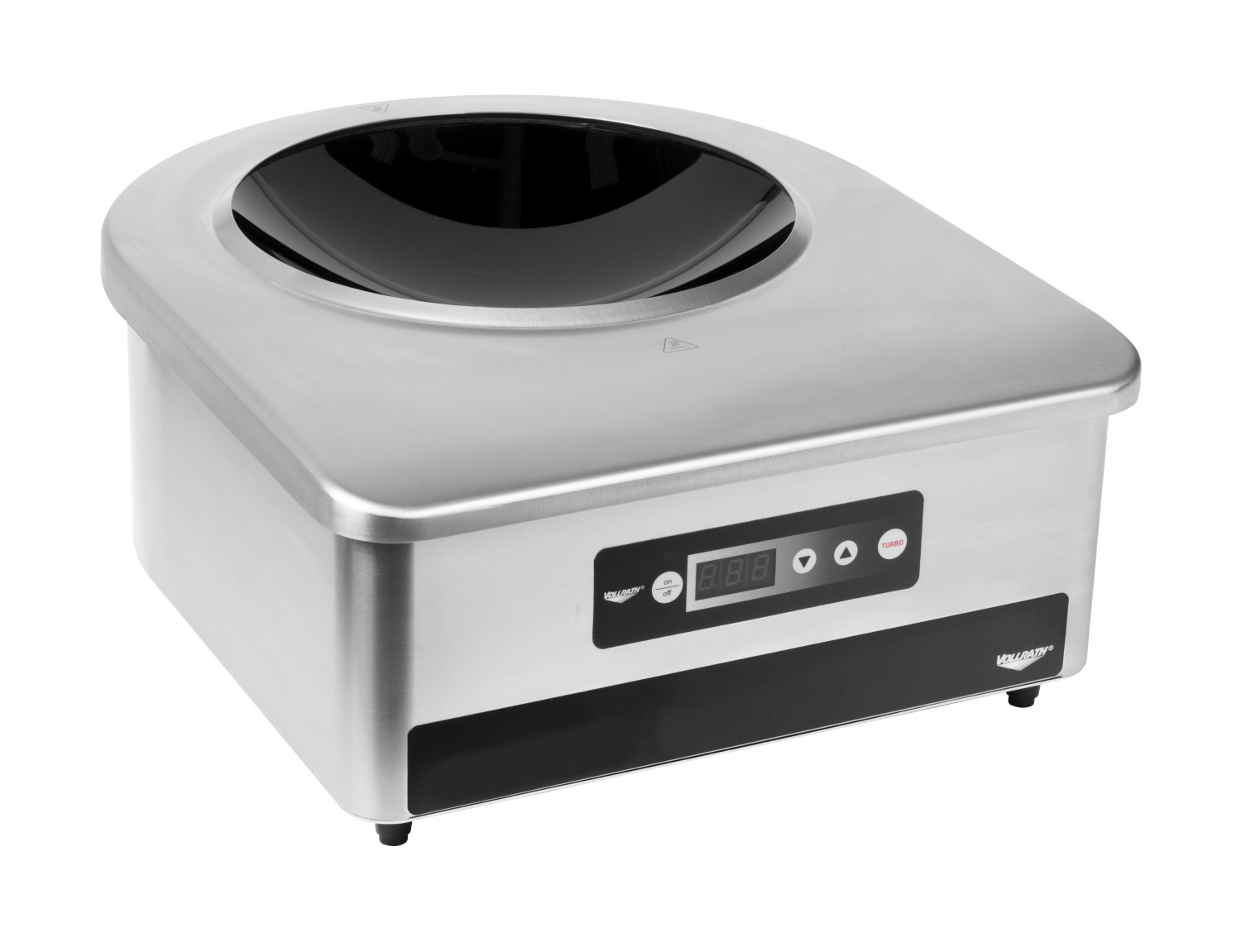
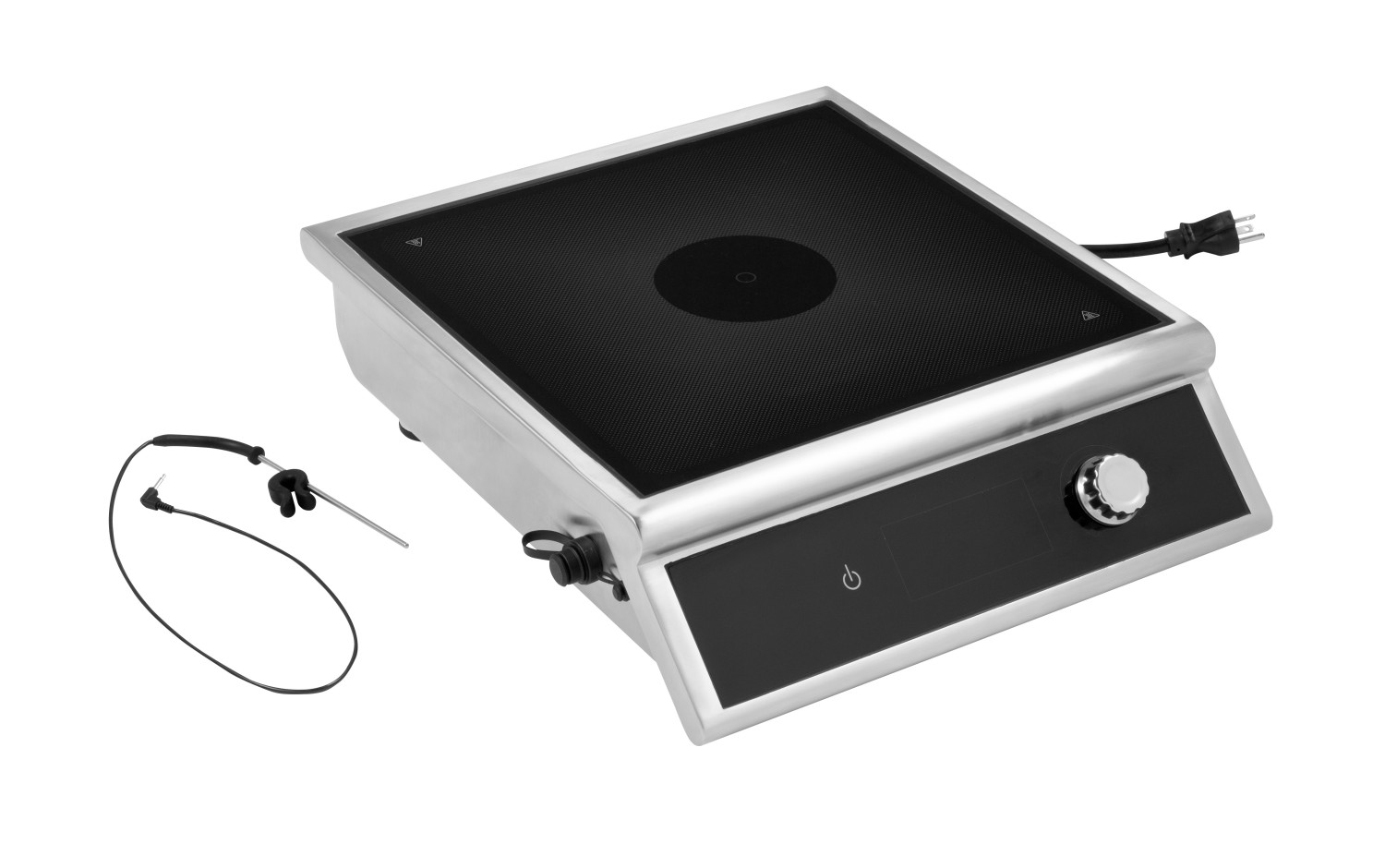
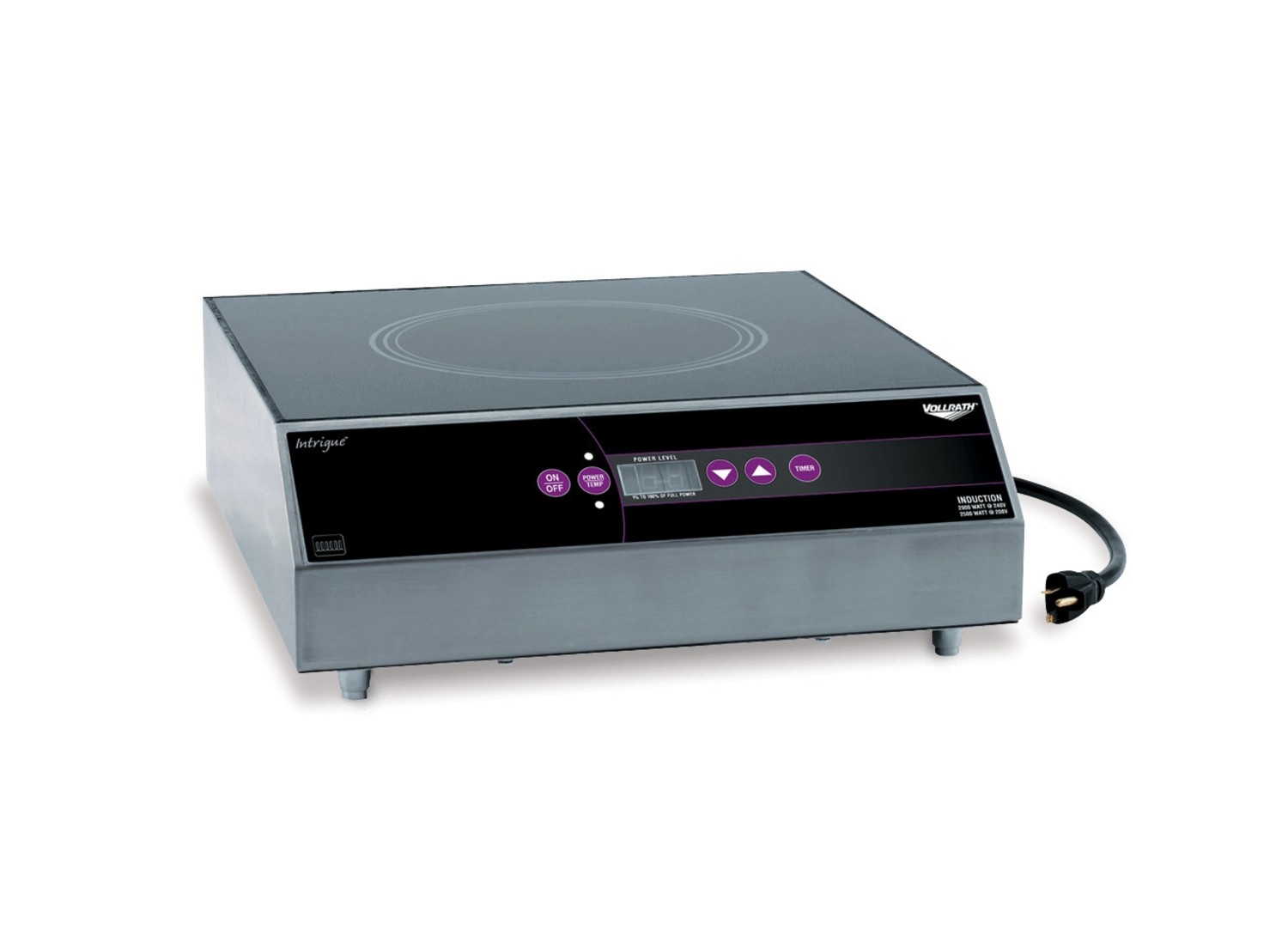
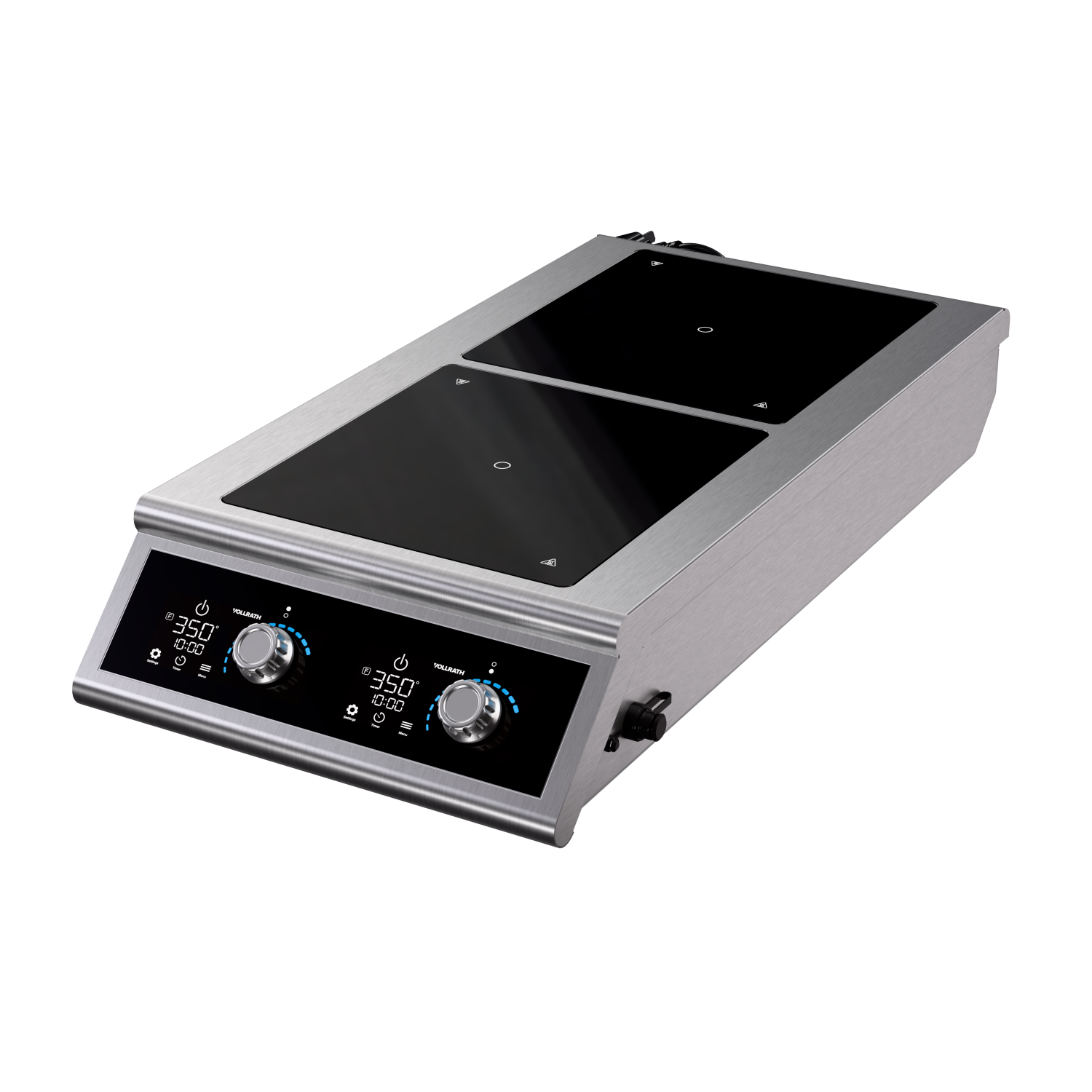
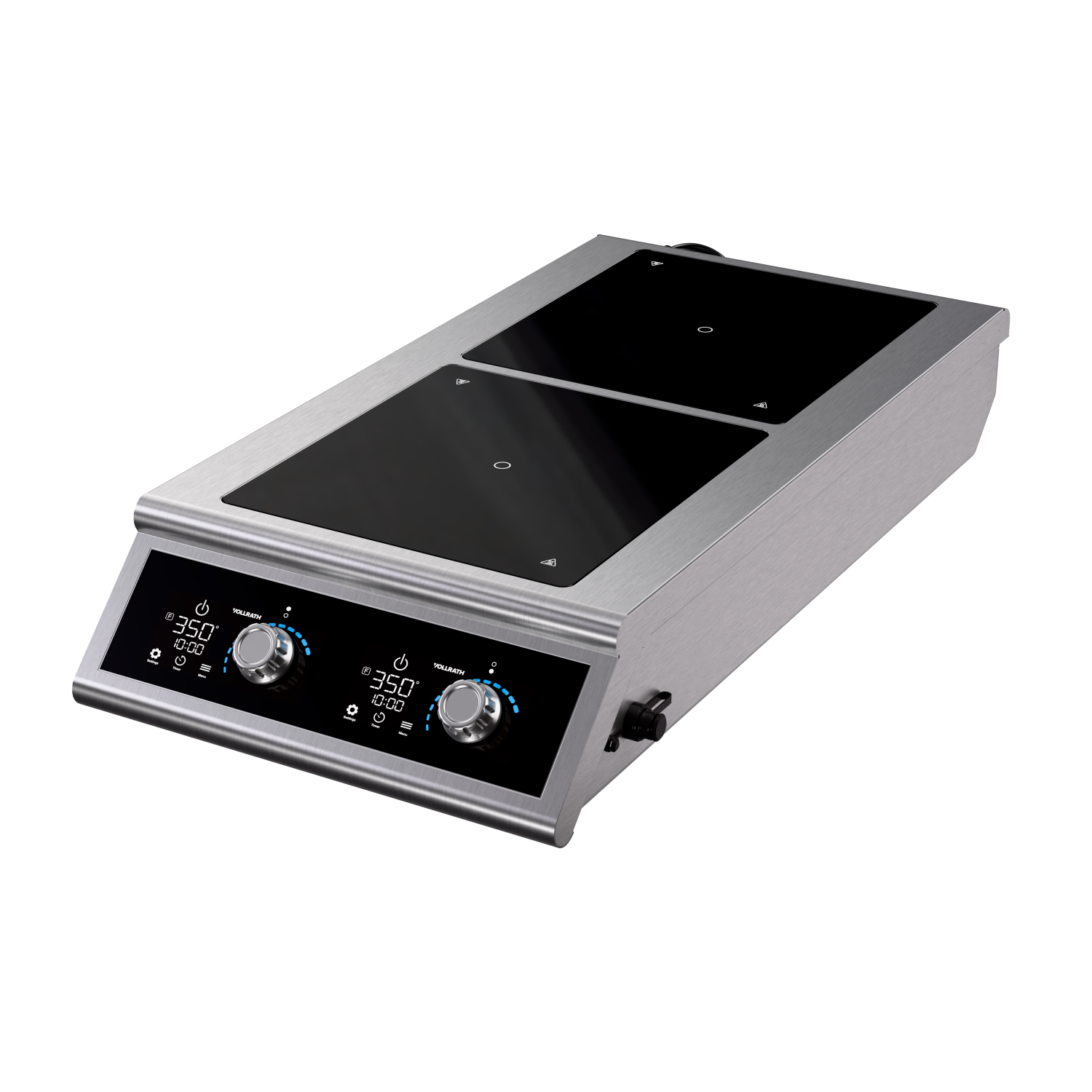
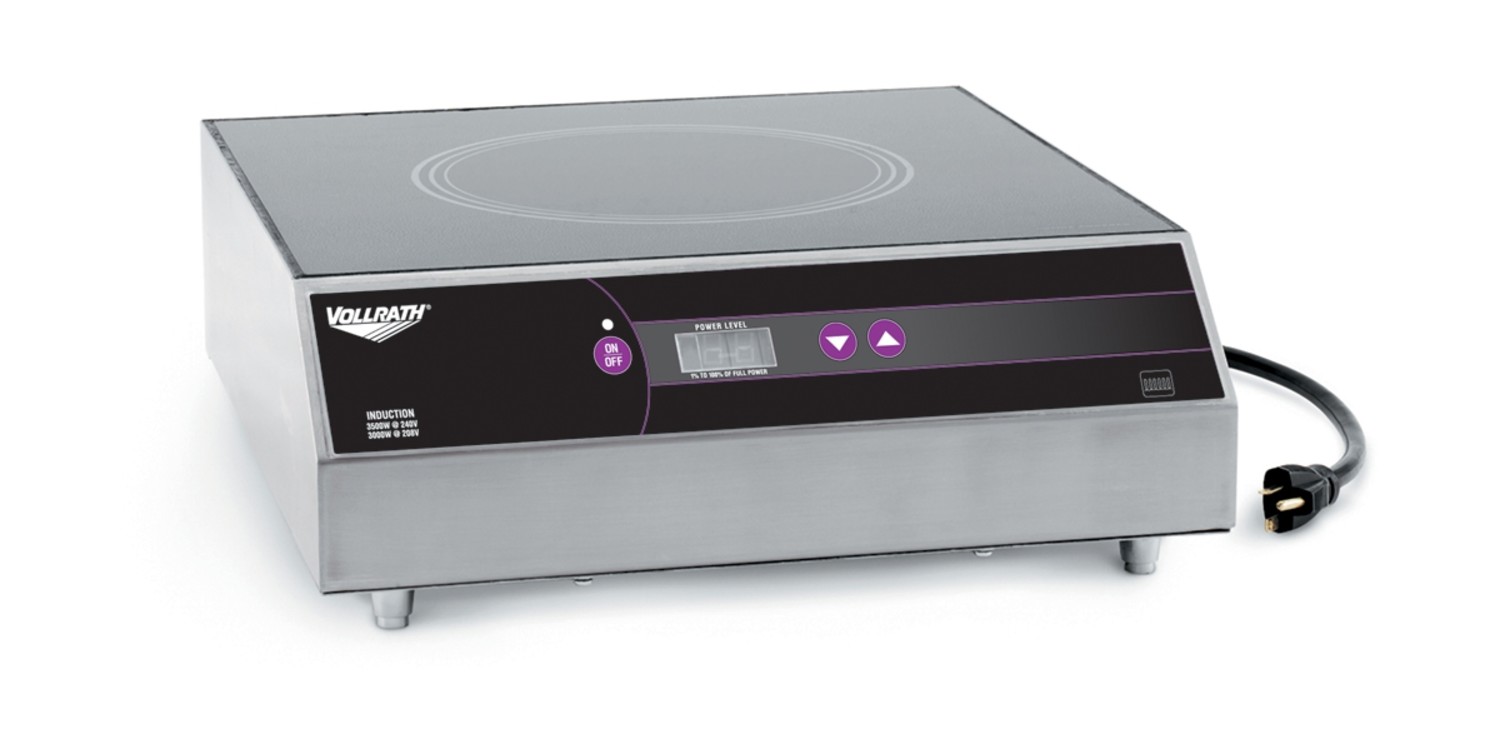
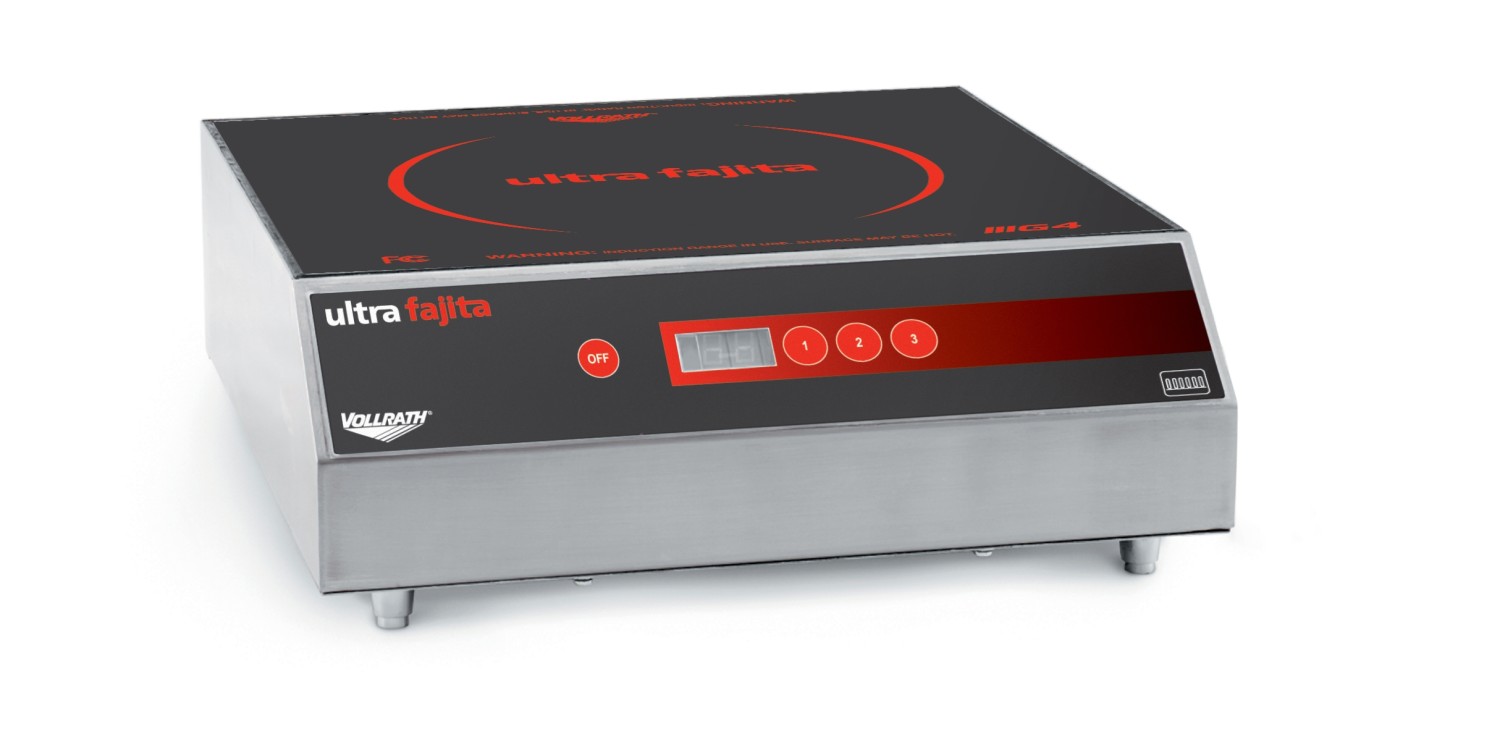
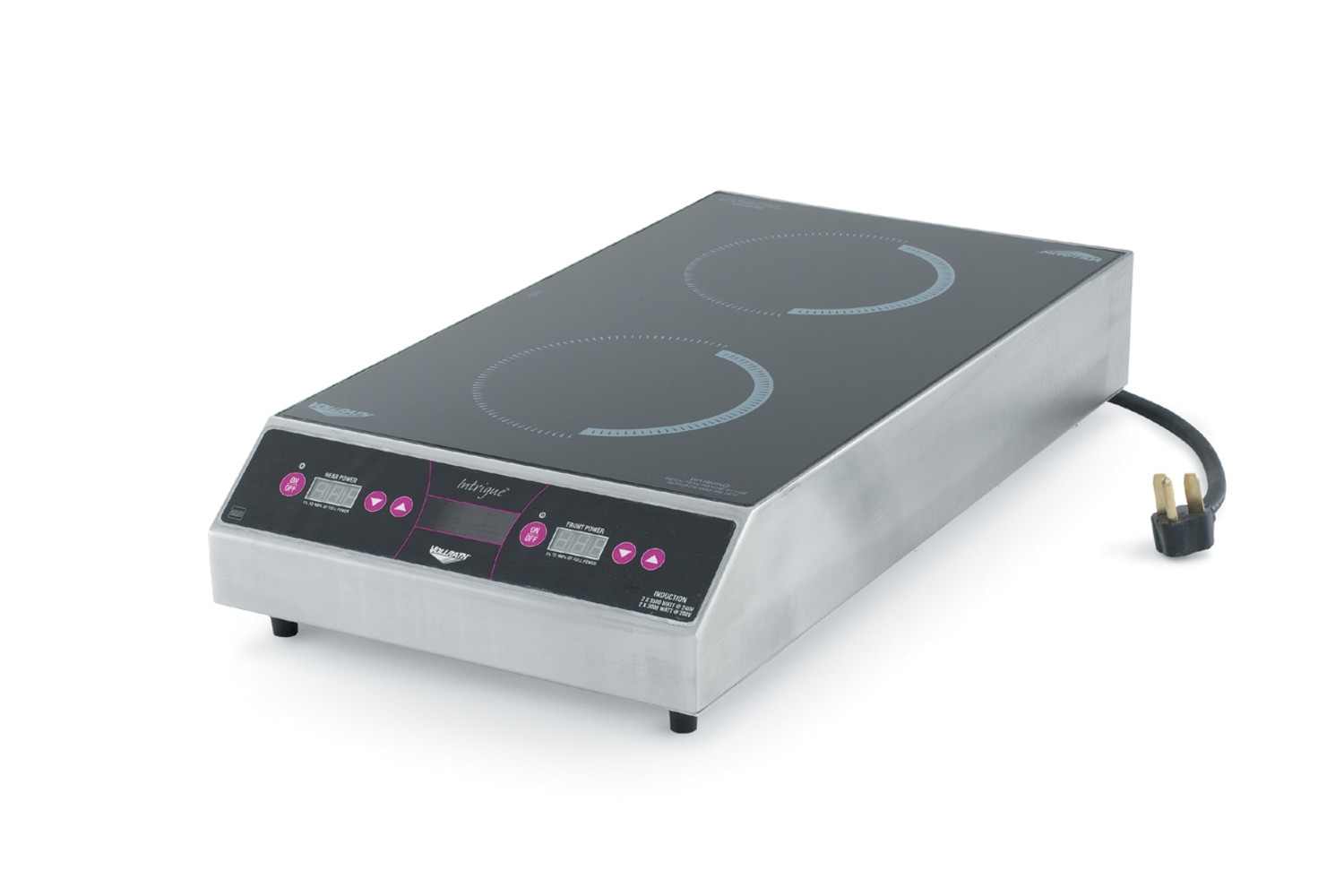
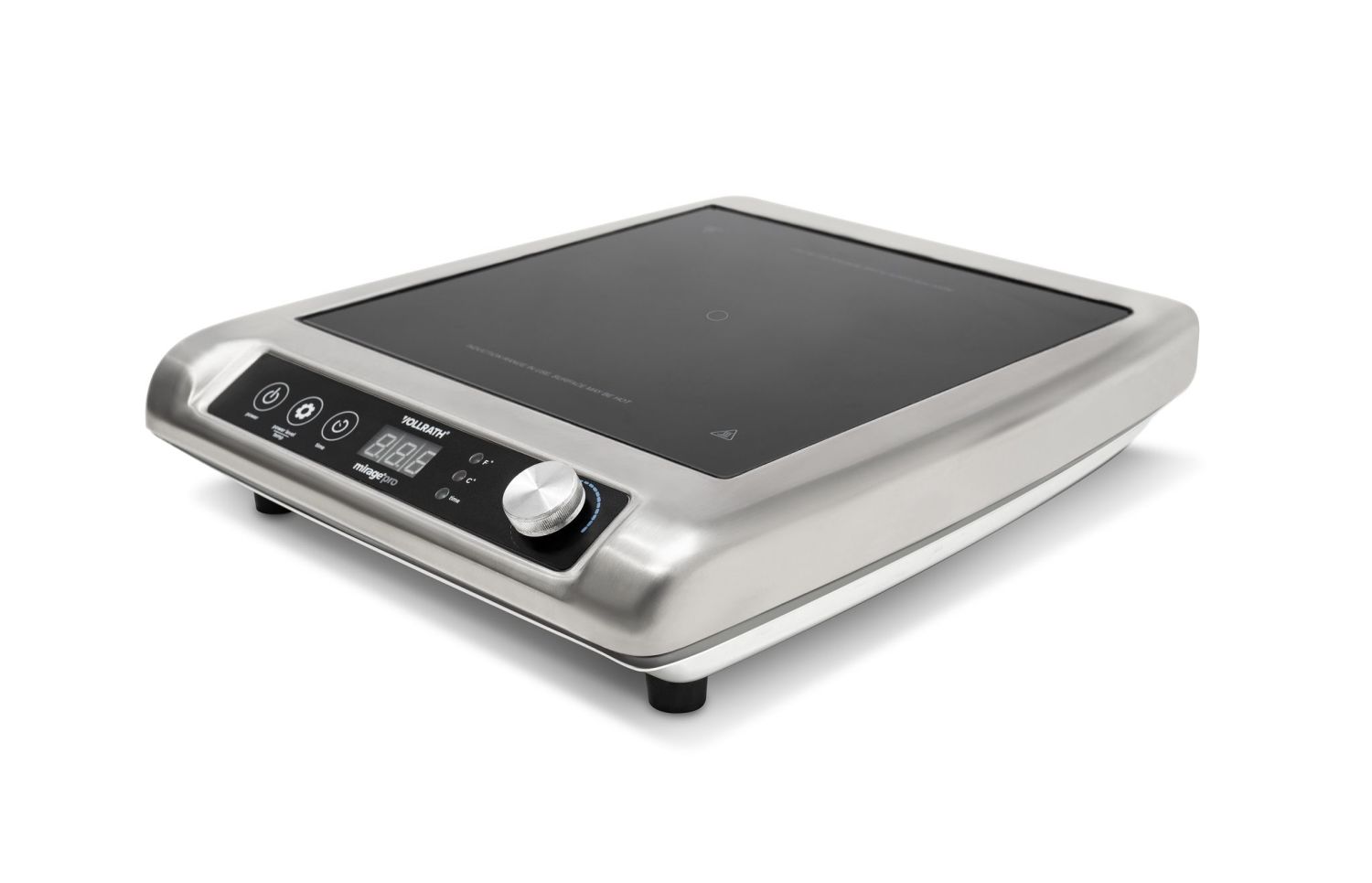
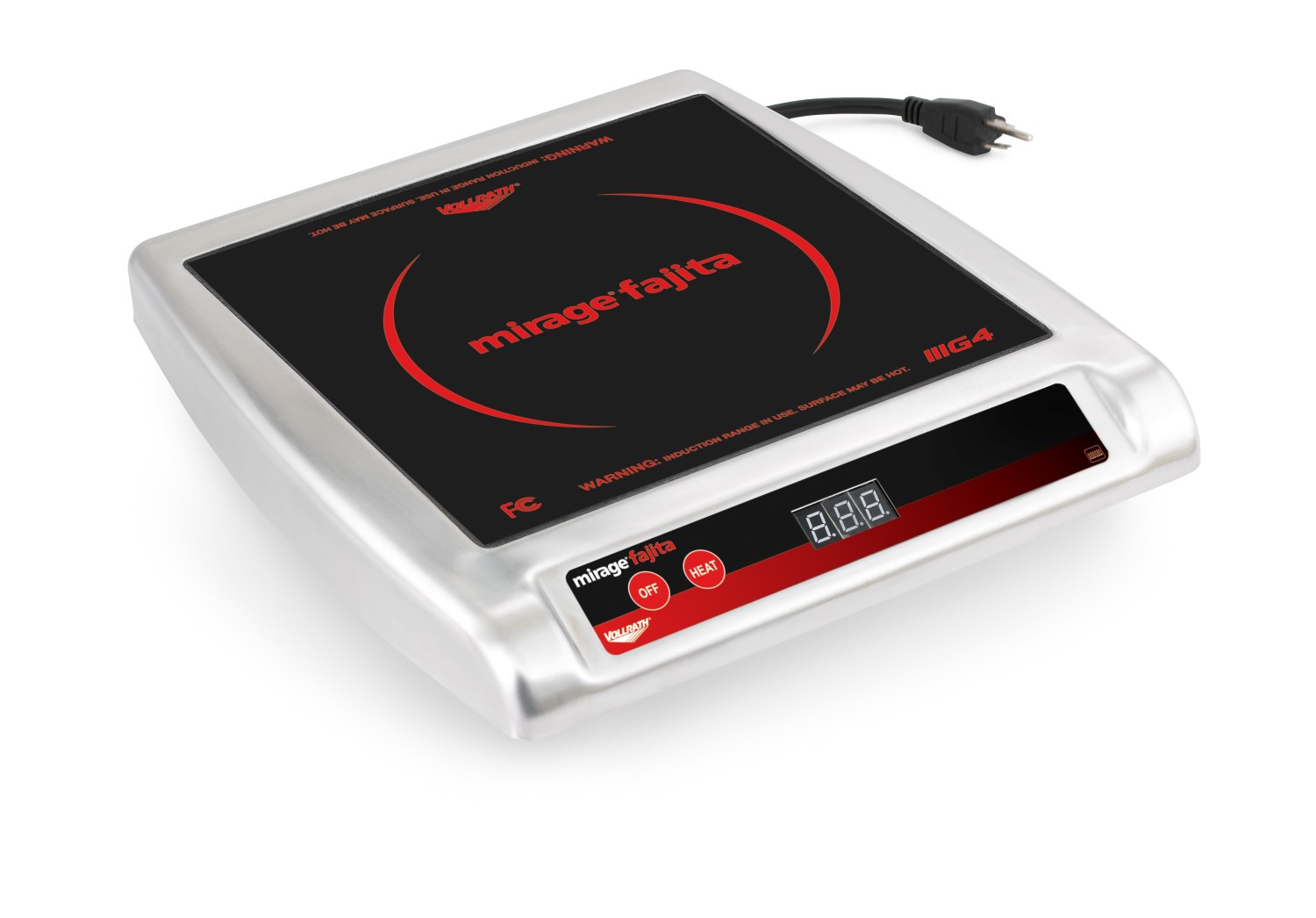
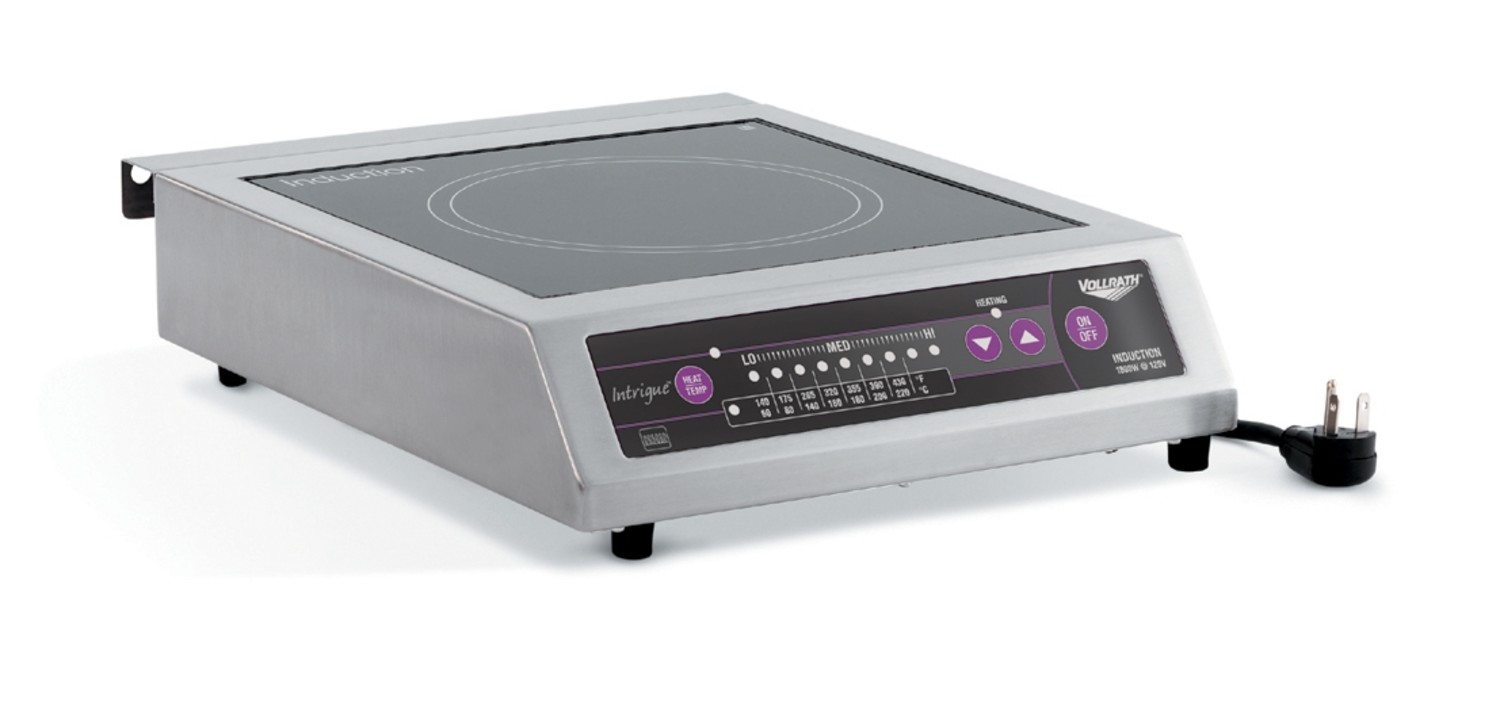
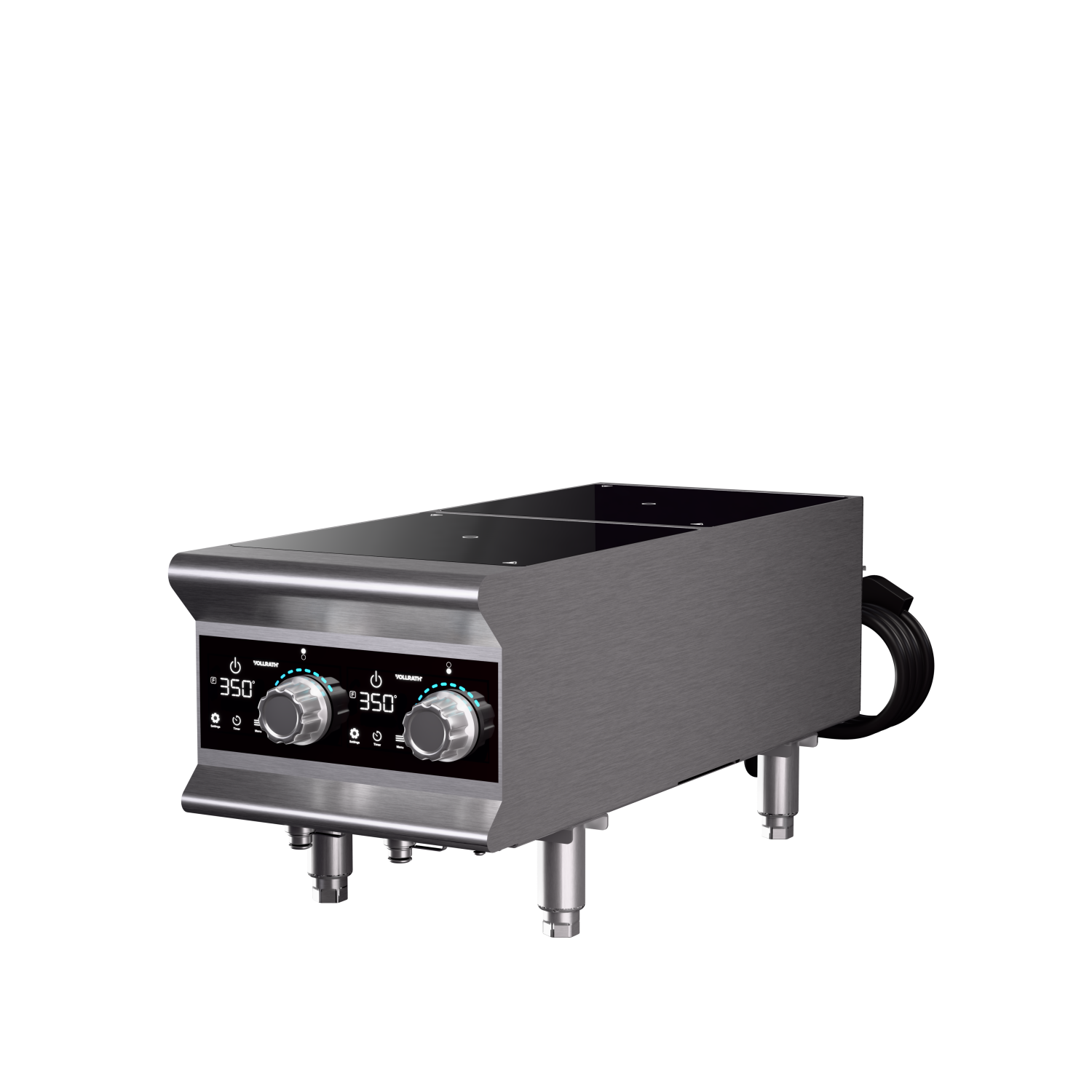
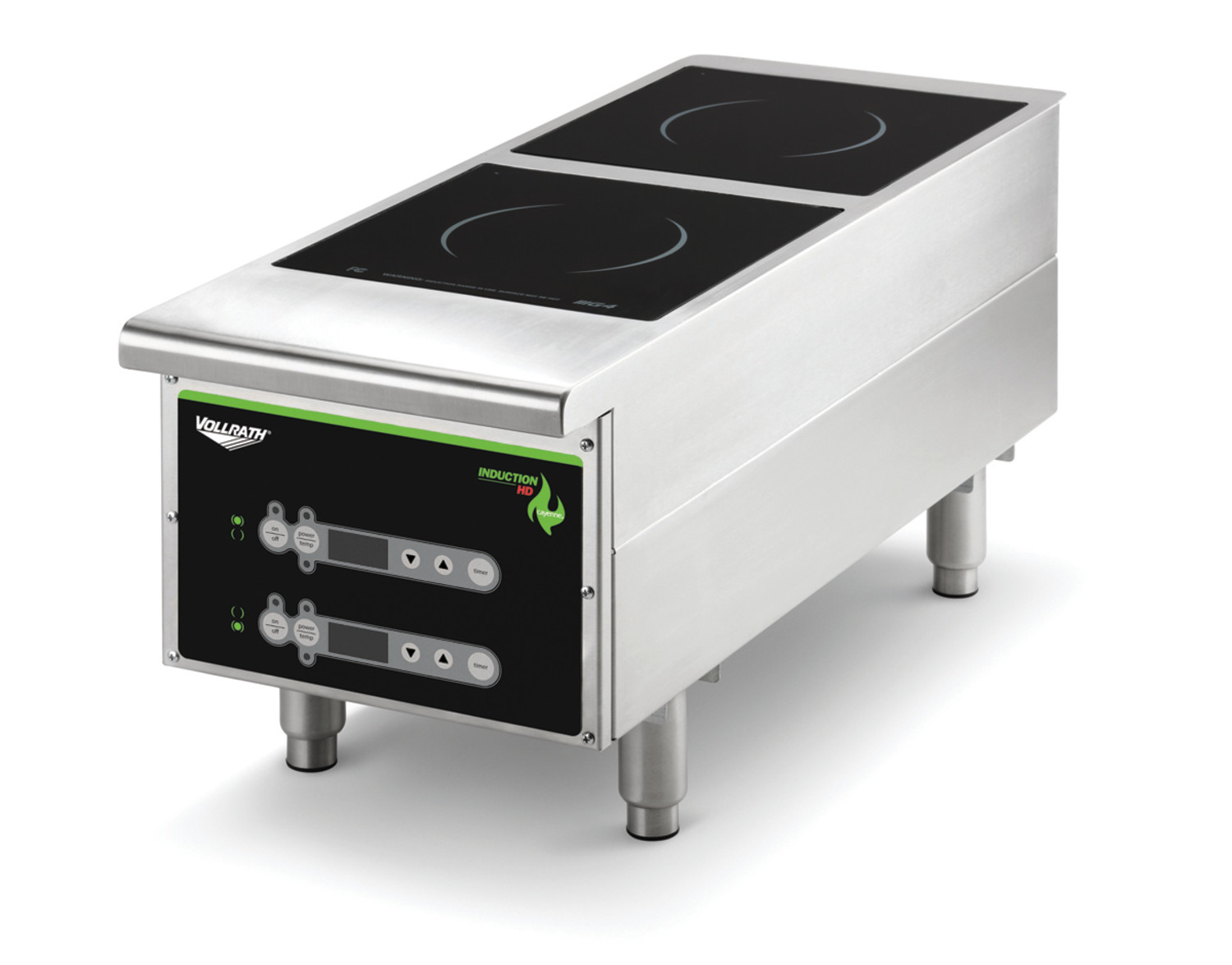
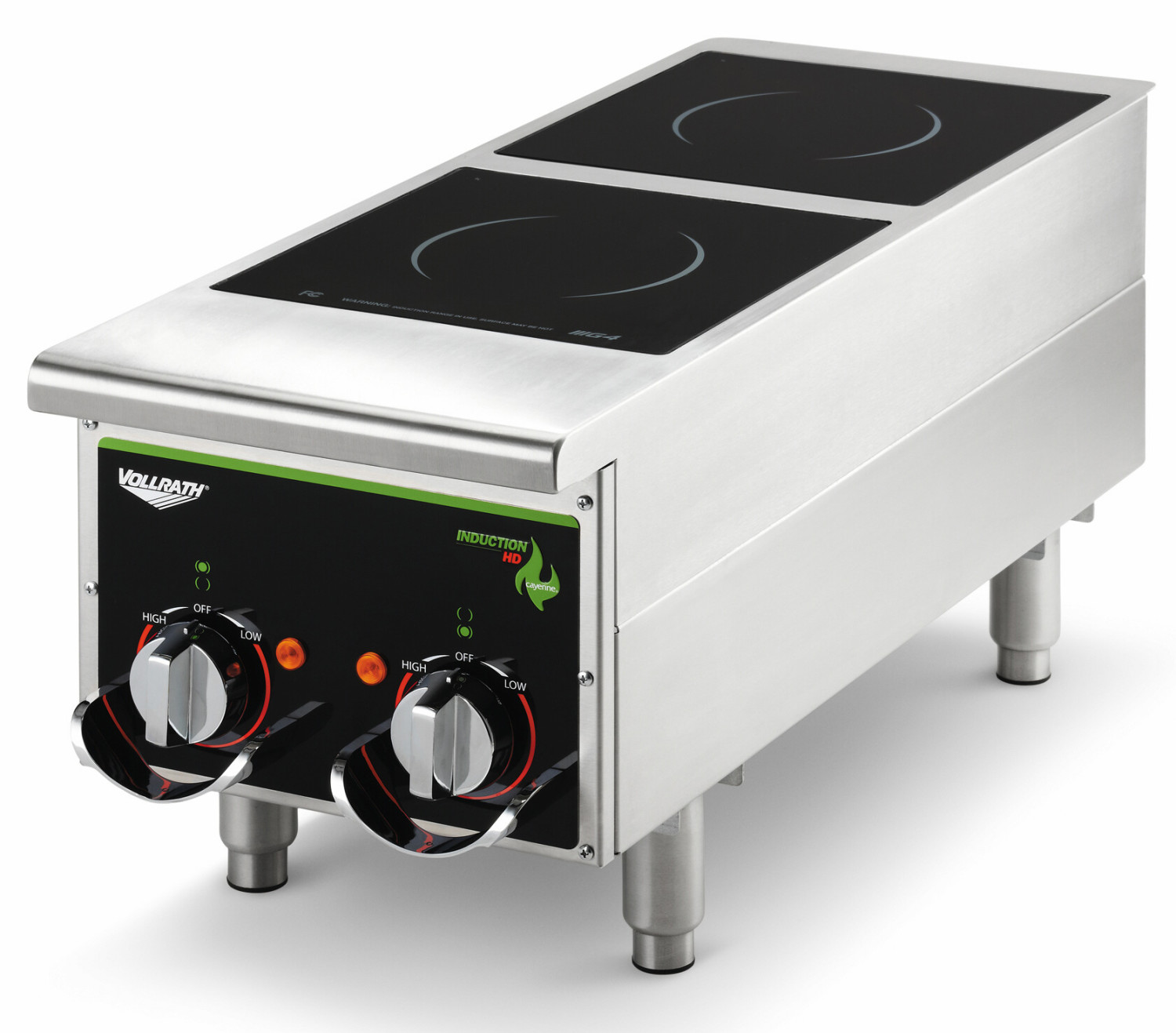
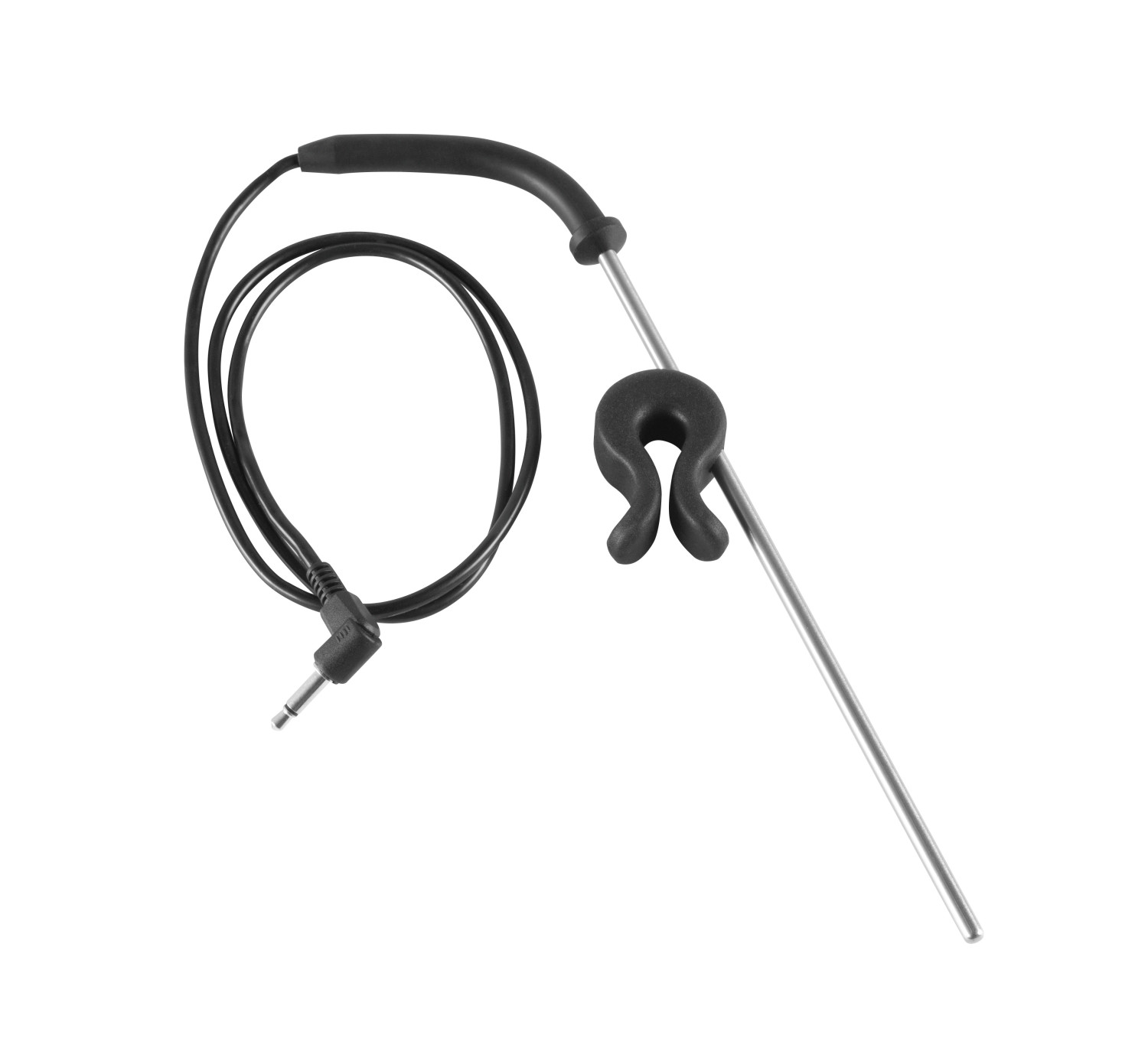
Commercial induction ranges & cooktops: buying guide
Induction cooking is fast, precise, and flameless — it heats the pan, not the kitchen — in countertop, drop-in, and freestanding formats. Units are sized by burner (hob) count and wattage. Here is how to read the 32 models above.
Hob count and power
A countertop single hob suits a demo, a-la-minute, or catering station; two or more hobs handle a compact line or a dedicated sauté station; drop-in hobs and freestanding induction ranges with an oven base anchor a full hot line. Match wattage/kW to how fast you need to boil and sear; we list kW where the maker publishes it.
Cookware
Induction needs magnetic (ferrous) cookware — cast iron and magnetic stainless work; aluminum, copper, and most glass do not unless they have an induction-ready base. If a magnet sticks to the bottom, it will work.
Electrical
Induction is electric by definition and draws real power — confirm the voltage and that your panel has the capacity before you buy. Keep the glass top intact and cleanable.
Hood and code
Because there’s no combustion, some jurisdictions permit induction outside a full Type I grease hood — but this depends on what you cook (searing and greasy cooking still make grease-laden vapor) and on your local code. Treat any ‘no hood’ claim as jurisdiction-specific and confirm with your AHJ.
How the brands compare
Fuel, width range, and street-price range for the brands with the most induction ranges here — a starting point, not a substitute for checking the specific model’s spec sheet.
| Brand | Models | Fuel | Width range | Street price |
|---|---|---|---|---|
| Vollrath | 29 | — | 1–28.4″ W | — |
Frequently asked questions
Does an induction range need a hood?
Sometimes not — because there's no combustion, some jurisdictions allow induction without a grease hood, especially for light cooking. But it's a local call that also depends on your menu, so confirm with your mechanical code and health department rather than assuming.
What cookware works on induction?
Only magnetic (ferrous) cookware — cast iron and magnetic stainless work; aluminum, copper, and most glass do not unless they have an induction-ready base. A quick test: if a magnet sticks to the bottom, it will work.
How much power does an induction unit draw?
It varies by hob count and output; we list the kW rating where the manufacturer publishes it. Confirm the voltage and that your electrical panel has capacity before you buy.
Countertop, drop-in, or freestanding?
A countertop single or double hob suits demos, a-la-minute, and catering; drop-in hobs build into a counter for a sauté station; freestanding induction ranges with an oven base anchor a full hot line.
Is induction faster than gas?
For boiling and rapid heat changes, yes — induction transfers energy directly to the pan, so it heats fast and responds instantly, while keeping the kitchen cooler than open-flame cooking.
About this data
Last verified: August 2026. Specs are compiled from manufacturer spec sheets and authorized dealer listings; where a value isn't published we leave it blank rather than guess.
Methodology: every induction range model is compared on the same set of specifications, and dimensions are checked (for sinks, overall width must exceed the combined bowl widths) — figures that fail validation are corrected from the manufacturer model number or omitted. “Street price” is the lowest legitimate published price we've found and can change.
Sourcing: product specs come from the manufacturer; regulatory statements link to the source (e.g. the FDA Food Code and NSF). Code requirements vary by jurisdiction — confirm with the authority reviewing your plans.
Disclosure: FoodServiceNerd is vendor-neutral and free to use. Some “where to buy” links may be affiliate links — we may earn a commission at no cost to you, and it never changes what we list or how we rank it. We don't sell equipment ourselves.
Editorial: compiled and reviewed by the FoodServiceNerd equipment desk (about us). Spot an error? Tell us and we'll correct it.