Commercial Ranges
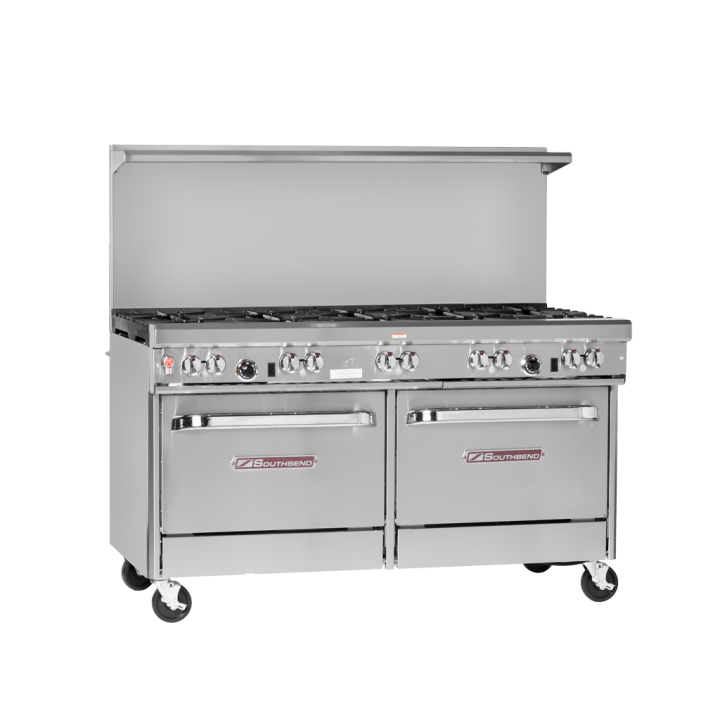
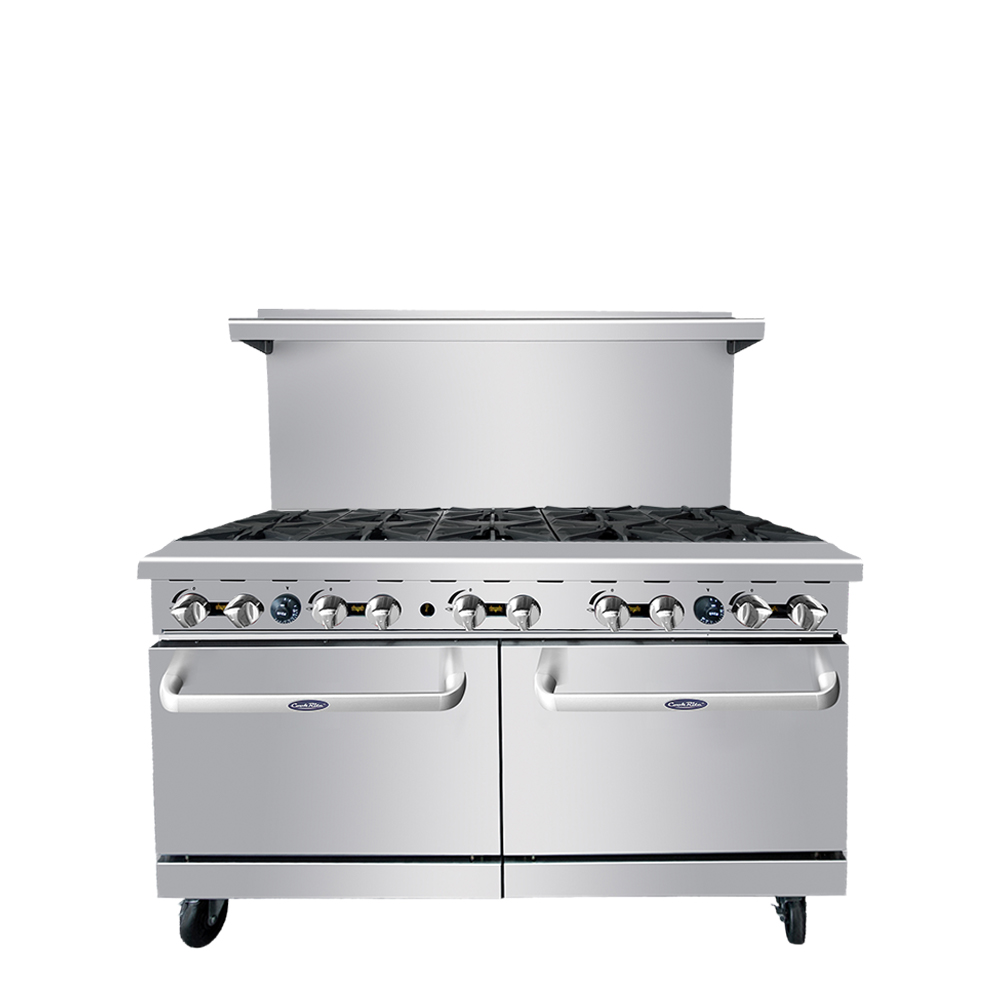
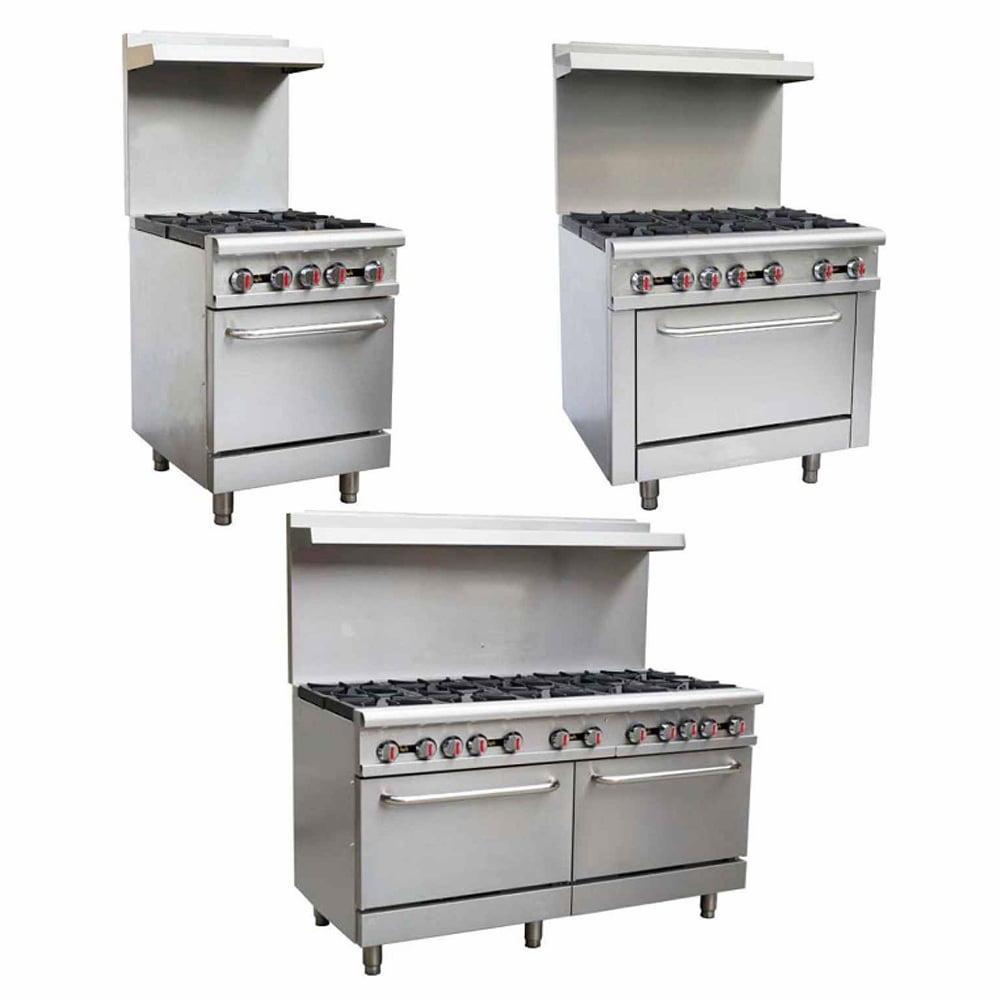
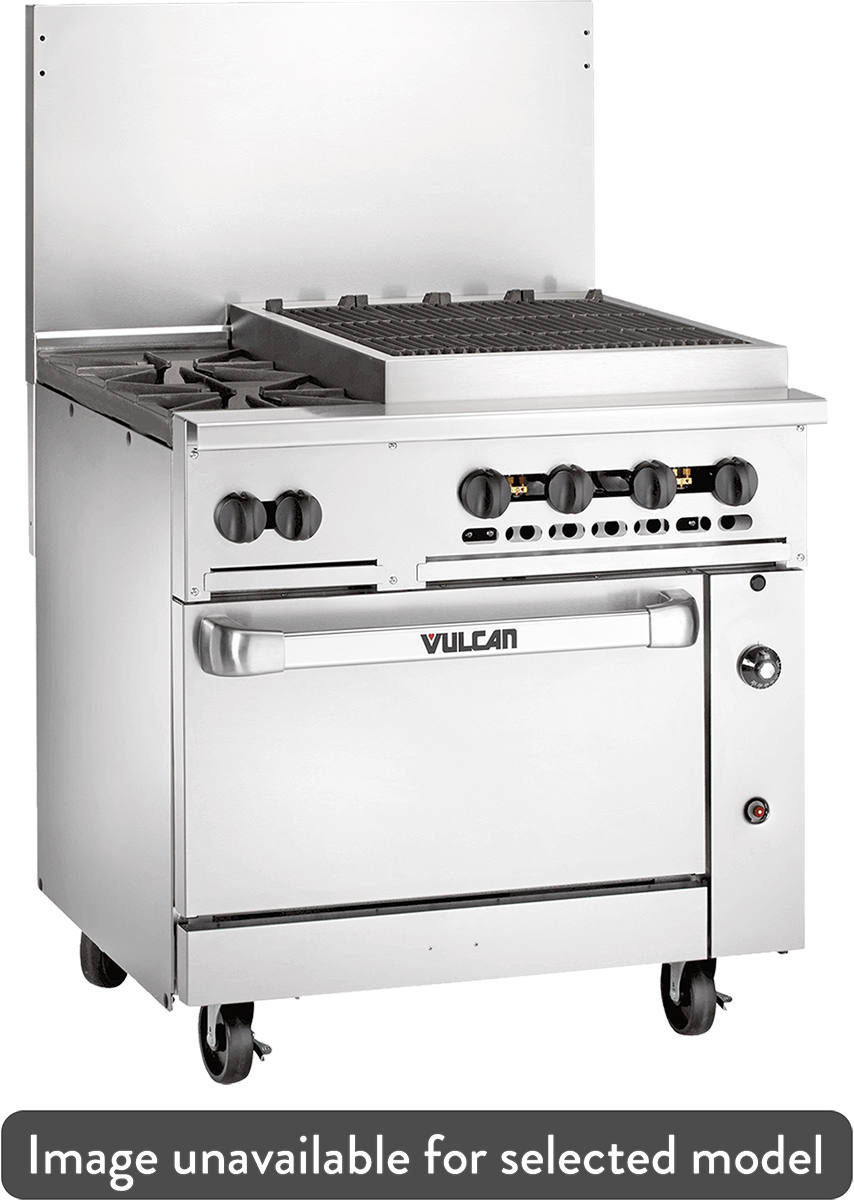
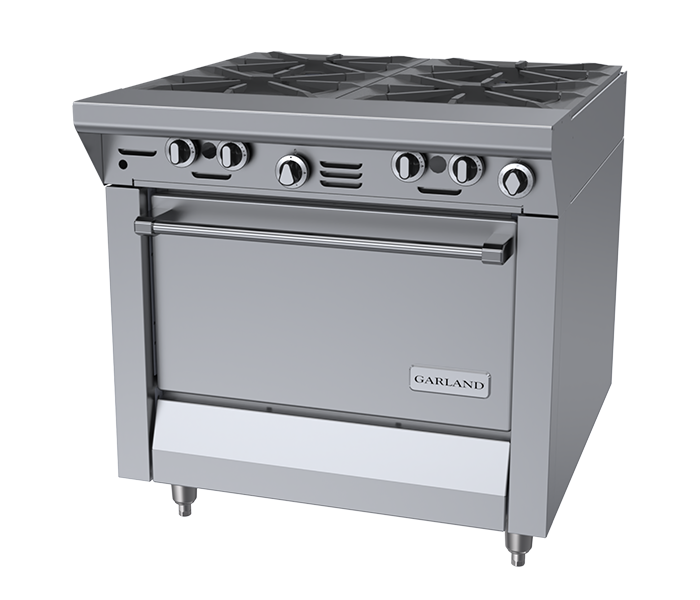
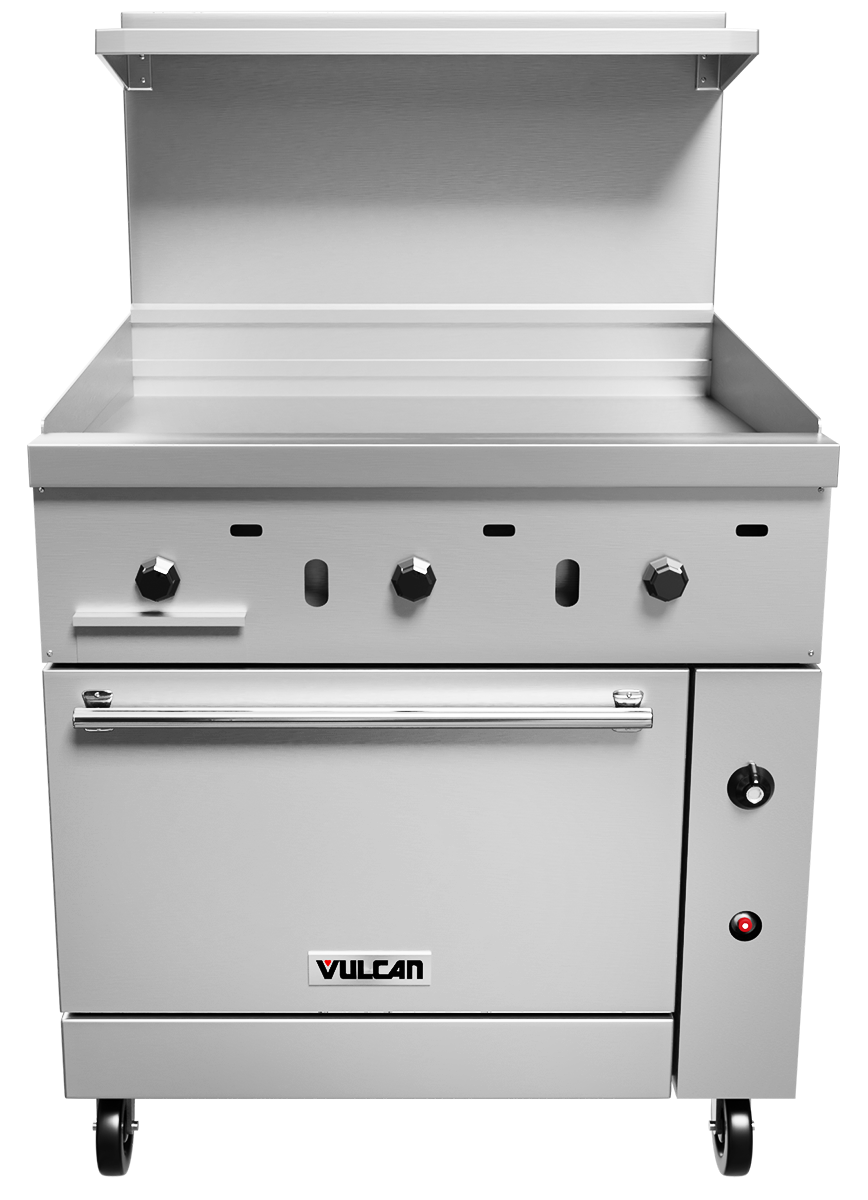
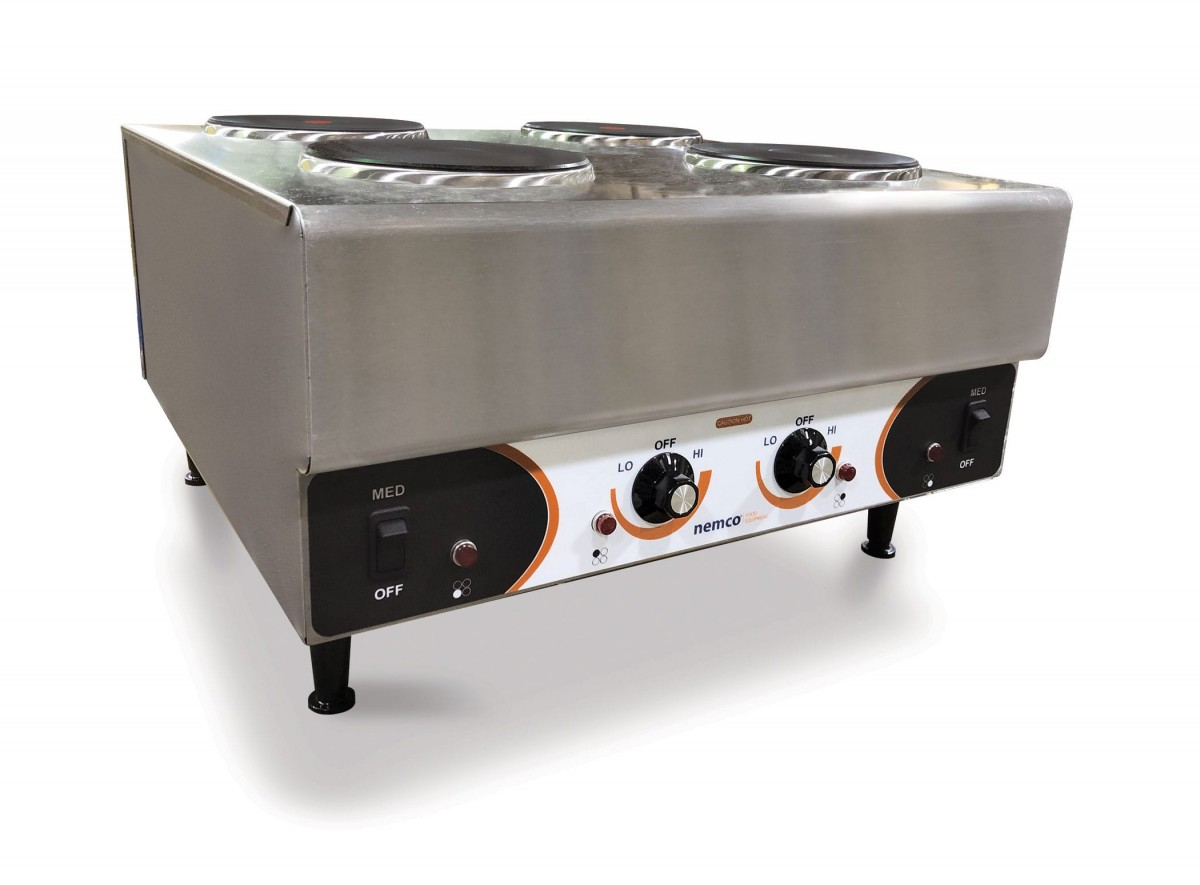
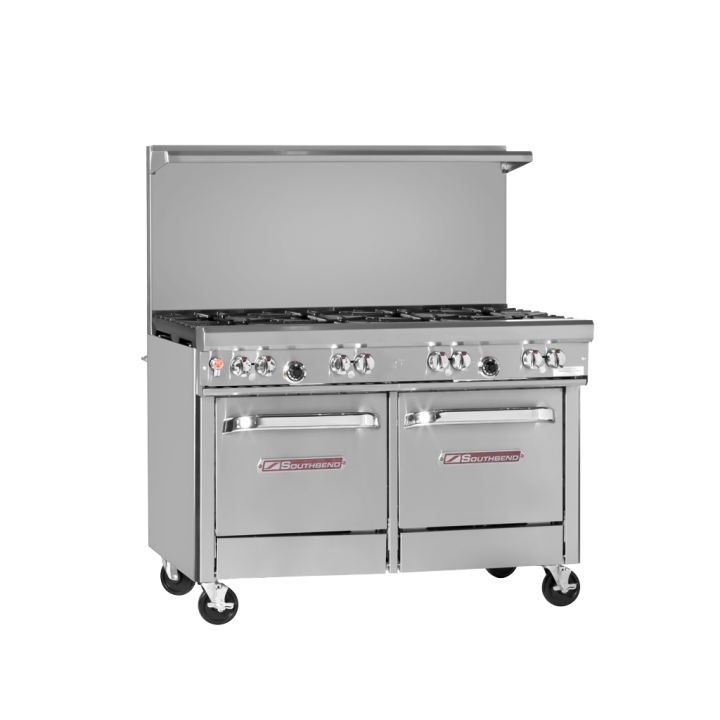
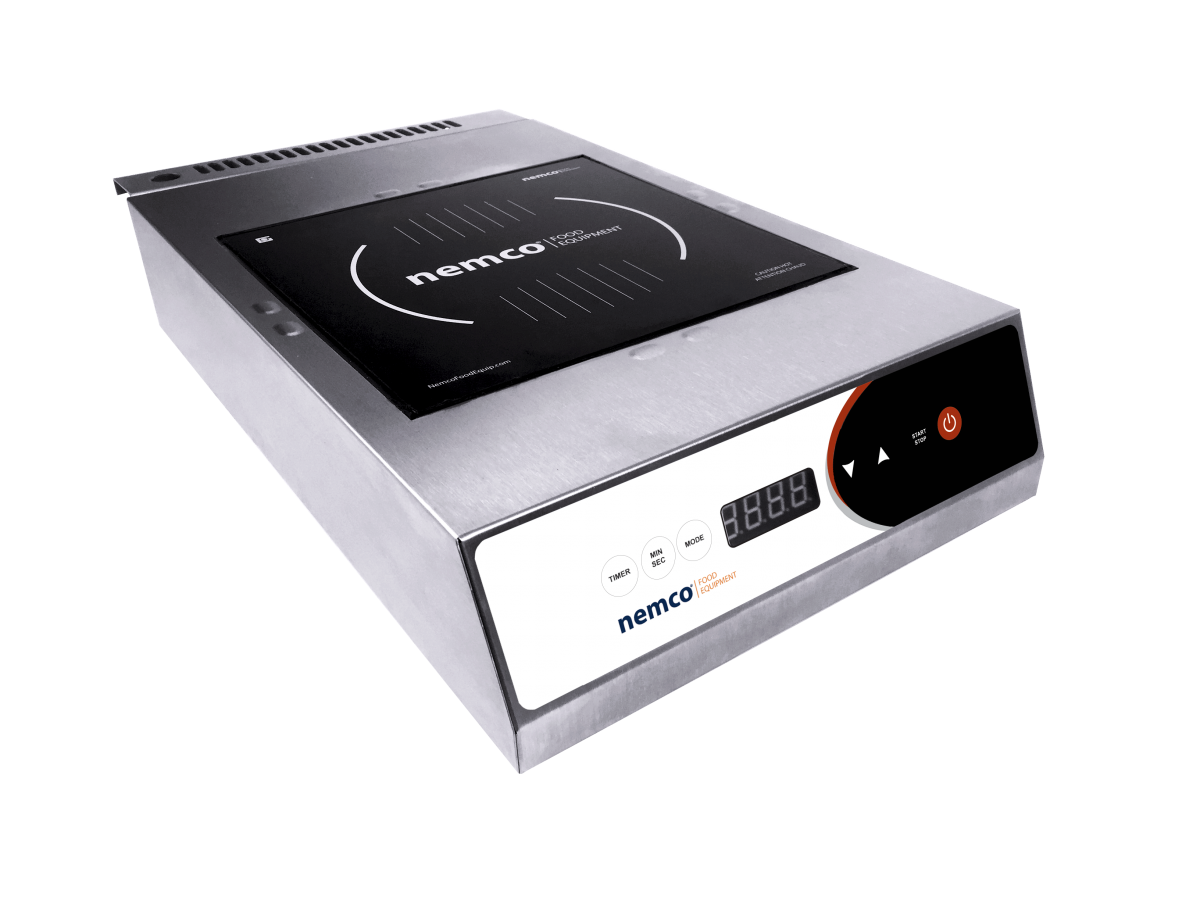
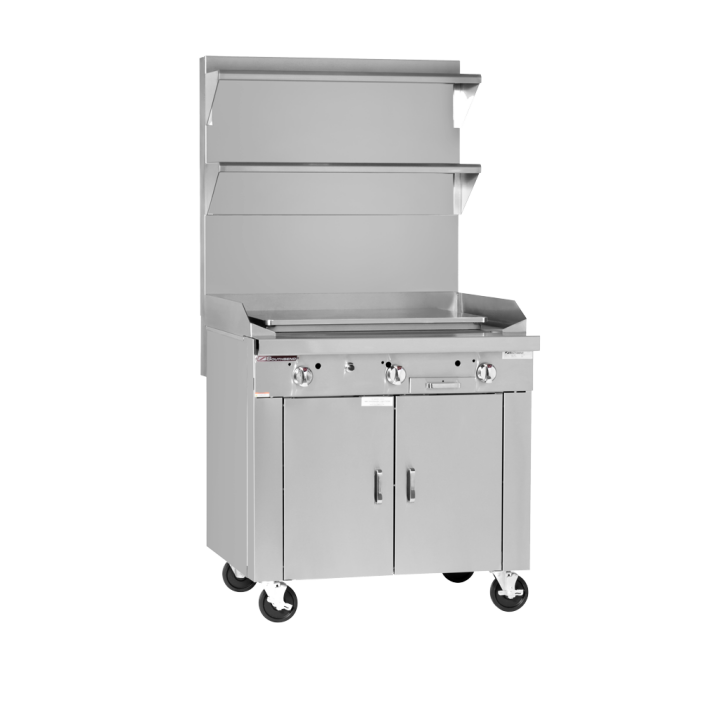
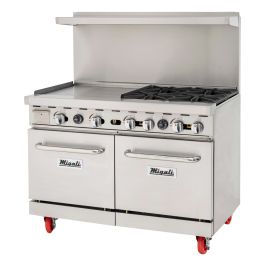
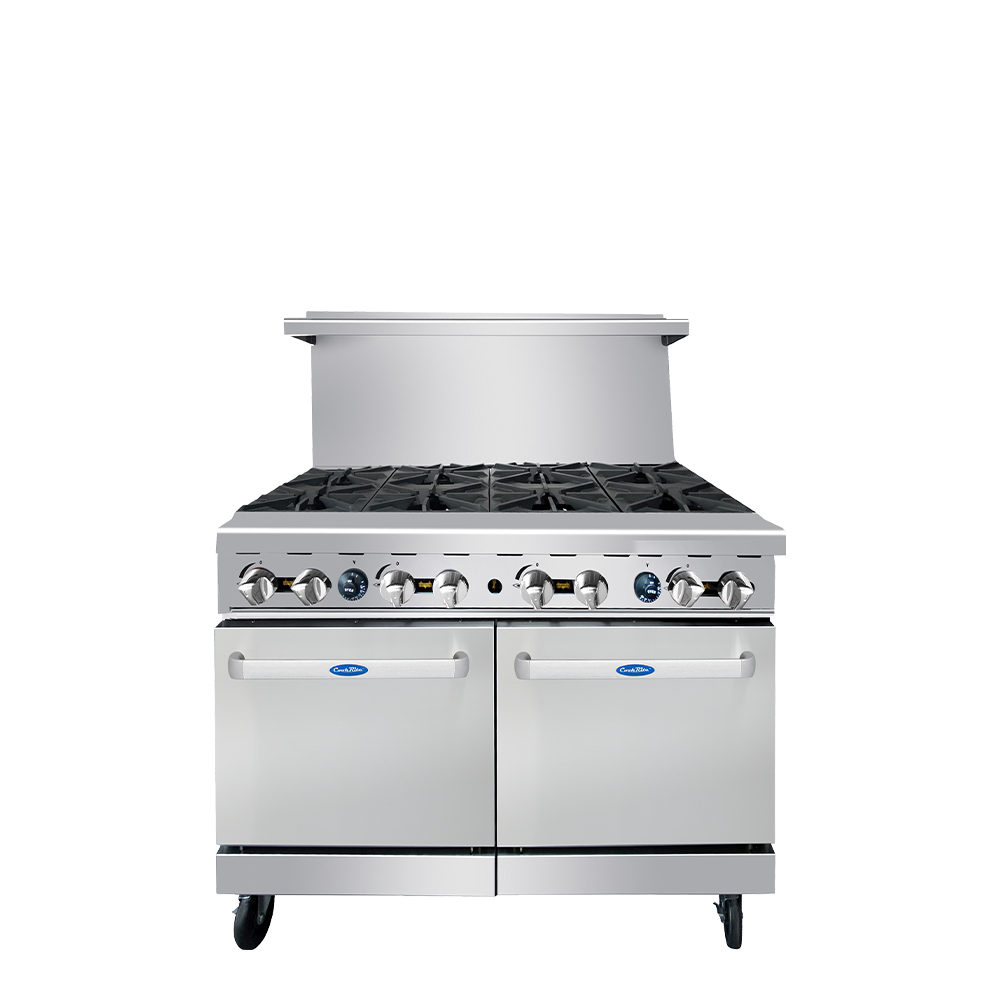
A commercial range comes in three main forms: a countertop hot plate (open burners, no oven), a floor range (burners over an oven or cabinet base), and a stock-pot range (a low, heavy burner for a tall pot). Choose by fuel (most are gas; electric needs the right voltage), width sized to your line and hood, and burner count — roughly one burner per simultaneous task. Every open-burner range needs a Type I hood.
Deciding? Compare gas vs. electric ranges and the model-number decoder.
Compare commercial ranges across every brand by the specs that matter — configuration (hot plate, range, or stock-pot range), fuel, width, depth, and weight. Filter to what fits your line and hood, then compare on build, not marketing. Burner count, total BTU, and price are shown where the manufacturer or a dealer publishes them.


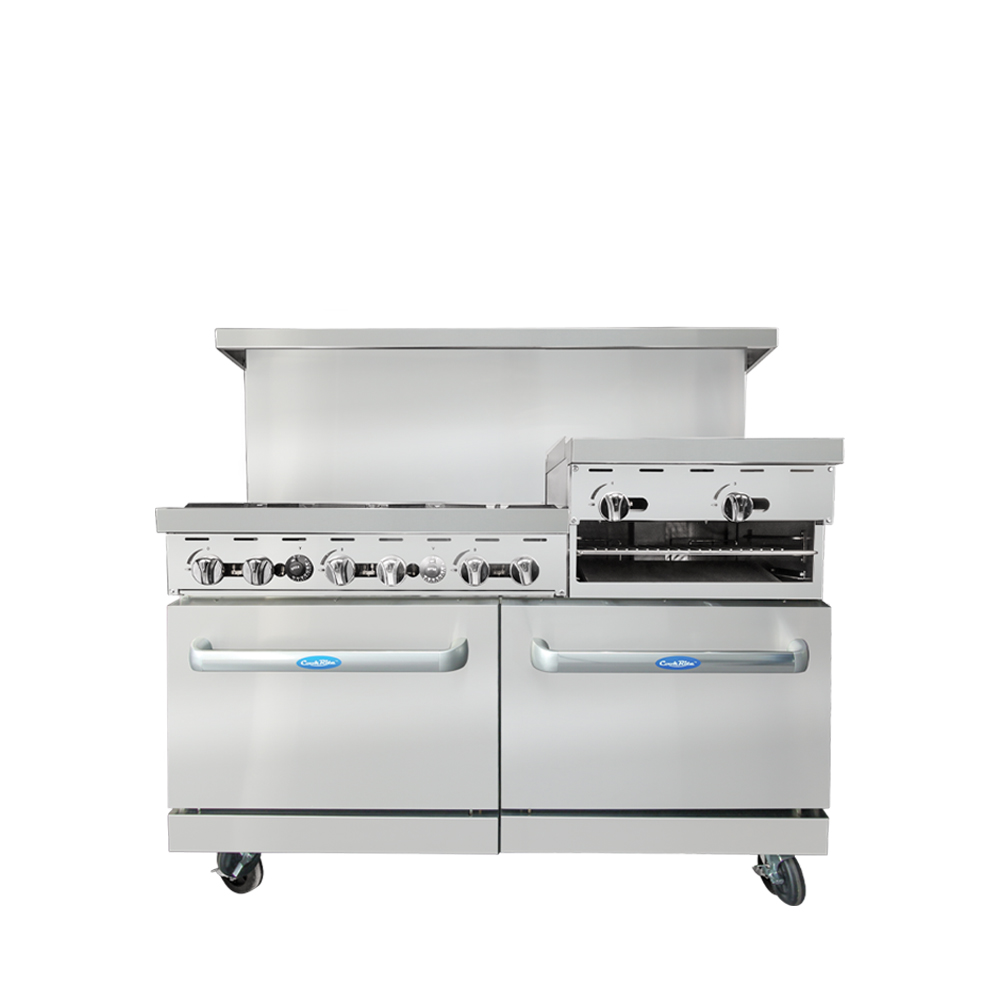
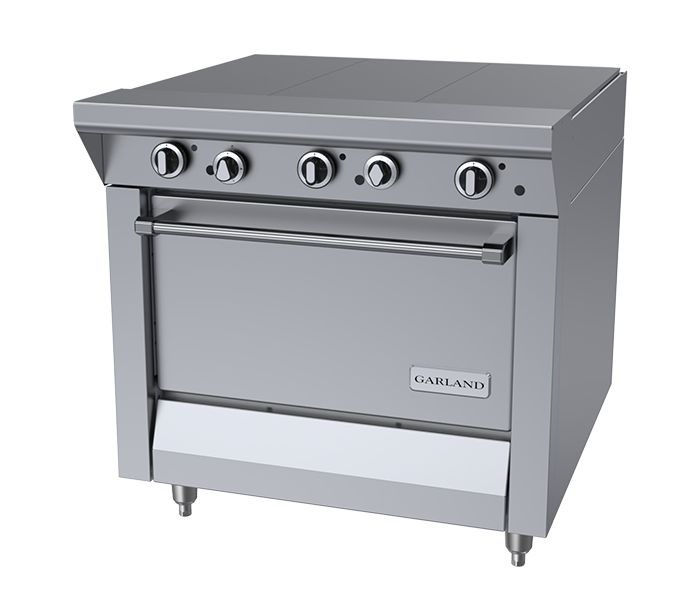
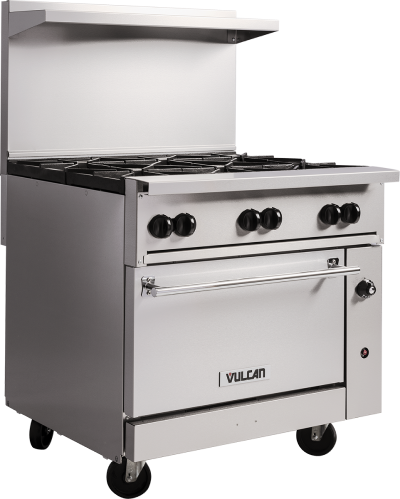
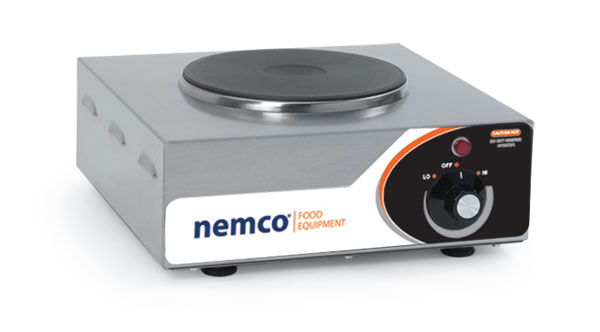
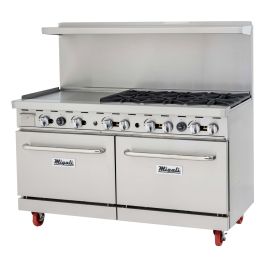
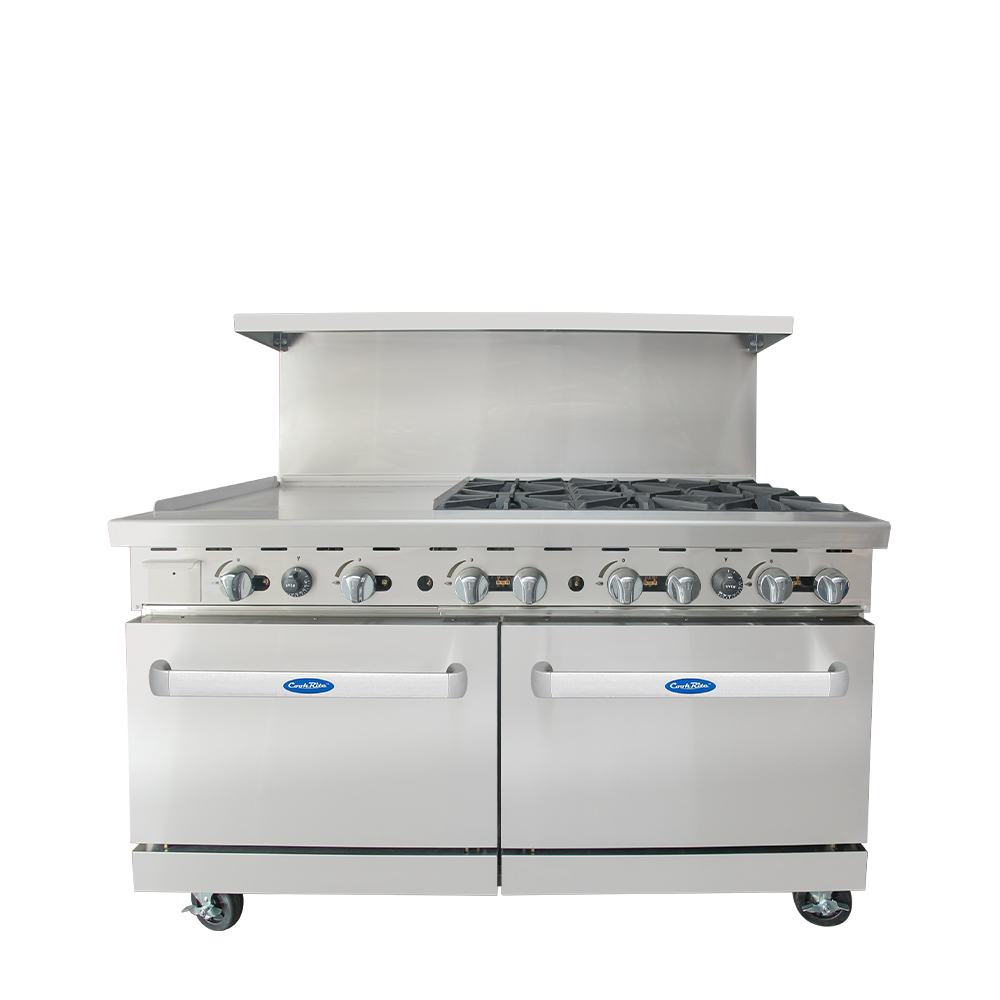
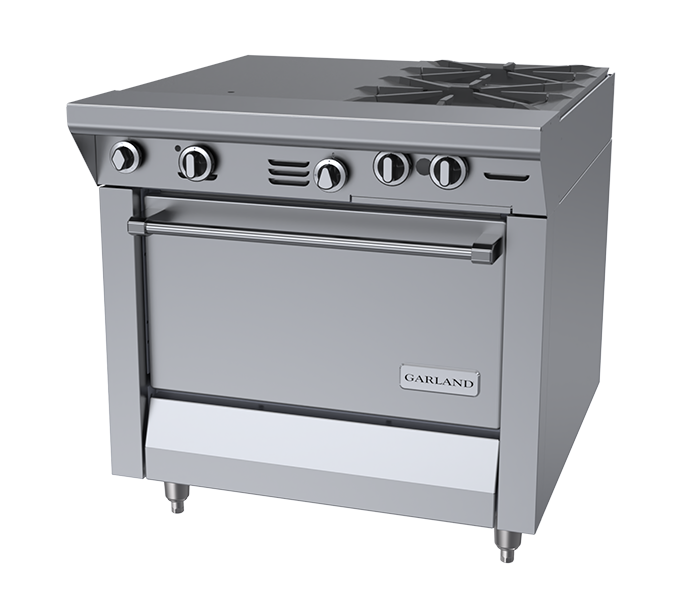
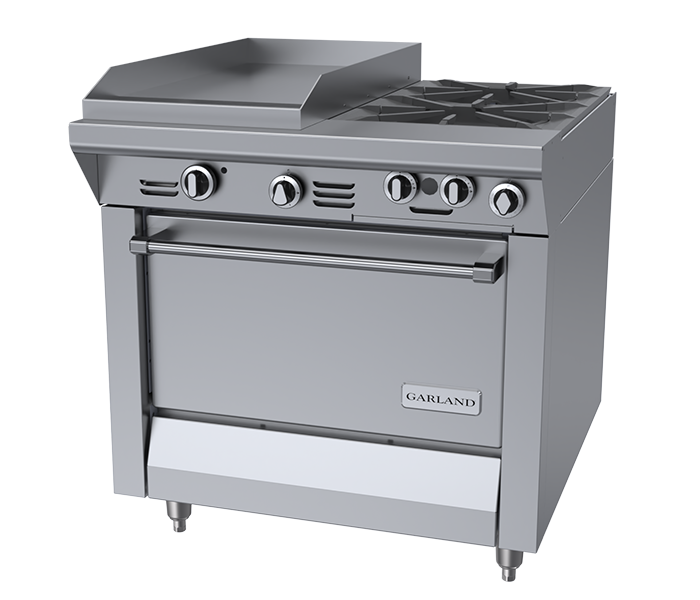
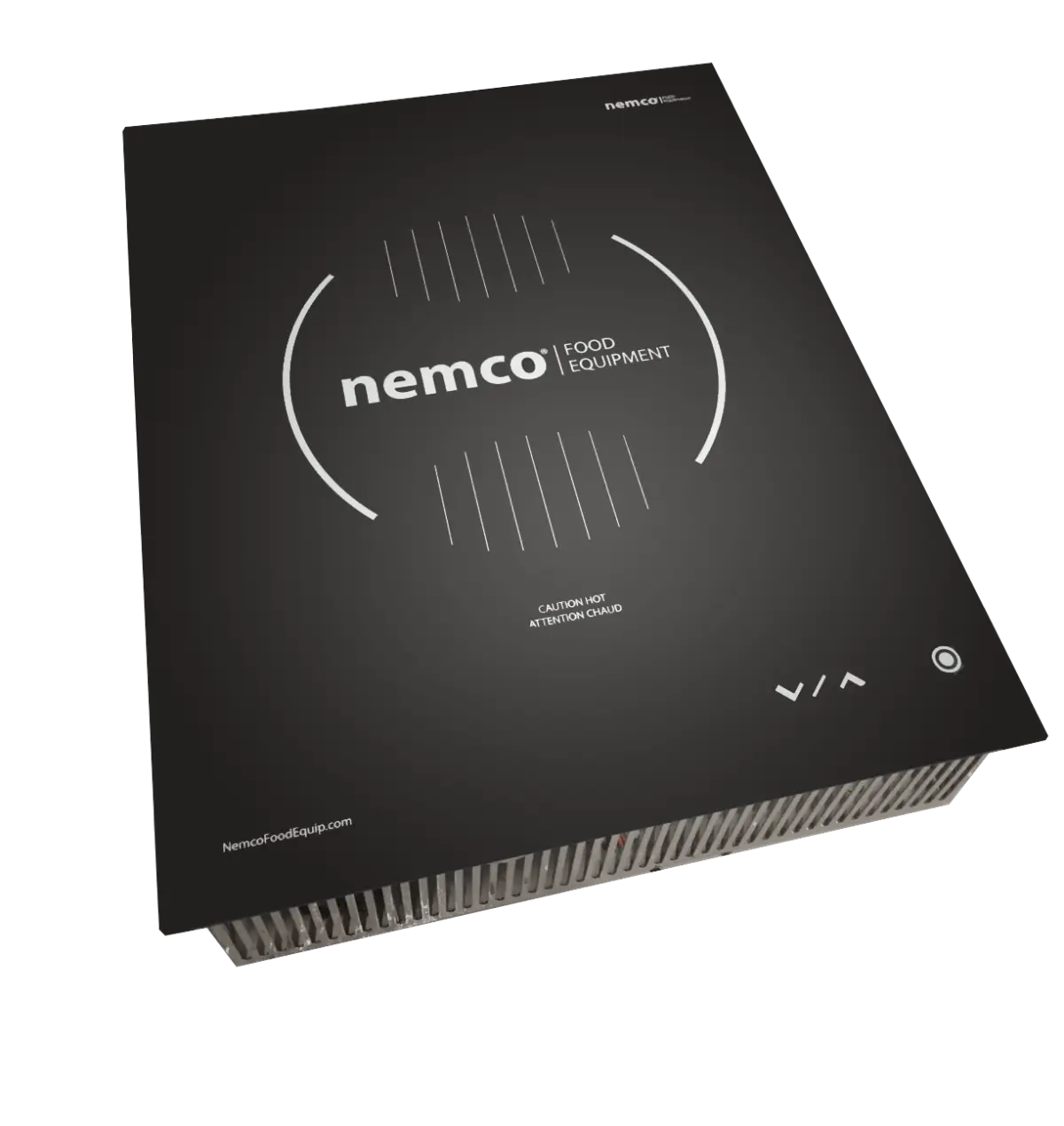
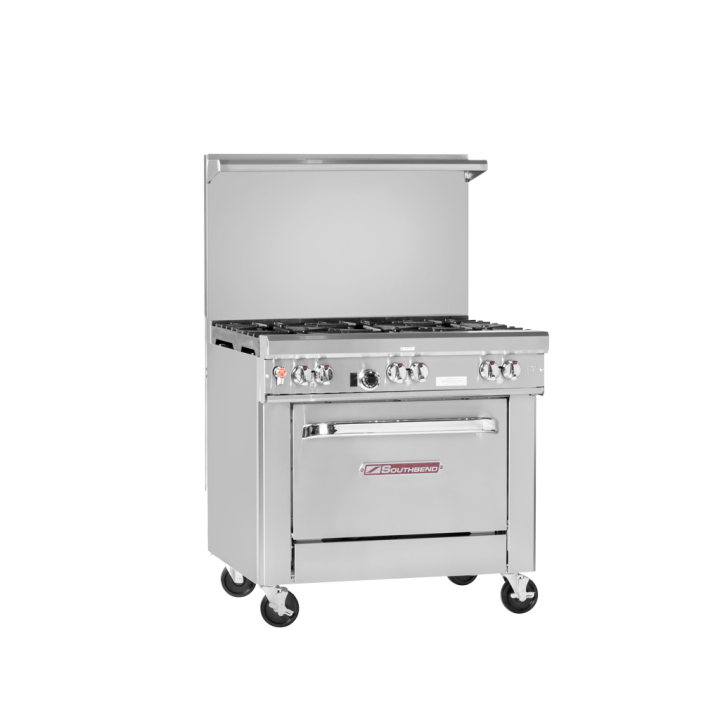


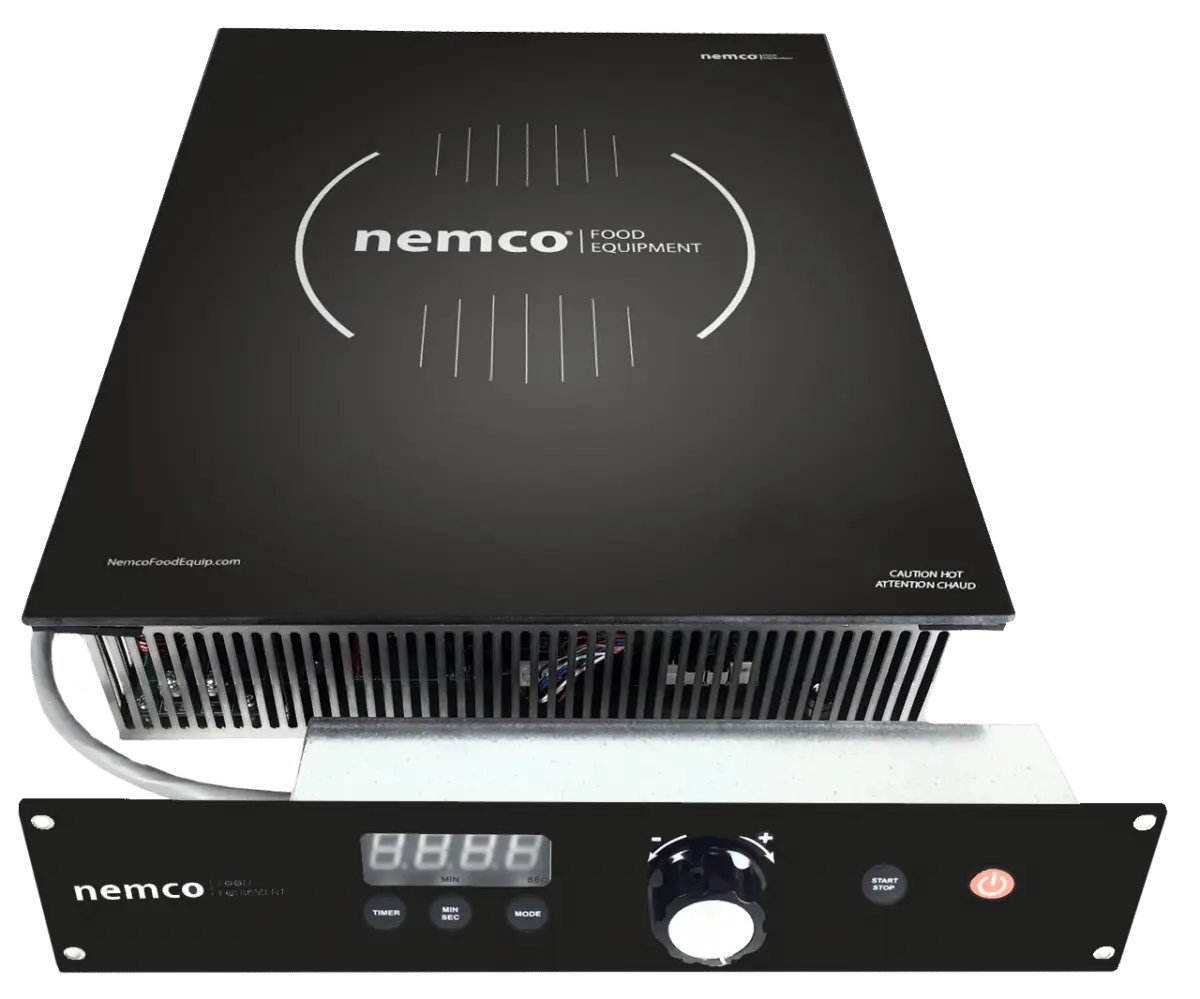
Which one should you buy?
Shortlists filtered to a real buying need — not paid placements or reviews. Each links to full specs.
Countertop hot plates
Open burners for a prep station or small kitchen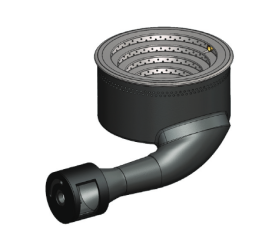
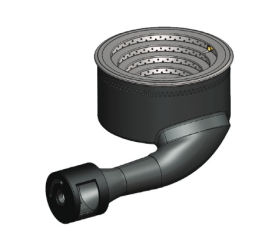
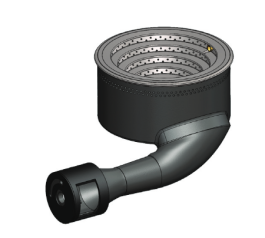
Gas ranges
The gas-fired core of the hot line — widest firstElectric ranges
For kitchens without a gas hookup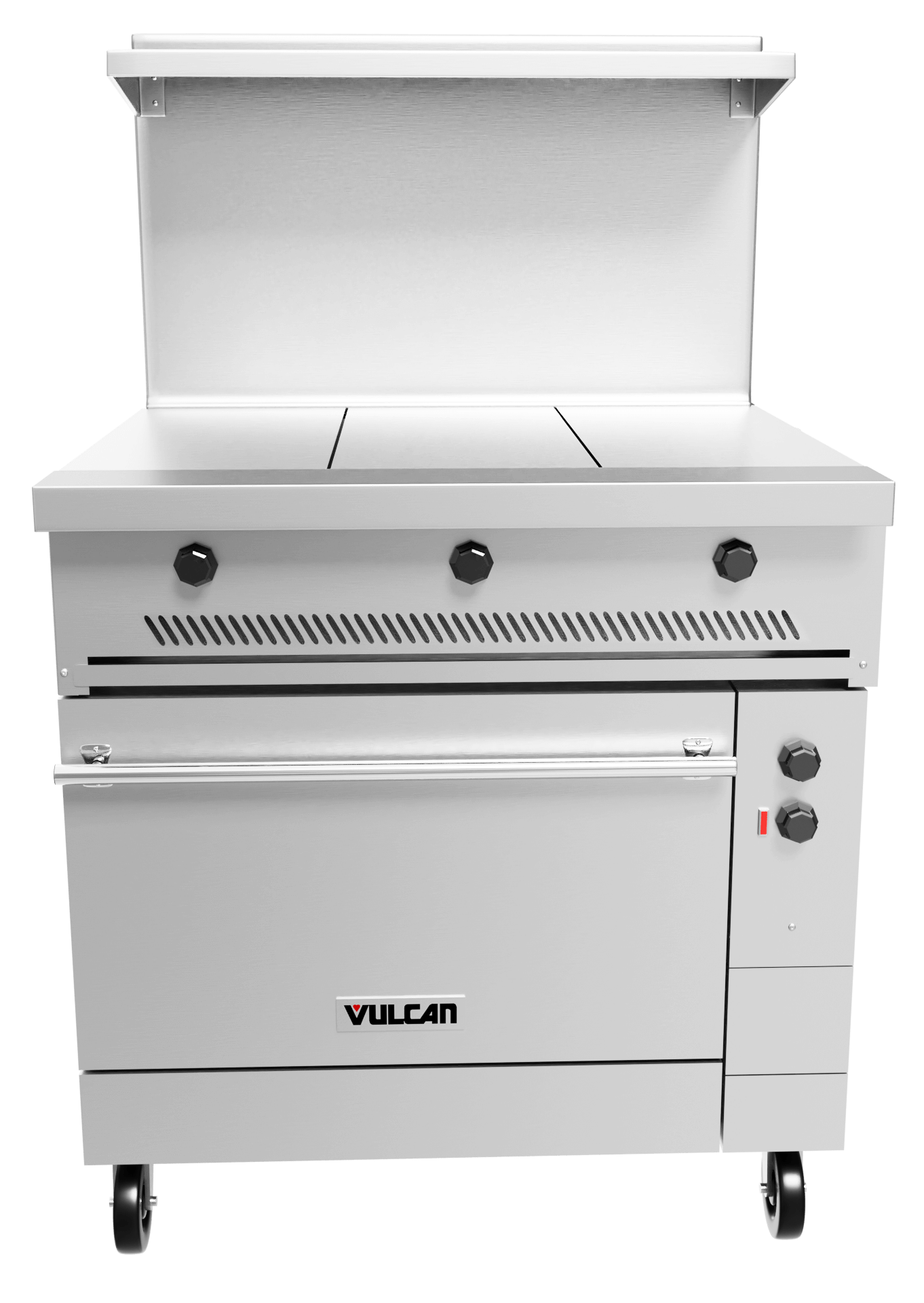
Stock-pot ranges
Low, heavy burners built for a full stock pot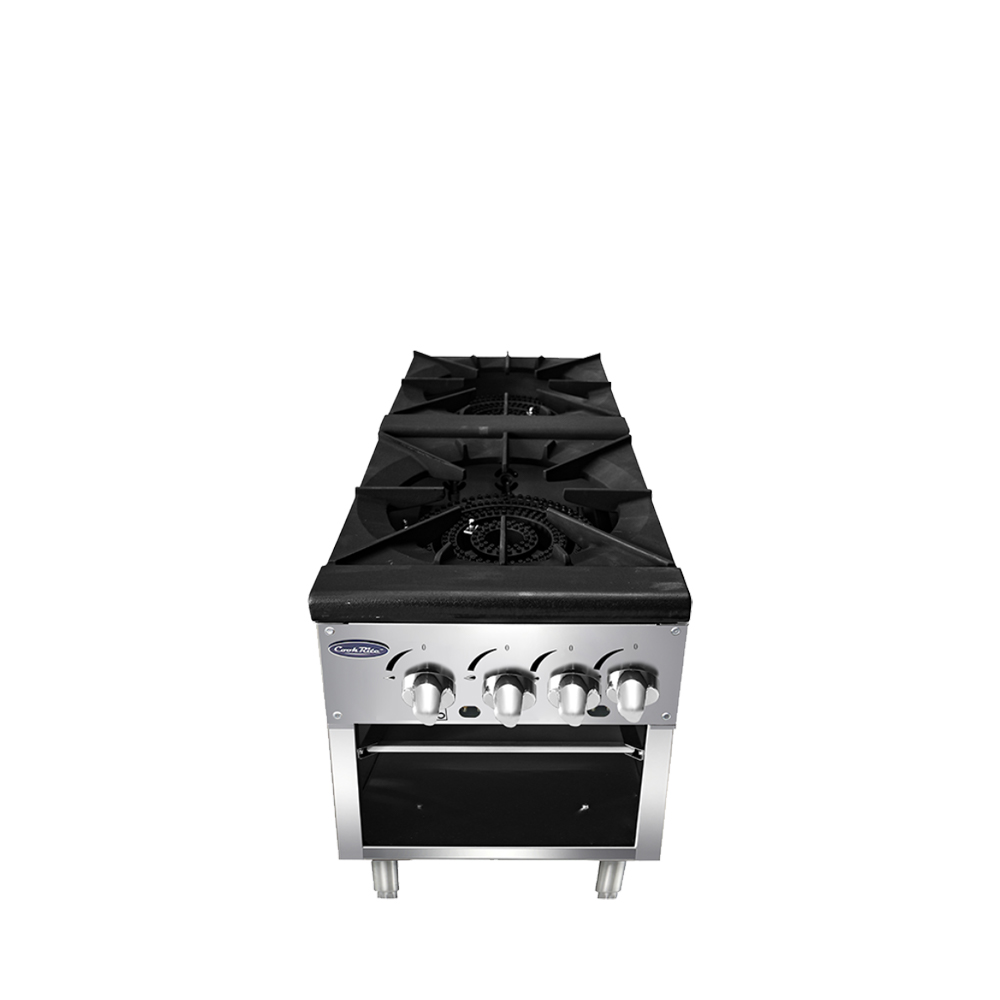


Heavy-duty ranges
Most shipping weight — thicker steel, full oven basePriced online
Models with a real published dealer price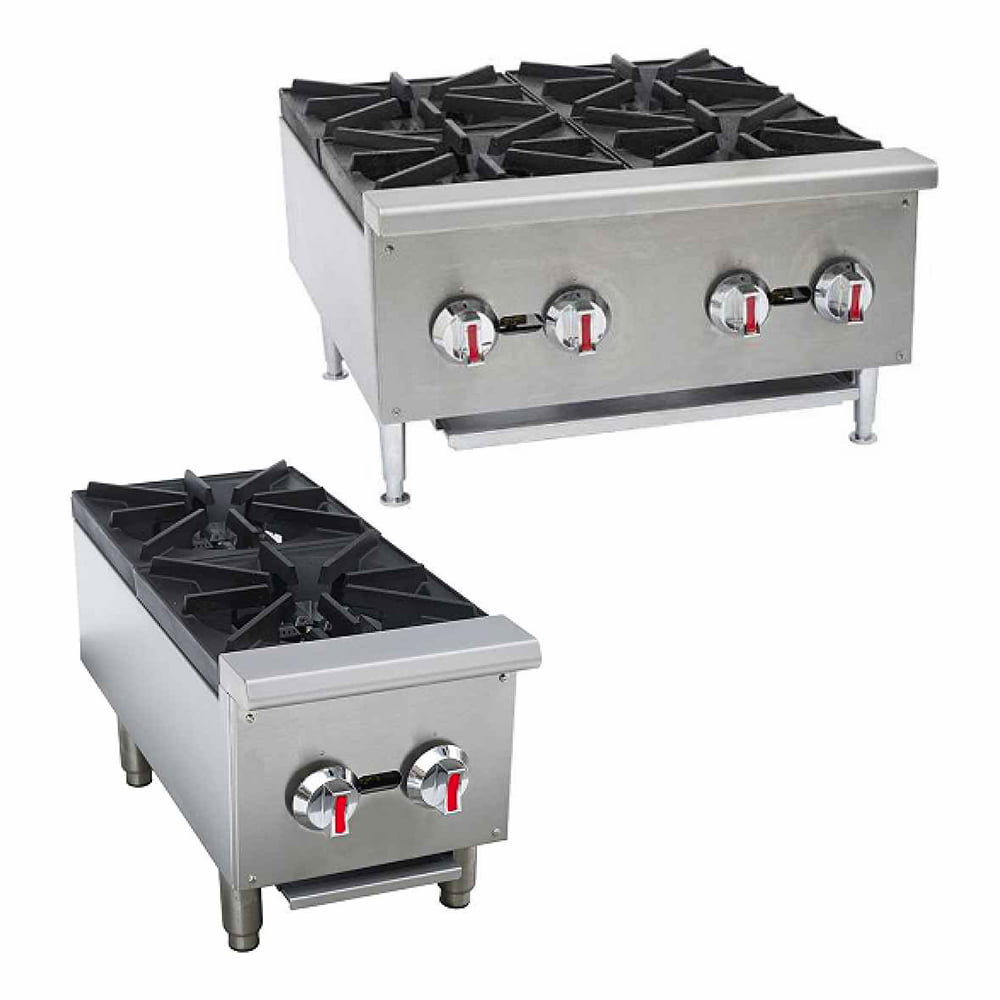
Commercial ranges: buying guide
“Range” spans several formats — countertop hot plates, floor ranges with an oven base, and stock-pot ranges — chosen by configuration, fuel, width, and burner power. A range is a grease-and-flame cooking source, so it lives under a Type I hood with the clearances your mechanical code sets. Here is how to read the 189 models above.
Configuration: hot plate vs range vs stock-pot
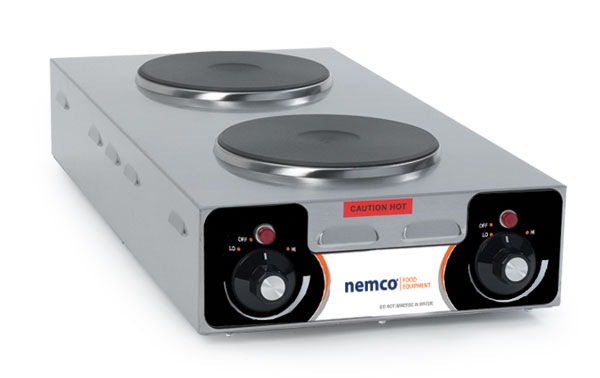
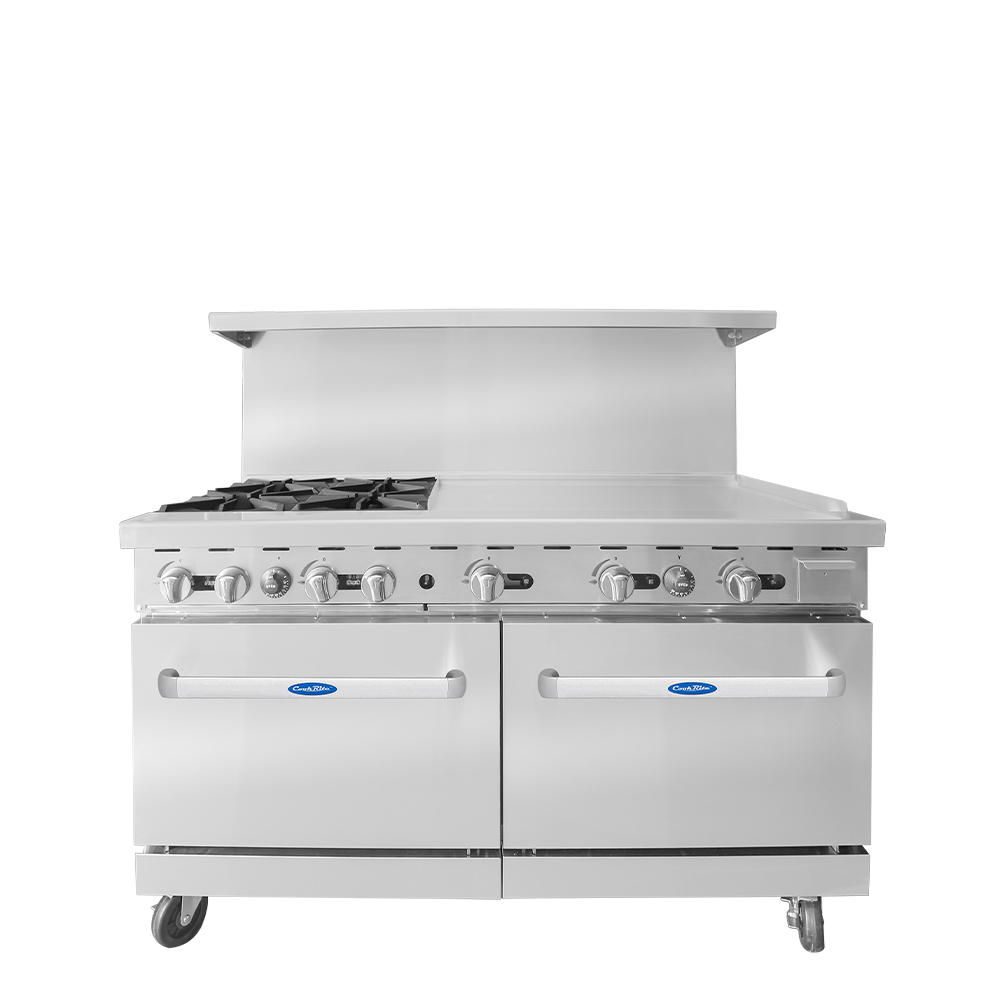
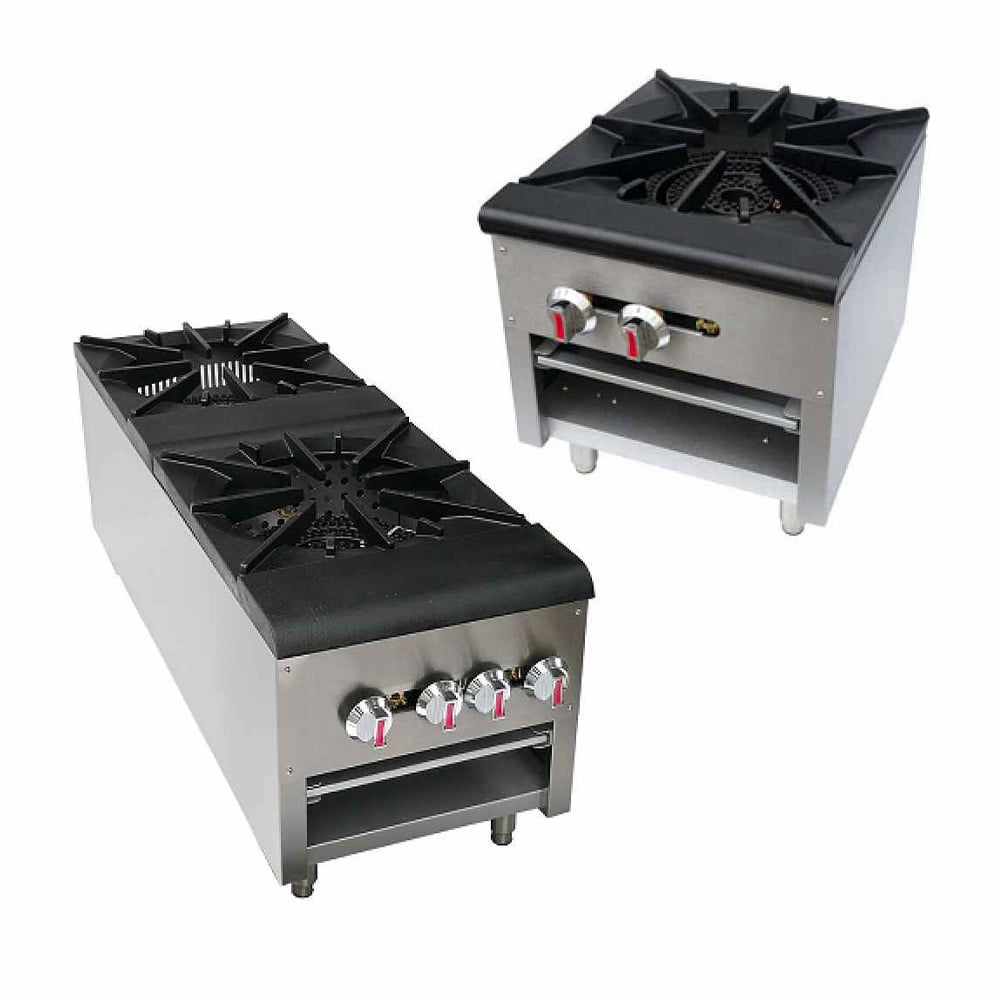
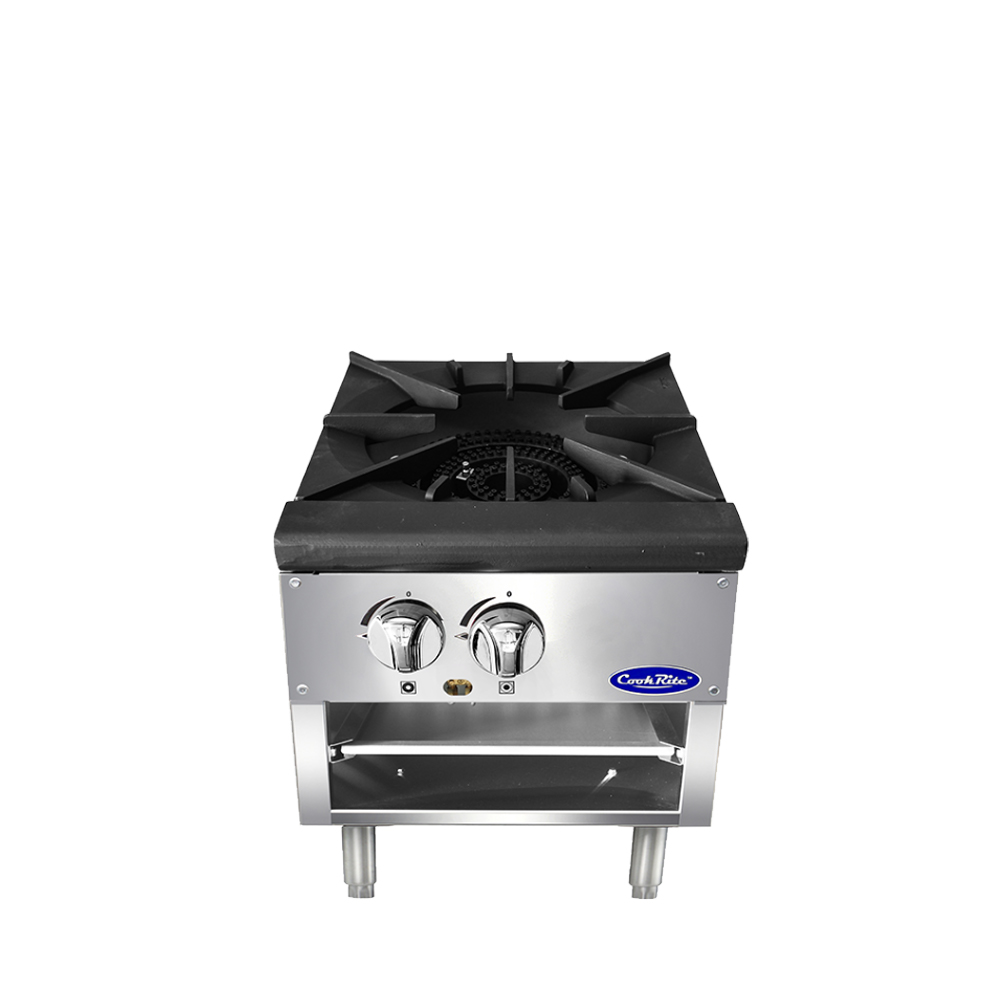
A hot plate is a countertop unit with open burners and no oven — a prep station or a small kitchen’s whole cooktop. A range puts burners over a standard or convection oven base (or an open/cabinet base) and anchors the hot line. A stock-pot range is a short, heavy single- or double-burner unit at a low working height so a tall, full stock pot is easy to fill and stir — it frees the main range burners for service.
Gas vs electric
Most commercial ranges are gas — fast heat recovery and lower running cost where a gas line exists. Electric ranges suit kitchens without a gas hookup and give even surface heat, but need the correct voltage and enough panel capacity. Confirm the fuel and utility before you buy; this page lists fuel type where the manufacturer states it.
Width, burners, and BTU
Size overall width to your wall run and to the hood, which usually must overhang the cooking surface. Plan roughly one burner per simultaneous task at peak — about 4 burners for a small line, 6–10 for a busy kitchen. Higher BTU per burner sears and boils faster. We show burner count and total BTU only where the manufacturer publishes them, rather than infer them from the model number.
| Choice | What it is | Best use |
|---|---|---|
| Hot plate (12–24″) | Countertop burners, no oven | Prep station or small kitchen |
| Range (36–60″) | Burners over an oven / cabinet base | The core of the hot line |
| Stock-pot range | Low, heavy single/double burner | Stocks, sauces, big-batch |
| Gas | Gas line + Type I hood | Fast recovery, cheaper to run |
| Electric | Correct voltage / panel | Even heat, no gas hookup |
| Open-burner top | Sautéing and boiling | The versatile default |
| Heavy (700 lb+) | Constant high-volume use | Thicker steel, full oven base |
Duty and construction
Heavier ranges generally mean thicker steel, a full oven base, and higher-output burners built for constant use; a light unit is a compact hot plate. Weight is only a proxy — the real measures are burner BTU, the gauge of the top and grates, and the warranty. Match the duty class to how hard the line runs.
Ventilation, clearance, and code
An open-burner range needs a Type I hood and clearance to combustible walls unless it is listed for reduced clearance. Hood sizing and fire suppression are plan-review items. NSF listing covers the cleanability of grates, drip trays, and the burner box. Confirm hood, clearance, and gas/electrical requirements with the authority reviewing your plans.
Budget and installed cost
The street price shown (where we have a real dealer listing) is equipment only. Budget separately for freight and liftgate, the gas or electrical hookup, and the hood and fire suppression — on a floor range these can rival the price of the range itself.
How the brands compare
Configurations, fuel, width range, and street-price range for the brands with the most ranges here — a starting point, not a substitute for checking the specific model’s spec sheet.
| Brand | Models | Configurations | Fuel | Width range | Street price |
|---|---|---|---|---|---|
| Garland | 52 | Hot Plate / Range / Stock-Pot Range | Electric / Gas | 20–45″ W | — |
| Migali | 51 | Hot Plate / Range / Stock-Pot Range | Gas | 12–60.2″ W | — |
| Vulcan | 25 | Range | Electric / Gas | 12–36″ W | $4,433–$21,546 |
| Atosa | 22 | Hot Plate / Range / Stock-Pot Range | — | 12–60″ W | $458–$5,207 |
| Sapphire | 21 | Hot Plate / Range / Stock-Pot Range | Gas | 12–60″ W | $372–$2,768 |
| Southbend | 12 | Range | Electric / Gas | 12–60.8″ W | — |
Frequently asked questions
Hot plate, range, or stock-pot range — what's the difference?
A hot plate is a countertop unit with open burners only and no oven, for a prep station or small kitchen. A range puts burners over an oven or cabinet base and anchors the hot line. A stock-pot range is a short, very sturdy single- or double-burner unit at a low working height, built to hold a tall, heavy stock pot so your main range burners stay free for service.
Gas or electric range?
Most commercial ranges are gas: gas recovers heat fast, costs less to run where a gas line exists, and is what most hot lines are built around. Electric ranges suit kitchens without a gas hookup and give even, controllable surface heat, but need the right voltage and enough electrical panel capacity. Either way an open-burner range still needs a Type I hood. This page flags fuel type where the manufacturer states it.
How many burners do I need?
A rough rule is one burner per simultaneous sauté or boil task at peak. A small line runs about 4 burners; a busy full-service kitchen 6–10. Add a stock-pot range if you hold stocks or sauces all day so those don't tie up your main burners. We list burner count only where the manufacturer publishes it — confirm the exact configuration on the spec sheet.
What size range fits my line?
Ranges run from 12–24″ countertop hot plates up to 60″+ floor ranges. Size overall width to your wall run and, critically, to the hood above it — the hood usually has to overhang the cooking surface. Standard floor ranges are about 31–34″ deep; countertop hot plates are shallower. Confirm the unit clears doorways on the way in.
Does a commercial range need a hood?
Yes. An open-burner or hot-top range is a grease-and-flame cooking source, so it must sit under a Type I hood with the clearances your mechanical code requires, and away from combustible walls unless the range is listed for reduced clearance. Hood sizing and fire-suppression are plan-review items — confirm with your local authority.
Is a heavier range better?
Weight is a rough proxy for duty: a heavier range usually means thicker steel, a full oven base, and higher-BTU burners built for constant use, while a light unit is a compact hot plate. It is only a proxy, though — check the burner BTU, the gauge of the top, and the warranty for the real measure of how hard a range can work.
What does the street price include?
Where shown, the price is the lowest legitimate published price from an online dealer we track for that exact model — equipment only. It does not include freight, liftgate, gas/electric hookup, or a hood, which are often a large part of the installed cost. Many models here have no published online price; those show "check dealer pricing."
Are these ranges NSF listed?
Commercial ranges are generally NSF listed for the cleanability of grates, drip trays, and the burner box, which is what a health inspector checks on plan review. We don't assert an NSF listing for a specific model unless the manufacturer publishes it — confirm the exact model's listing when permitting your kitchen.
About this data
Last verified: August 2026. Specs are compiled from manufacturer spec sheets and authorized dealer listings; where a value isn't published we leave it blank rather than guess.
Methodology: every range model is compared on the same set of specifications, and dimensions are checked (for sinks, overall width must exceed the combined bowl widths) — figures that fail validation are corrected from the manufacturer model number or omitted. “Street price” is the lowest legitimate published price we've found and can change.
Sourcing: product specs come from the manufacturer; regulatory statements link to the source (e.g. the FDA Food Code and NSF). Code requirements vary by jurisdiction — confirm with the authority reviewing your plans.
Disclosure: FoodServiceNerd is vendor-neutral and free to use. Some “where to buy” links may be affiliate links — we may earn a commission at no cost to you, and it never changes what we list or how we rank it. We don't sell equipment ourselves.
Editorial: compiled and reviewed by the FoodServiceNerd equipment desk (about us). Spot an error? Tell us and we'll correct it.