Commercial Convection Ovens
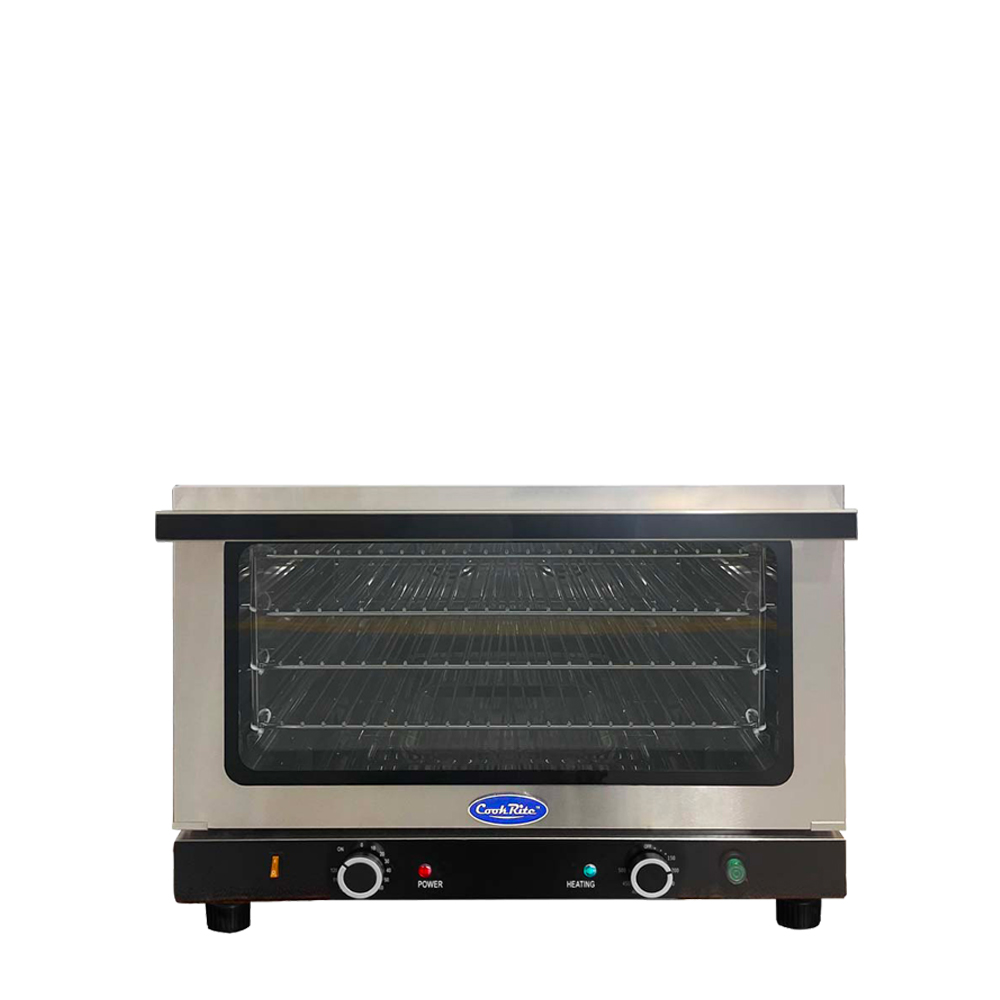
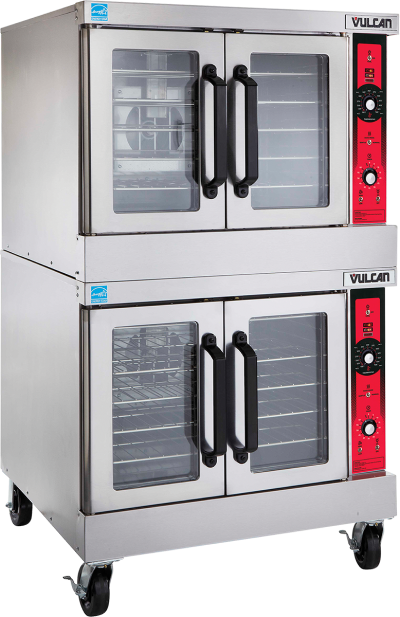
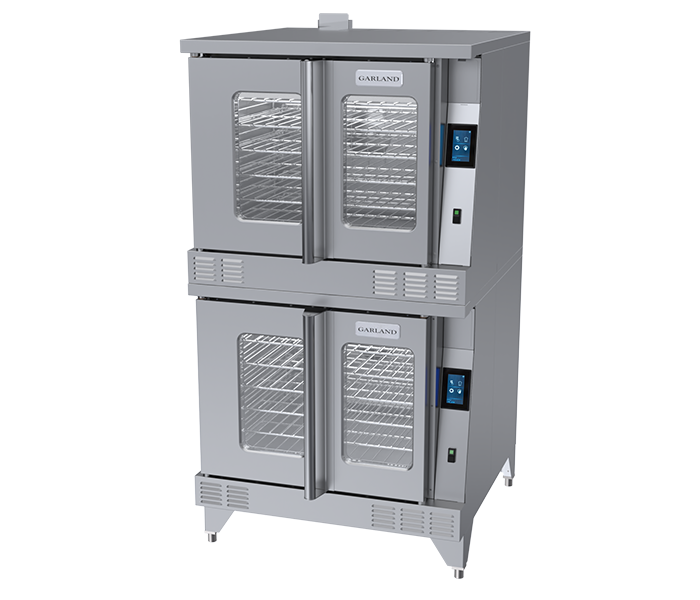
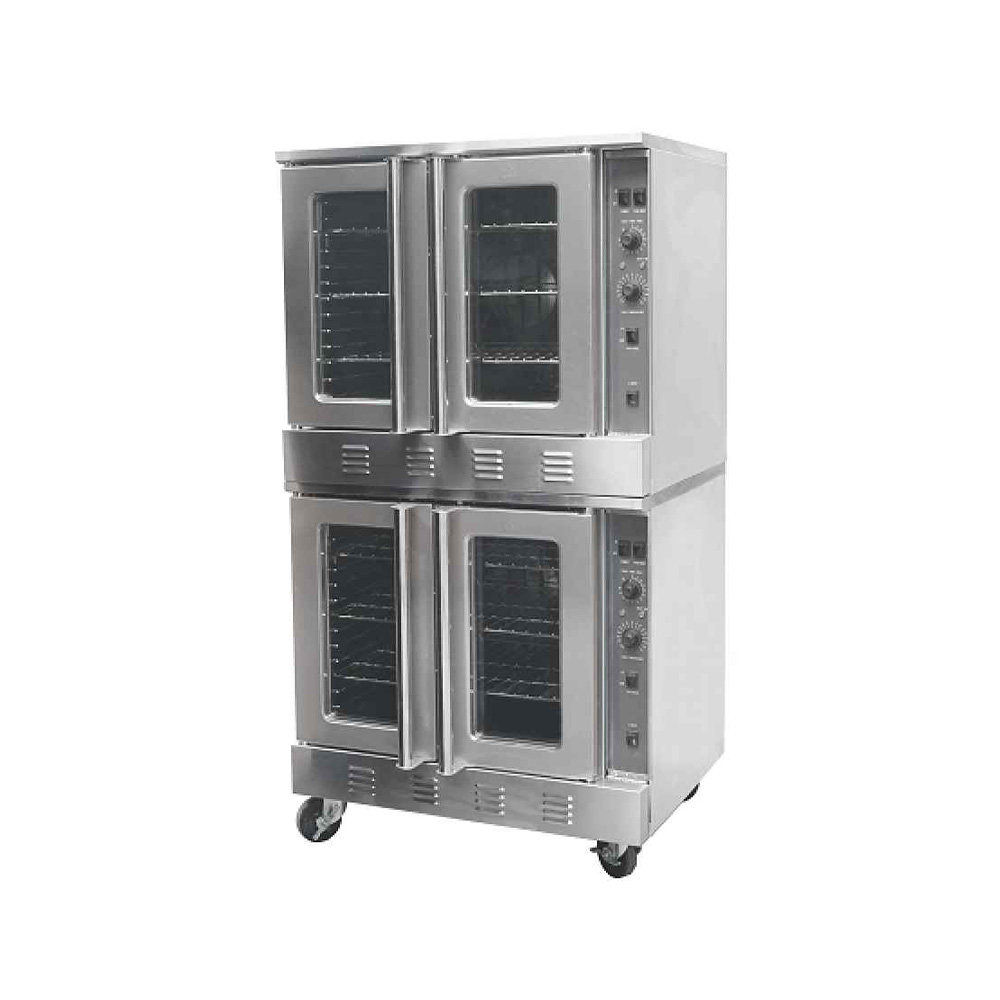
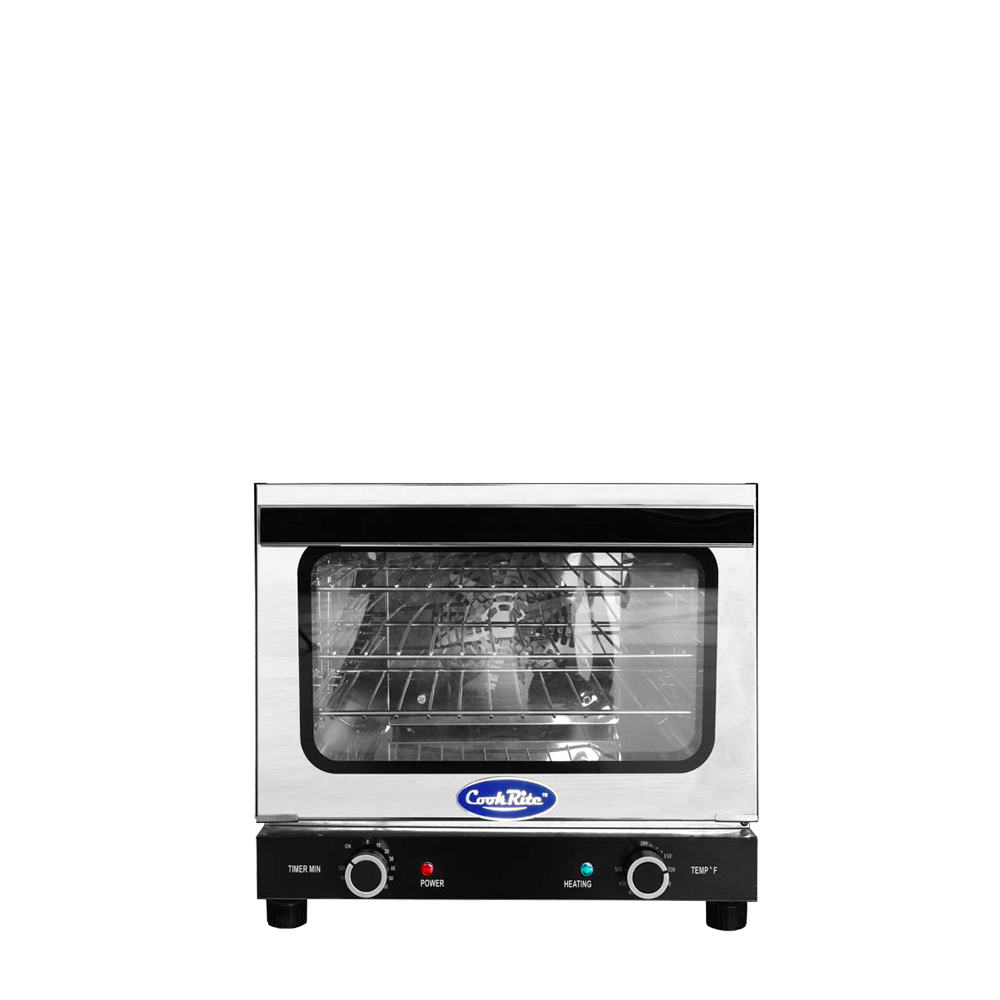
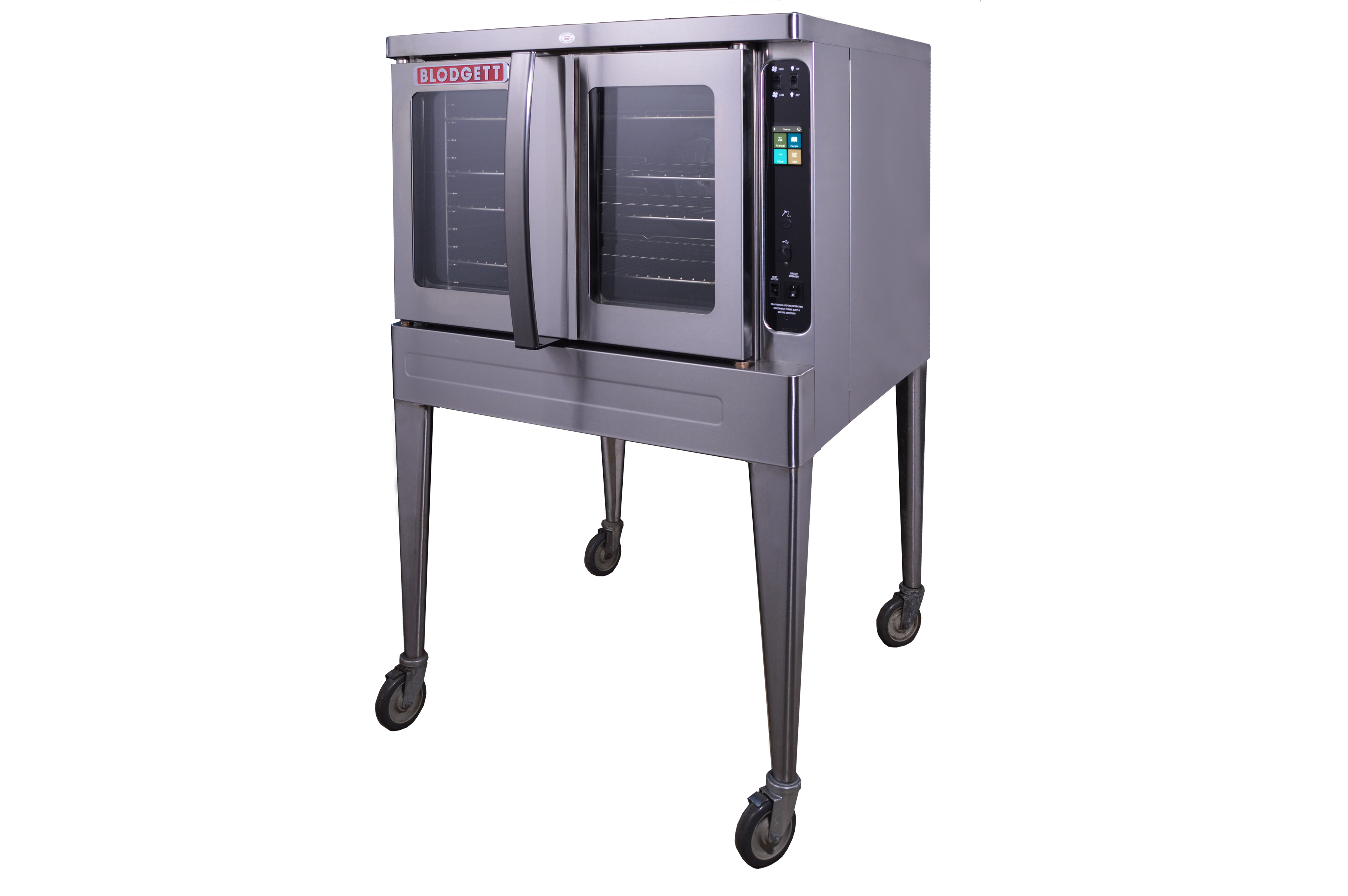
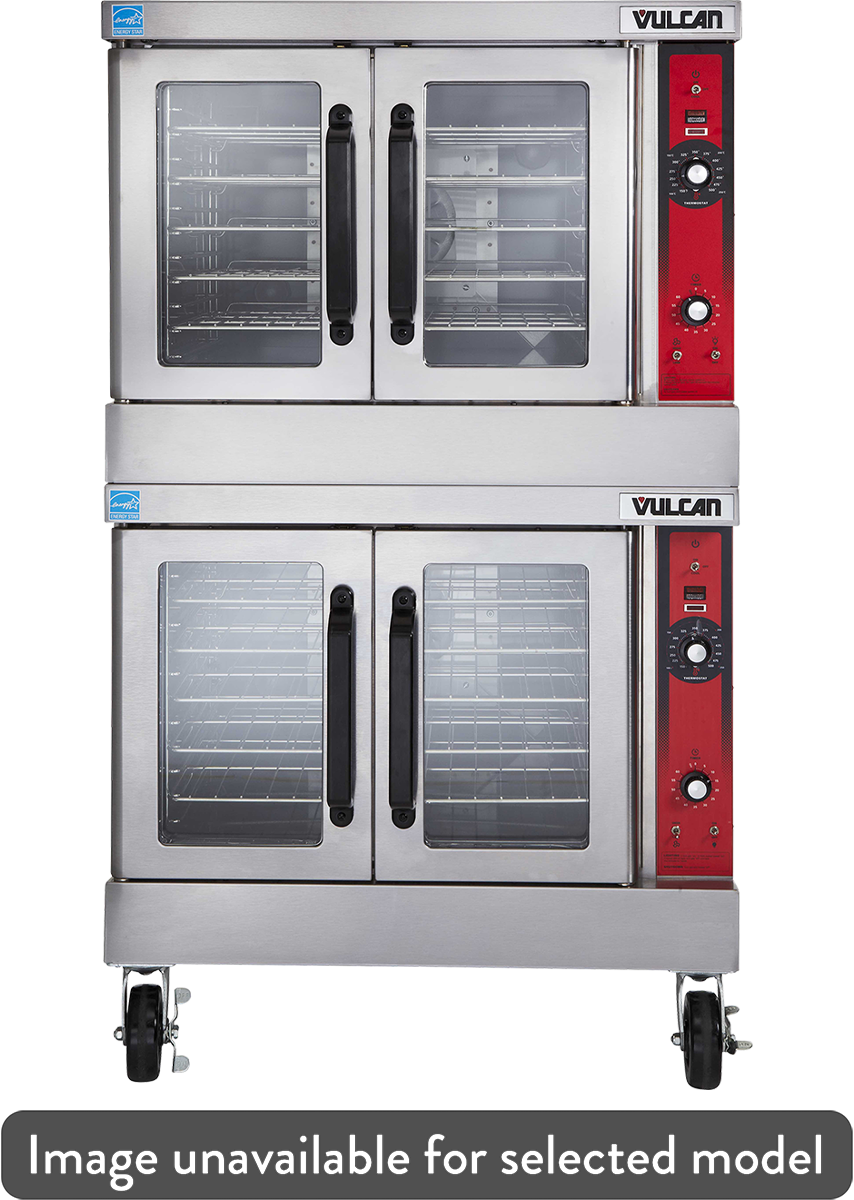
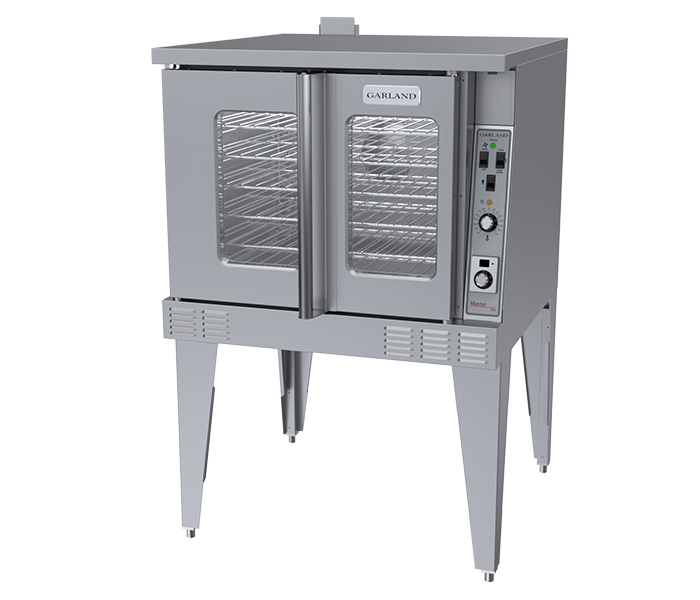
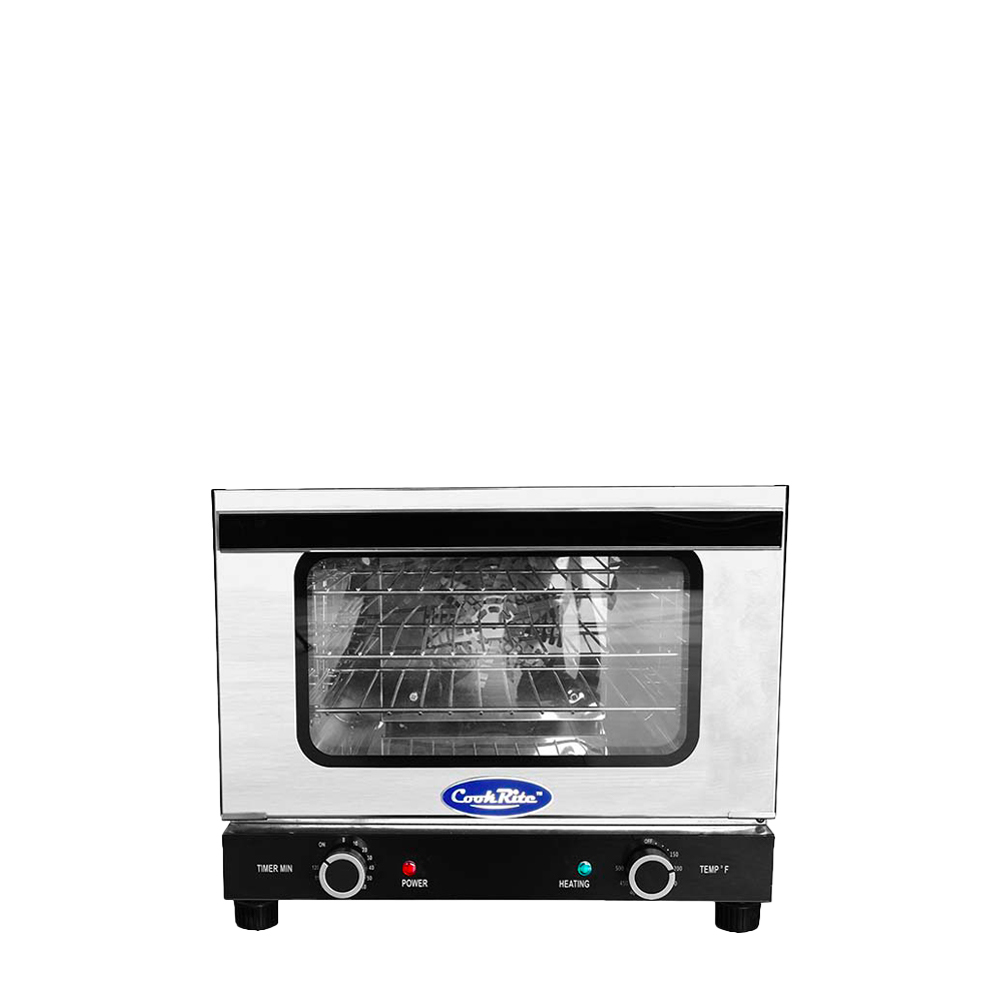
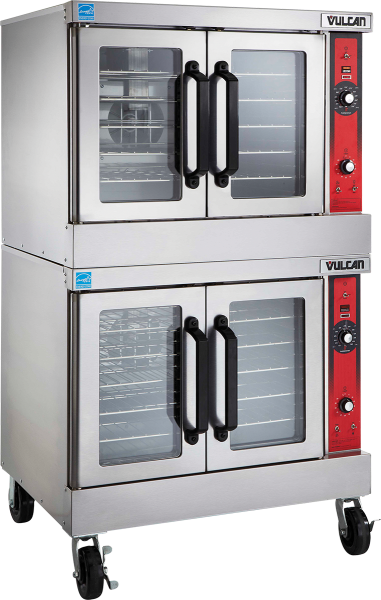
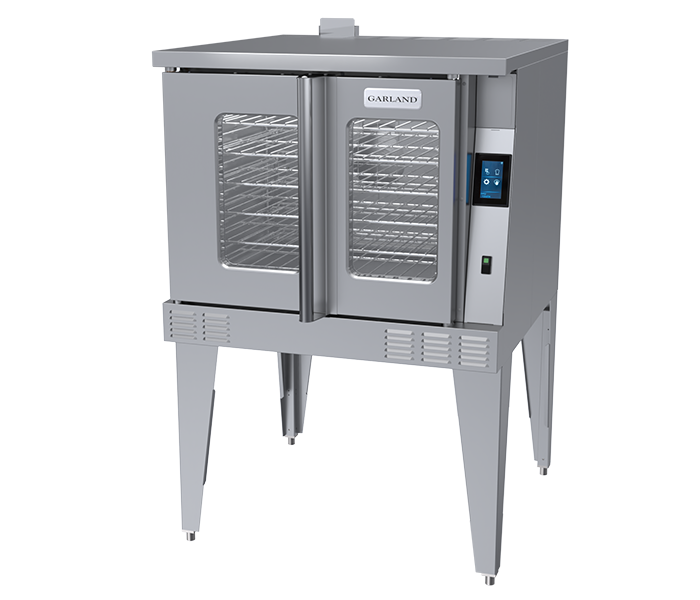
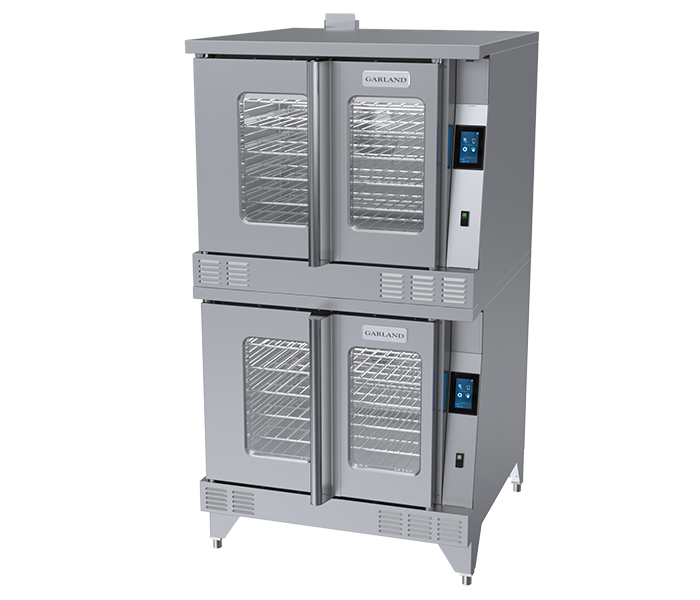
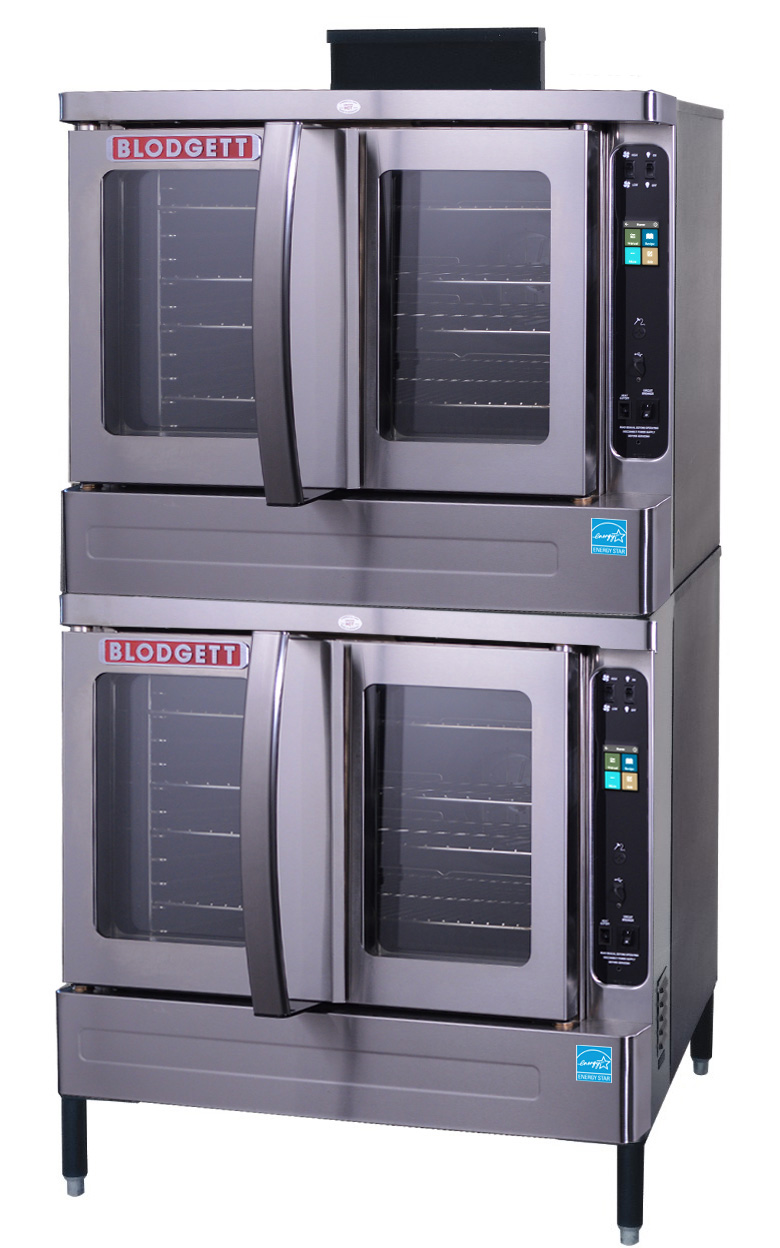
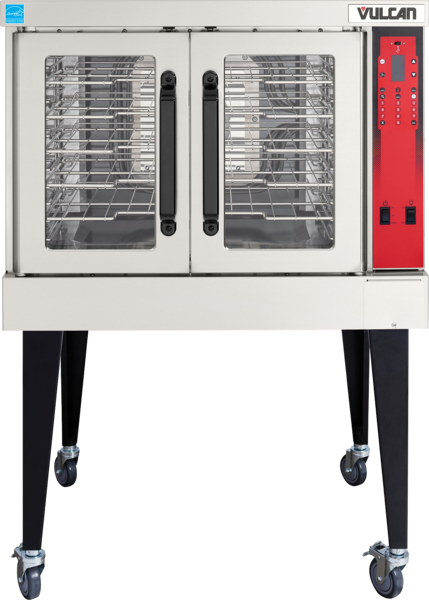
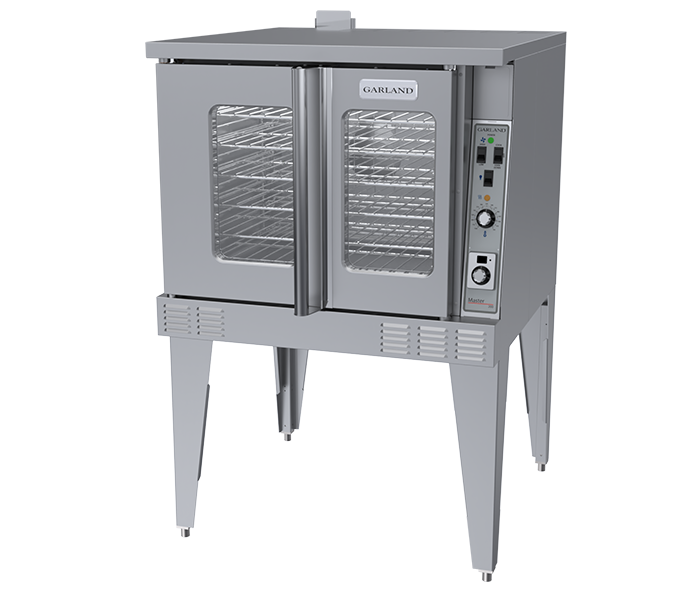
Choose a convection oven by capacity and footprint (a full-size single holds about five sheet pans; a double-stack doubles output in the same floor space; countertop/half-size units suit cafés and back-up duty) and fuel (gas or electric). The fan circulates heat, so cook about 25°F lower than a conventional recipe.
Compare commercial convection ovens across every brand by fuel, size, and capacity. Filter to what fits your production and footprint, then compare on build, not marketing. BTU, kW, and price are shown where the manufacturer or a dealer publishes them.
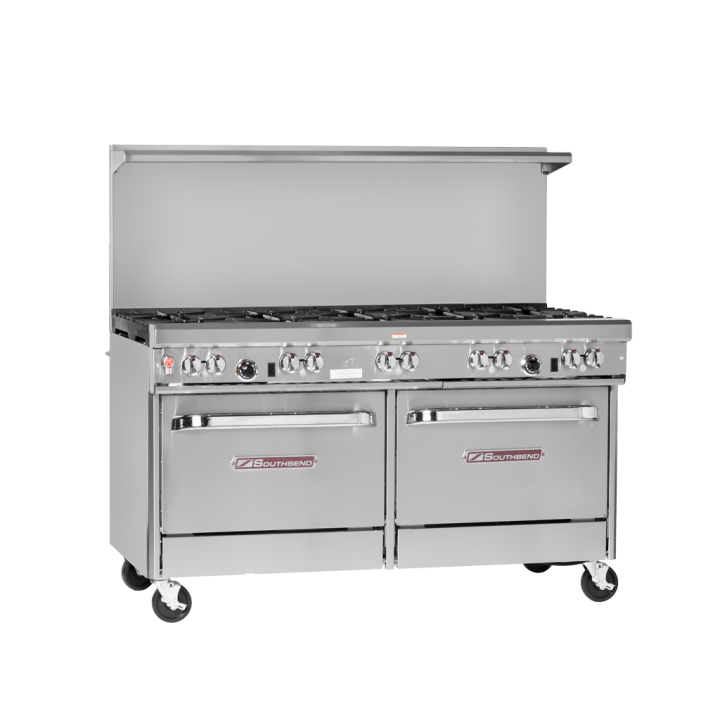

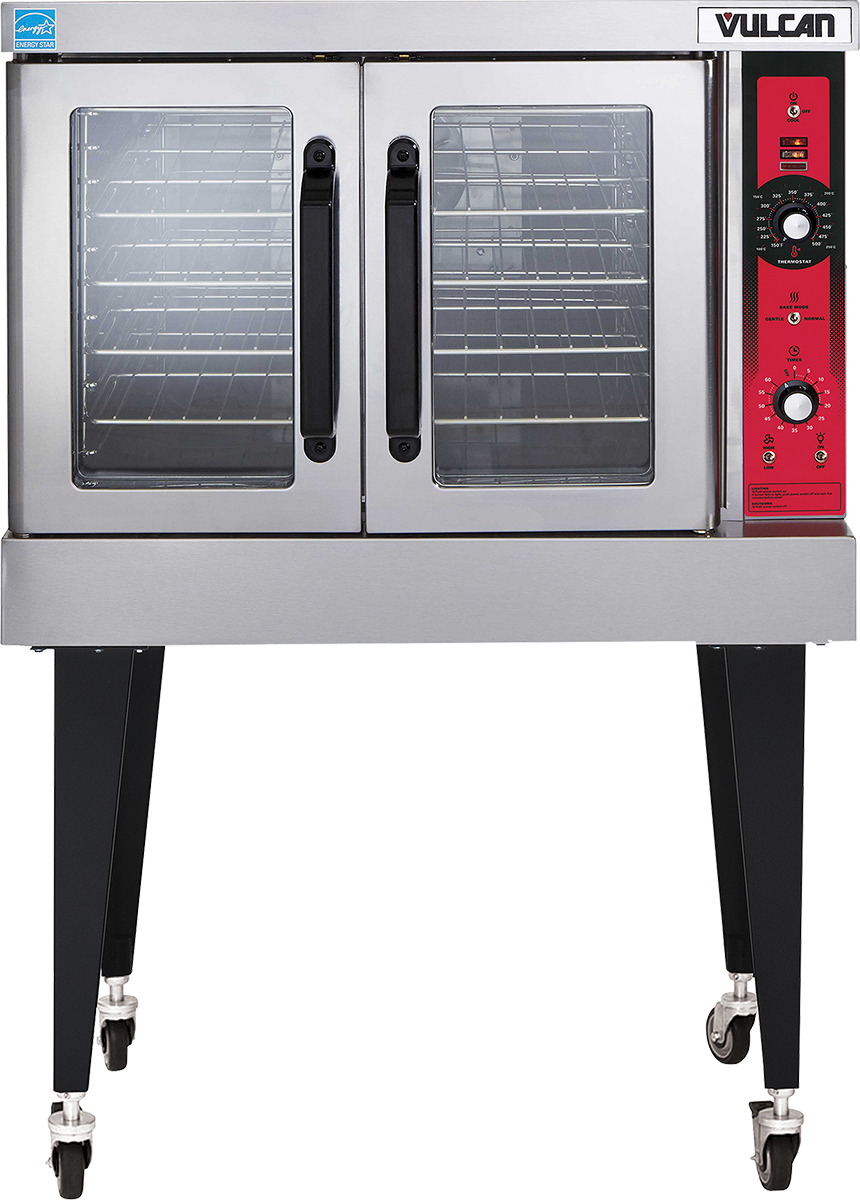
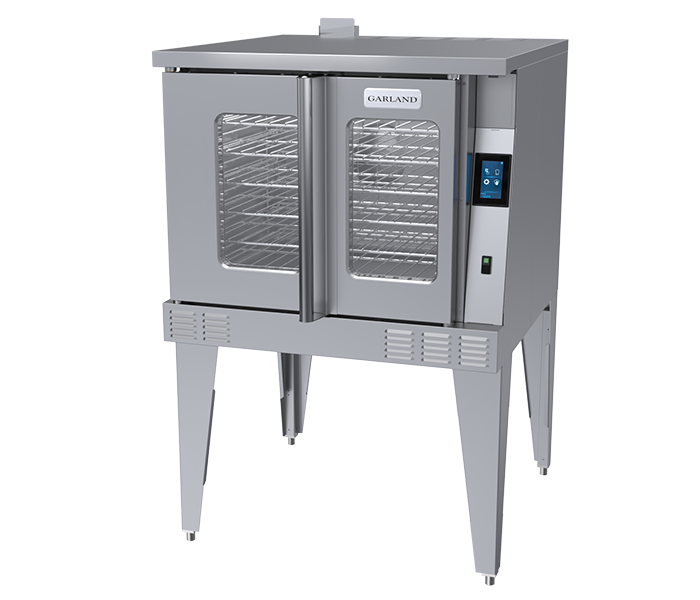

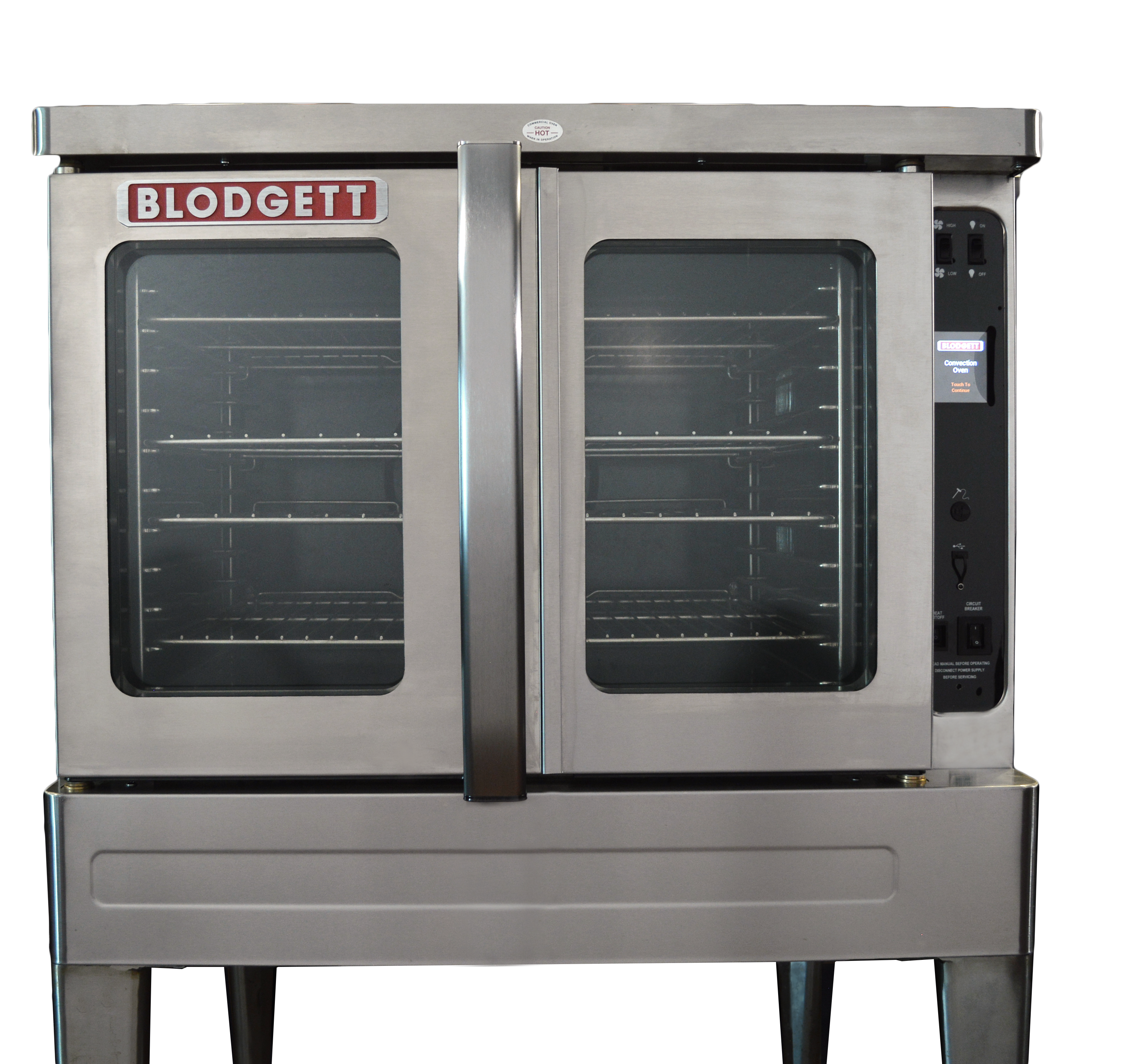
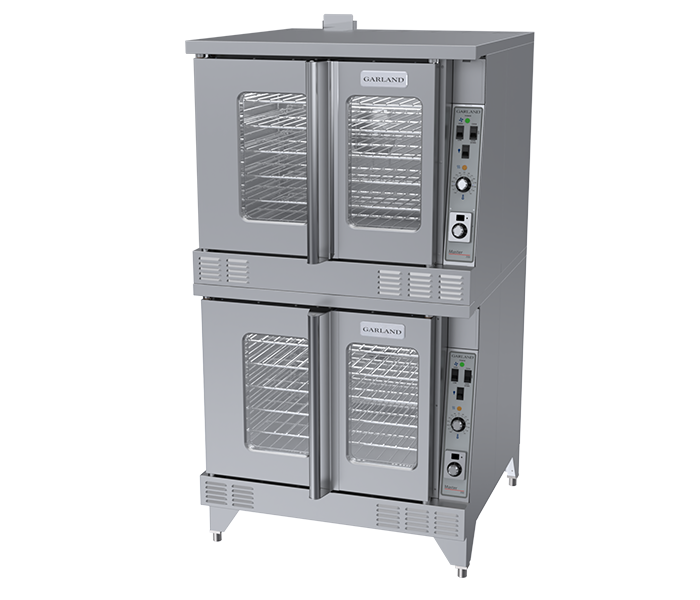
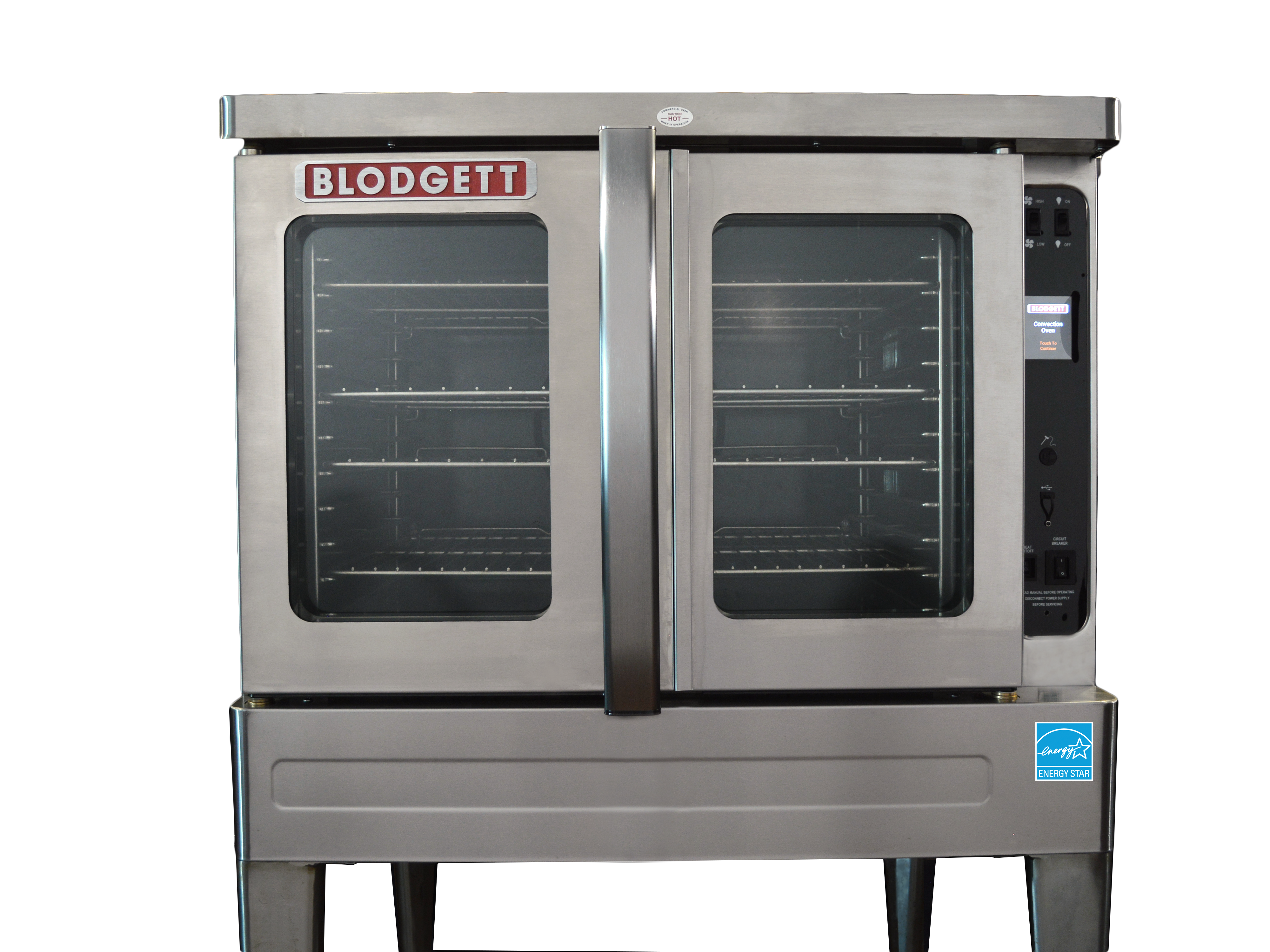
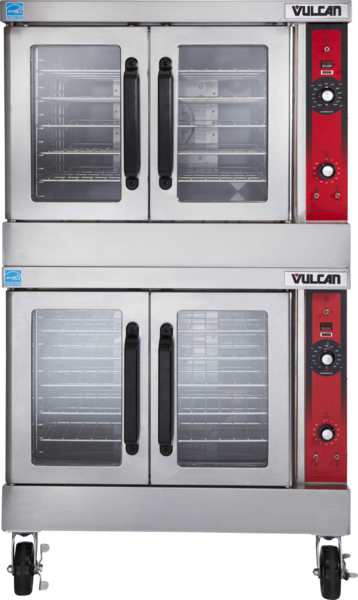
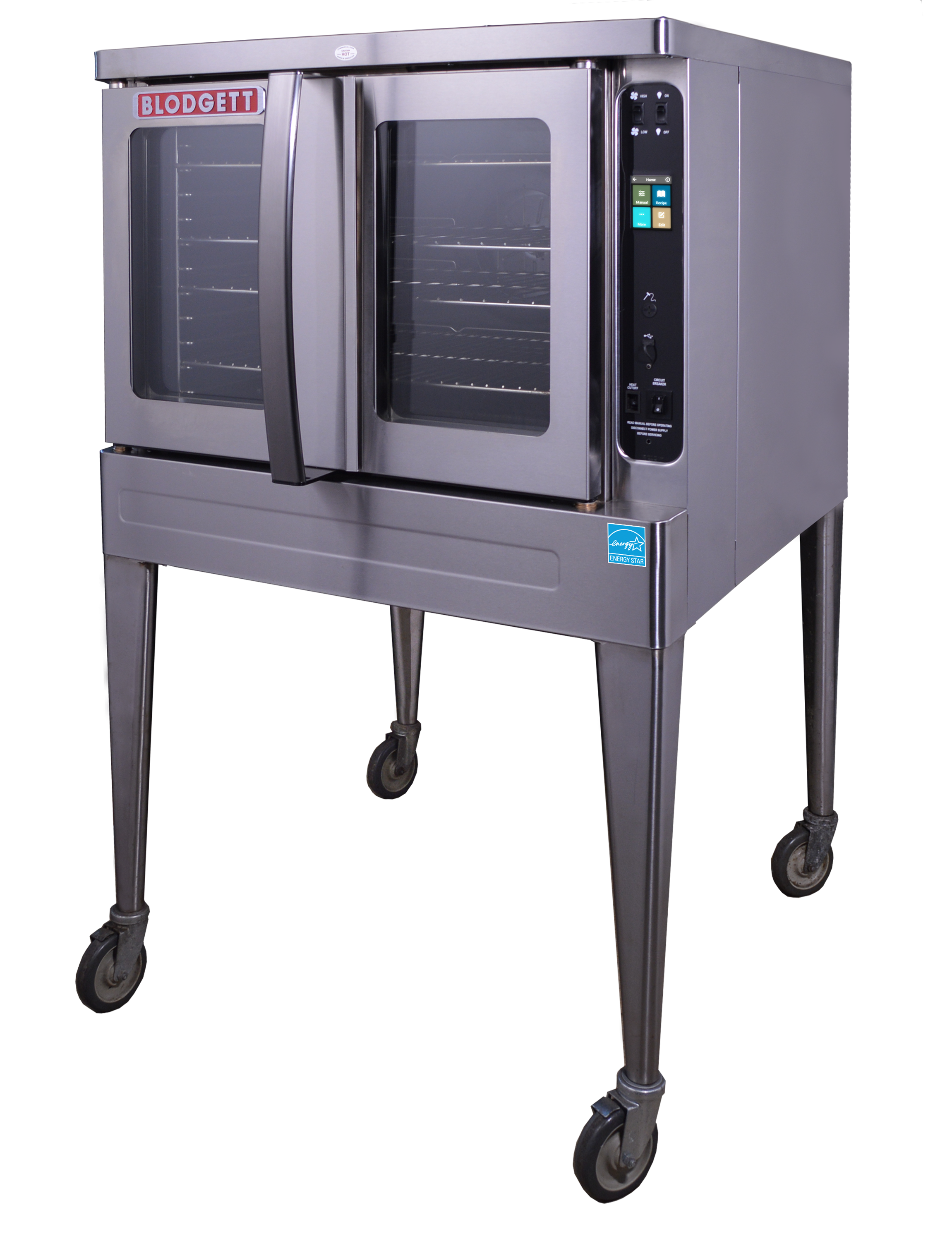
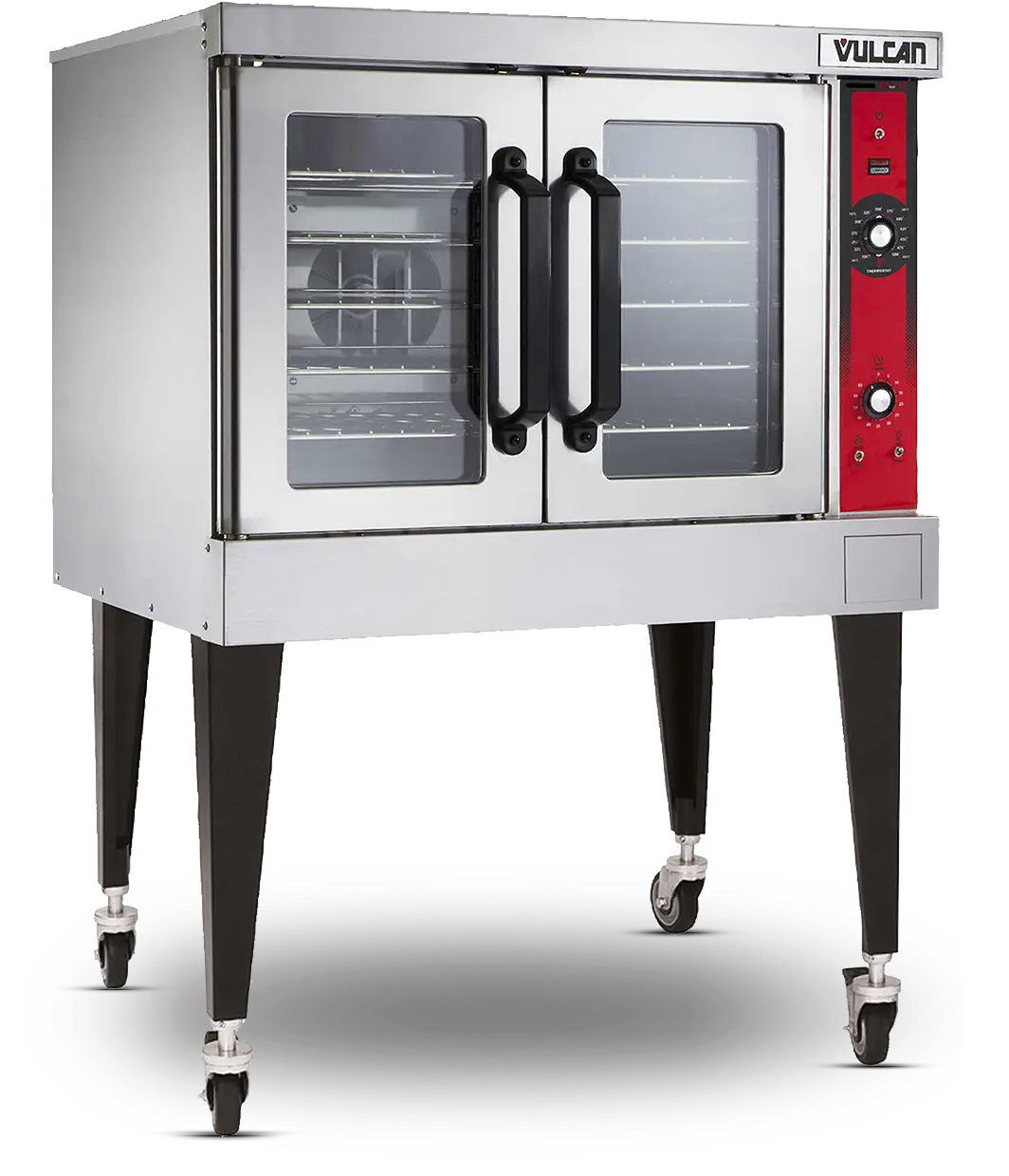
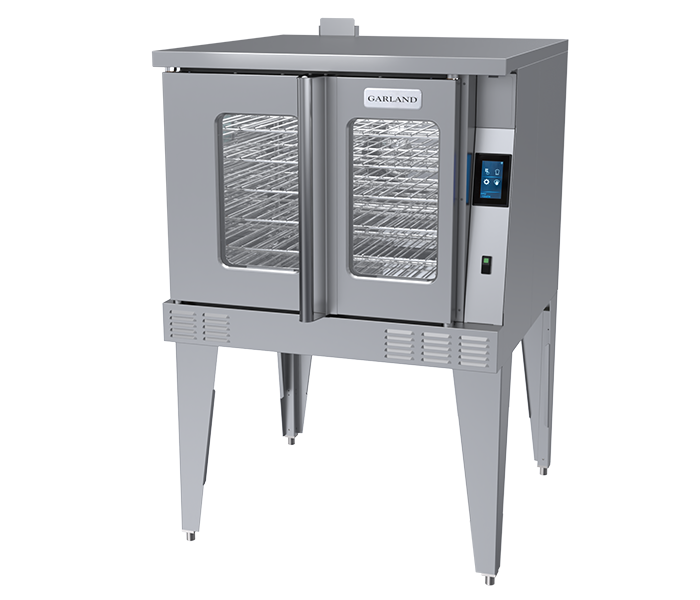
Commercial convection ovens: buying guide
A convection oven’s fan moves hot air so food bakes and roasts faster and more evenly than a standard oven, at a lower set temperature. They are sized by pan capacity and footprint. Here is how to read the 90 models above.
Capacity and footprint
A full-size single oven typically holds five full sheet pans and is the bakery/production workhorse; a double-stack doubles output without doubling the floor footprint; countertop/half-size models take half-sheet pans for cafés and back-up duty.
Gas or electric
Gas ovens are common and recover heat well; electric ovens give steady, even heat and suit kitchens without a gas line. This page lists fuel and, where published, the electric model’s kW rating.
Convection vs standard
Because the fan circulates air, drop the recipe temperature about 25°F versus a conventional oven and expect faster, more even cooking — the default for baking and roasting at volume.
Ventilation and code
A convection oven is a low-risk piece for inspection: the interior must be cleanable (NSF/ANSI 4) with proper clearance. Most sit under the hood, though some jurisdictions allow a listed oven outside it — confirm locally.
How the brands compare
Fuel, width range, and street-price range for the brands with the most convection ovens here — a starting point, not a substitute for checking the specific model’s spec sheet.
| Brand | Models | Fuel | Width range | Street price |
|---|---|---|---|---|
| Vulcan | 24 | Electric / Gas | 30–40″ W | $6,590–$31,027 |
| Blodgett | 23 | Electric / Gas | 24–48.2″ W | — |
| Southbend | 20 | Electric / Gas | 32–60.8″ W | — |
| Garland | 14 | Electric / Gas | 30–38″ W | — |
Frequently asked questions
How many sheet pans does a convection oven hold?
A full-size single typically holds five full sheet pans on standard spacing; double-stacks double that. Countertop and half-size models take half-sheet pans and suit lower volume.
Convection vs standard oven?
The fan moves hot air so food cooks faster and more evenly at a lower set temperature — drop about 25°F versus a conventional recipe. It's the default for baking and roasting at volume.
Gas or electric convection oven?
Gas ovens are common and recover heat well; electric ovens give steady, even heat and suit kitchens without a gas line. This page lists fuel and, where published, the electric model's kW rating.
Does a convection oven need a hood?
A convection oven is a low-risk piece for inspection and must have a cleanable interior (NSF/ANSI 4) and proper clearance. Most sit under the hood, though some jurisdictions allow a listed oven outside it — confirm locally.
Single or double stack?
A single full-size oven is the bakery/production workhorse; a double-stack doubles capacity without doubling the floor footprint. Choose a stack when volume outgrows one deck but floor space is tight.
About this data
Last verified: August 2026. Specs are compiled from manufacturer spec sheets and authorized dealer listings; where a value isn't published we leave it blank rather than guess.
Methodology: every convection oven model is compared on the same set of specifications, and dimensions are checked (for sinks, overall width must exceed the combined bowl widths) — figures that fail validation are corrected from the manufacturer model number or omitted. “Street price” is the lowest legitimate published price we've found and can change.
Sourcing: product specs come from the manufacturer; regulatory statements link to the source (e.g. the FDA Food Code and NSF). Code requirements vary by jurisdiction — confirm with the authority reviewing your plans.
Disclosure: FoodServiceNerd is vendor-neutral and free to use. Some “where to buy” links may be affiliate links — we may earn a commission at no cost to you, and it never changes what we list or how we rank it. We don't sell equipment ourselves.
Editorial: compiled and reviewed by the FoodServiceNerd equipment desk (about us). Spot an error? Tell us and we'll correct it.