Beer Towers & Draft Dispensers
A beer tower is the column of faucets that mounts on the bar top and pours draft chilled from a remote keg or glycol system; a direct-draw dispenser is a refrigerated box that stores the kegs directly under the taps; a mobile draft unit is a self-contained cart for events. Choose by faucet count (how many beers you pour at once) and finish (polished stainless, chrome, or brass), then size the keg storage or glycol run to the tower.
The hardware that pours draft at the bar: beer towers that mount on the bar top, direct-draw dispensers with the kegs stored right below, and mobile draft carts for events. Compare across brands by faucet (tap) count and finish, then match the tower or box to your keg storage and draft menu. Tap count and finish are shown where the manufacturer publishes them.
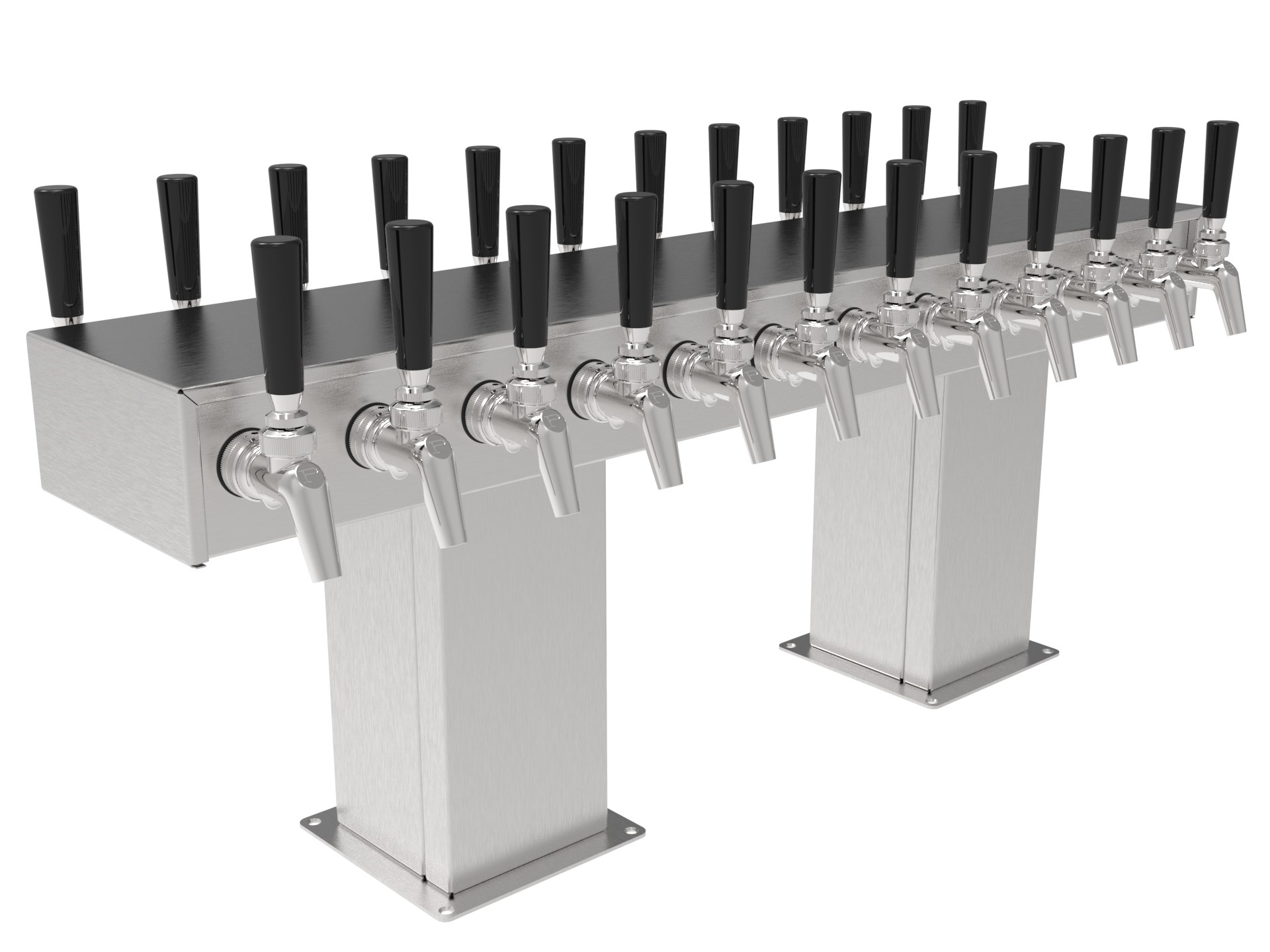
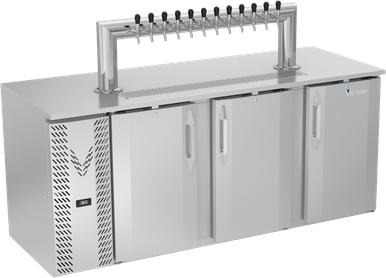
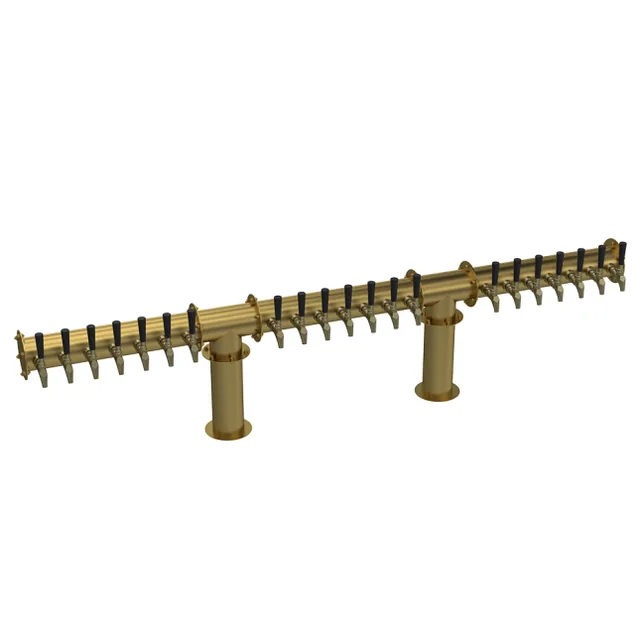
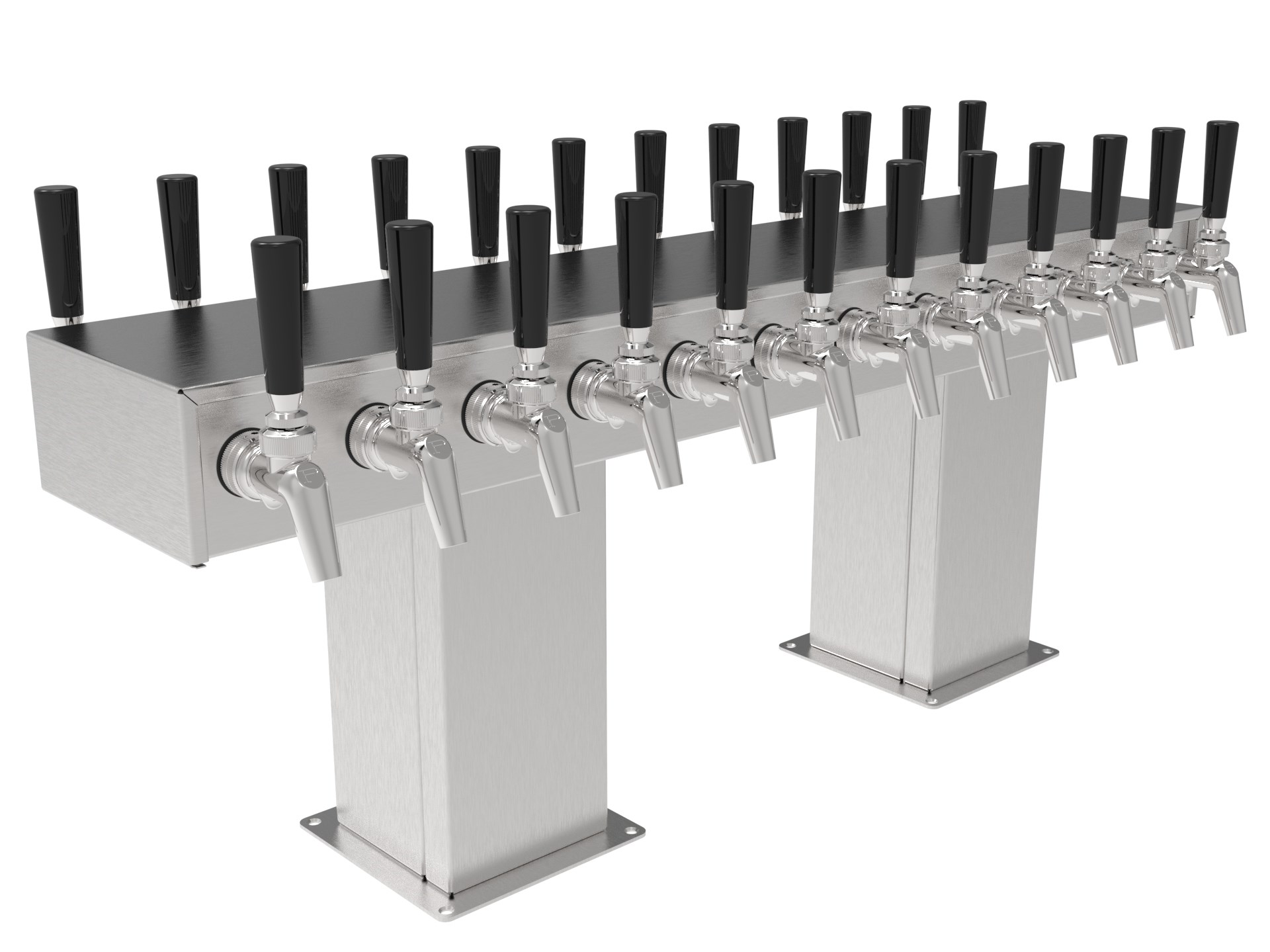
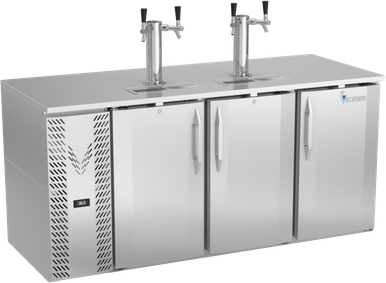
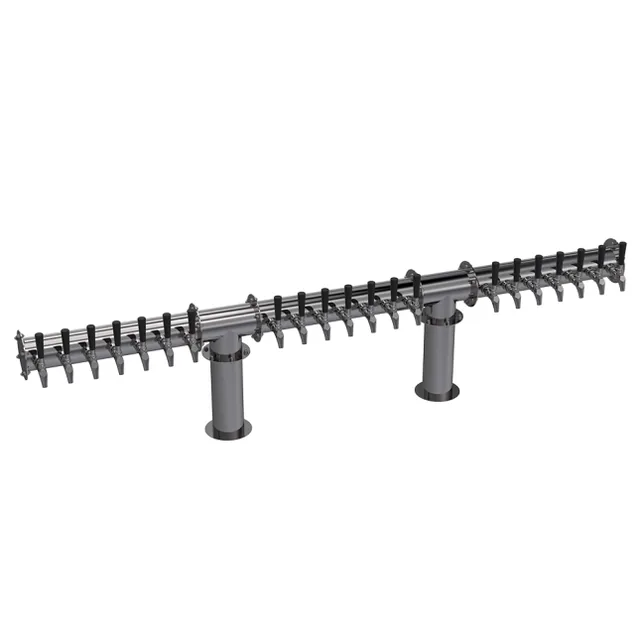
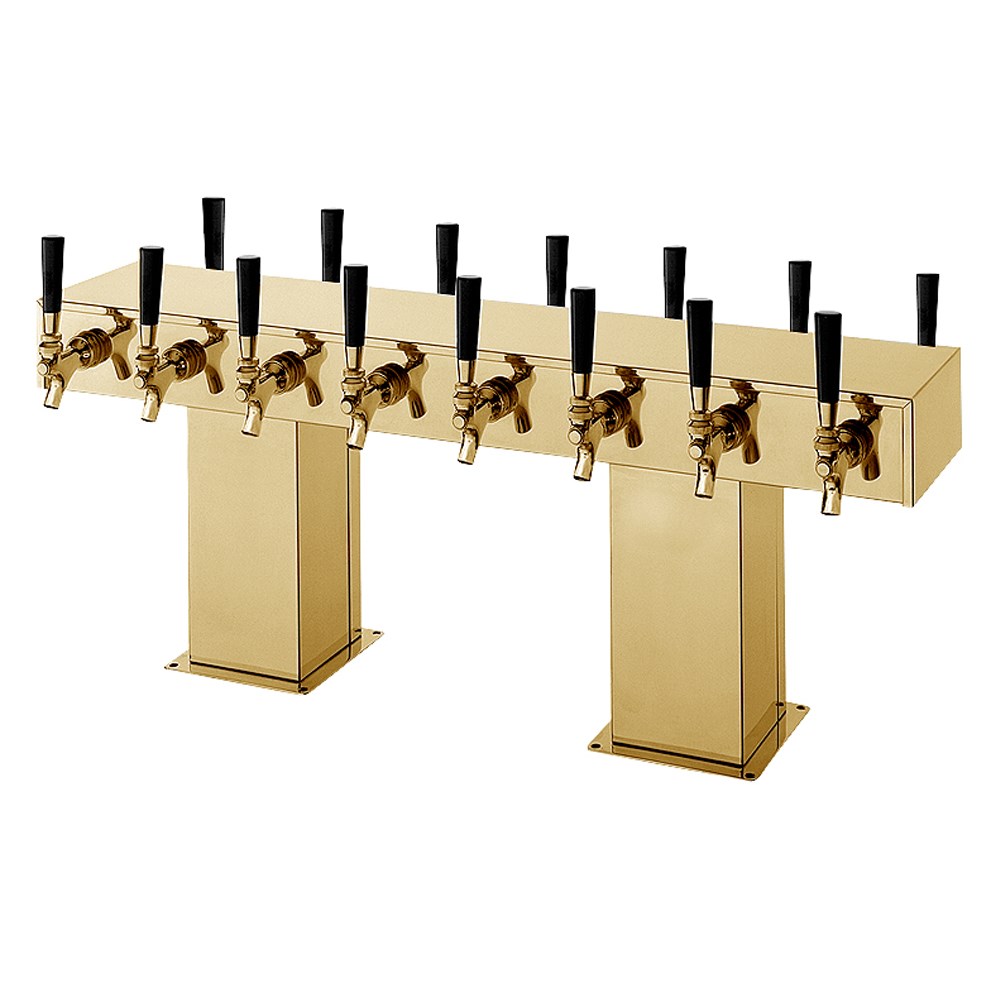
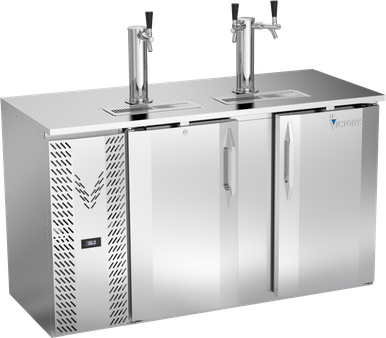
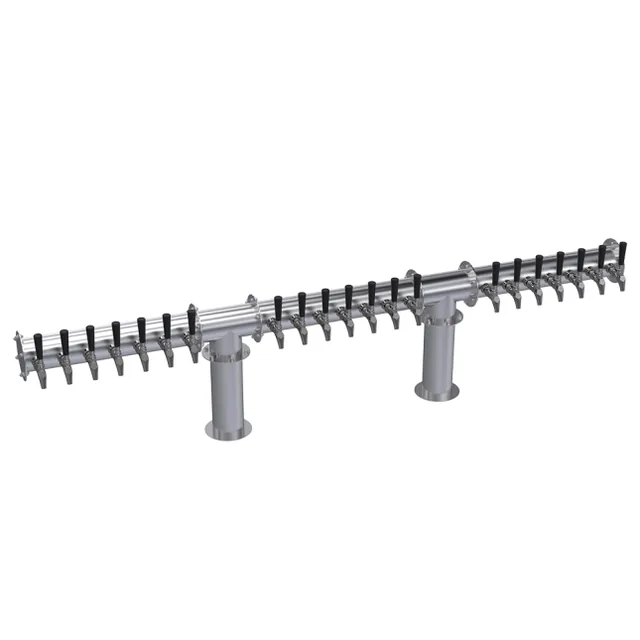
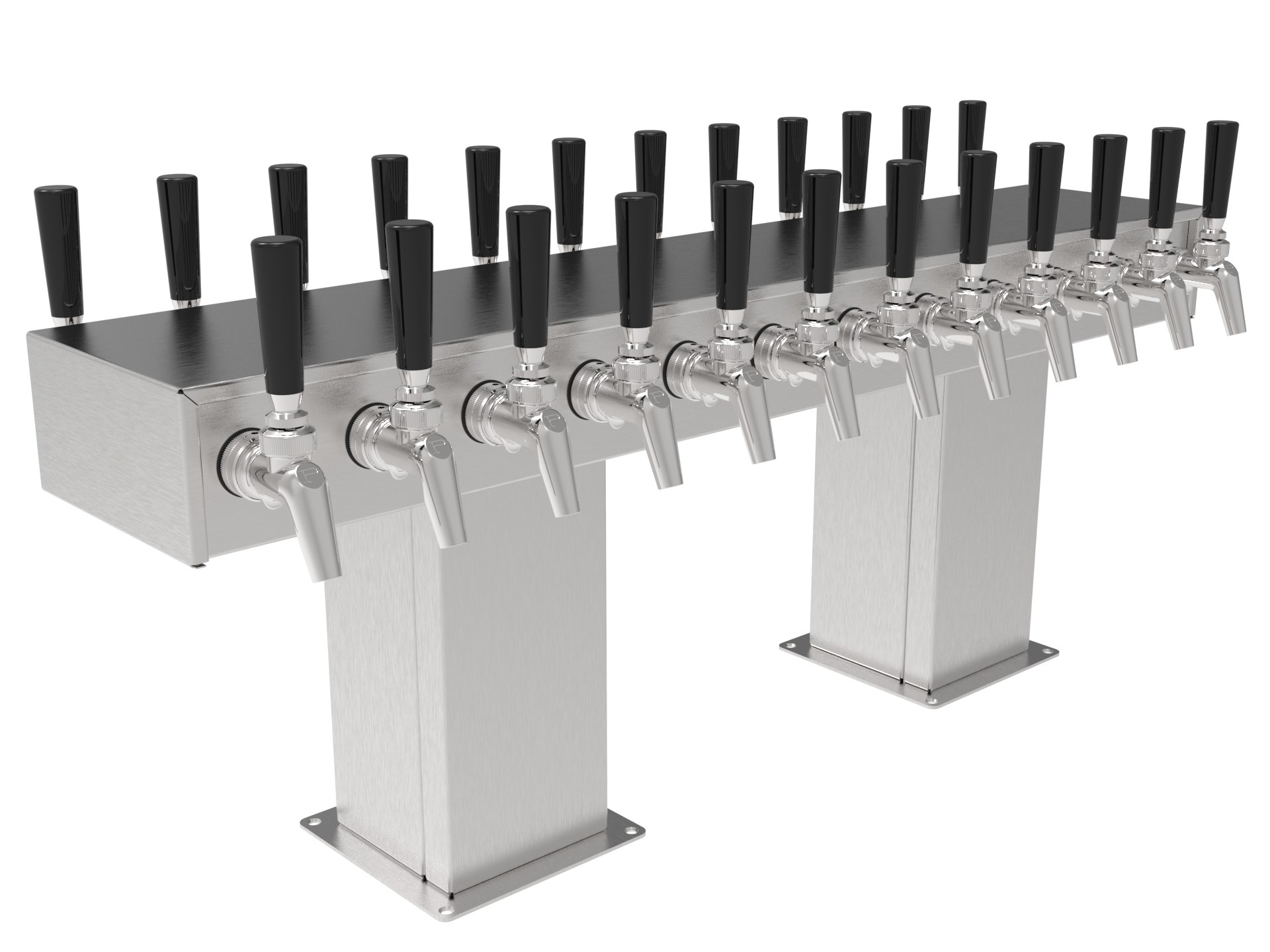

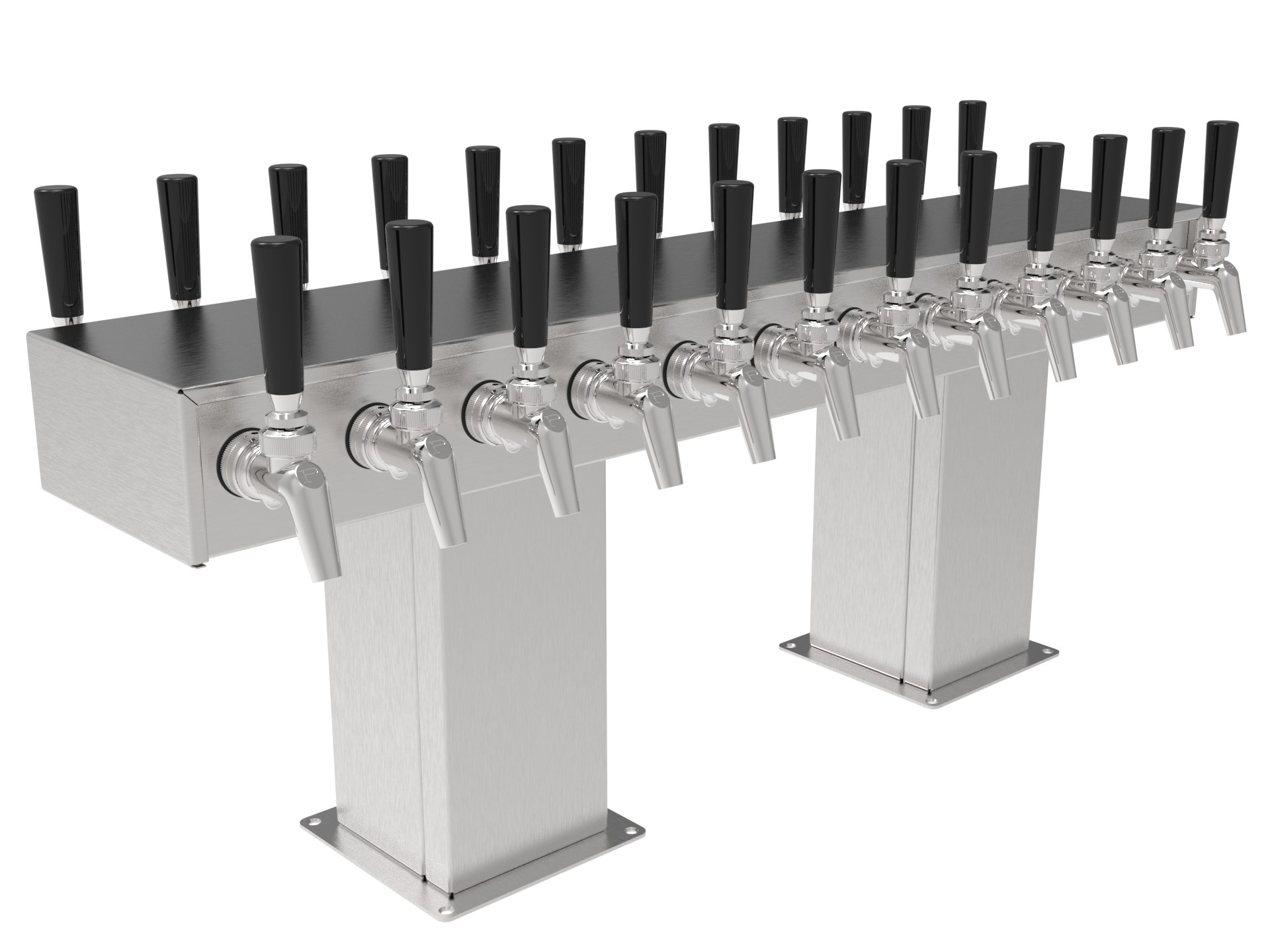

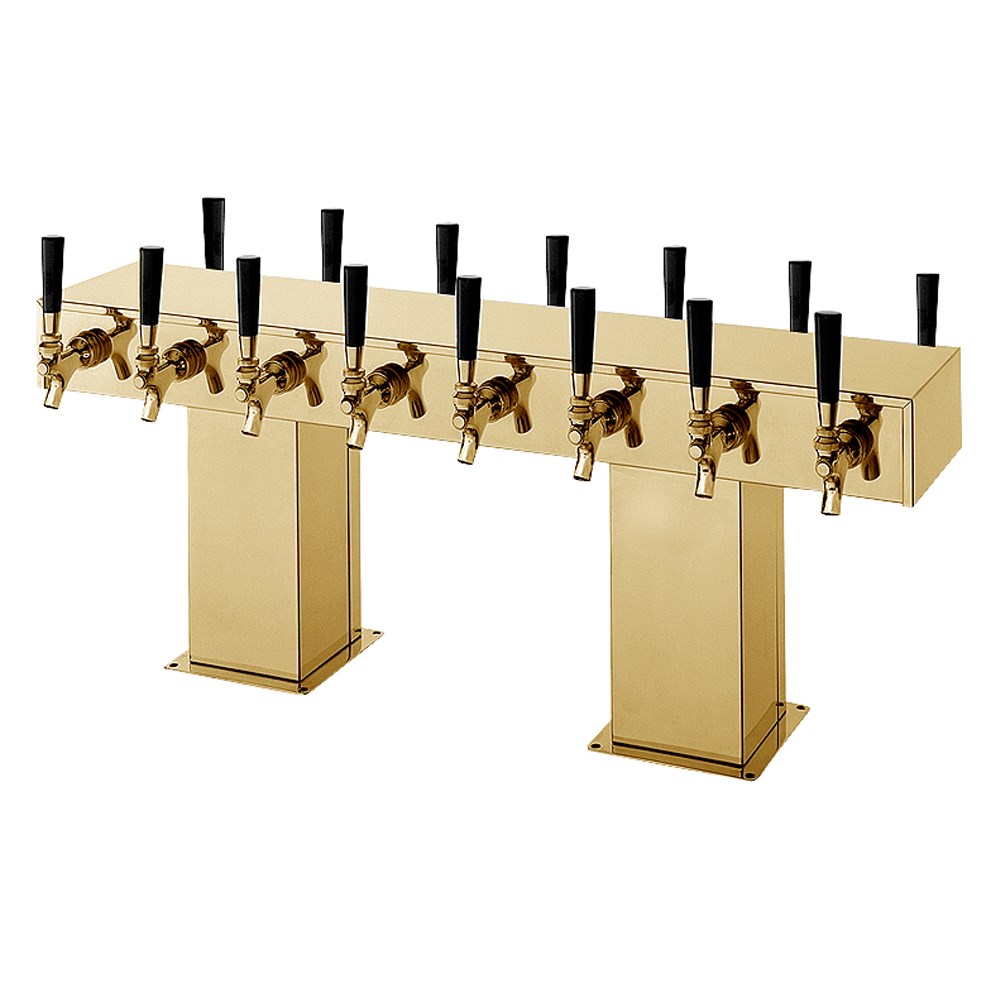

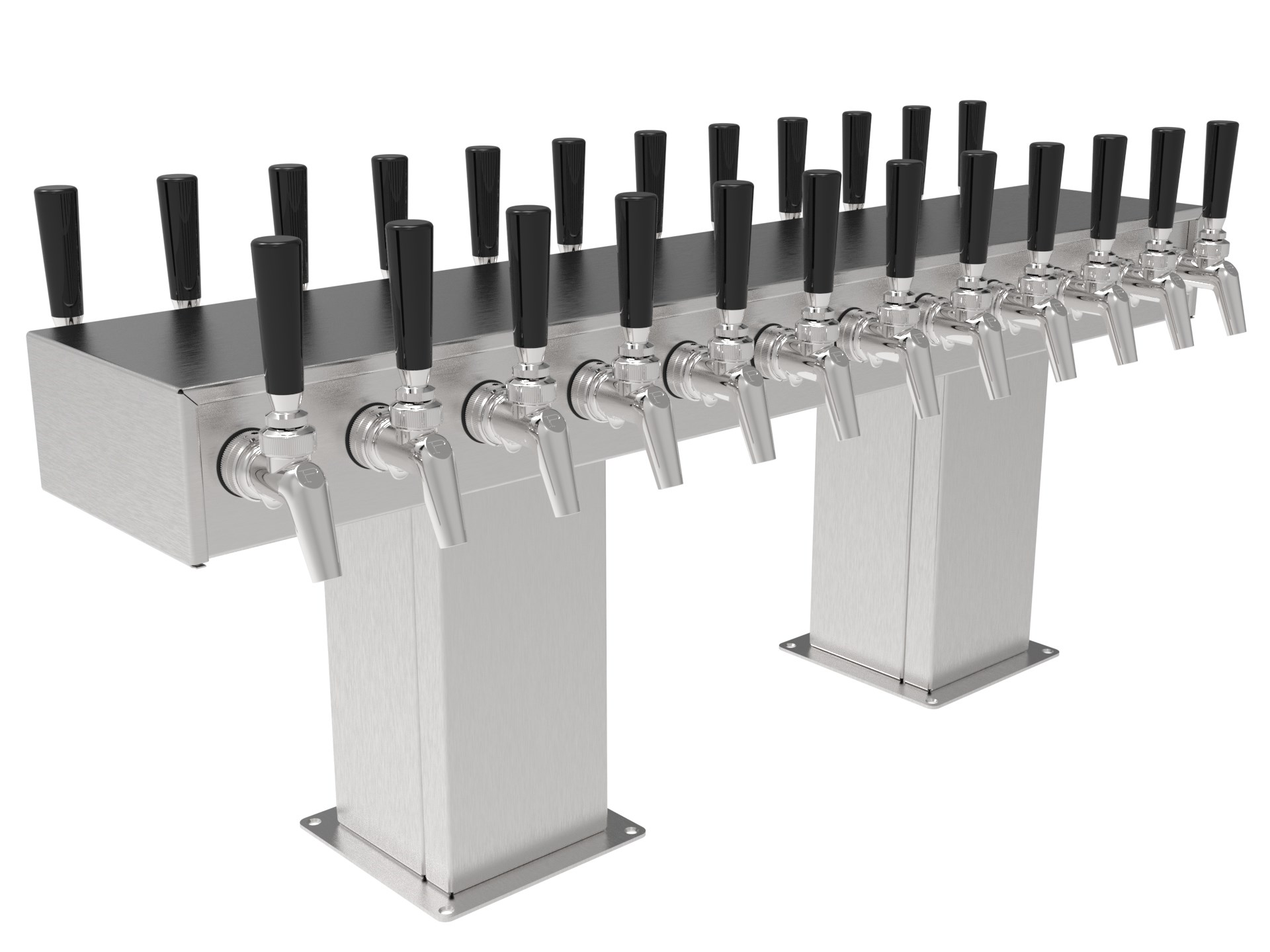

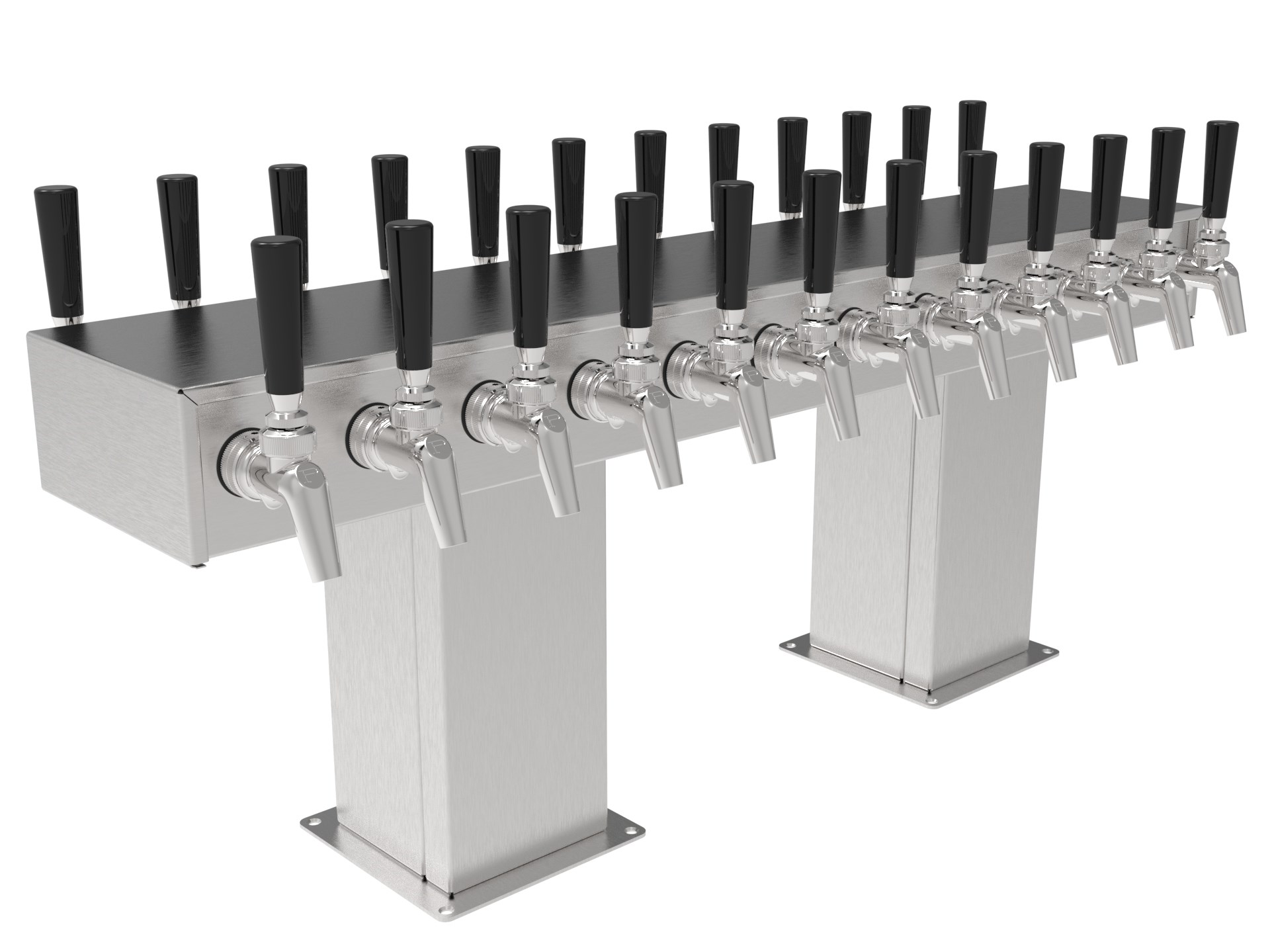

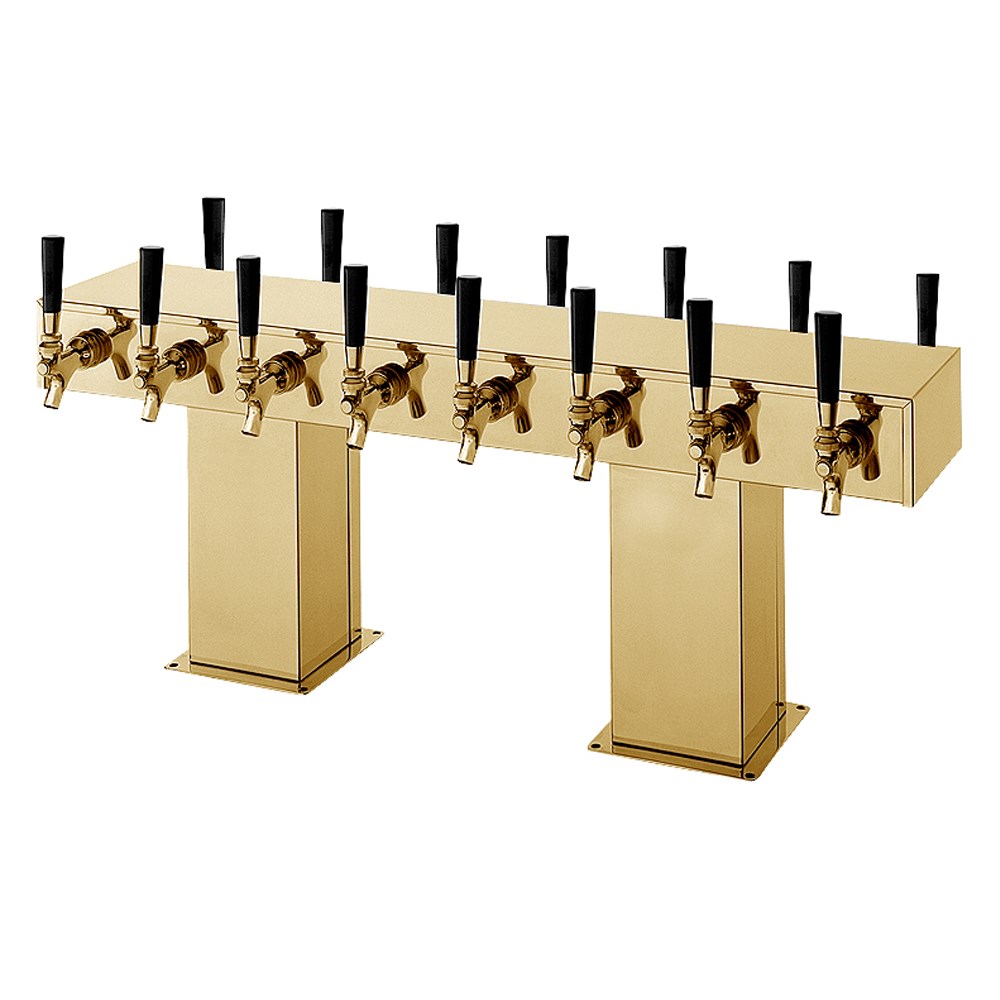

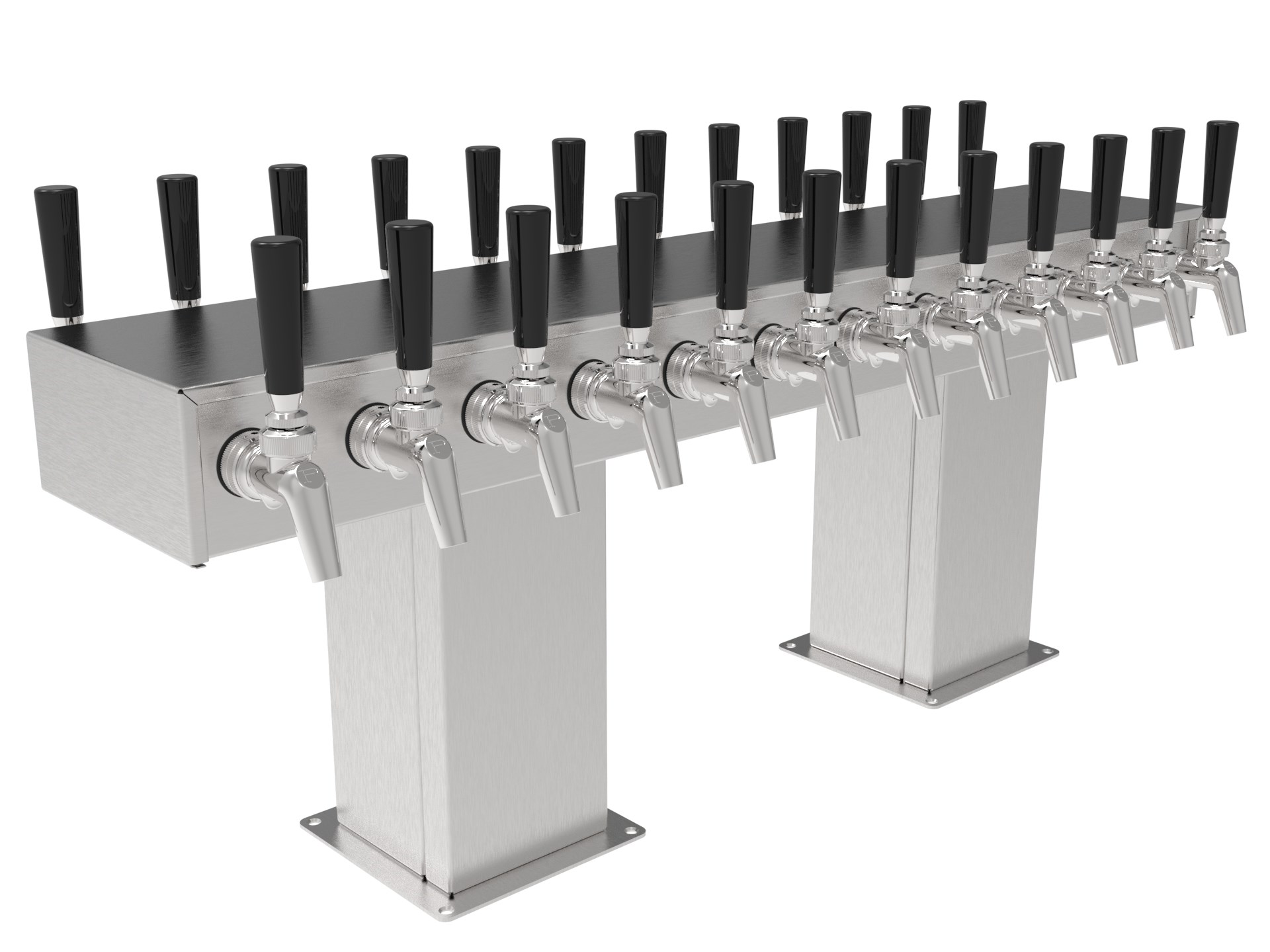

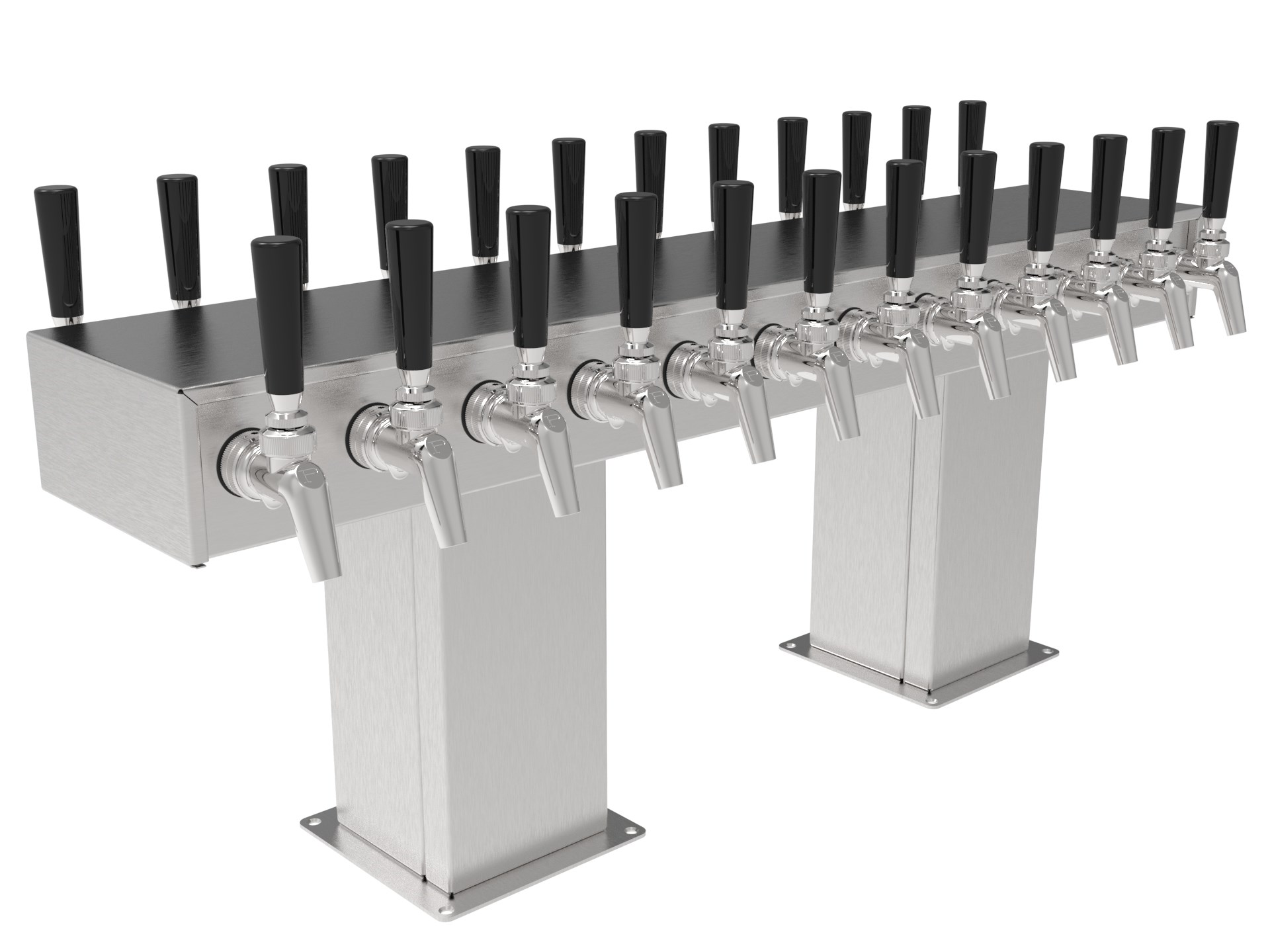

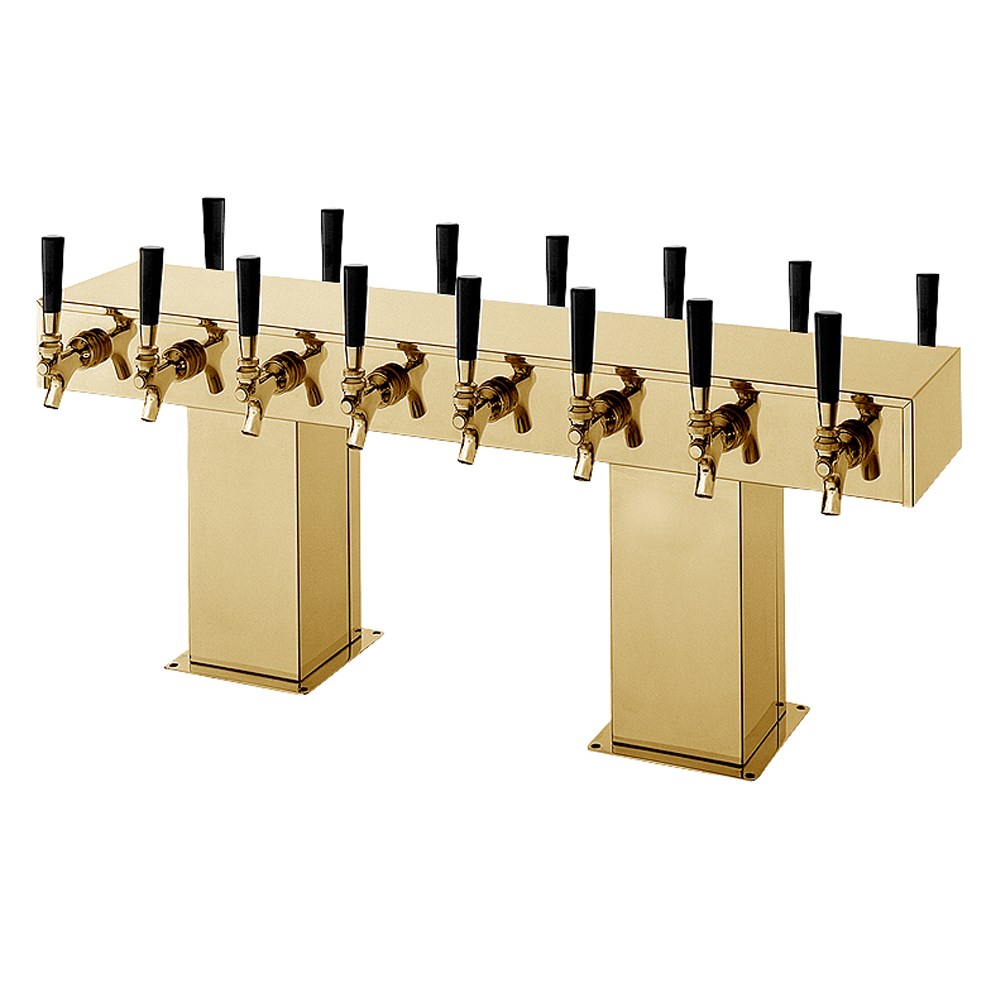

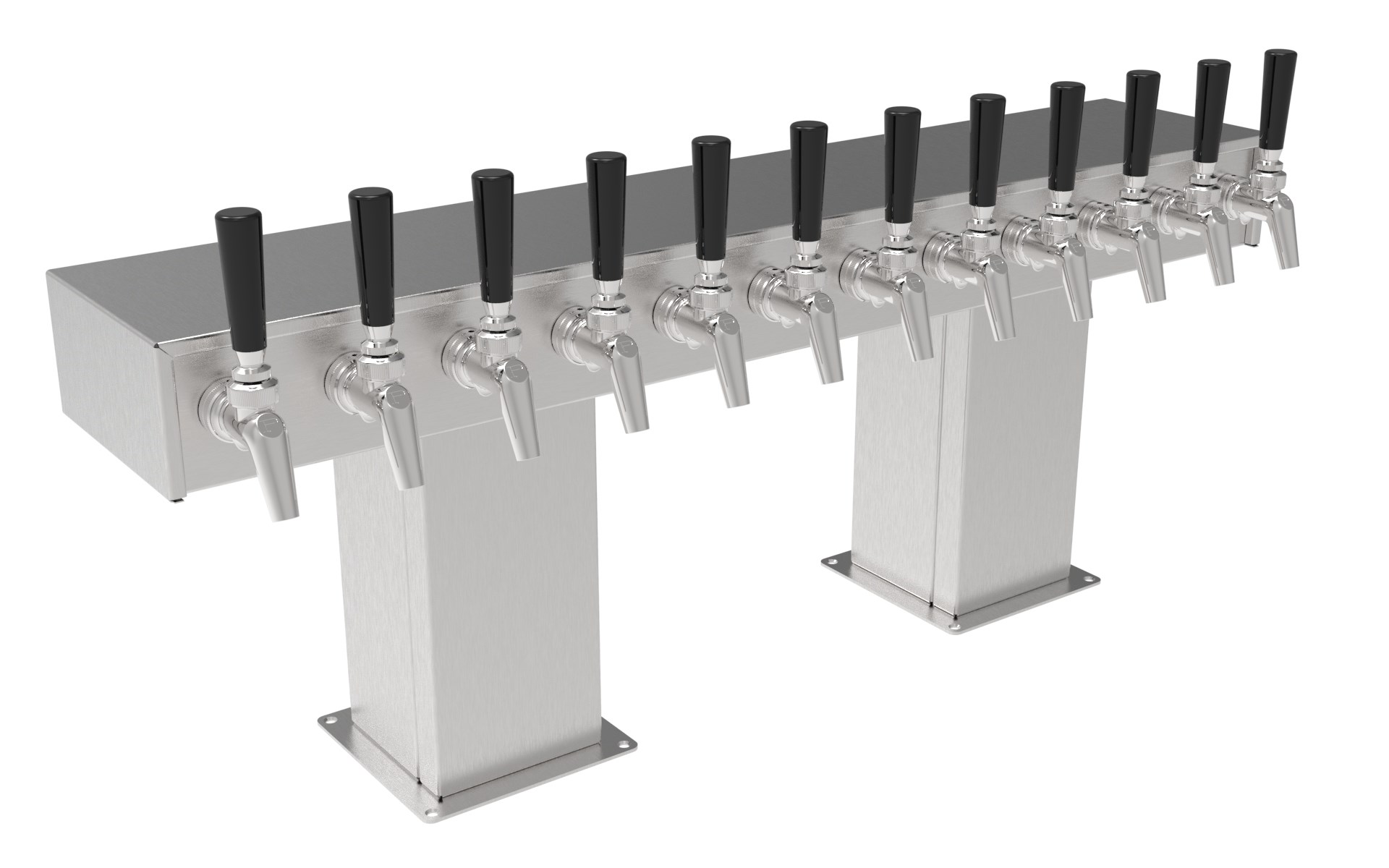

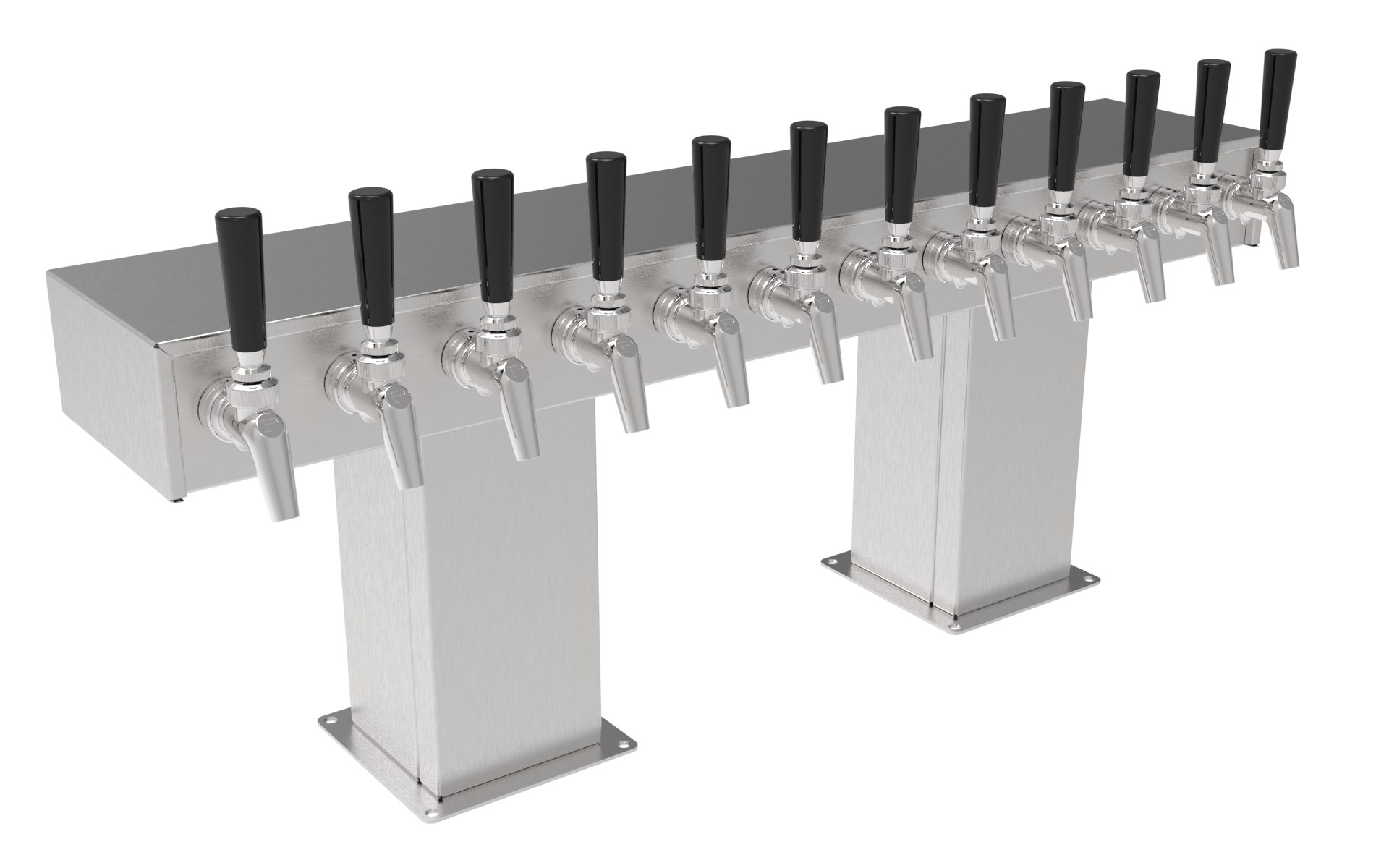

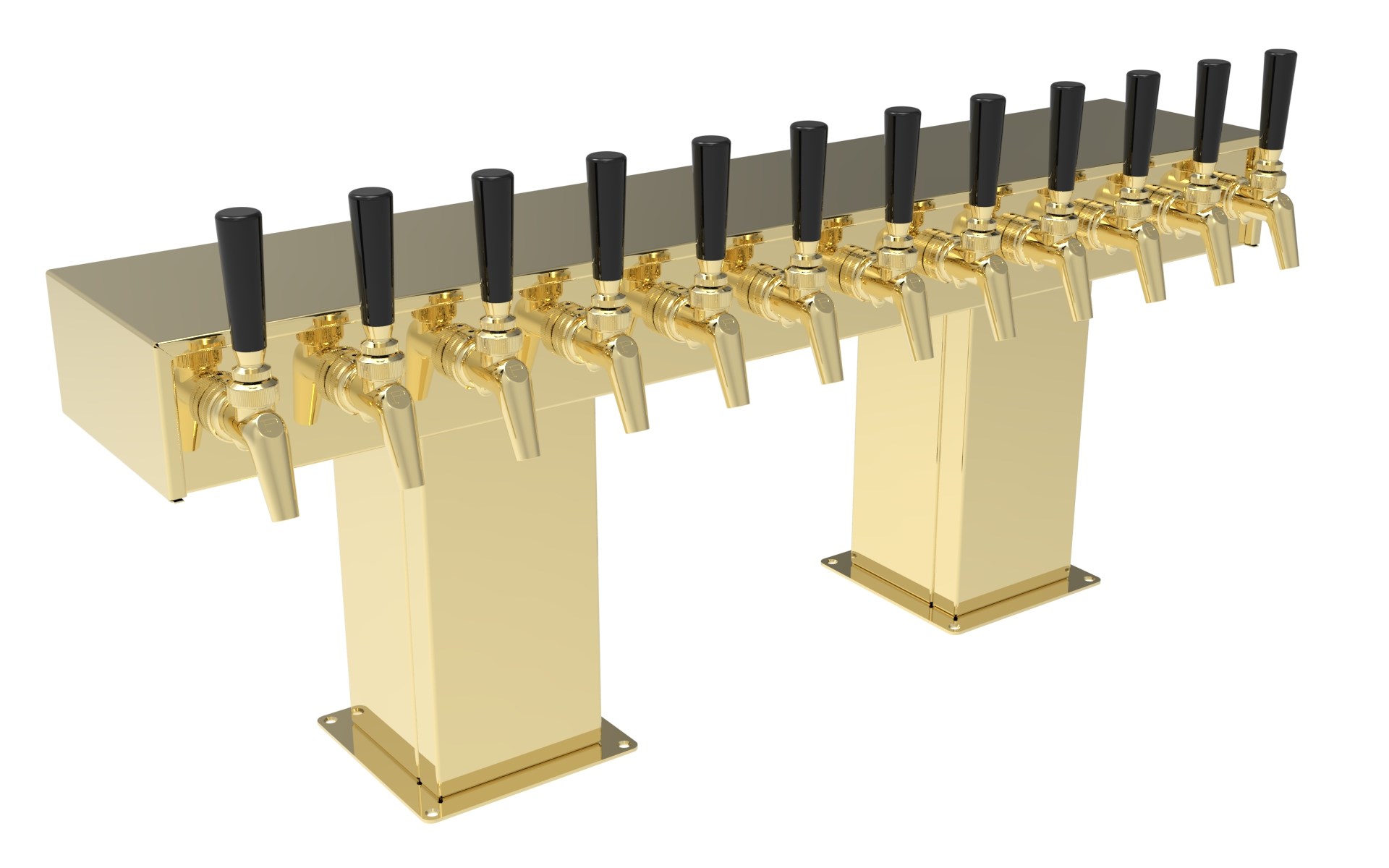

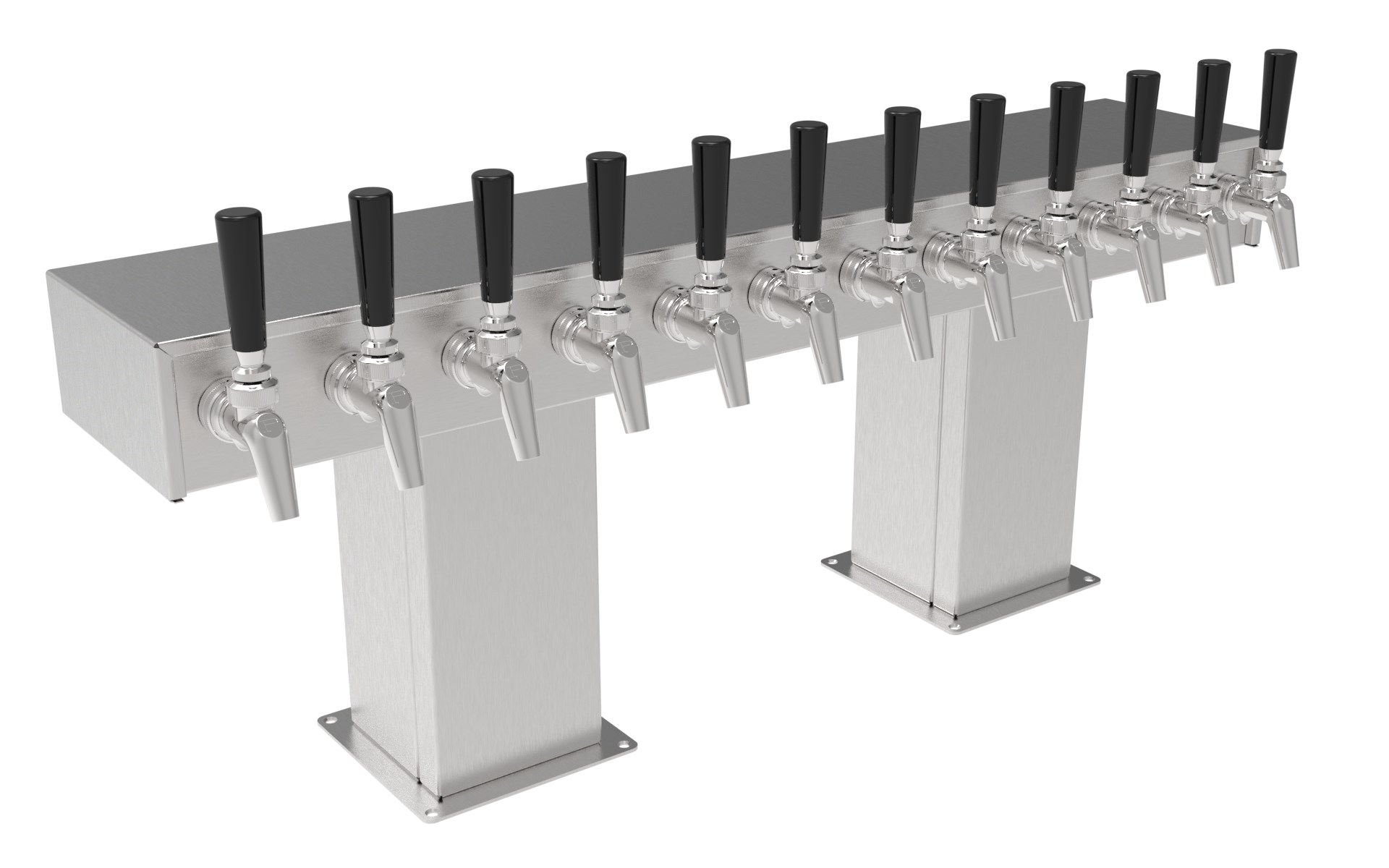

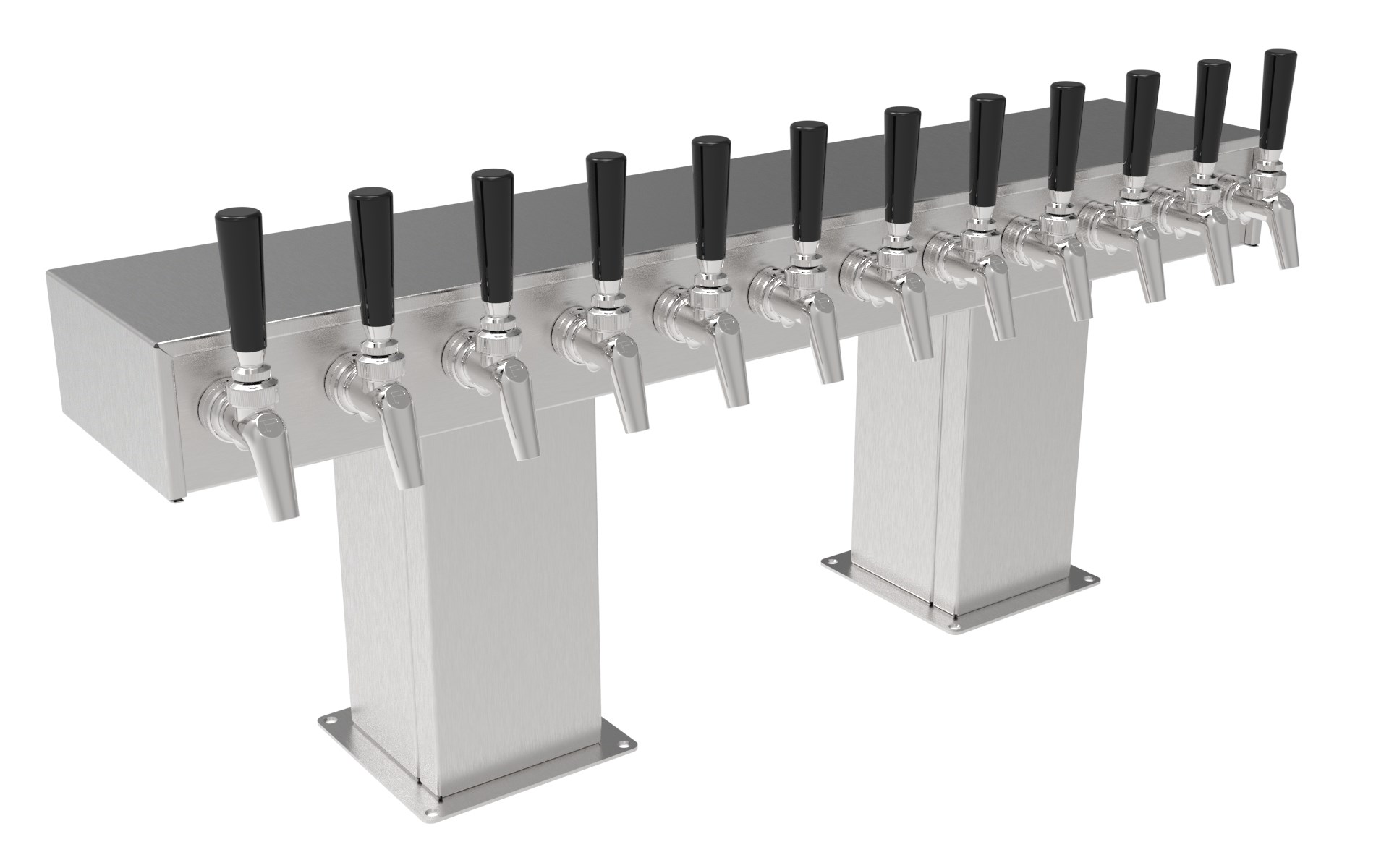

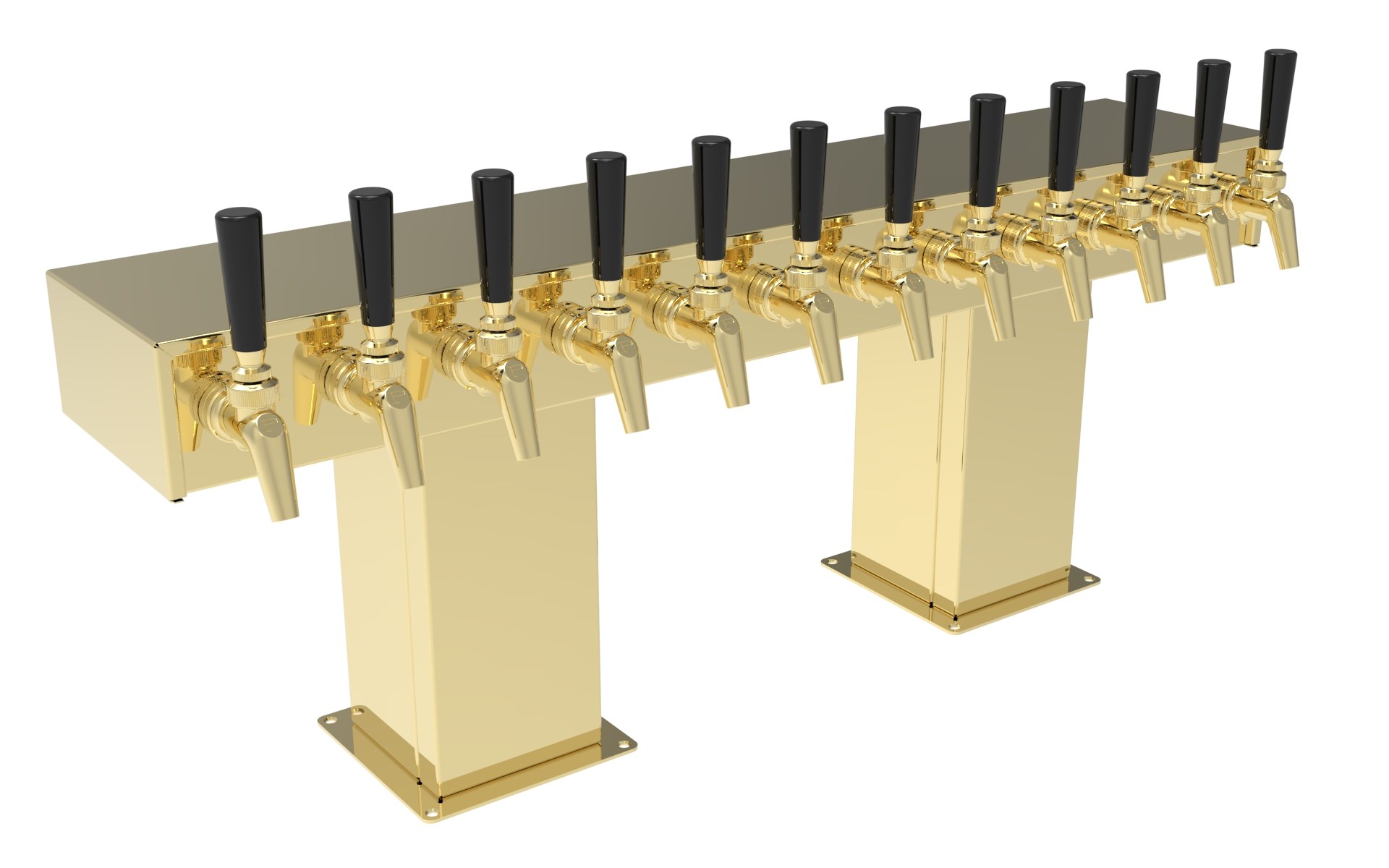
Beer Towers & Draft Dispensers: buying guide
Draft hardware is chosen by type (bar-top tower, direct-draw box, or mobile cart), faucet count, and finish, then matched to how your kegs are stored and how far the beer has to travel. Here is how to read the 539 units above.
Tower, direct-draw, or mobile
A beer tower mounts on the bar and pours from remote kegs, freeing the underbar; a direct-draw dispenser is a refrigerated box that holds the kegs right under the taps; a mobile draft cart is self-contained for events and pop-ups. Pick by where your kegs live and how much bar space you can give up.
Faucet count and draft menu
Size the faucet count to your draft list at peak service, and leave room to grow — adding faucets later means re-drilling the bar top. A focused bar runs a handful of taps; a beer-forward taproom runs sixteen or more.
Keeping the beer cold
Short runs from a box under the bar stay cold on their own; longer runs to a remote keg room need a glycol power pack to hold the line cold to the faucet and stop foaming. Every system also needs CO2 and a regular line-cleaning routine.
| Choice | Best use | Consideration |
|---|---|---|
| Beer tower | Kegs stored remotely | Frees the underbar; often needs glycol |
| Direct-draw dispenser | Kegs under the taps | Simplest setup; limited to kegs that fit |
| Mobile draft cart | Events & pop-ups | Self-contained, rolls where you need it |
| Cocktail keg | Batched cocktails on draft | Serves pre-batched drinks like beer |
How the brands compare
Types, faucet-count range, width range, and street-price range for the brands with the most draft units here — a starting point, not a substitute for the specific model’s spec sheet.
| Brand | Models | Types | Faucets | Width range | Street price |
|---|---|---|---|---|---|
| Perlick | 514 | Beer Dispenser / Cocktail Keg / Mobile Tap / Tower | 1–36 | 36–108″ W | — |
| Krowne | 18 | Tower | — | — | — |
Frequently asked questions
How many faucets (taps) do I need?
Match the faucet count to how many draft products you pour at peak — a neighborhood bar might run 4–8, a beer-focused taproom 16–24 or more. It's easier to buy a tower with a few spare faucets than to re-drill the bar top later, so size up if your draft list is growing.
Beer tower vs direct-draw dispenser?
A beer tower mounts on the bar and pulls beer from kegs stored elsewhere (a walk-in or a glycol-chilled remote system), which frees the space under the bar; a direct-draw dispenser stores the kegs in a refrigerated box directly under the taps, which is simpler and cheaper but limits you to the kegs that fit inside. Long draw runs need a glycol system to keep beer cold to the faucet.
What finish should I choose?
Polished stainless is the durable, neutral default and the easiest to keep clean; chrome and tarnish-free brass are style choices for a particular bar look. All pour the same — pick the finish that matches your bar's design and your cleaning routine.
Do I need a glycol system with a tower?
If the kegs sit more than a few feet from the faucets (a remote walk-in, a basement, or a long bar run), yes — a glycol power pack circulates chilled glycol alongside the beer line to hold it cold all the way to the tap, preventing foaming. Short direct-draw runs from a box under the bar don't need one.
What about CO2 and cleaning?
Every draft system needs a CO2 (or mixed-gas) supply to push the beer and a regular line-cleaning schedule — most guidance calls for cleaning beer lines about every two weeks to prevent off-flavors and blockages. Budget for the gas, the regulators, and the cleaning kit alongside the tower itself.
About this data
Last verified: August 2026. Specs are compiled from manufacturer spec sheets and authorized dealer listings; where a value isn't published we leave it blank rather than guess.
Methodology: every equipment model is compared on the same set of specifications, and dimensions are checked (for sinks, overall width must exceed the combined bowl widths) — figures that fail validation are corrected from the manufacturer model number or omitted. “Street price” is the lowest legitimate published price we've found and can change.
Sourcing: product specs come from the manufacturer; regulatory statements link to the source (e.g. the FDA Food Code and NSF). Code requirements vary by jurisdiction — confirm with the authority reviewing your plans.
Disclosure: FoodServiceNerd is vendor-neutral and free to use. Some “where to buy” links may be affiliate links — we may earn a commission at no cost to you, and it never changes what we list or how we rank it. We don't sell equipment ourselves.
Editorial: compiled and reviewed by the FoodServiceNerd equipment desk (about us). Spot an error? Tell us and we'll correct it.