Glycol Power Packs & Draft Refrigeration Decks
A glycol power pack (or refrigeration deck) is the compressor-and-bath unit that chills glycol and pumps it through an insulated trunk line bundled with the beer lines, keeping draft beer cold over long runs from a remote walk-in to the bar tower. Size it by horsepower (which sets how many lines and how long a run it can hold cold) and choose air-cooled (simpler) or water-cooled (better in hot mechanical rooms). It's the piece that stops a long-draw system from pouring foam.
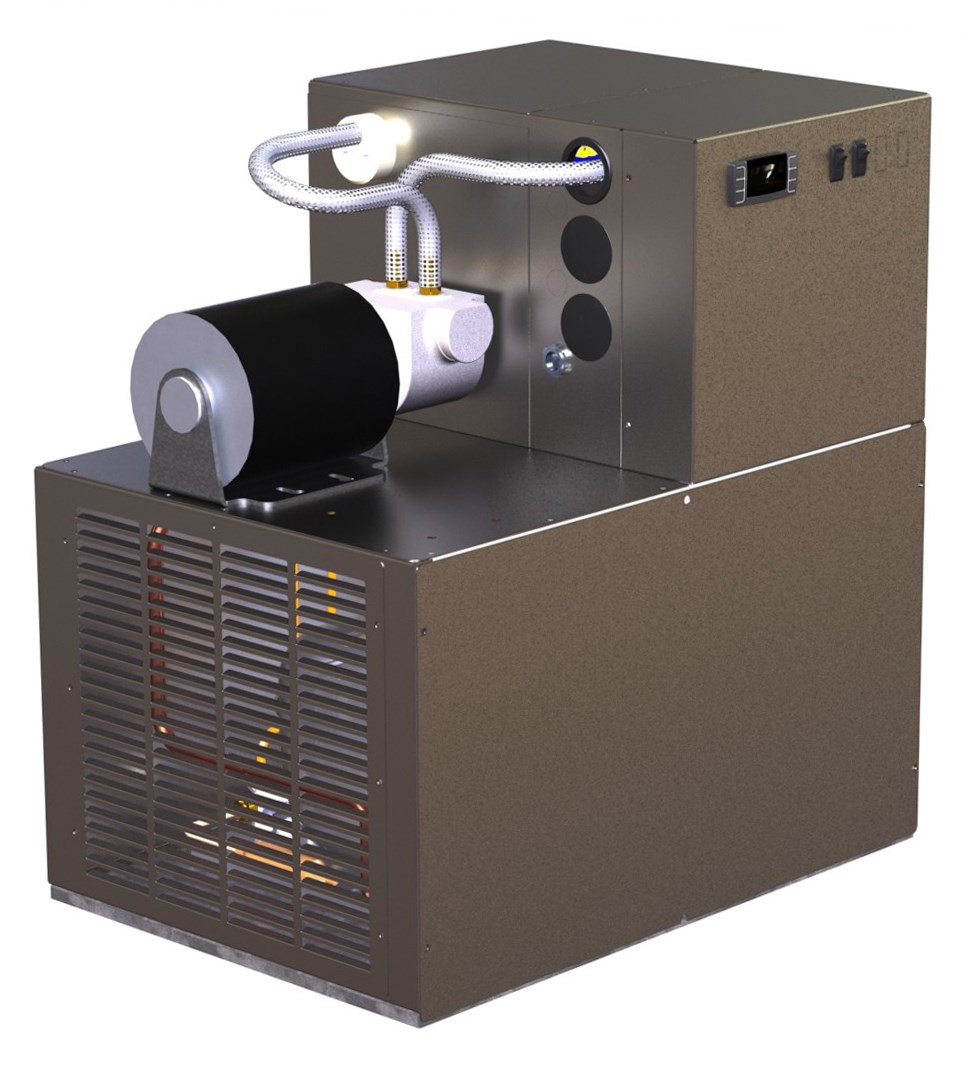
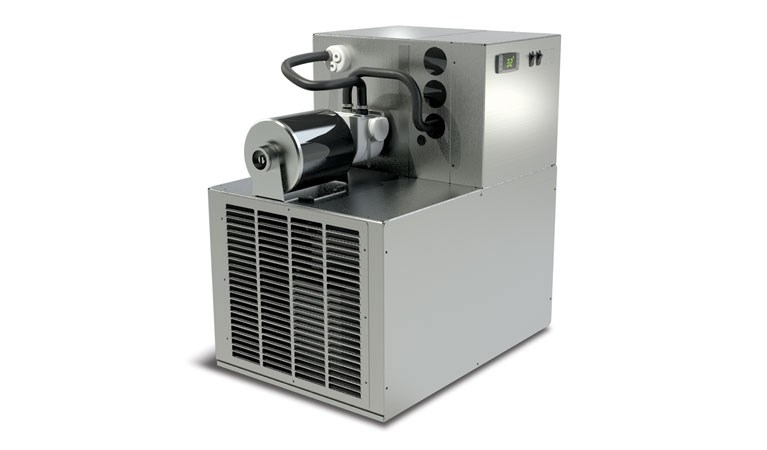
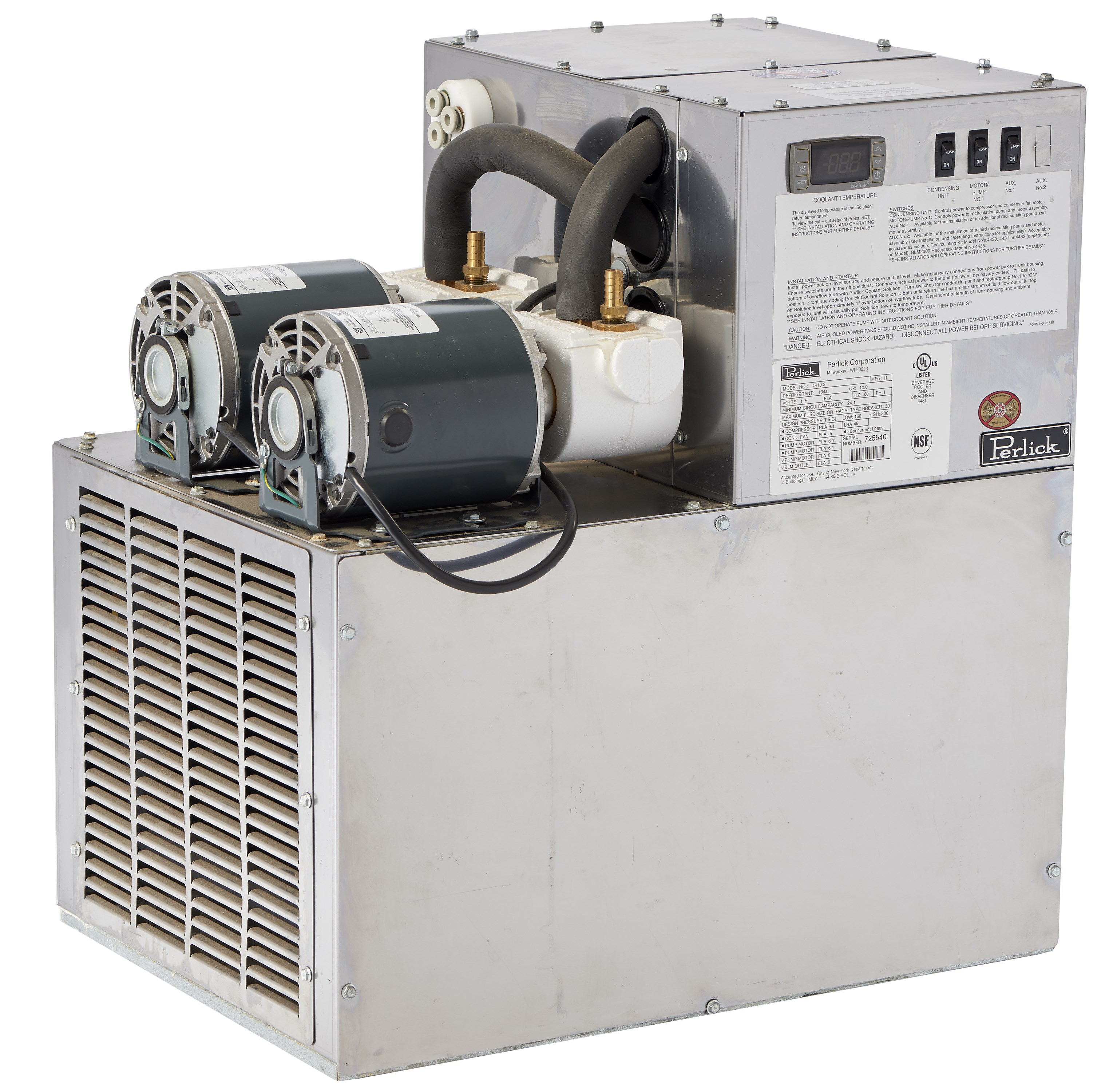
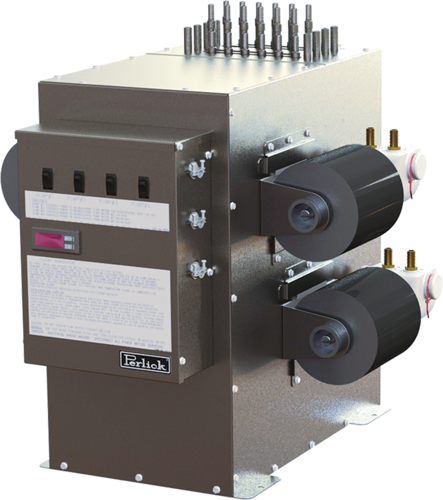
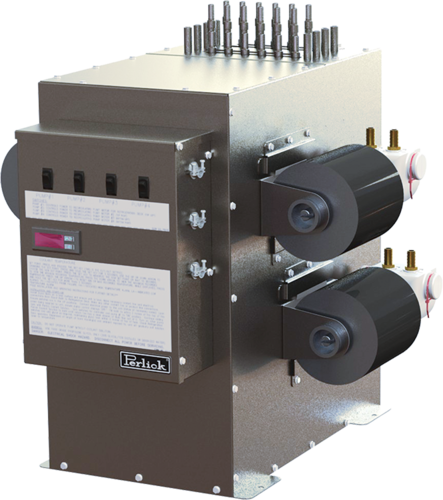
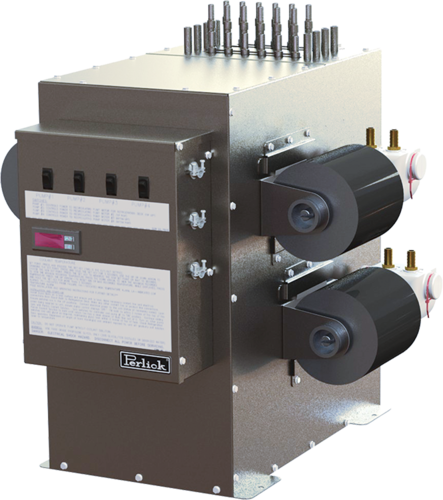
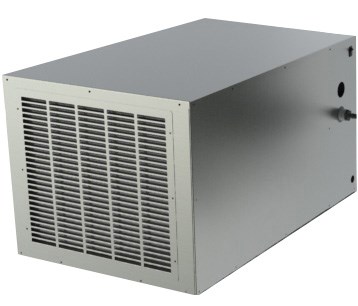
The chiller behind a long-draw draft system: a glycol power pack circulates cold glycol alongside the beer lines from a remote keg room out to the tower, holding the beer cold all the way to the faucet. Compare by horsepower and cooling type (air- or water-cooled), sized to the length of your draft run and the number of lines.
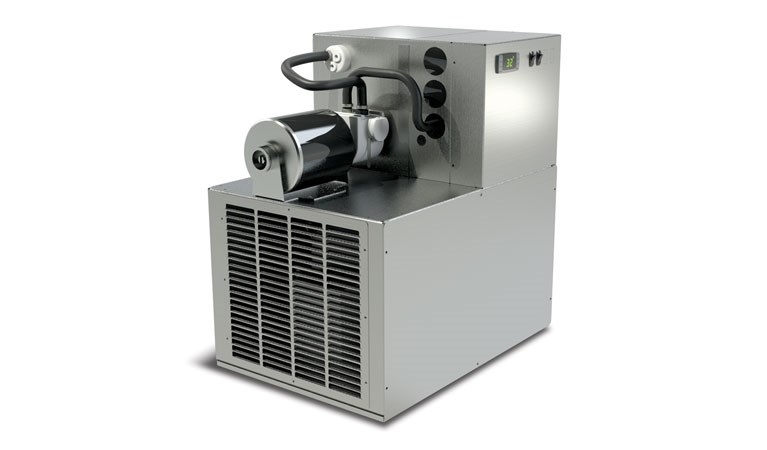
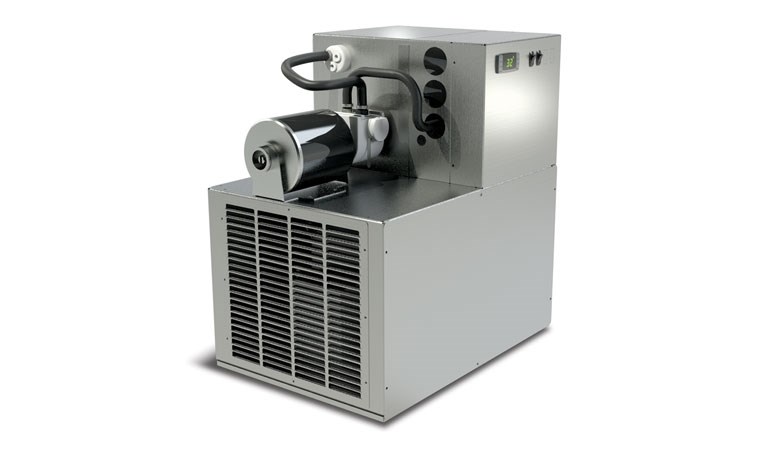
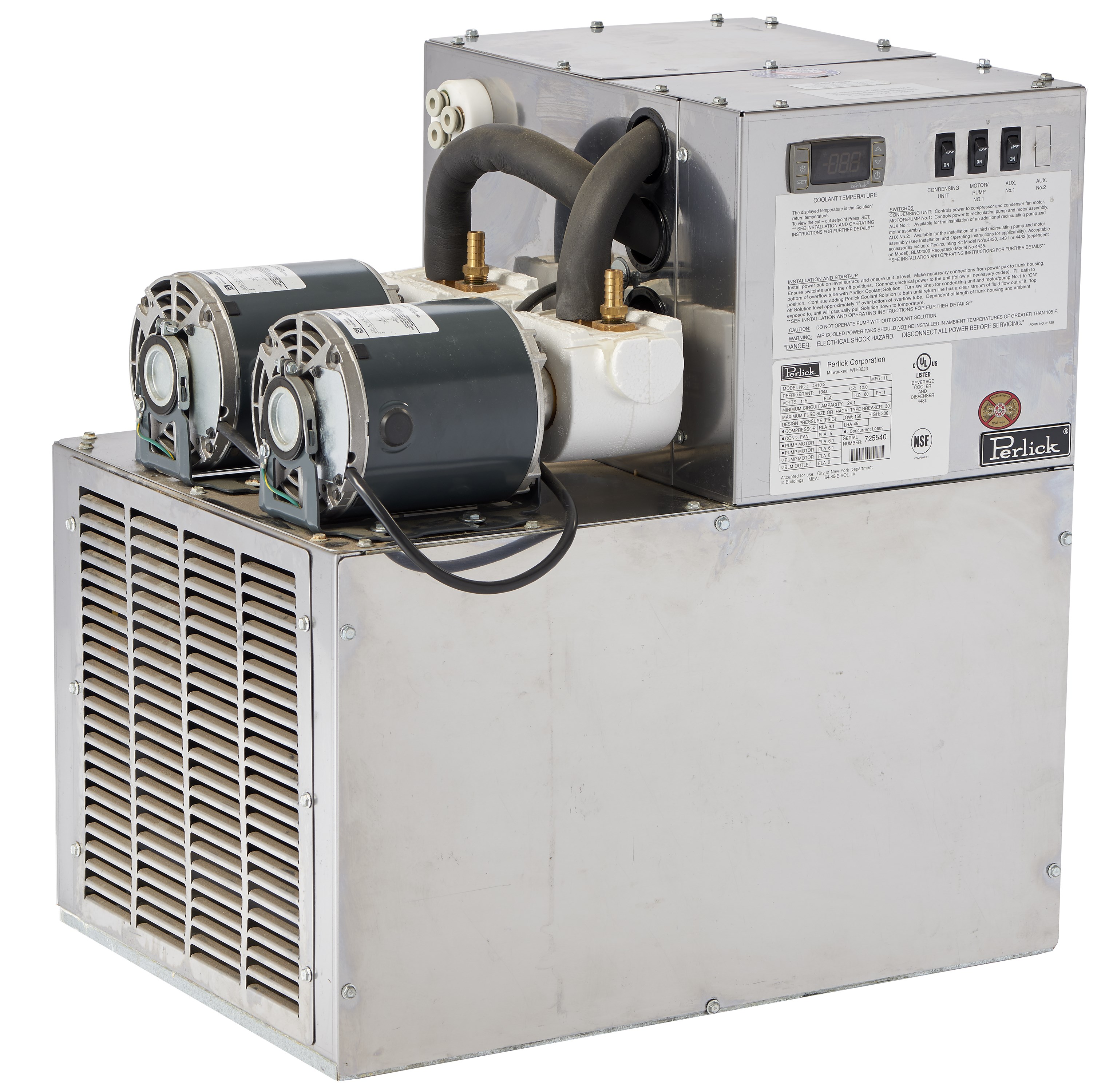
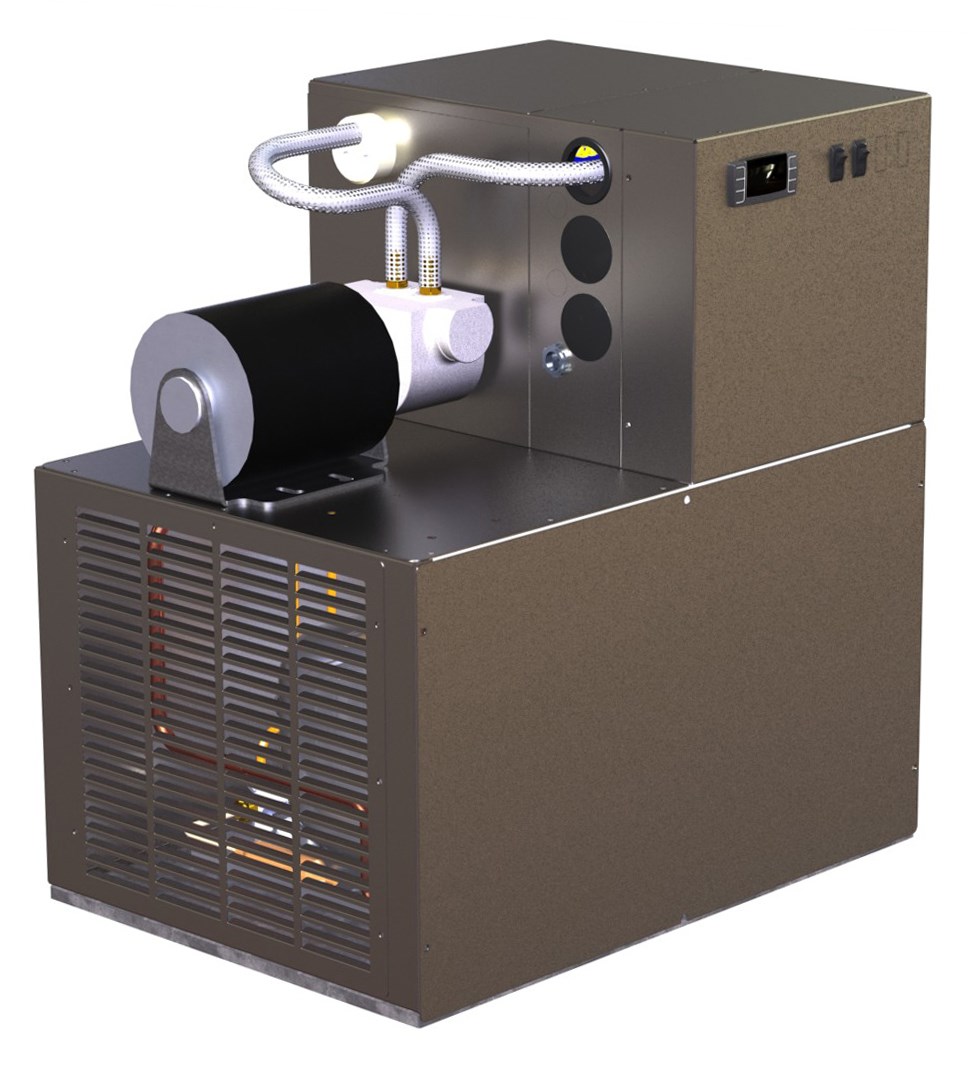
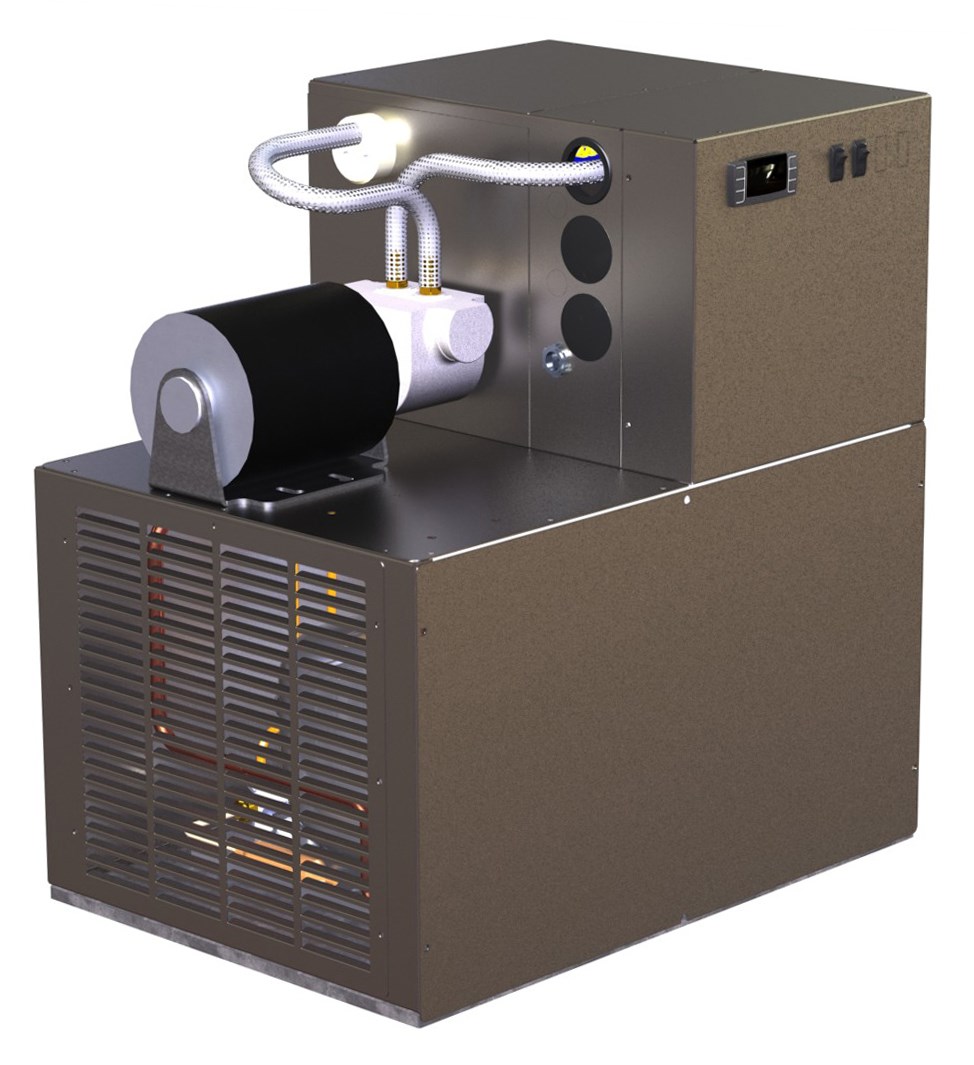
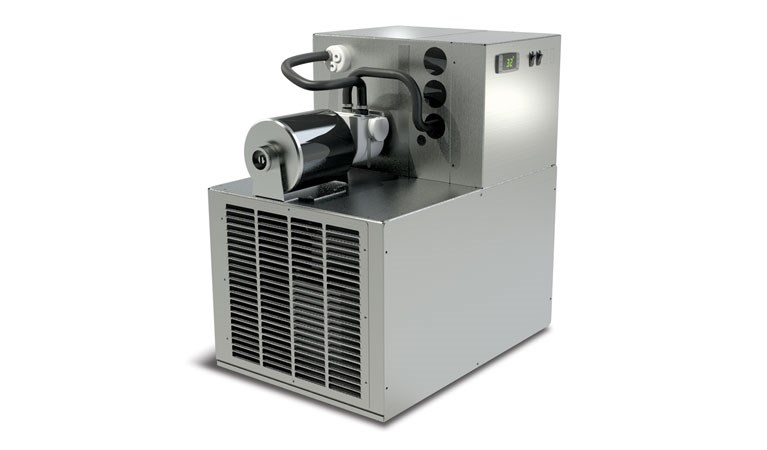
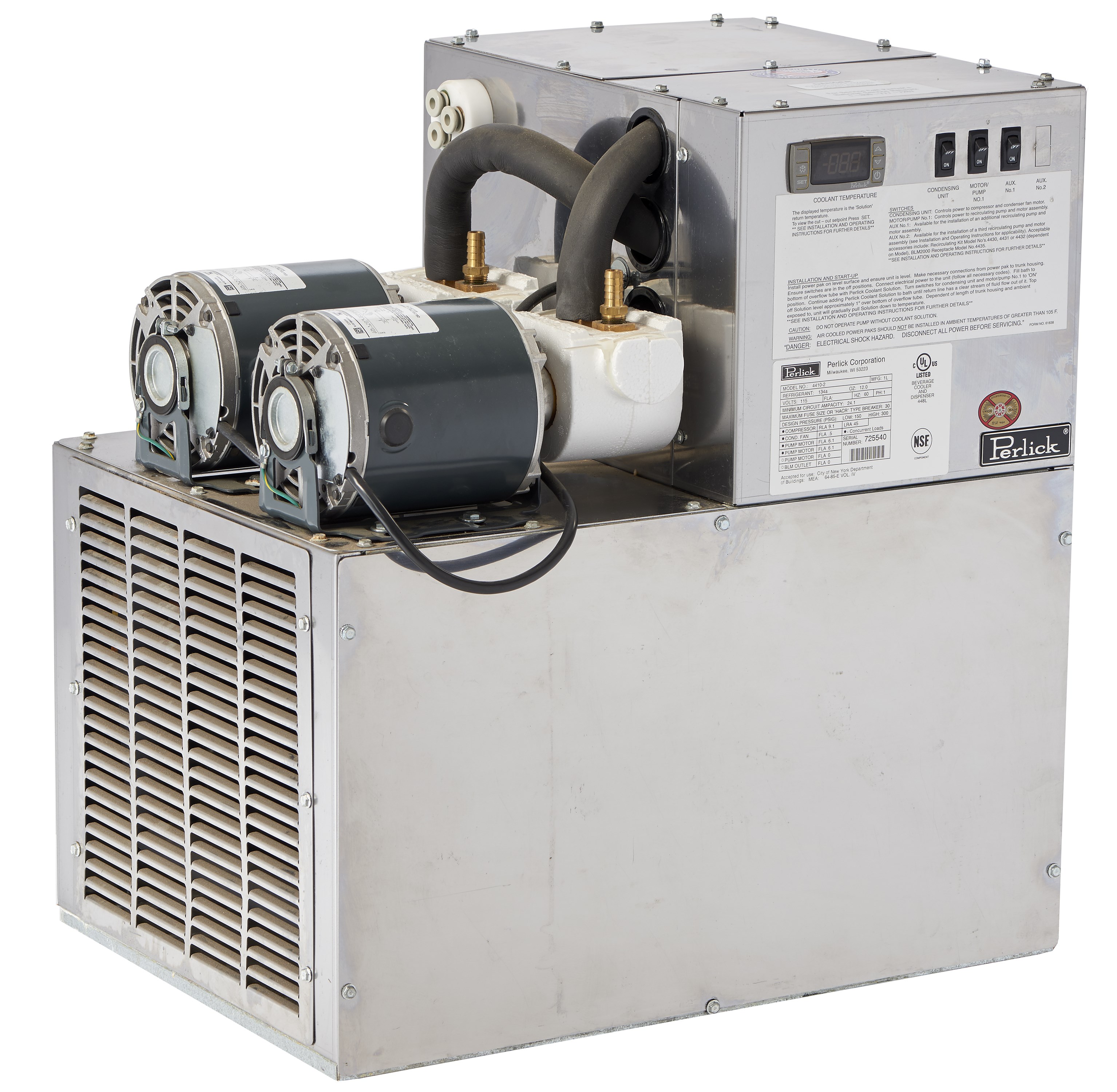
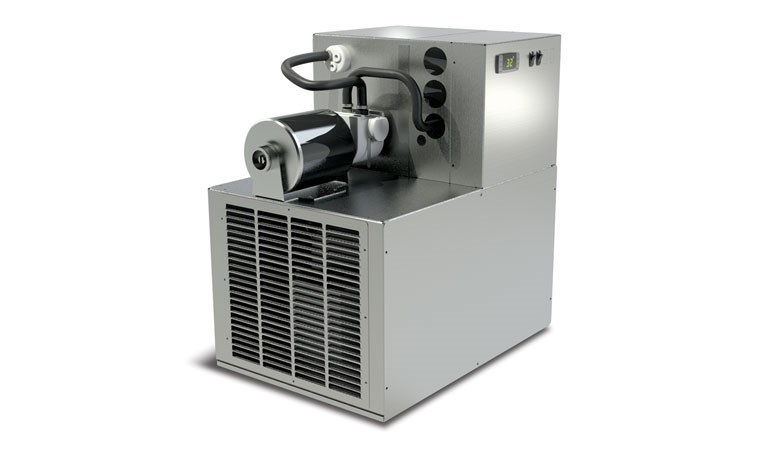
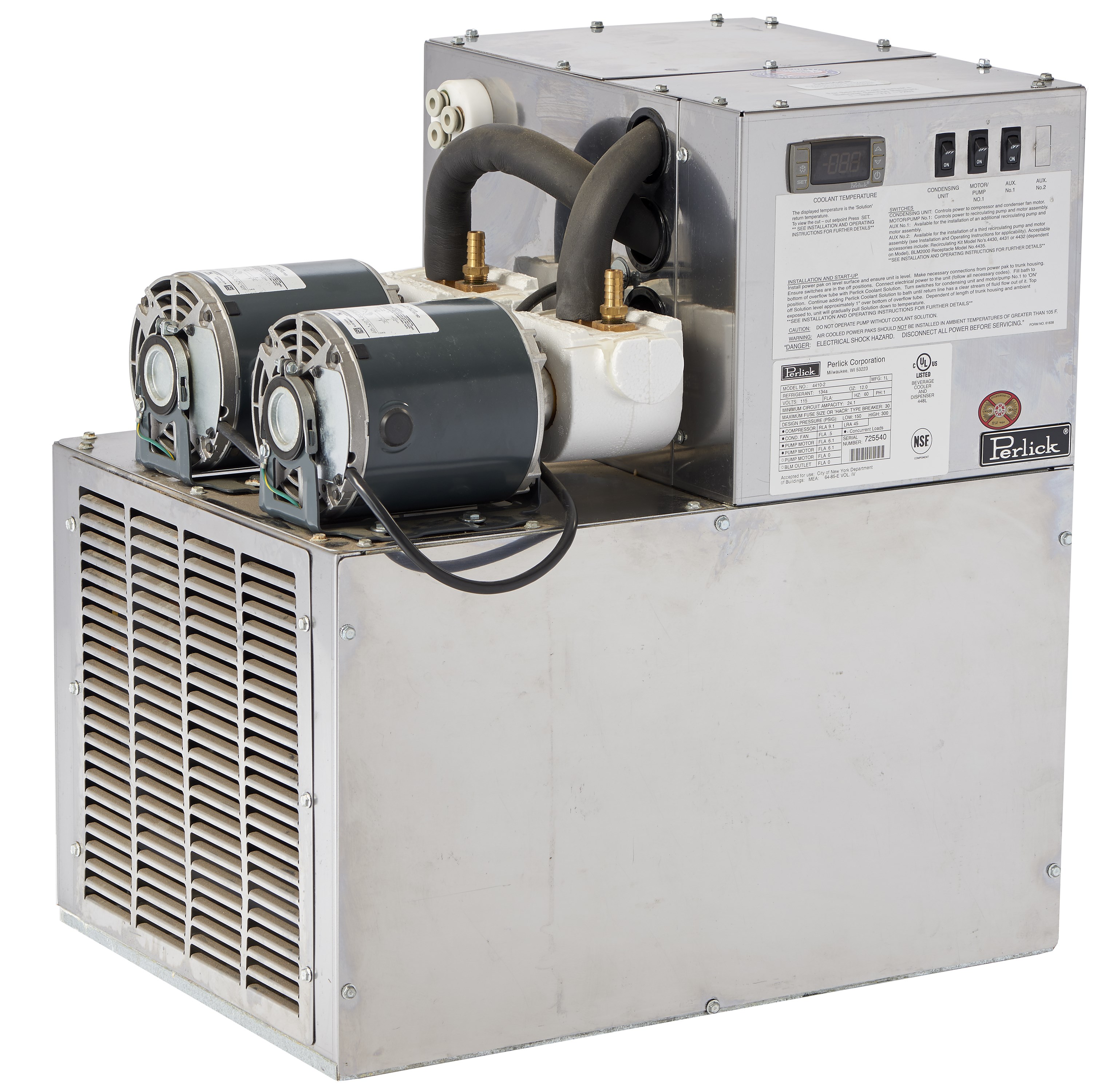
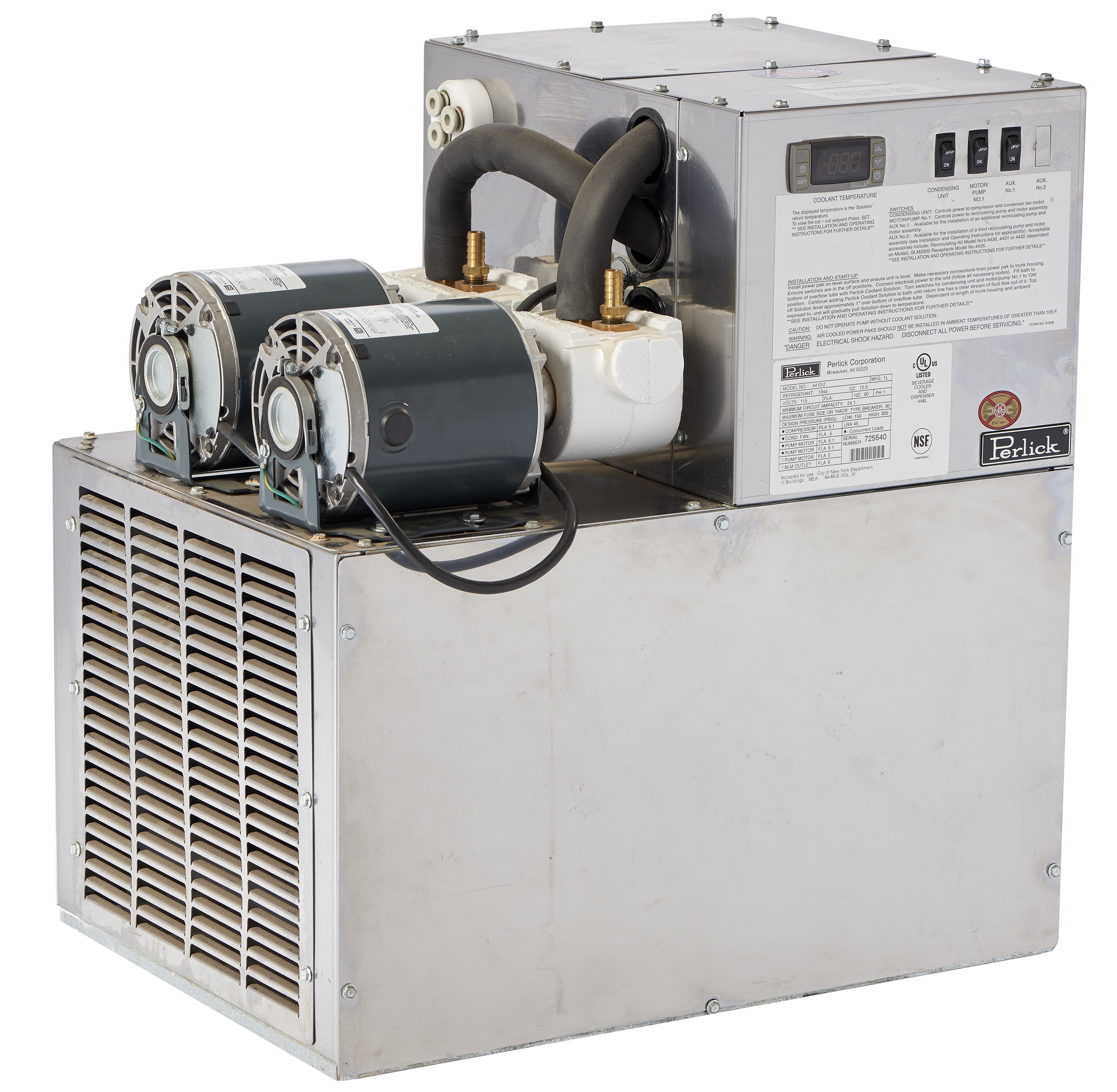
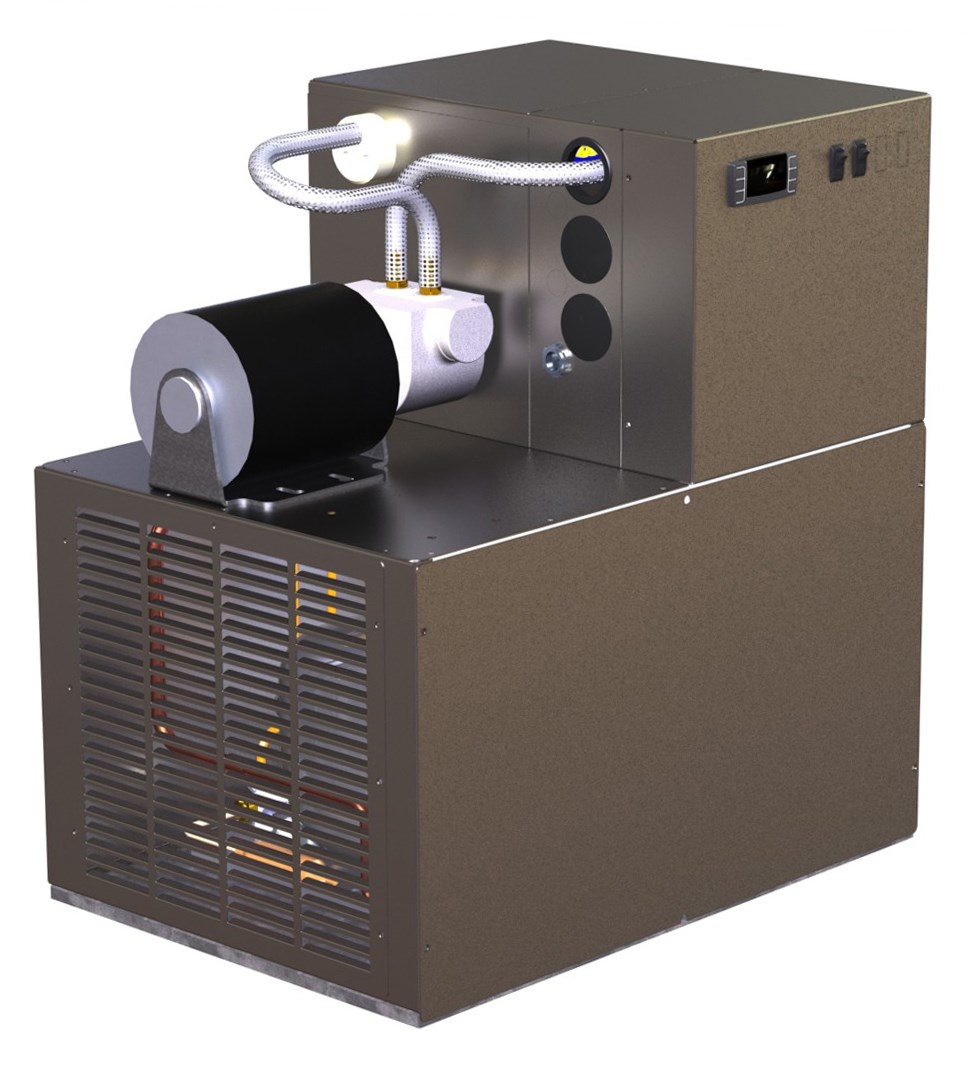
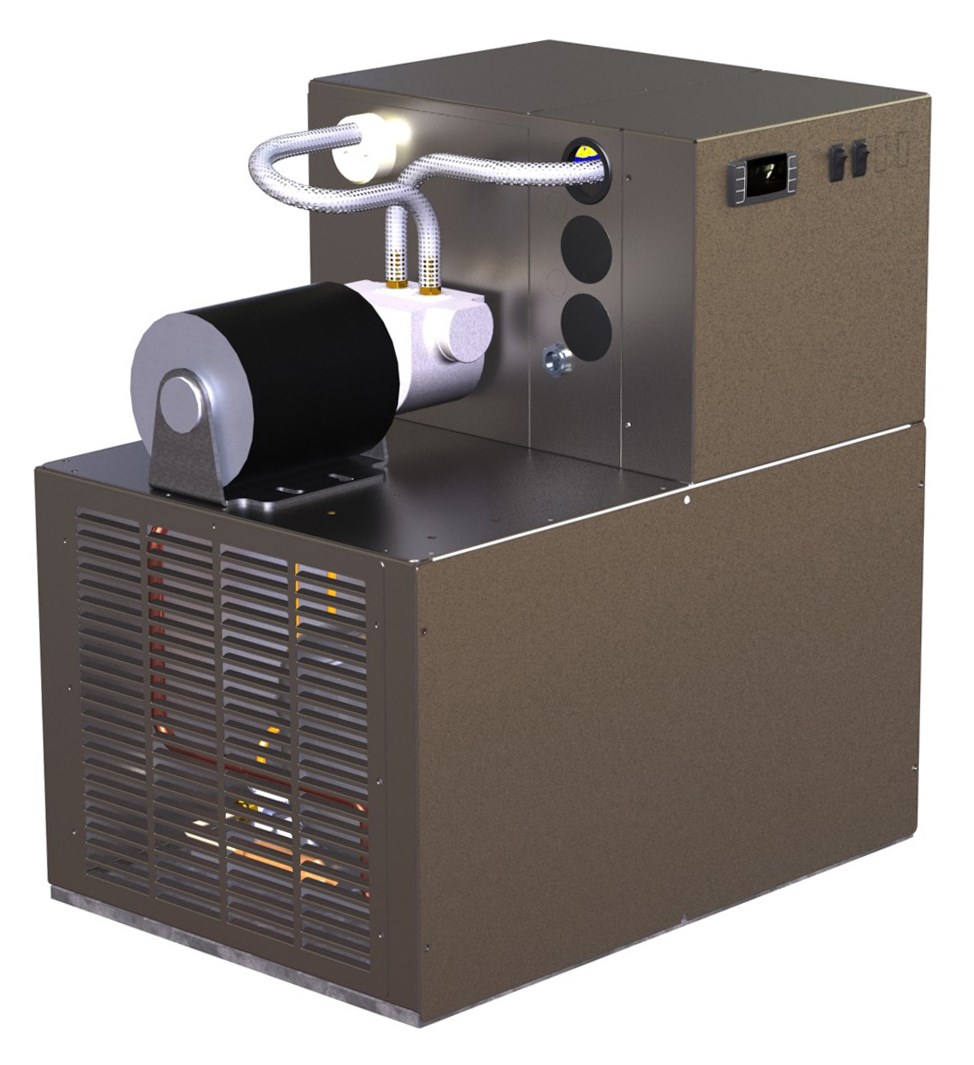
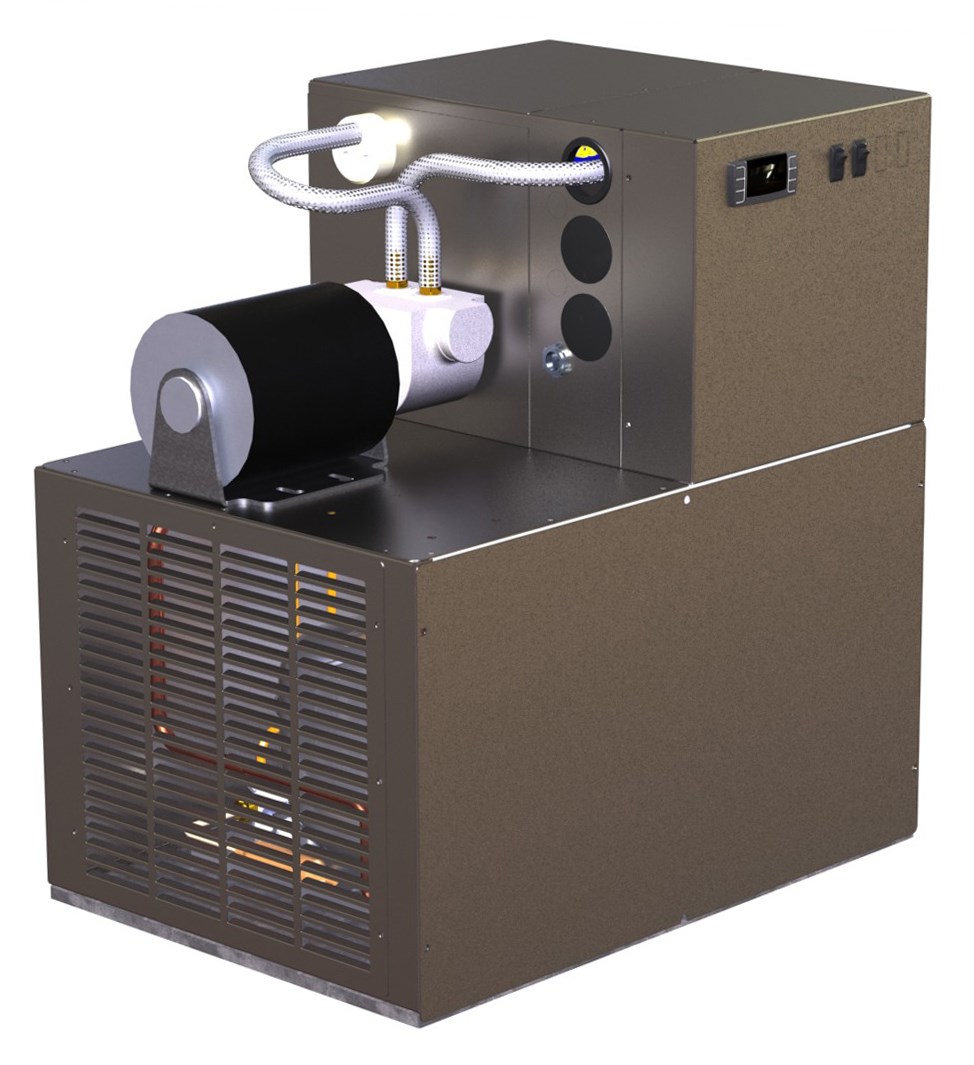
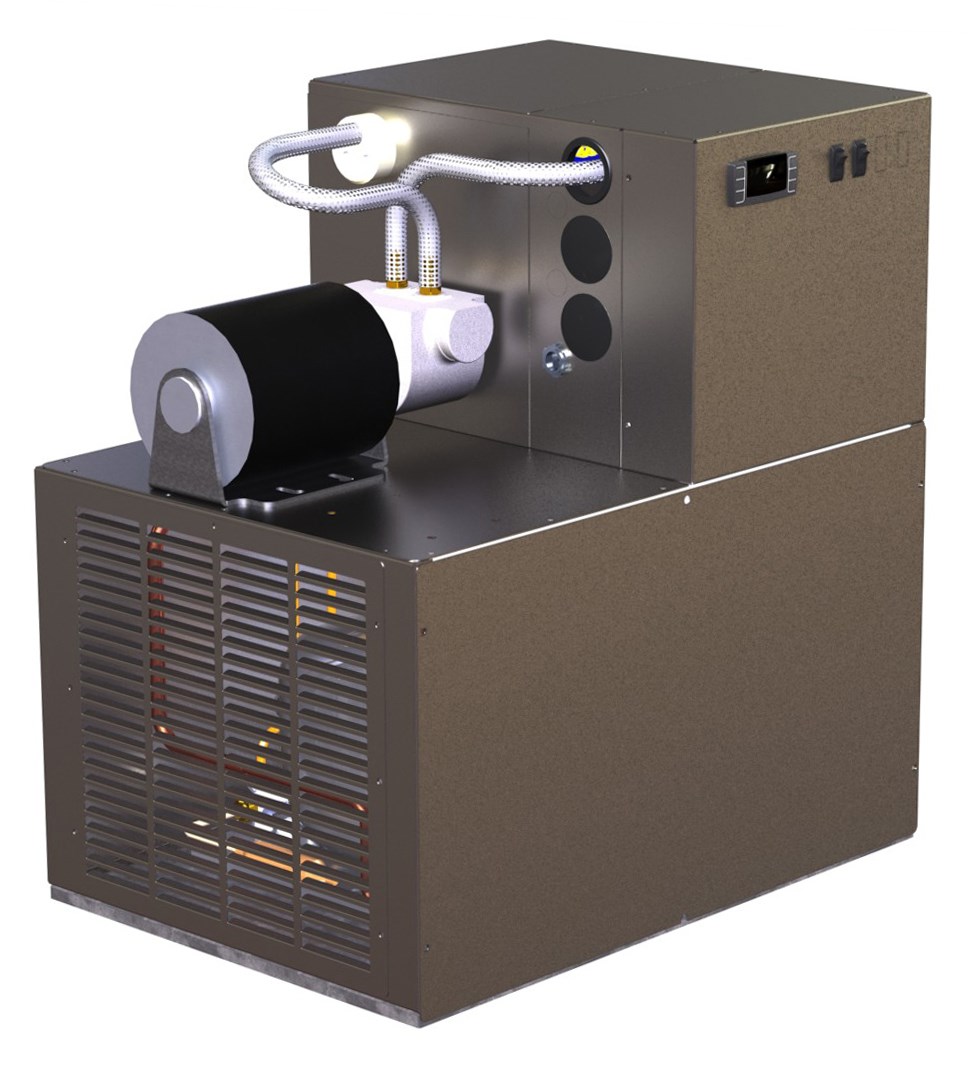
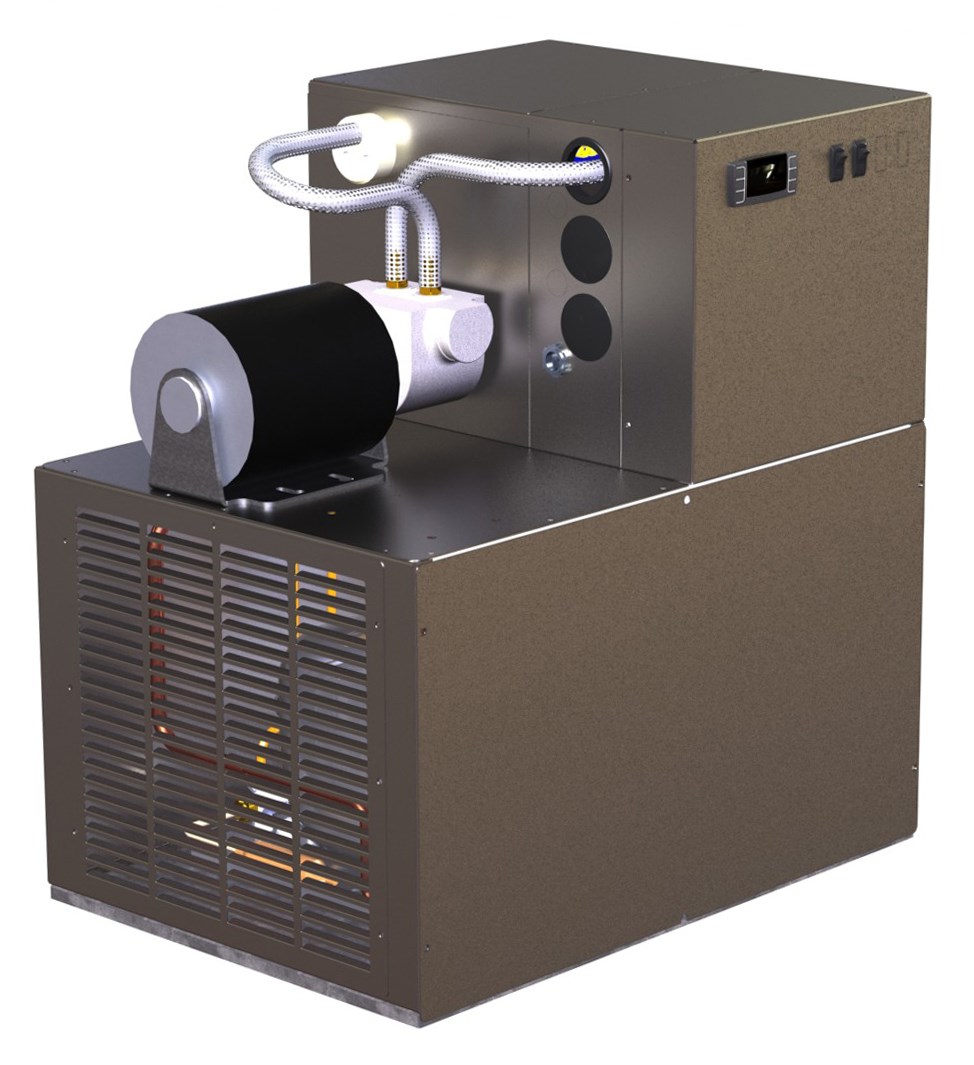

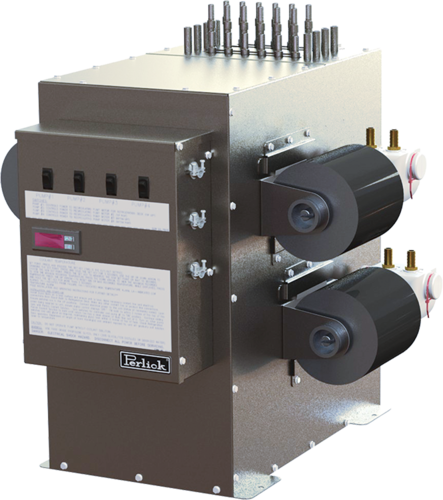
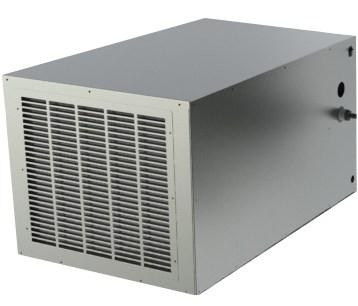
Glycol Power Packs & Draft Refrigeration Decks: buying guide
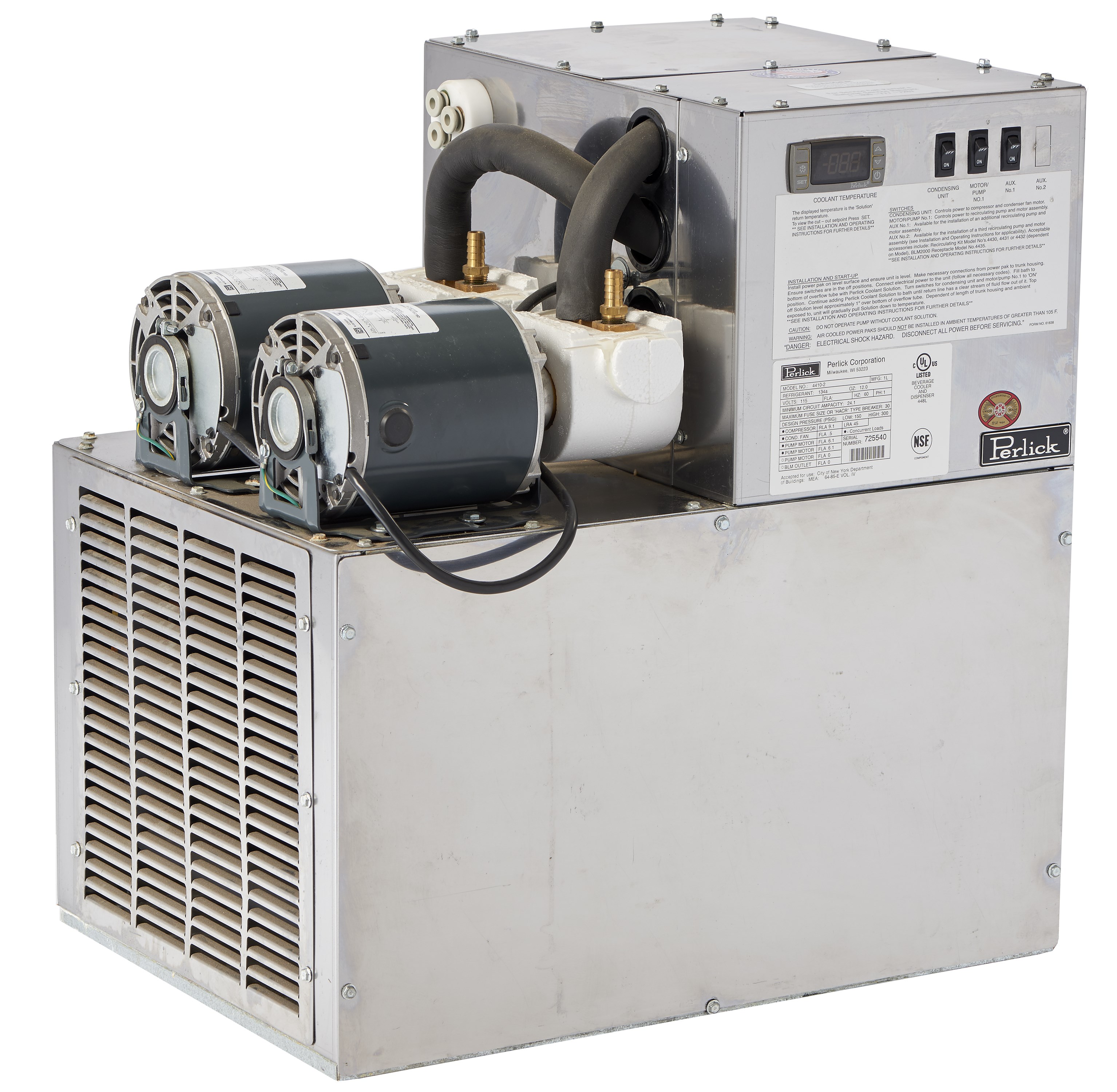
A glycol power pack is chosen by horsepower (which sets how many lines and how long a run it holds cold) and cooling type (air or water). Here is how to read the 26 units above.
Horsepower and capacity
The deck's horsepower sets how many beer lines and how long a trunk-line run it can keep cold. Size to your longest planned run with headroom for extra taps later, and confirm the line/length rating with whoever specs the trunk line.
Air-cooled vs water-cooled
Air-cooled decks are simpler and the default; water-cooled decks shed heat better in a hot mechanical room but need a water supply and drain. Pick water-cooled only when ventilation is the limiting factor.
Installation
The power pack lives near the kegs in back-of-house, feeding an insulated trunk line out to the tower. Plan the route and leave the compressor's air clearance; this is remote-system hardware, not underbar equipment.
| Choice | Best use | Consideration |
|---|---|---|
| Smaller HP deck | Short remote runs, few lines | Fewer taps, shorter trunk line |
| Larger HP deck | Long runs / many taps | More lines, longer trunk line |
| Air-cooled | Standard install | No water hookup needed |
| Water-cooled | Hot mechanical rooms | Needs water supply & drain |
How the brands compare
Types, faucet-count range, width range, and street-price range for the brands with the most power packs here — a starting point, not a substitute for the specific model’s spec sheet.
| Brand | Models | Types | Faucets | Width range | Street price |
|---|---|---|---|---|---|
| Perlick | 26 | — | — | — | — |
Frequently asked questions
Do I need a glycol system at all?
Only for long draw runs. If your kegs sit within a few feet of the faucets (a direct-draw box under the bar), the beer stays cold on its own. Once the run gets long — a remote walk-in, a basement keg room, a long bar — you need glycol to hold the beer cold to the tap and avoid foaming.
How much horsepower do I need?
Horsepower scales with the number of beer lines and the length of the run — more lines and longer trunk lines need a bigger deck. Manufacturers publish line/length ratings per model; size to your longest planned run with some headroom, and confirm with the supplier who specs the trunk line.
Air-cooled or water-cooled?
Air-cooled is simpler to install and the common choice; water-cooled sheds heat better in a hot, poorly-ventilated mechanical room but needs a water supply and drain. Choose water-cooled only when the equipment room runs hot enough that an air-cooled deck would struggle.
Where does the power pack go?
In a back-of-house mechanical space or keg room near the kegs, not behind the bar — it's the remote half of the system. Leave the manufacturer's air clearance around it, and plan the insulated trunk-line route to the tower before you finalize the location.
About this data
Last verified: August 2026. Specs are compiled from manufacturer spec sheets and authorized dealer listings; where a value isn't published we leave it blank rather than guess.
Methodology: every equipment model is compared on the same set of specifications, and dimensions are checked (for sinks, overall width must exceed the combined bowl widths) — figures that fail validation are corrected from the manufacturer model number or omitted. “Street price” is the lowest legitimate published price we've found and can change.
Sourcing: product specs come from the manufacturer; regulatory statements link to the source (e.g. the FDA Food Code and NSF). Code requirements vary by jurisdiction — confirm with the authority reviewing your plans.
Disclosure: FoodServiceNerd is vendor-neutral and free to use. Some “where to buy” links may be affiliate links — we may earn a commission at no cost to you, and it never changes what we list or how we rank it. We don't sell equipment ourselves.
Editorial: compiled and reviewed by the FoodServiceNerd equipment desk (about us). Spot an error? Tell us and we'll correct it.