Commercial Wine Coolers & Reserves
A commercial wine cooler (wine reserve) is dedicated refrigeration built to hold wine at serving temperature — warmer and more stable than a food refrigerator — often with a UV-treated glass door and vibration-damped shelving. Size it by width (bottle capacity) and choose an ADA-compliant height where the unit sits in a customer-accessible service area. Unlike a residential wine fridge, a commercial reserve is built to hold temperature through constant bar use.
Dedicated cold storage for wine service — undercounter wine reserves and columns that hold bottles at serving temperature behind the bar or in the dining room. Compare by width and whether the unit is ADA-compliant height, then match capacity to your by-the-glass and reserve program.
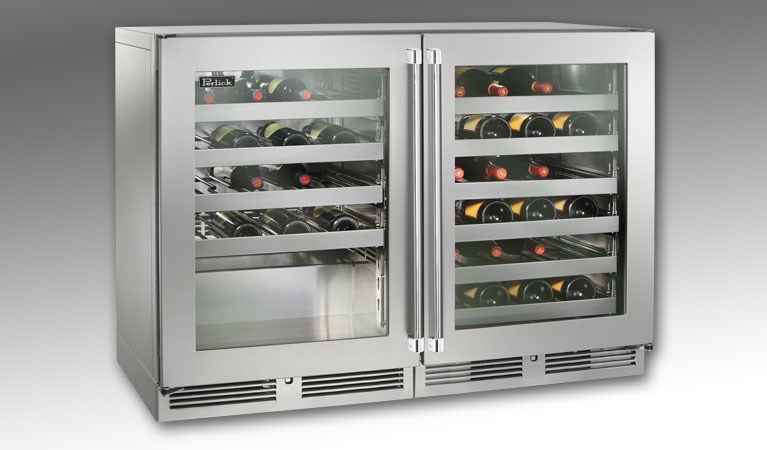
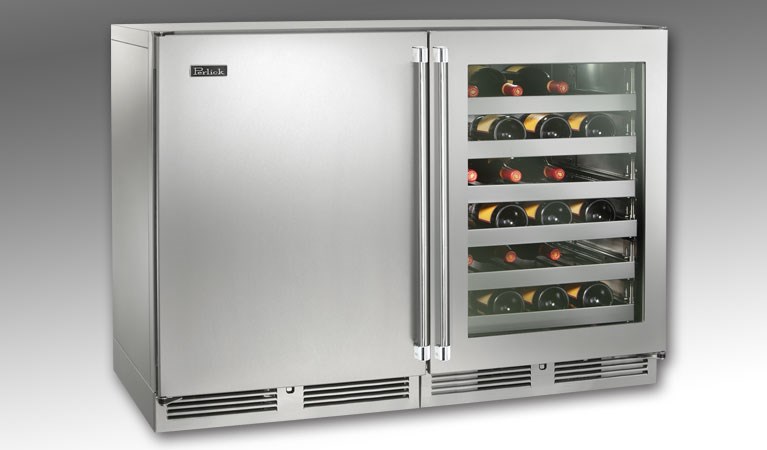
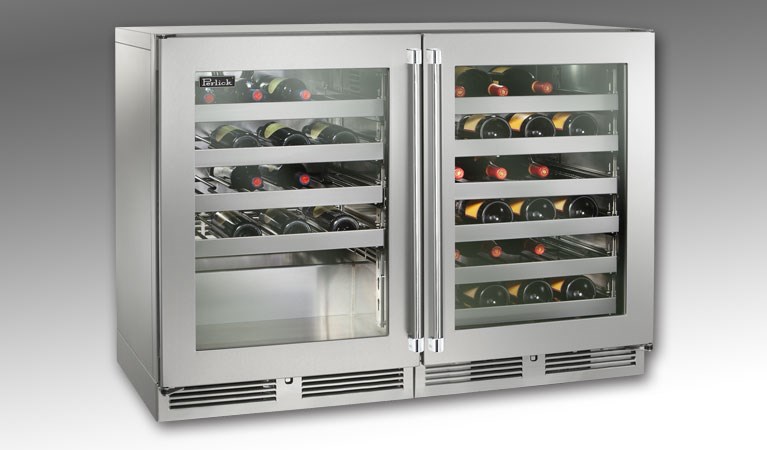
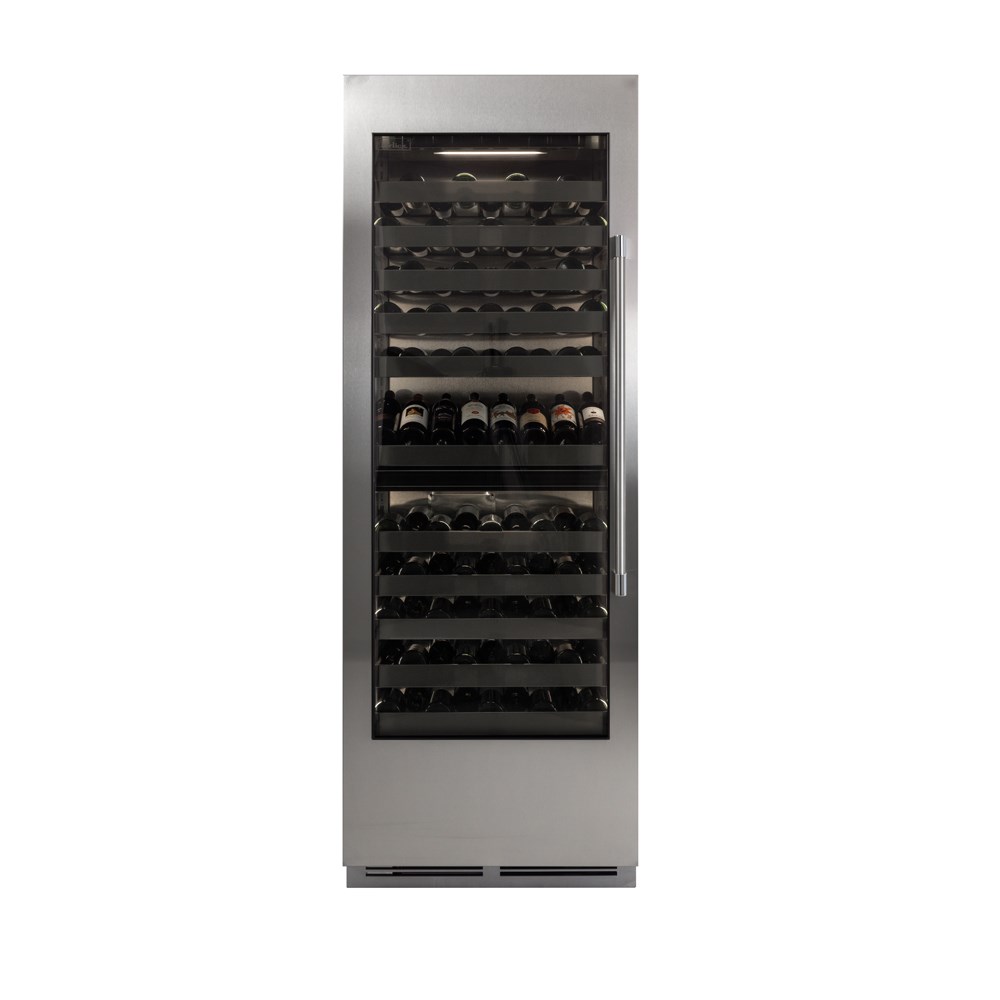
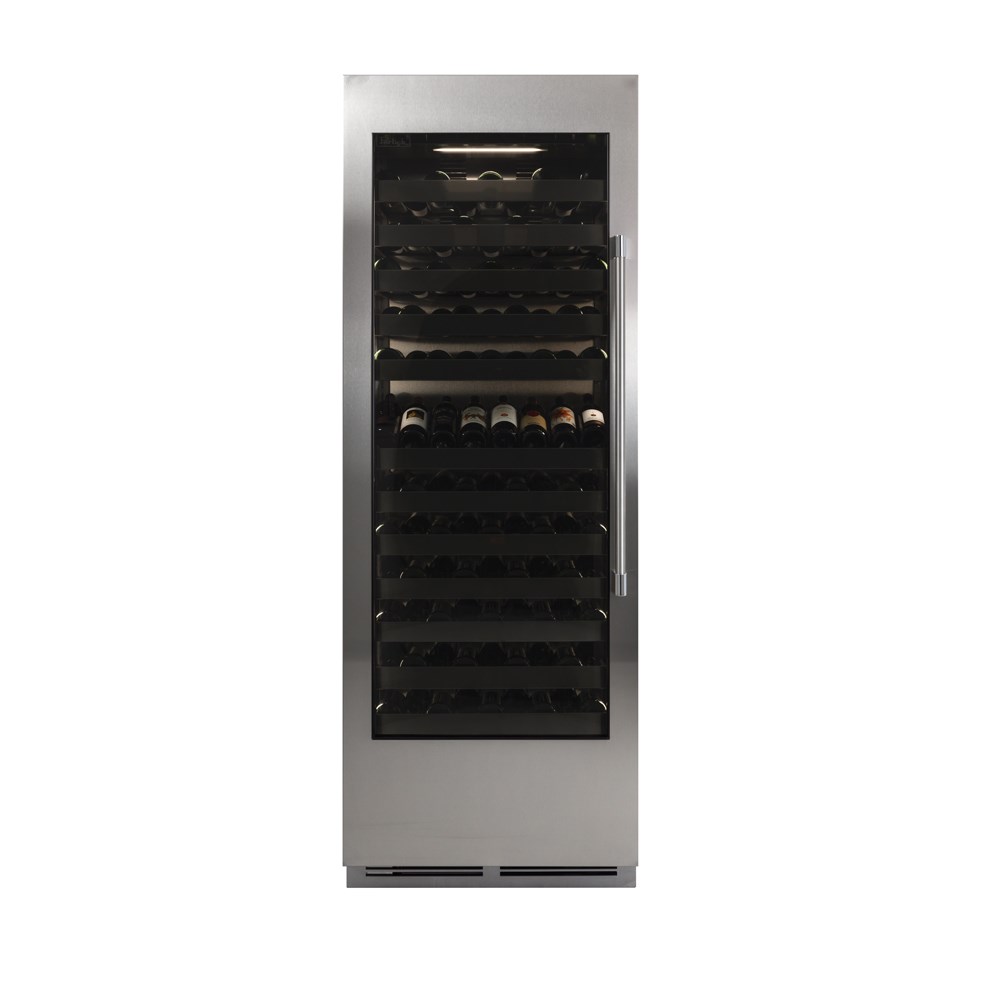
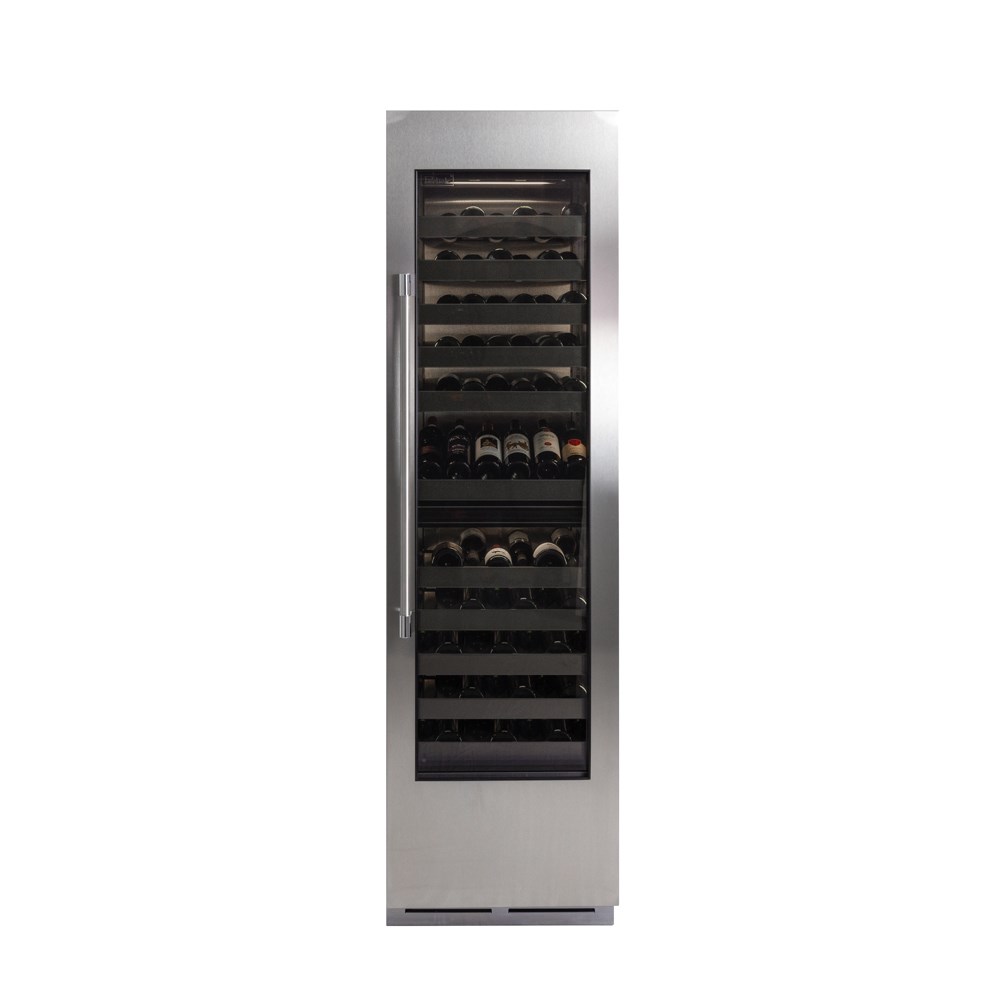
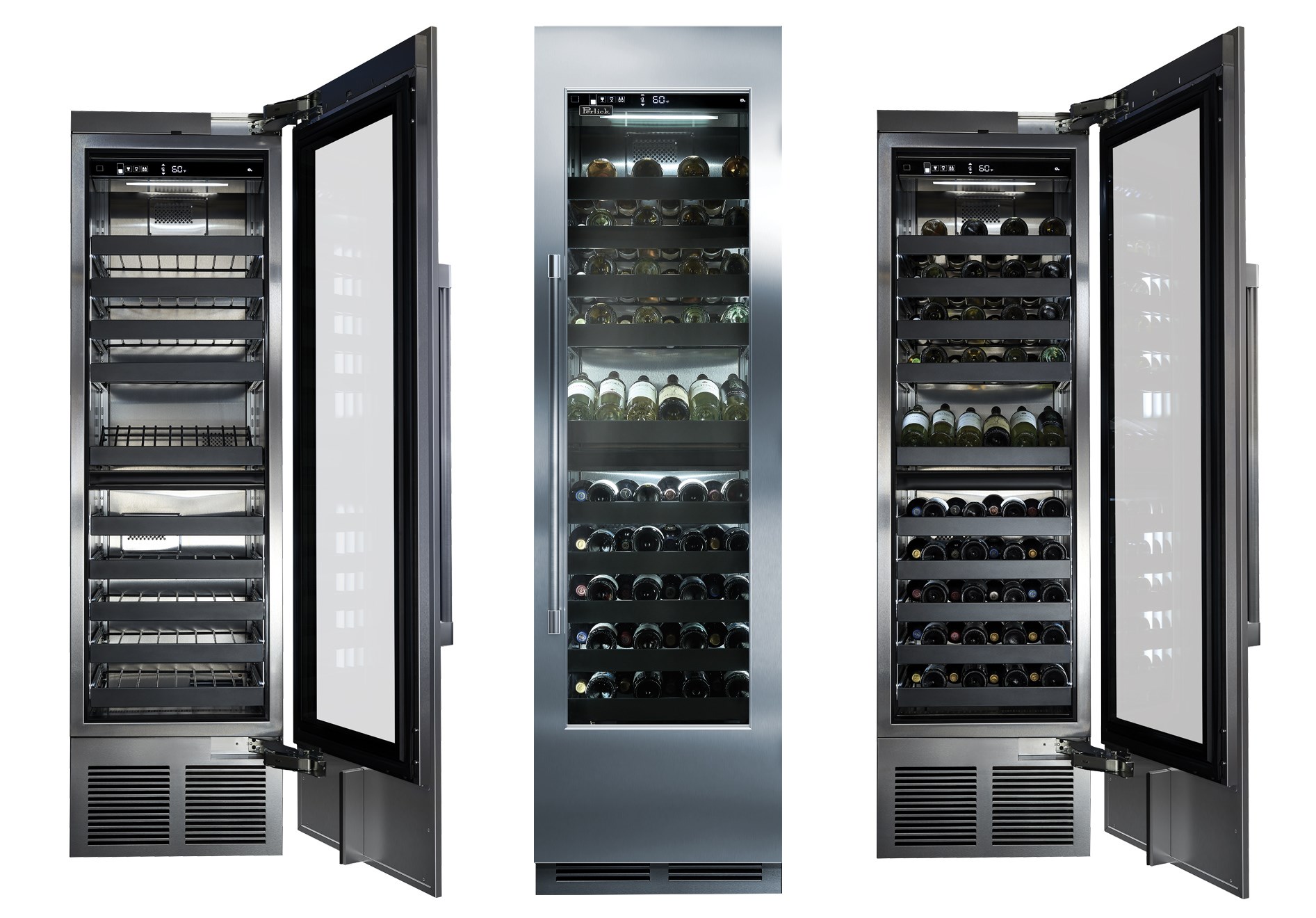
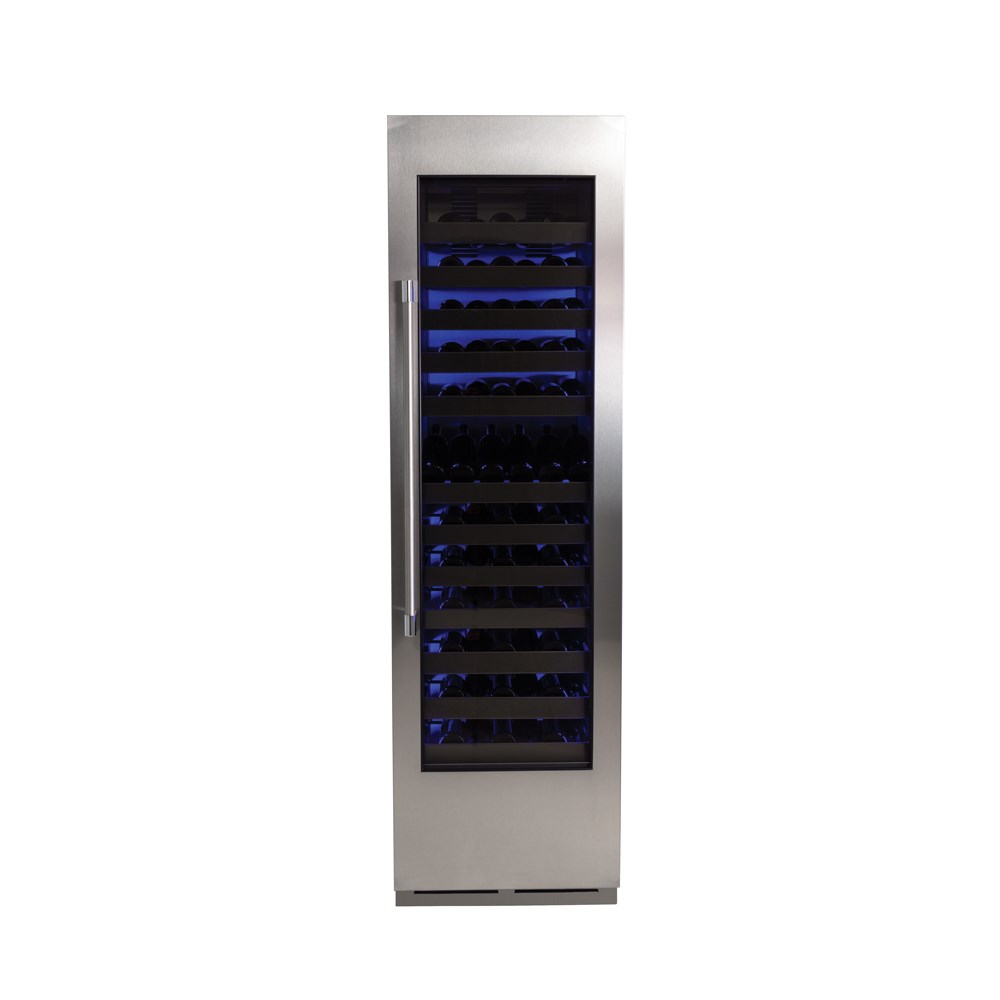
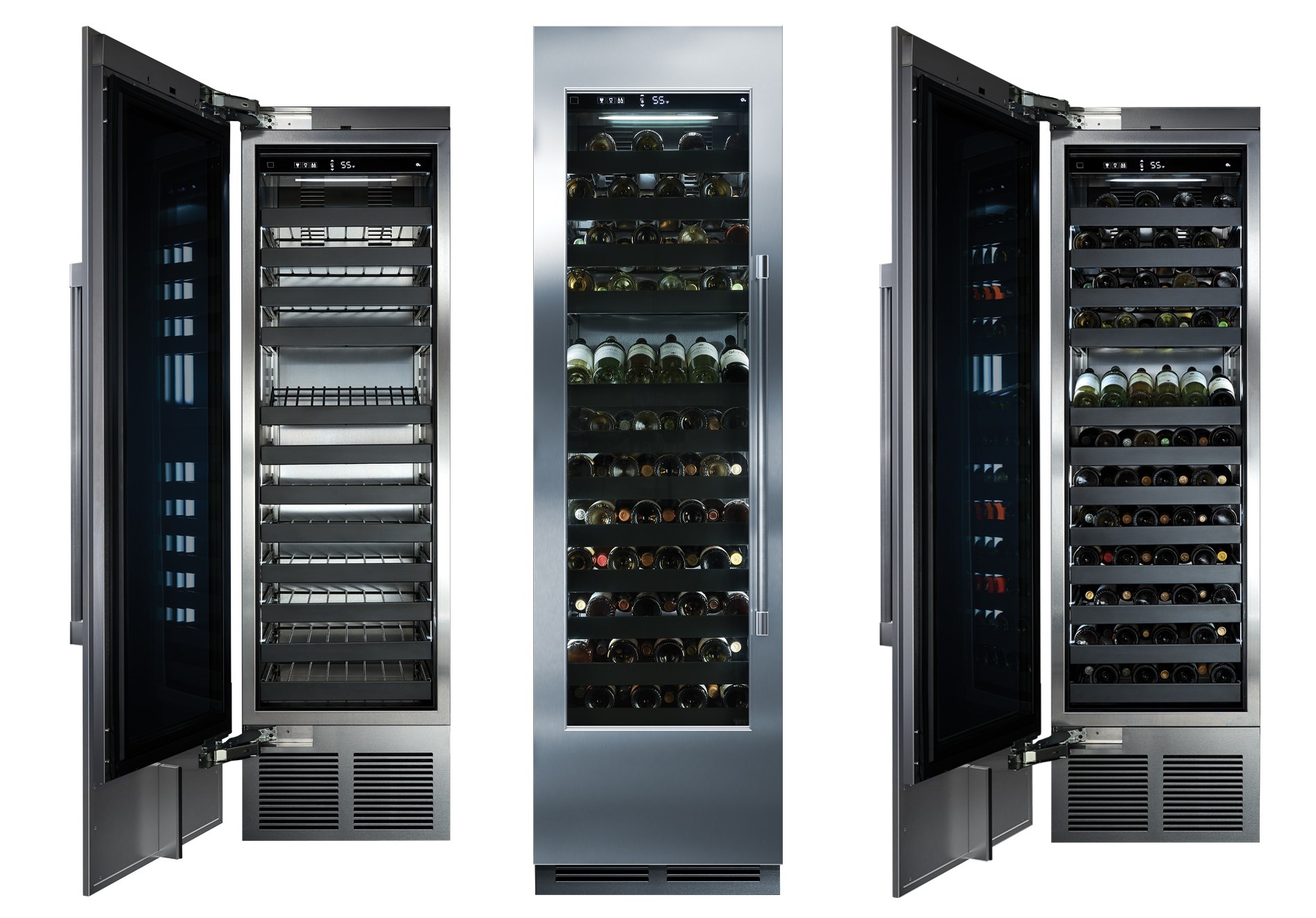
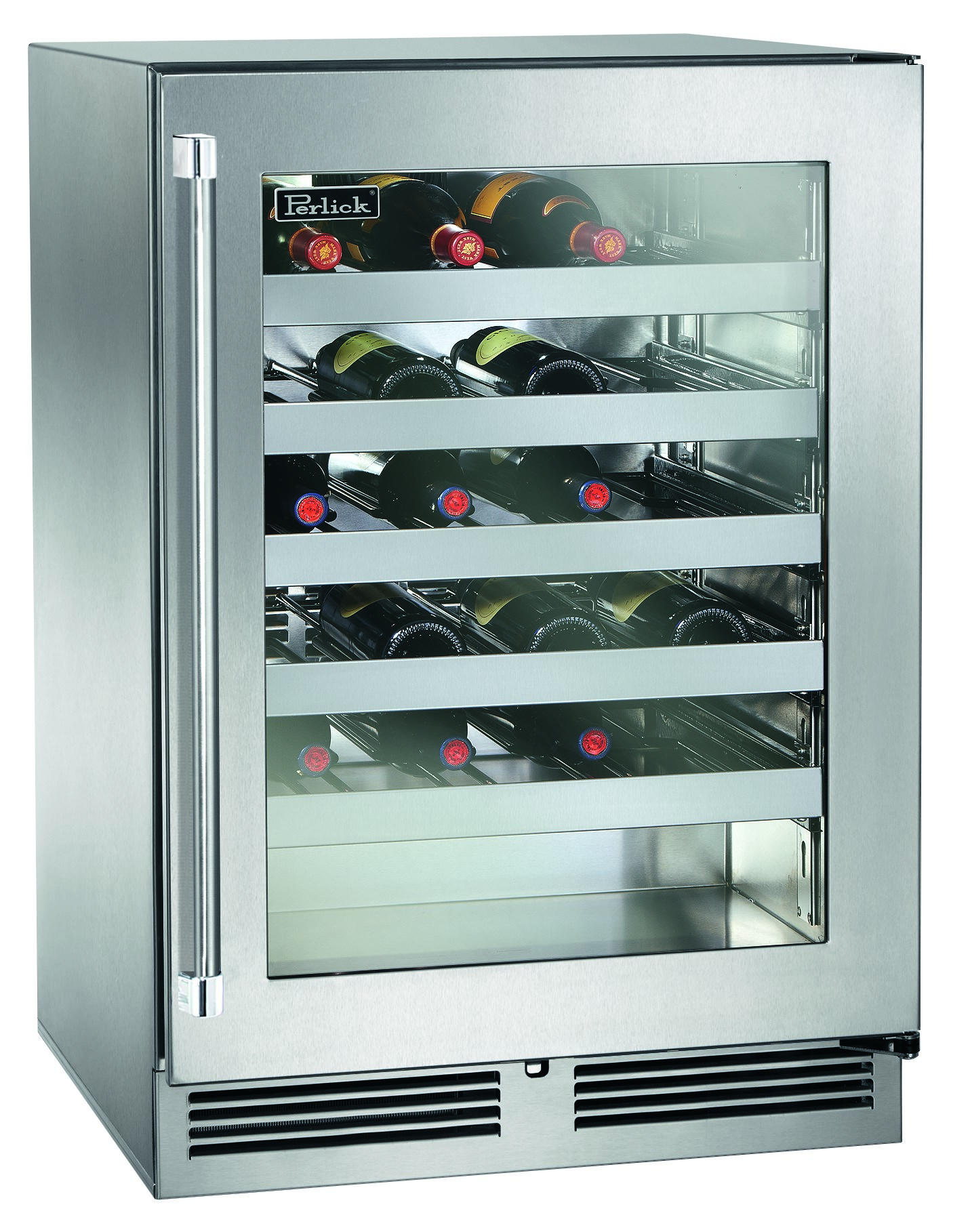
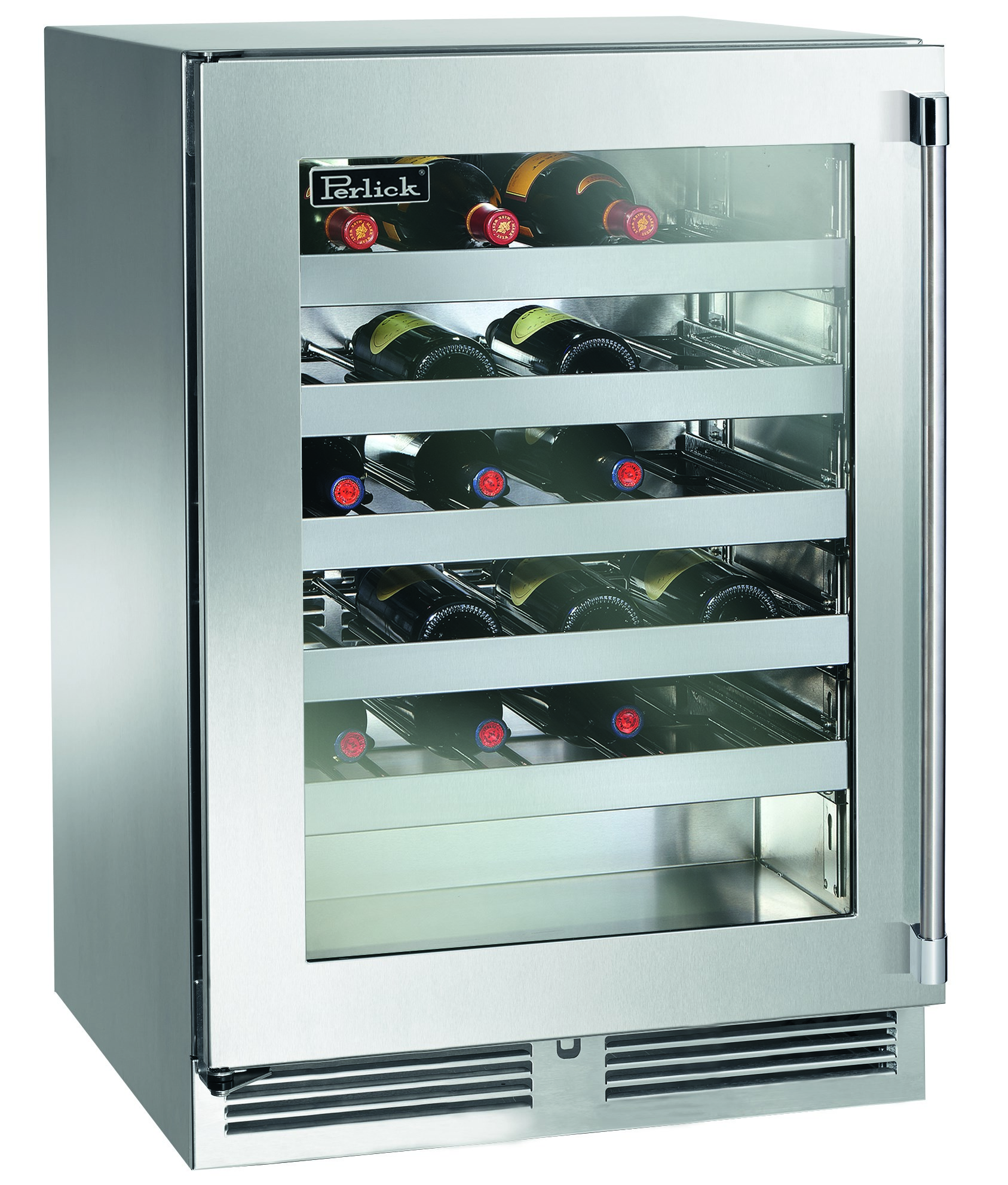
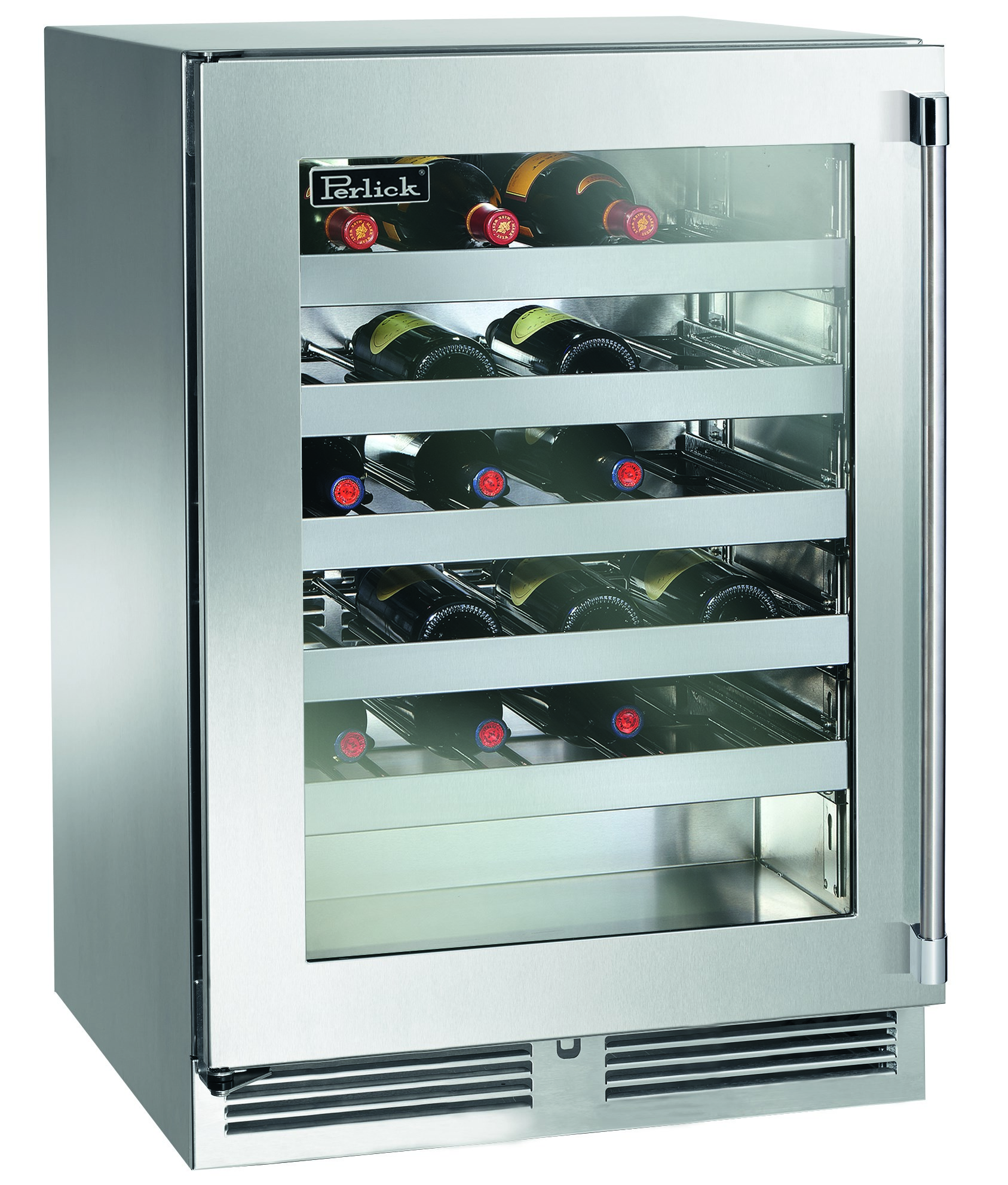
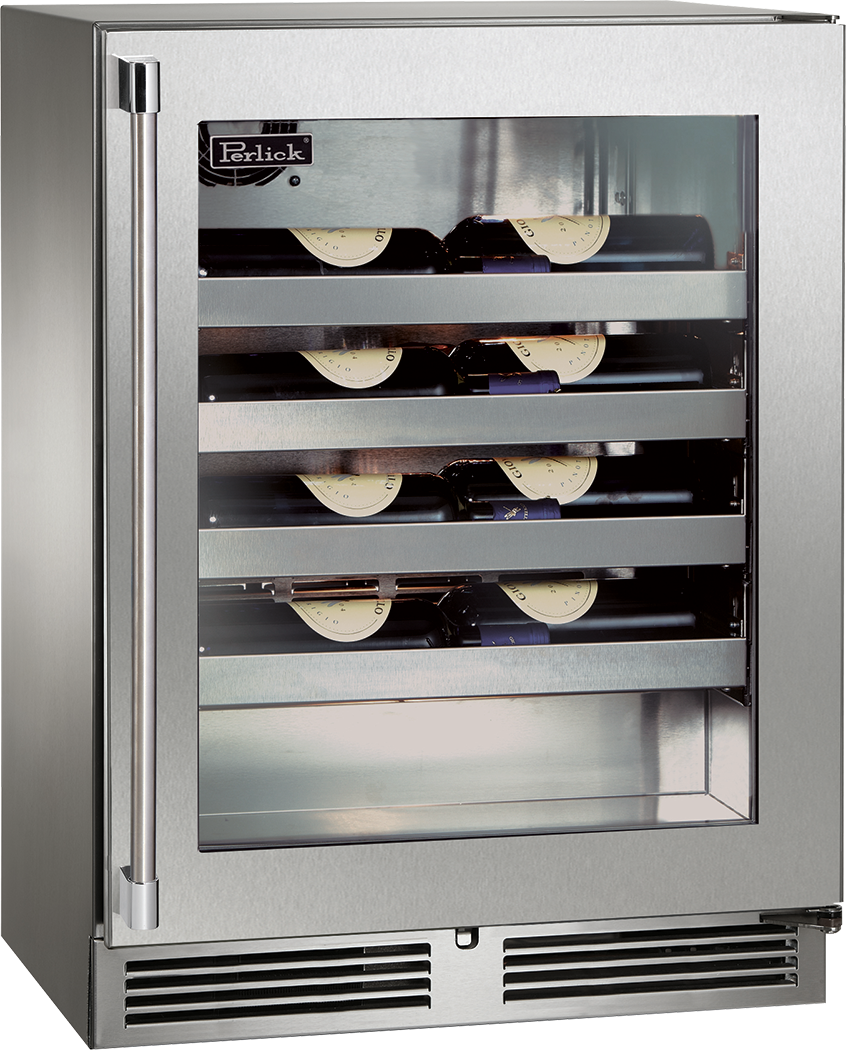
Commercial Wine Coolers & Reserves: buying guide
A commercial wine cooler is chosen by width (bottle capacity) and whether it needs to be ADA-compliant height for a customer-accessible location. Here is how to read the 13 units above.
Width and capacity
Size the width to your bottle count — wider undercounter units and column models hold more. Match capacity to your by-the-glass rotation plus reserve, and check the published bottle count against the bottle sizes you carry.
ADA and placement
Choose an ADA-compliant height where the unit sits in a customer-accessible service area so it fits under an accessible counter with controls in reach. A back-bar or back-of-house unit doesn't need the ADA height.
Built for service
A commercial reserve holds wine at a stable serving temperature through constant bar use, typically with vibration-damped shelving and a UV-treated door — the difference from a residential wine fridge.
| Choice | Best use | Consideration |
|---|---|---|
| Undercounter reserve | Behind the bar / service station | Holds wine at serving temperature |
| ADA-compliant model | Customer-accessible areas | Lower height, controls in reach |
| Wine column | Higher-capacity storage | More bottles in a tall footprint |
How the brands compare
Types, faucet-count range, width range, and street-price range for the brands with the most wine units here — a starting point, not a substitute for the specific model’s spec sheet.
| Brand | Models | Types | Faucets | Width range | Street price |
|---|---|---|---|---|---|
| Perlick | 13 | — | — | 24–48″ W | — |
Frequently asked questions
Commercial wine cooler vs a food refrigerator?
A wine reserve holds a warmer, more stable temperature tuned to wine service (not the ≤41°F a food refrigerator holds for TCS product), usually with vibration-damped shelving and a UV-treated glass door to protect the wine. Use a dedicated reserve for wine rather than repurposing a food refrigerator.
What does ADA-compliant height mean here?
An ADA-compliant unit is built to a lower height so it fits under an accessible-height counter and its controls sit within reach ranges — required where the unit is in a customer-accessible service area. Choose the ADA model when it lives at an accessible bar or service station; confirm the specific requirement for your build.
How is capacity measured?
By width and internal shelving — wider units and column models hold more bottles. Match capacity to your by-the-glass rotation plus reserve stock, and confirm the unit's published bottle count for the bottle sizes you actually carry (large Burgundy bottles fit fewer per shelf).
Does wine storage need a specific temperature?
Service temperature differs from long-term cellar storage. A commercial reserve is set for holding wine ready to pour; a dedicated cellar unit holds cooler for aging. Buy for the job — bar service reserve vs. back-of-house cellaring — and confirm the model's temperature range.
About this data
Last verified: August 2026. Specs are compiled from manufacturer spec sheets and authorized dealer listings; where a value isn't published we leave it blank rather than guess.
Methodology: every equipment model is compared on the same set of specifications, and dimensions are checked (for sinks, overall width must exceed the combined bowl widths) — figures that fail validation are corrected from the manufacturer model number or omitted. “Street price” is the lowest legitimate published price we've found and can change.
Sourcing: product specs come from the manufacturer; regulatory statements link to the source (e.g. the FDA Food Code and NSF). Code requirements vary by jurisdiction — confirm with the authority reviewing your plans.
Disclosure: FoodServiceNerd is vendor-neutral and free to use. Some “where to buy” links may be affiliate links — we may earn a commission at no cost to you, and it never changes what we list or how we rank it. We don't sell equipment ourselves.
Editorial: compiled and reviewed by the FoodServiceNerd equipment desk (about us). Spot an error? Tell us and we'll correct it.