Commercial Shelving, Wall Shelves & Overshelves
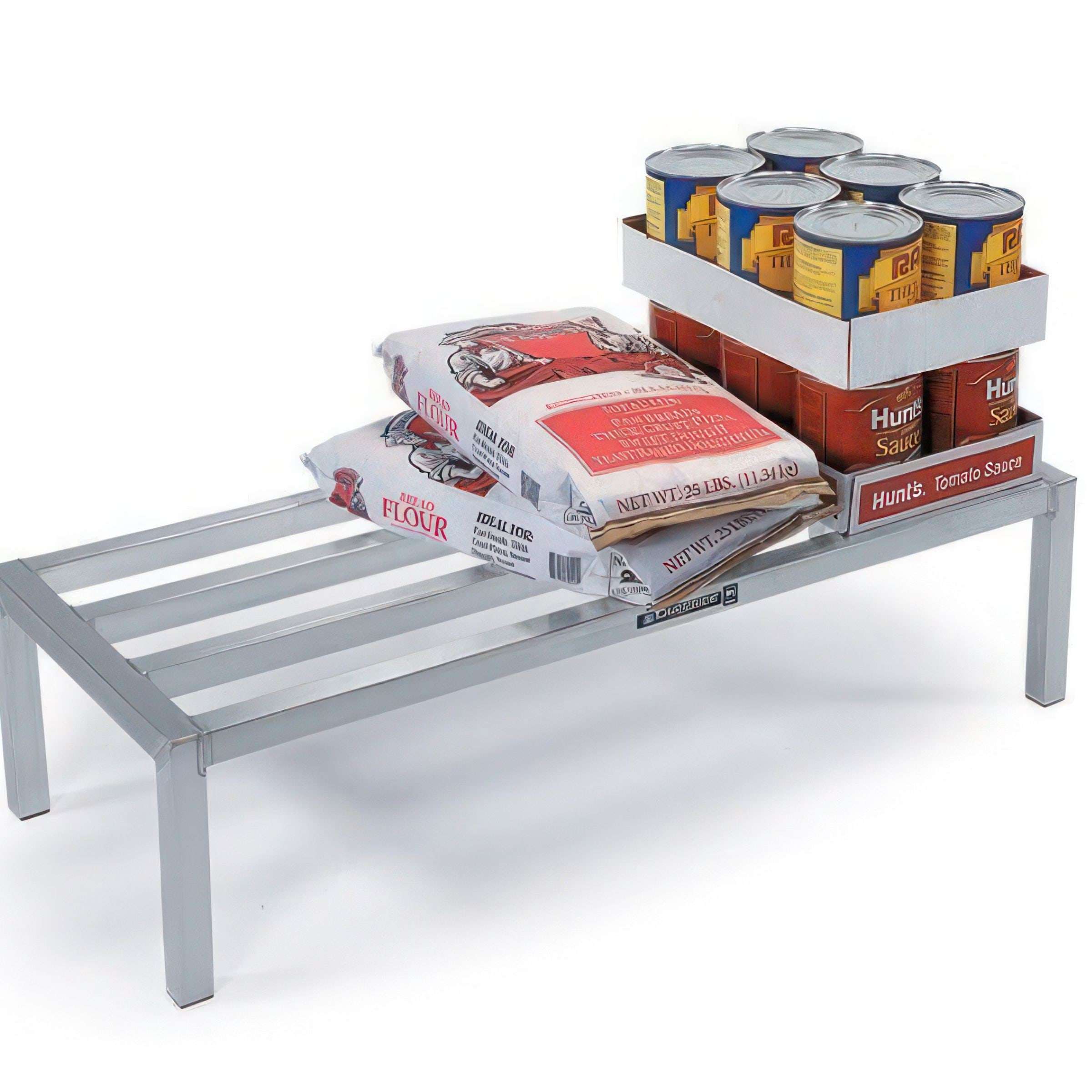
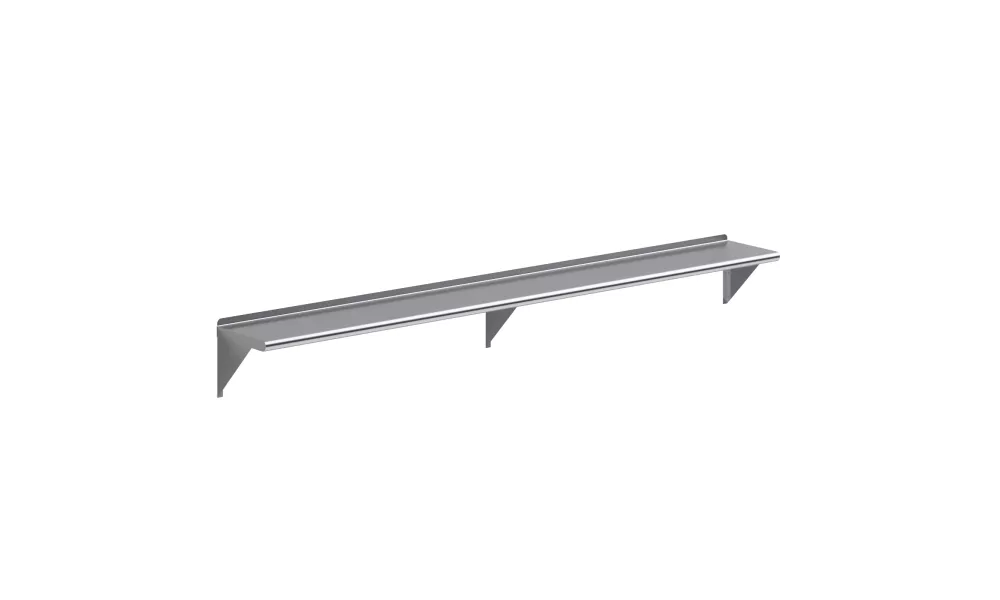
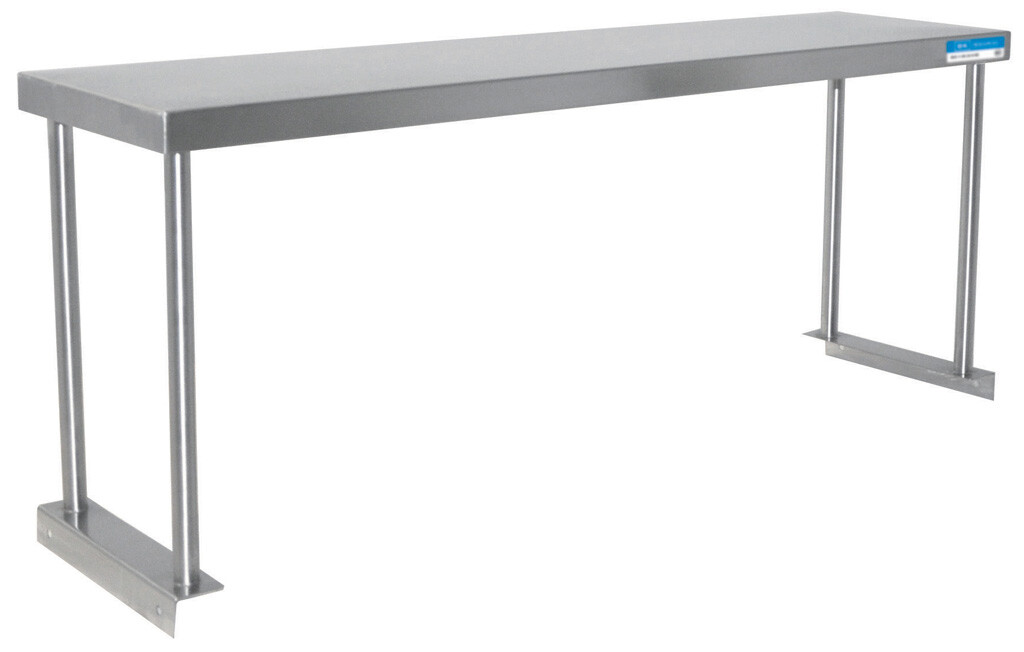
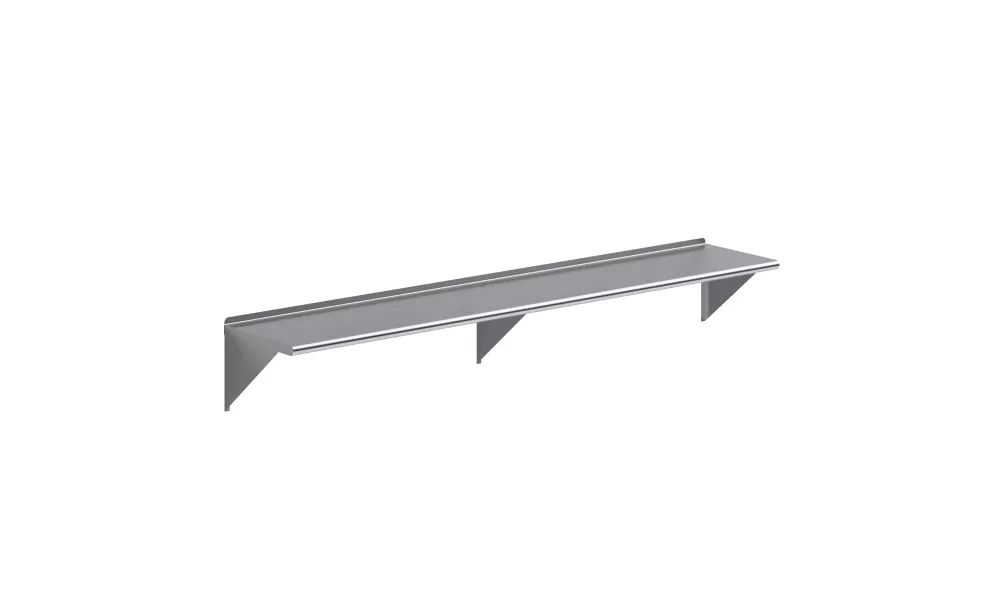
Commercial shelving comes as wall shelves (mounted to the wall), overshelves (raised on posts off a work table), and free-standing wire or solid unit shelving. Choose by shelf type, depth (front-to-back), and length along the wall, then by gauge (lower is thicker) and material — stainless wipes clean over prep, while chrome or epoxy wire airflows in walk-ins. Food and supplies must sit at least 6″ off the floor on cleanable shelving.
Compare commercial shelving across every brand by the specs that matter — shelf type, depth, length, gauge, and material. Filter to what fits your wall or table, then compare on build, not marketing. Steel grade, height, and price are shown where the manufacturer or a dealer publishes them.
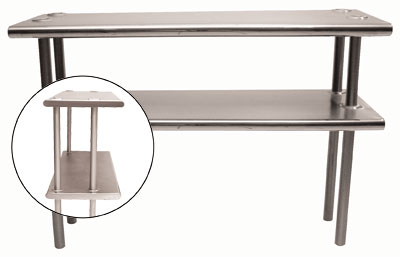
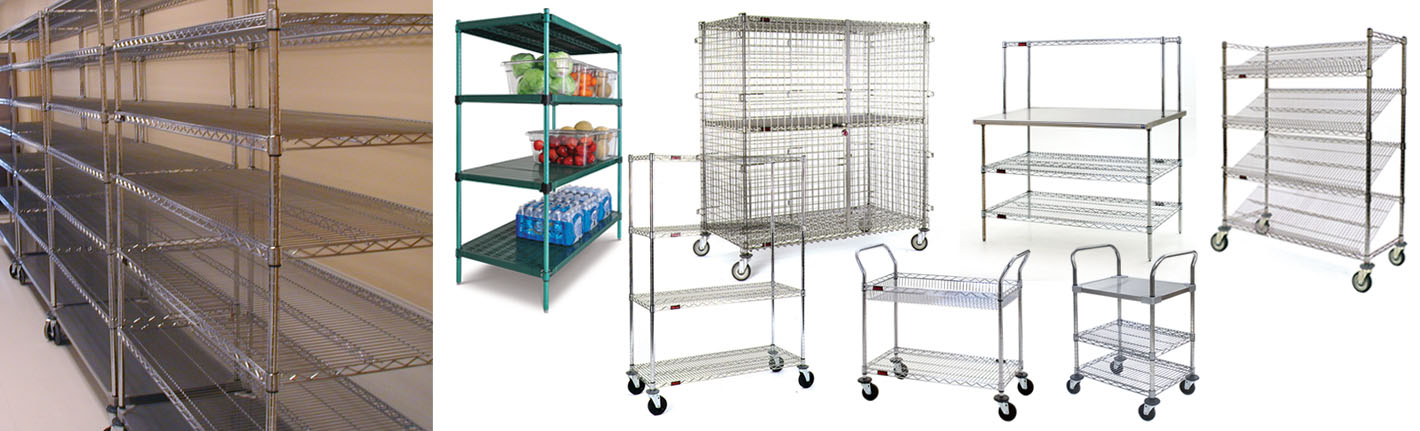


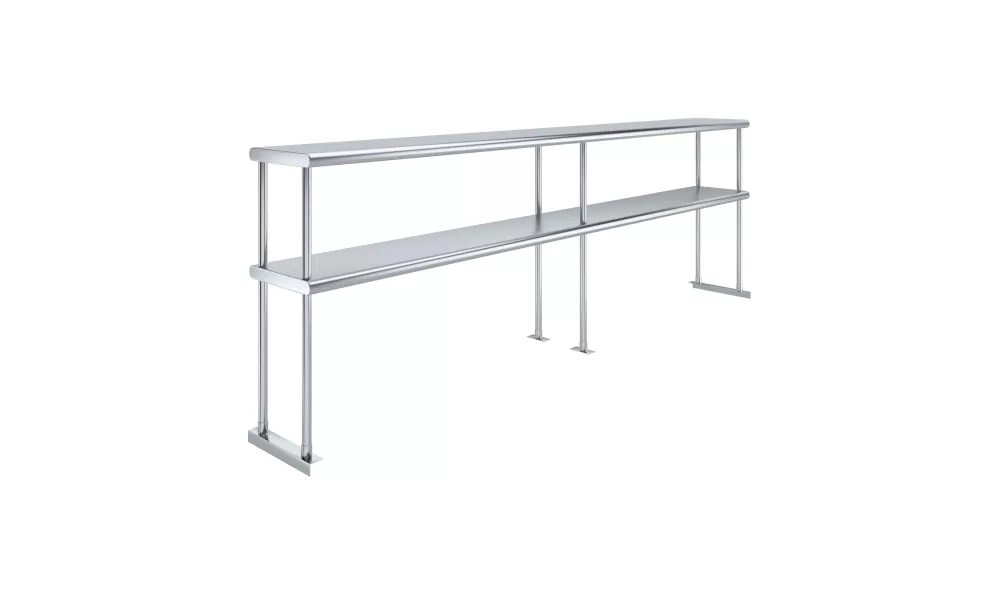
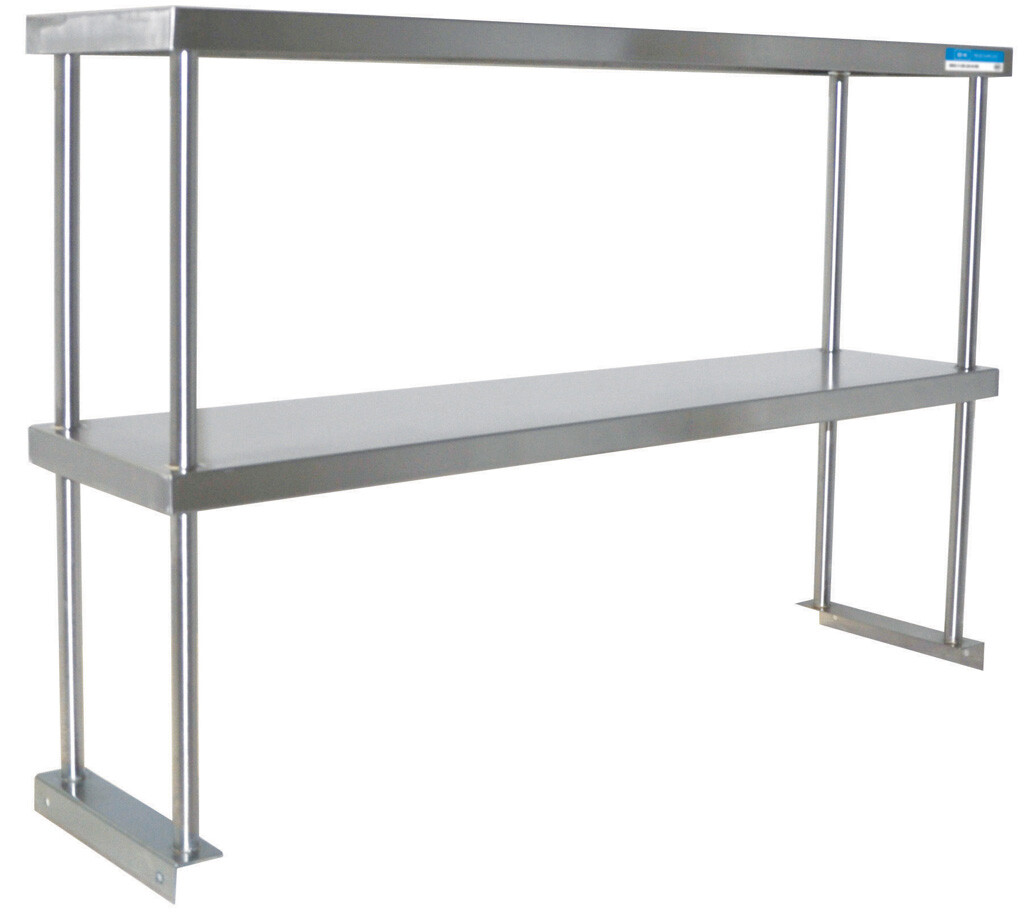



Commercial shelving: buying guide
Commercial shelving keeps product off the floor and clears counters. The 725 models above filter by shelf type, depth, length, gauge, and material.
Wall shelf, overshelf, or unit shelving?
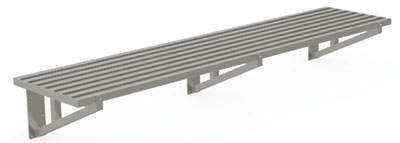
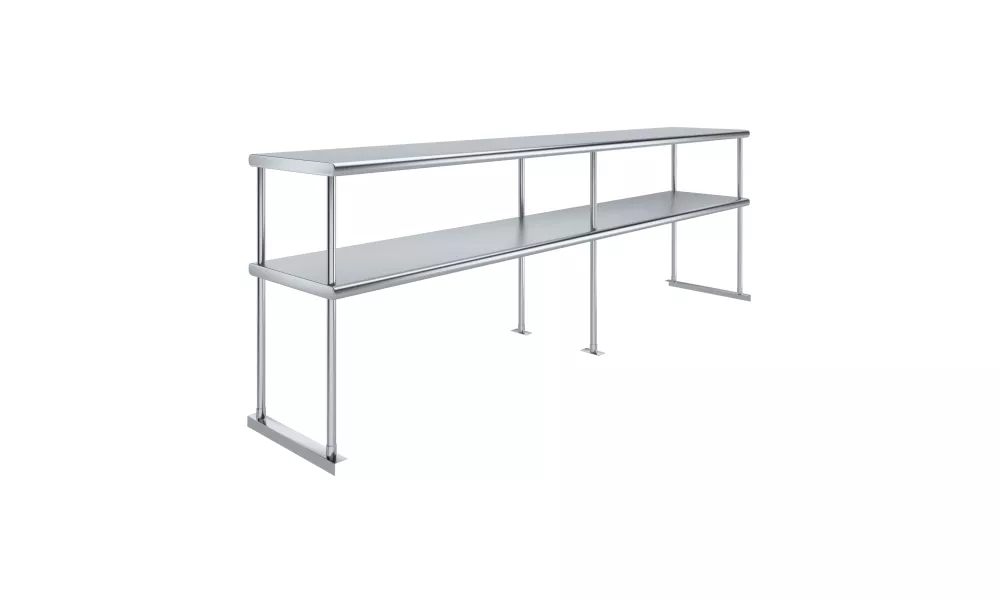
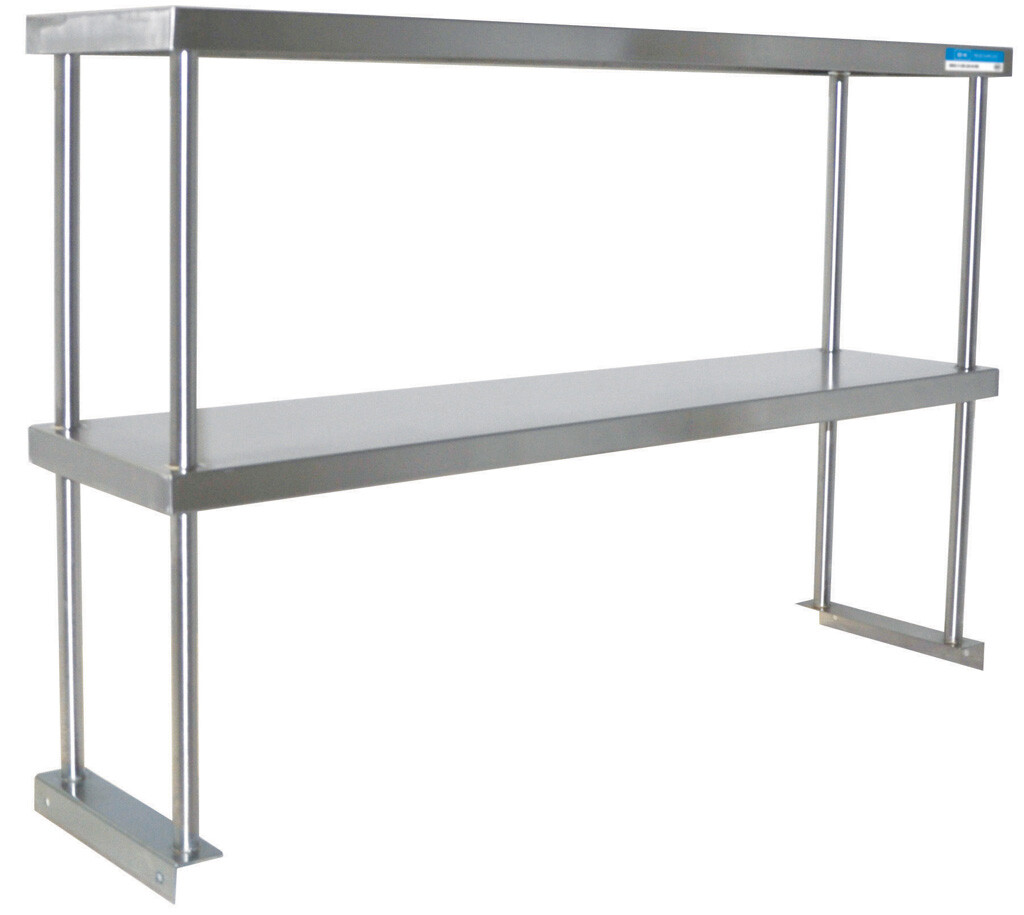
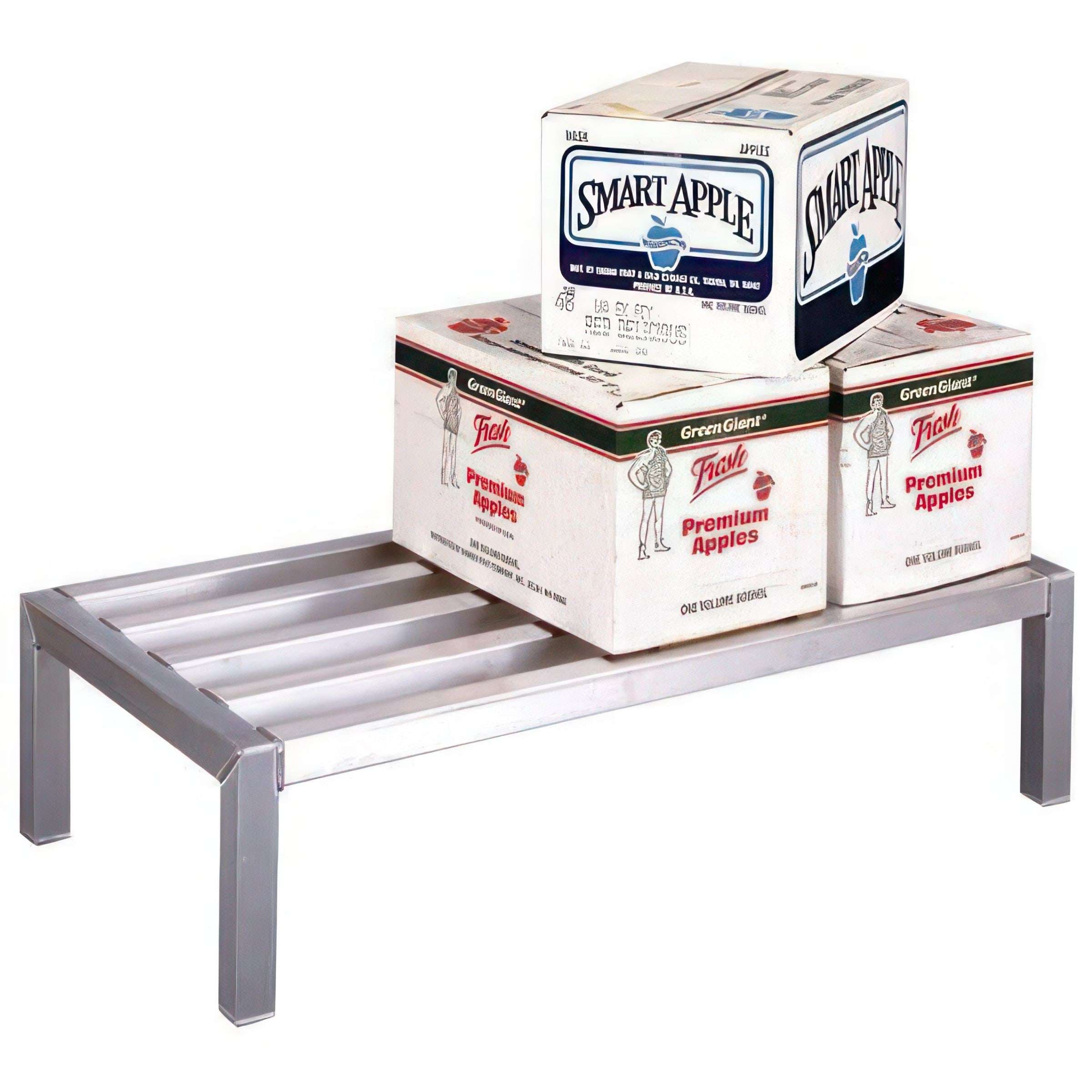
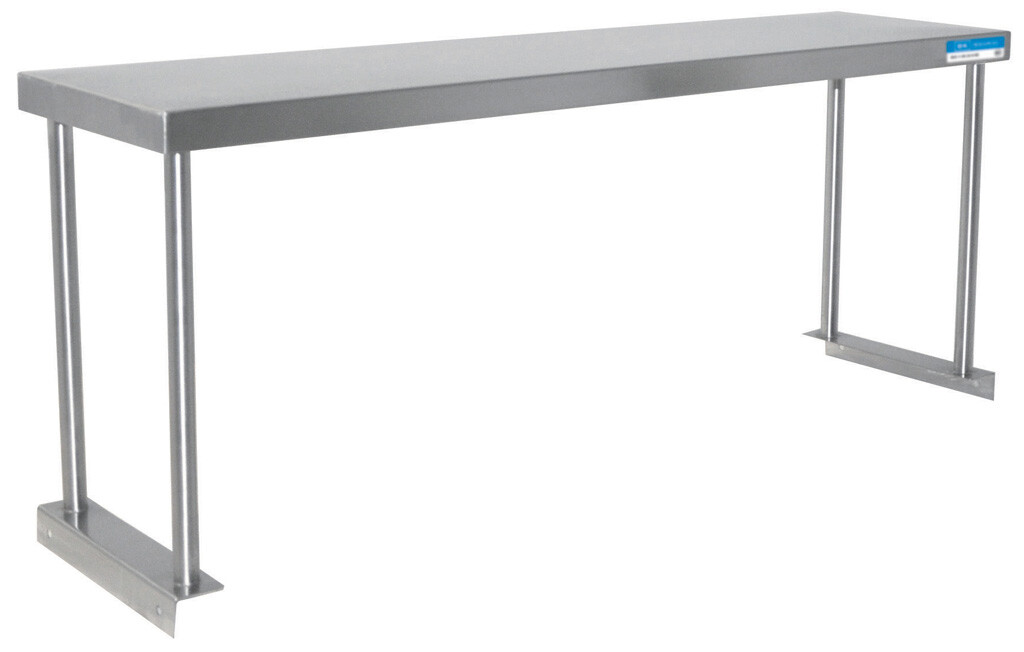
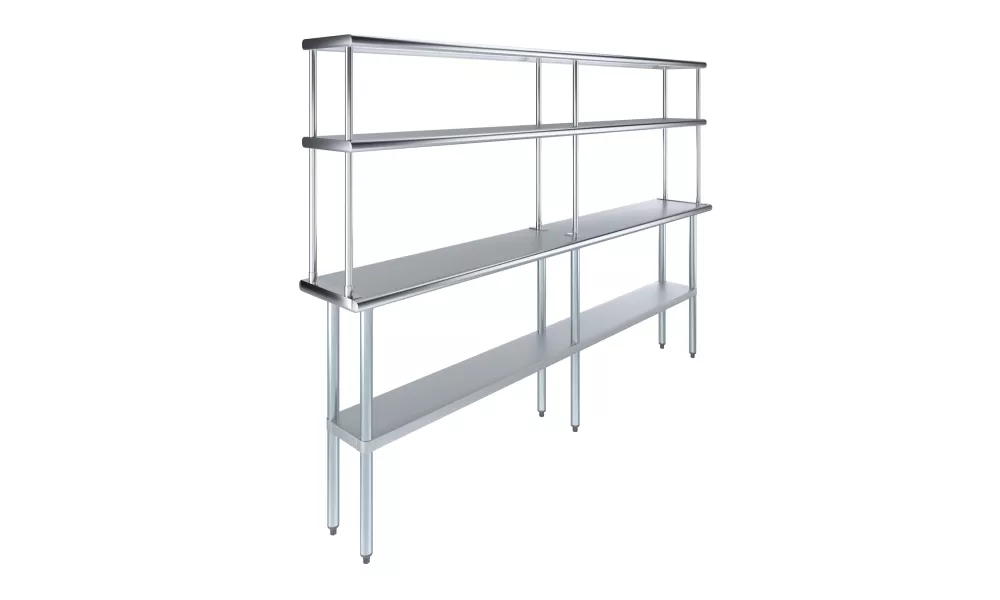
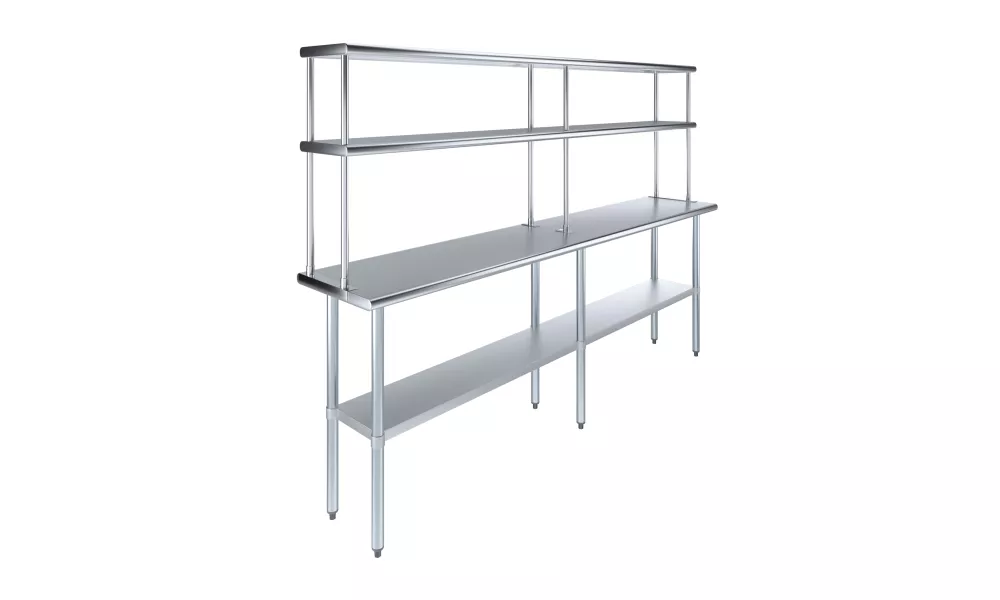
A wall shelf mounts to the wall above a work table for spices, tickets, and light items. An overshelf stands on posts off the table itself, putting a plating shelf right at the station. Free-standing wire or solid unit shelving gives four to five tiers for the walk-in and dry storage.
Depth, length, and gauge
Size depth (front-to-back) so the shelf holds what you need without blocking the counter, and length to the wall run. Gauge sets load capacity — a lower number is thicker steel that sags less under weight. Solid stainless wipes clean over prep; wire (chrome or epoxy) airflows and drains in walk-ins.
Code and sanitation
Food and supplies must sit at least 6″ off the floor on cleanable, non-absorbent shelving, and shelving should stay out of the splash zone of hand and prep sinks.
How the brands compare
Model count, size span, and street-price range for the brands with the most models here — a starting point, not a substitute for the specific model’s spec sheet.
| Brand | Models | Width range | Street price |
|---|---|---|---|
| AmGood | 225 | 12–96″ | — |
| BK Resources | 204 | 14–96″ | $70–$3,540 |
| Advance Tabco | 129 | 12–144″ | — |
| Sapphire | 70 | 24–120″ | — |
| Atosa | 60 | 24–120″ | $290 |
| Eagle Group | 25 | 24–144″ | — |
| Lakeside | 12 | 36–60″ | — |
Frequently asked questions
Wire or solid shelving?
Wire shelving is lighter, cheaper, and airflows well — good in walk-ins and for drying; solid stainless is easier to wipe down and better over prep areas where crumbs would fall through. Both are NSF-cleanable.
How much weight can a wall shelf hold?
It depends on gauge, bracket spacing, and how it’s anchored into studs or backing — heavy items belong on unit shelving, not a single wall shelf. Check each shelf’s rated capacity where the manufacturer publishes it.
What depth of shelf do I need?
Match depth to what you store: 12–14″ for cans and spices above a table, 18–24″ for bulk and cases on unit shelving. Deeper shelves hold more but reduce the clearance below.
Where do your specs and prices come from?
Specifications are compiled from manufacturer spec sheets and authorized dealer listings; where a value isn’t published we leave it blank rather than guess. “Street price” is the lowest legitimate published price from an online dealer we track for that exact model — equipment only, and it changes often. Many models here have no published online price and show “check dealer pricing.”
Does this equipment need to be NSF listed?
Storage and dish-room equipment used in a commercial kitchen is generally expected to be NSF/ANSI listed for cleanable, food-safe construction — that’s what a health inspector checks on plan review. We don’t assert a listing for a specific model unless the manufacturer publishes it; confirm the exact model’s listing when you permit your kitchen.
About this data
Last verified: August 2026. Specs are compiled from manufacturer spec sheets and authorized dealer listings; where a value isn't published we leave it blank rather than guess.
Methodology: every shelving unit model is compared on the same set of specifications, and dimensions are checked (for sinks, overall width must exceed the combined bowl widths) — figures that fail validation are corrected from the manufacturer model number or omitted. “Street price” is the lowest legitimate published price we've found and can change.
Sourcing: product specs come from the manufacturer; regulatory statements link to the source (e.g. the FDA Food Code and NSF). Code requirements vary by jurisdiction — confirm with the authority reviewing your plans.
Disclosure: FoodServiceNerd is vendor-neutral and free to use. Some “where to buy” links may be affiliate links — we may earn a commission at no cost to you, and it never changes what we list or how we rank it. We don't sell equipment ourselves.
Editorial: compiled and reviewed by the FoodServiceNerd equipment desk (about us). Spot an error? Tell us and we'll correct it.