Cube Ice Machines
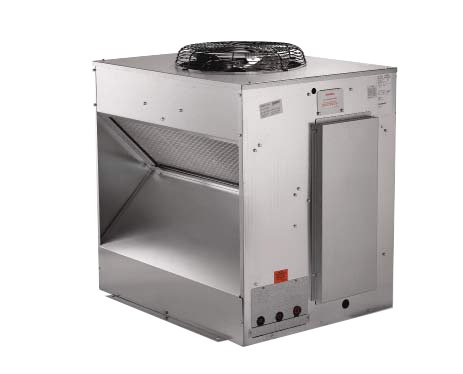
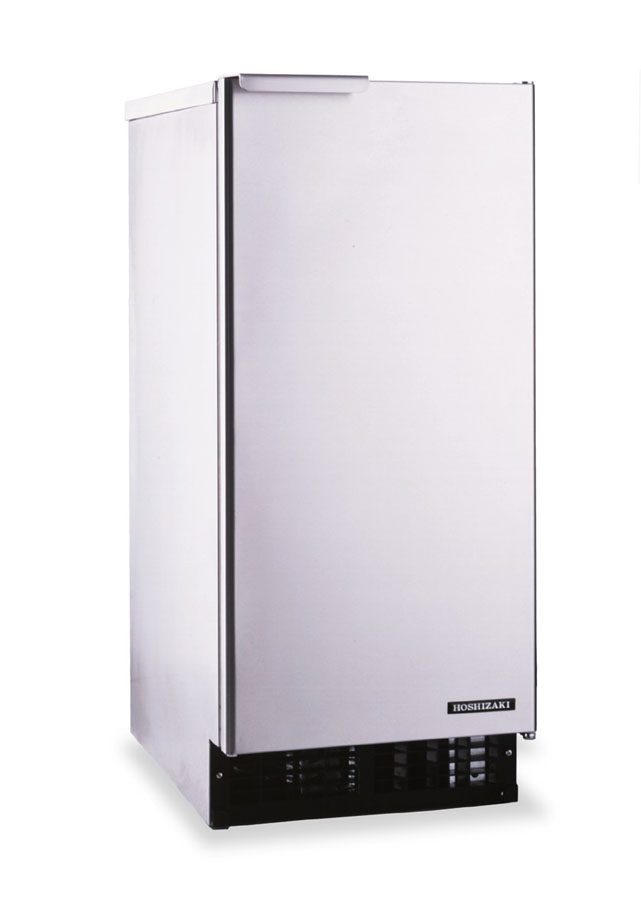
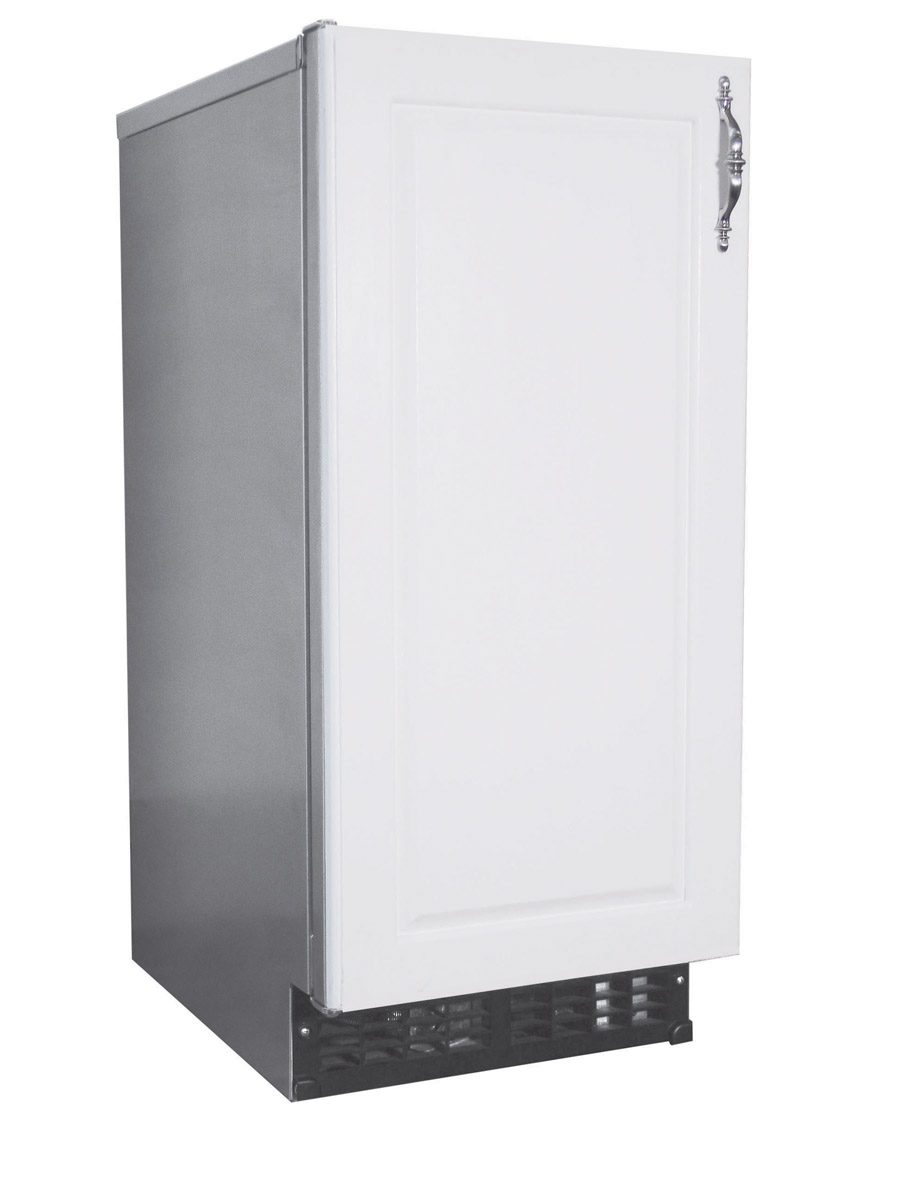
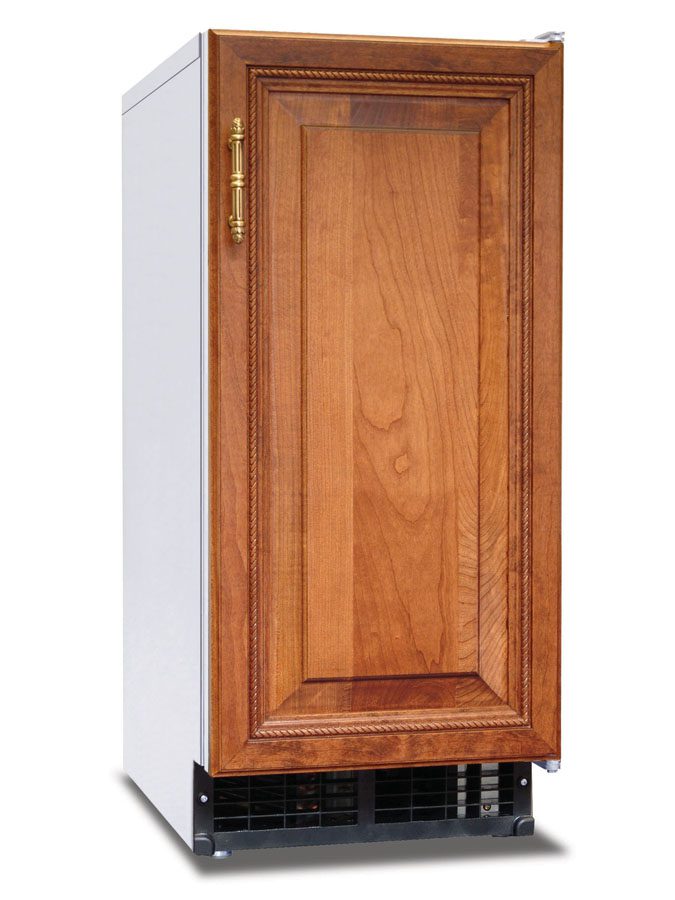
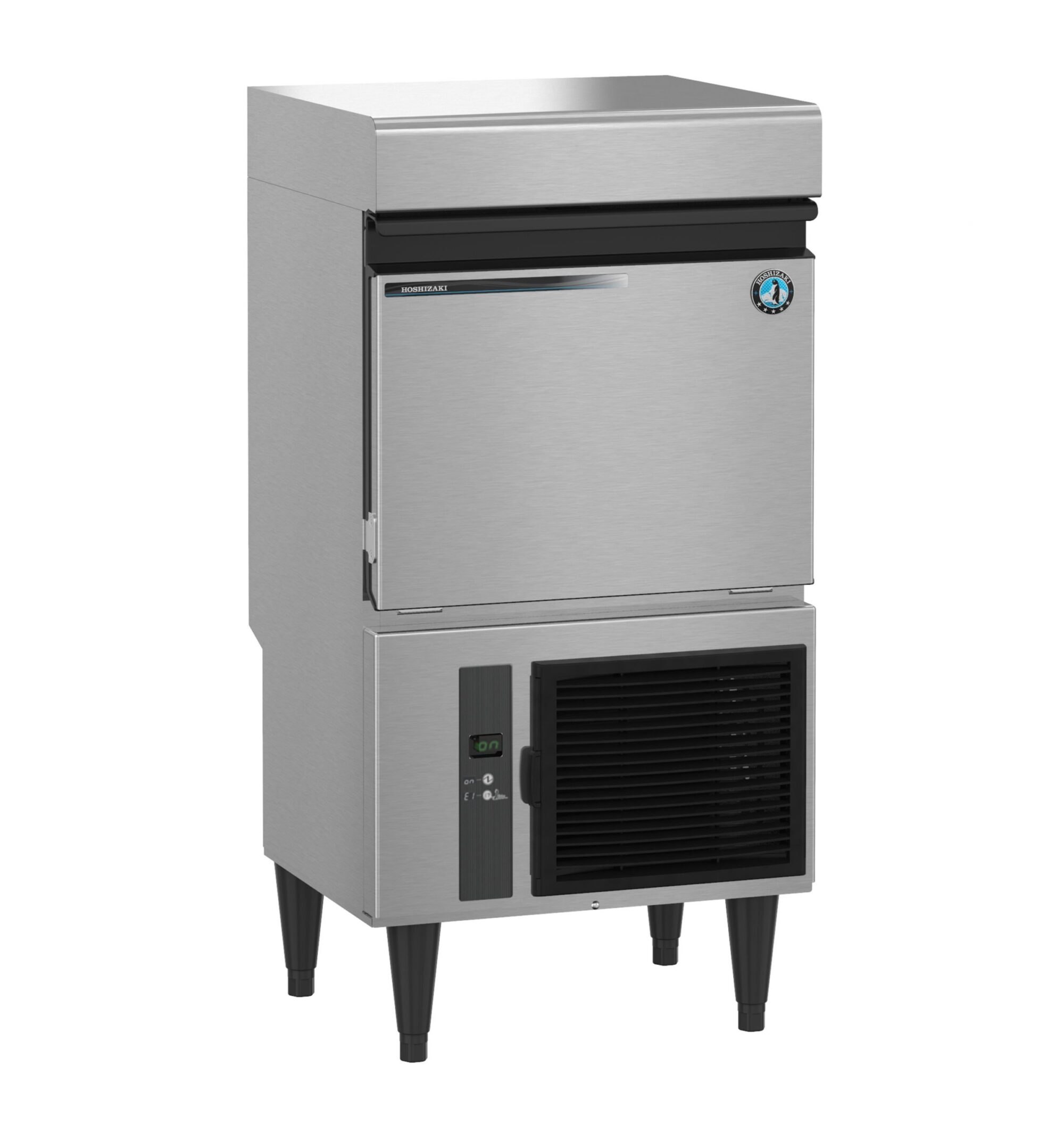
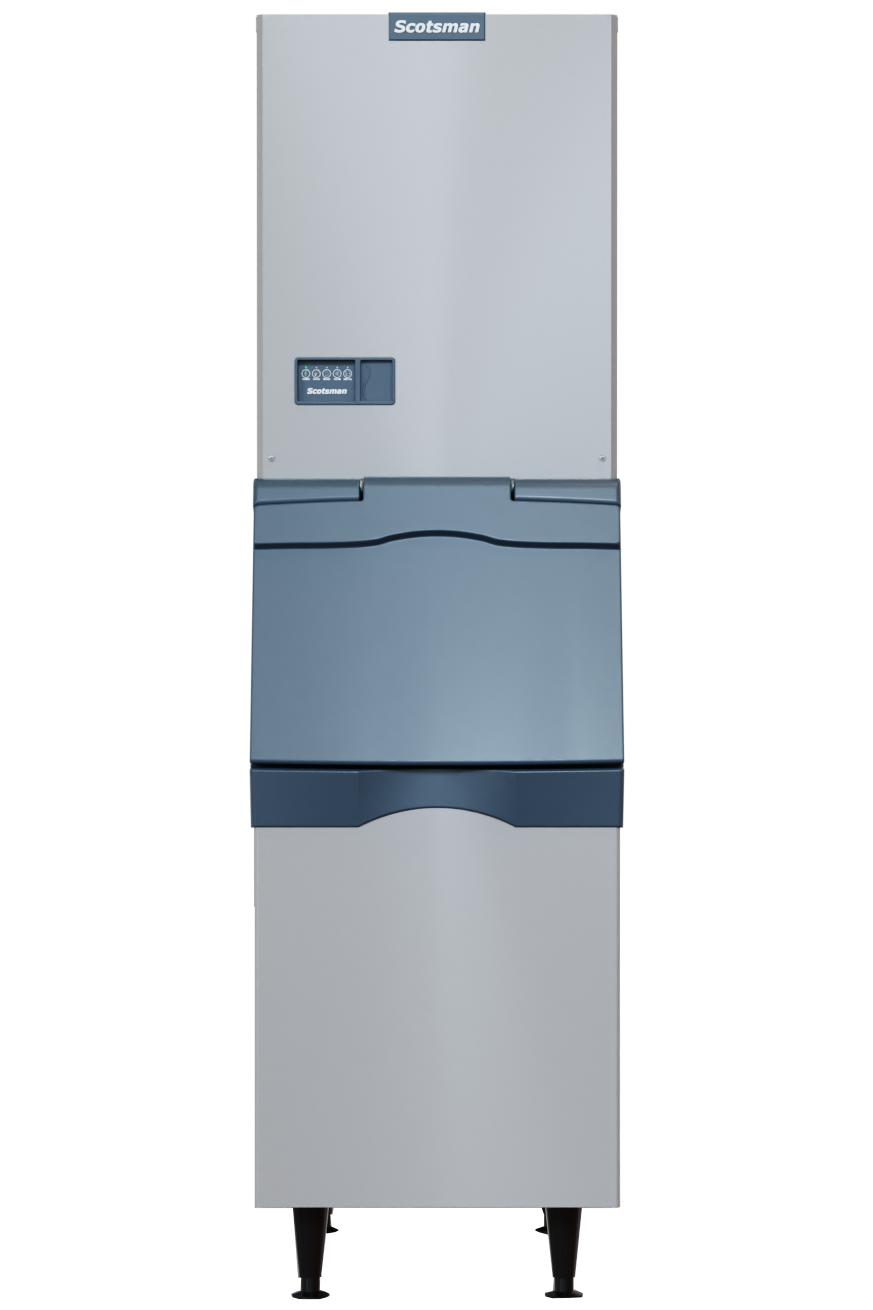
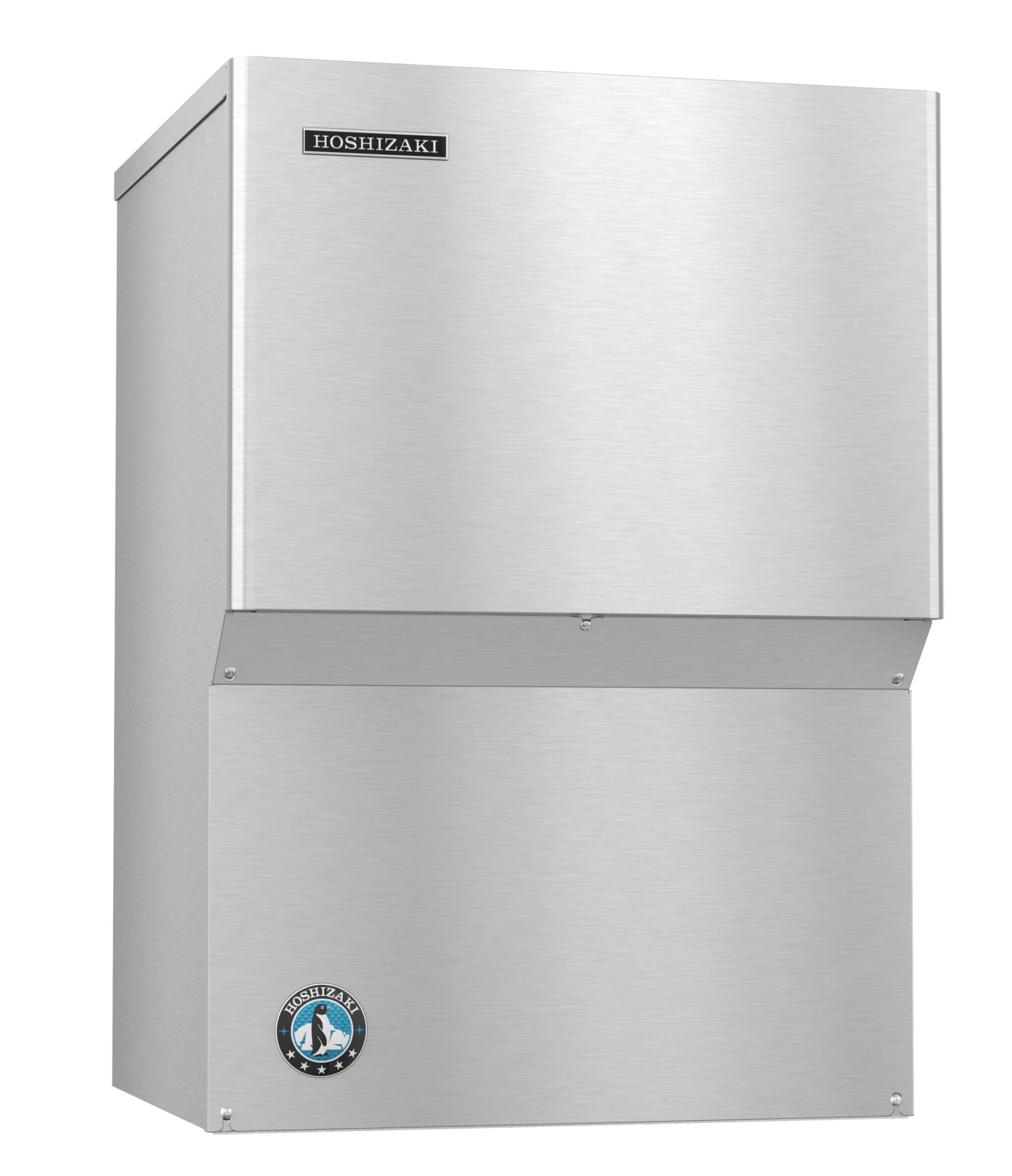
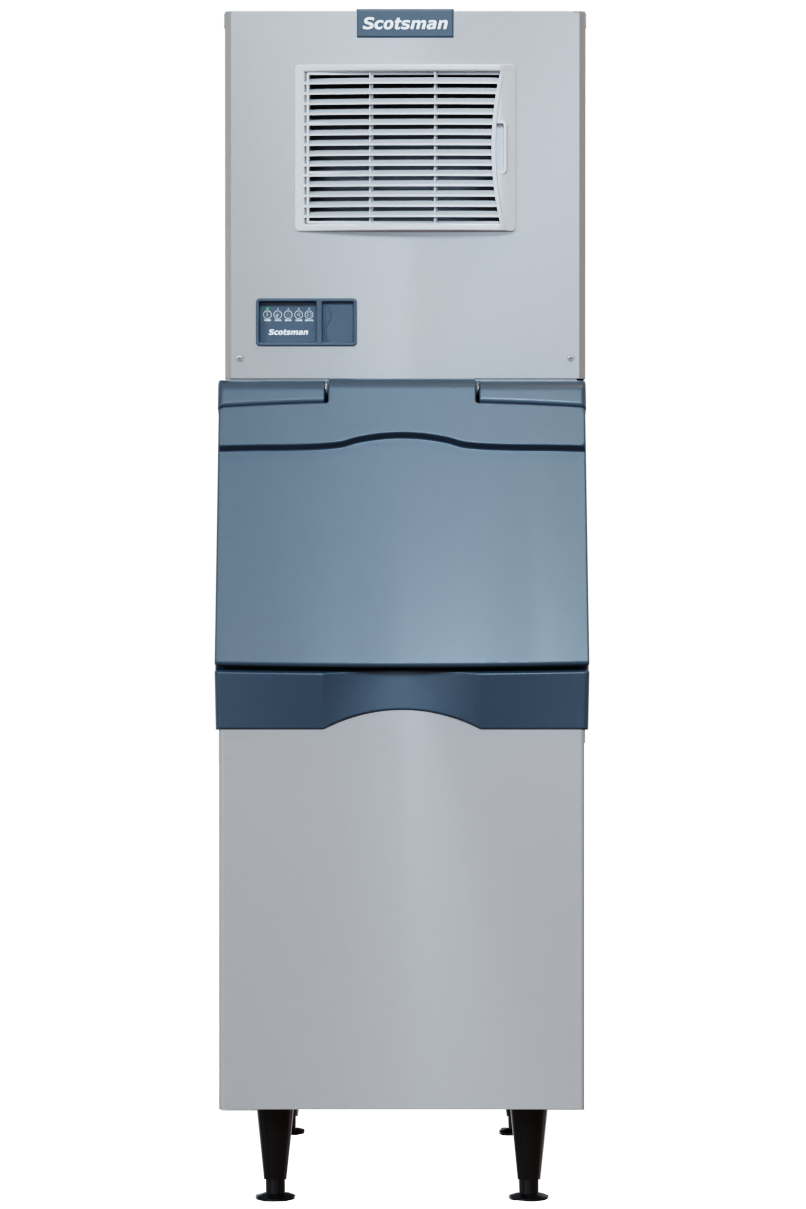
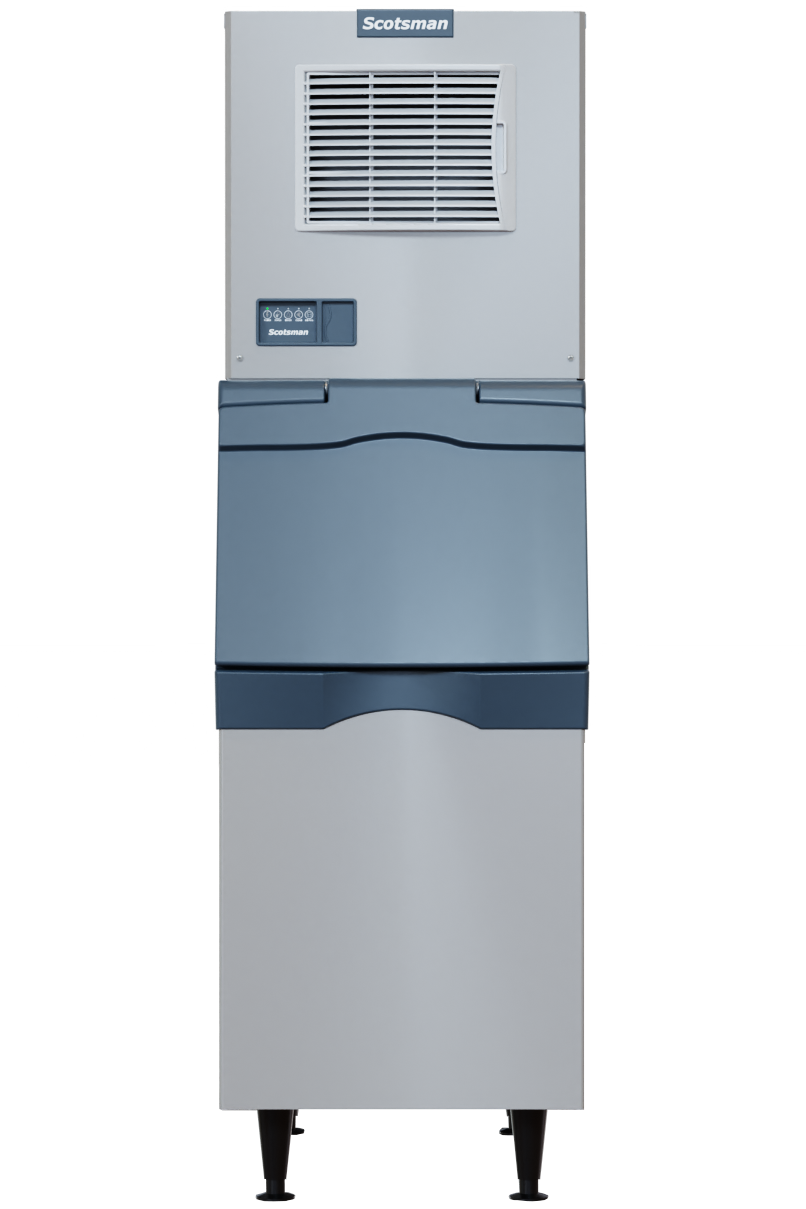
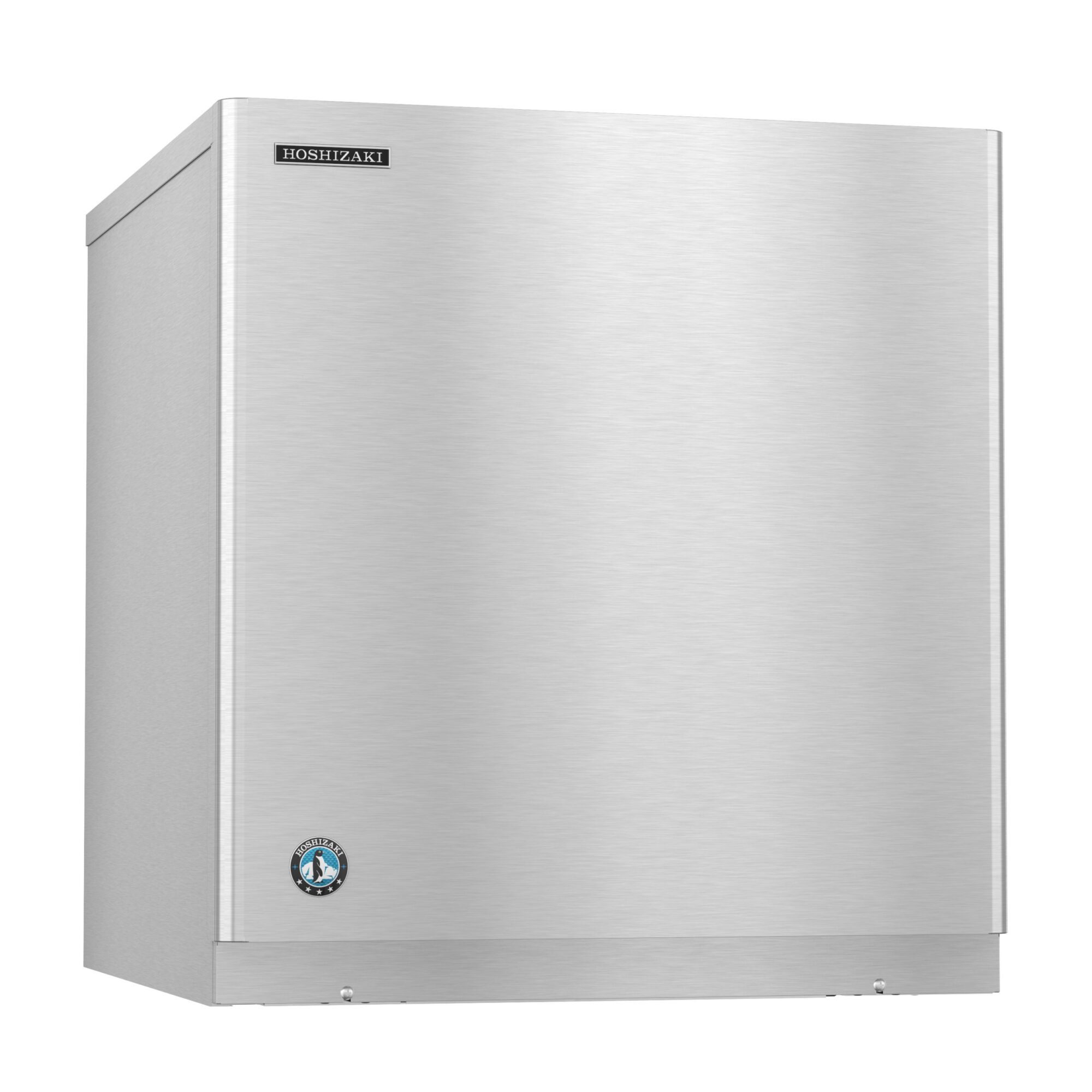
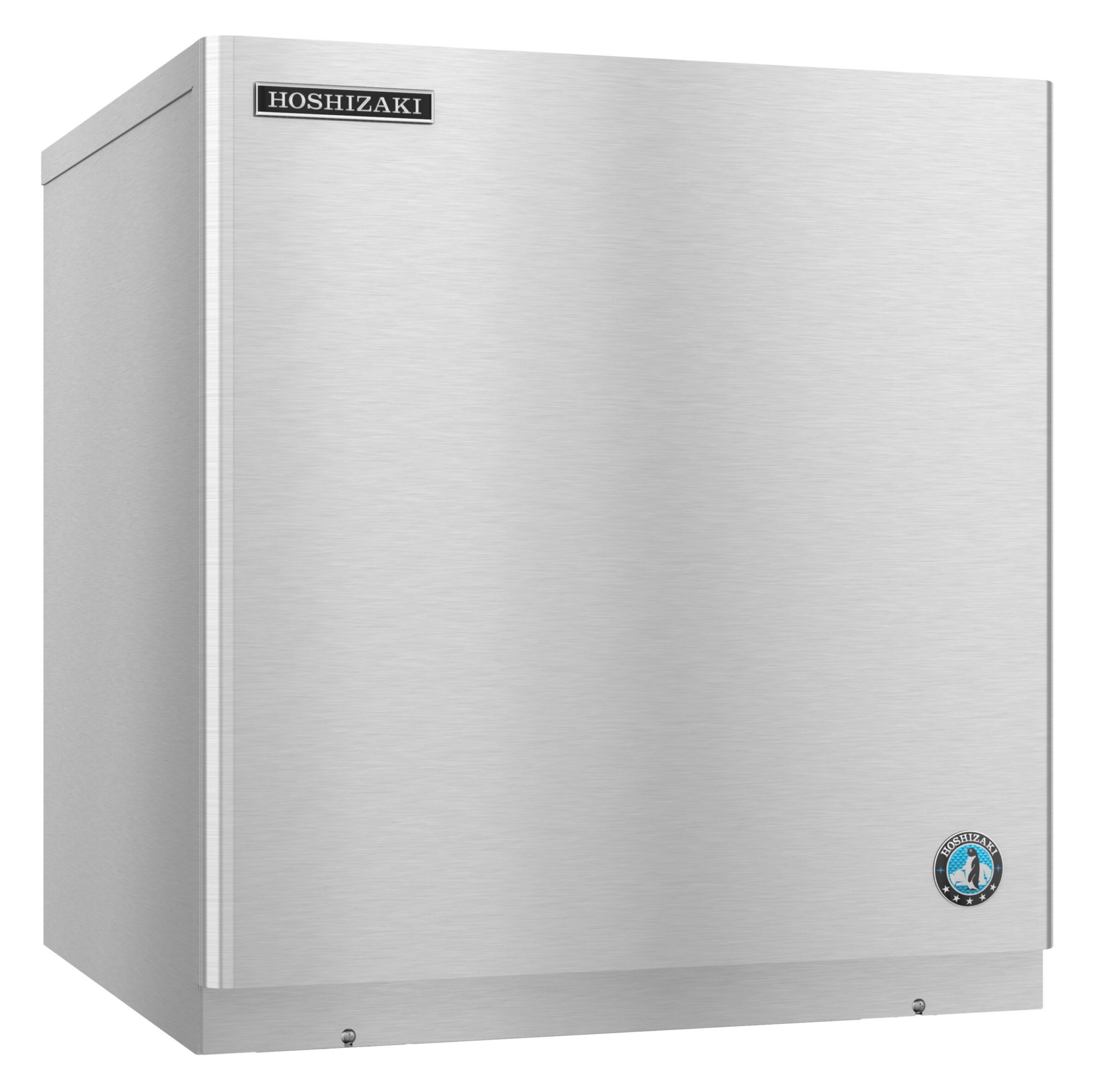
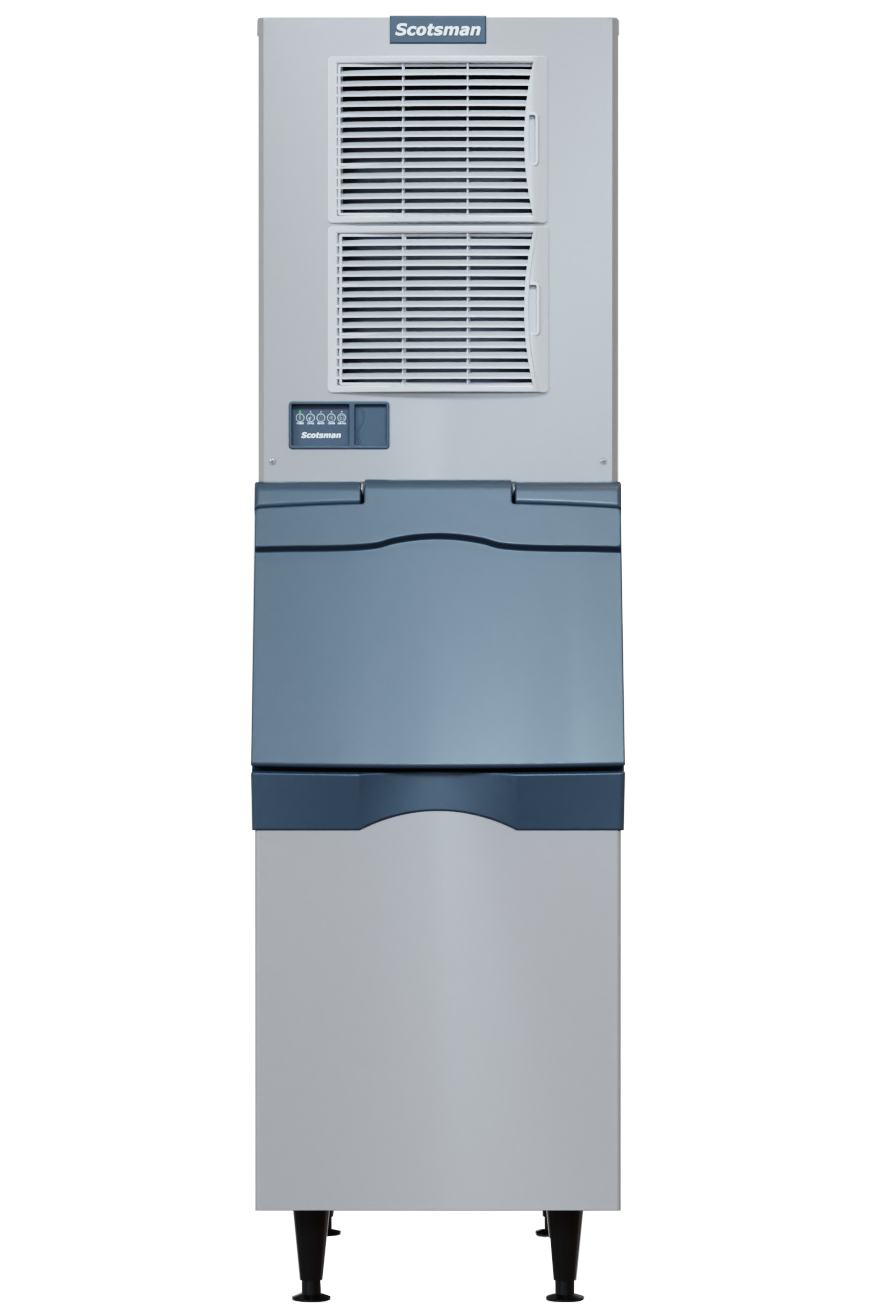
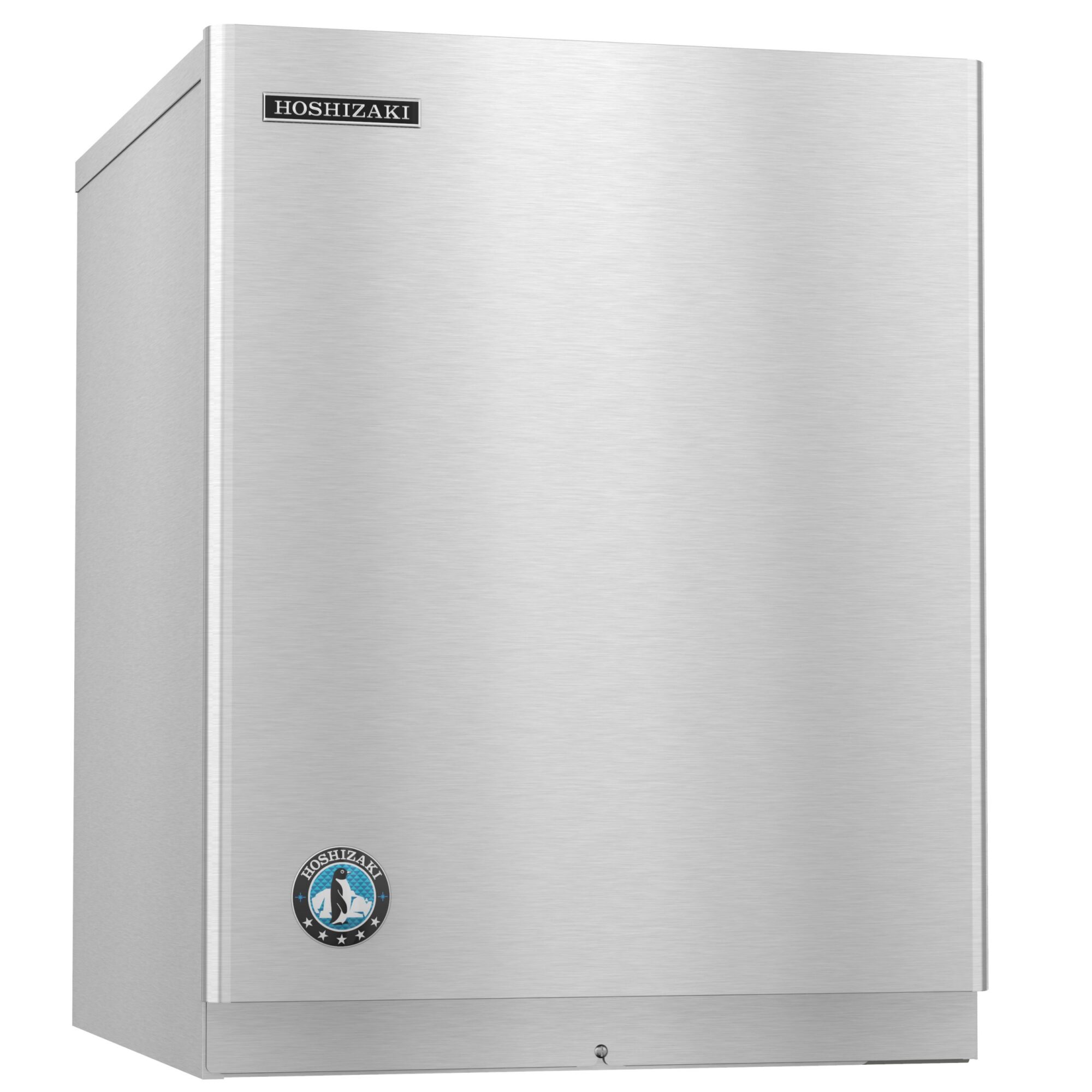
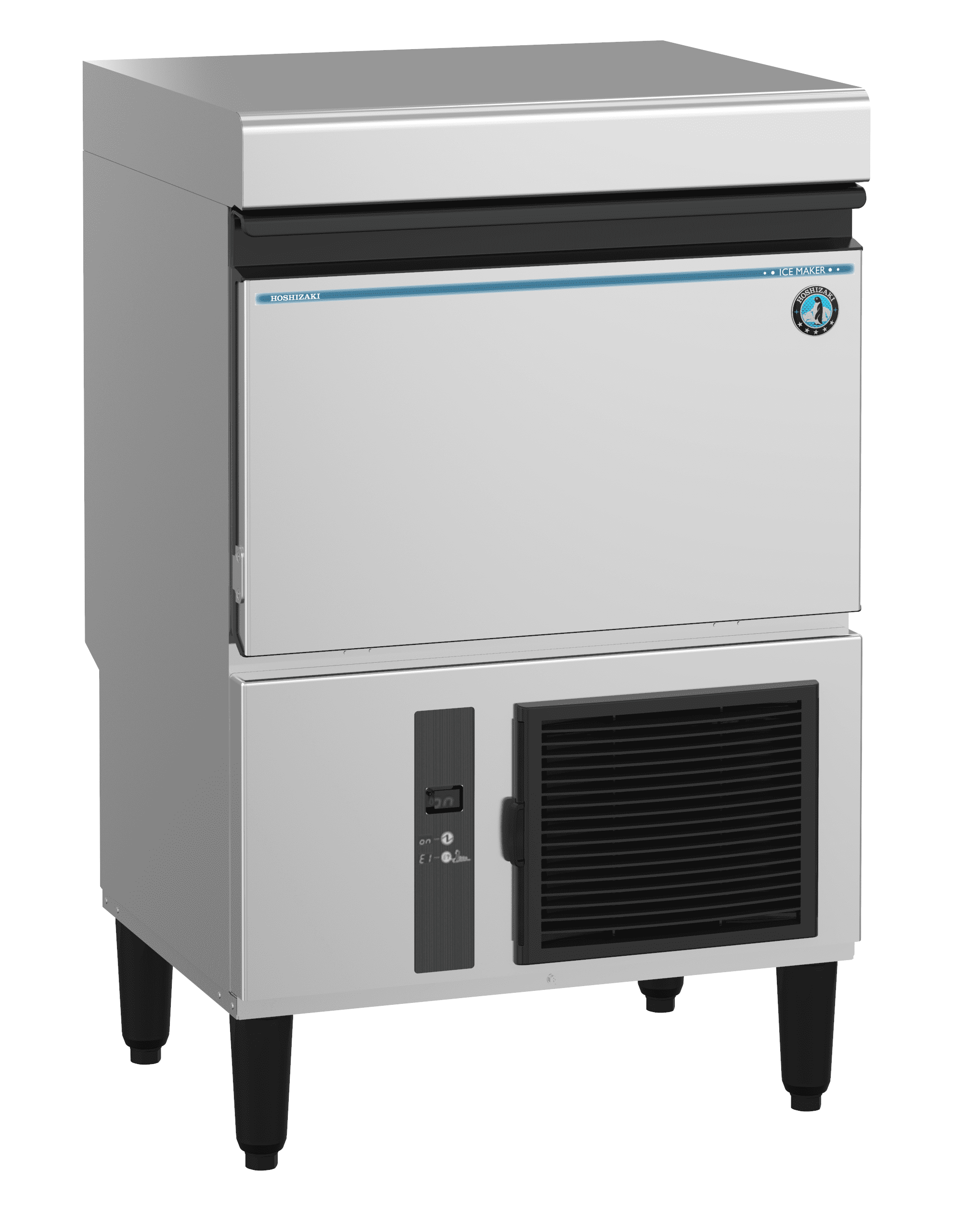
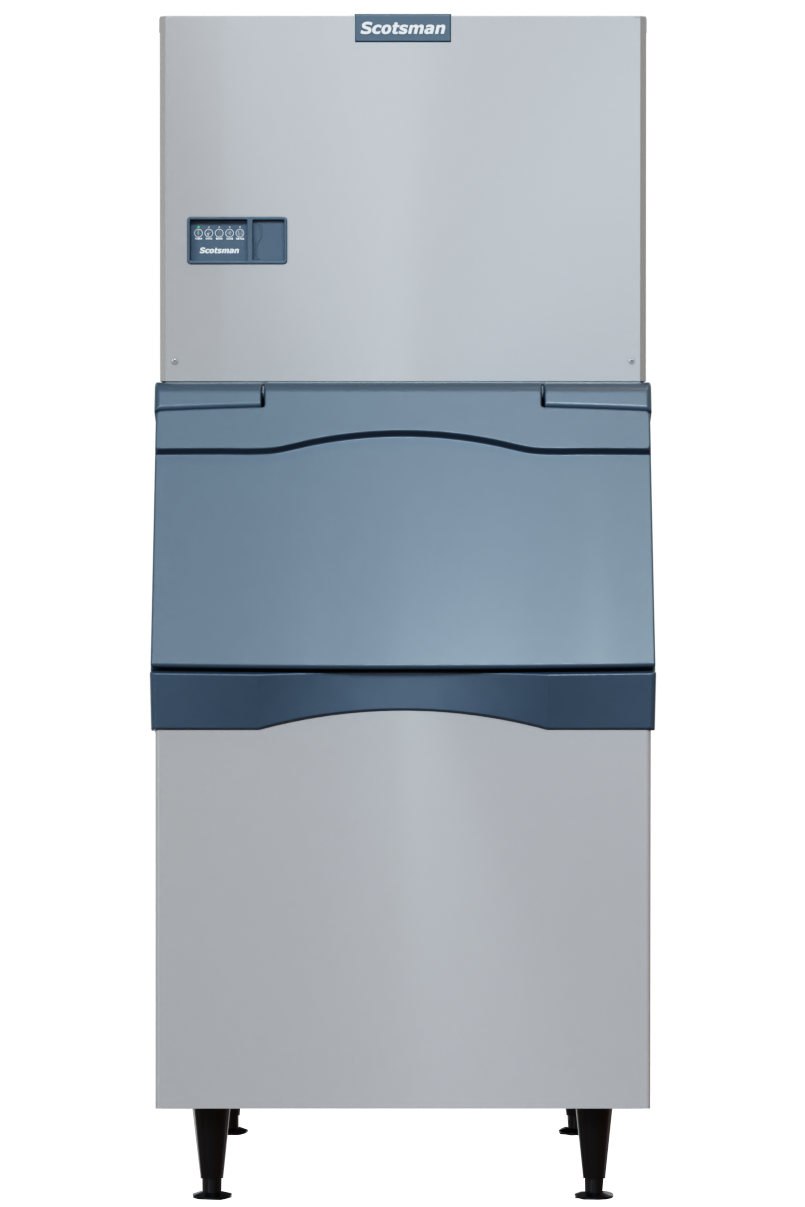
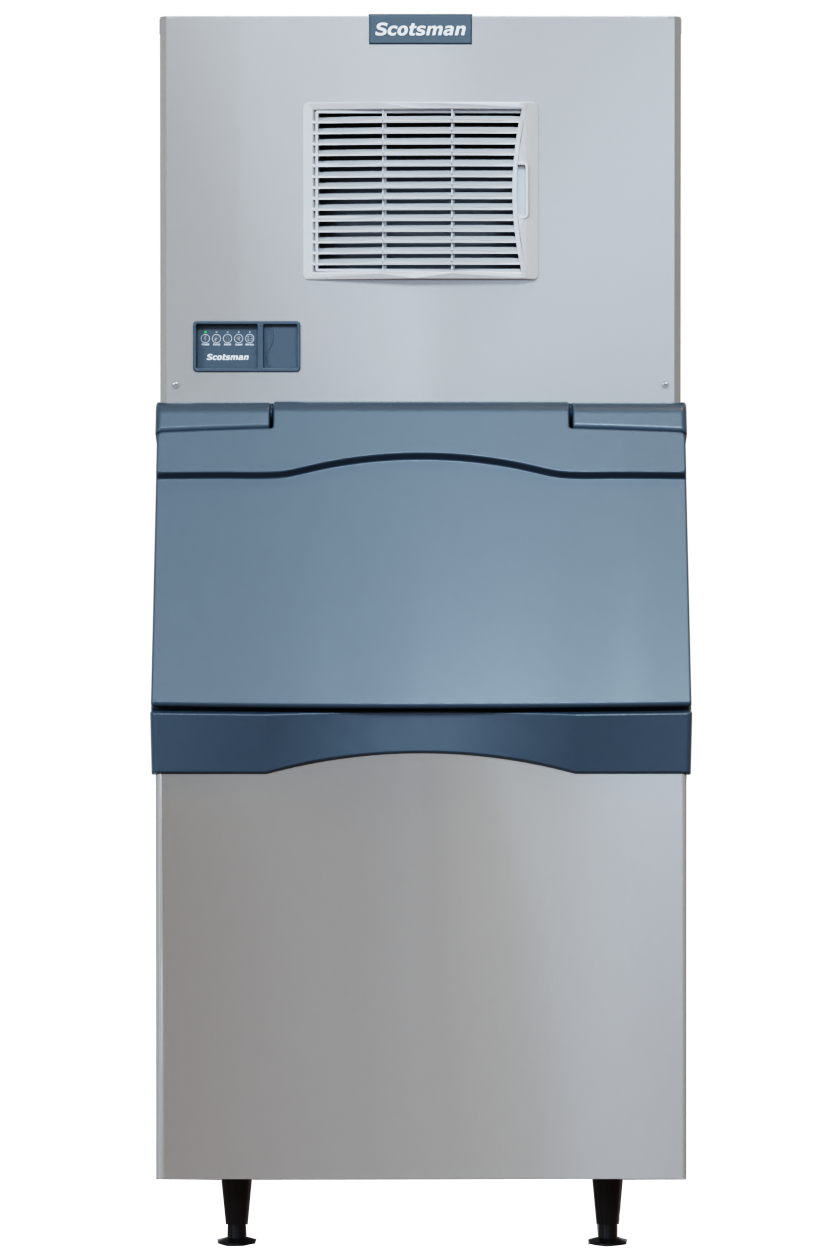
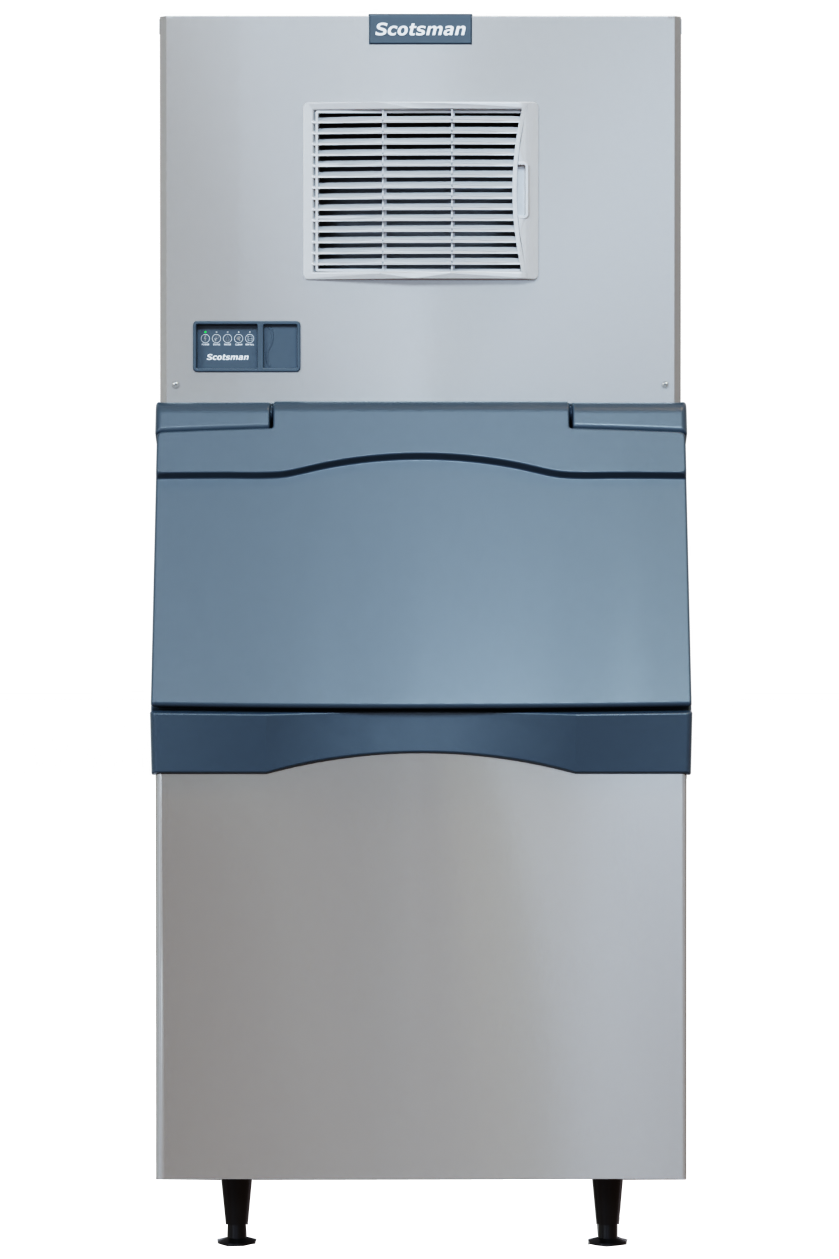
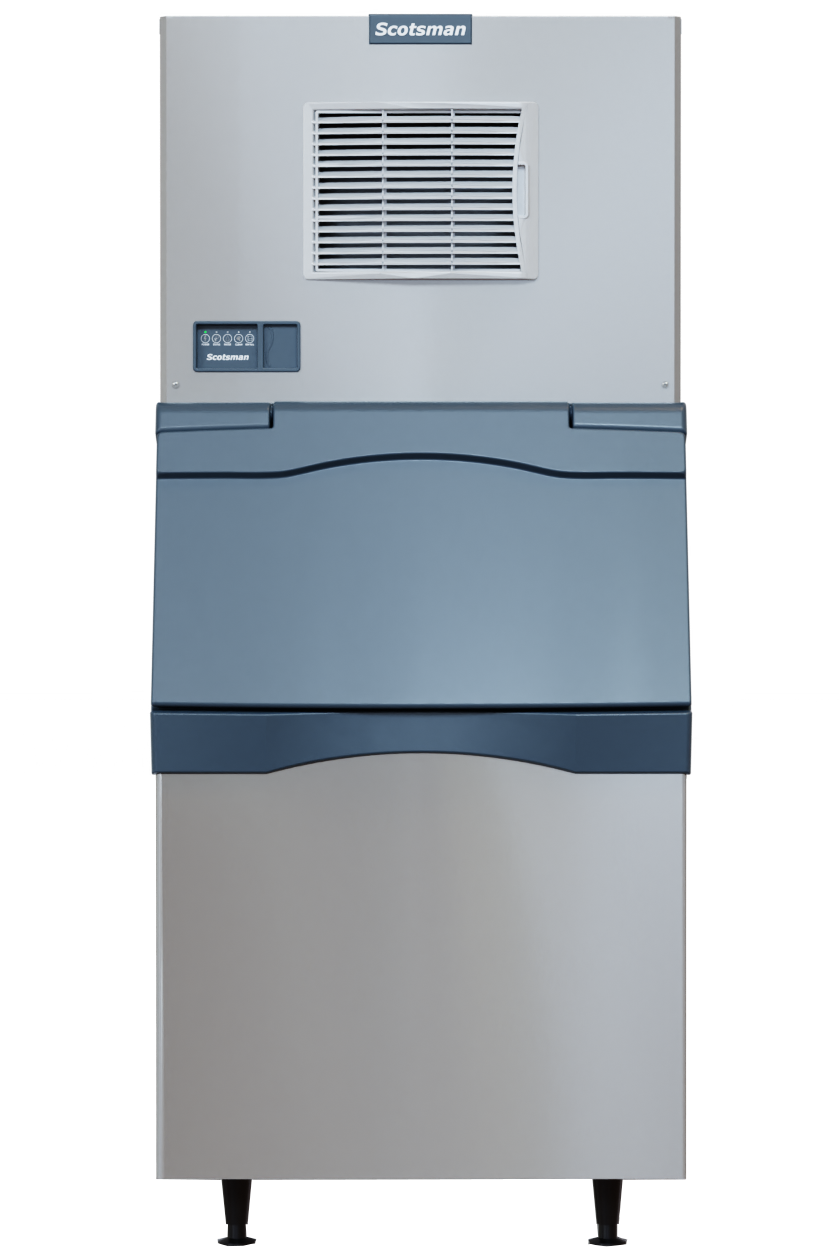
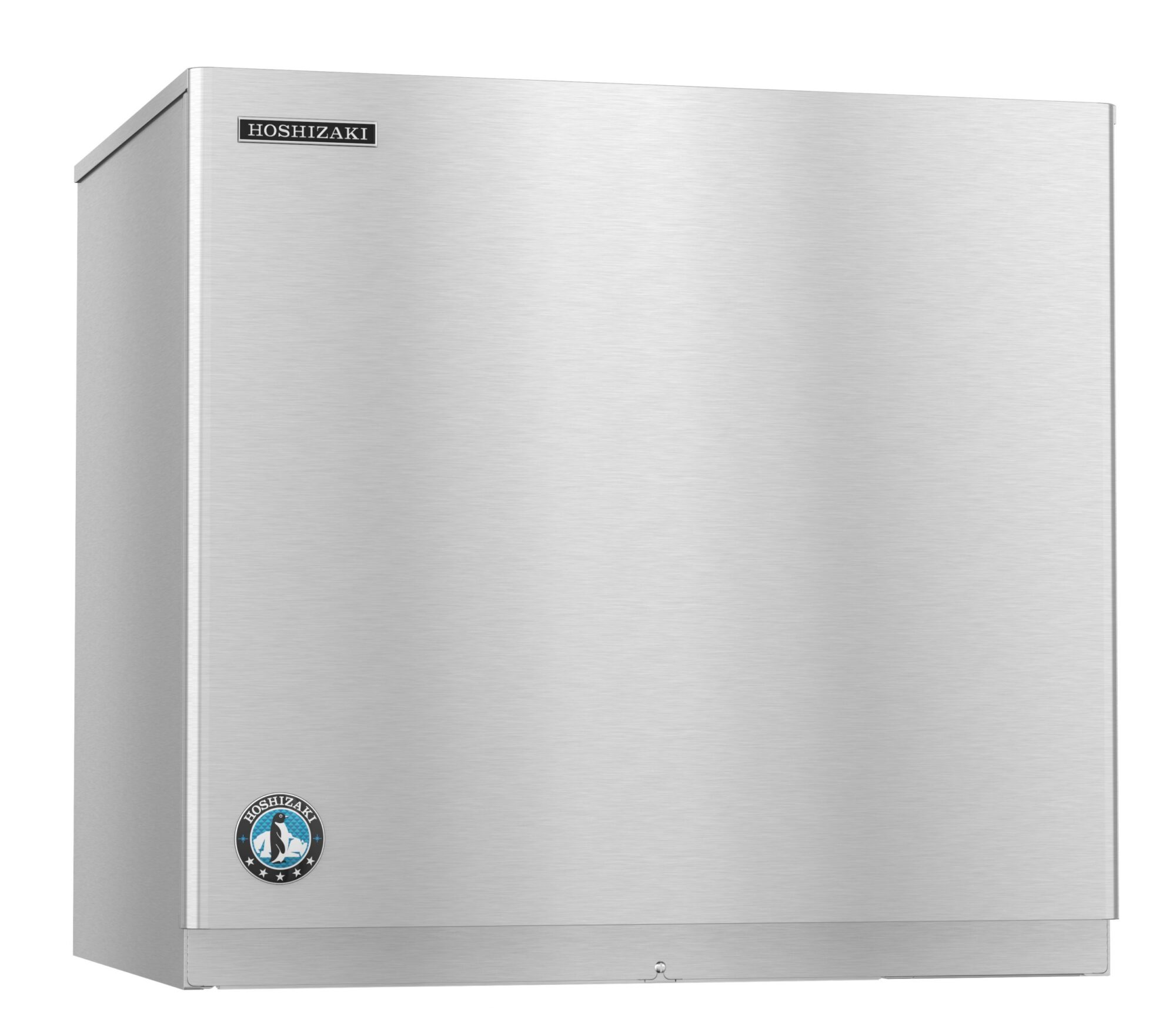
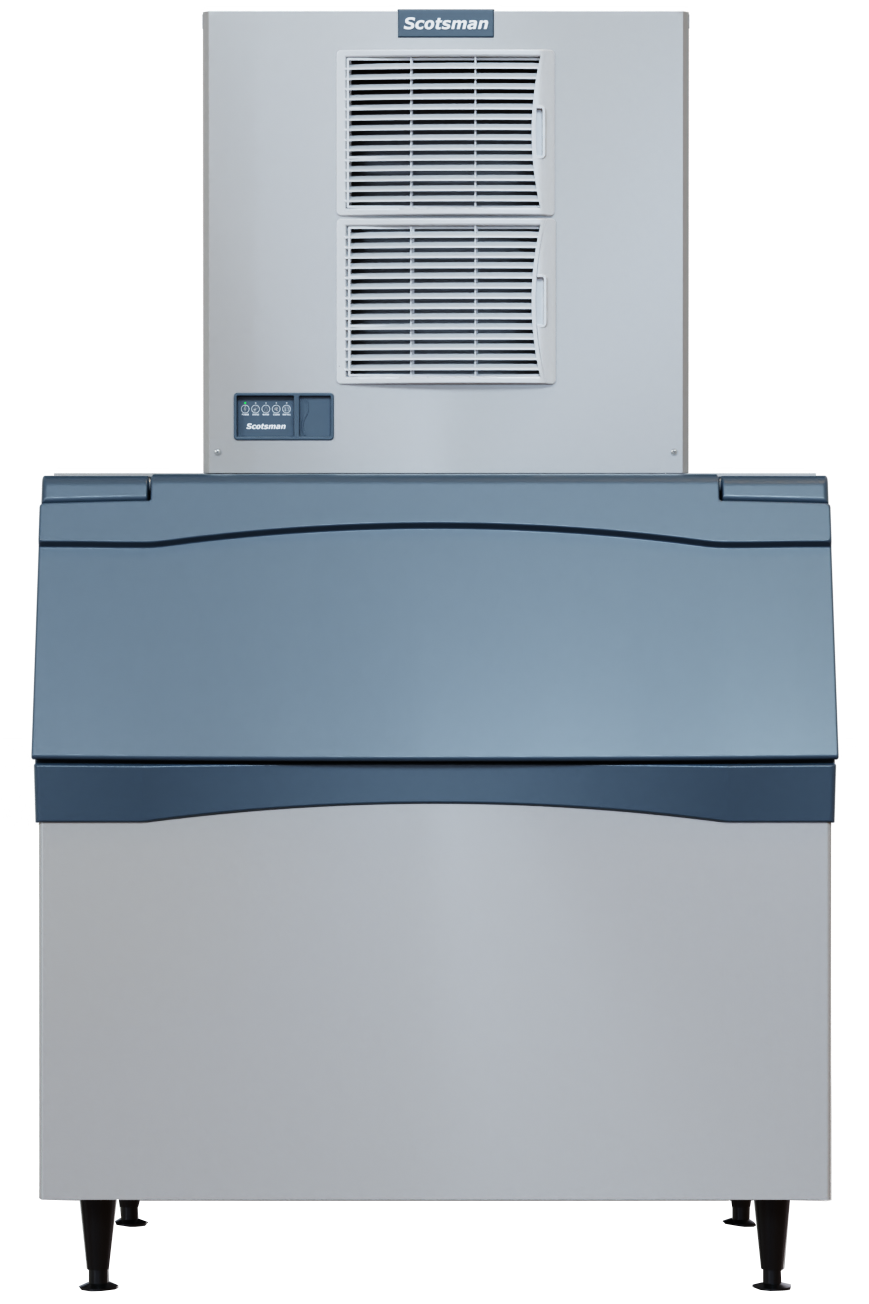
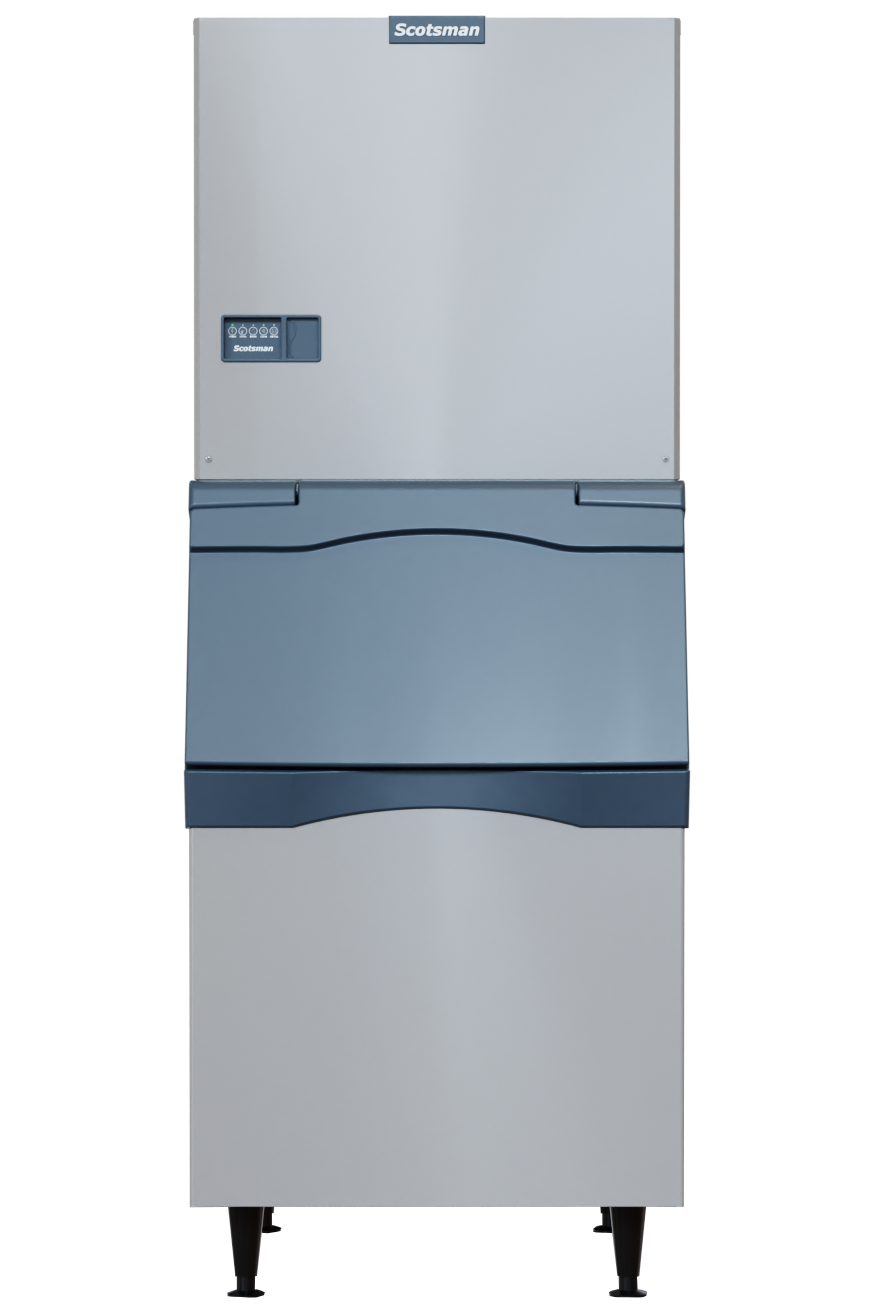
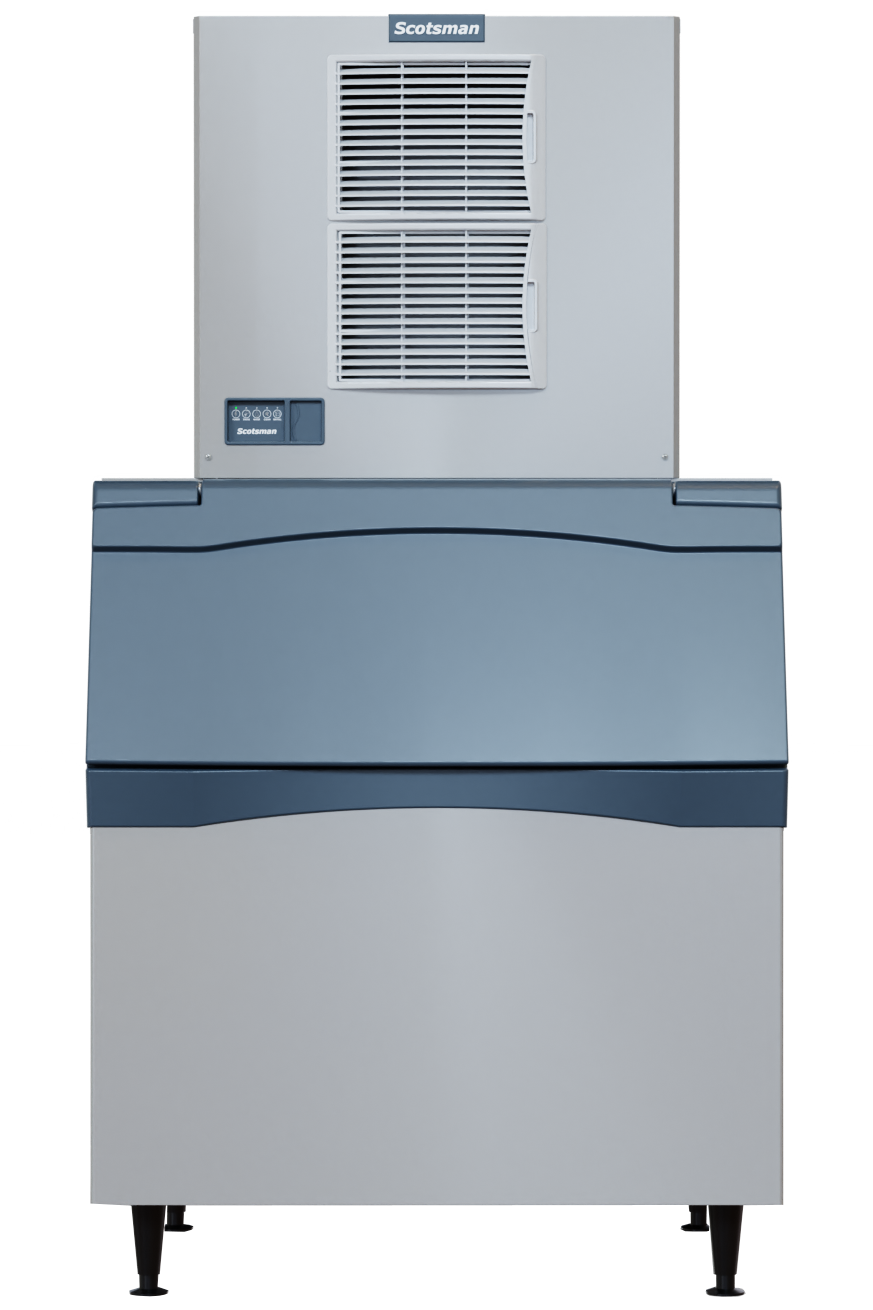
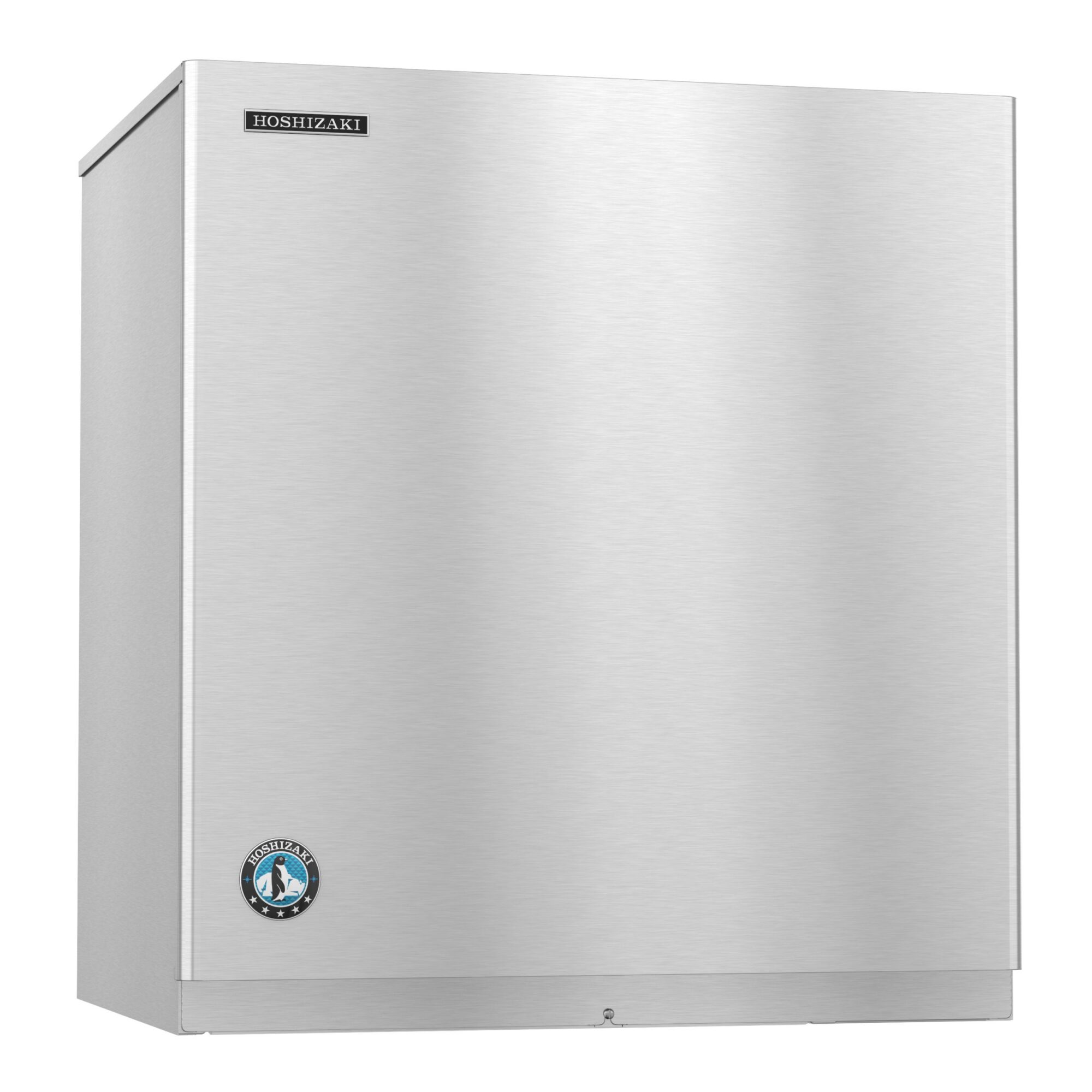
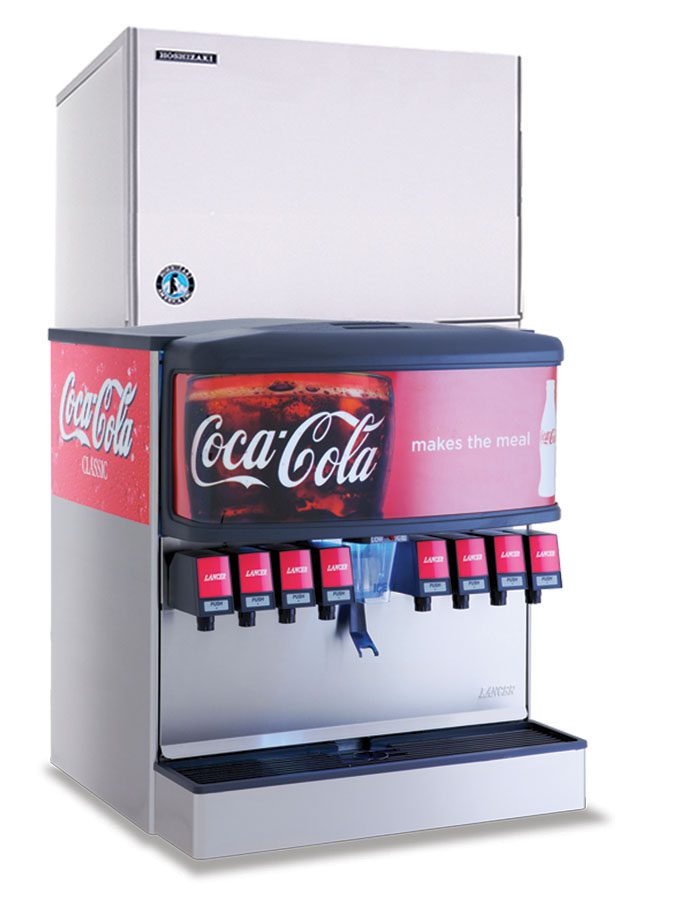
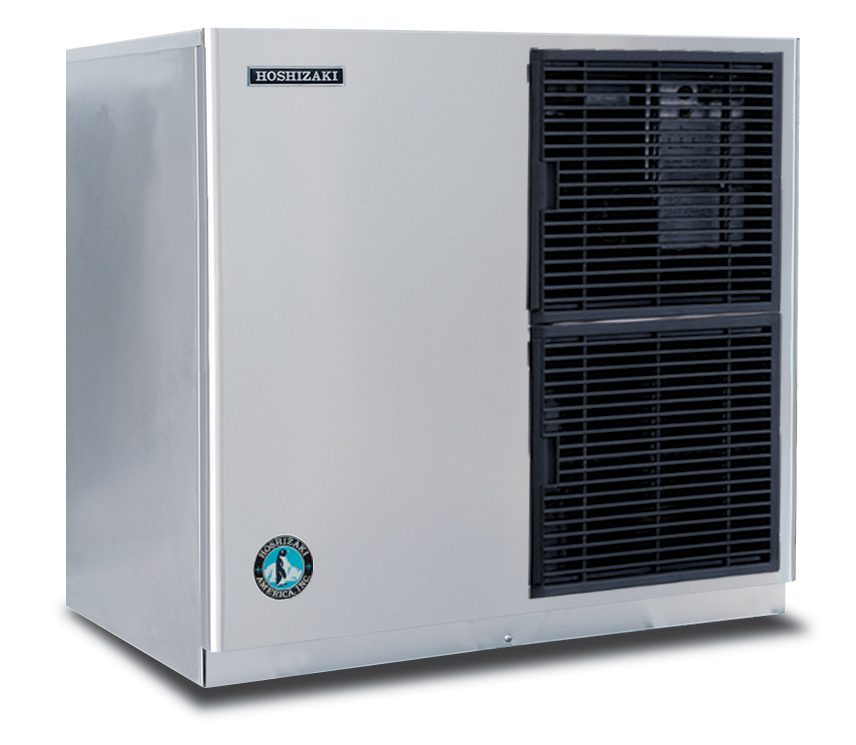
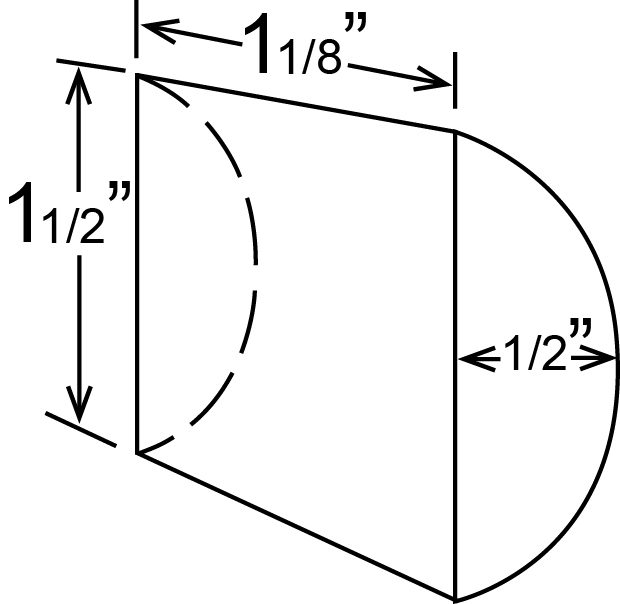
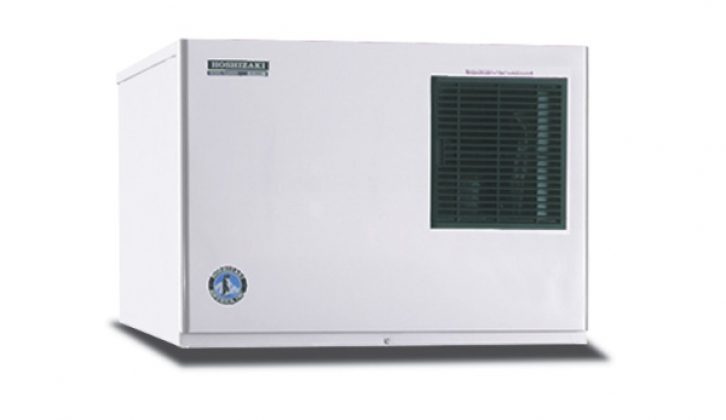
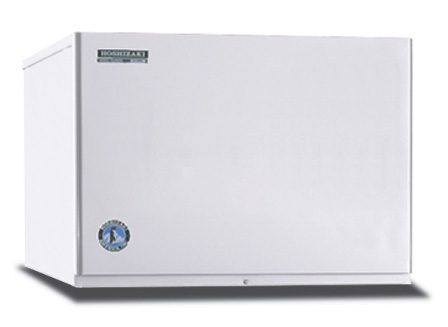
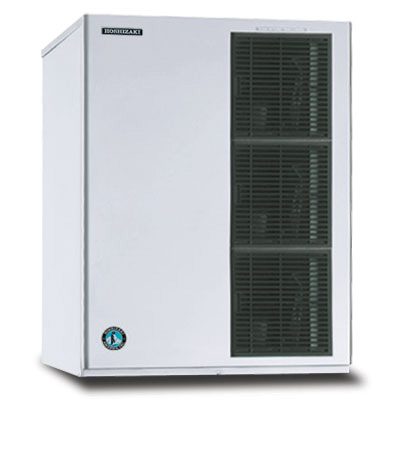
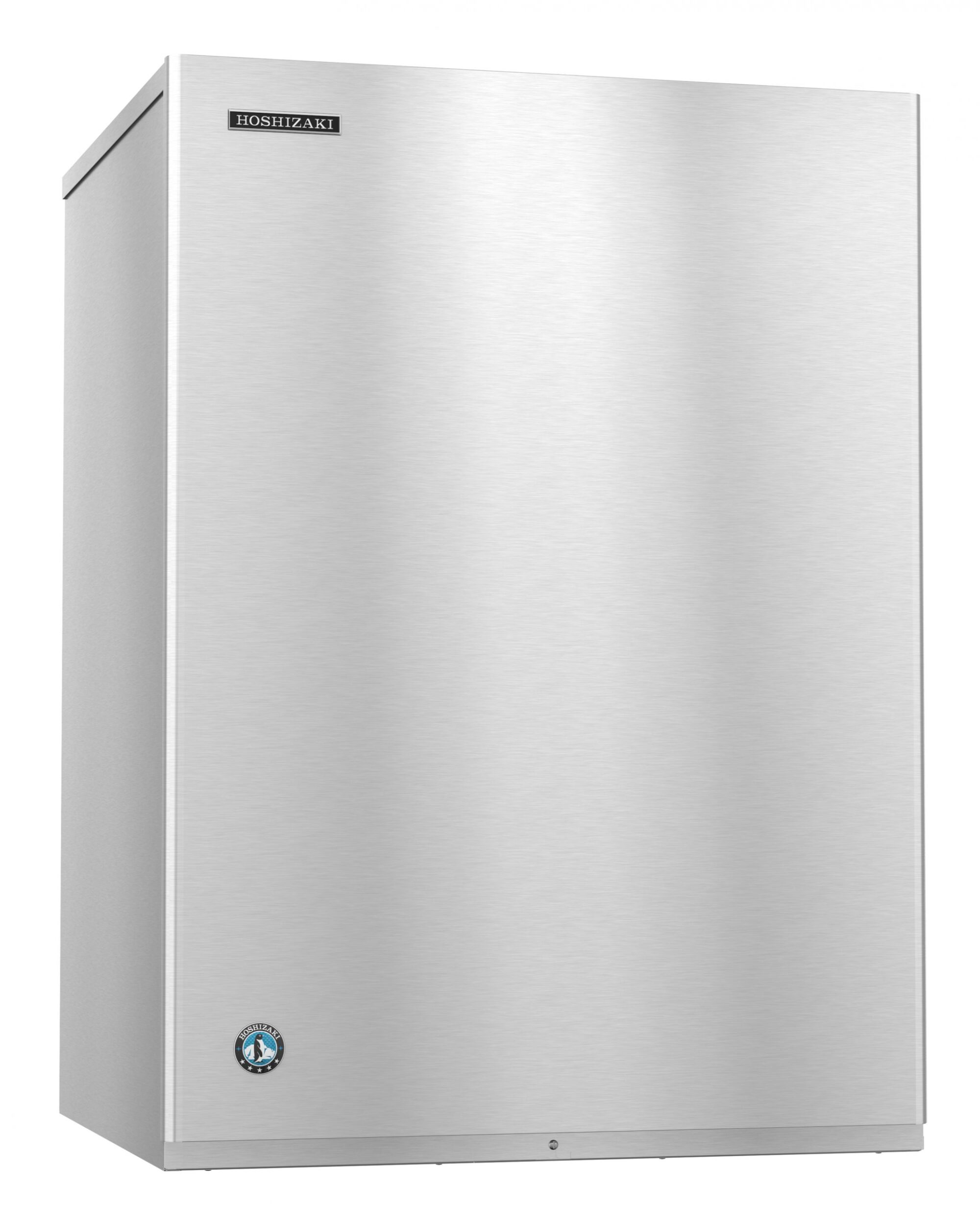
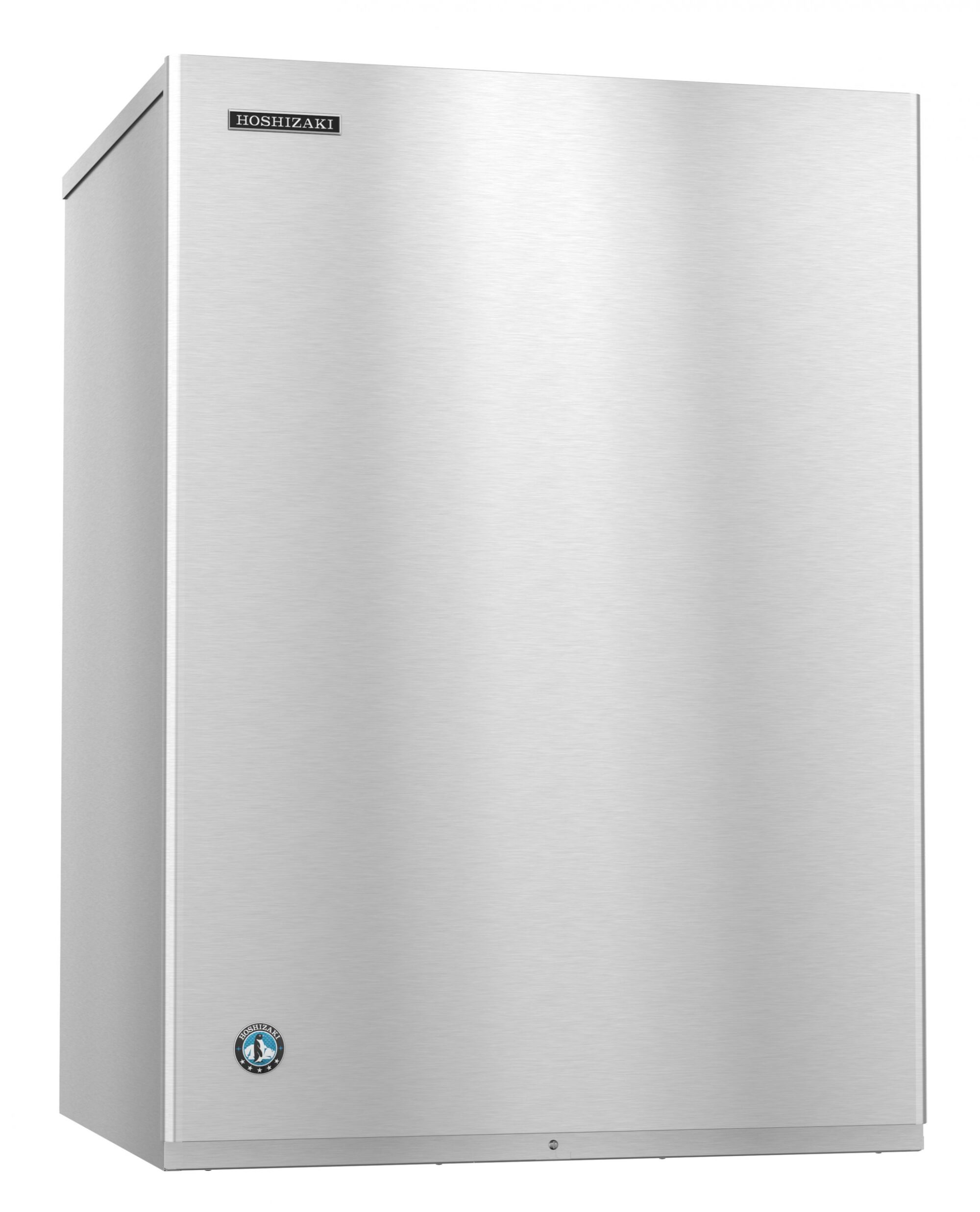
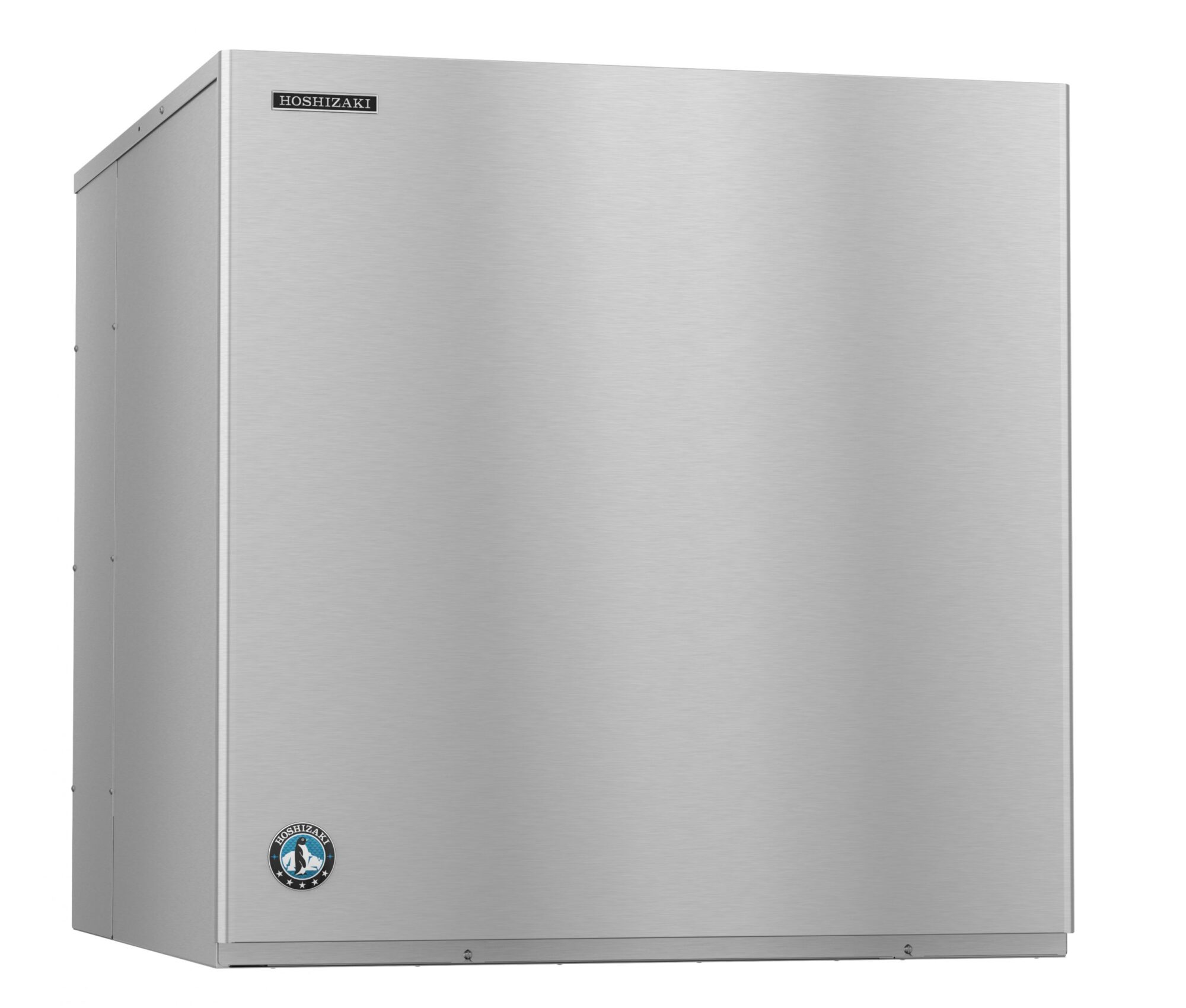
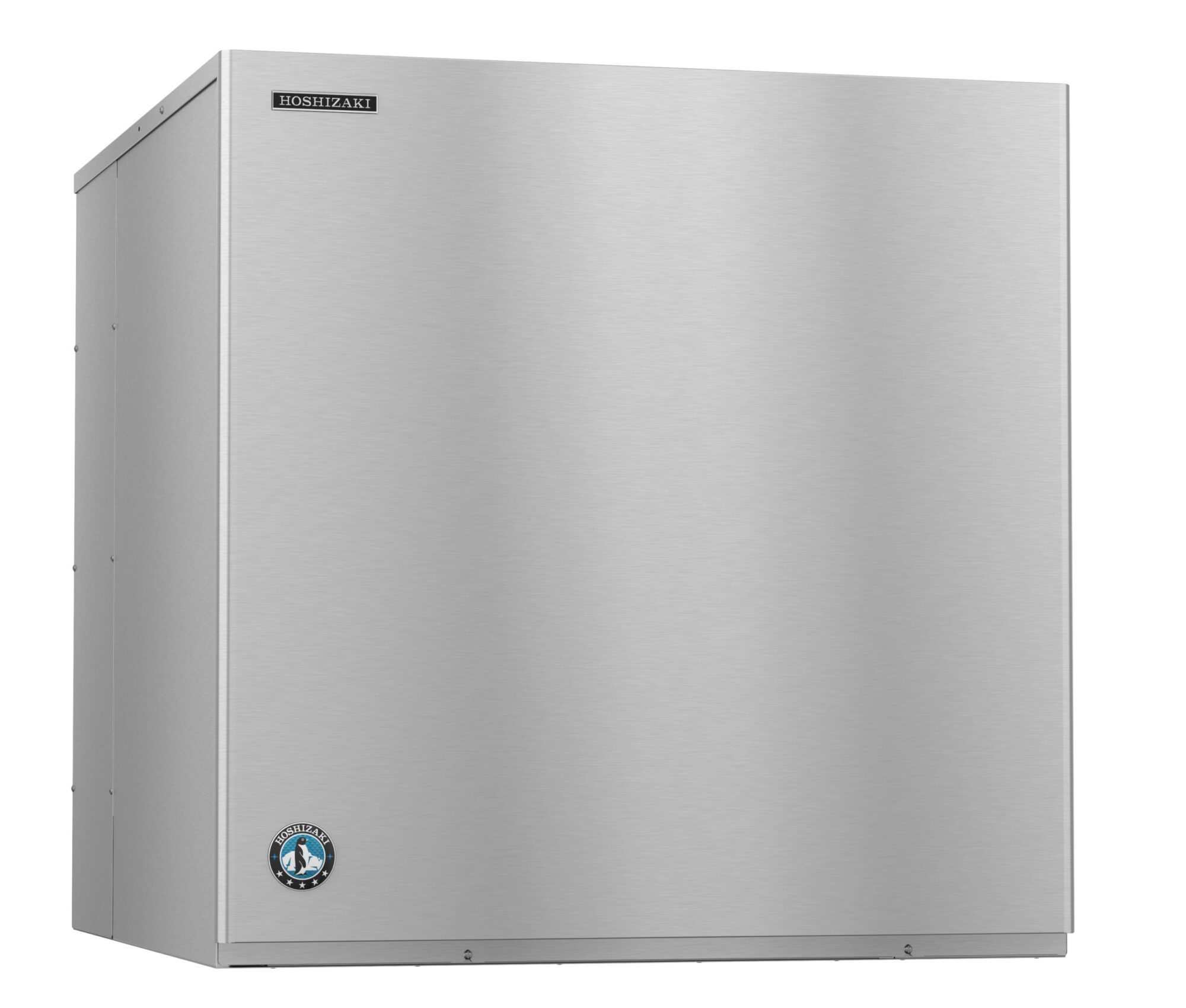
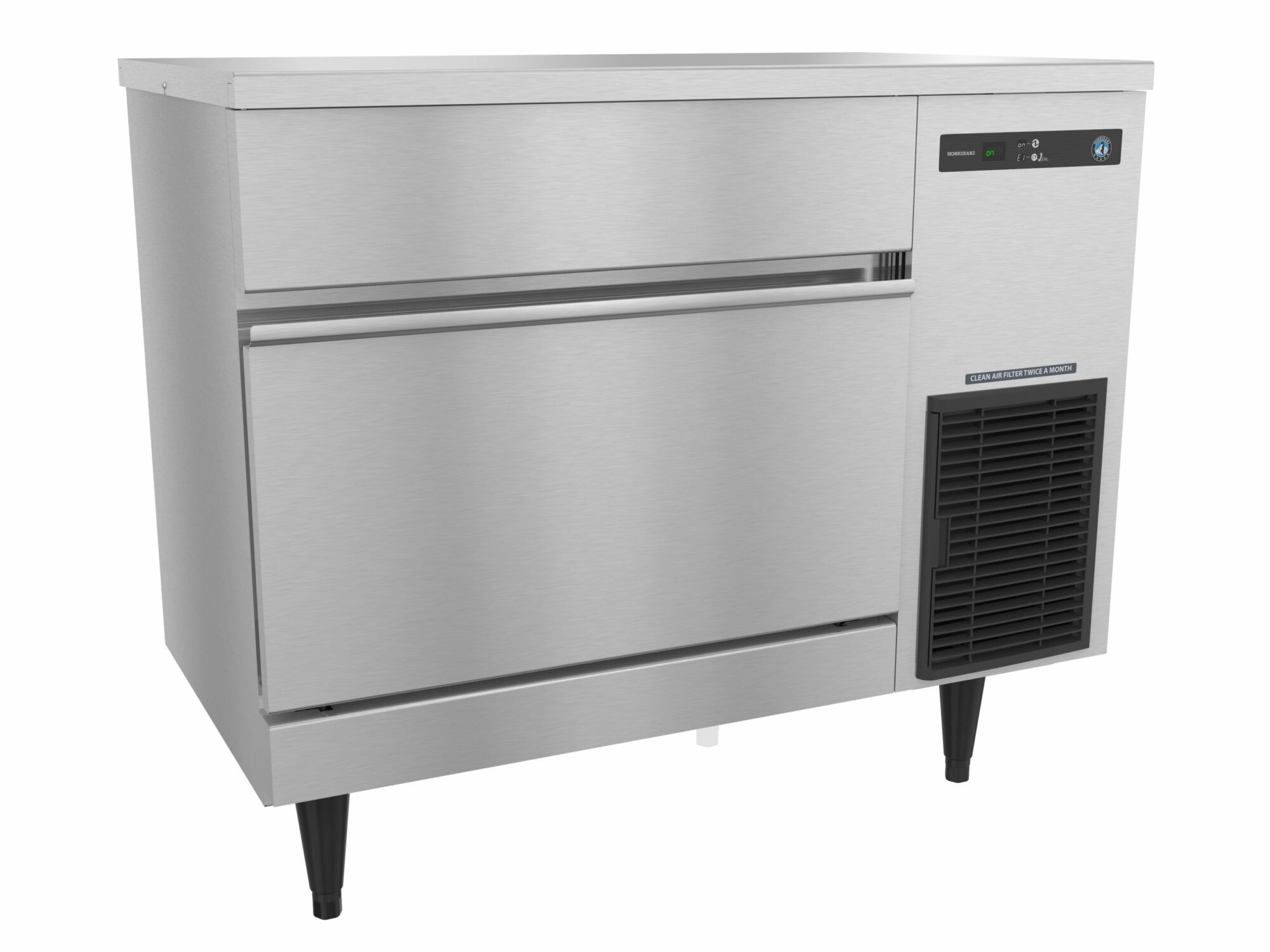
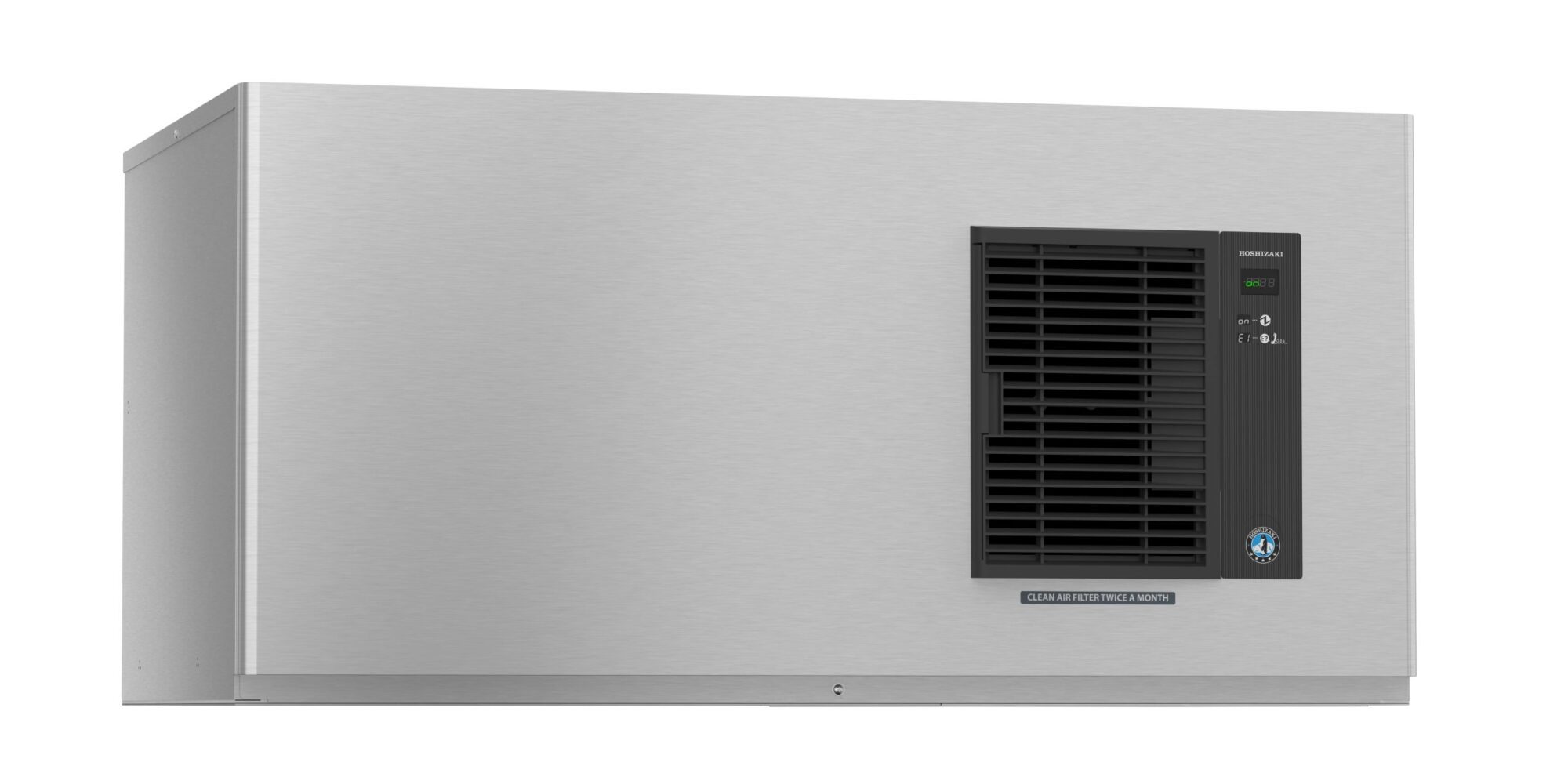
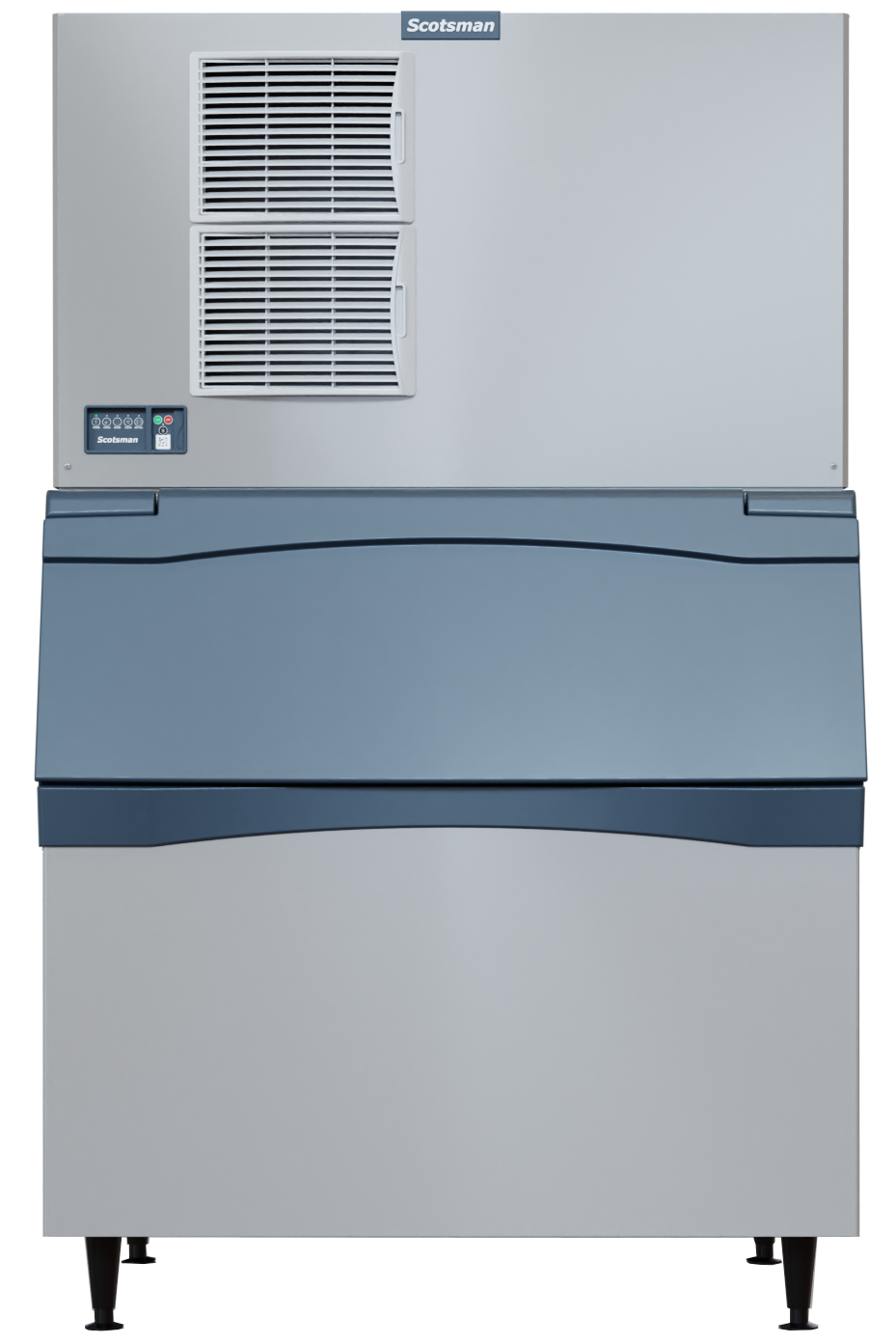
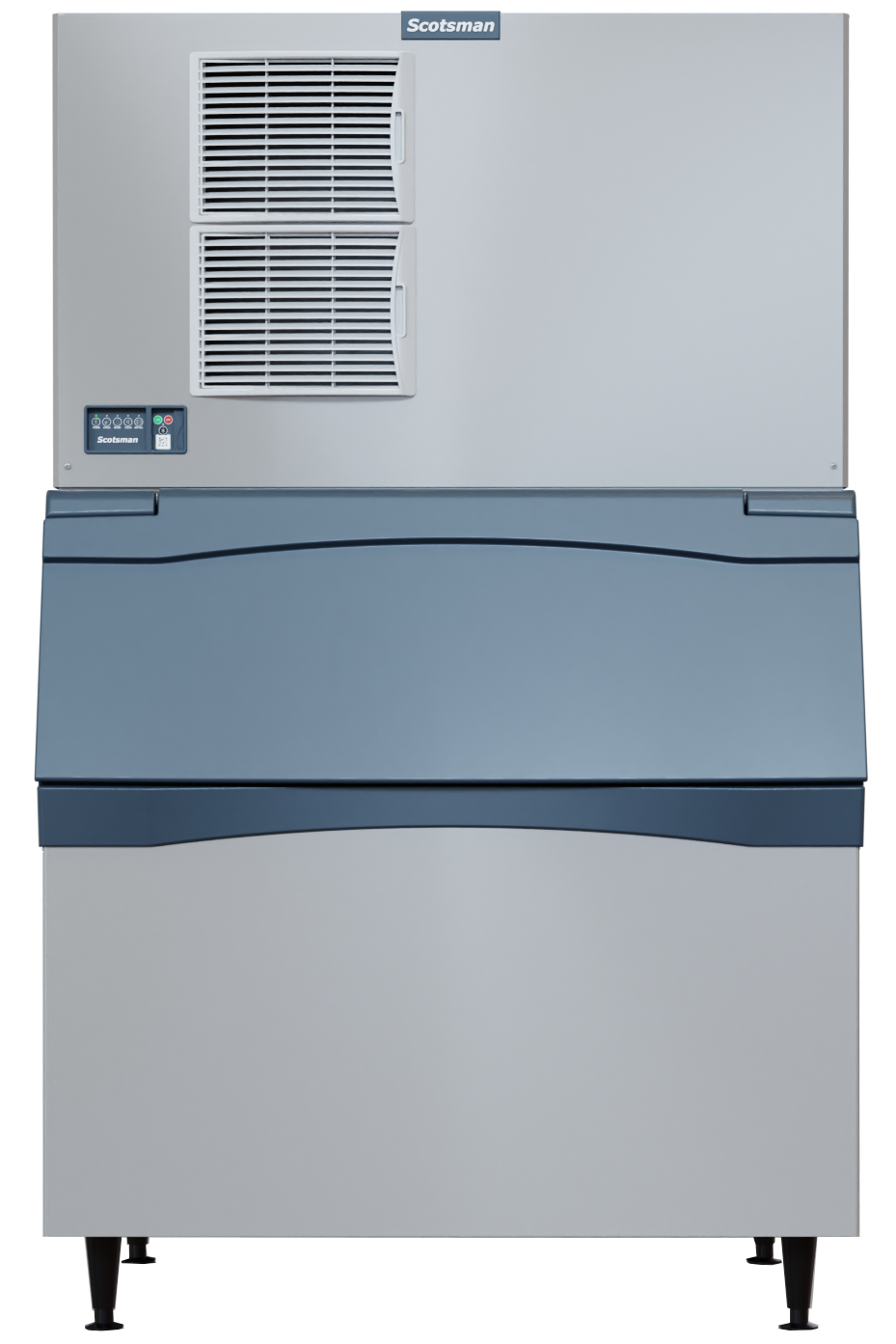
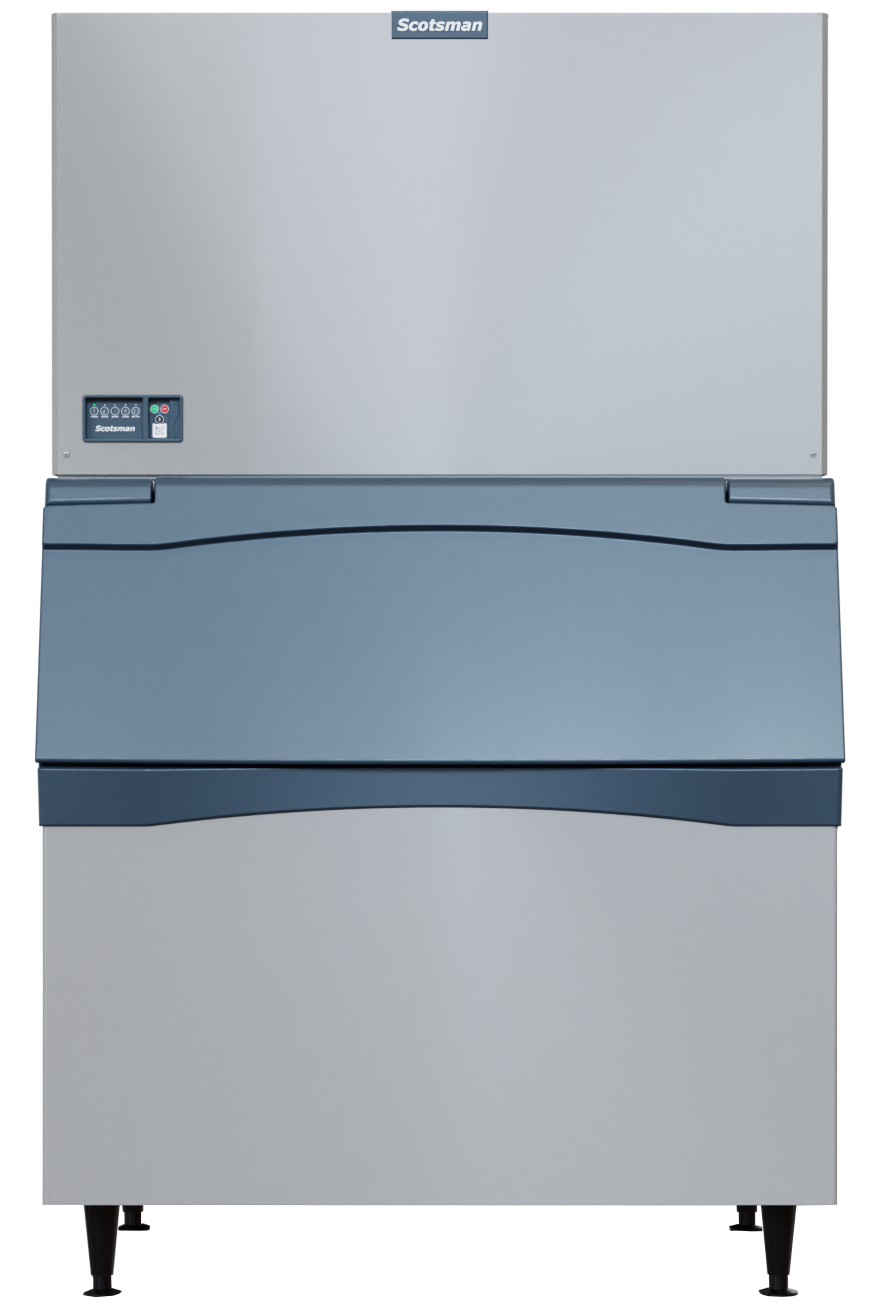
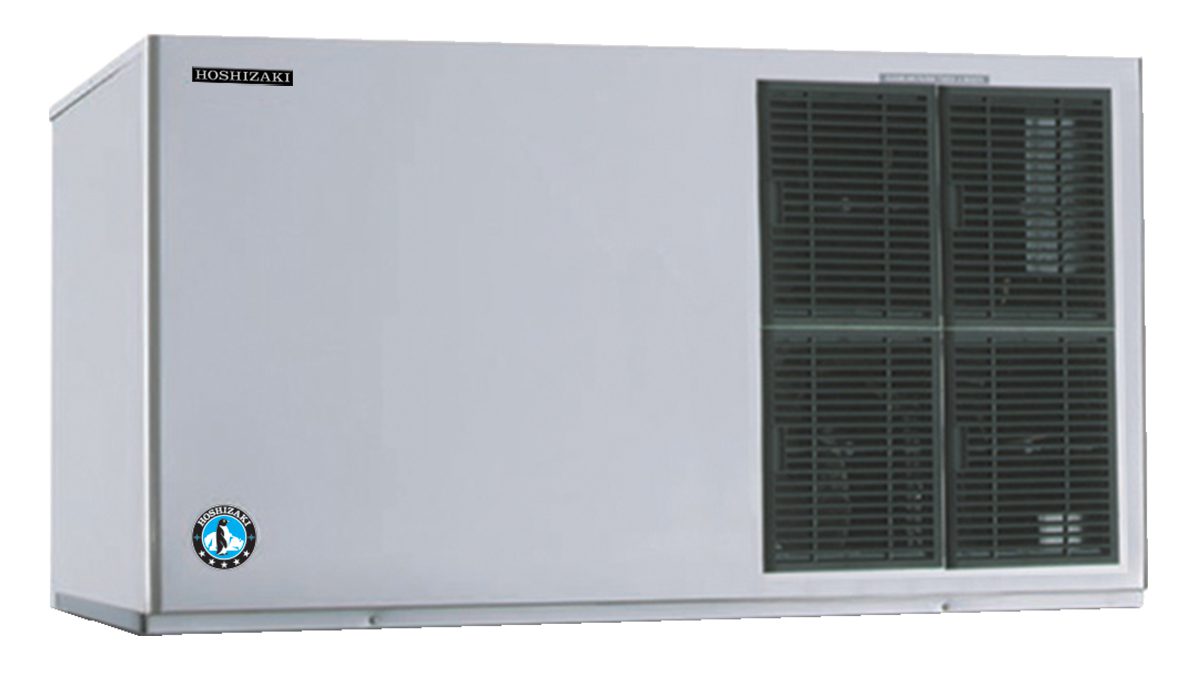
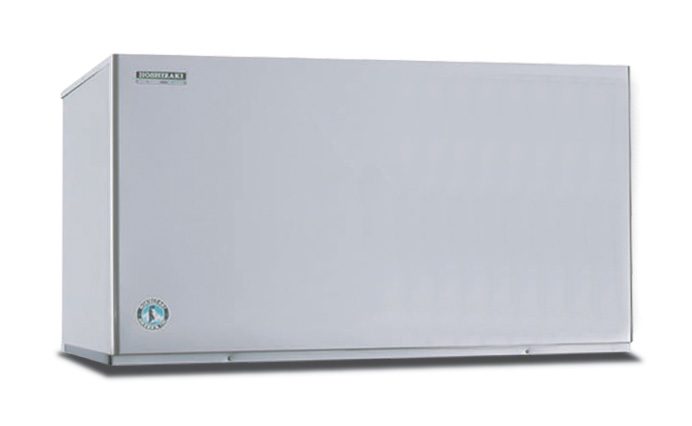
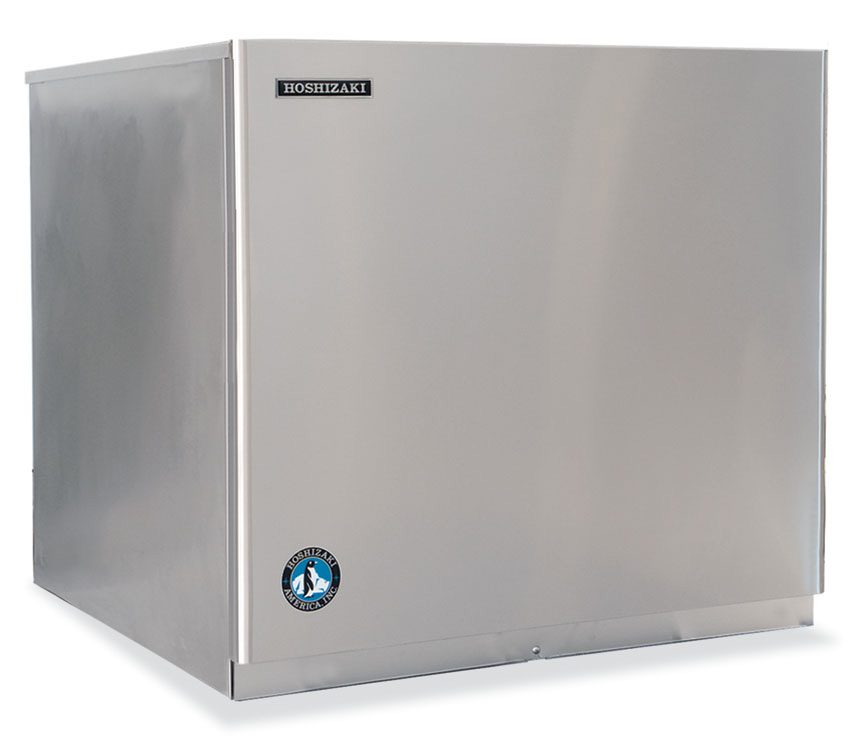
Cube ice machines produce hard, slow-melting cubes (full, half, or regular dice) ideal for beverages and displays. Output is rated in lb/day; condensers are air-cooled, water-cooled, or remote. Modular heads pair with a bin; undercounter models are self-contained. Cube ice is the most common foodservice ice.
Deciding? Compare how cube ice compares to nugget and flake, air-cooled vs. water-cooled condensers, and the model-number decoder.
Cube ice is the all-purpose choice for bars, soda, and mixed drinks — it's slow-melting, clear, and doesn't dilute quickly. Size a machine by daily production (lb/day) above your peak demand, then match it to a bin that holds a full day's supply.









How to choose ice machines
- Size daily production (lb/day) above your peak demand — about 1.5–2 lb of ice per customer per day is a starting point.
- Match ice type to use: cube for bar and drinks, nugget for chewable/soft-drink/healthcare, flake for food and seafood display.
- Pair a modular head with a bin that holds a full day's supply; undercounter units combine maker and bin for tight spaces.
- Choose an air-, water-, or remote-cooled condenser based on ambient heat, ventilation, and water costs.
Common questions
How much ice do I need per day?
A rough rule is ~1.5–2 lb of ice per customer per day for a restaurant, more for a bar or heavy iced-drink service. Size production above your peak.
Do I need a separate bin?
Modular (head-only) cube machines require a matching storage bin; self-contained undercounter units include storage.