Commercial Vacuum Sealers
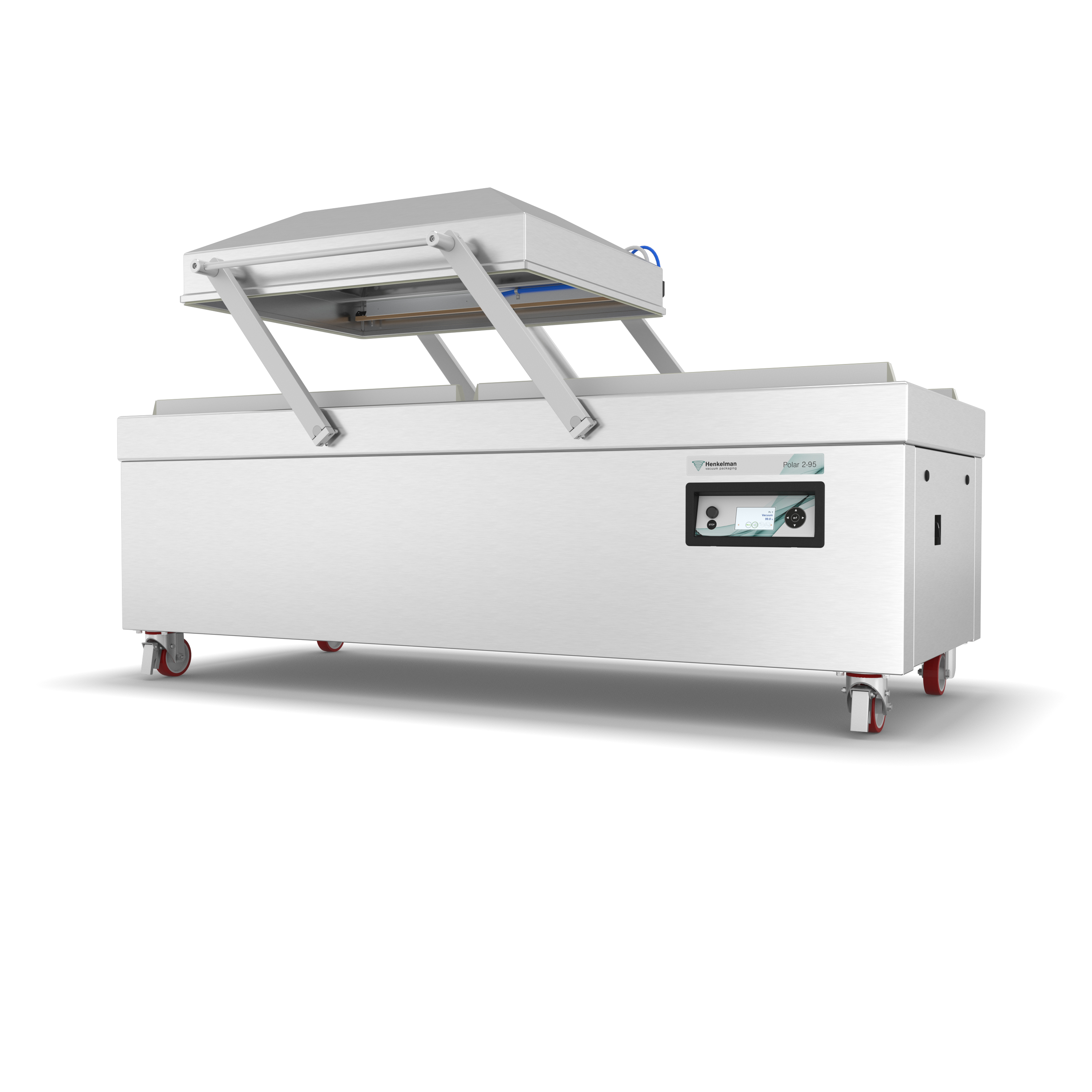
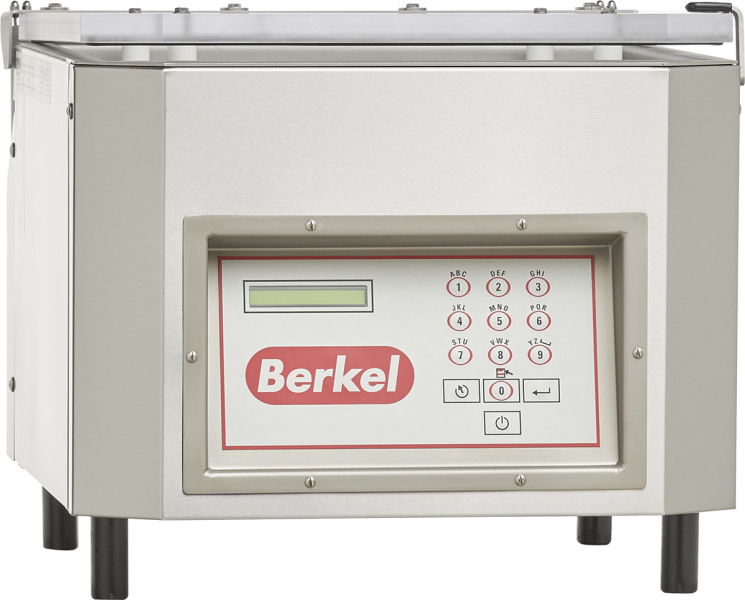
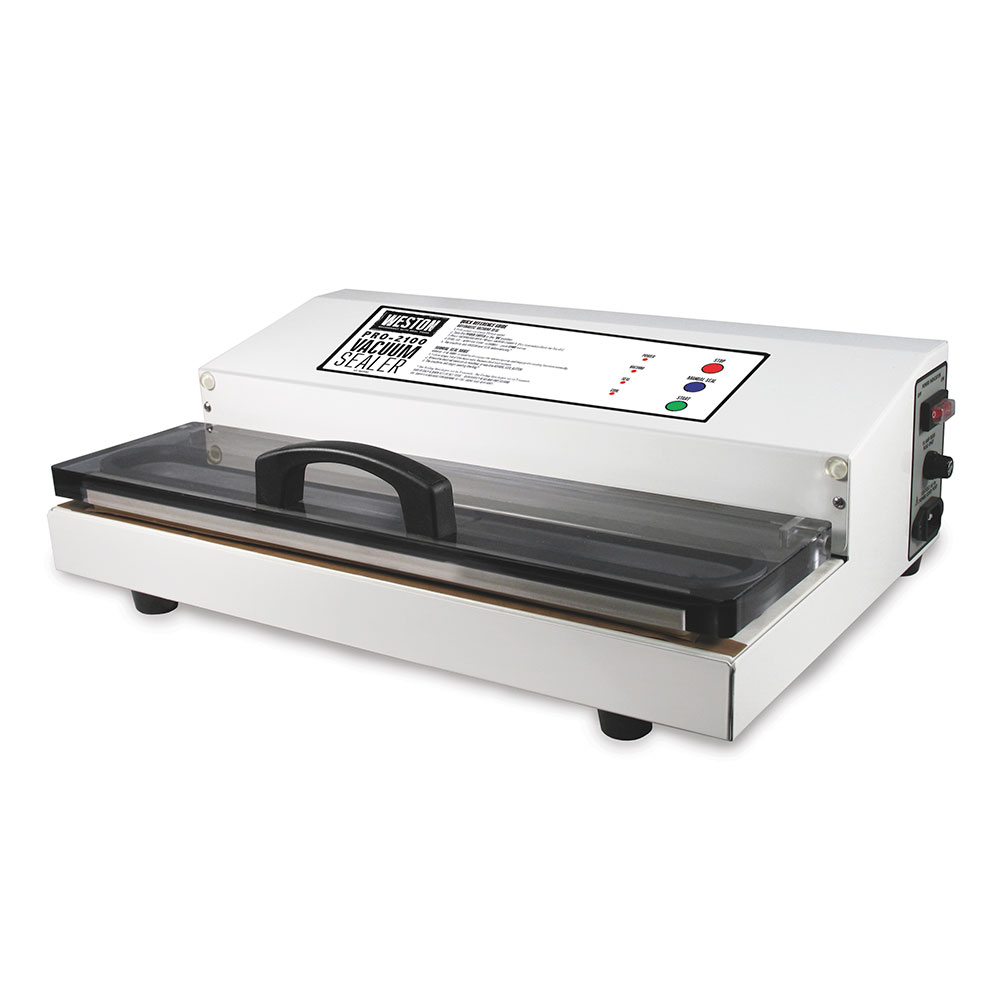
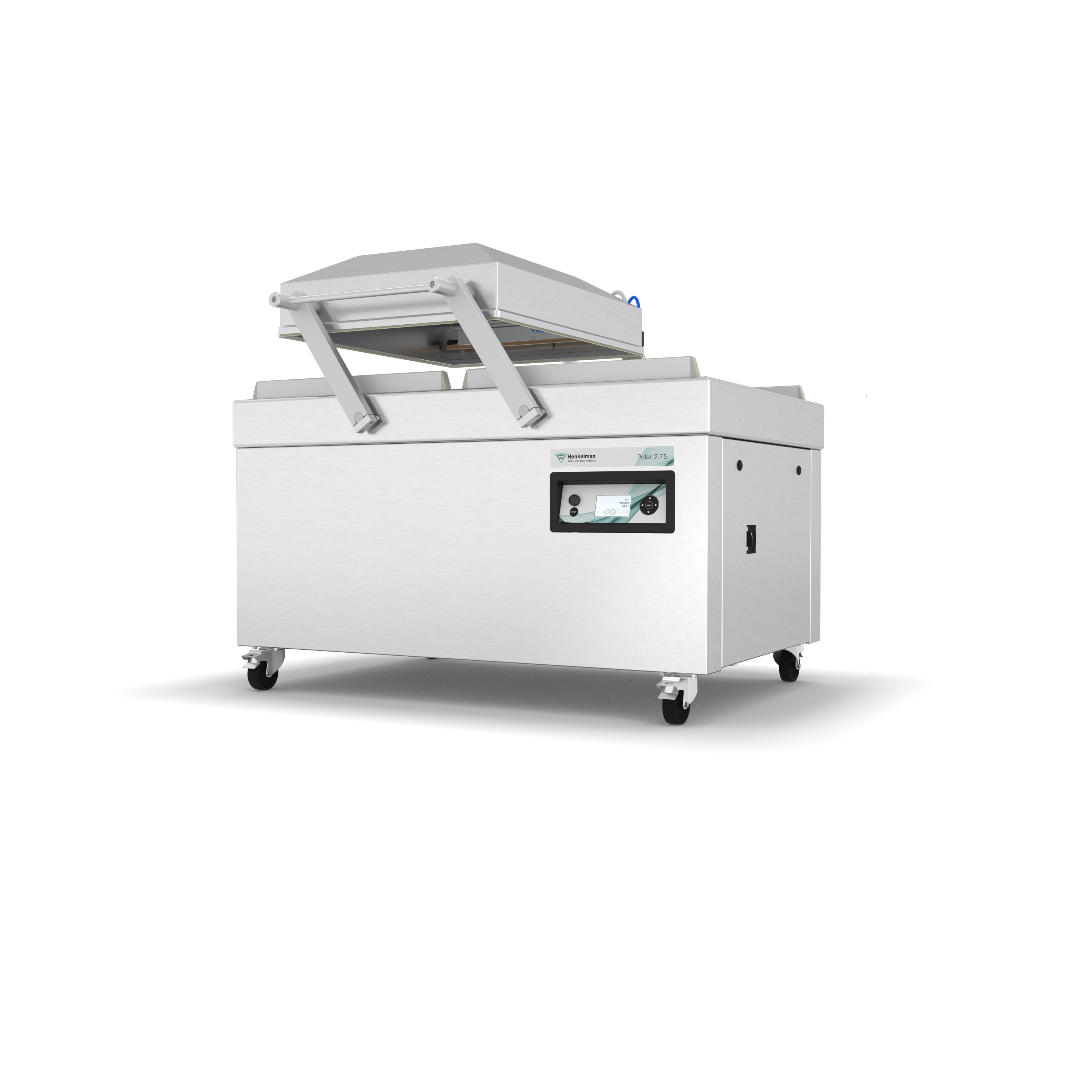
Choose by type. A chamber vacuum sealer places the whole bag inside a chamber and evacuates air around it, so it seals liquids and marinades reliably, uses cheaper flat pouches, and is built for volume and sous-vide — the commercial standard. An external (edge) sealer sucks air through the bag's mouth and suits lower volume and dry foods with textured bags. Size the seal-bar length to your widest bag, and for a chamber unit check the chamber dimensions and pump capacity. Bigger pumps and double-chamber machines cycle faster for high throughput.
Vacuum packaging for sous-vide, portioning, and extending shelf life. The key decision is type — a chamber sealer for liquids, sous-vide, and volume, or an external (edge/suction) sealer for occasional use and dry foods. Then compare seal-bar length and chamber size to your bags.

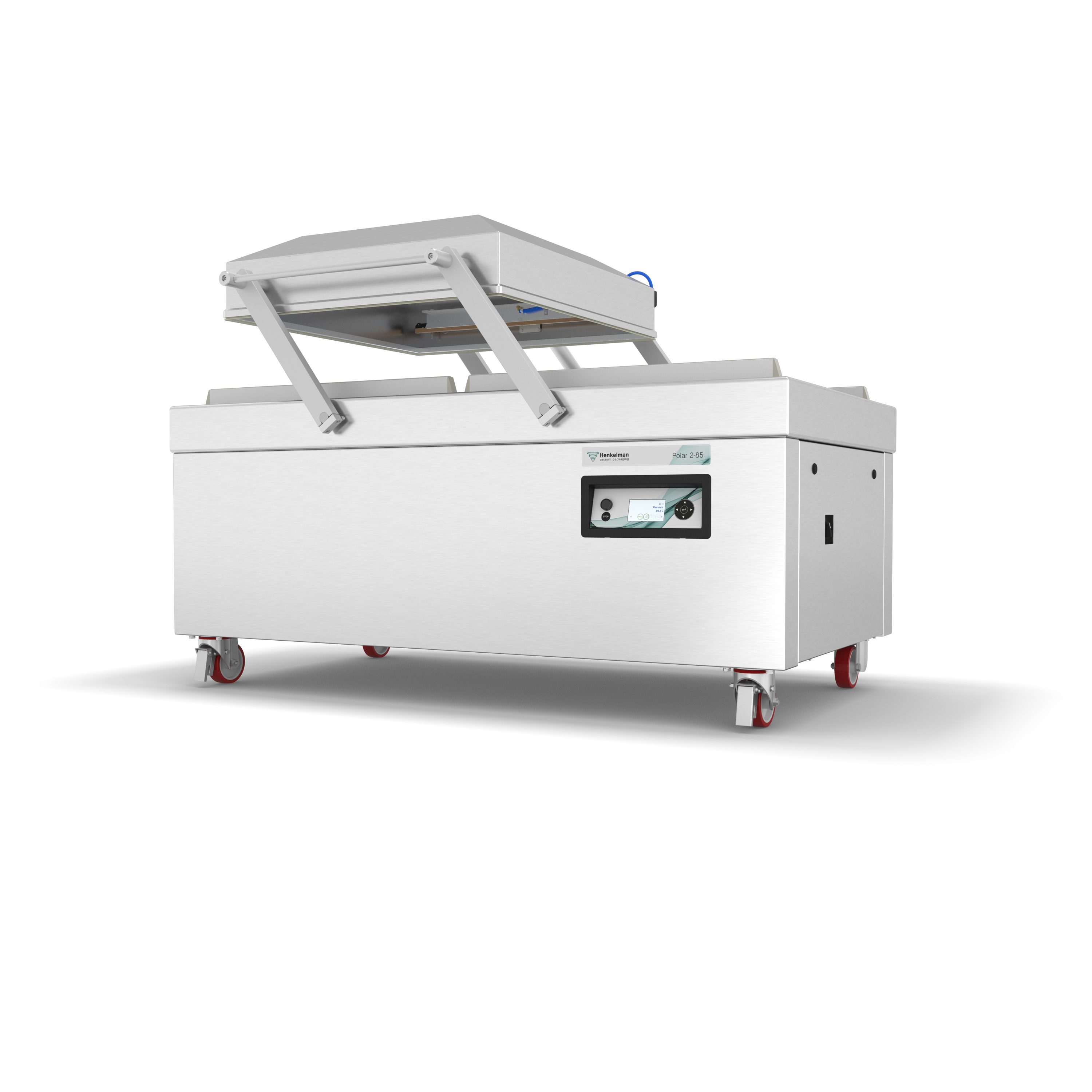
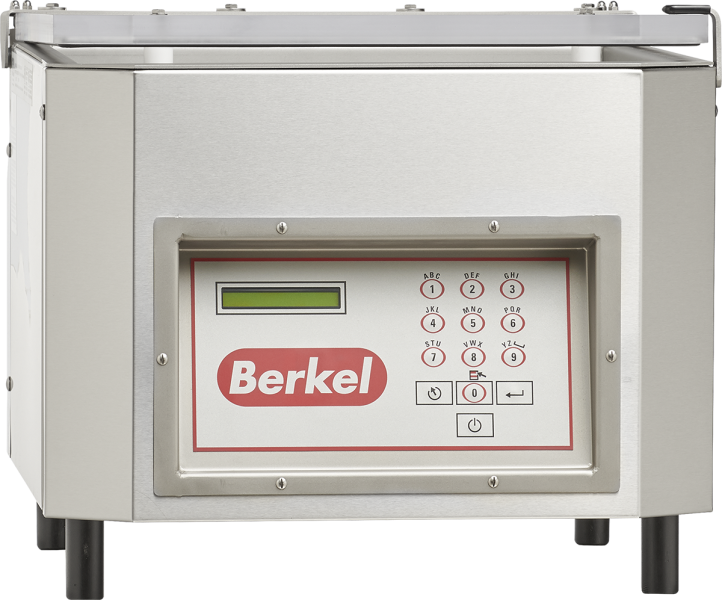
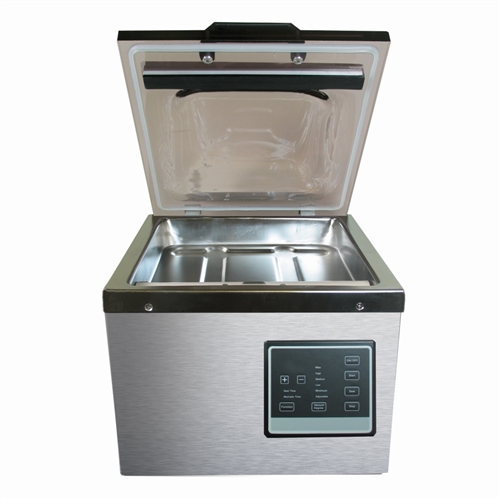



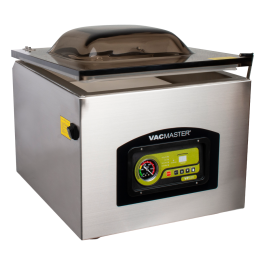
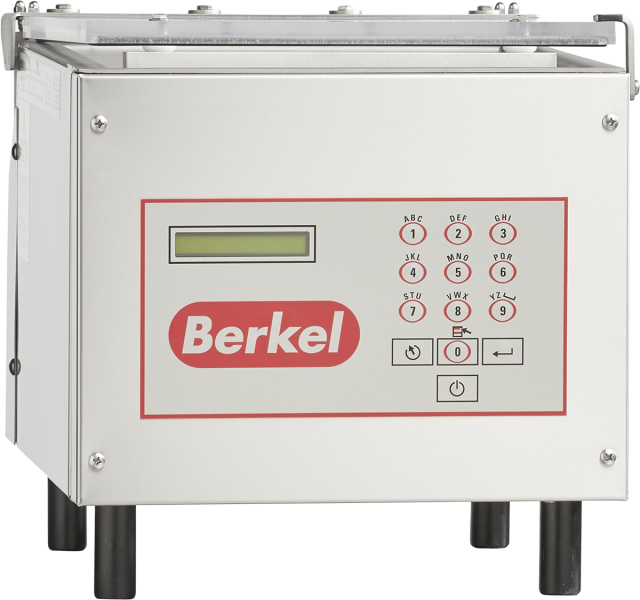
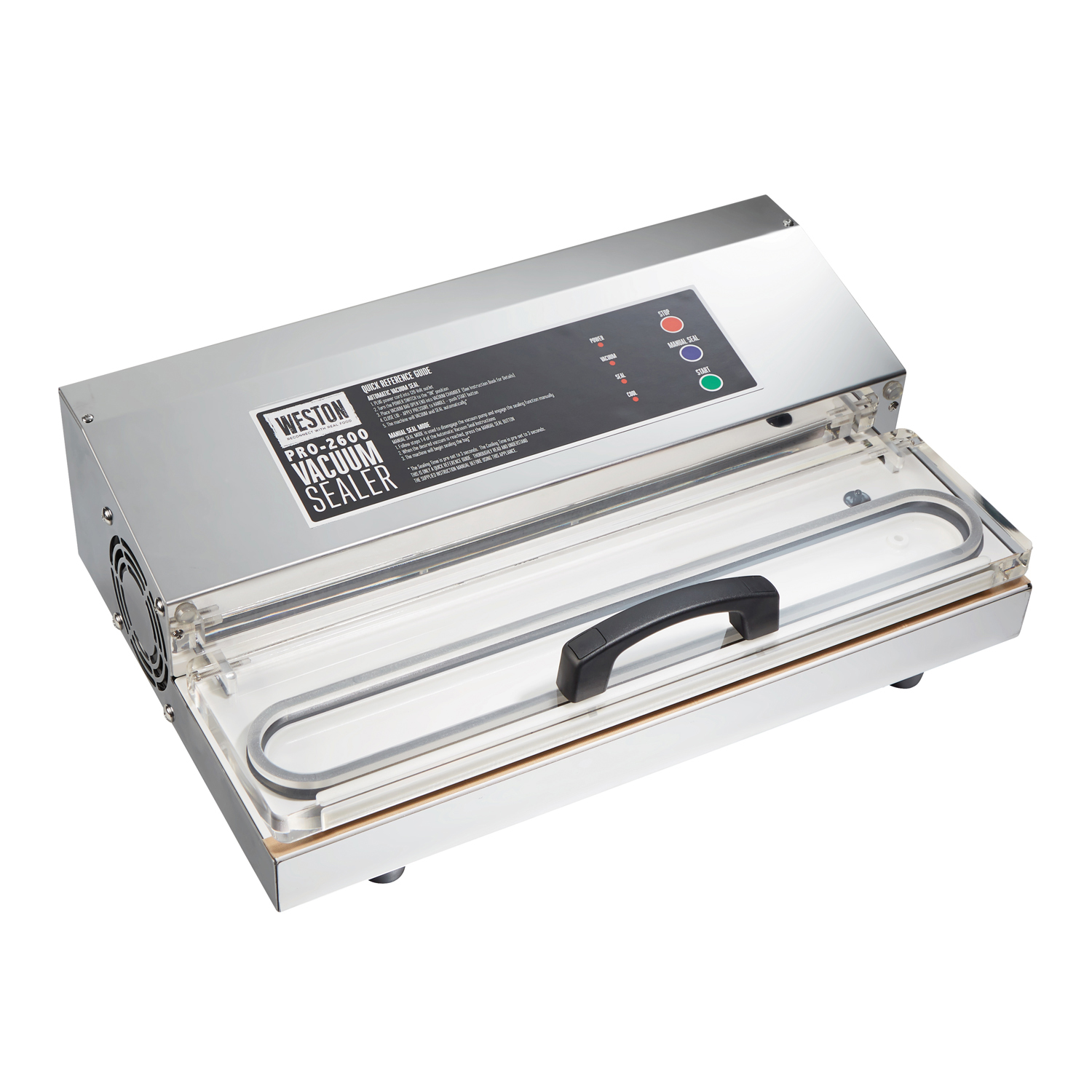

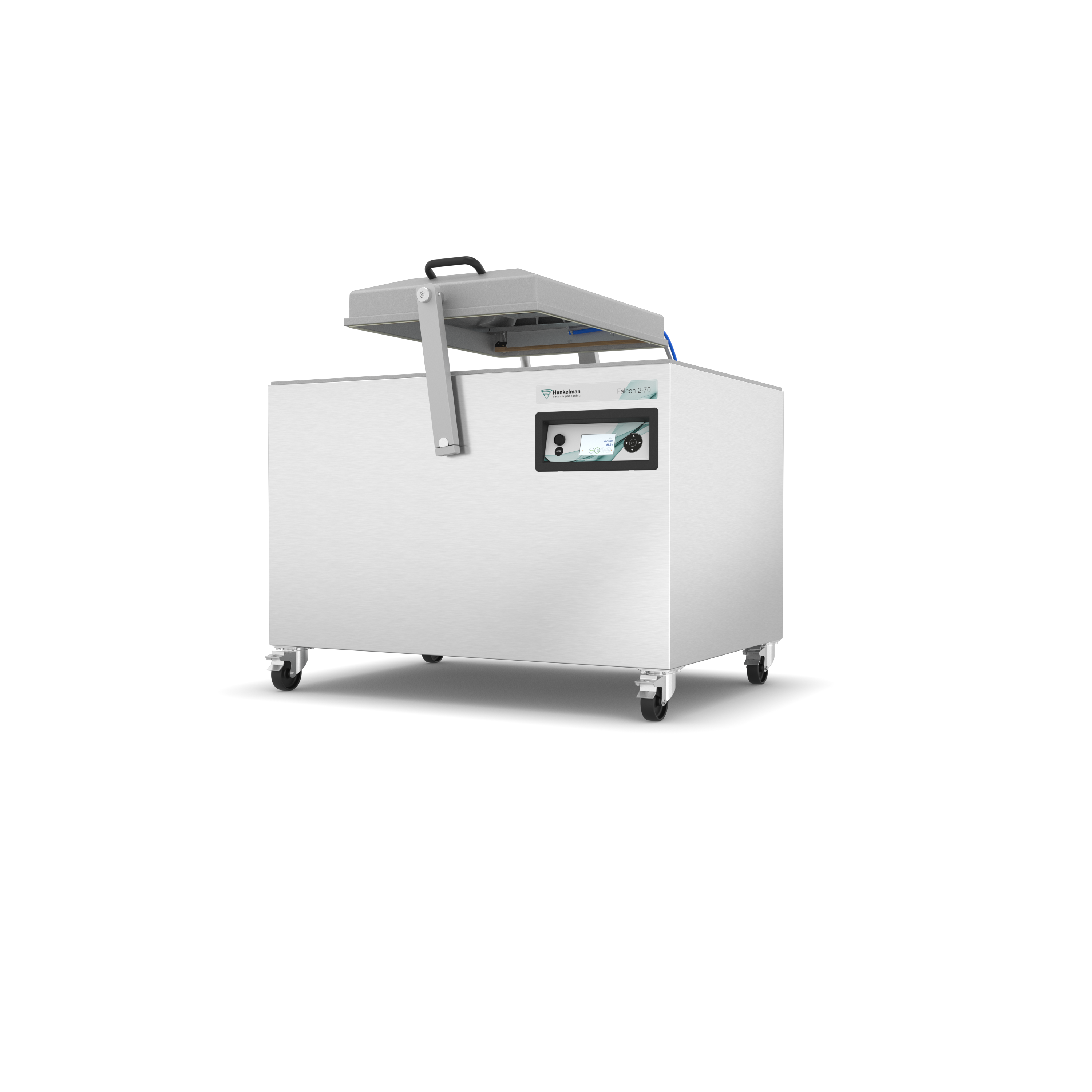
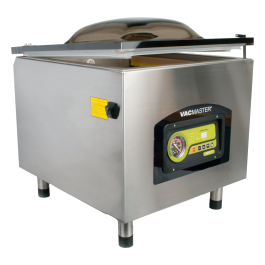
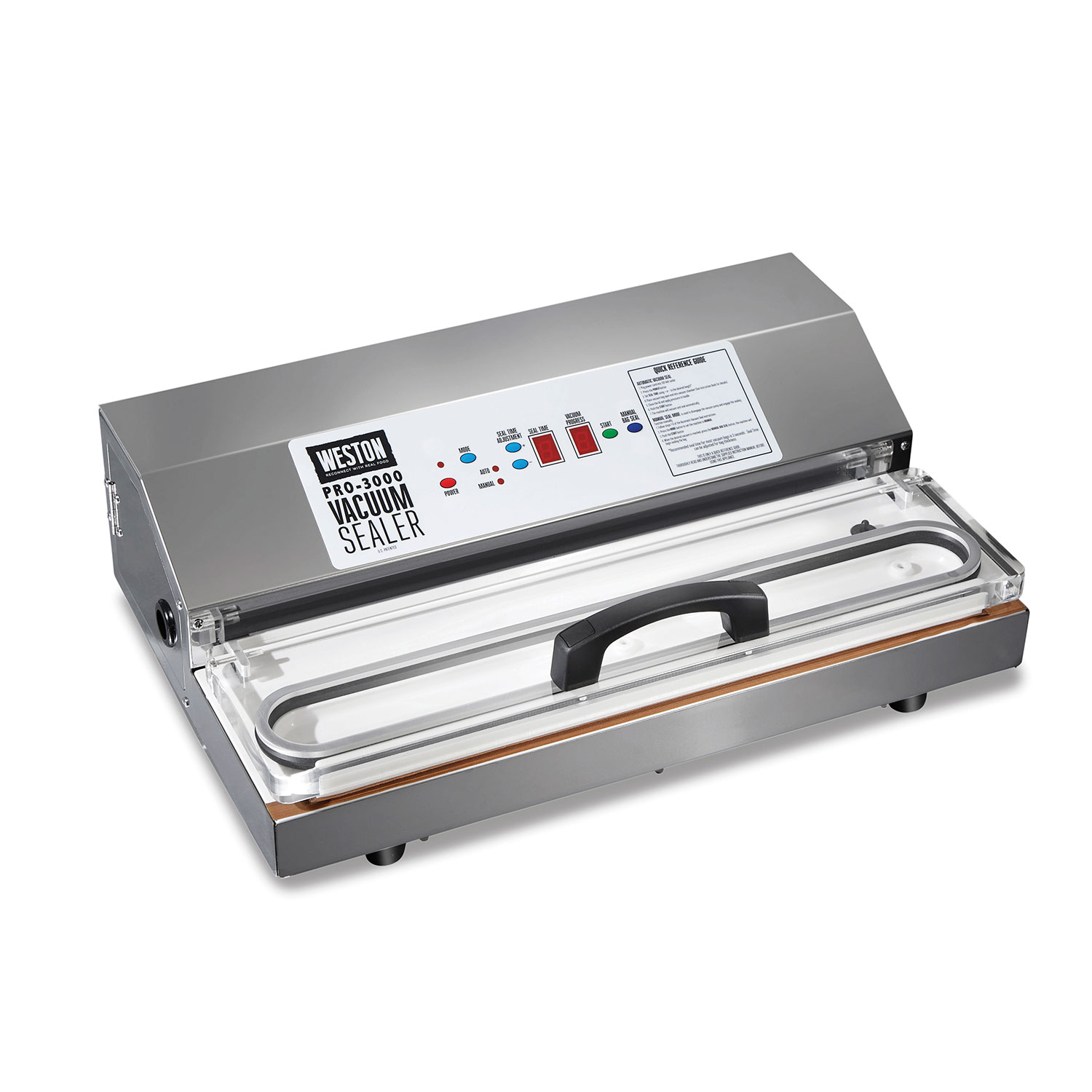
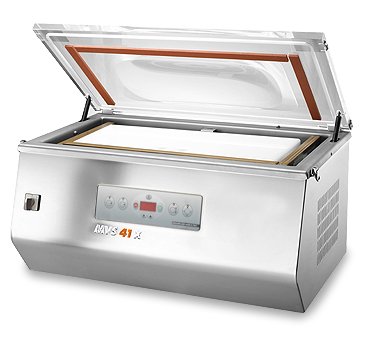
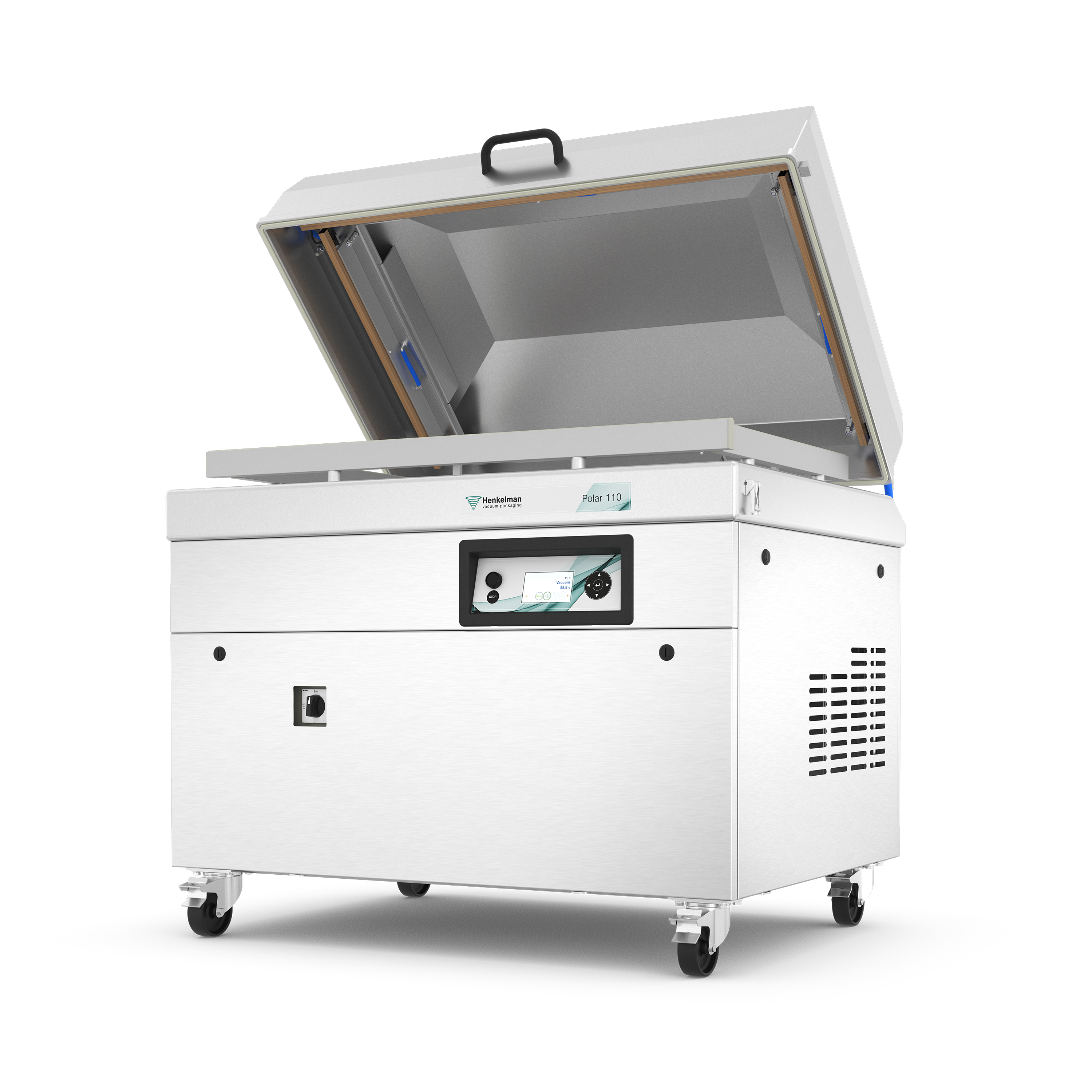


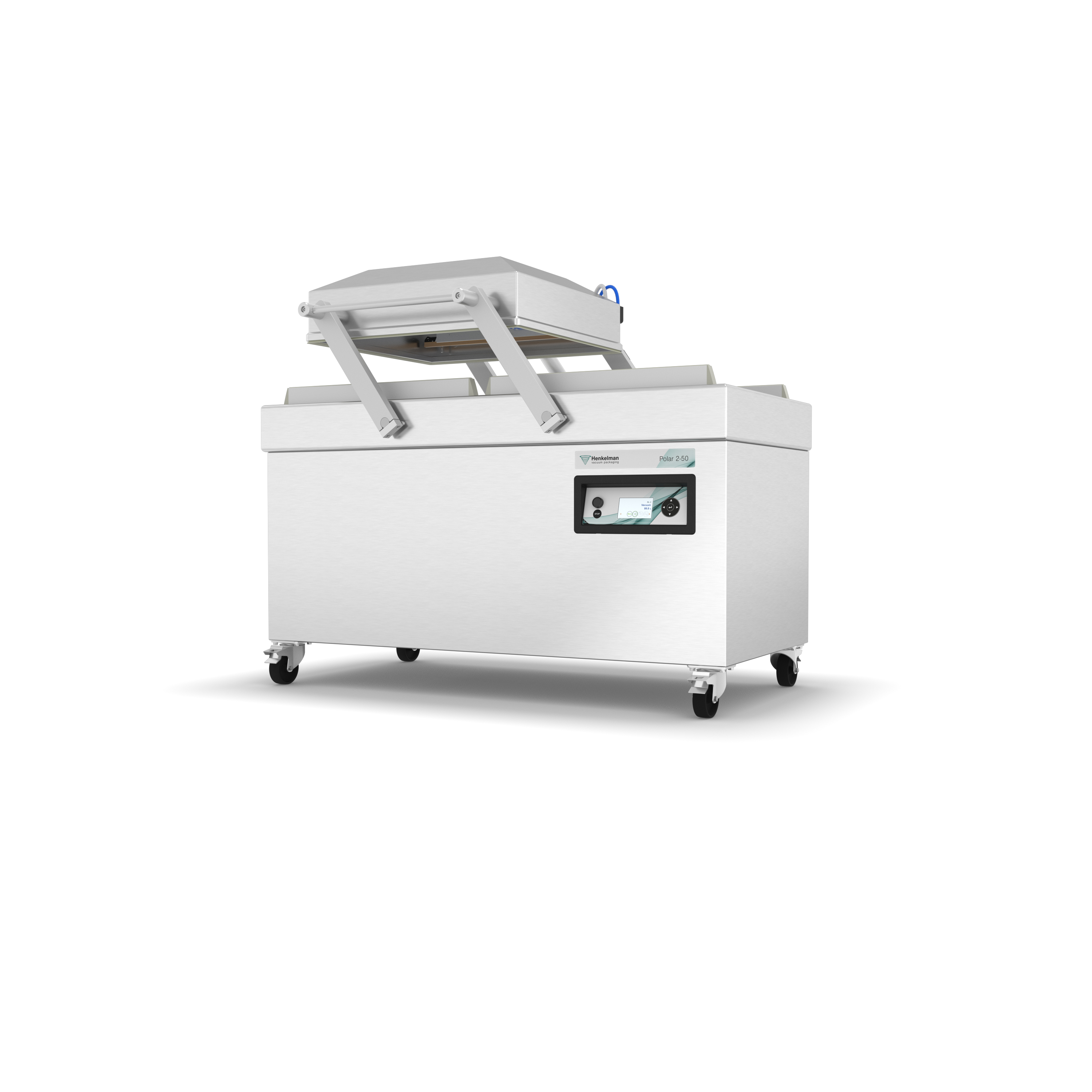

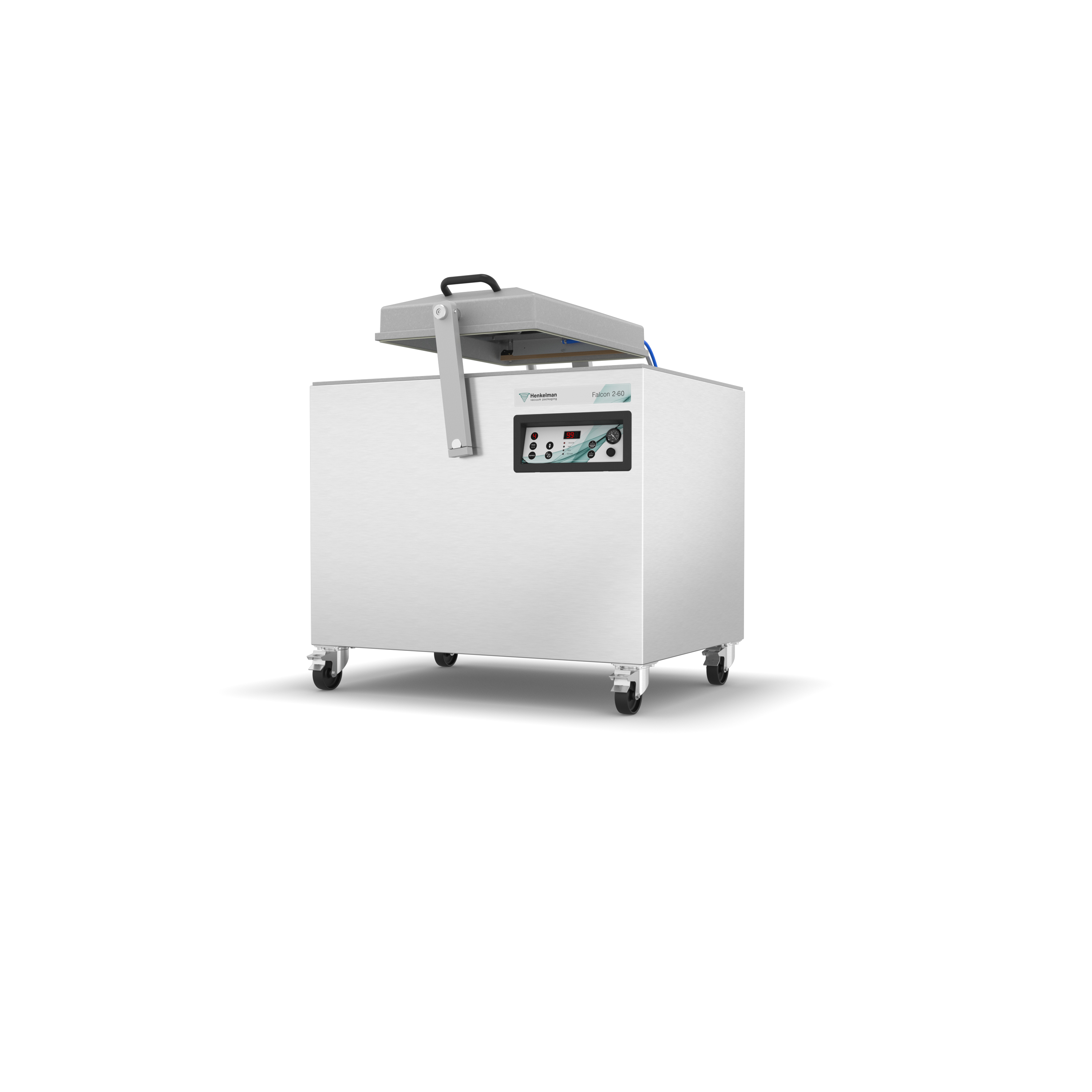

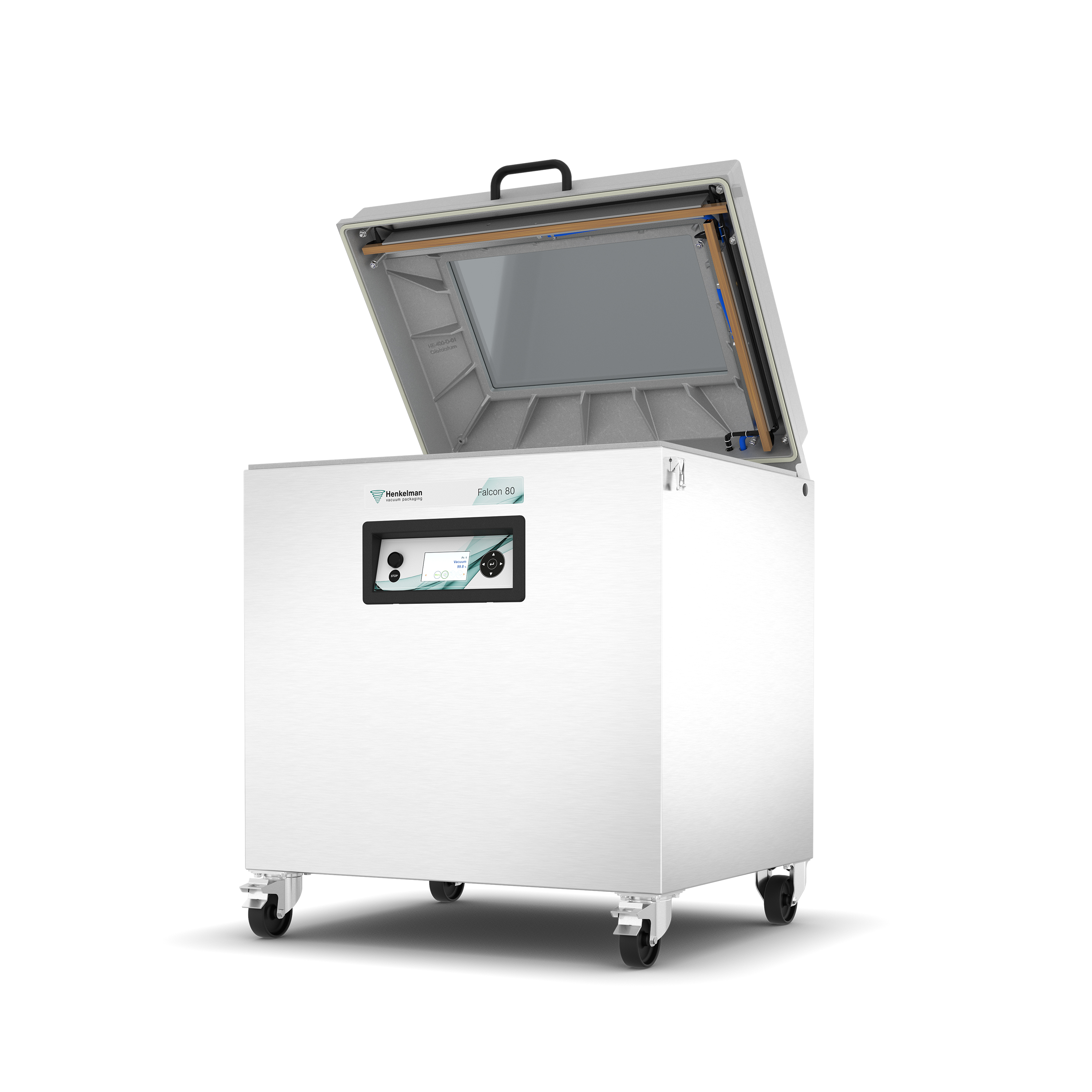


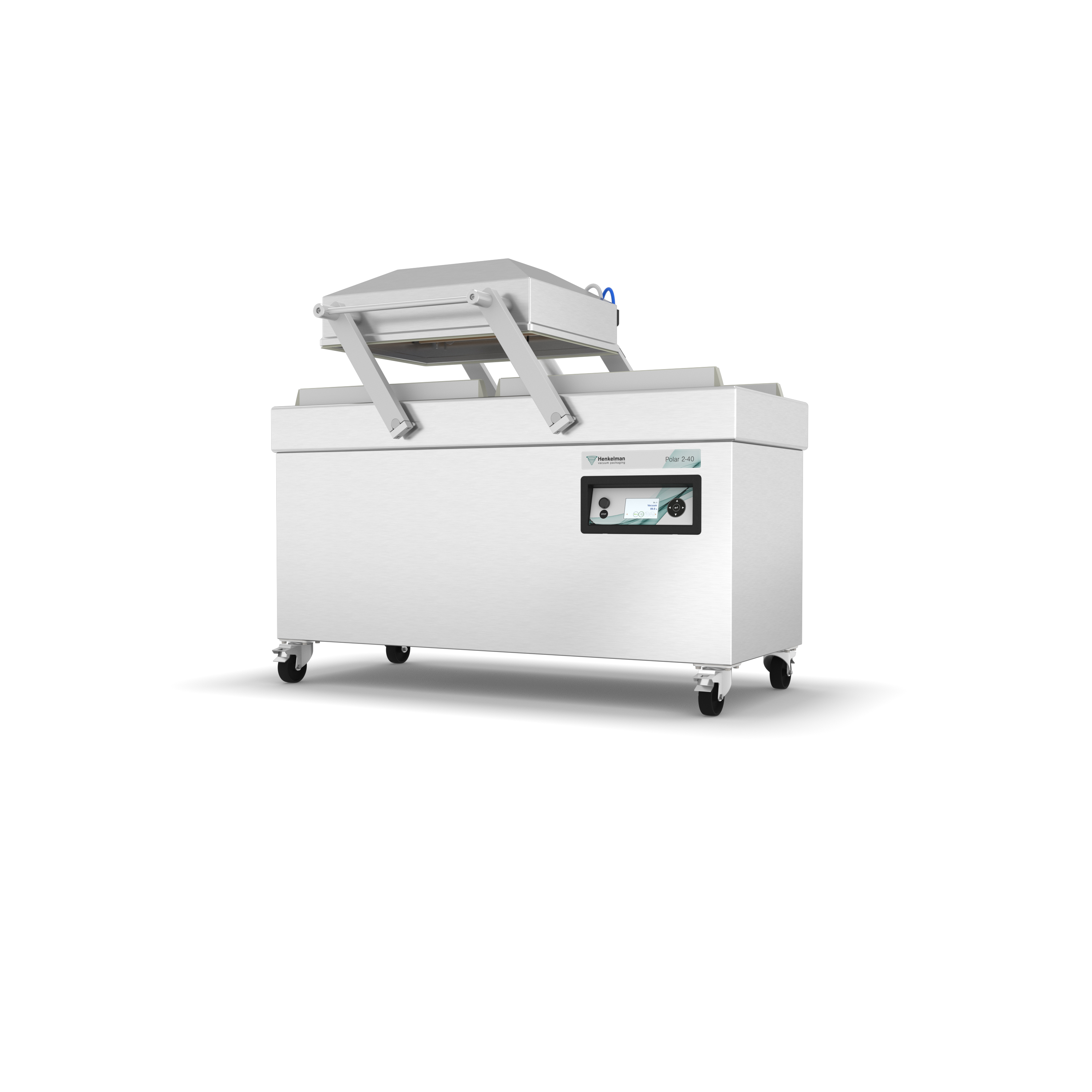
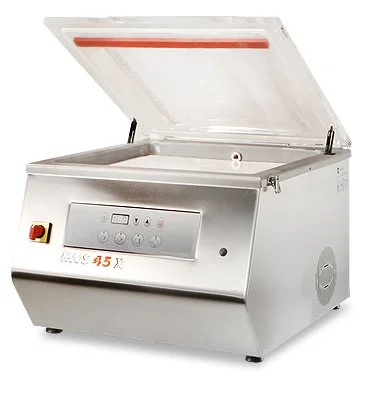
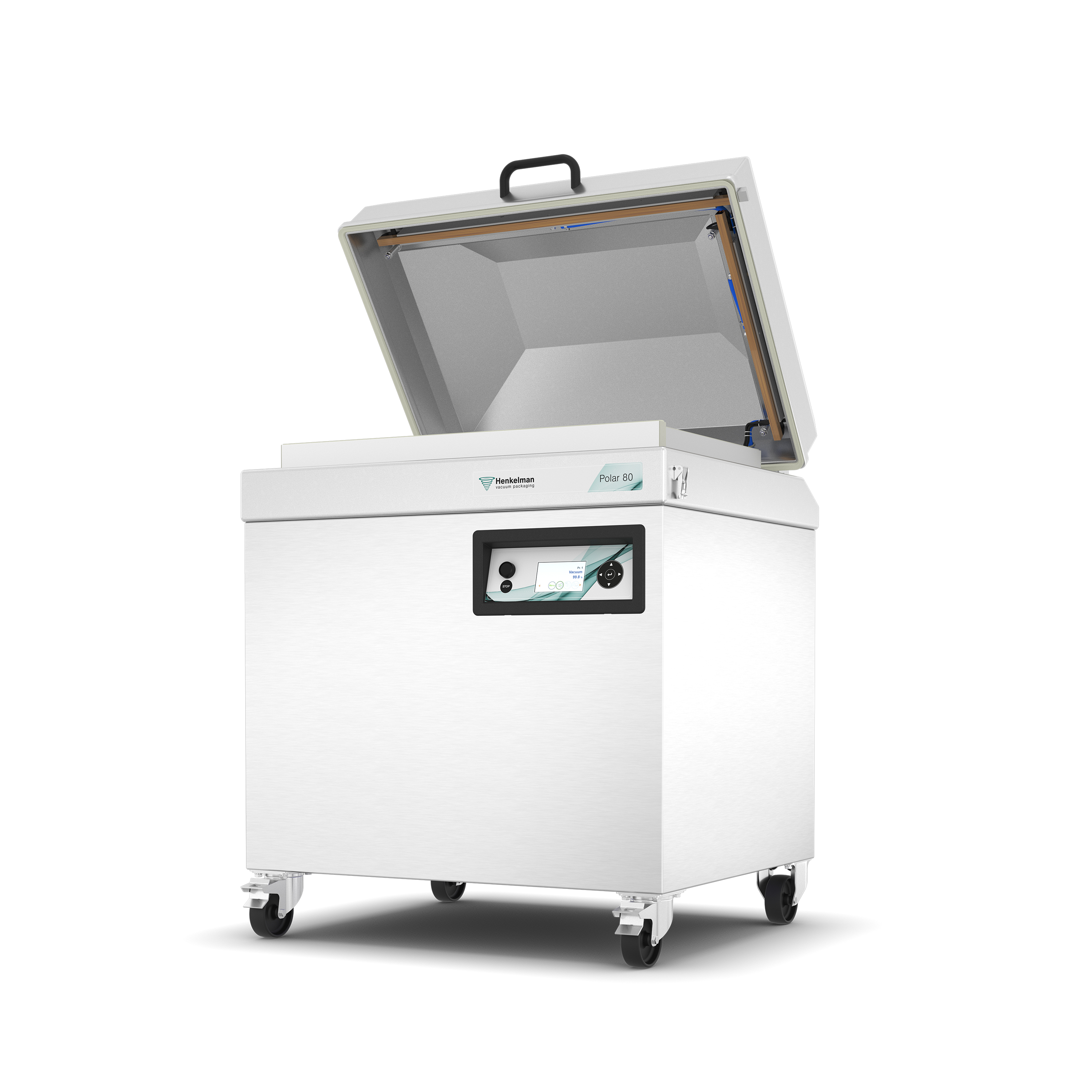

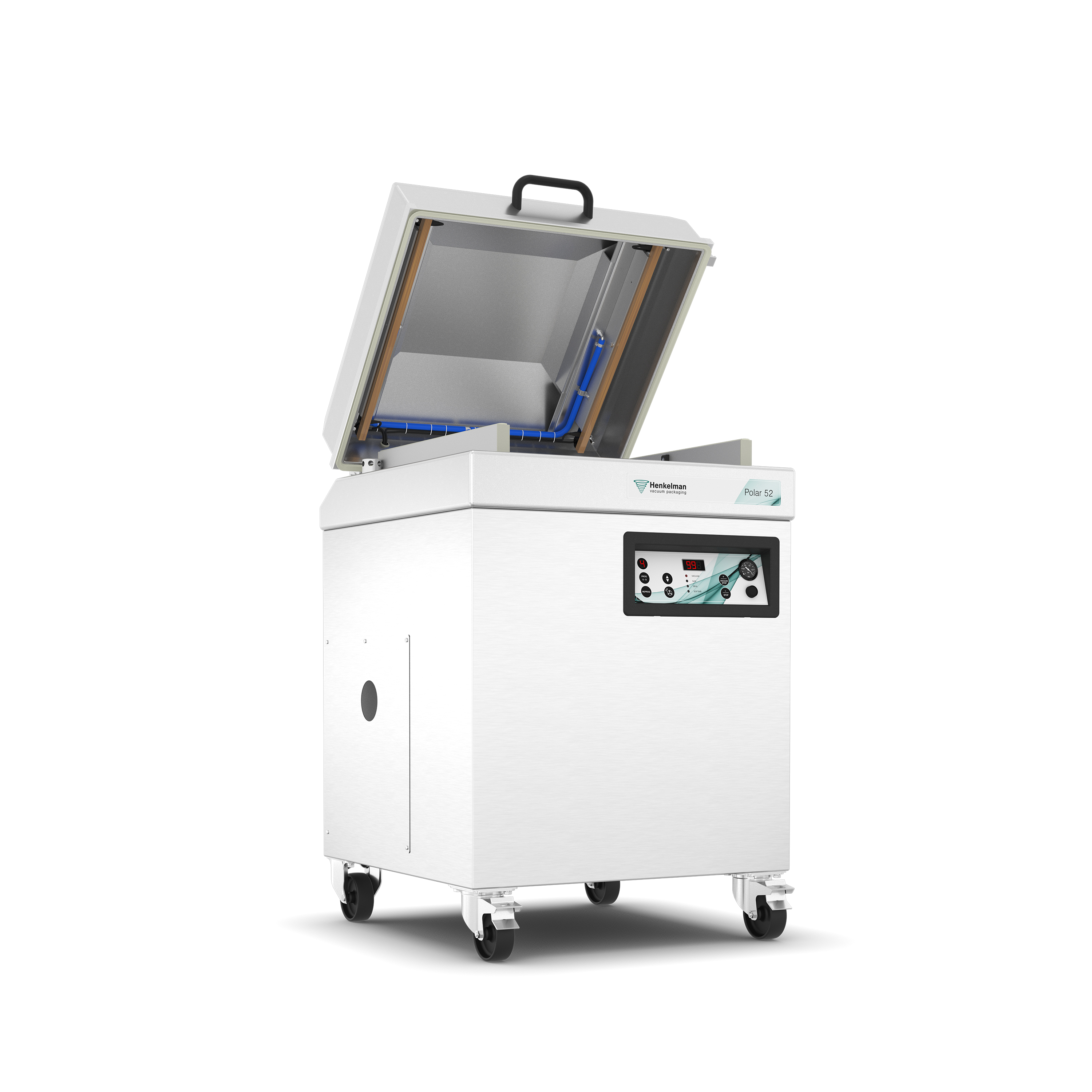
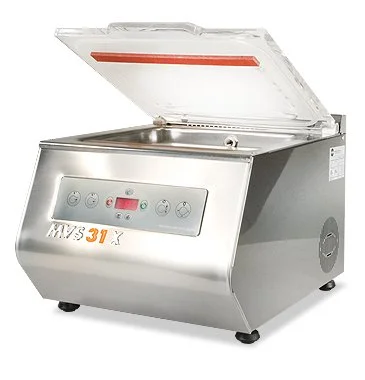
Commercial Vacuum Sealers: buying guide
A commercial vacuum sealer is chosen by type (chamber vs external), seal-bar length, and chamber size / pump capacity. Here is how to read the 73 machines above.
Chamber vs external
A chamber sealer evacuates air from a sealed chamber around the bag, so it handles liquids, marinades, and sous-vide, uses inexpensive flat pouches, and is built for continuous commercial volume. An external/edge sealer draws air out through the bag opening — cheaper and fine for dry foods and light use, but it struggles with liquids and needs textured (channel) bags. Most commercial kitchens choose chamber.
Seal-bar length and chamber size
The seal-bar length sets the widest bag you can seal; size it to your largest product. On a chamber machine also check the chamber interior dimensions (what fits inside) and whether it's single or double-bar. A machine that's a hair too small for your bags is a daily frustration.
Pump capacity and duty
A larger vacuum pump (rated in m³/h or CFM) pulls a deeper vacuum faster, which matters for sous-vide quality and for throughput at volume. Oil pumps hold up to heavy commercial cycles; double-chamber and floor models sustain the highest output. Match pump and duty to how often you'll run it.
Electrical
Countertop chamber sealers commonly run on 115V; larger and double-chamber/floor models often need 208–240V and sometimes three-phase. Confirm the voltage and phase on the spec sheet and provide the right circuit.
| Choice | Best use | Consideration |
|---|---|---|
| Chamber | Liquids, sous-vide, volume | Flat pouches, commercial standard |
| External / edge | Dry foods, light use | Needs textured bags |
| Double-chamber | High throughput | Seals one side while loading the other |
| Larger pump (m³/h) | Sous-vide & volume | Deeper vacuum, faster cycle |
Frequently asked questions
Chamber or external vacuum sealer?
A chamber sealer evacuates air from a chamber around the whole bag, so it seals liquids and marinades, uses cheap flat pouches, and is built for volume and sous-vide — the commercial standard. An external (edge) sealer draws air through the bag's mouth: cheaper and fine for dry foods and light use, but poor with liquids and it needs textured channel bags. Most commercial kitchens choose chamber.
What seal-bar length do I need?
Size the seal bar to your widest bag. The seal-bar length is the maximum bag width the machine can seal in one pass; on a chamber machine, also confirm the chamber's interior dimensions fit your product. Buy a little larger than your current bags if you expect to portion bigger items.
Can a vacuum sealer handle liquids and marinades?
A chamber vacuum sealer can, because the pressure is equalized inside the chamber — it's the right tool for brines, marinades, soups, and sous-vide. A standard external sealer struggles with liquids because it pulls air (and liquid) through the bag opening; some add a moist setting but chamber is far more reliable for wet foods.
Why does pump capacity (m³/h) matter?
A bigger pump pulls a deeper vacuum faster, which improves sous-vide results and speeds each cycle so the machine keeps up at volume. Higher-capacity oil pumps also tolerate heavy continuous commercial use. If you'll seal all day, size the pump up; for occasional use a smaller pump is fine.
About this data
Last verified: August 2026. Specs are compiled from manufacturer spec sheets and authorized dealer listings; where a value isn't published we leave it blank rather than guess.
Methodology: every equipment model is compared on the same set of specifications, and dimensions are checked (for sinks, overall width must exceed the combined bowl widths) — figures that fail validation are corrected from the manufacturer model number or omitted. “Street price” is the lowest legitimate published price we've found and can change.
Sourcing: product specs come from the manufacturer; regulatory statements link to the source (e.g. the FDA Food Code and NSF). Code requirements vary by jurisdiction — confirm with the authority reviewing your plans.
Disclosure: FoodServiceNerd is vendor-neutral and free to use. Some “where to buy” links may be affiliate links — we may earn a commission at no cost to you, and it never changes what we list or how we rank it. We don't sell equipment ourselves.
Editorial: compiled and reviewed by the FoodServiceNerd equipment desk (about us). Spot an error? Tell us and we'll correct it.