Commercial Soft-Serve Machines
Match three things to your volume. Configuration: a countertop unit suits a café or low-to-moderate volume; a floor model is built for a high-traffic shop. Flavors: a single-flavor machine is simplest, while a two-flavor (twin twist) unit serves two flavors plus a swirl. Feed system: gravity-fed machines are simpler and easier to clean; pressure/pump-fed machines add air for higher overrun and faster output at peak. Confirm the electrical — many floor units need 208–230V, and some run three-phase.
Frozen-treat freezers for soft serve, frozen yogurt and custard. The decisions that matter are configuration (countertop for lighter volume, floor for high output), flavor count (single, two, or two-plus-twist), and feed system — gravity for simplicity, pressure/pump for higher overrun and output. Compare across every brand.

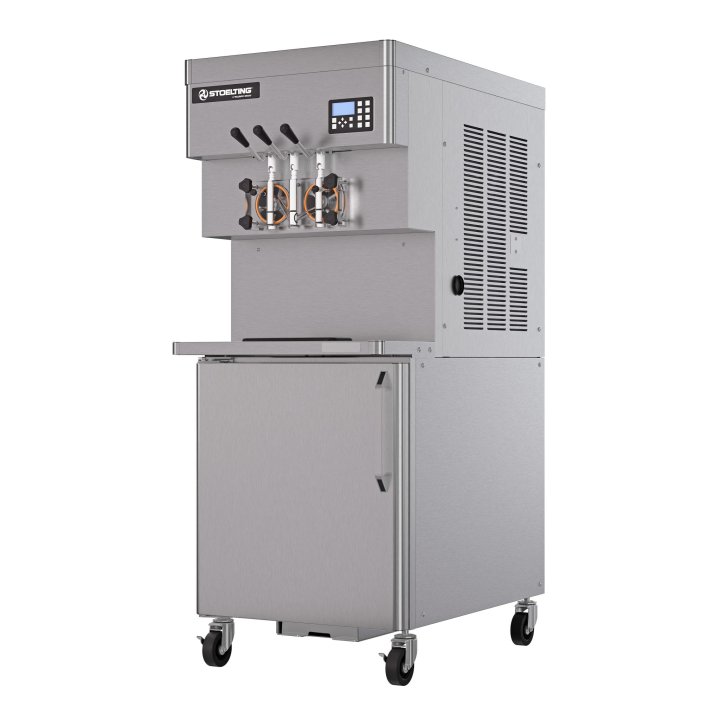


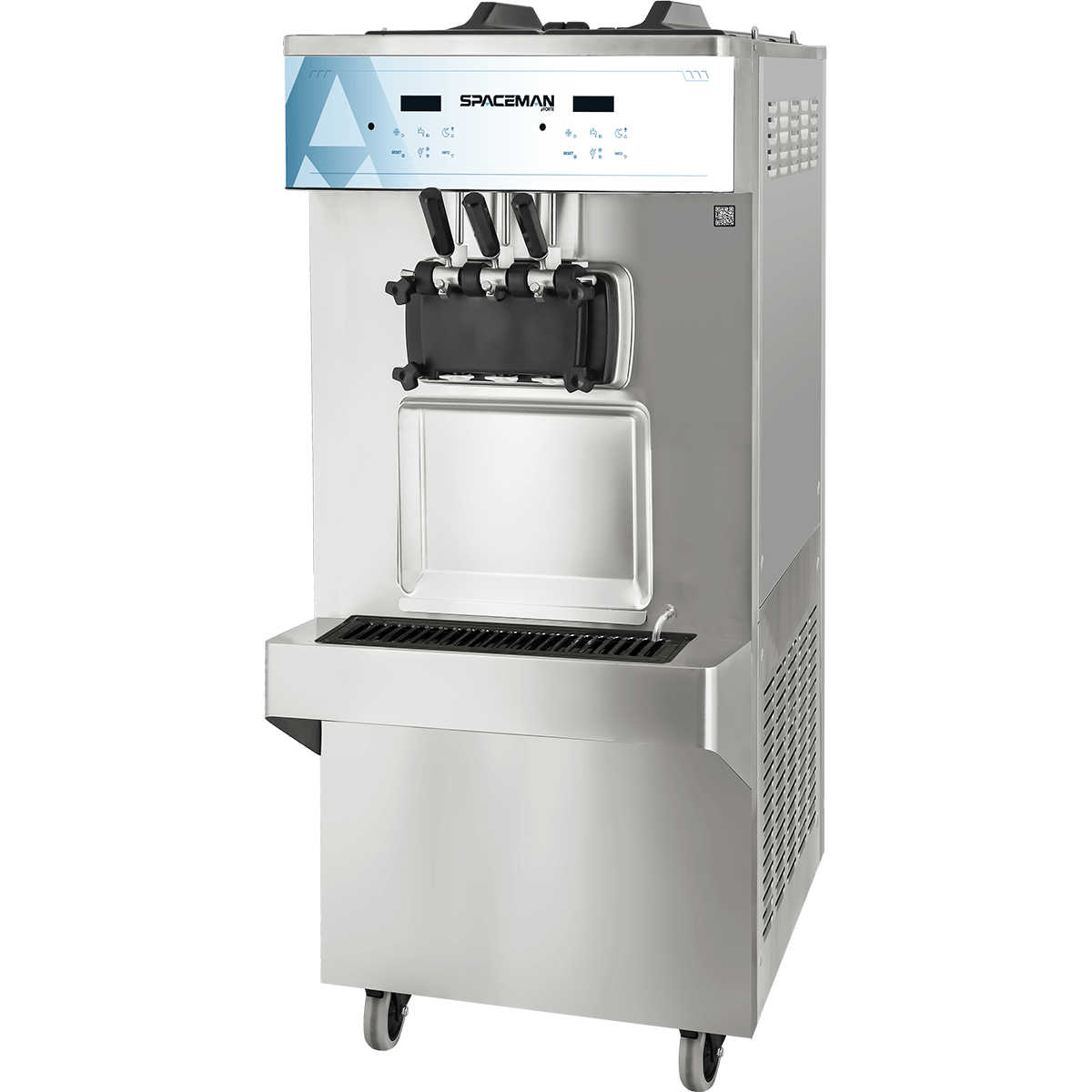


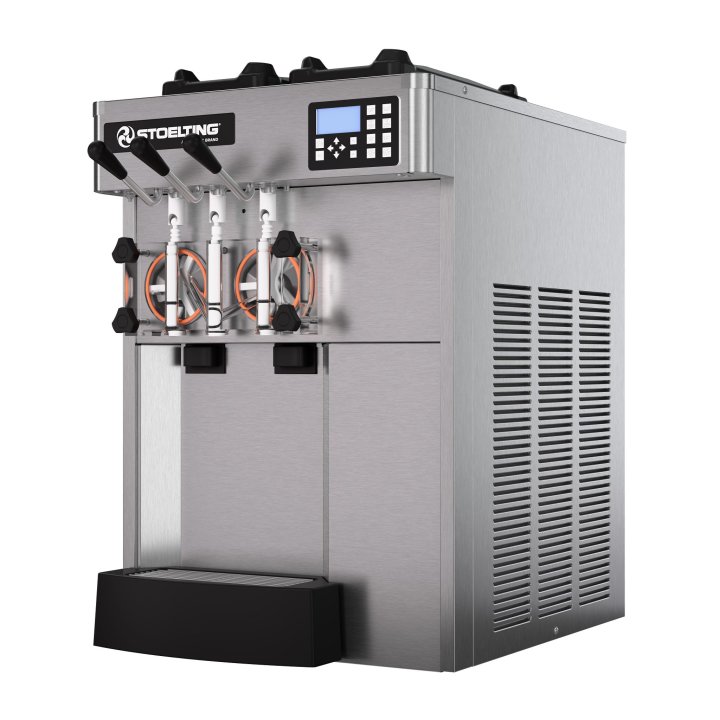


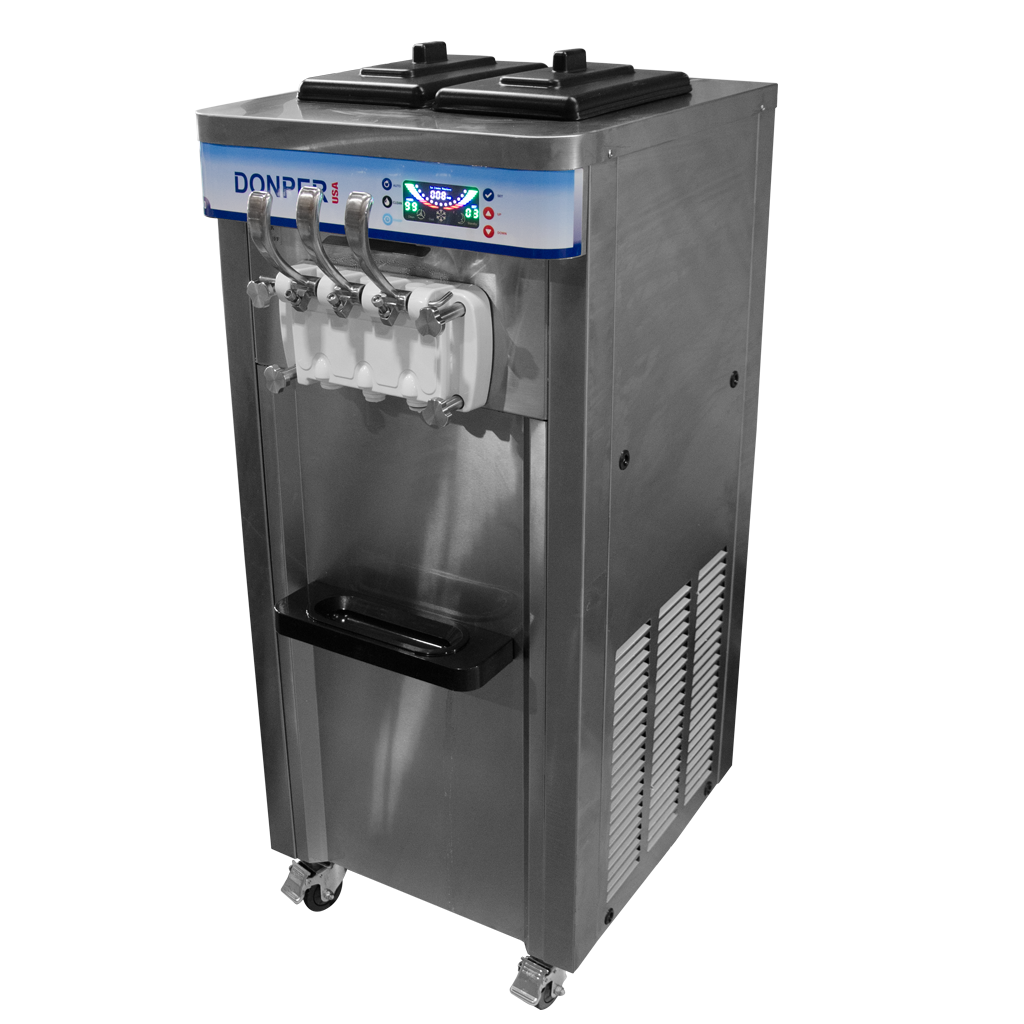

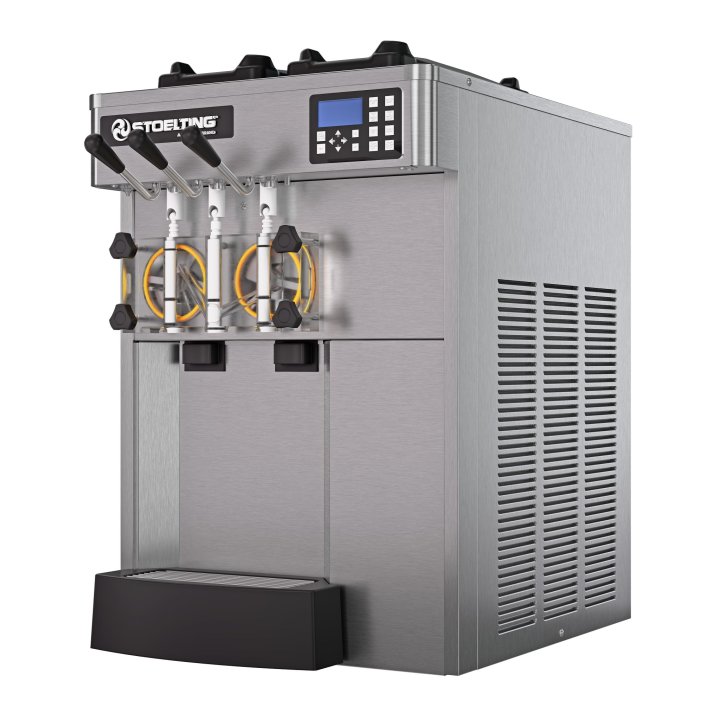


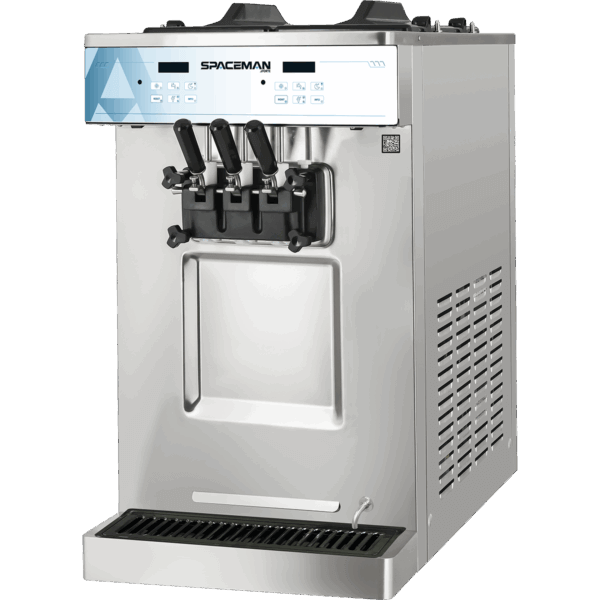
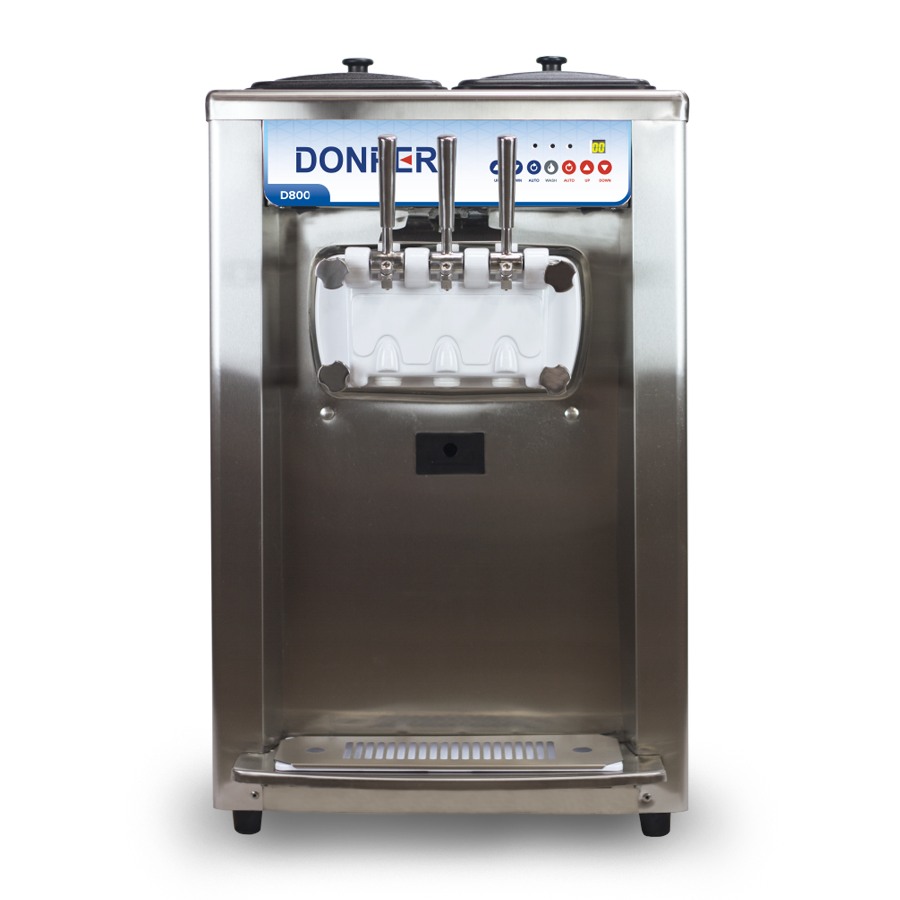

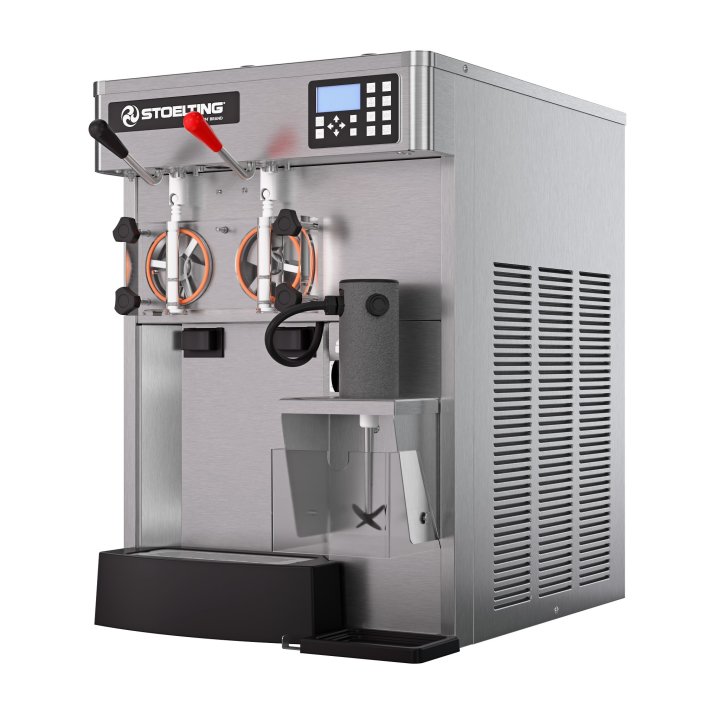


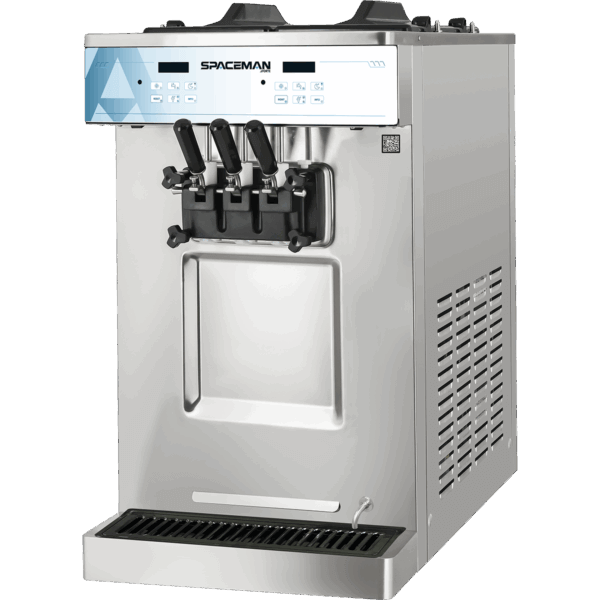
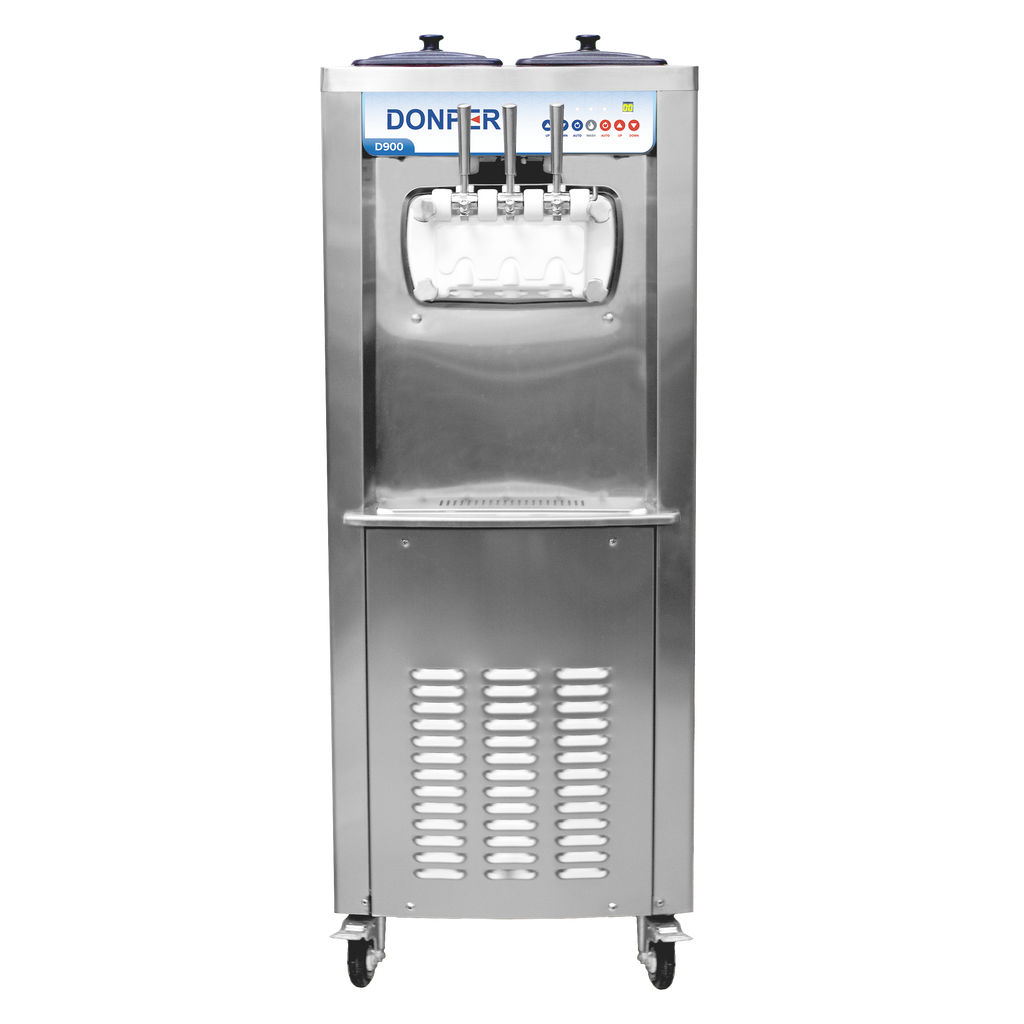

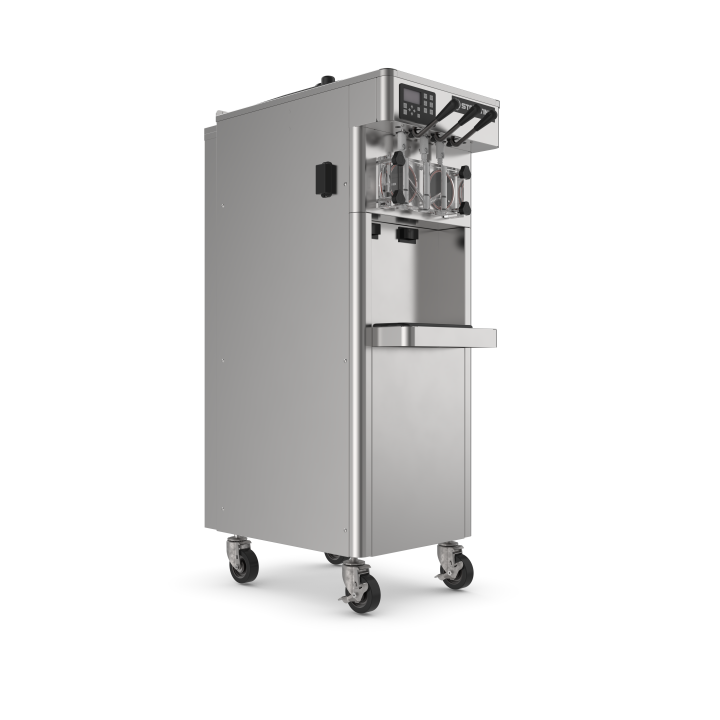


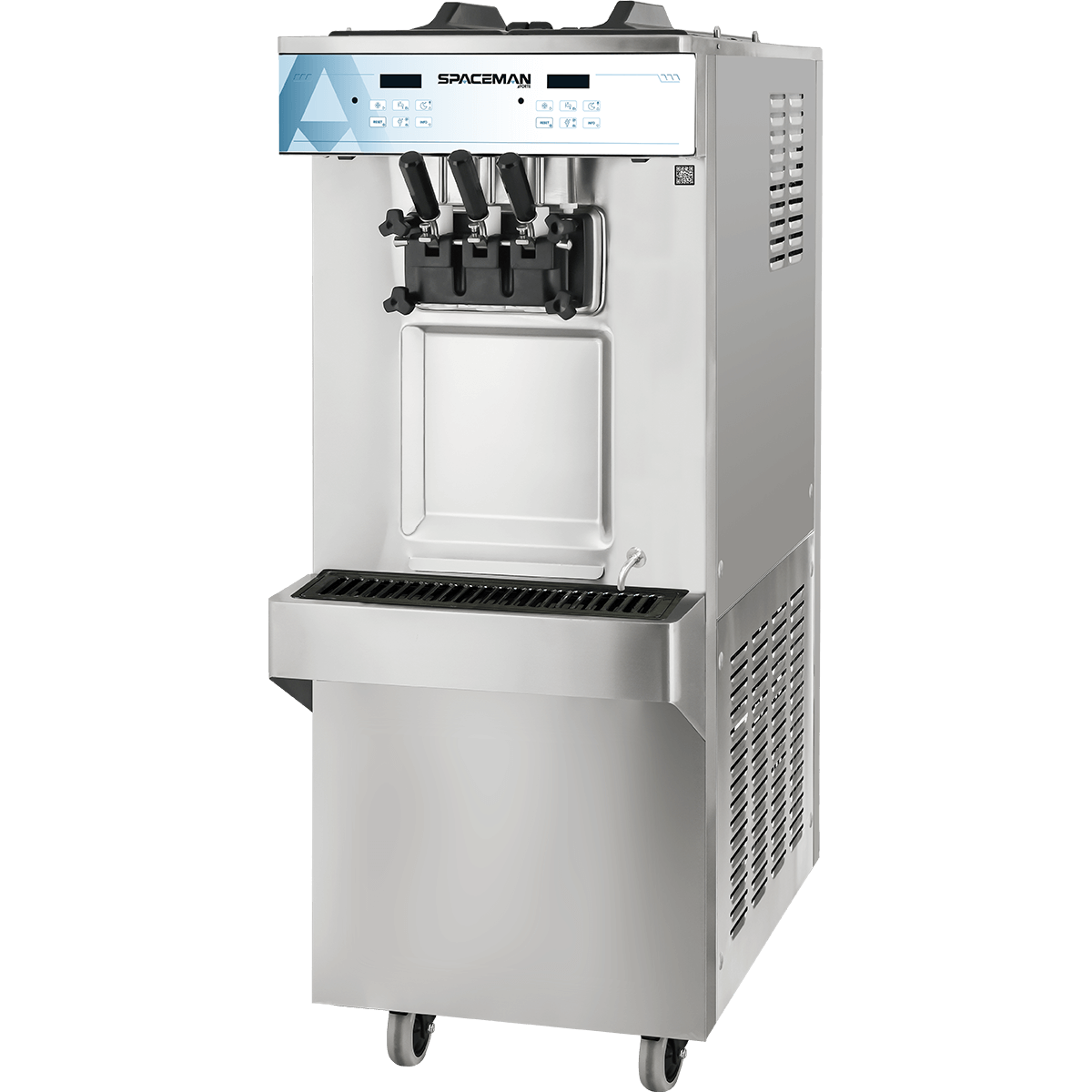


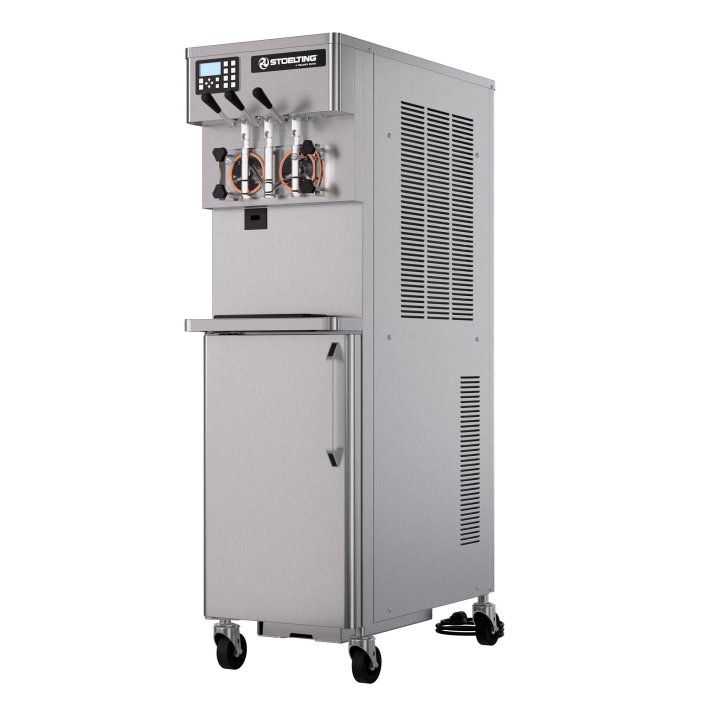

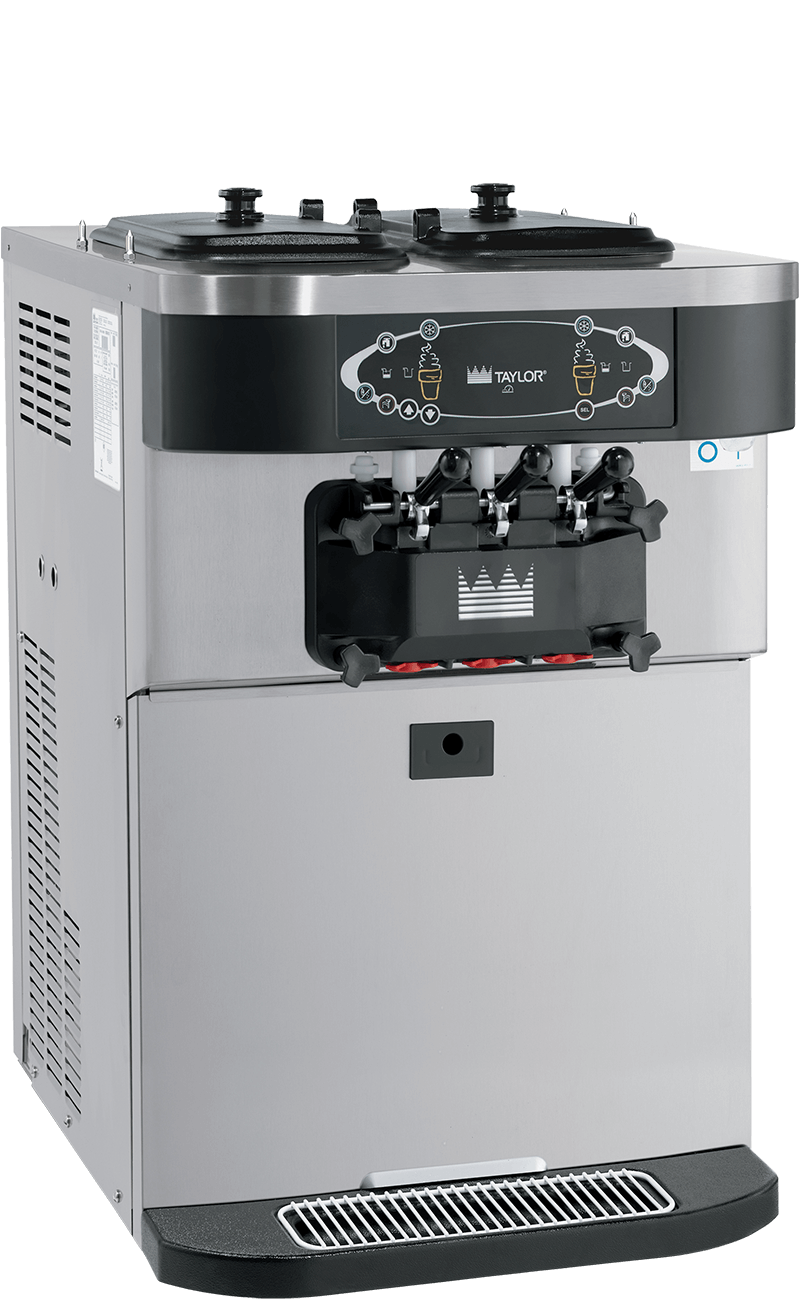
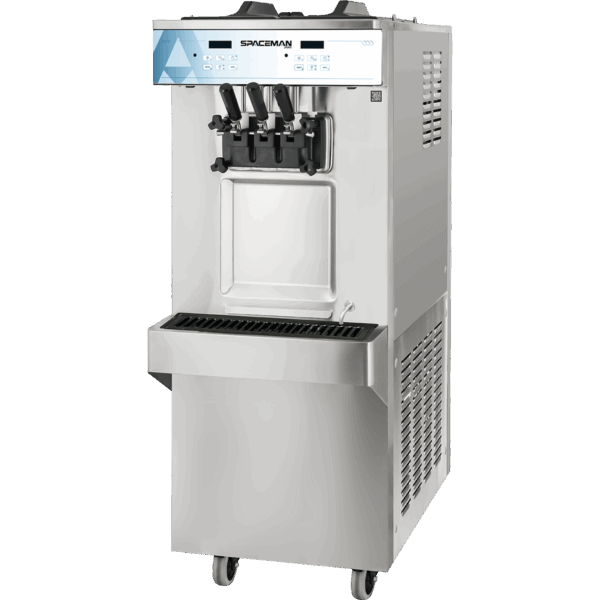


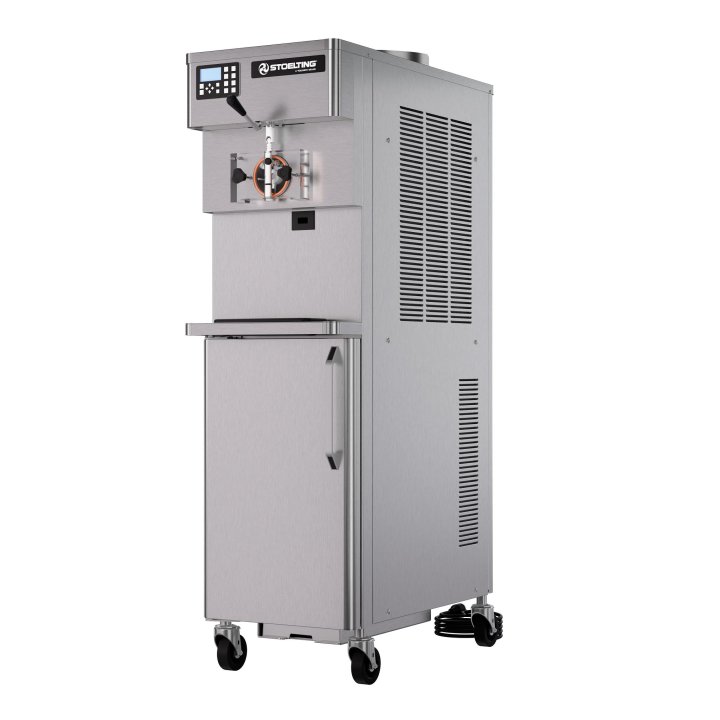


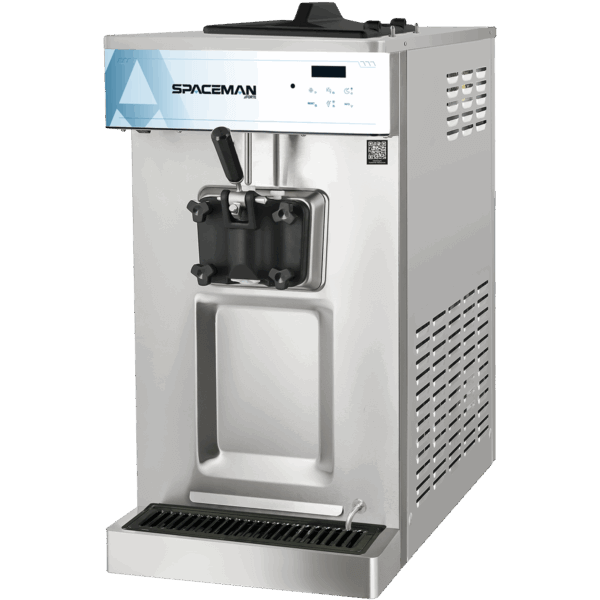
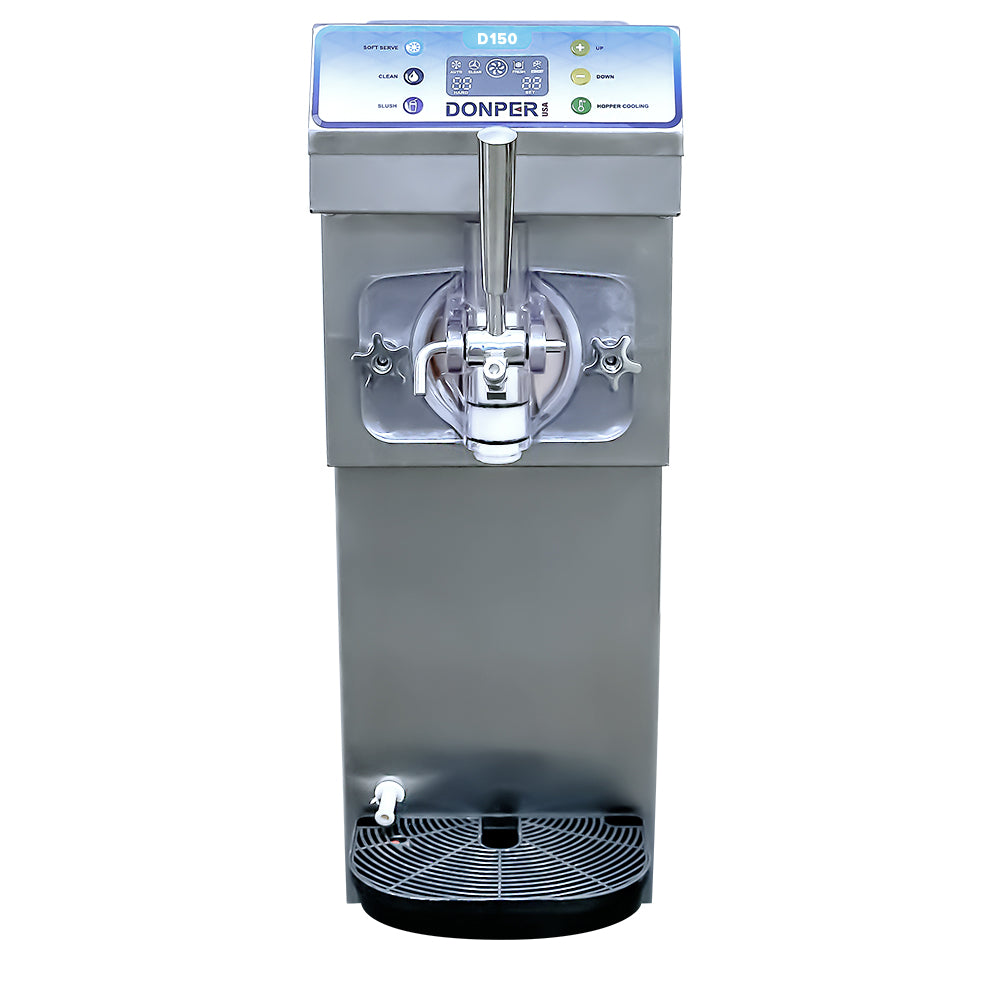
Commercial Soft-Serve Machines: buying guide
A soft-serve machine is chosen by configuration (countertop vs floor), flavor count, and feed system. Here is how to read the 48 machines above.
Countertop vs floor
A countertop freezer fits a limited footprint and suits a café or moderate volume; a floor model has larger cylinders and hoppers for a high-traffic shop. Size to your busiest hour, not your average — an undersized machine can't recover between servings at rush.
Flavors and twist
A single-flavor machine is the simplest to run and clean. A two-flavor (twin) machine serves two flavors and a twist of both from the middle spout. More flavors mean more hoppers and cylinders to fill, clean, and maintain.
Gravity vs pressure feed
Gravity-fed machines drop mix from the hopper by gravity — simpler, fewer parts, easy to clean, good overrun for most shops. Pressure (pump/air) fed machines inject air for higher overrun (lighter, higher-yield product) and sustained output, at the cost of more parts and cleaning. High-volume operations lean pressure.
Electrical and cleaning
Confirm voltage/phase before install — countertop units often run 115V, while floor units commonly need 208–230V and some are three-phase. All soft-serve machines require a strict daily/periodic cleaning and sanitizing routine per the manufacturer and your local health code; factor cleaning labor into the choice.
| Choice | Best use | Consideration |
|---|---|---|
| Countertop | Café / moderate volume | Smaller footprint |
| Floor | High-traffic shop | Larger cylinders & hoppers |
| Single-flavor | One flavor | Simplest to run & clean |
| Two-flavor (twist) | Two flavors + swirl | Two hoppers & cylinders |
| Gravity feed | Most shops | Simple, easy to clean |
| Pressure feed | High volume | Higher overrun & output |
Frequently asked questions
Countertop or floor soft-serve machine?
A countertop machine suits a café or low-to-moderate volume and fits a limited footprint; a floor model has larger freezing cylinders and mix hoppers for a high-traffic shop. Size to your peak hour — an undersized machine can't keep up during a rush.
What is gravity vs pressure (pump) feed?
Gravity-fed machines let mix flow from the hopper by gravity — fewer parts, simpler cleaning, and good product for most shops. Pressure or pump-fed machines inject air for higher overrun (a lighter product and more servings per mix) and sustained output at peak, at the cost of more components to clean and maintain.
What does 'two flavors plus twist' mean?
A twin (two-flavor) machine has two hoppers and two freezing cylinders serving two separate flavors, plus a center spout that dispenses a twist (swirl) of both at once. A single-flavor machine has one hopper and cylinder.
What electrical does a soft-serve machine need?
It varies by size: many countertop units run on 115V, while floor models commonly require a dedicated 208–230V circuit and some are three-phase. Always confirm the voltage, phase, and amperage on the spec sheet and provide the correct dedicated circuit.
How much cleaning does a soft-serve machine require?
A lot — soft-serve machines handle dairy and must be broken down, cleaned, and sanitized on the schedule set by the manufacturer and your local health department (often daily or every few days). Cleaning labor is a real operating cost; factor it into your machine choice and staffing.
About this data
Last verified: August 2026. Specs are compiled from manufacturer spec sheets and authorized dealer listings; where a value isn't published we leave it blank rather than guess.
Methodology: every equipment model is compared on the same set of specifications, and dimensions are checked (for sinks, overall width must exceed the combined bowl widths) — figures that fail validation are corrected from the manufacturer model number or omitted. “Street price” is the lowest legitimate published price we've found and can change.
Sourcing: product specs come from the manufacturer; regulatory statements link to the source (e.g. the FDA Food Code and NSF). Code requirements vary by jurisdiction — confirm with the authority reviewing your plans.
Disclosure: FoodServiceNerd is vendor-neutral and free to use. Some “where to buy” links may be affiliate links — we may earn a commission at no cost to you, and it never changes what we list or how we rank it. We don't sell equipment ourselves.
Editorial: compiled and reviewed by the FoodServiceNerd equipment desk (about us). Spot an error? Tell us and we'll correct it.