Panini & Sandwich Presses
Choose a panini/sandwich press by platen — a double press does two orders at once for volume, a single suits a café — and by surface: grooved plates give grill marks and drain fat, smooth plates suit wraps, flatbreads, and quesadillas, and combo units mix both. Cast-iron or cast-aluminum plates hold heat best.
Countertop panini and sandwich presses for cafés and sandwich lines. Compare by platen (single or double) and surface (grooved for grill marks, smooth for wraps and flatbreads), then match to your volume.
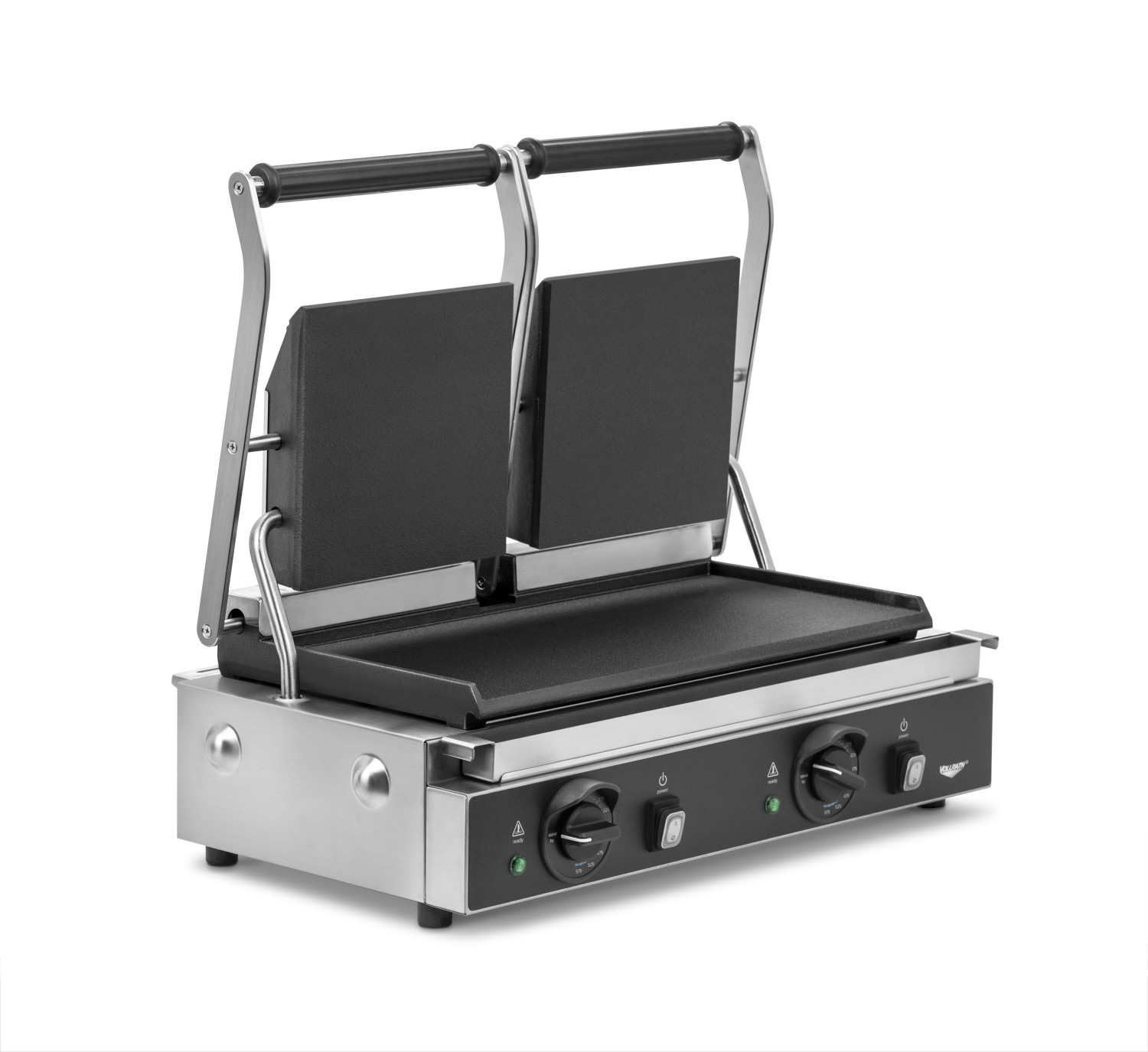
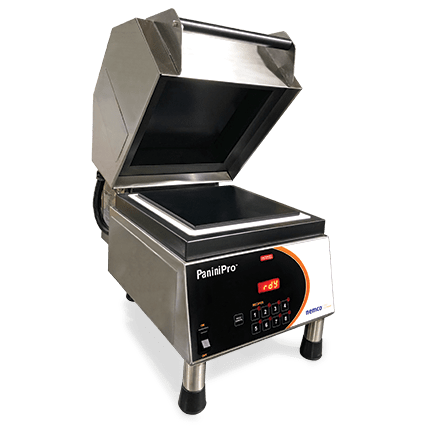
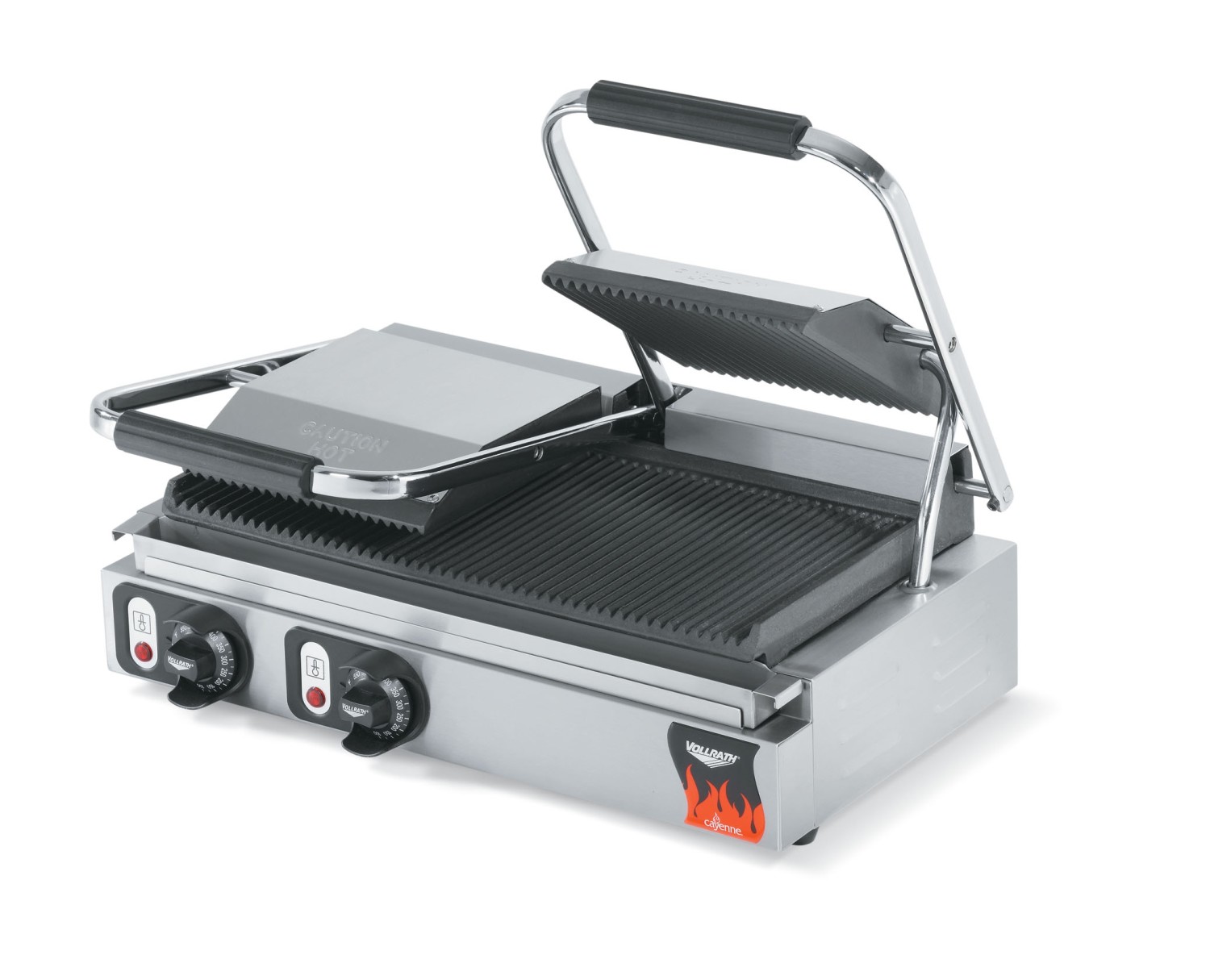
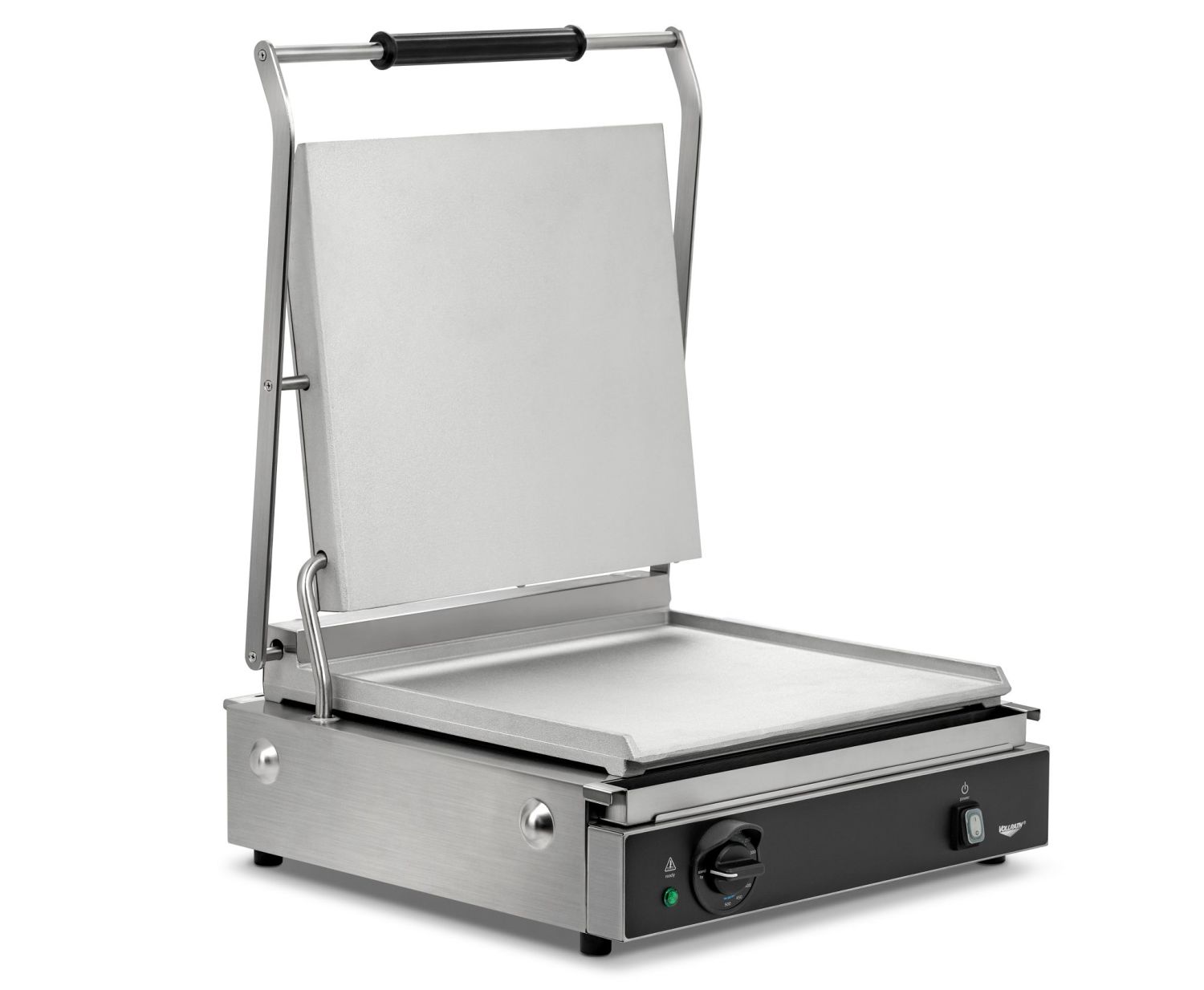
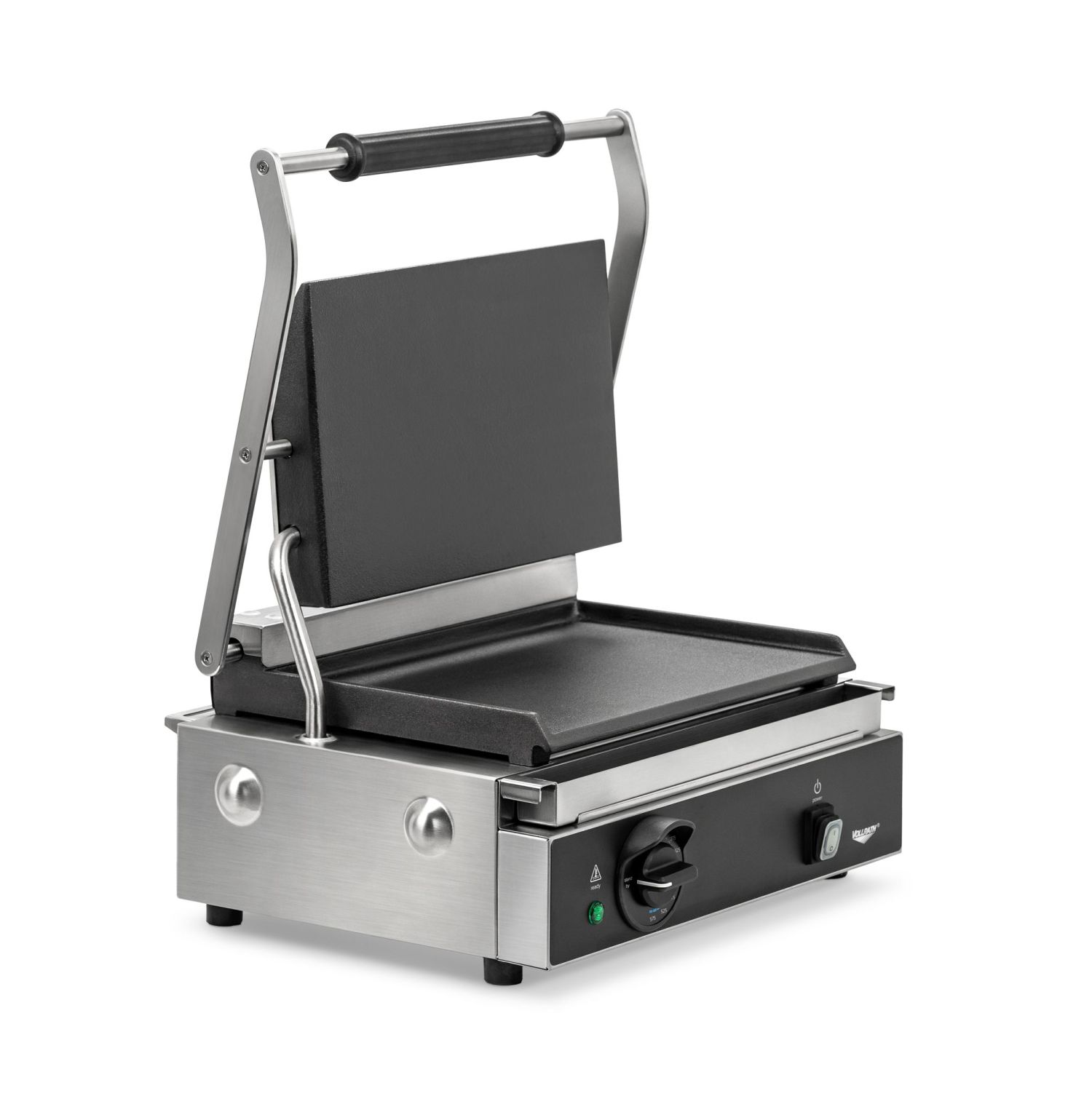
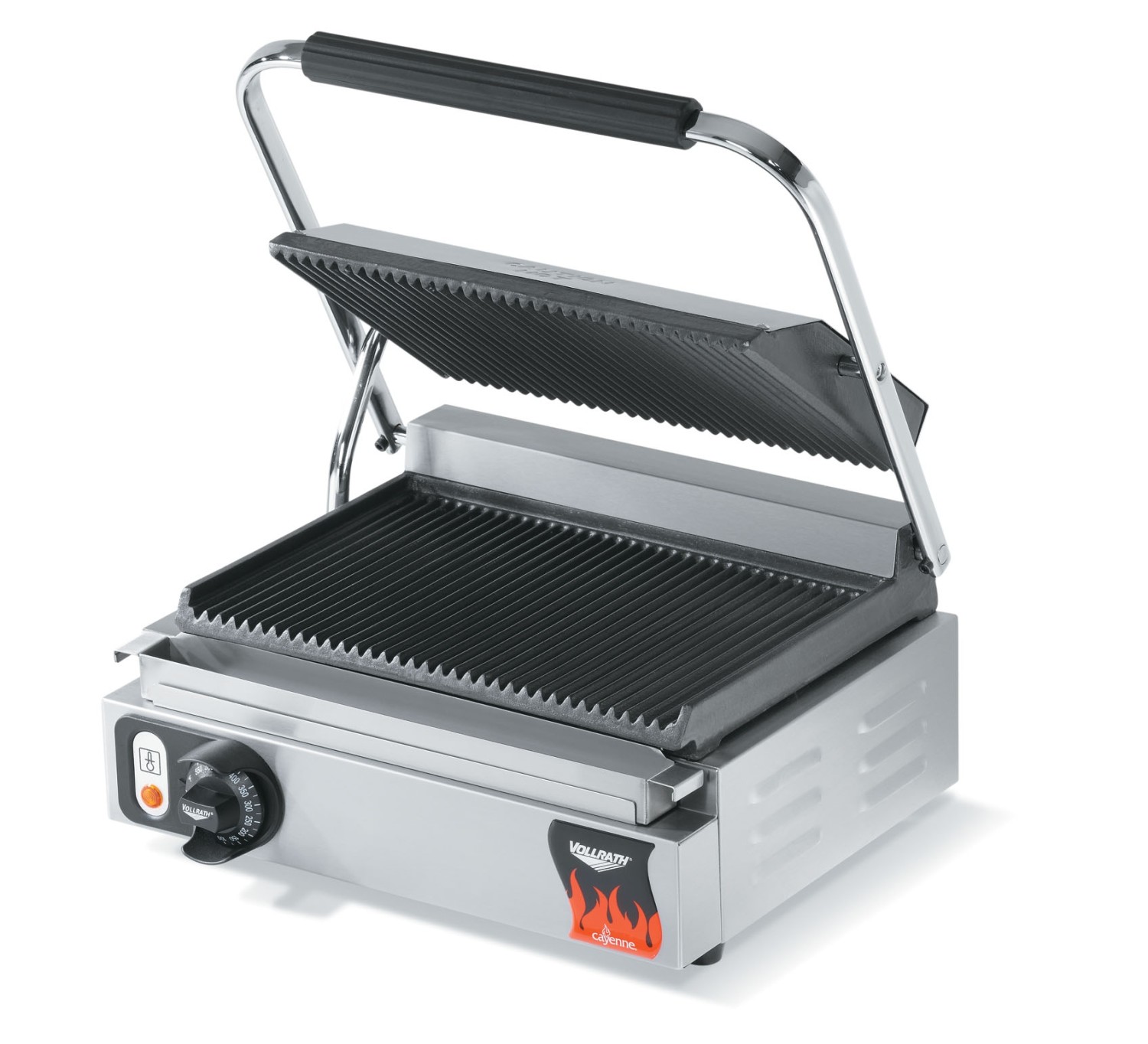
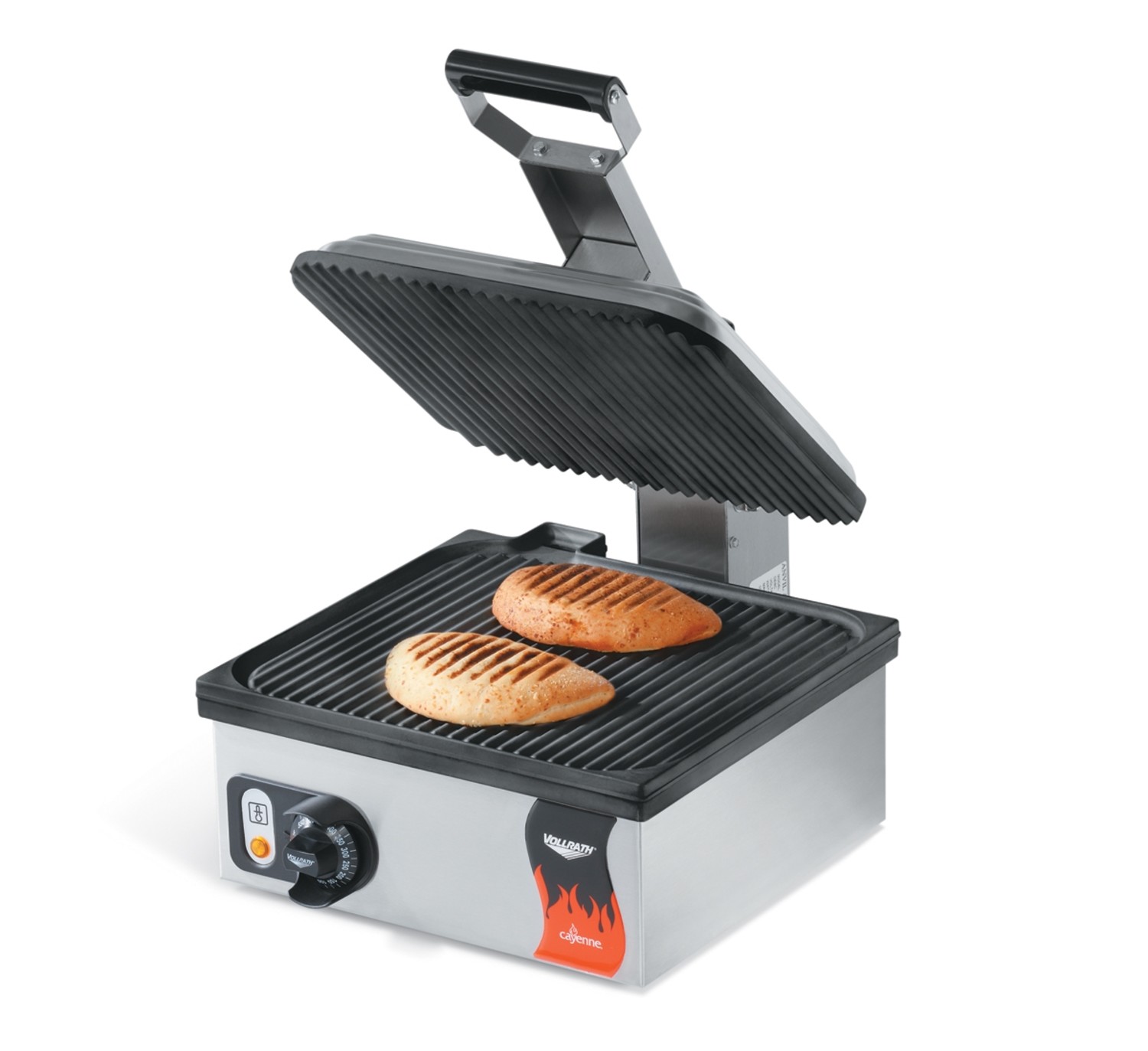
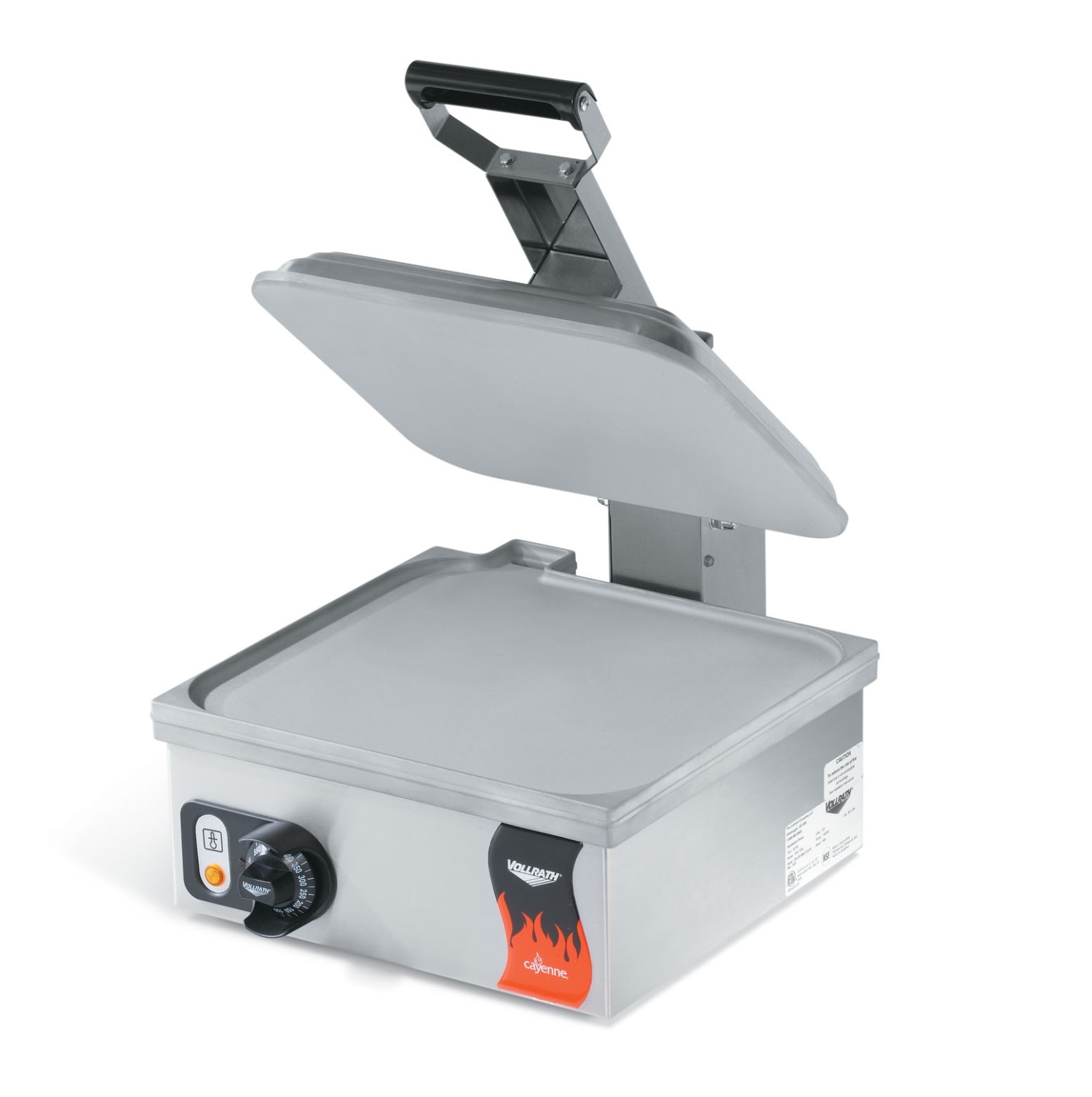
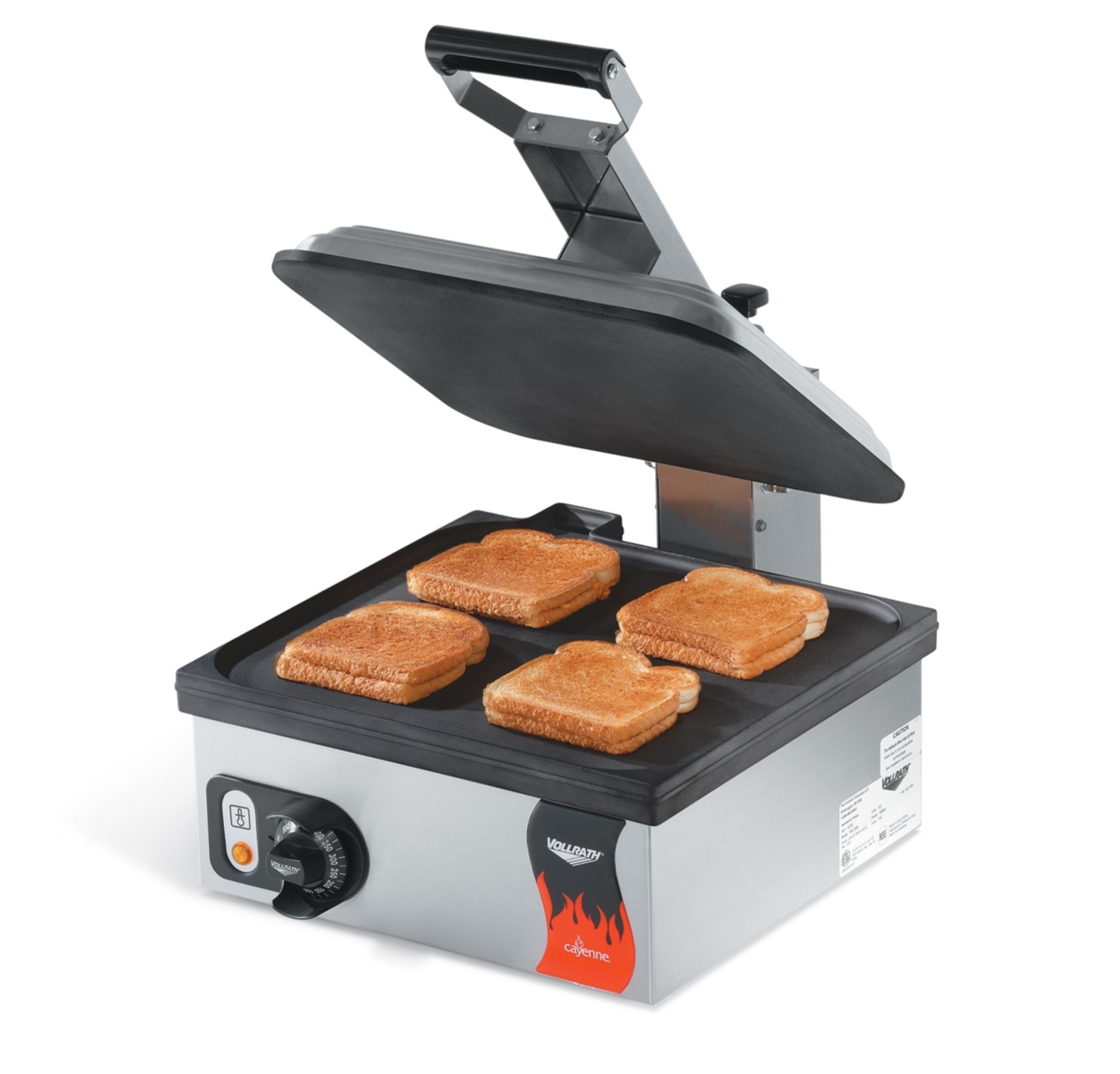
Panini & Sandwich Presses: buying guide
A panini press is chosen by platen (single vs double) and surface (grooved vs smooth). Here is how to read the 11 presses above.
Single vs double
A single press handles a café's pace; a double press toasts two orders at once for a sandwich line or high lunch volume. Size to your peak simultaneous orders.
Grooved, smooth, or combo
Grooved plates leave grill marks and drain fat (paninis); smooth plates suit wraps, flatbreads, and quesadillas; a combo (grooved top, smooth bottom, or split plates) covers both. Buy for what you press most.
| Choice | Best use | Consideration |
|---|---|---|
| Single | Café pace | One order at a time |
| Double | Sandwich line / volume | Two orders at once |
| Grooved | Paninis | Grill marks, drains fat |
| Smooth | Wraps / flatbreads | Even contact |
Frequently asked questions
Grooved or smooth plates?
Grooved plates give the classic panini grill marks and let fat drain; smooth plates give full contact for wraps, flatbreads, tortillas, and quesadillas. Combo units offer both (often grooved top, smooth bottom) — choose by what you press most.
Single or double press?
A single press suits a café's pace; a double doubles output for a sandwich line or busy lunch. If two orders regularly wait, the double pays for itself in throughput.
What plate material is best?
Cast iron and cast aluminum hold and recover heat best for consistent pressing; check whether plates are coated for release and easier cleaning. Heavier plates mark and toast more evenly.
About this data
Last verified: August 2026. Specs are compiled from manufacturer spec sheets and authorized dealer listings; where a value isn't published we leave it blank rather than guess.
Methodology: every equipment model is compared on the same set of specifications, and dimensions are checked (for sinks, overall width must exceed the combined bowl widths) — figures that fail validation are corrected from the manufacturer model number or omitted. “Street price” is the lowest legitimate published price we've found and can change.
Sourcing: product specs come from the manufacturer; regulatory statements link to the source (e.g. the FDA Food Code and NSF). Code requirements vary by jurisdiction — confirm with the authority reviewing your plans.
Disclosure: FoodServiceNerd is vendor-neutral and free to use. Some “where to buy” links may be affiliate links — we may earn a commission at no cost to you, and it never changes what we list or how we rank it. We don't sell equipment ourselves.
Editorial: compiled and reviewed by the FoodServiceNerd equipment desk (about us). Spot an error? Tell us and we'll correct it.