Commercial Glasswashers
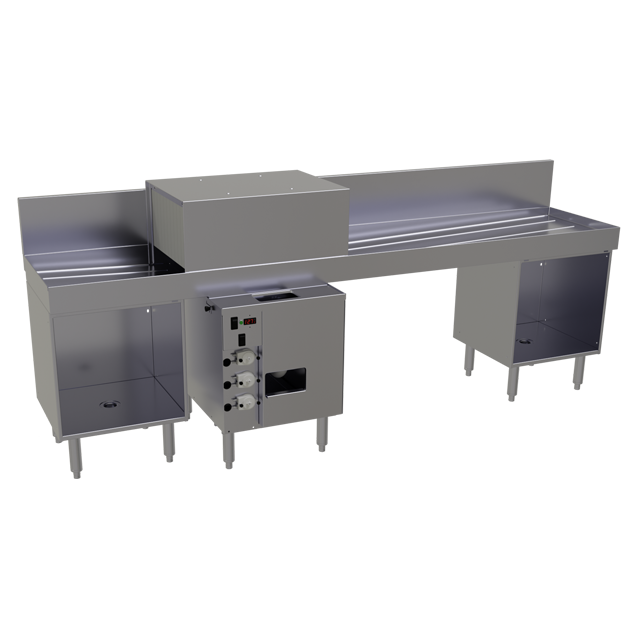
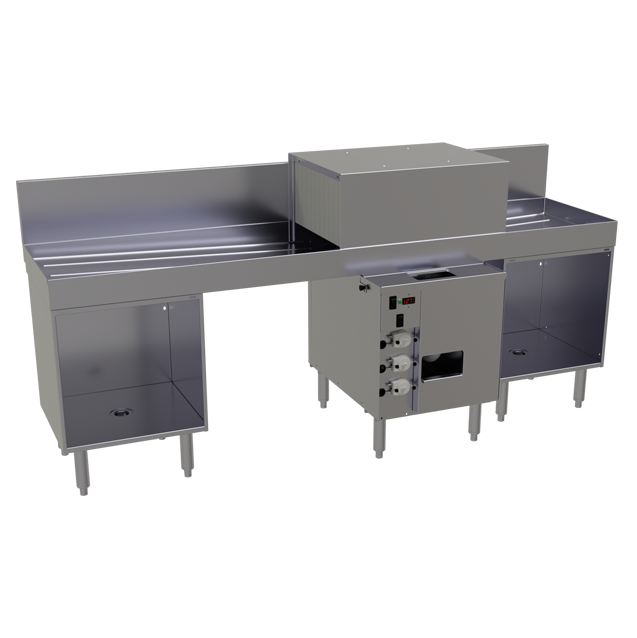
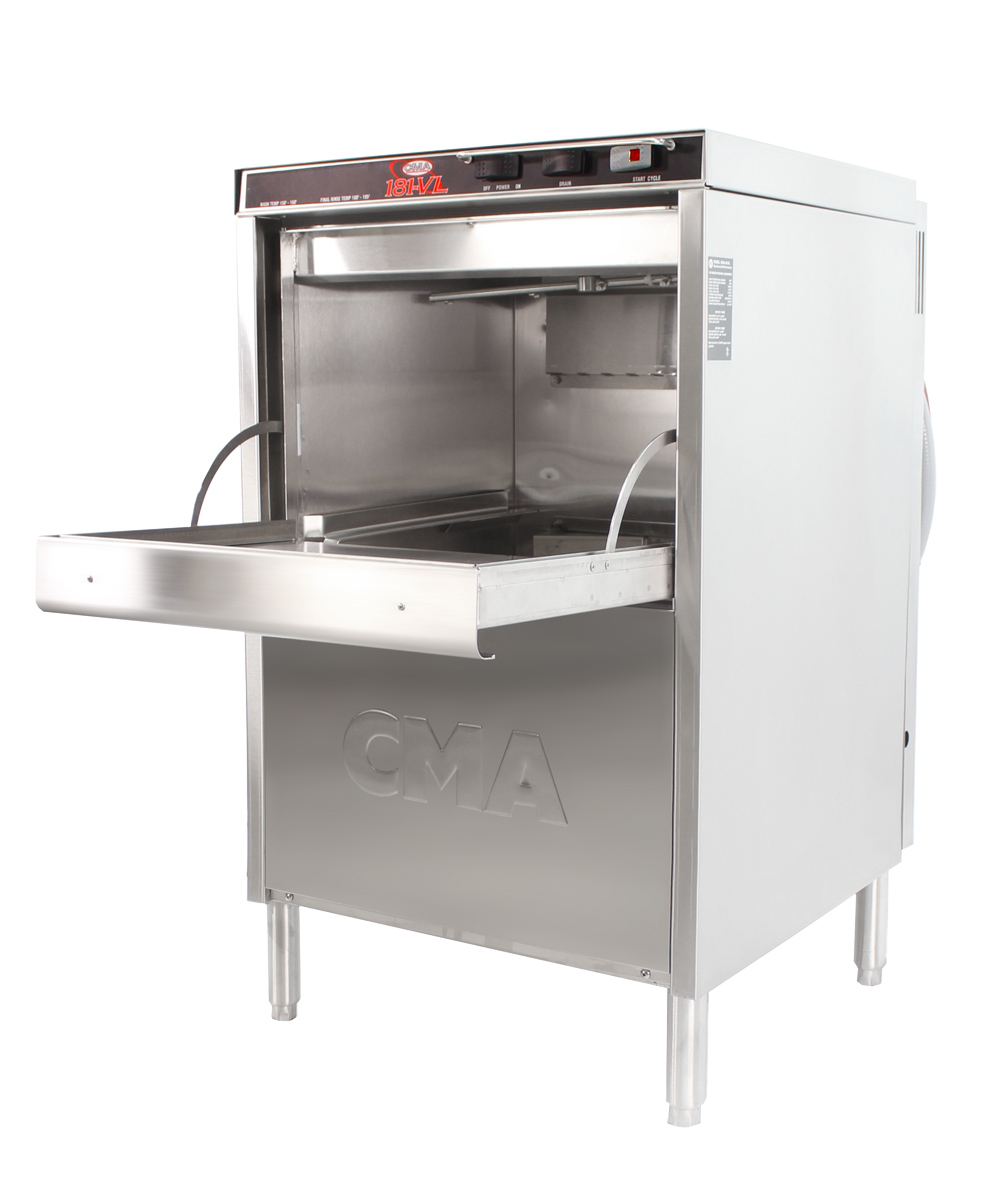
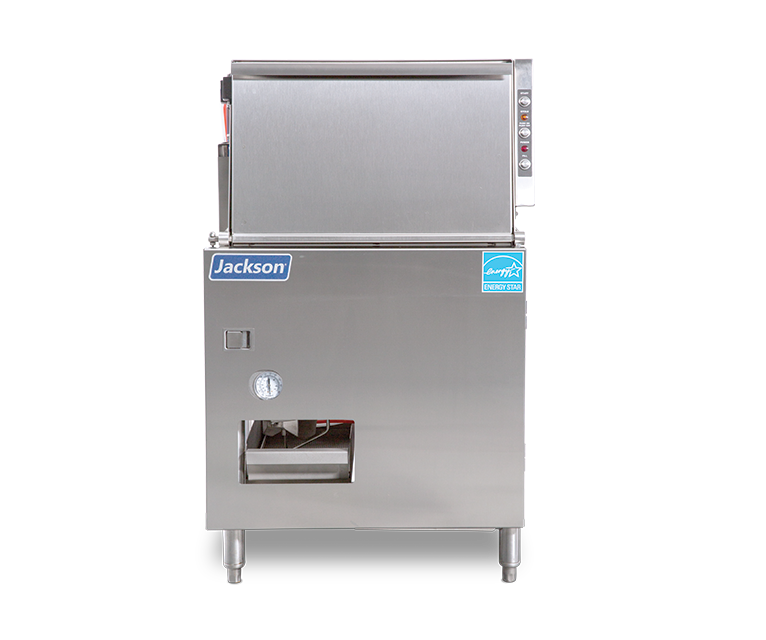
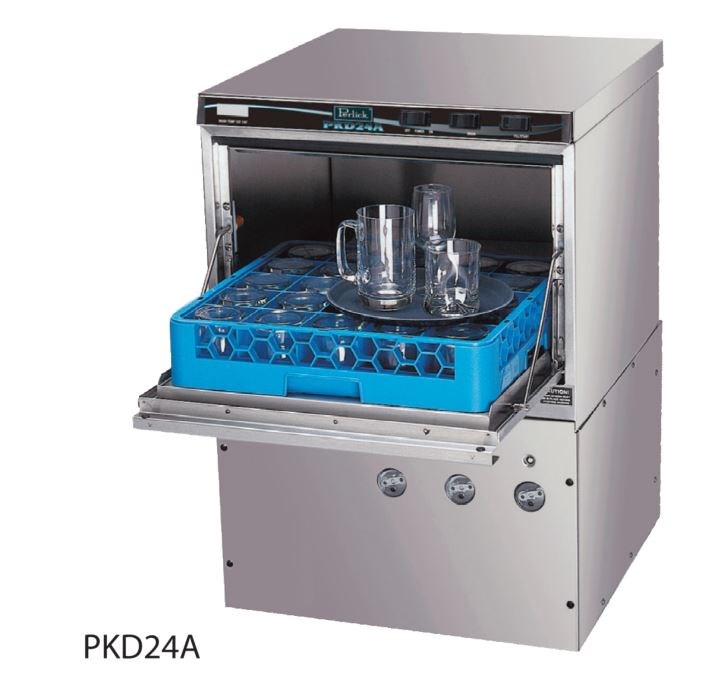
Choose by type and sanitizing method. An undercounter door glasswasher fits under a bar for steady volume; a rotary/underbar washer gives fast fill-and-dump turnaround in a small footprint; a pass-through unit handles the highest volume. Low-temp (chemical) machines sanitize with a chemical rinse and run on standard power; high-temp machines sanitize with a 180°F hot-water rinse (built-in booster) — faster drying and no sanitizer chemical, but more power and heat. Match the throughput (racks or glasses per hour) to your busiest service, and confirm the electrical and drain.
Dedicated bar glasswashers built for fast, spot-free glass and stemware turnaround. The key decisions are type (undercounter door, rotary/underbar, or pass-through) and sanitizing method — low-temp (chemical) or high-temp (hot-water, with a booster). Then match throughput to your bar's peak.
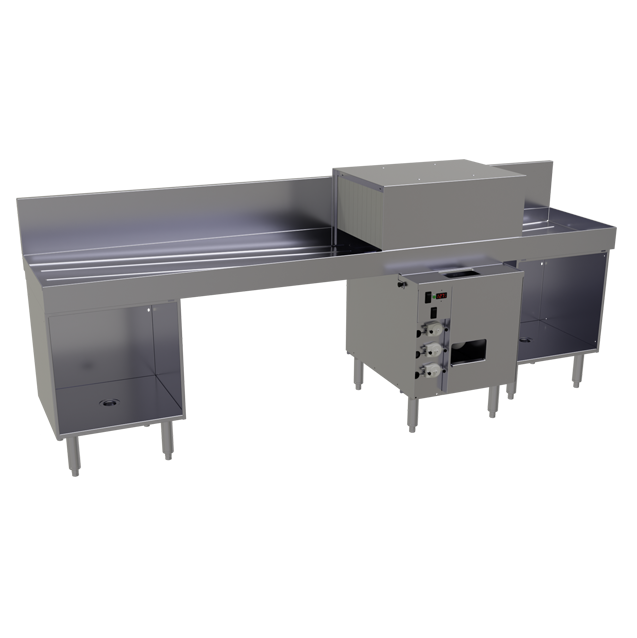

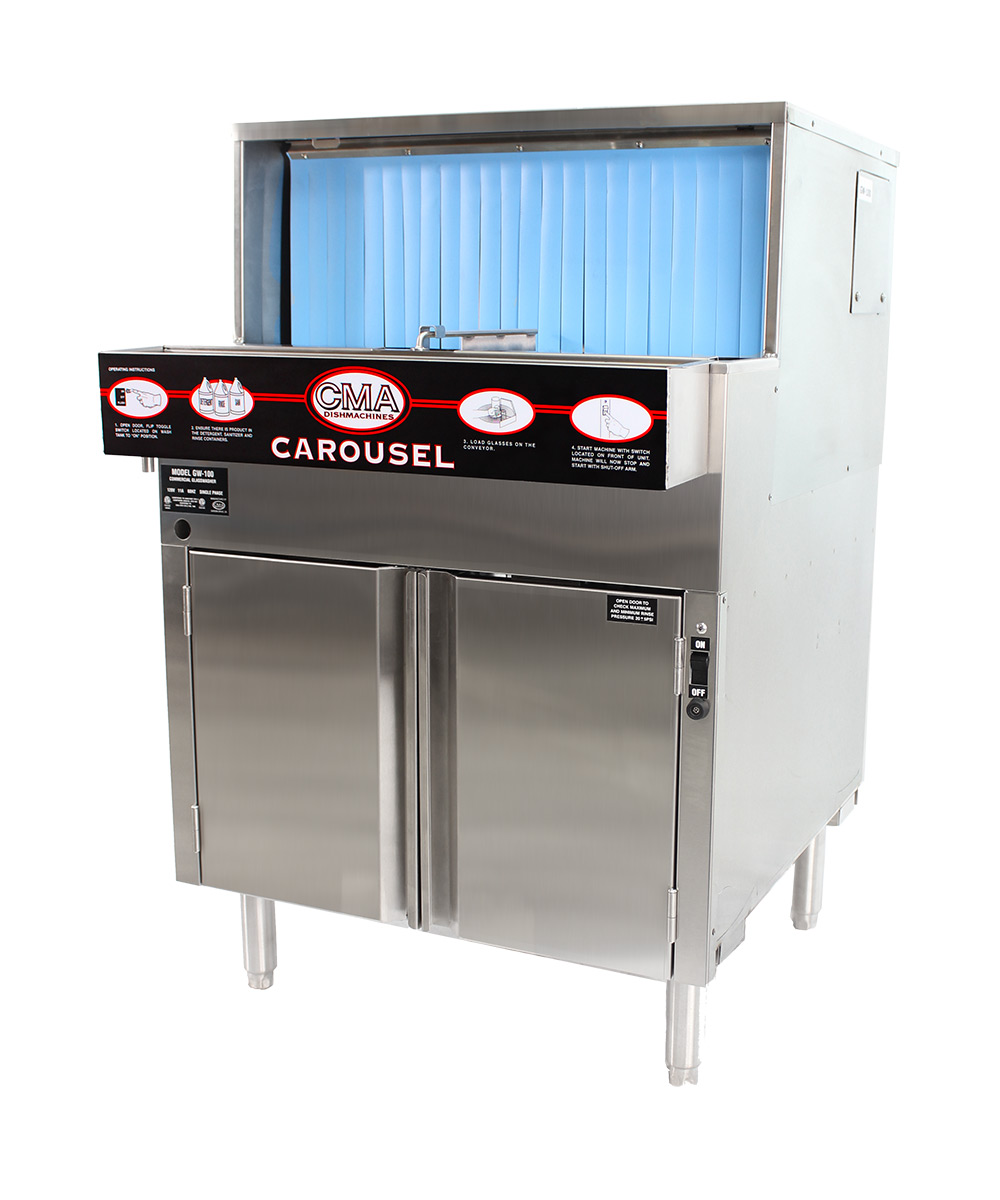
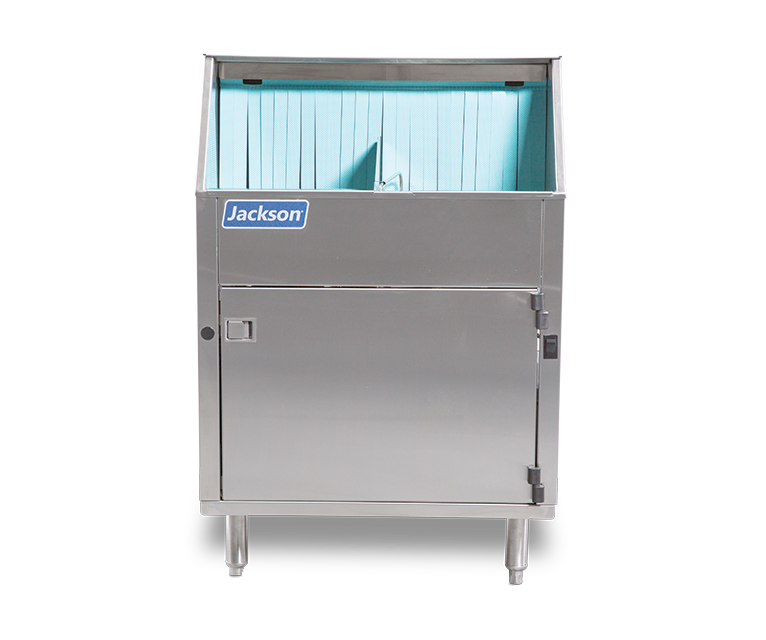
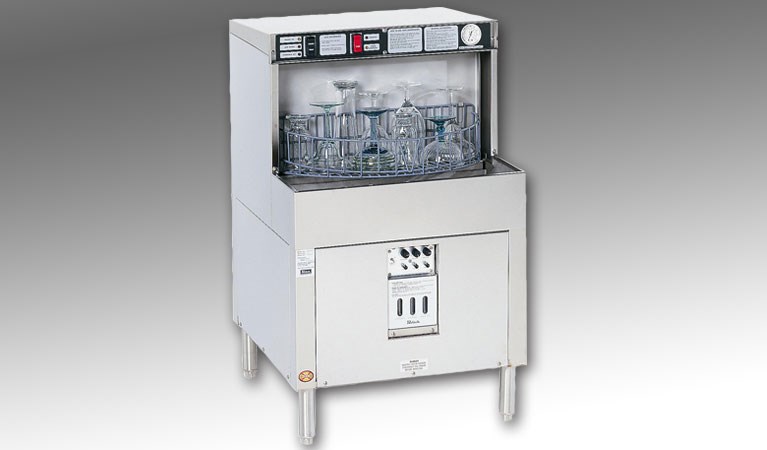

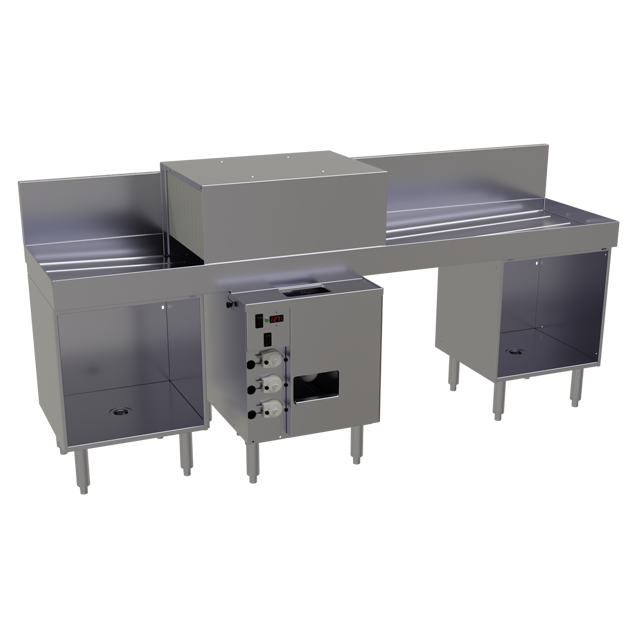

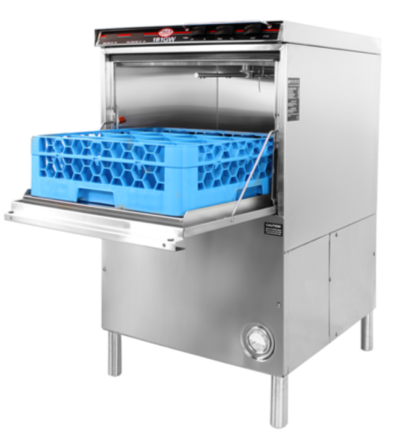
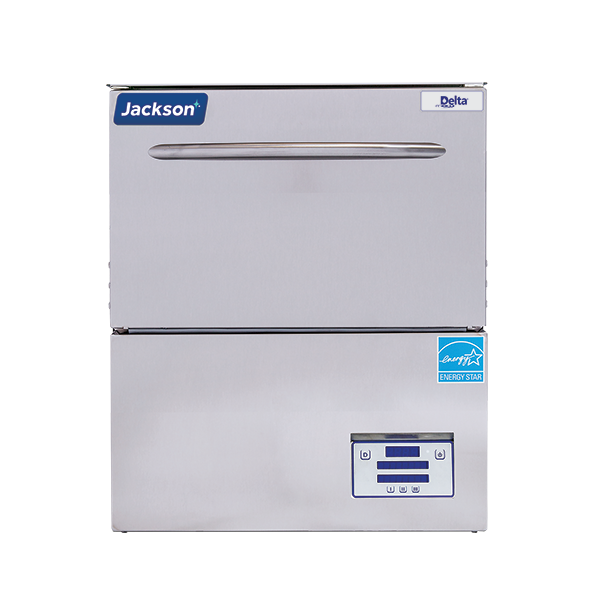
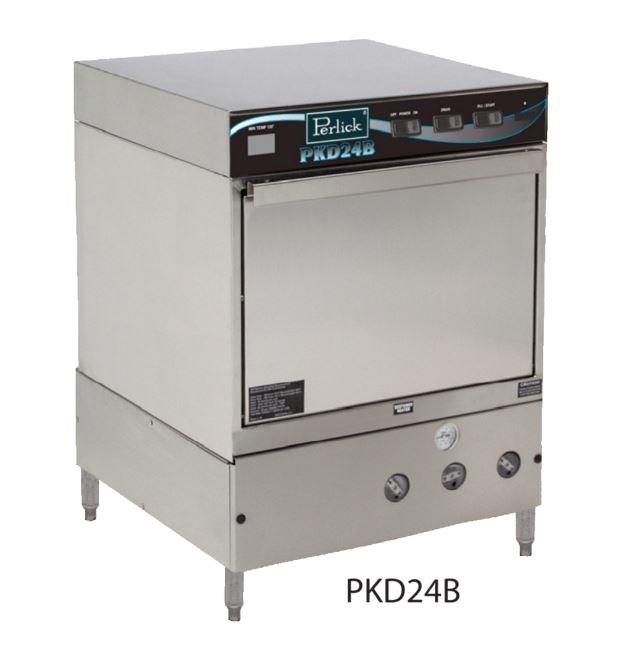
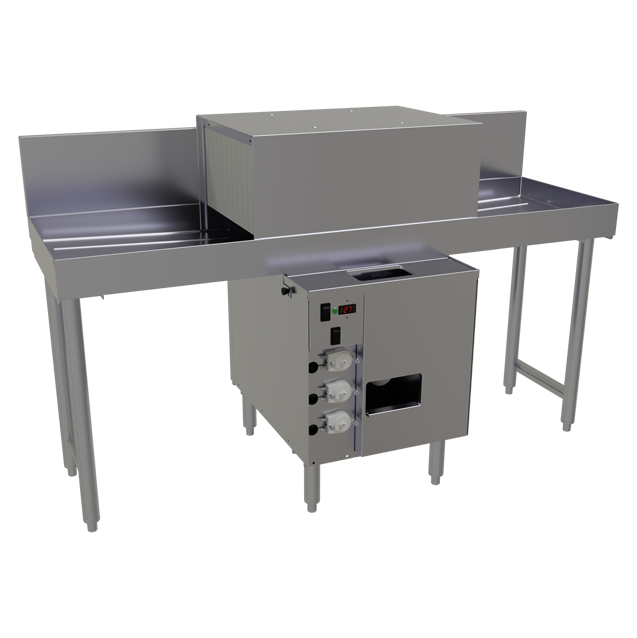


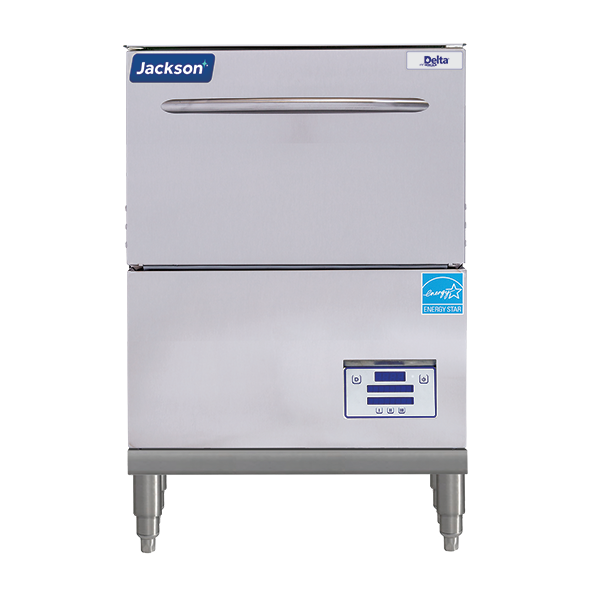
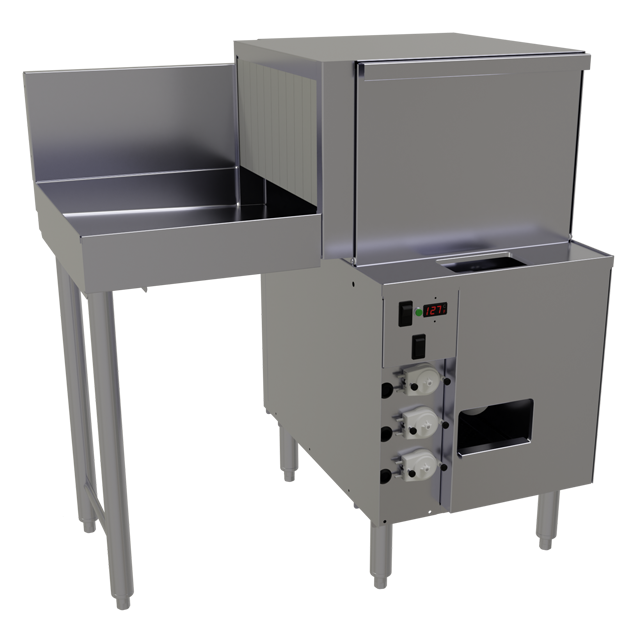


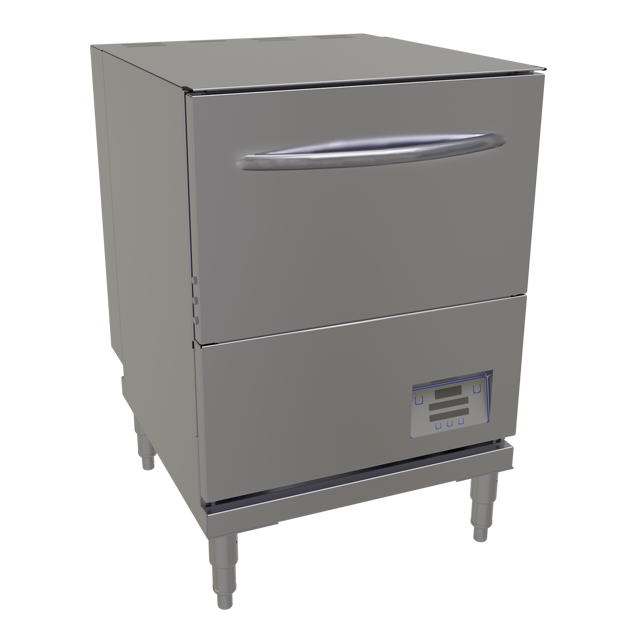
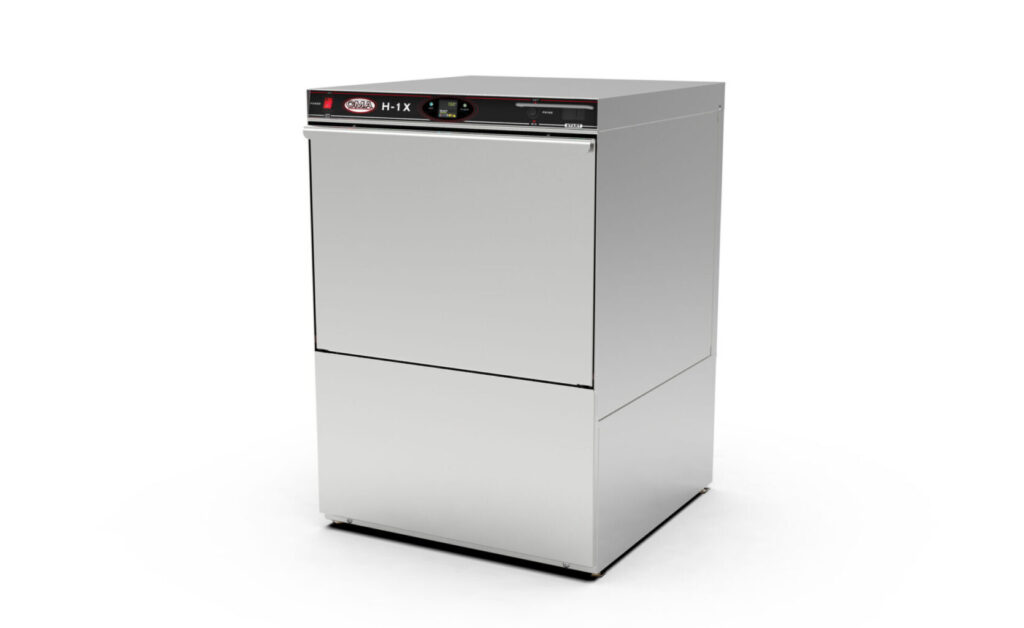
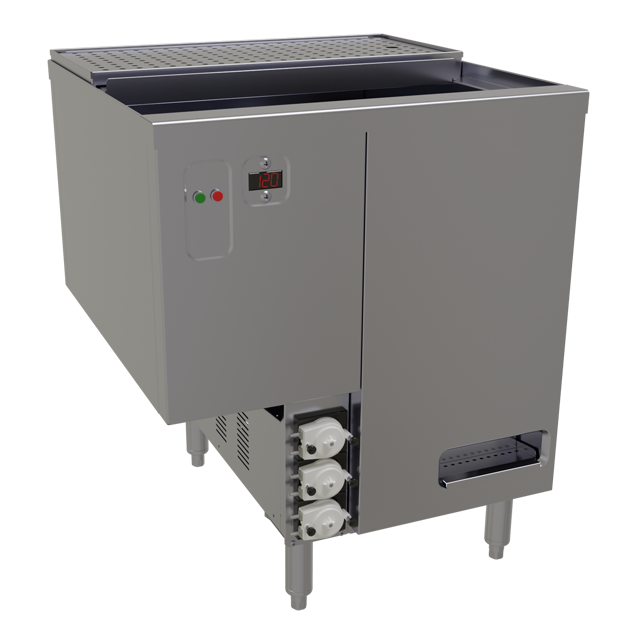
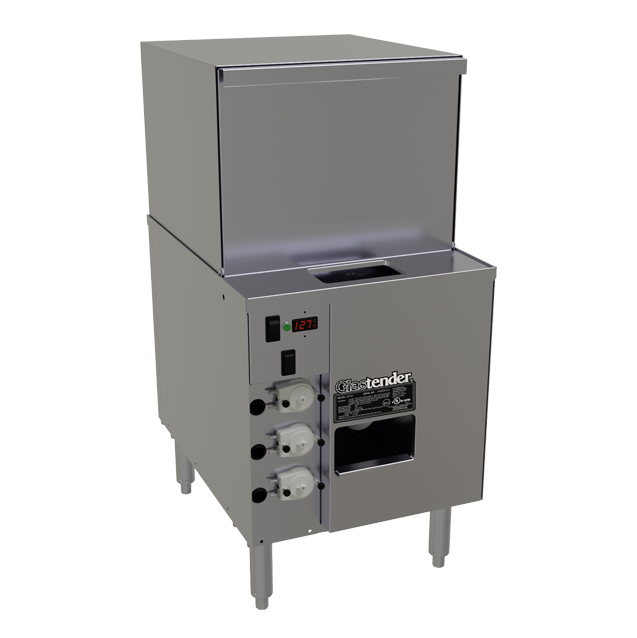
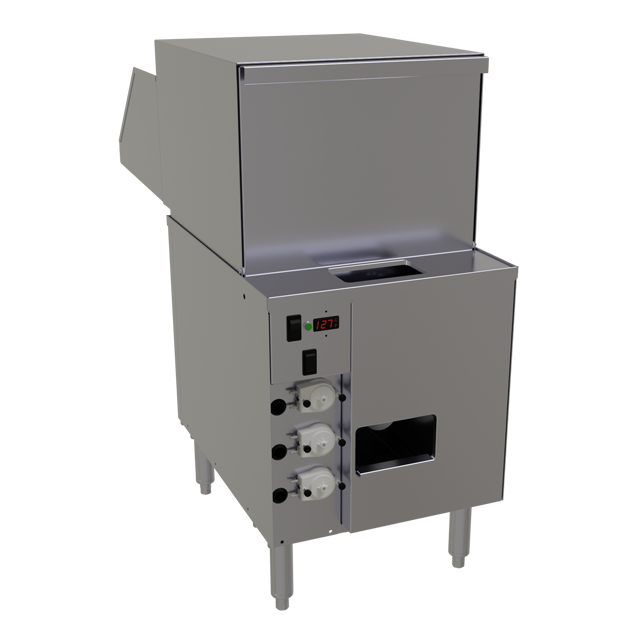
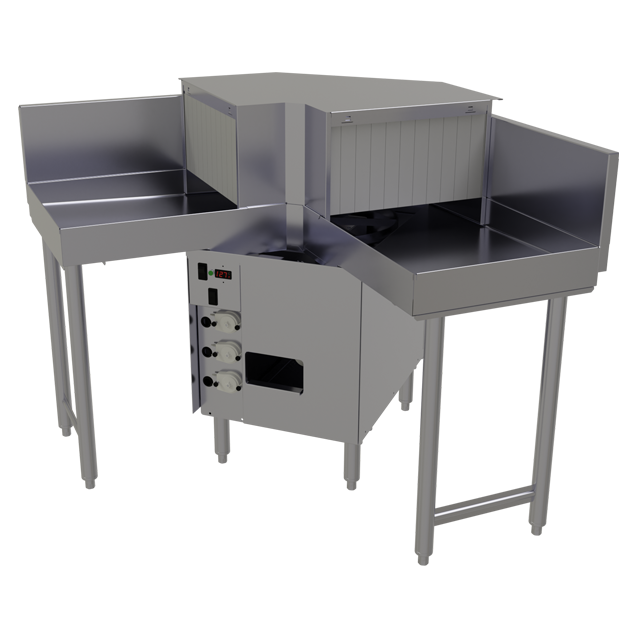
Commercial Glasswashers: buying guide
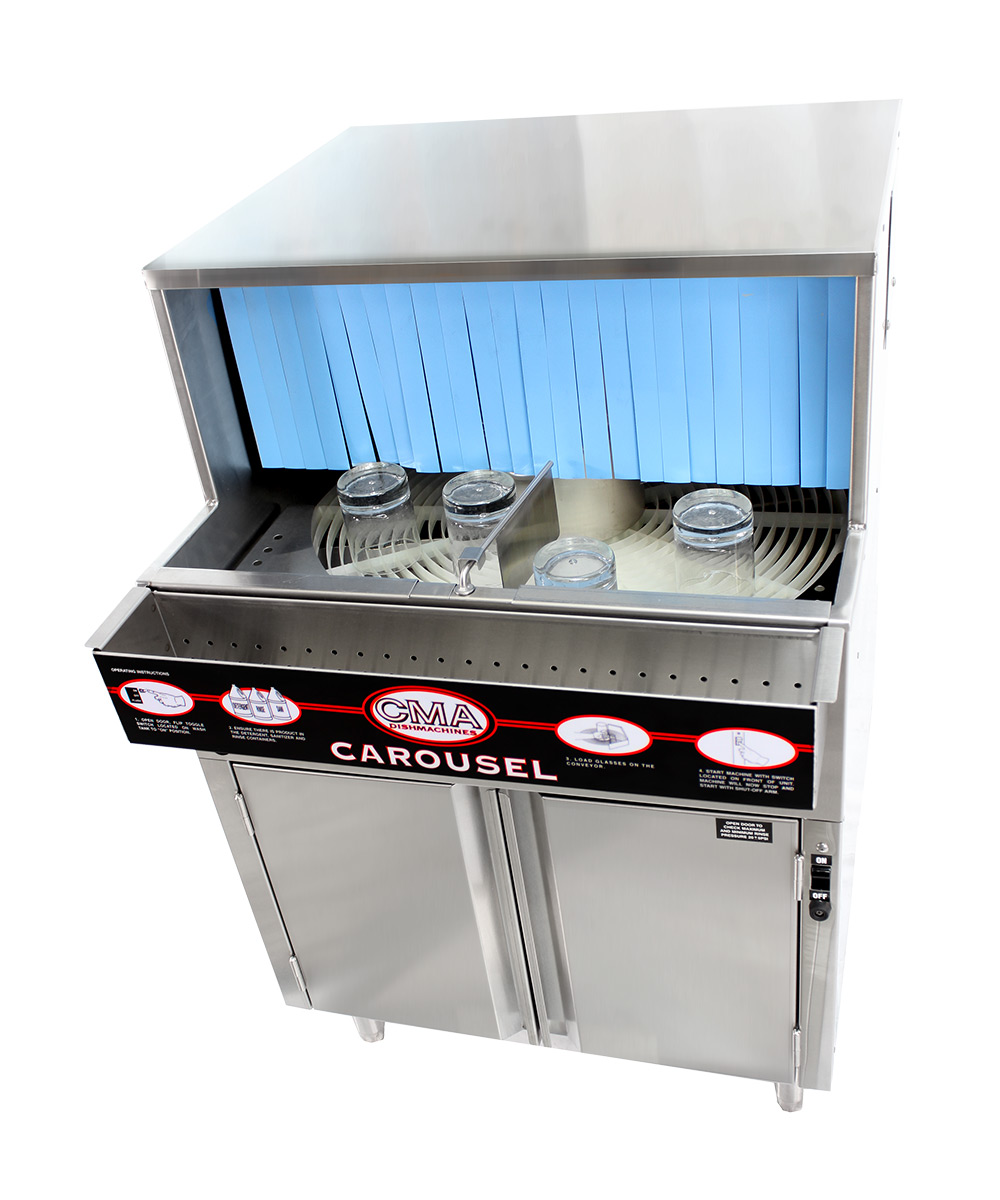
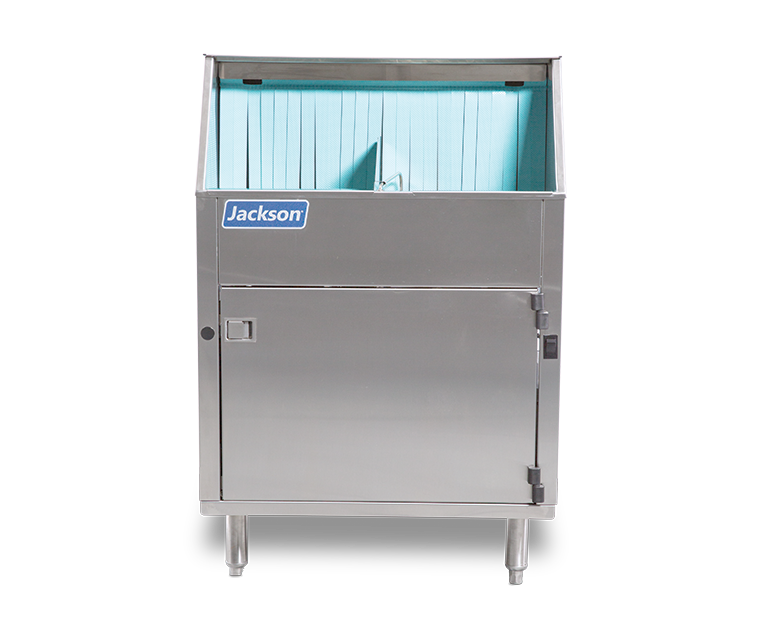
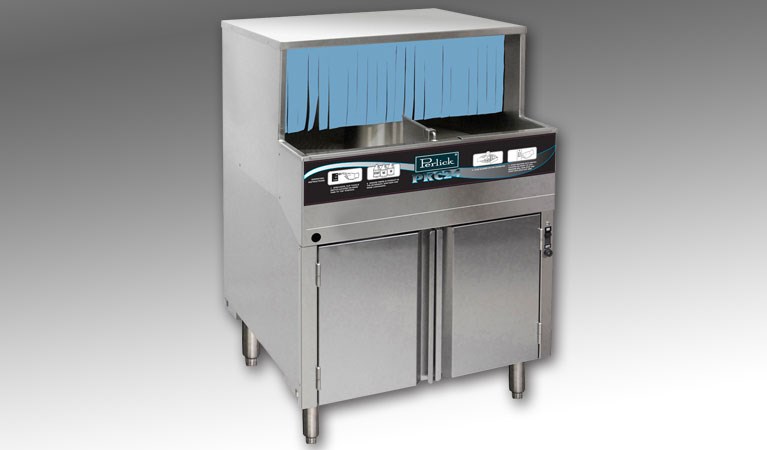
A glasswasher is chosen by type (undercounter, rotary, pass-through) and sanitizing method (low- vs high-temp). Here is how to read the 38 machines above.
Type
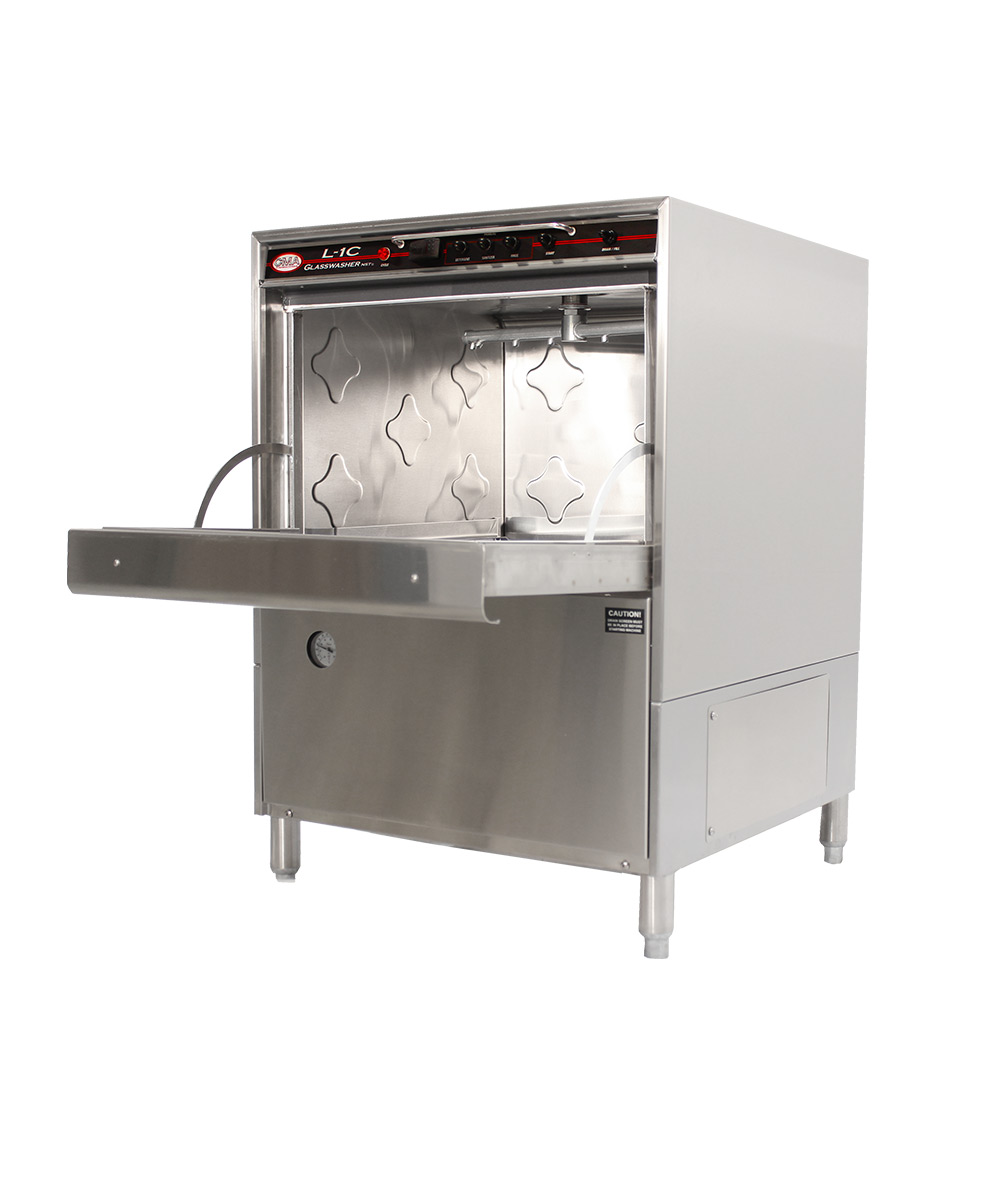
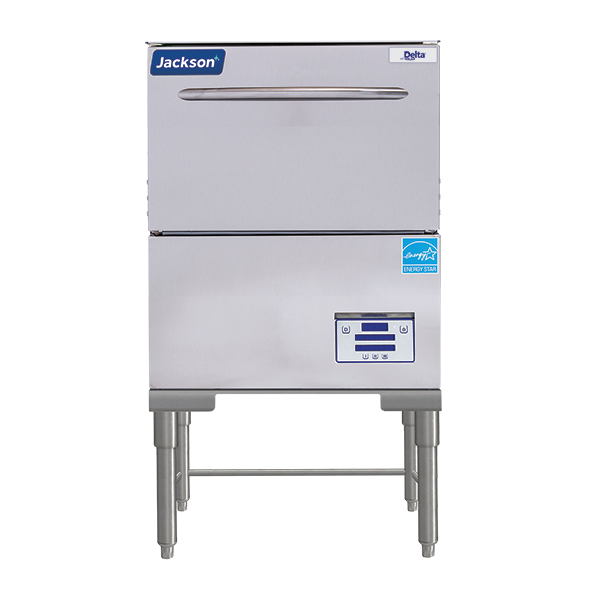
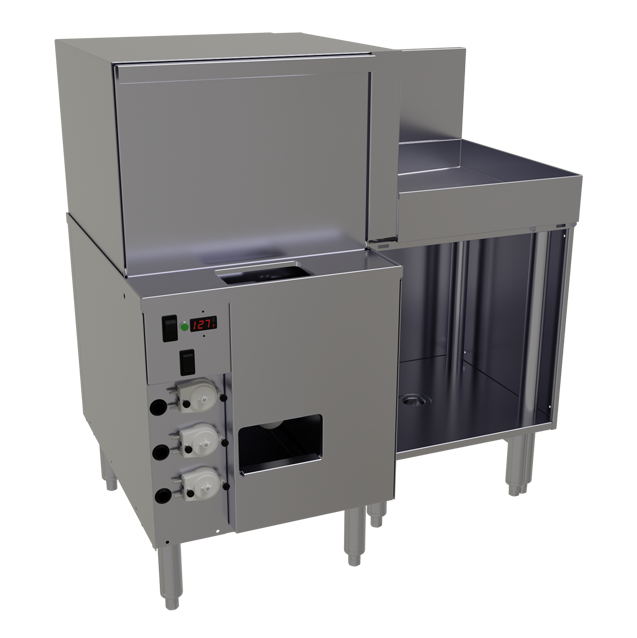
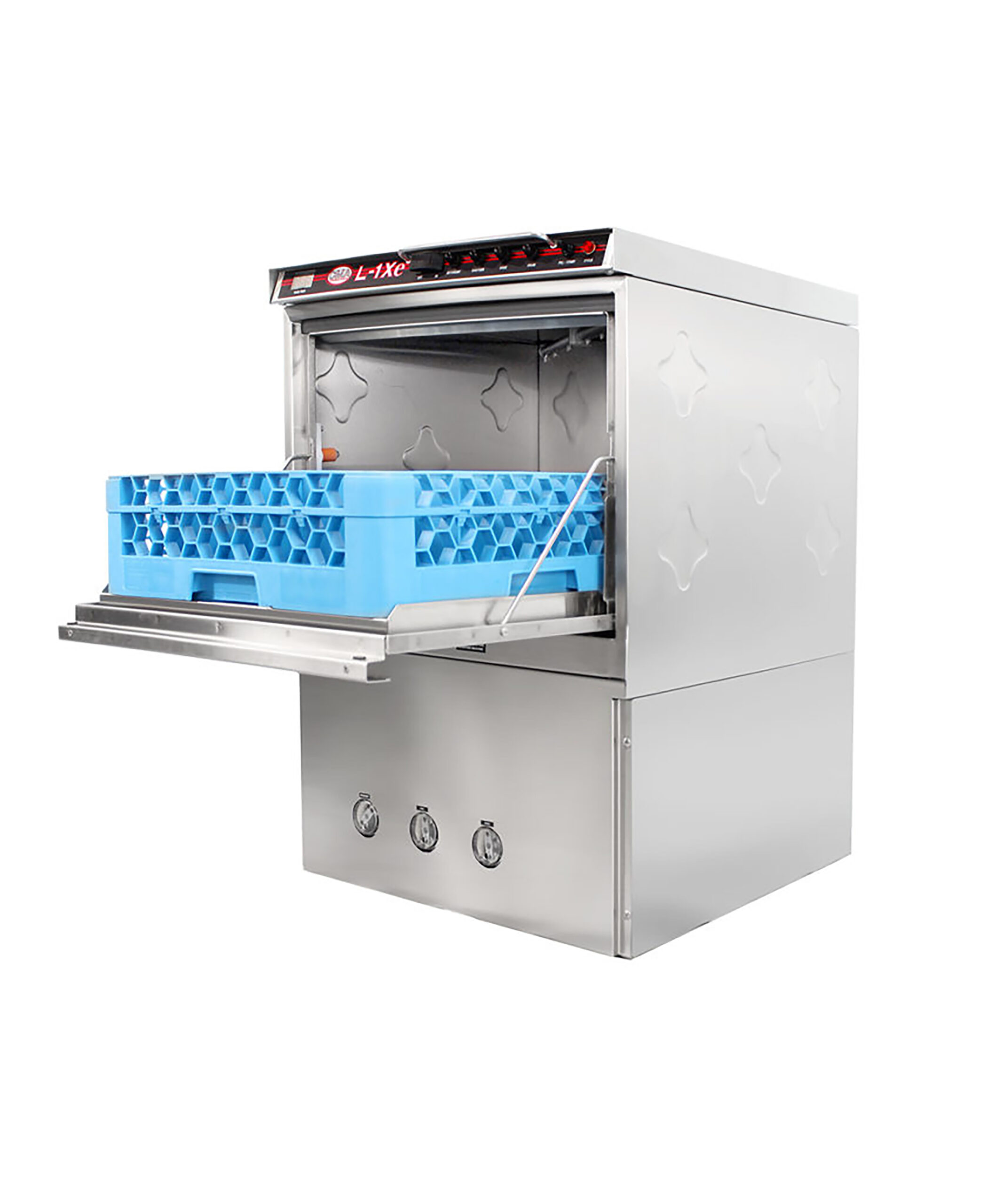
An undercounter door glasswasher fits under the bar for steady rack-based volume; a rotary/underbar washer (fill-and-dump carousel) gives very fast turnaround in a tight footprint; a pass-through unit handles the highest volume. Pick by your bar's space and peak demand.
Low-temp vs high-temp
Low-temp (chemical-sanitizing) glasswashers use a sanitizer in the rinse and run on standard voltage — lower install cost. High-temp machines sanitize with a 180°F hot-water final rinse via a built-in booster — no sanitizer chemical and faster air-drying, but higher power draw and more heat/humidity. Choose by chemical vs. energy preference and your electrical.
Throughput and install
Match racks-per-hour (or glasses-per-hour on rotary units) to your busiest service so clean glassware keeps up at rush. Confirm the voltage/phase, incoming water temperature, and drain — high-temp units especially need adequate power and hot water.
| Choice | Best use | Consideration |
|---|---|---|
| Undercounter | Steady bar volume | Rack-based, fits under the bar |
| Rotary / underbar | Fast turnaround, tight space | Fill-and-dump carousel |
| Pass-through | Highest volume | Rack conveyor / hood-type |
| Low-temp | Lower install cost | Chemical sanitize, standard power |
| High-temp | No sanitizer, fast drying | 180°F booster, more power |
Frequently asked questions
Why a glasswasher instead of a dishwasher?
A dedicated glasswasher runs shorter, gentler cycles tuned for glass and stemware — fast turnaround and spot-free results in a compact underbar footprint — right where drinks are served. A dish machine is built for plates and heavy soil and is often too far from the bar and too aggressive for delicate glassware.
Low-temp or high-temp glasswasher?
Low-temp (chemical) machines cost less to install and run on standard power, sanitizing with a chemical rinse. High-temp machines sanitize with a 180°F hot-water rinse via a built-in booster — no sanitizer chemical and faster drying, but they draw more power and add heat/humidity. Choose by your electrical and chemical preference.
What is a rotary (fill-and-dump) glasswasher?
An underbar carousel washer that spins glasses through a wash and rinse and reuses the wash water within a cycle — extremely fast turnaround in a small footprint, ideal right behind the bar. It's rated in glasses per hour rather than racks per hour.
How much throughput do I need?
Match racks-per-hour (or glasses-per-hour on rotary units) to your busiest service so clean glassware never runs out at rush. A high-volume cocktail bar needs far more turnaround than a small restaurant bar — size to peak, not average.
About this data
Last verified: August 2026. Specs are compiled from manufacturer spec sheets and authorized dealer listings; where a value isn't published we leave it blank rather than guess.
Methodology: every equipment model is compared on the same set of specifications, and dimensions are checked (for sinks, overall width must exceed the combined bowl widths) — figures that fail validation are corrected from the manufacturer model number or omitted. “Street price” is the lowest legitimate published price we've found and can change.
Sourcing: product specs come from the manufacturer; regulatory statements link to the source (e.g. the FDA Food Code and NSF). Code requirements vary by jurisdiction — confirm with the authority reviewing your plans.
Disclosure: FoodServiceNerd is vendor-neutral and free to use. Some “where to buy” links may be affiliate links — we may earn a commission at no cost to you, and it never changes what we list or how we rank it. We don't sell equipment ourselves.
Editorial: compiled and reviewed by the FoodServiceNerd equipment desk (about us). Spot an error? Tell us and we'll correct it.