Commercial Espresso Machines
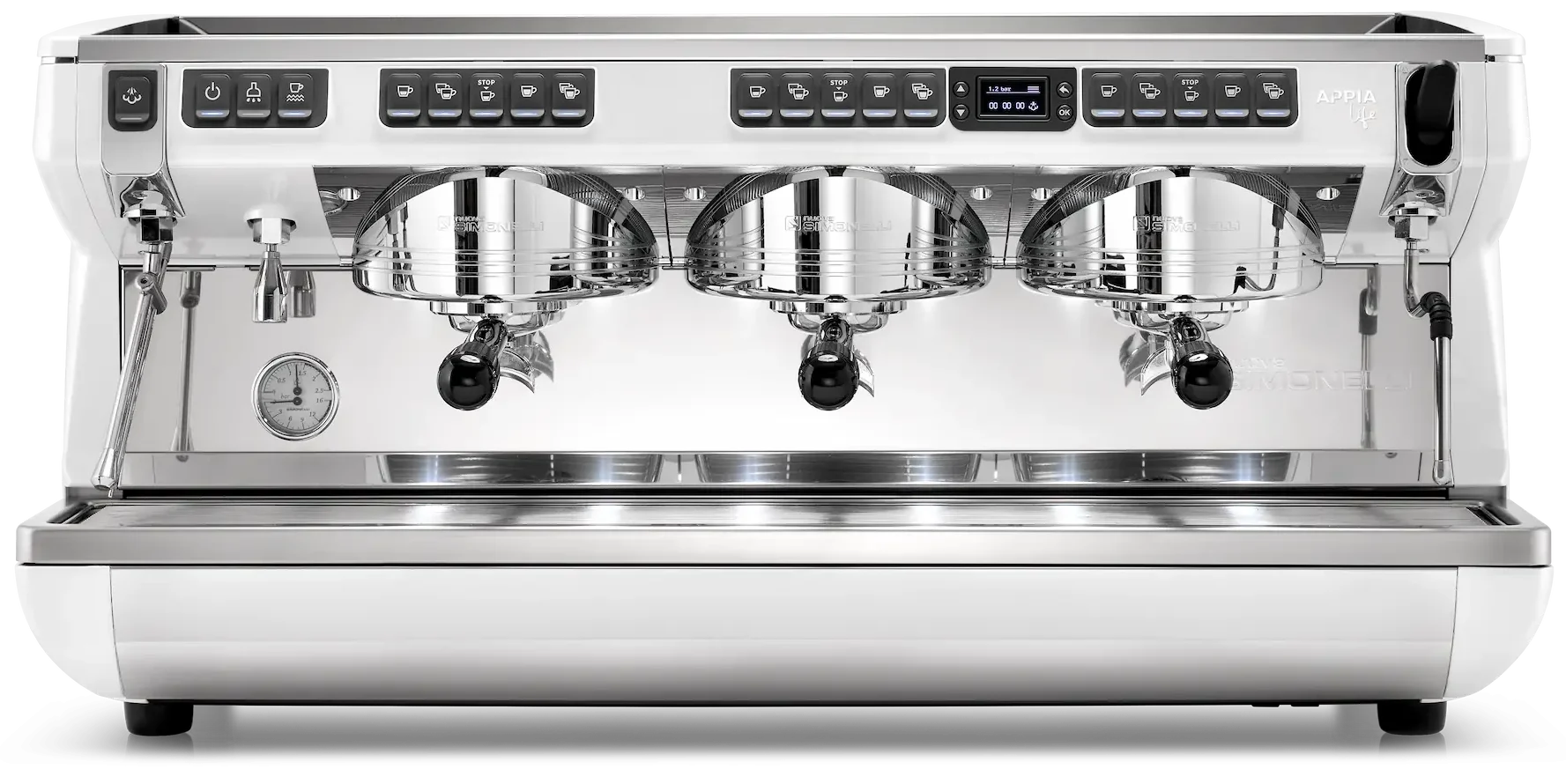
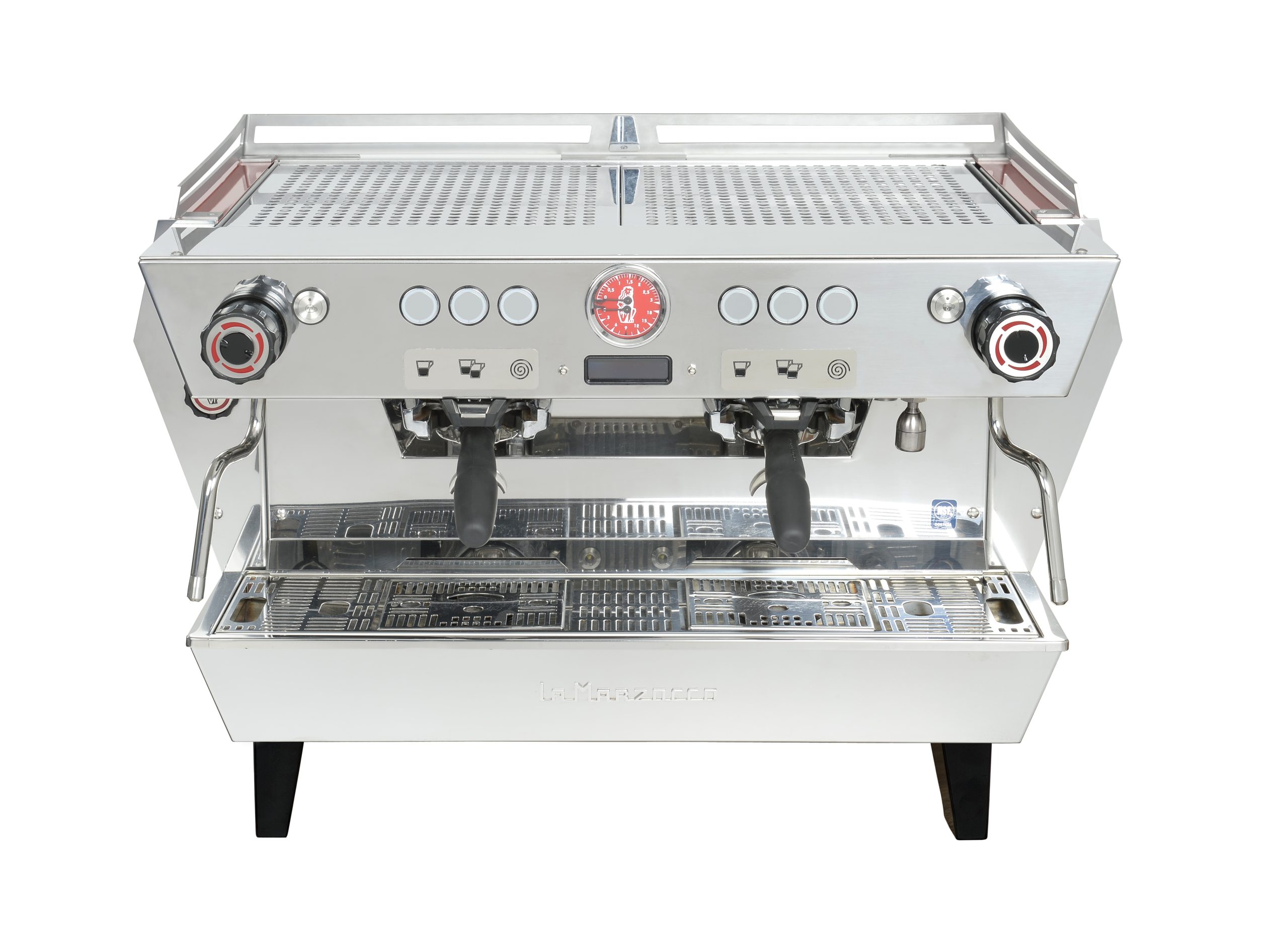
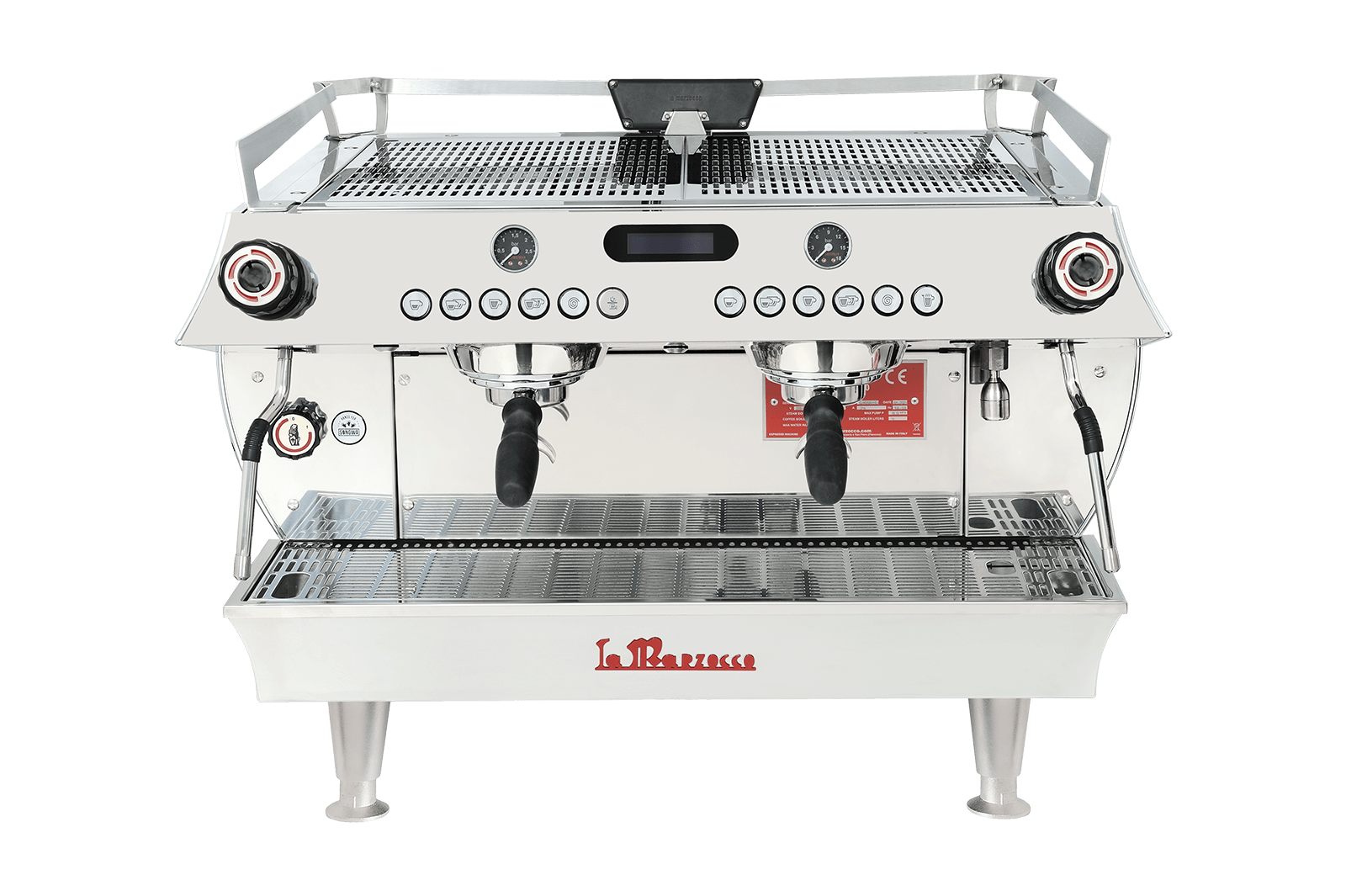
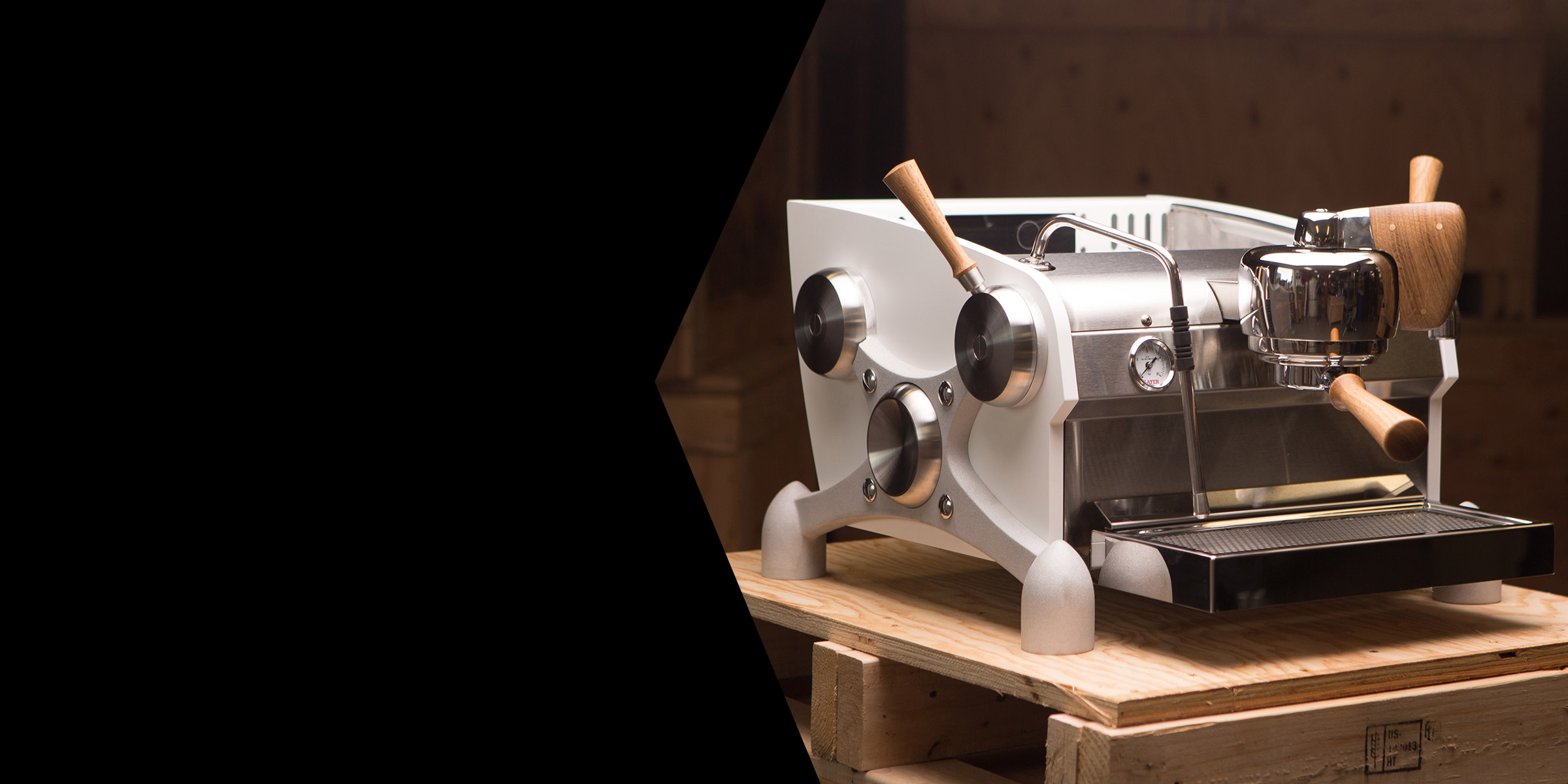
Choose by group heads: a 1-group suits a low-volume kiosk, 2-group is the café standard, and 3-group handles a high-volume bar or drive-thru. Then weigh boiler design (dual/multi-boiler holds brew and steam temperatures independently for consistency; heat-exchanger is simpler and cheaper) and confirm the electrical — most 2-group machines need a dedicated 220–240V circuit.
Traditional multi-group espresso machines for cafés and restaurants. The primary decision is group heads — how many shots you can pull at once — matched to your peak drink volume. Compare across every brand by group count and footprint.







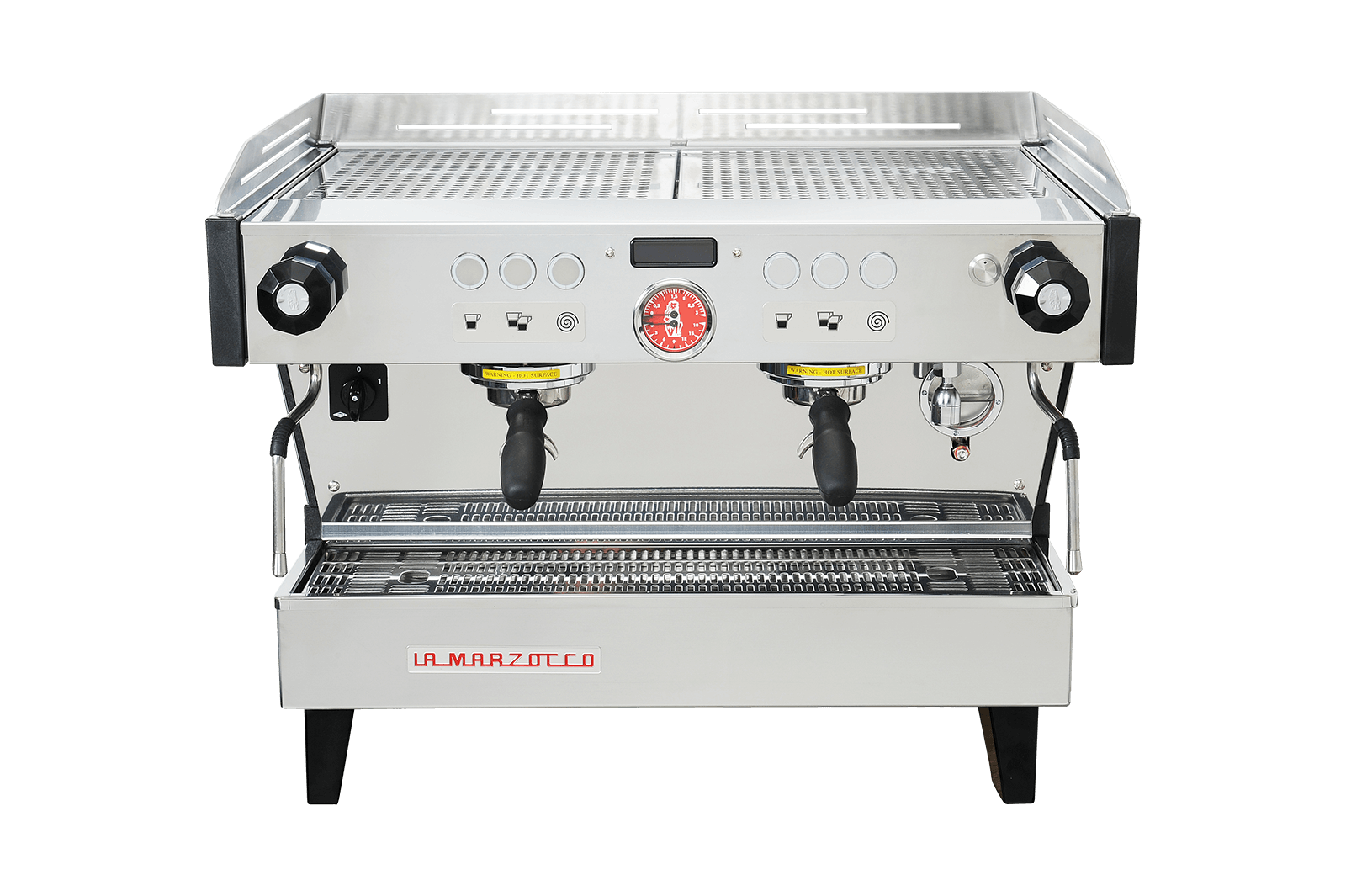
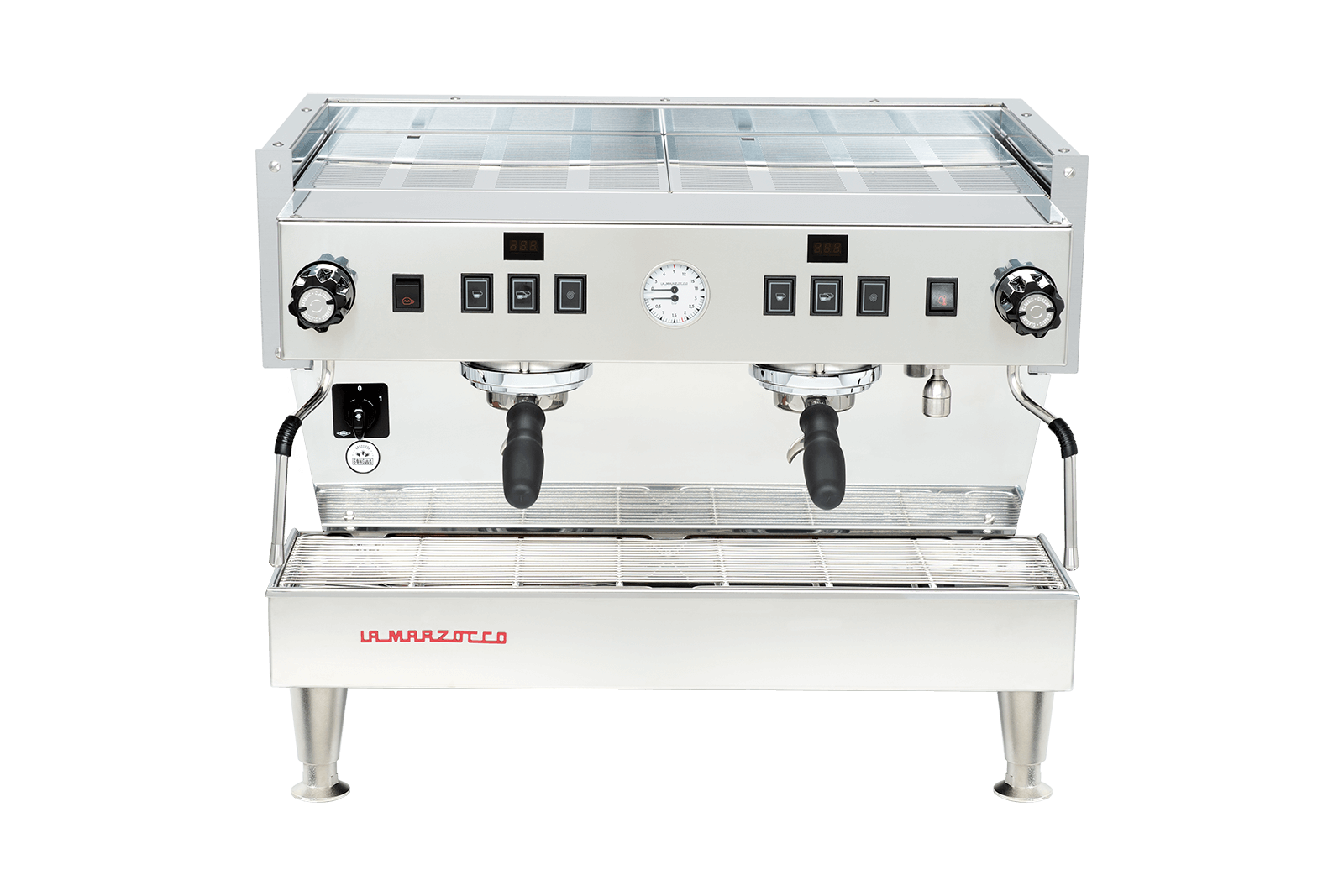
Commercial Espresso Machines: buying guide
A commercial espresso machine is chosen by group heads and boiler design, then by footprint and electrical. Here is how to read the 28 machines above.
Group heads
Group heads set how many espressos you can extract simultaneously. 1-group for a kiosk or office, 2-group for a typical café, 3-group for a high-volume bar. Baristas working a rush need one group per continuous drink station.
Boiler design
Dual/multi-boiler machines run separate brew and steam boilers (and often a boiler per group) so temperature stays stable shot to shot — the choice for specialty coffee. Heat-exchanger machines pull brew water through a single steam boiler: simpler and cheaper, fine for general service.
Electrical and plumbing
Most 2-group machines require a dedicated 220–240V circuit (some offer 208V); 1-group light-commercial models may run on 110–120V. All need a plumbed water line with softening/filtration to protect the boilers from scale. Confirm the circuit and water treatment before install.
| Choice | Best use | Consideration |
|---|---|---|
| 1-group | Kiosk, office, low volume | One continuous shot station |
| 2-group | Café standard | Two baristas / two shot stations |
| 3-group | High-volume bar, drive-thru | Sustained peak throughput |
| Dual/multi-boiler | Specialty coffee | Independent brew + steam temps |
Frequently asked questions
What does 'group head' mean on an espresso machine?
A group head is the assembly the portafilter locks into and where espresso is extracted. The number of group heads — 1, 2, or 3 — is how many shots you can pull at the same time. It's the primary way commercial machines are sized to a café's volume.
How many groups do I need?
Match groups to simultaneous drink stations at your busiest period. A 1-group suits a kiosk or office; a 2-group is the café standard and covers most shops; a 3-group is for high-volume bars or drive-thrus where two baristas work continuously.
Dual boiler or heat exchanger?
Dual/multi-boiler machines hold brew and steam water at separate, stable temperatures (often a boiler per group), which specialty cafés prefer for shot-to-shot consistency. Heat-exchanger machines use one steam boiler for both jobs — simpler and less expensive, and fine for general service.
What power does a commercial espresso machine need?
Most 2-group machines require a dedicated 220–240V circuit (some run on 208V), while 1-group light-commercial units may use 110–120V. Always confirm the exact voltage and amperage on the spec sheet and provide a dedicated circuit plus a filtered, plumbed water supply.
About this data
Last verified: August 2026. Specs are compiled from manufacturer spec sheets and authorized dealer listings; where a value isn't published we leave it blank rather than guess.
Methodology: every equipment model is compared on the same set of specifications, and dimensions are checked (for sinks, overall width must exceed the combined bowl widths) — figures that fail validation are corrected from the manufacturer model number or omitted. “Street price” is the lowest legitimate published price we've found and can change.
Sourcing: product specs come from the manufacturer; regulatory statements link to the source (e.g. the FDA Food Code and NSF). Code requirements vary by jurisdiction — confirm with the authority reviewing your plans.
Disclosure: FoodServiceNerd is vendor-neutral and free to use. Some “where to buy” links may be affiliate links — we may earn a commission at no cost to you, and it never changes what we list or how we rank it. We don't sell equipment ourselves.
Editorial: compiled and reviewed by the FoodServiceNerd equipment desk (about us). Spot an error? Tell us and we'll correct it.