Commercial Dough Sheeters
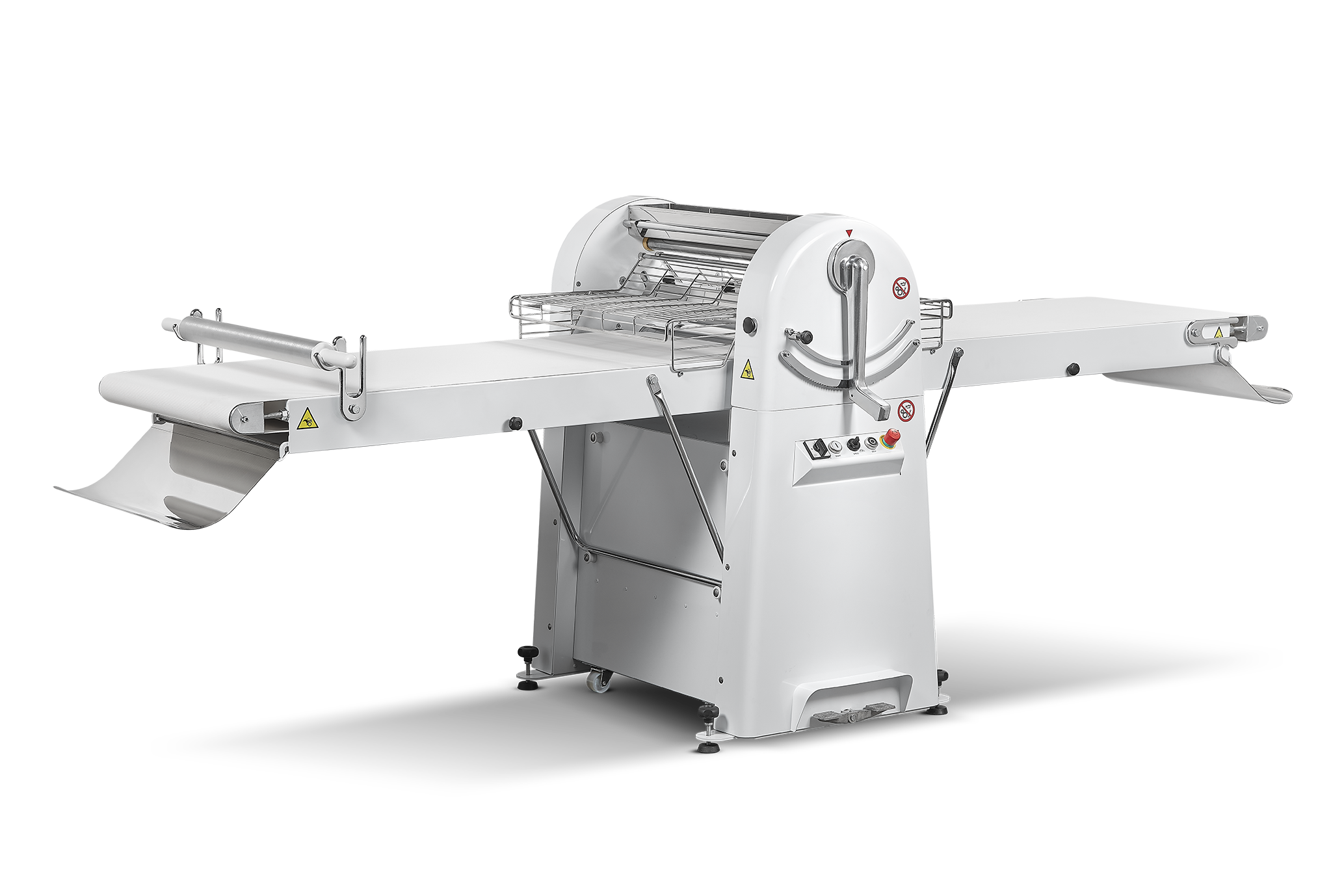
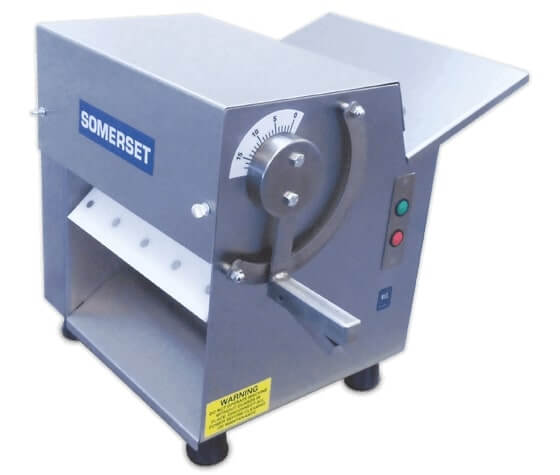
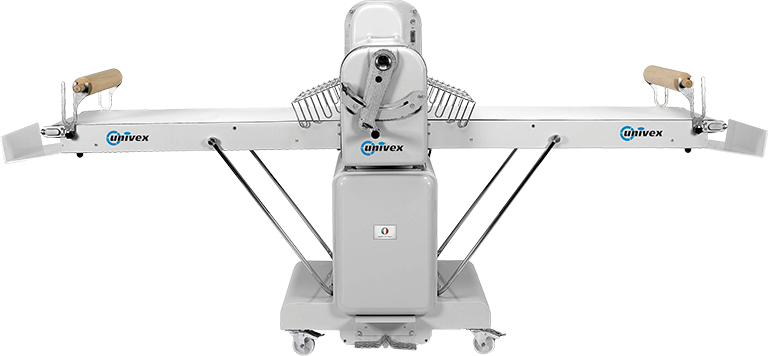
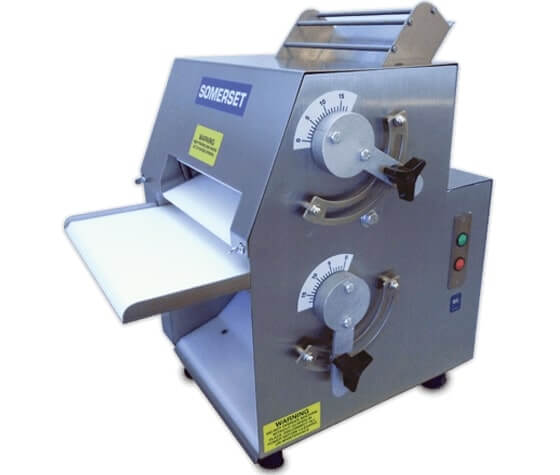
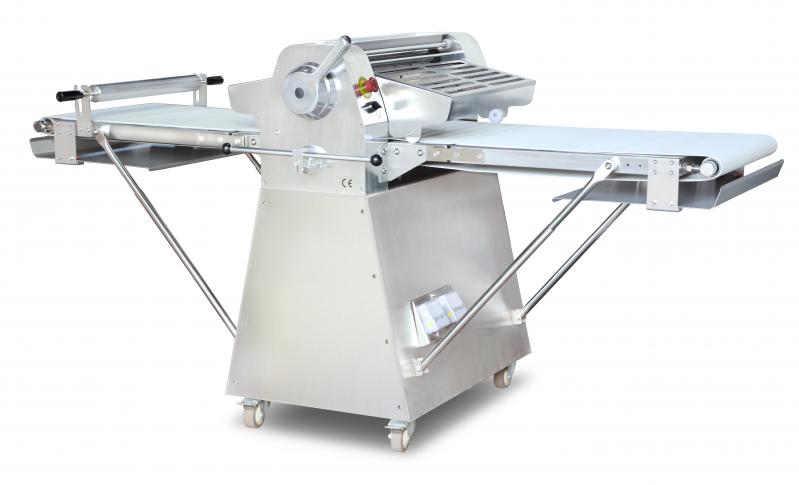
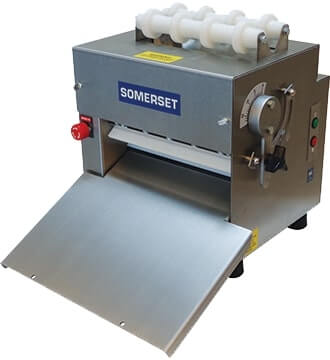
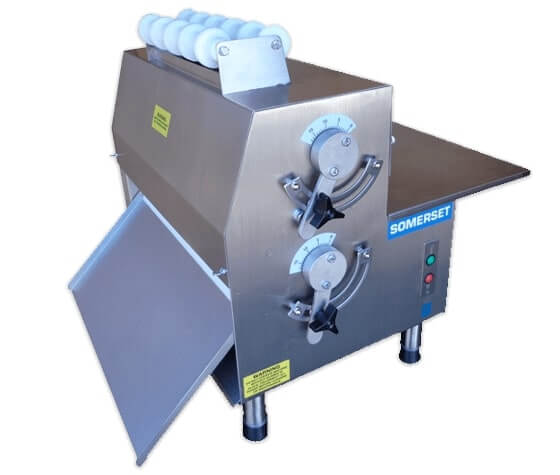
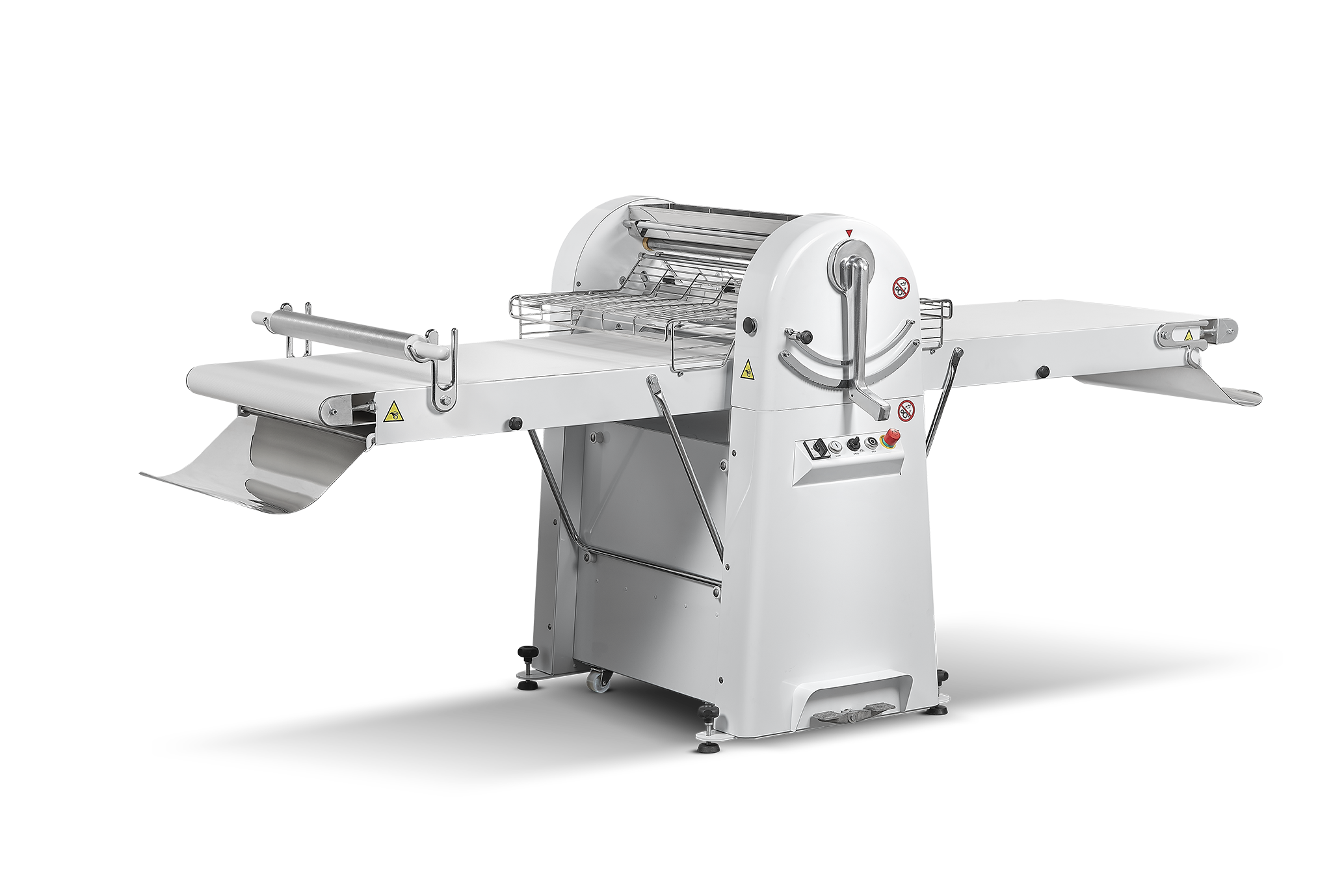
Match type and roller width to your output. A countertop dough sheeter (often a single-pass pizza/dough roller) is compact and fast for shaping pizza skins and small batches. A floor or reversible sheeter runs dough back and forth through adjustable rollers to progressively thin large sheets — the bakery choice for laminated dough, croissants, and volume. Size the roller width to your widest sheet, confirm the motor horsepower for your dough, and check the footprint (reversible floor units are large).
Roll dough to an even, consistent thickness fast — for pizza, pastry, croissants, and pasta. Choose by type (a compact countertop sheeter, a high-capacity floor/reversible sheeter) and by roller width, which sets how wide a sheet you can run.





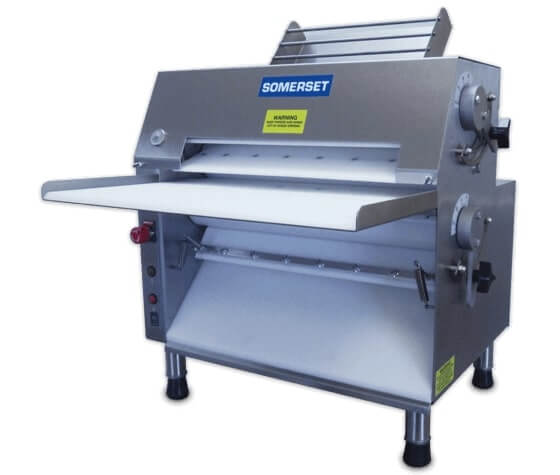


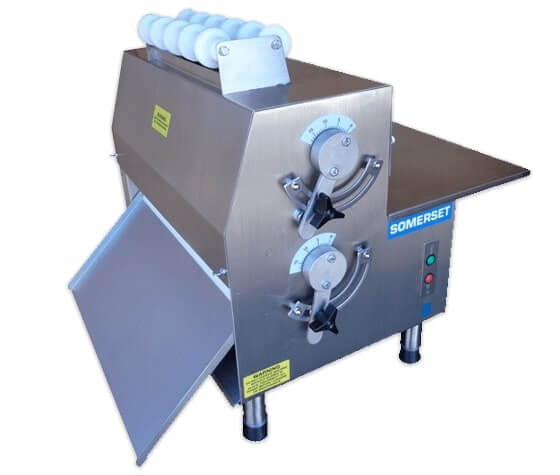

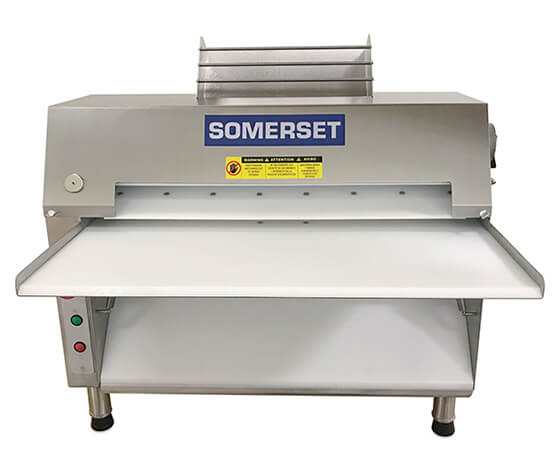
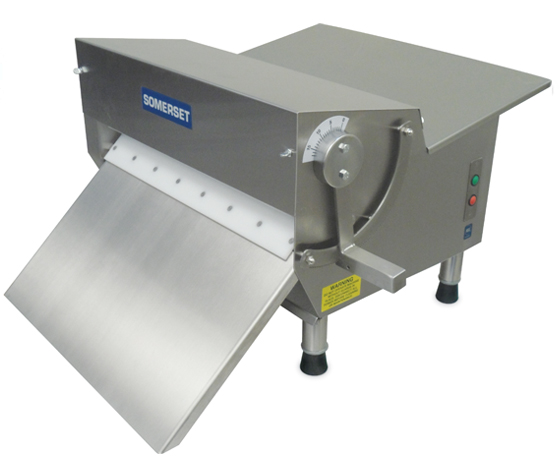
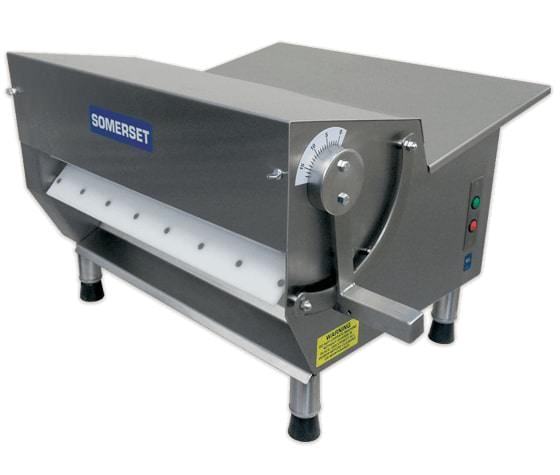
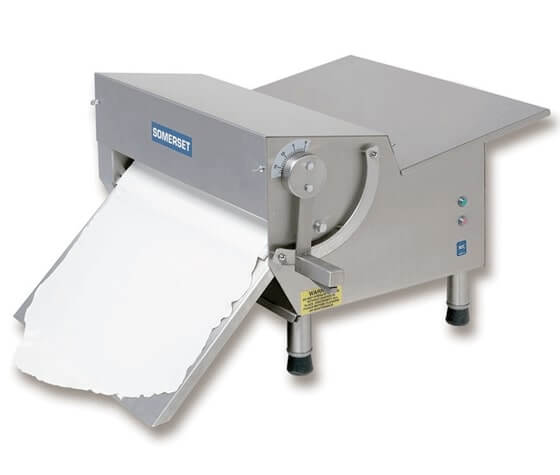
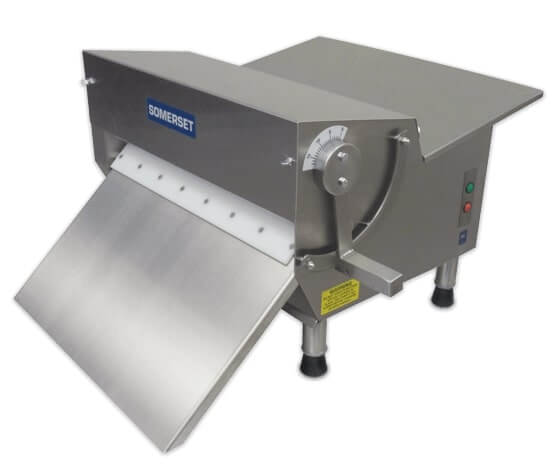
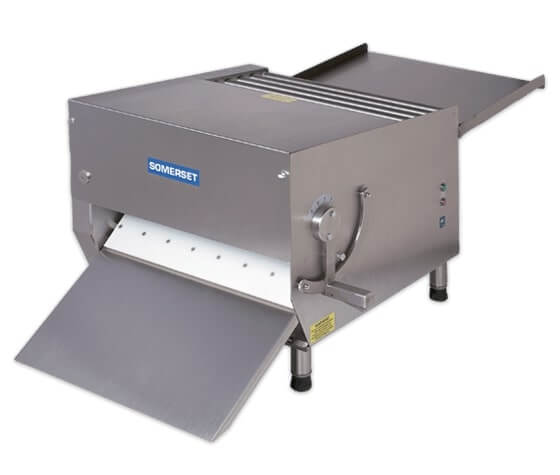
Commercial Dough Sheeters: buying guide
A dough sheeter is chosen by type (countertop vs floor/reversible) and roller width. Here is how to read the 36 sheeters above.
Countertop vs floor/reversible
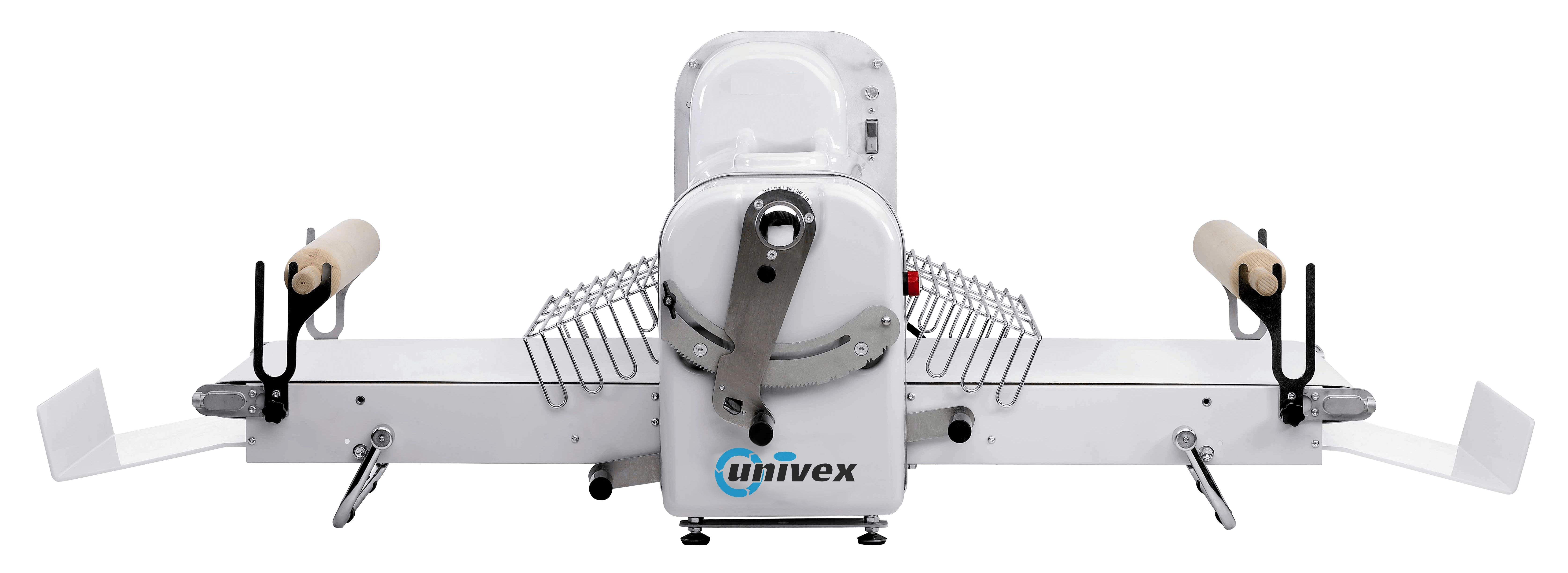
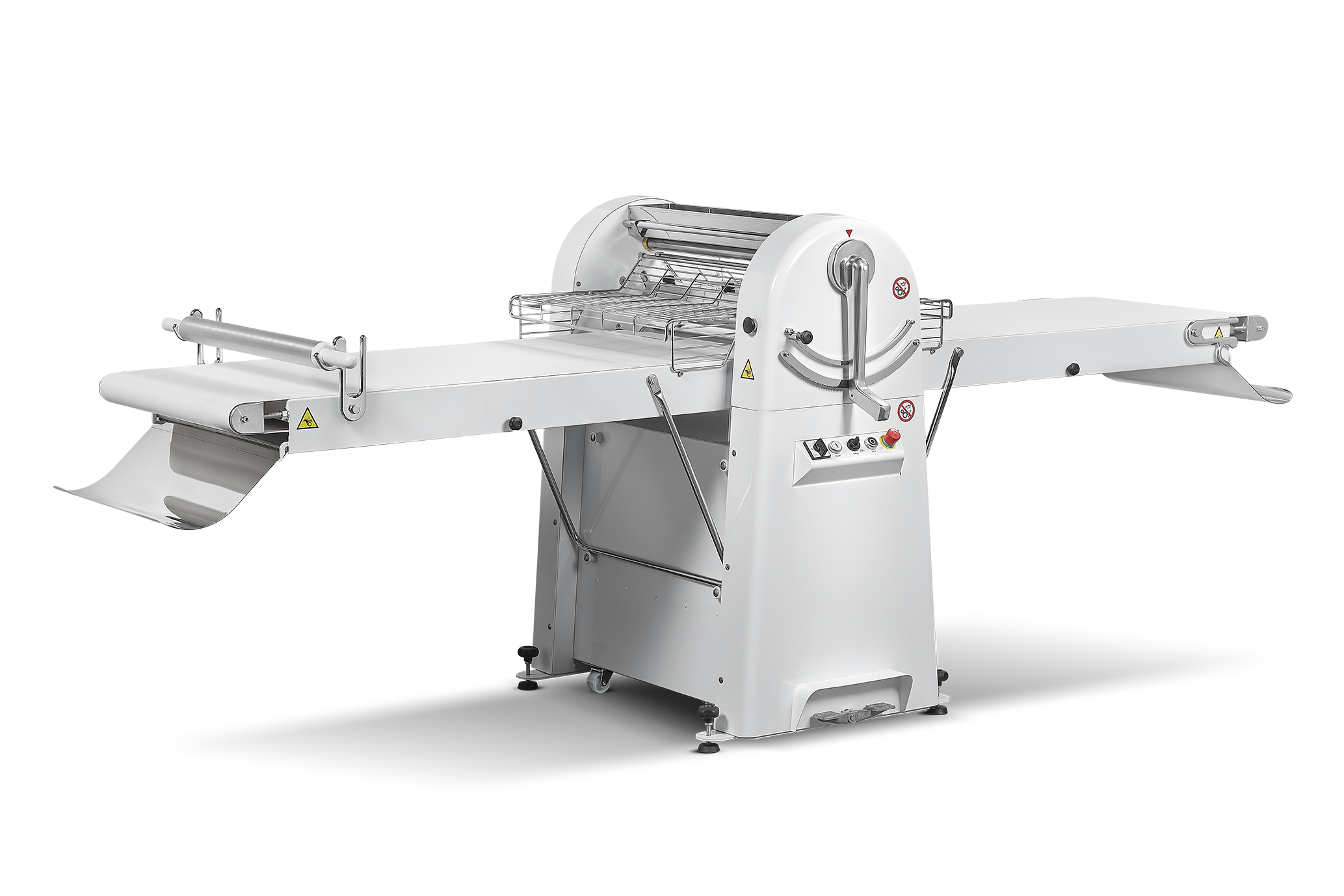
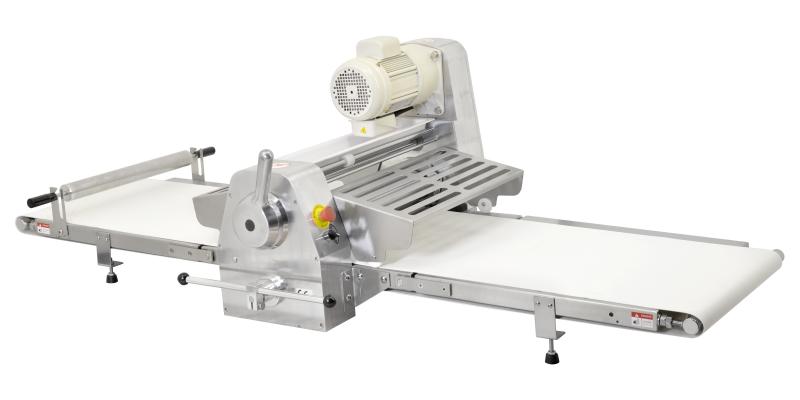
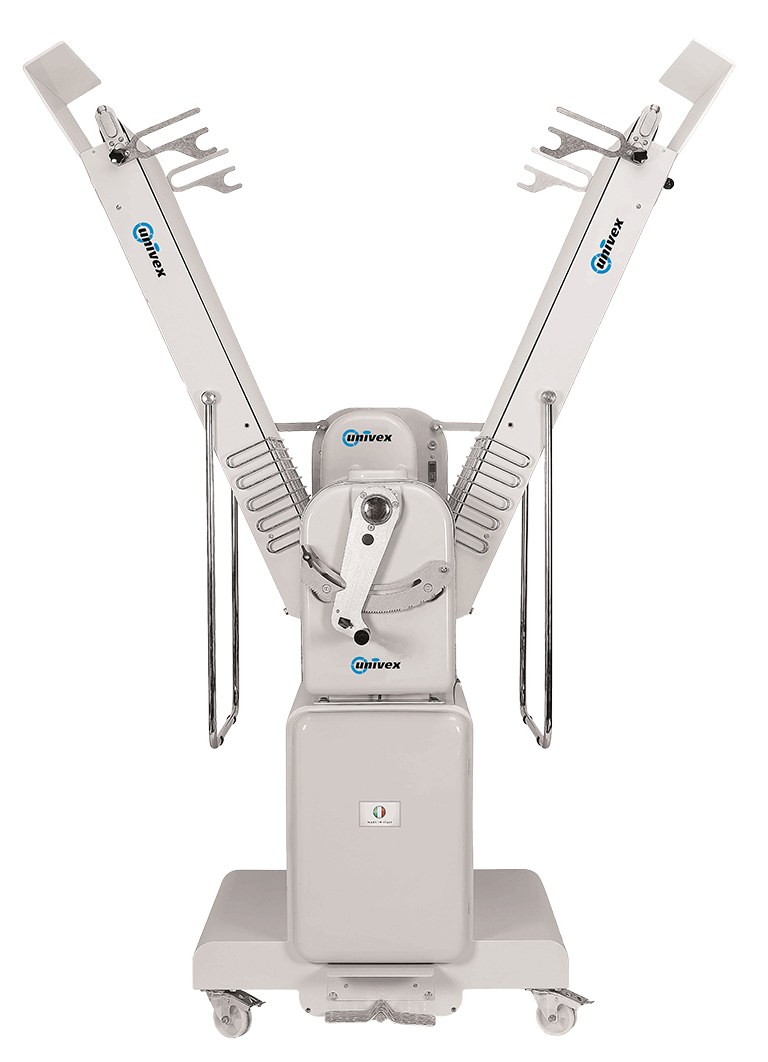
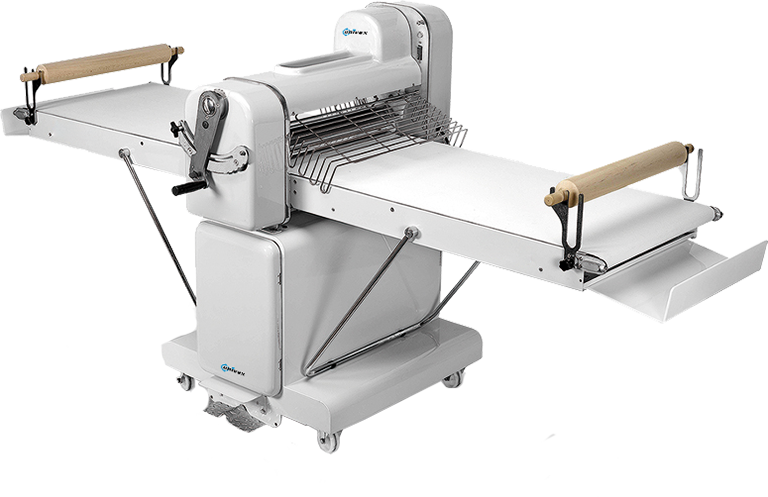
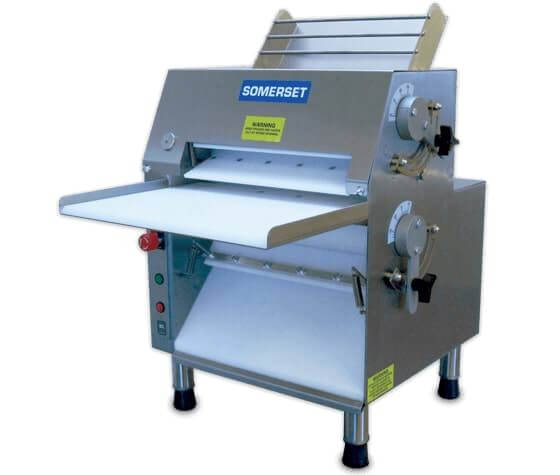
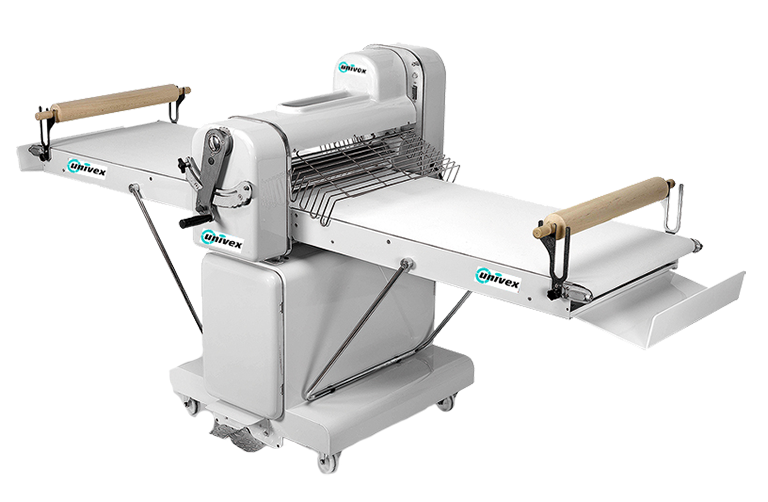
A countertop sheeter (or dough roller) is compact and quick — great for pizza skins, tortillas, and small-batch pastry, often rolling in one or two passes. A reversible sheeter (bench or floor) feeds dough back and forth across a belt through adjustable rollers to thin large sheets gradually — the choice for laminated doughs (croissant, danish, puff) and high volume. Buy countertop for pizza, reversible for a bakery.
Roller width
The roller width is the widest sheet the machine can produce; size it to your product — a pizzeria doing 16–18″ pies needs rollers wide enough, and a bakery laminating full sheets needs more. Under-width rollers force you to re-run or trim.
Power and footprint
Match the motor horsepower to your dough (stiff, cold, laminated dough needs more). Reversible floor sheeters have a large footprint with fold-down belt tables — confirm the open and folded dimensions fit your space before buying.
| Choice | Best use | Consideration |
|---|---|---|
| Countertop / roller | Pizza skins, small batches | Compact, fast, 1–2 passes |
| Reversible (bench) | Pastry, mid-volume | Adjustable rollers, back-and-forth |
| Reversible (floor) | Laminated dough, volume | Large footprint, fold-down belts |
| Wider rollers | Bigger sheets / pies | Fewer passes, less trim |
Frequently asked questions
Dough sheeter vs dough roller?
A dough roller (usually countertop) presses dough through fixed rollers in one or two passes to a set thickness — fast for pizza skins and tortillas. A reversible dough sheeter feeds dough back and forth across a belt through adjustable rollers, thinning it gradually for laminated doughs and large sheets. Pizzerias favor rollers; bakeries favor reversible sheeters.
What roller width do I need?
Size the roller width to your widest finished sheet — a pizzeria making large pies needs rollers wide enough to roll the skin in one pass, while a bakery laminating full sheet-pan dough needs more width. Buying too narrow means extra passes, trimming, or uneven dough.
Countertop or floor sheeter?
A countertop sheeter is compact and suits pizza and small-batch work. A floor (reversible) sheeter handles high volume and laminated doughs but takes significant floor space, even with fold-down belt tables. Choose by your volume, dough type, and the space you can give up.
How much horsepower does a dough sheeter need?
Enough to roll your stiffest, coldest dough without straining — laminated and cold dough demand more than soft pizza dough. Manufacturers list the motor rating on the spec sheet; if you run cold butter-laminated dough at volume, size the motor up.
About this data
Last verified: August 2026. Specs are compiled from manufacturer spec sheets and authorized dealer listings; where a value isn't published we leave it blank rather than guess.
Methodology: every equipment model is compared on the same set of specifications, and dimensions are checked (for sinks, overall width must exceed the combined bowl widths) — figures that fail validation are corrected from the manufacturer model number or omitted. “Street price” is the lowest legitimate published price we've found and can change.
Sourcing: product specs come from the manufacturer; regulatory statements link to the source (e.g. the FDA Food Code and NSF). Code requirements vary by jurisdiction — confirm with the authority reviewing your plans.
Disclosure: FoodServiceNerd is vendor-neutral and free to use. Some “where to buy” links may be affiliate links — we may earn a commission at no cost to you, and it never changes what we list or how we rank it. We don't sell equipment ourselves.
Editorial: compiled and reviewed by the FoodServiceNerd equipment desk (about us). Spot an error? Tell us and we'll correct it.