Commercial Deck Ovens
Choose a deck oven by what you bake and capacity: a pizza deck runs hotter for a crisp, fast bake, while a bakery deck favors steady, even heat for breads and pastries. Size by the number of decks and the deck footprint (how many pans or pizzas per deck), and pick gas for recovery where a line exists or electric for even, controllable heat. A deck oven typically needs a Type I hood.
Stone- or ceramic-deck ovens for pizza and bakery baking, where product bakes directly on a heated hearth for crisp bottoms and even browning. Compare across brands by fuel, width, and heat output, then compare on build. BTU and price are shown where the manufacturer or a dealer publishes them.

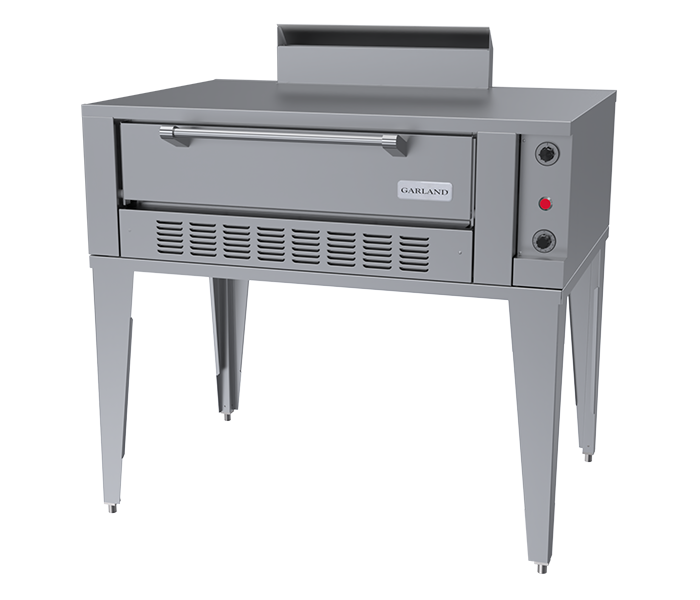
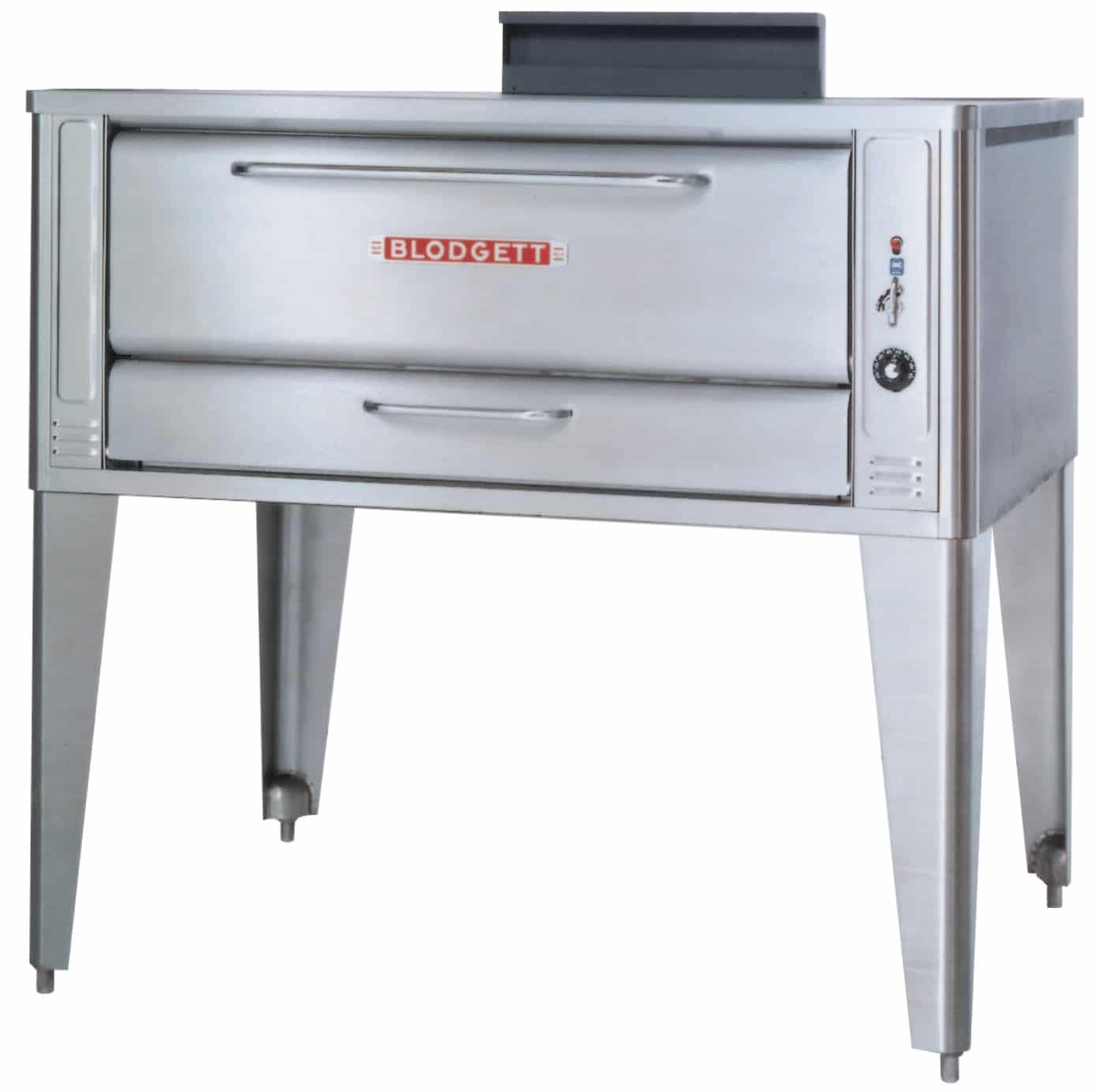

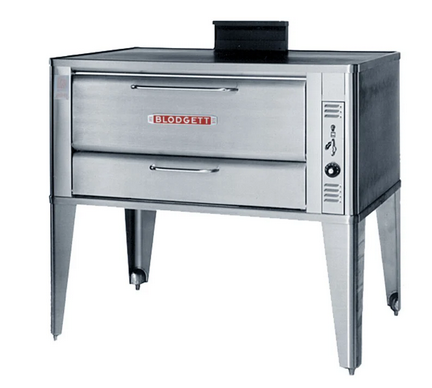

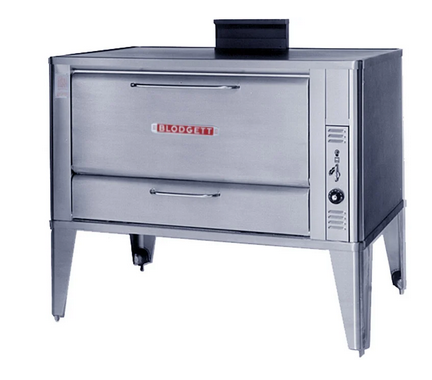
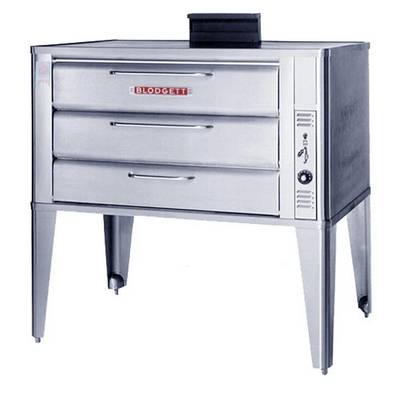


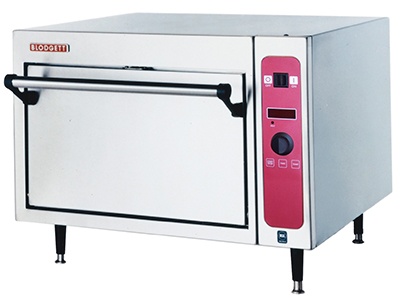
Commercial deck ovens: buying guide
A deck oven is chosen by bake type (pizza vs bakery), deck count, and deck footprint, then by fuel and heat output. Here is how to read the 17 deck ovens above.
Pizza vs bakery deck
A pizza deck runs hotter (often 500–650°F+) for a fast, crisp bake on the stone; a bakery deck holds steady, even heat with steam options for breads and pastries. Buy the deck built for what you bake most.
Decks and capacity
Size by the number of decks stacked and the footprint of each deck — how many pizzas or full/half sheet pans it holds. Add decks for throughput without adding floor width; confirm the stacked height and door swing fit the line.
Fuel and hood
Choose gas for fast recovery where a gas line exists, or electric for even, controllable deck heat. A deck oven generally requires a Type I hood — confirm clearance and venting with your mechanical code.
How the brands compare
Fuel, width range, and street-price range for the brands with the most deck ovens here — a starting point, not a substitute for checking the specific model’s spec sheet.
| Brand | Models | Fuel | Width range | Street price |
|---|---|---|---|---|
| Blodgett | 11 | Electric / Gas | 27.4–78.2″ W | — |
| Garland | 6 | Gas | 55–75″ W | — |
Frequently asked questions
Deck oven vs convection oven?
A deck oven bakes product directly on a heated stone/ceramic hearth for crisp bottoms and radiant, even heat — ideal for pizza and artisan bread. A convection oven circulates hot air for faster, uniform baking of pans of product. Many bakeries run both.
How many decks do I need?
Size by throughput: a single deck suits a low-volume menu, while stacking 2–3 decks multiplies capacity without widening the footprint. Match each deck's pan or pizza count to your peak order flow.
Gas or electric deck oven?
Gas decks recover heat fast and are economical where a gas line exists; electric decks give even, precisely controlled deck temperatures and suit spaces without gas. Fuel is listed where the manufacturer states it.
Does a deck oven need a hood?
Generally yes — a Type I (grease) or at minimum a heat/condensate hood is typically required; the exact requirement depends on the oven and your mechanical code. Confirm with your local authority during plan review.
What temperature do deck ovens reach?
Pizza decks commonly run 500–650°F or higher for a fast, crisp bake; bakery decks hold steady lower ranges for breads and pastries. We list rated specs where the manufacturer publishes them.
About this data
Last verified: August 2026. Specs are compiled from manufacturer spec sheets and authorized dealer listings; where a value isn't published we leave it blank rather than guess.
Methodology: every deck oven model is compared on the same set of specifications, and dimensions are checked (for sinks, overall width must exceed the combined bowl widths) — figures that fail validation are corrected from the manufacturer model number or omitted. “Street price” is the lowest legitimate published price we've found and can change.
Sourcing: product specs come from the manufacturer; regulatory statements link to the source (e.g. the FDA Food Code and NSF). Code requirements vary by jurisdiction — confirm with the authority reviewing your plans.
Disclosure: FoodServiceNerd is vendor-neutral and free to use. Some “where to buy” links may be affiliate links — we may earn a commission at no cost to you, and it never changes what we list or how we rank it. We don't sell equipment ourselves.
Editorial: compiled and reviewed by the FoodServiceNerd equipment desk (about us). Spot an error? Tell us and we'll correct it.