Commercial Steamers
Choose a steamer by capacity (countertop one- or two-compartment for a small line; boiler-based floor models for continuous high volume) and how it makes steam — a connectionless (boilerless) steamer needs no direct water line and less scale maintenance, while a boiler steamer runs continuously for volume but needs treated water and descaling.
Compare commercial steamers across every brand by fuel and size. Filter to the format that fits your volume and plumbing, then compare on build. The electric model's kW is shown where published; most steamers here have no published online price.



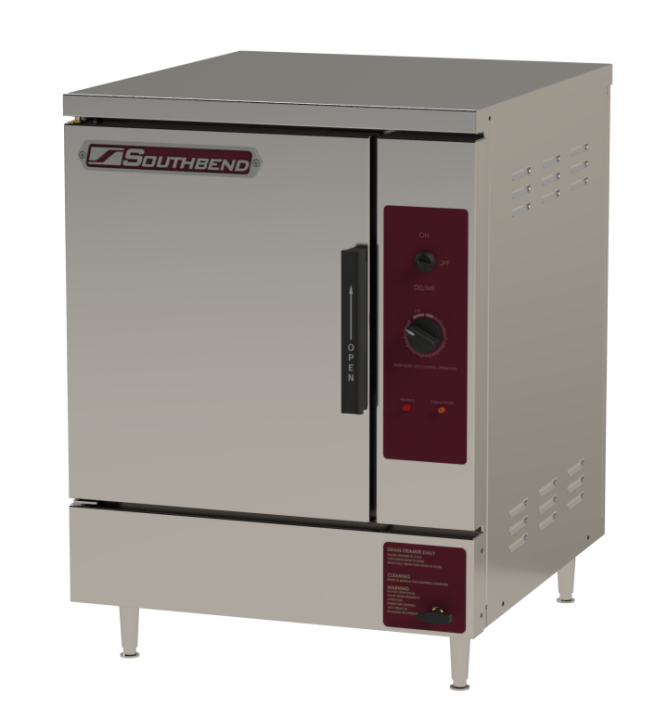
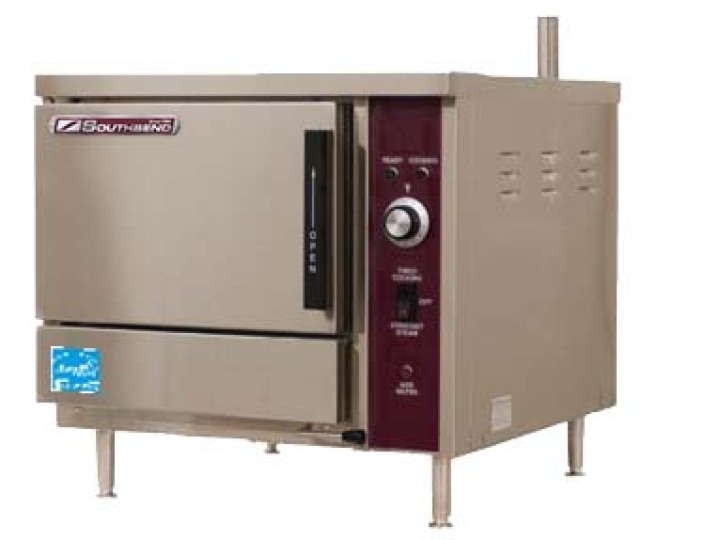
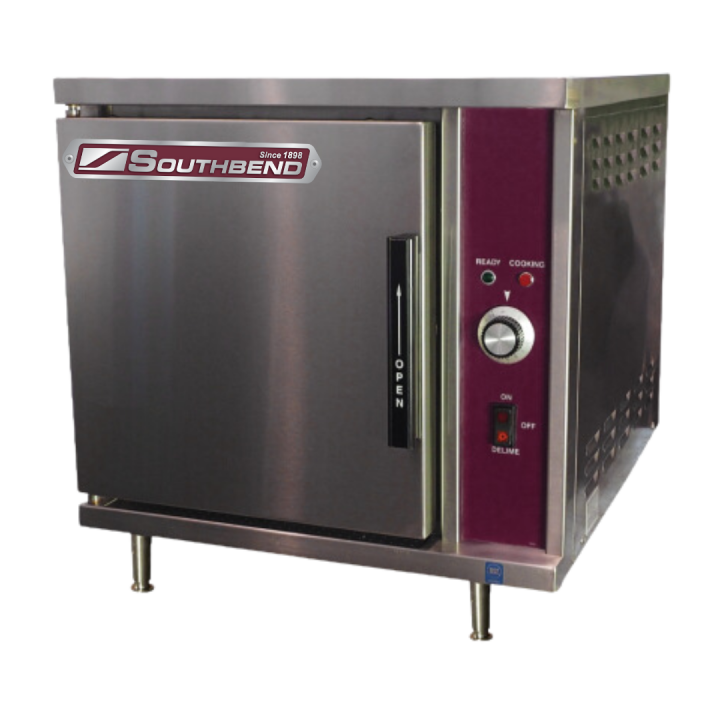
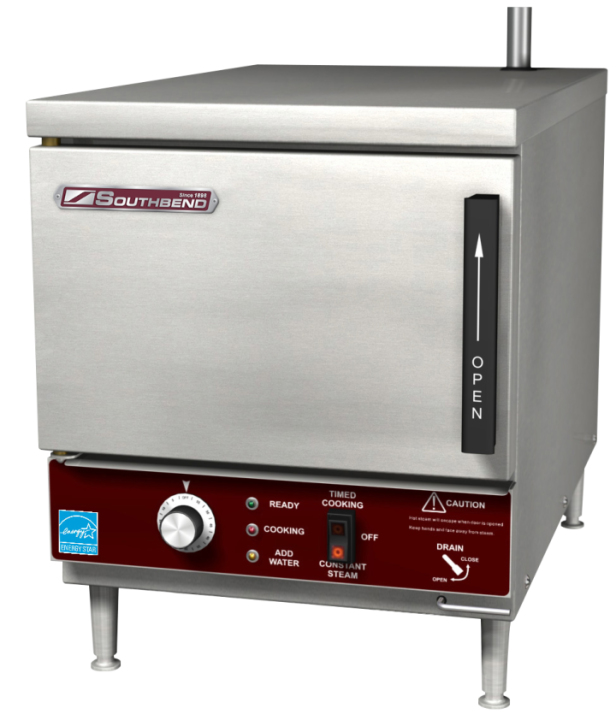

Commercial steamers: buying guide
A commercial steamer cooks vegetables, seafood, rice, and high-volume batches with steam — countertop, connectionless (boilerless), and boiler-based floor models. They are sized by compartments and how they make steam. Here is how to read the 23 models above.
Connectionless vs boiler
A connectionless (boilerless) steamer heats water in a sealed reservoir — no direct water line, simpler install, and less scale maintenance, ideal for lower-to-mid volume. A boiler-based steamer produces steam continuously for high volume but needs treated water and regular descaling.
Capacity
Countertop units with one or two compartments suit a small line or a seafood/produce station; boiler-based floor models stack multiple compartments for continuous high-volume batch steaming.
Water and drainage
Steam concentrates minerals, so scale is the enemy — many manufacturers specify water treatment/filtration and may tie the warranty to it. Steamers drain to a floor sink through an indirect, air-gapped connection. We list the electric model’s kW where published.
Hood and code
Some jurisdictions allow a listed steamer under a Type II condensate hood or with no hood at all, but that is a local determination — confirm hood, water-treatment, and drain requirements with your mechanical code and health department.
How the brands compare
Fuel, width range, and street-price range for the brands with the most steamers here — a starting point, not a substitute for checking the specific model’s spec sheet.
| Brand | Models | Fuel | Width range | Street price |
|---|---|---|---|---|
| Southbend | 20 | Electric / Gas | 18–60″ W | — |
Frequently asked questions
Connectionless vs boiler steamer?
A connectionless (boilerless) steamer heats water in a sealed reservoir — no direct water line, simpler install, and less scale maintenance, ideal for lower-to-mid volume. A boiler-based steamer produces steam continuously for high volume but needs treated water and regular descaling. Match to your throughput and maintenance appetite.
Does a commercial steamer need special water?
Often, yes. Steam concentrates minerals, so scale is the enemy — many manufacturers specify a water-treatment or filtration setup and may tie the warranty to it. Check the model's water-quality spec and confirm any local requirements before install.
Does a steamer need a hood?
Some jurisdictions allow a listed steamer under a Type II condensate hood or with no hood at all, but that is a local determination. Confirm the hood requirement with your mechanical code and health department.
What is a steamer used for?
Vegetables, seafood, rice, and high-volume batch cooking — steam cooks quickly and gently while retaining moisture and nutrients, which is why steamers are common on produce and seafood stations.
How is a steamer drained?
To a floor sink through an indirect, air-gapped connection. Drainage and water treatment are the questions at plan review, not grease.
About this data
Last verified: August 2026. Specs are compiled from manufacturer spec sheets and authorized dealer listings; where a value isn't published we leave it blank rather than guess.
Methodology: every steamer model is compared on the same set of specifications, and dimensions are checked (for sinks, overall width must exceed the combined bowl widths) — figures that fail validation are corrected from the manufacturer model number or omitted. “Street price” is the lowest legitimate published price we've found and can change.
Sourcing: product specs come from the manufacturer; regulatory statements link to the source (e.g. the FDA Food Code and NSF). Code requirements vary by jurisdiction — confirm with the authority reviewing your plans.
Disclosure: FoodServiceNerd is vendor-neutral and free to use. Some “where to buy” links may be affiliate links — we may earn a commission at no cost to you, and it never changes what we list or how we rank it. We don't sell equipment ourselves.
Editorial: compiled and reviewed by the FoodServiceNerd equipment desk (about us). Spot an error? Tell us and we'll correct it.