Commercial Mixers
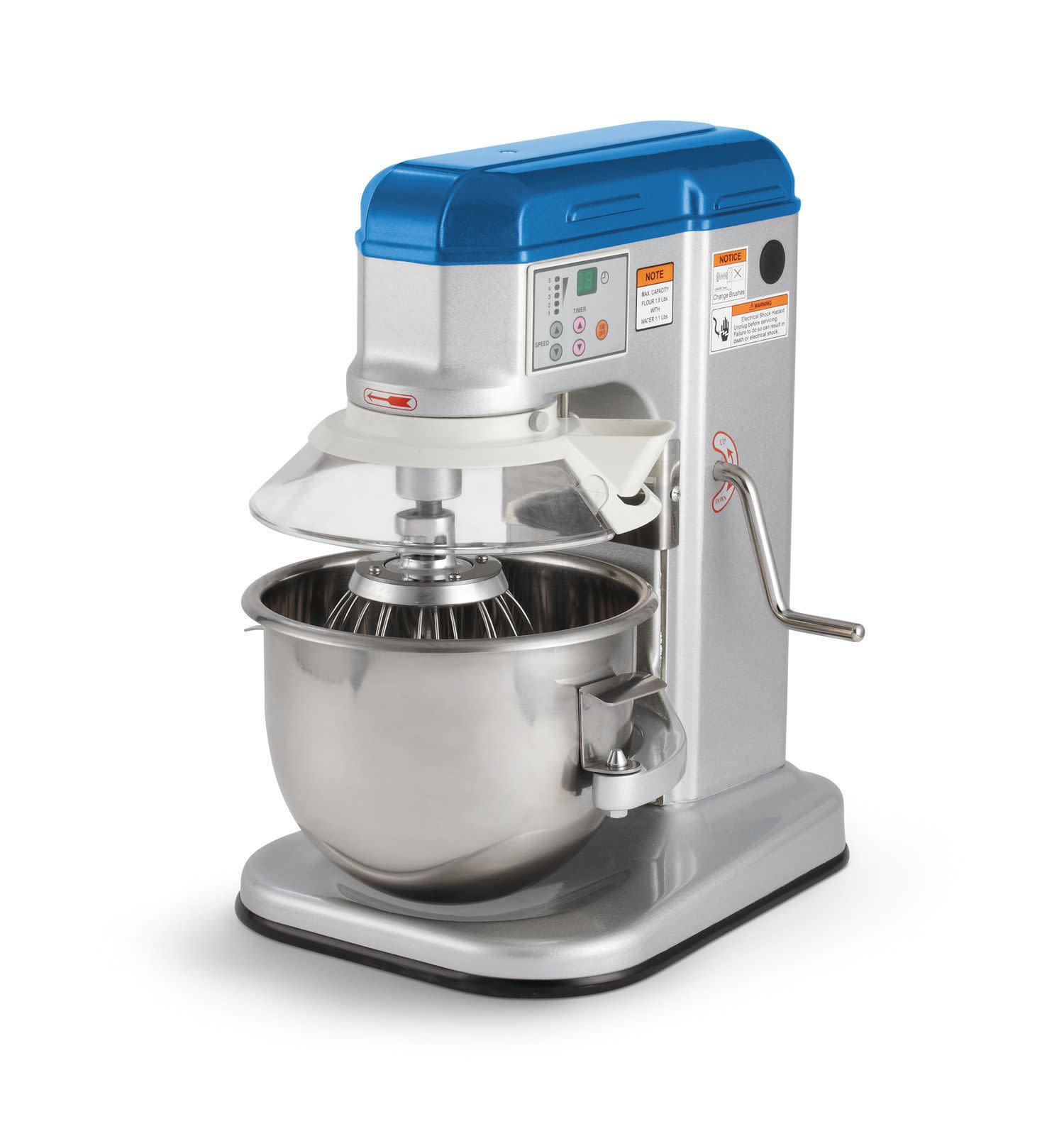
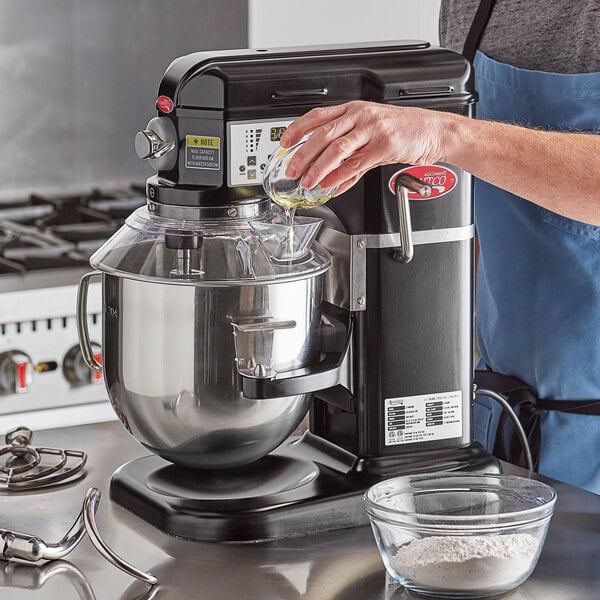
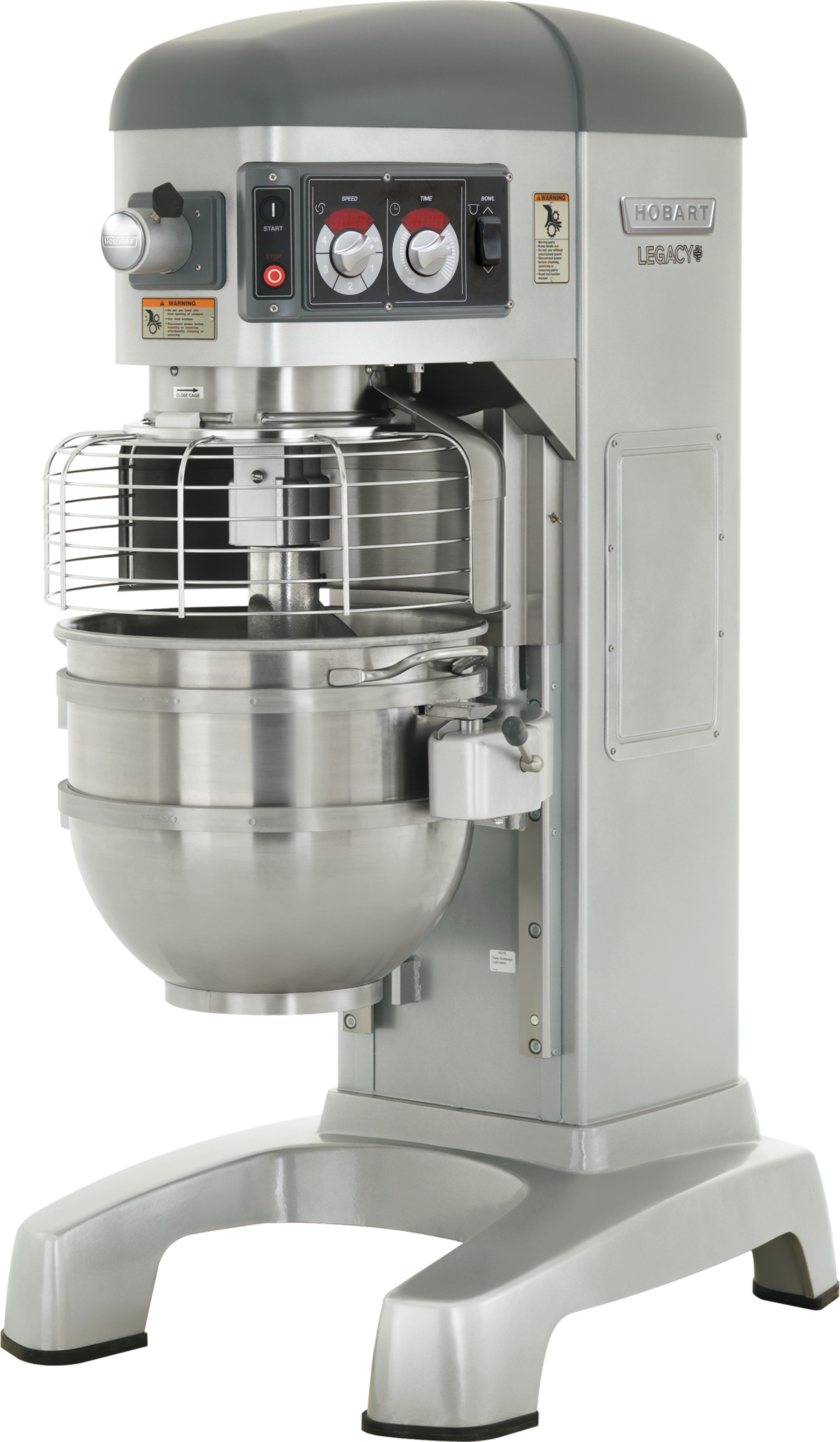
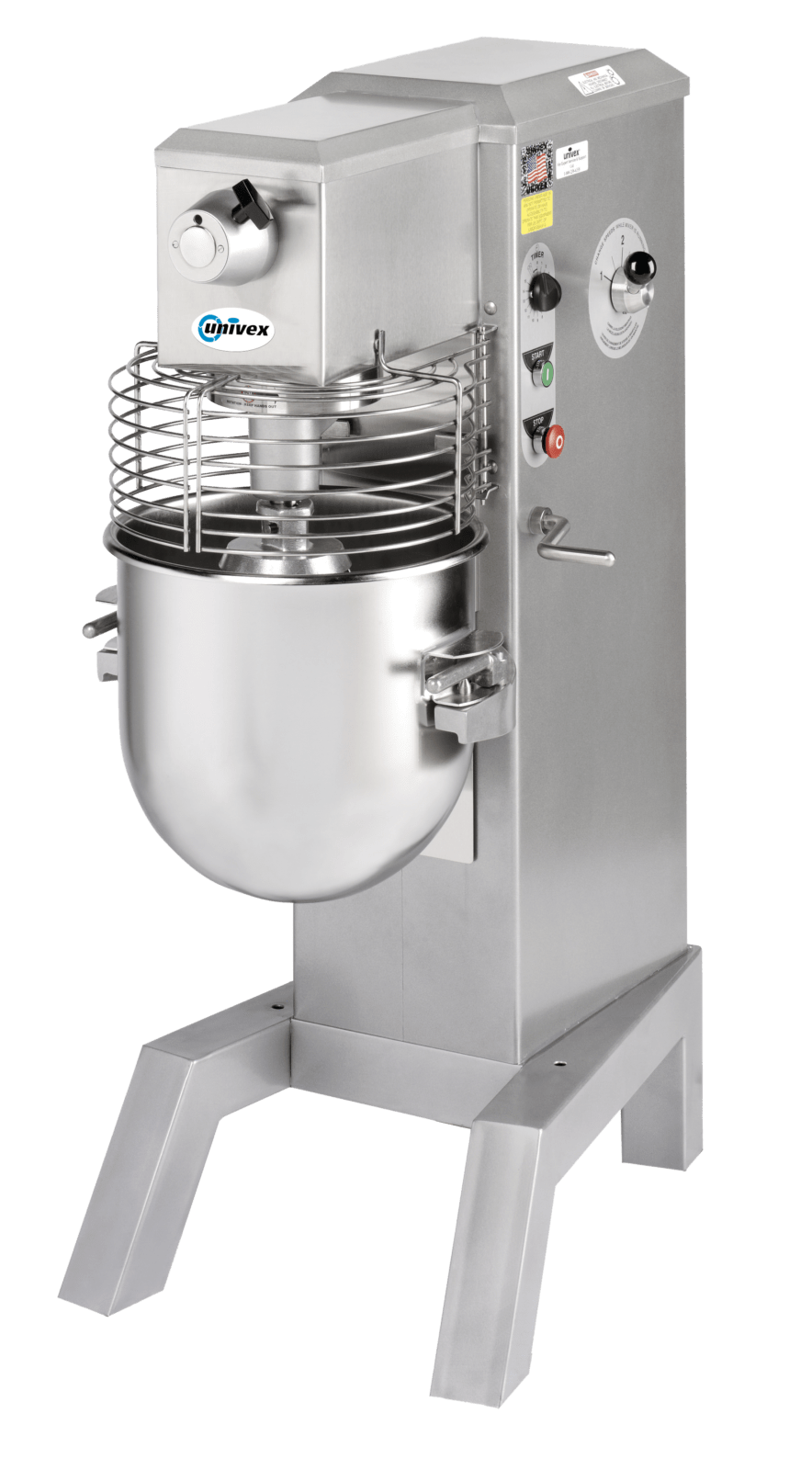
Size a commercial mixer to your largest single batch. Countertop planetary mixers run roughly 5–20 quarts for a café or small bakery; floor planetary models step up to 30–140 quarts for production. A planetary mixer is the versatile all-purpose choice (whip, beat, knead with swappable agitators); a spiral mixer is purpose-built for high-hydration bread dough. Match motor HP to how stiff and how long your mixes run, and leave headroom — running a mixer at max capacity constantly shortens its life.
Compare commercial mixers by bowl capacity, mixer type, motor HP, and footprint. Filter to your batch size, then compare on build. Dimensions, electrical, and weight are shown where the manufacturer publishes them.
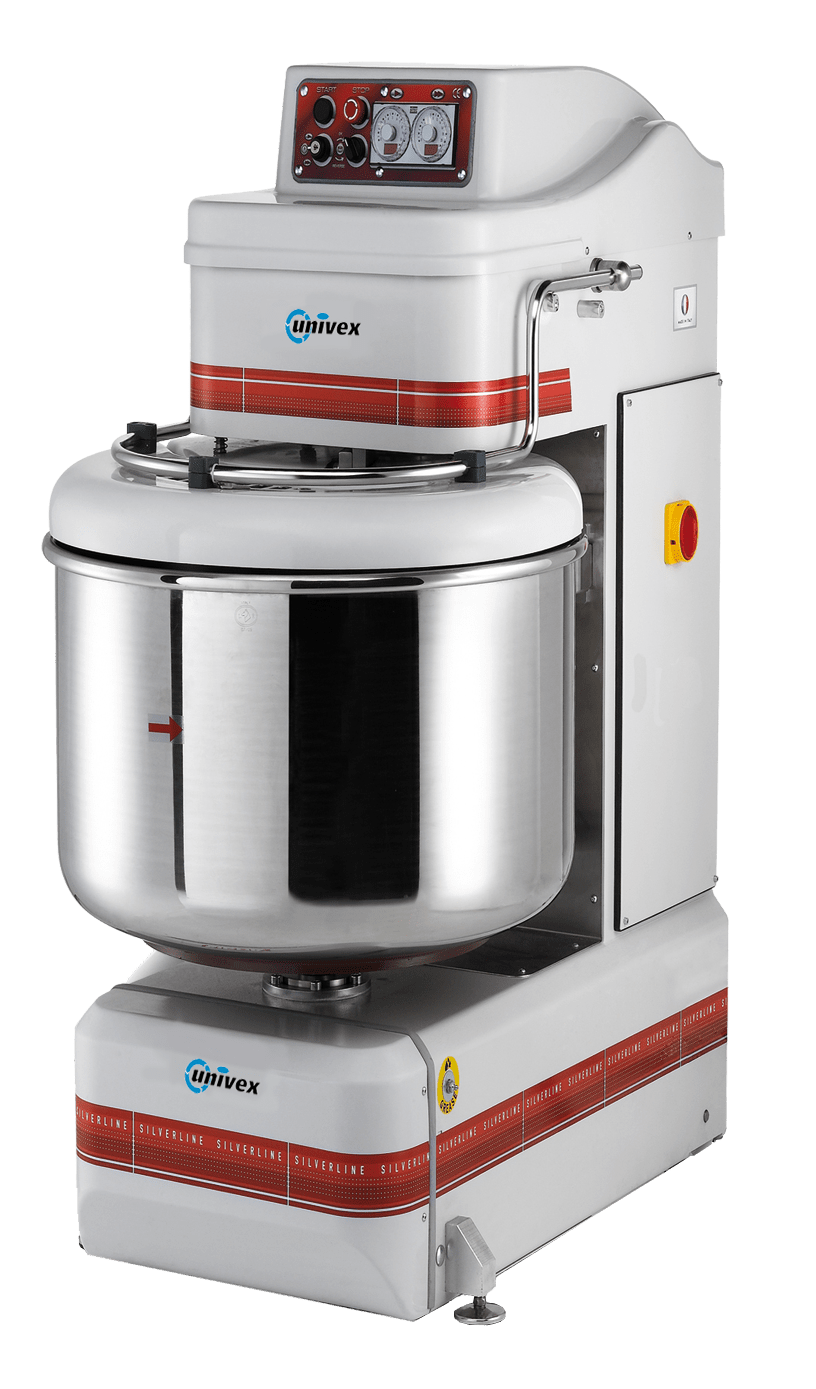
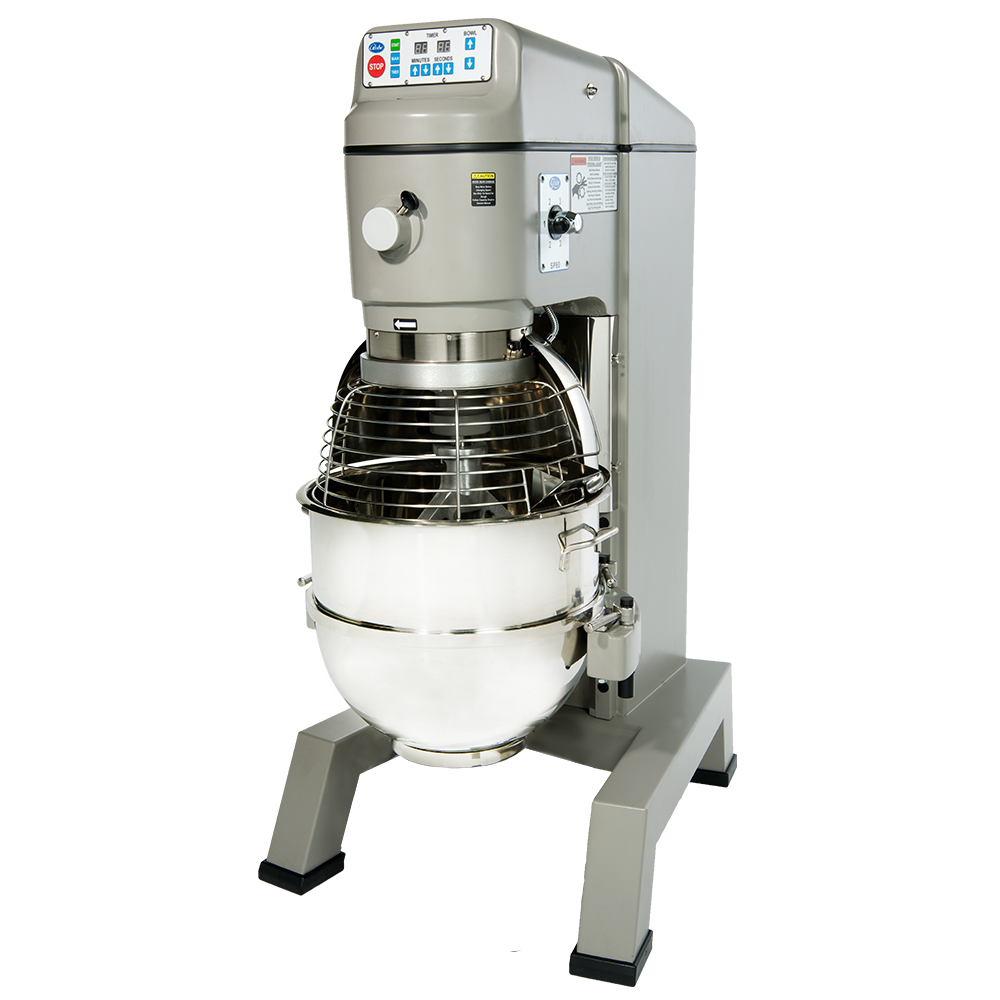
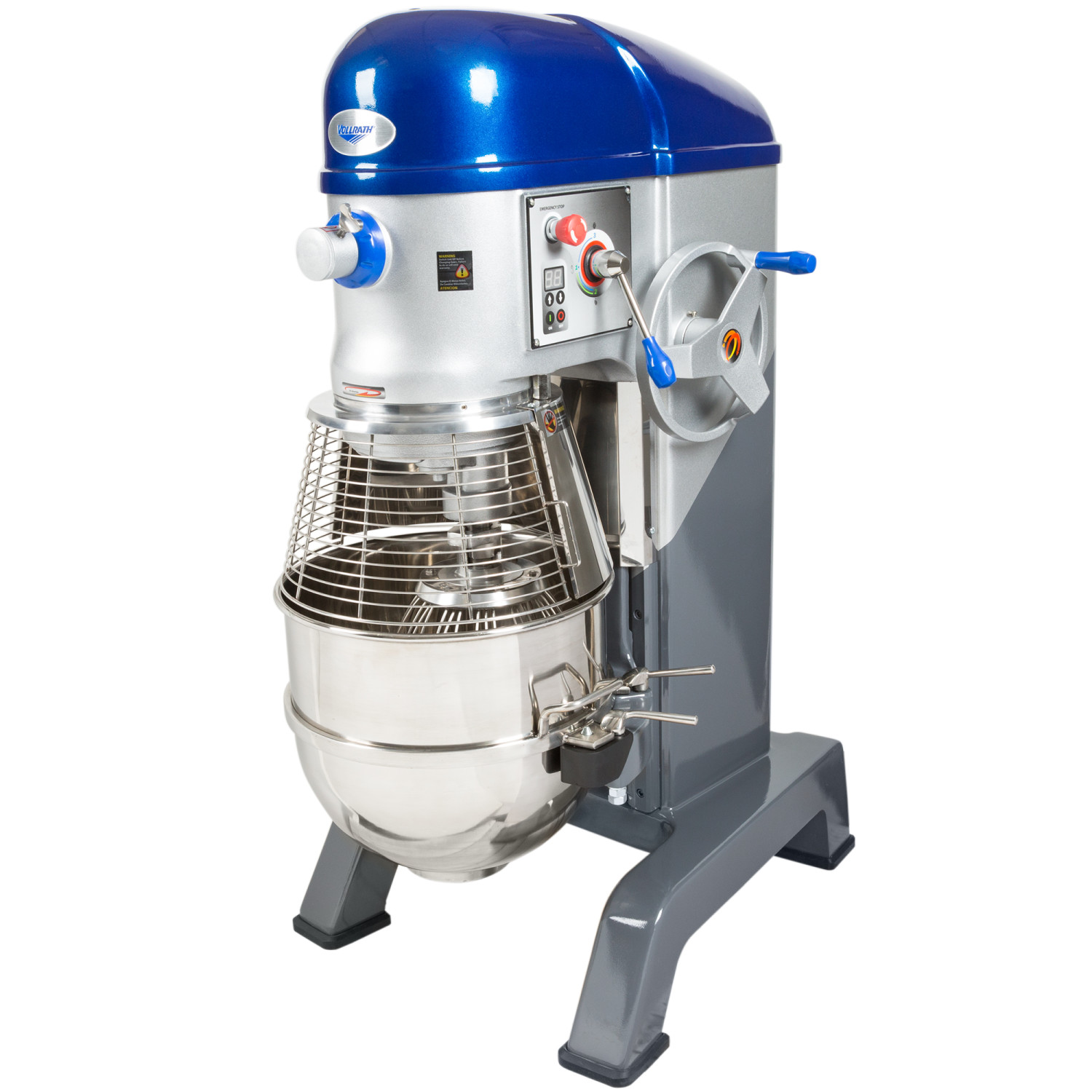
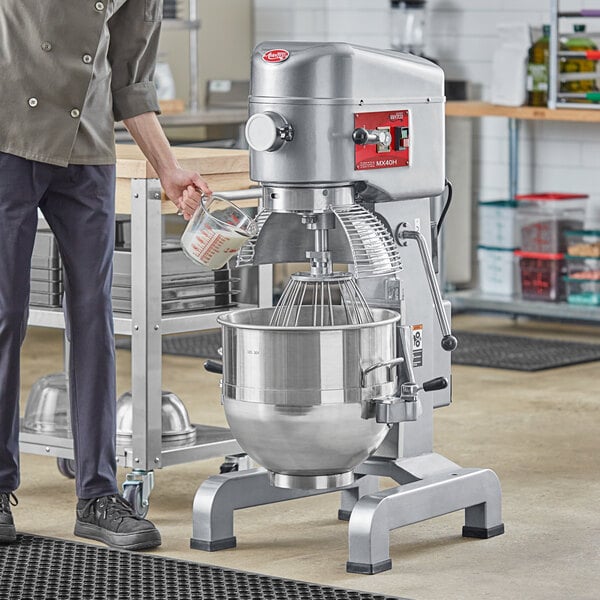
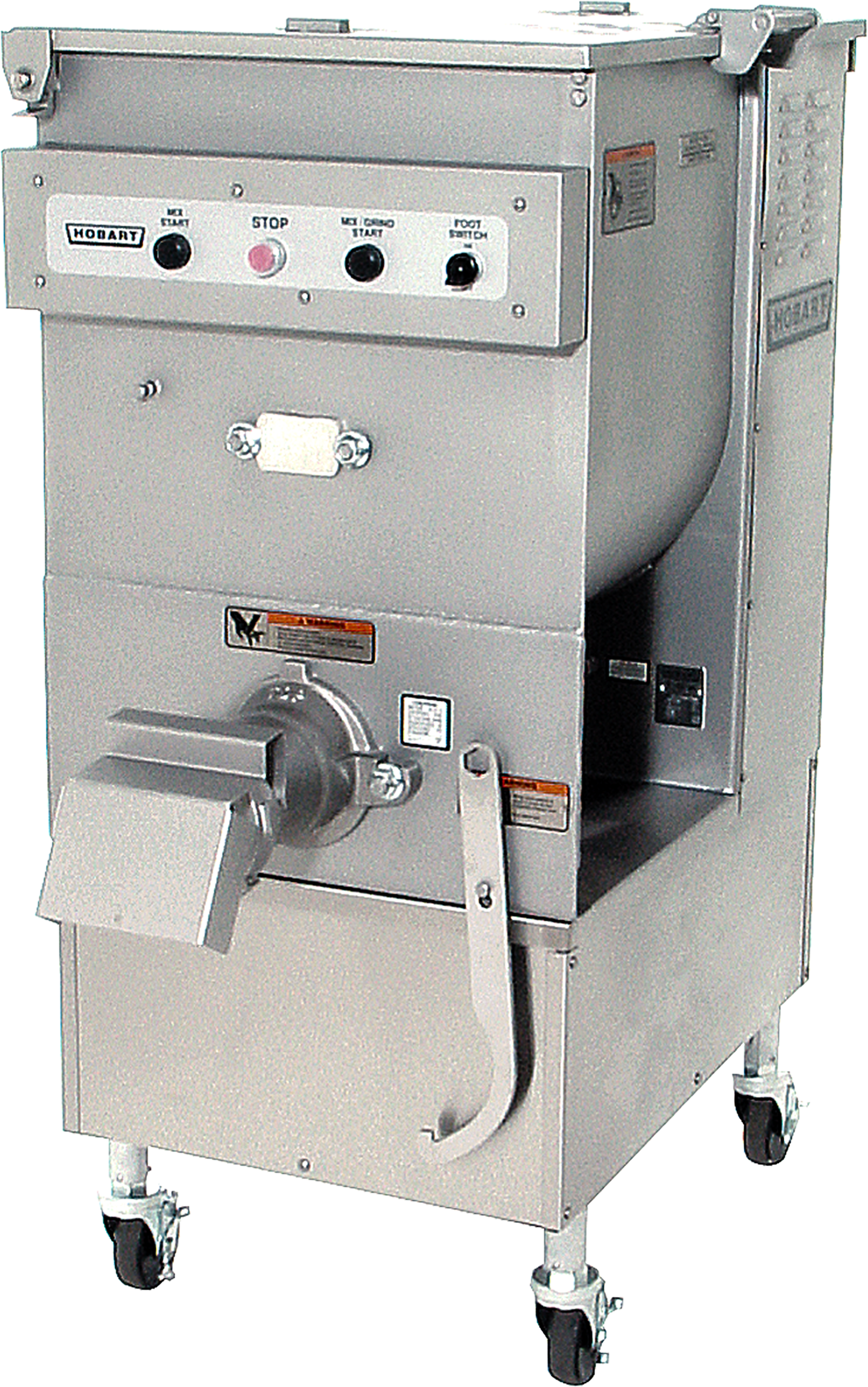

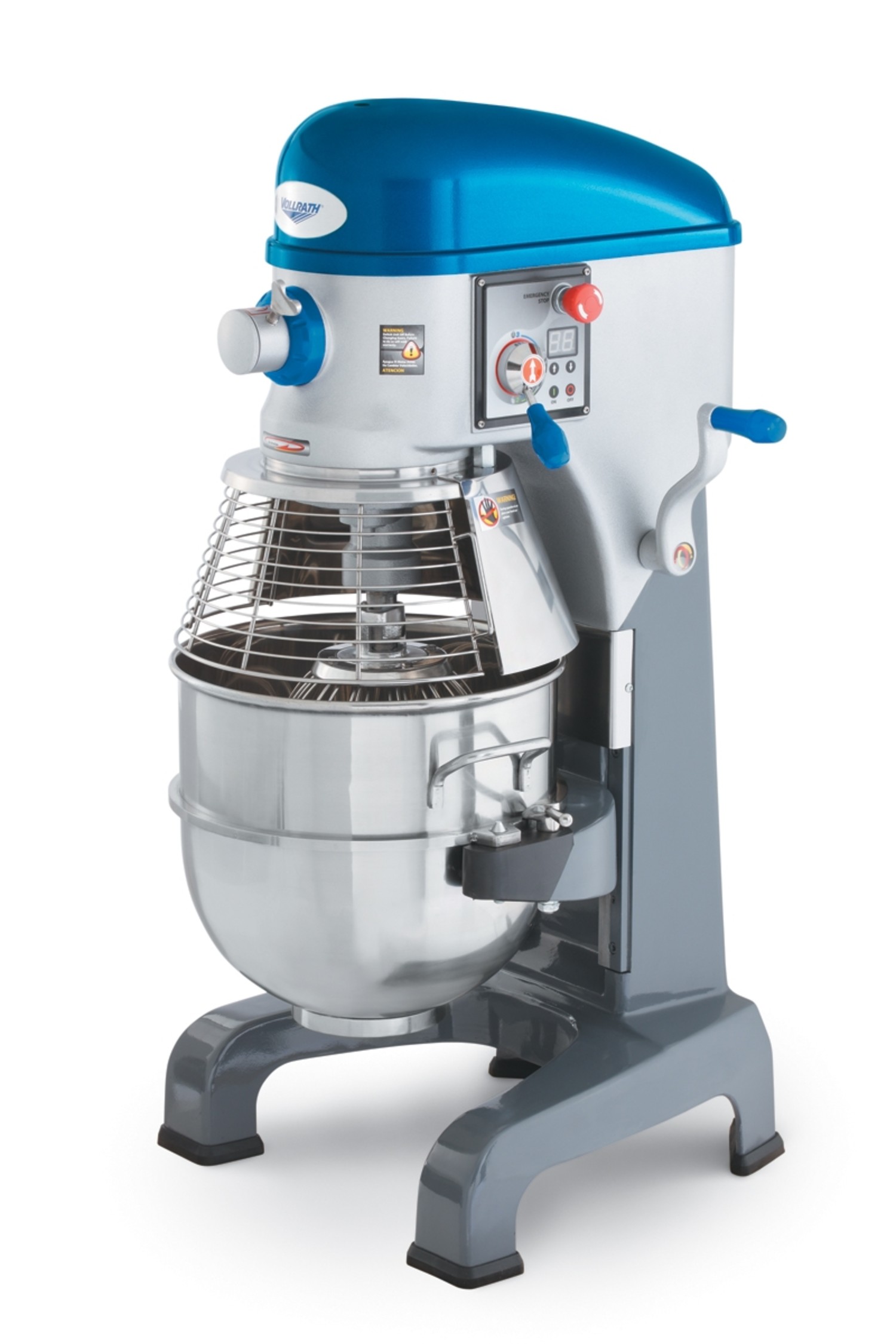
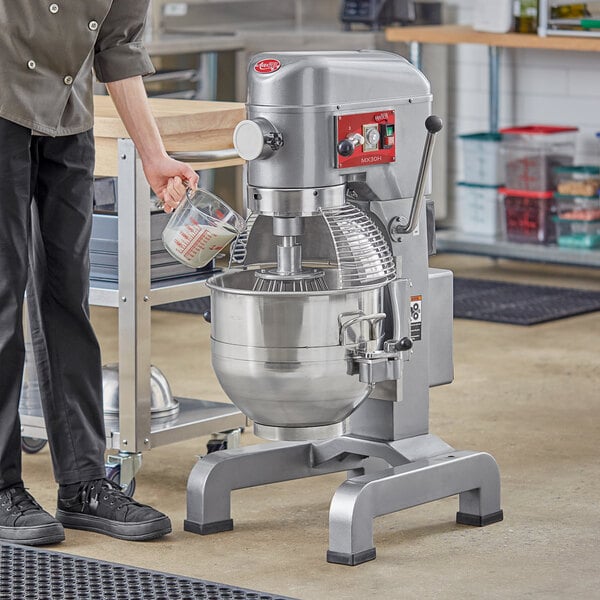
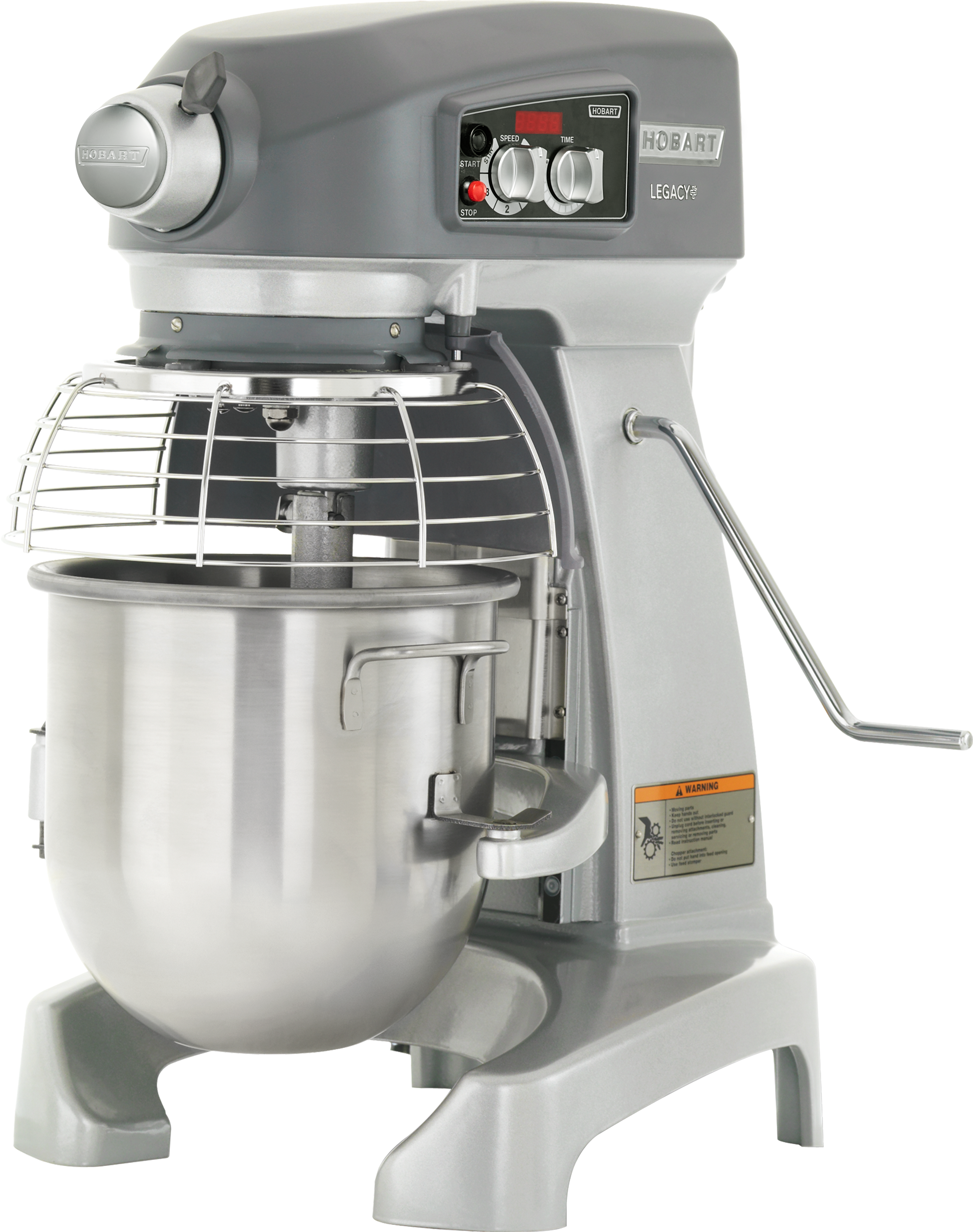
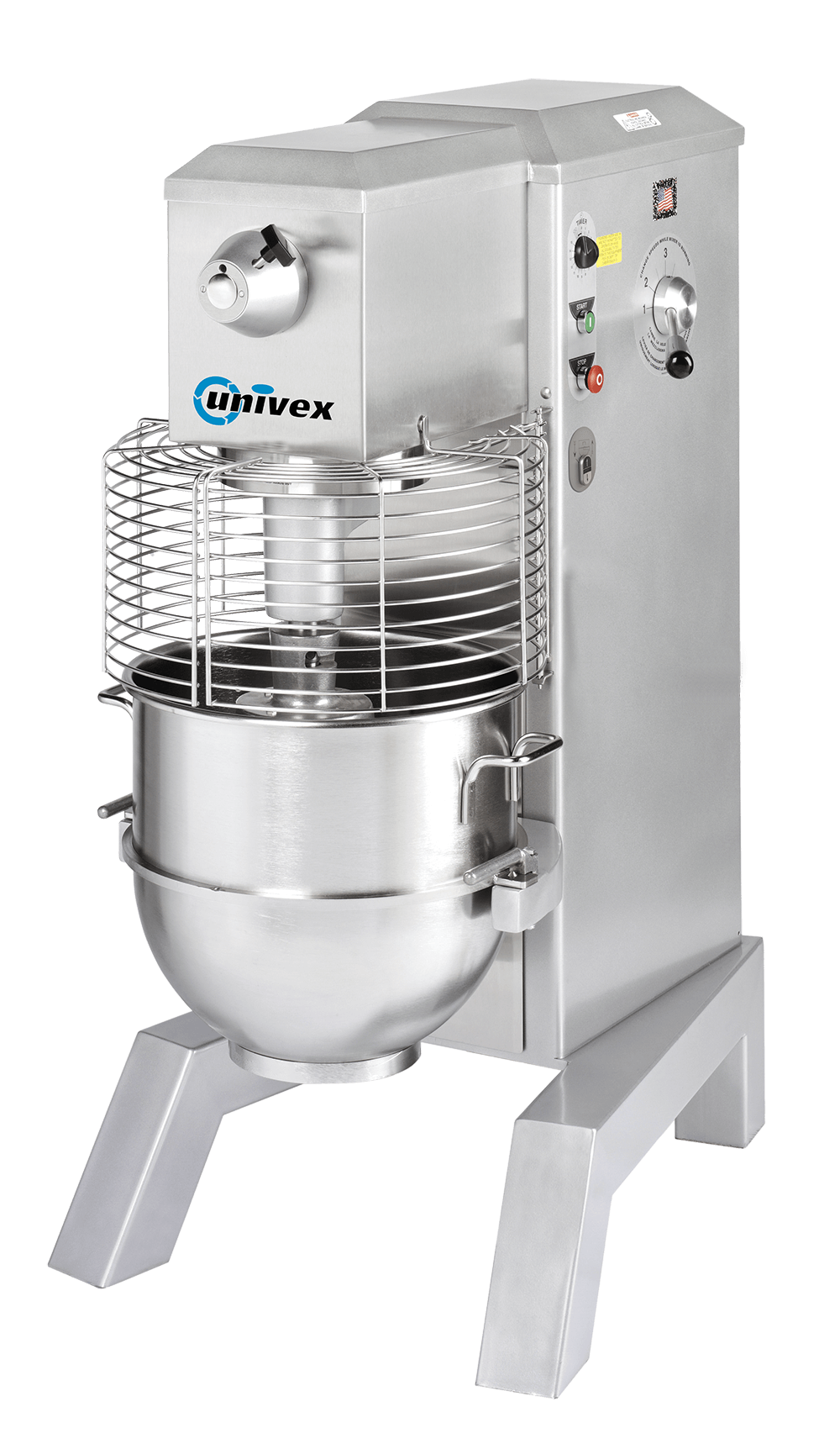
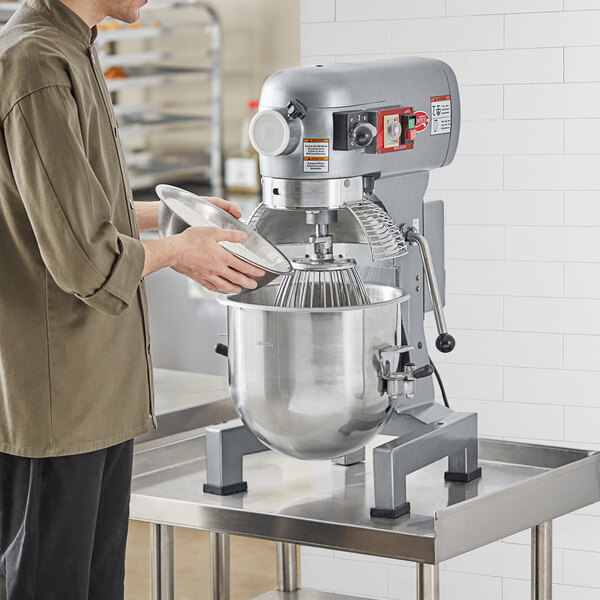
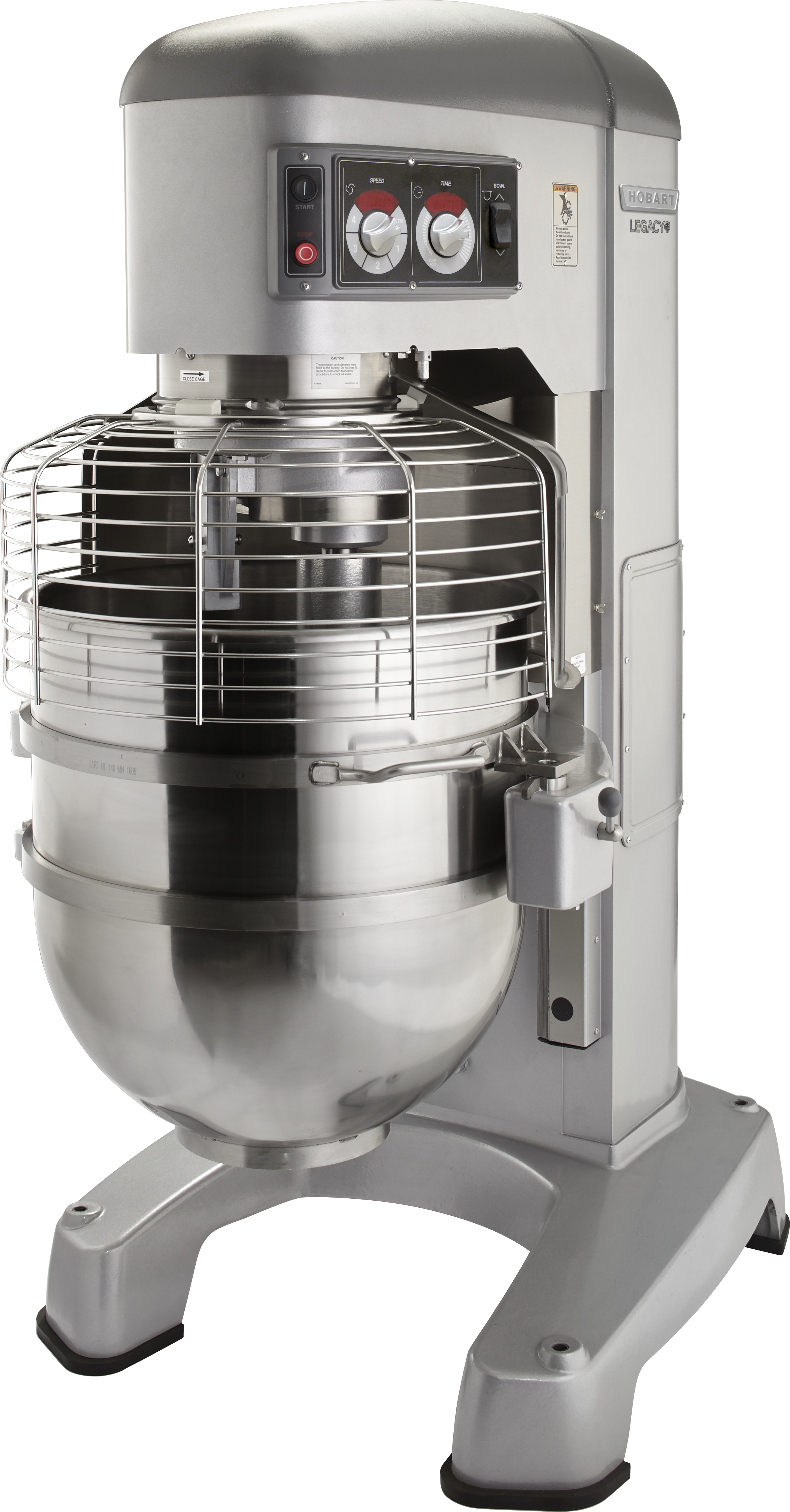
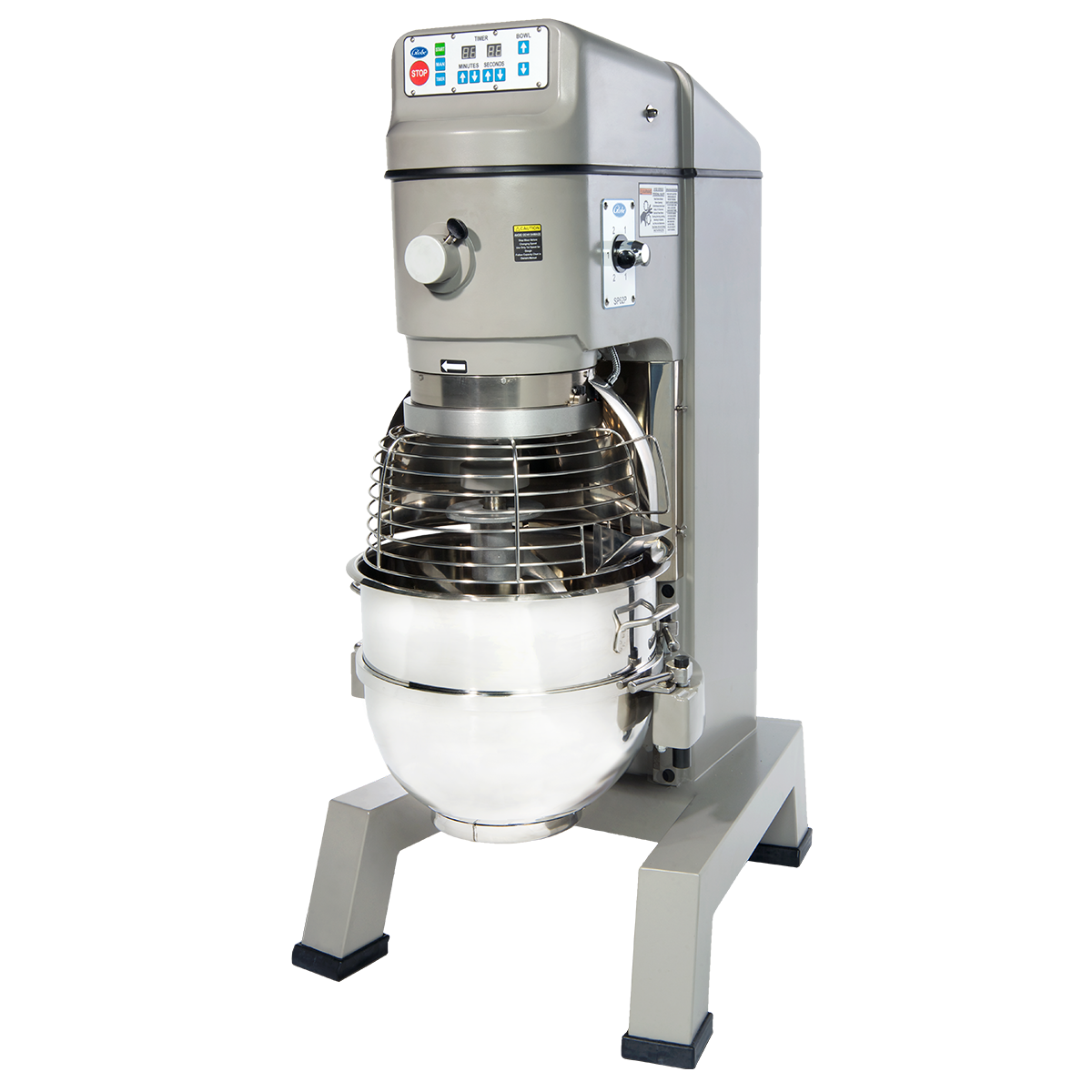
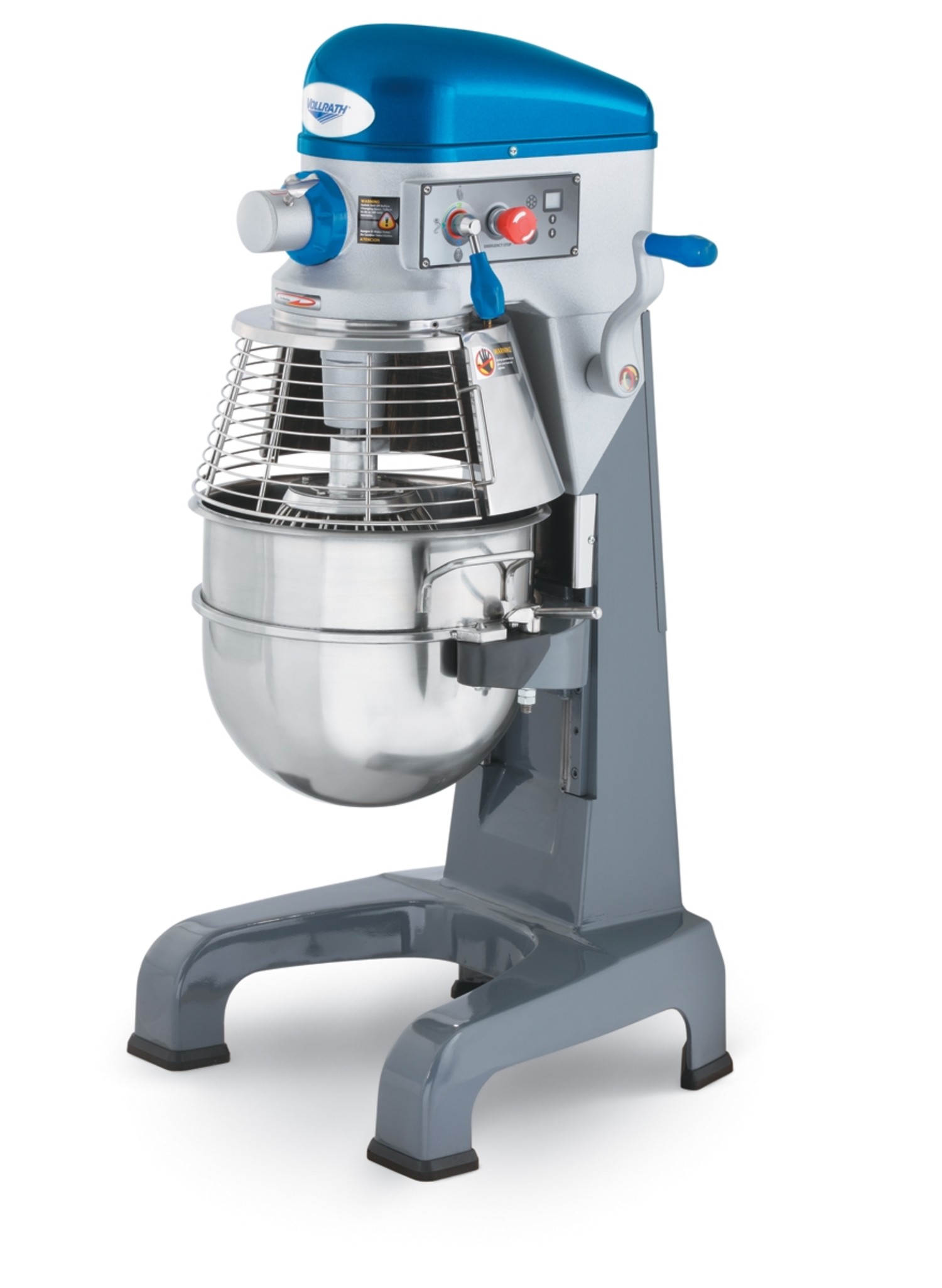
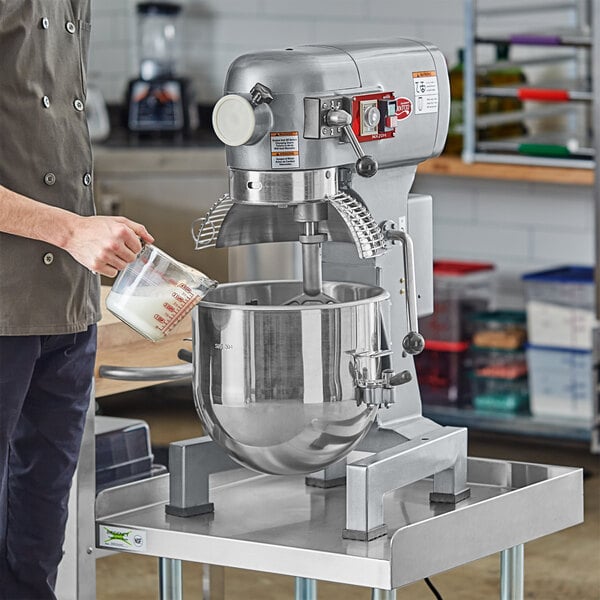
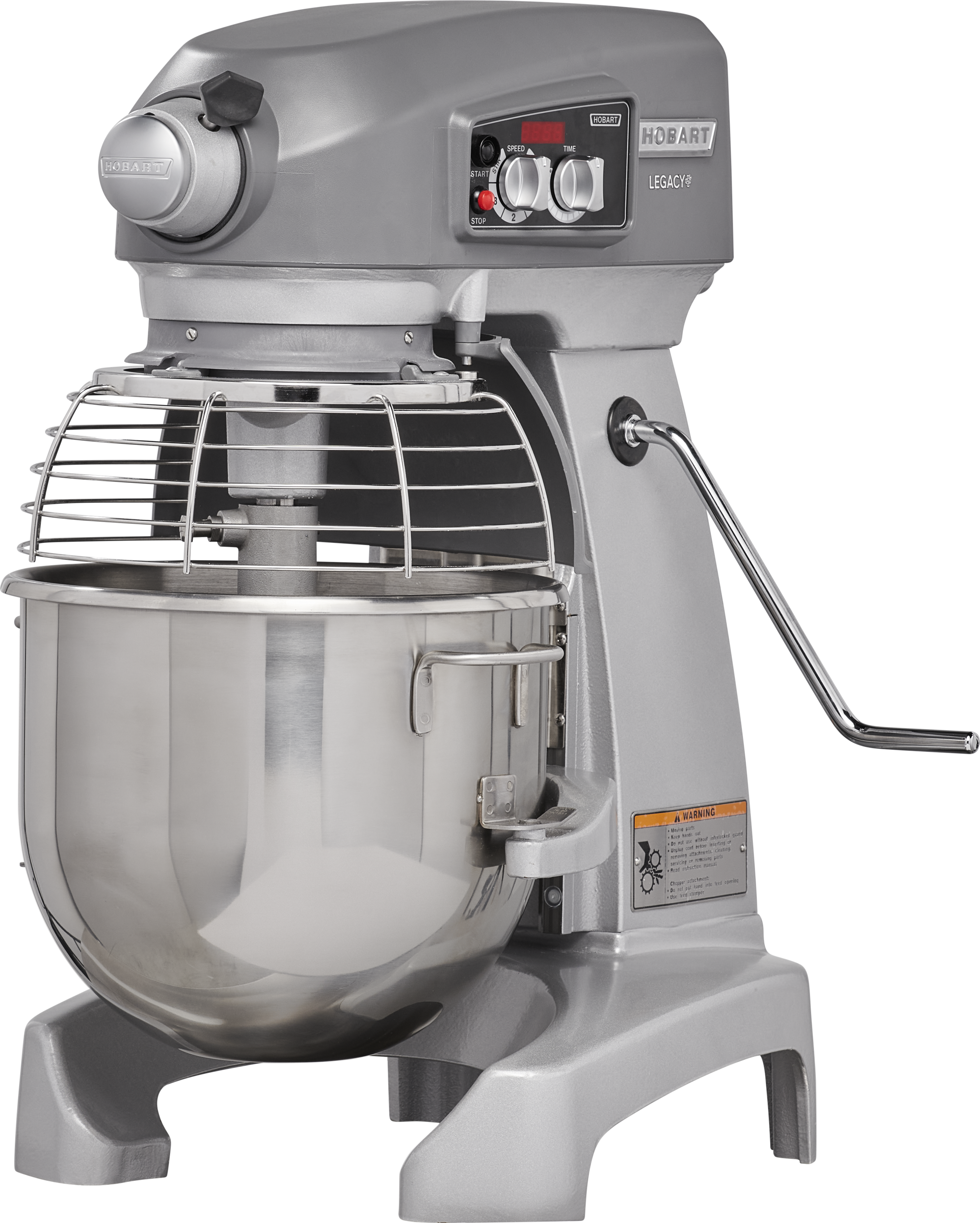
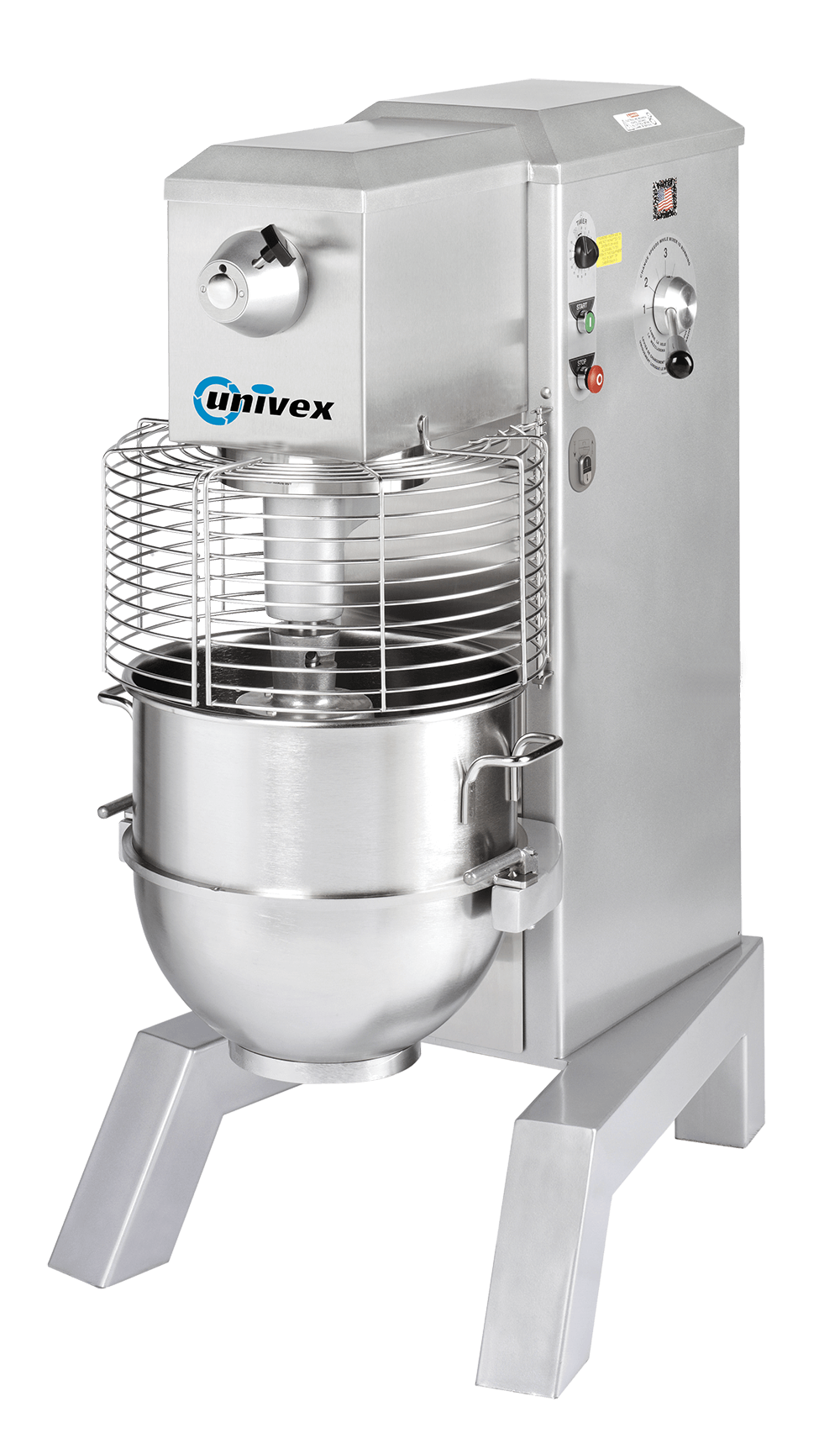
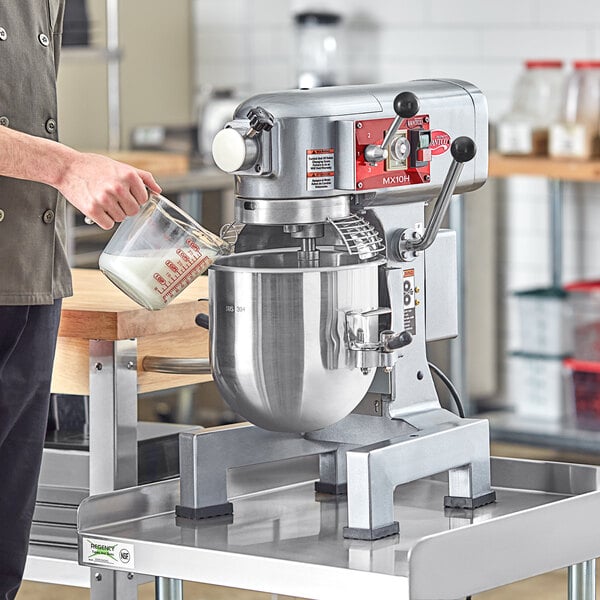
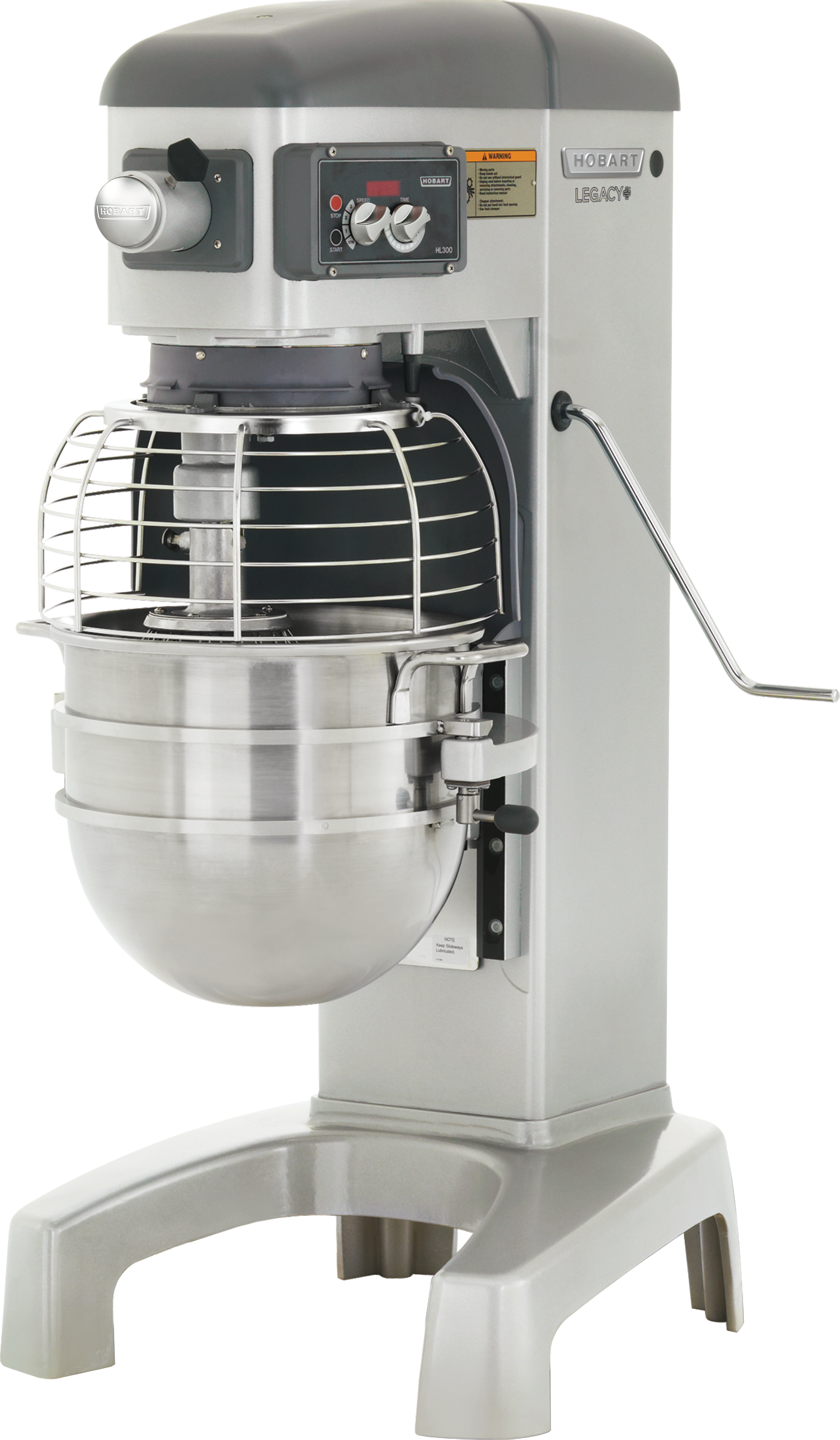
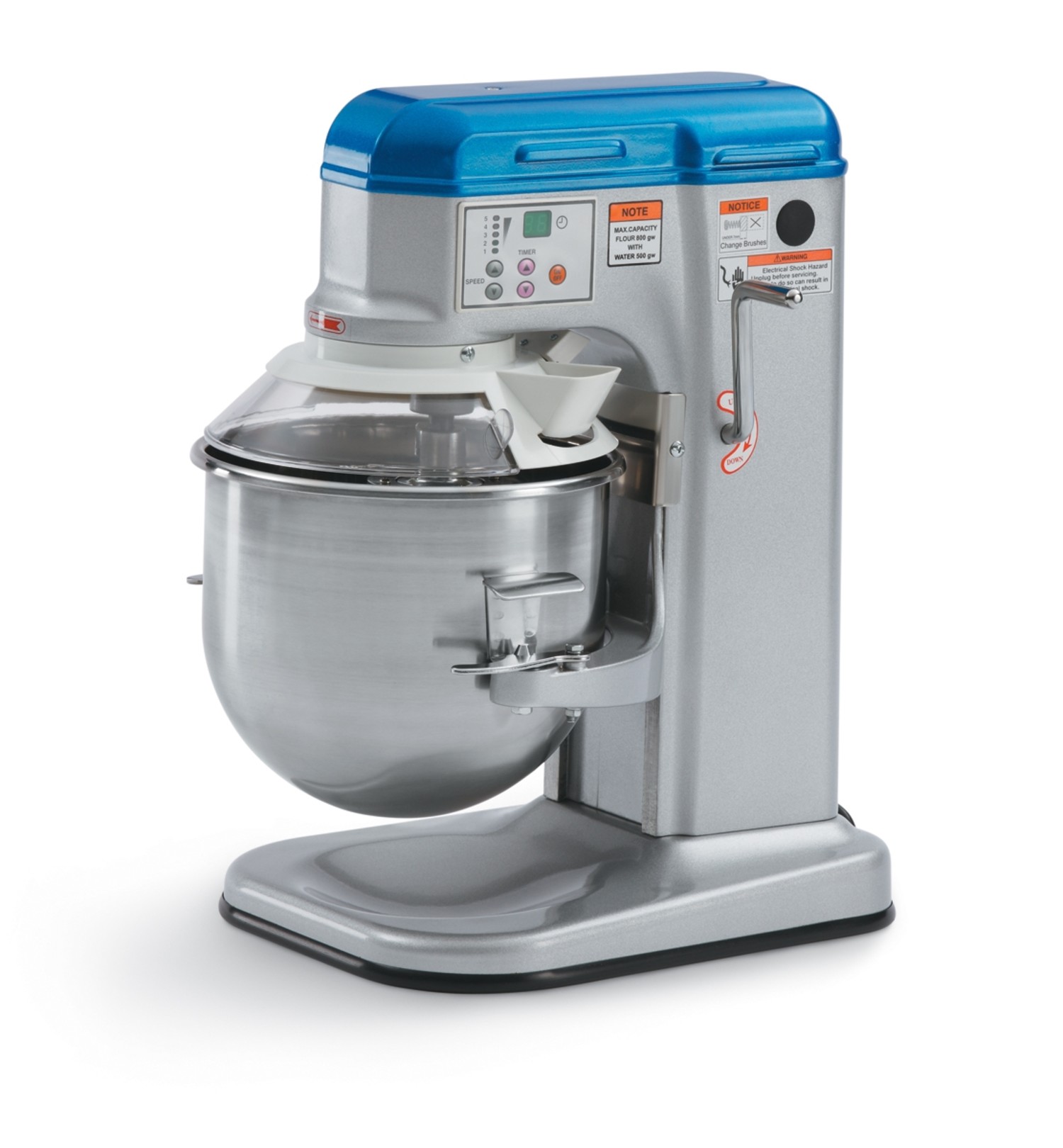
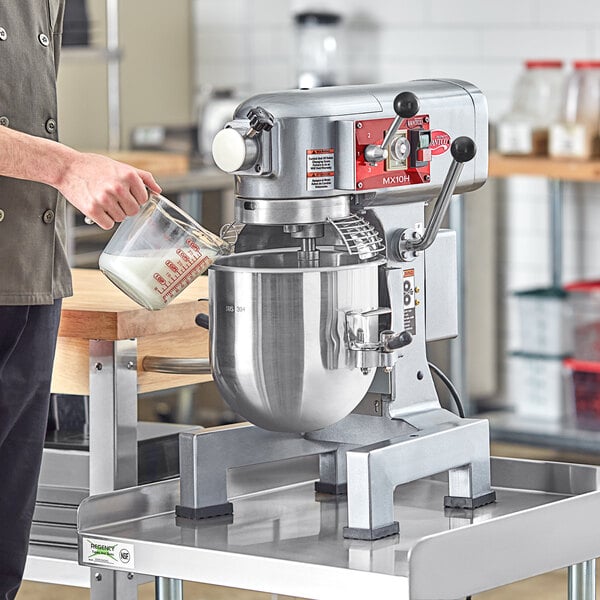
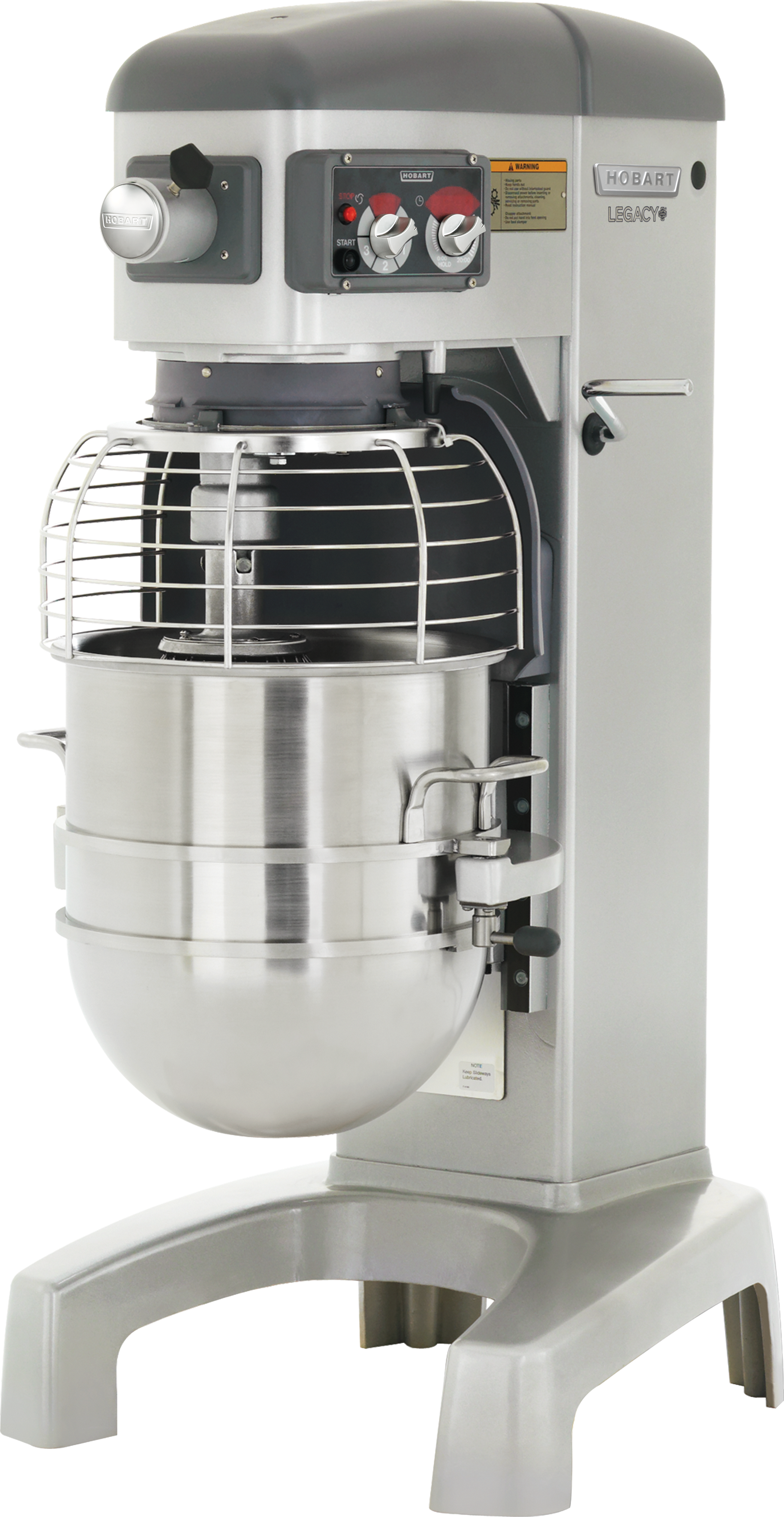
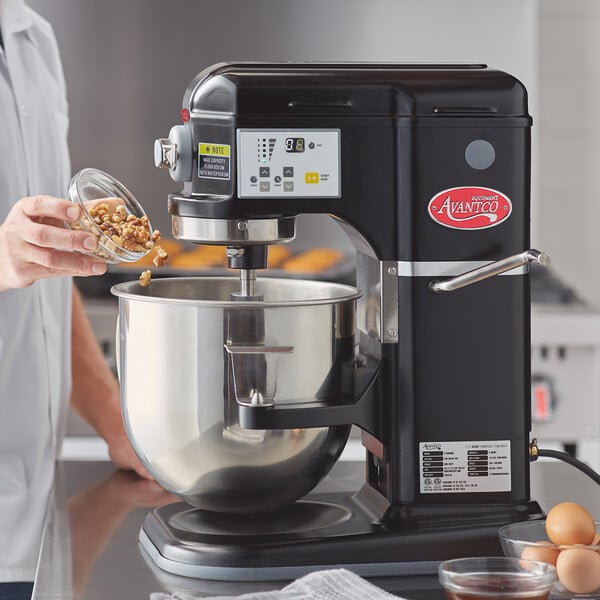
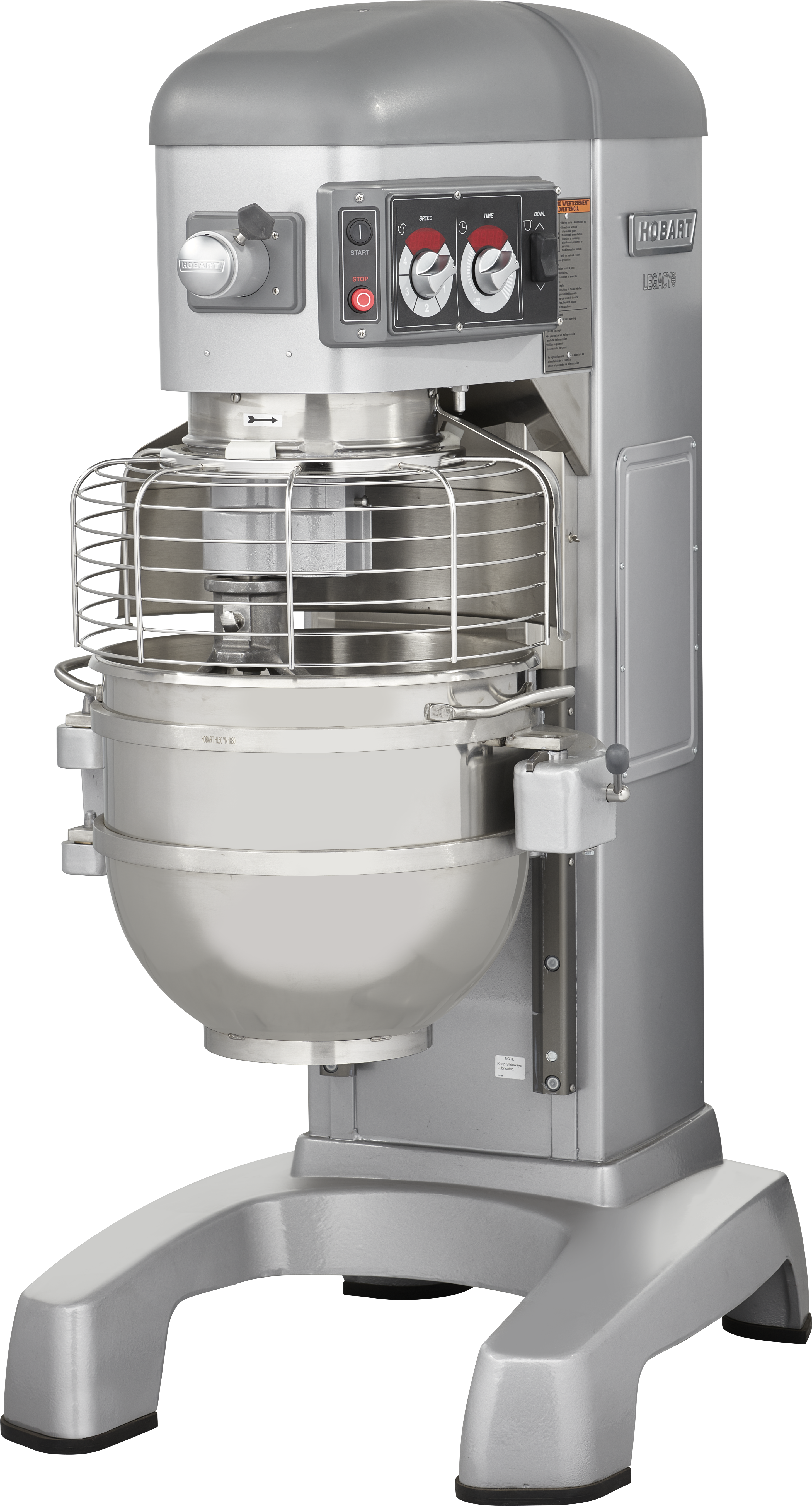
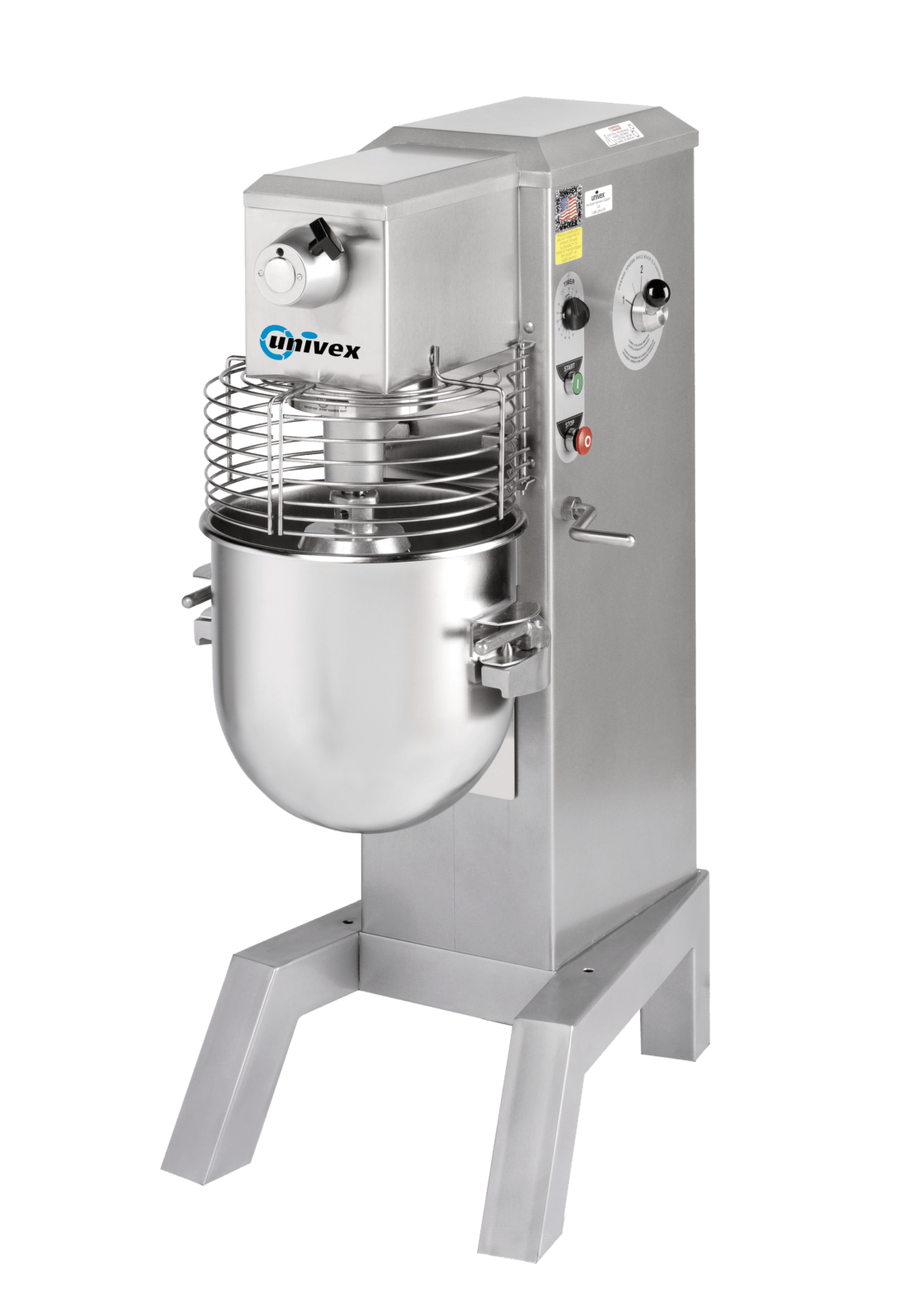

Commercial mixers: buying guide
A mixer is a long-term workhorse — size it to your biggest batch and buy a little more capacity than you need today. The models above filter by bowl capacity, type, HP, and footprint.
Capacity and type
Countertop planetary mixers (5–20 qt) fit cafés and small bakeries; floor planetary models (30–140 qt) are for production. A planetary mixer is the all-purpose choice; a spiral mixer is built for high-hydration bread dough.
Motor and duty
Match HP to how stiff and how long your mixes run. Underpowered mixers bog down and overheat on heavy dough. Leave headroom rather than running at max capacity constantly.
Attachments
Planetary mixers take a flat beater, wire whip, and dough hook; many add a power hub for graters and slicers. Check which agitators are included.
How the brands compare
Model count and span for the brands with the most models here — a starting point, not a substitute for the specific model’s spec sheet.
| Brand | Models | Bowl capacity range |
|---|---|---|
| Hobart | 19 | — |
| Globe | 18 | 5–80 qt |
| Univex | 15 | 12–180 qt |
| Vollrath | 12 | 7–60 qt |
| Avantco | 12 | 8–40 qt |
Frequently asked questions
What does 'planetary' mean?
The agitator spins on its own axis while orbiting the bowl — like planets around the sun — so it reaches the whole bowl. It's the standard all-purpose mixing action for whipping, beating, and light-to-medium dough.
Countertop or floor mixer?
Countertop planetary mixers (about 5–20 qt) suit cafés, bars, and small bakeries; floor models (30 qt and up) are for production volume. Size to your largest single batch and leave some headroom.
Can one mixer do dough and whipping?
A planetary mixer with the right attachments (dough hook, flat beater, wire whip) handles both, but very stiff or high-volume bread dough is easier on a dedicated spiral mixer.
Where do your specs and prices come from?
Specifications are compiled from manufacturer spec sheets and authorized dealer listings; where a value isn’t published we leave it blank rather than guess. “Street price” is the lowest legitimate published price from an online dealer we track for that exact model — equipment only, and it changes often. Many models here have no published online price and show “check dealer pricing.”
Does this equipment need to be NSF listed?
Storage and dish-room equipment used in a commercial kitchen is generally expected to be NSF/ANSI listed for cleanable, food-safe construction — that’s what a health inspector checks on plan review. We don’t assert a listing for a specific model unless the manufacturer publishes it; confirm the exact model’s listing when you permit your kitchen.
About this data
Last verified: August 2026. Specs are compiled from manufacturer spec sheets and authorized dealer listings; where a value isn't published we leave it blank rather than guess.
Methodology: every mixer model is compared on the same set of specifications, and dimensions are checked (for sinks, overall width must exceed the combined bowl widths) — figures that fail validation are corrected from the manufacturer model number or omitted. “Street price” is the lowest legitimate published price we've found and can change.
Sourcing: product specs come from the manufacturer; regulatory statements link to the source (e.g. the FDA Food Code and NSF). Code requirements vary by jurisdiction — confirm with the authority reviewing your plans.
Disclosure: FoodServiceNerd is vendor-neutral and free to use. Some “where to buy” links may be affiliate links — we may earn a commission at no cost to you, and it never changes what we list or how we rank it. We don't sell equipment ourselves.
Editorial: compiled and reviewed by the FoodServiceNerd equipment desk (about us). Spot an error? Tell us and we'll correct it.