Commercial Microwaves
Match output wattage and duty rating to your volume. Light-duty (~1000W) suits occasional reheating in a break room or small café; medium-duty (~1200–1800W) handles a steady restaurant line; heavy-duty (2000W and up) is built for continuous high-volume kitchens. Higher wattage heats faster. Commercial units use sealed, cleanable stainless cavities and durable controls — residential microwaves aren't rated for commercial use and can fail inspection.
Commercial-grade microwave ovens built for repeated daily use. The two decisions that matter are output wattage (how fast it heats) and duty rating (how heavily it's built for volume). Compare across every brand by both.
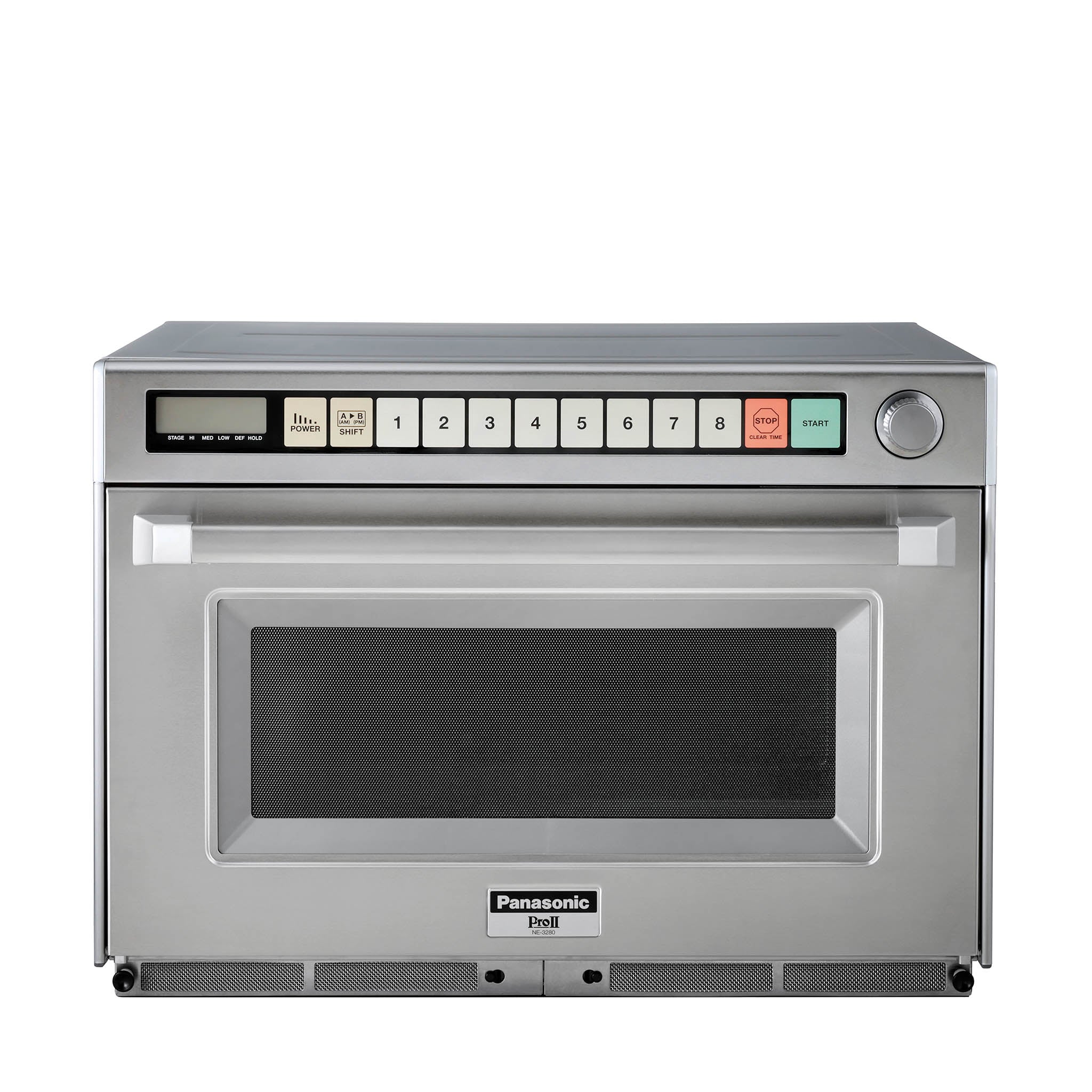


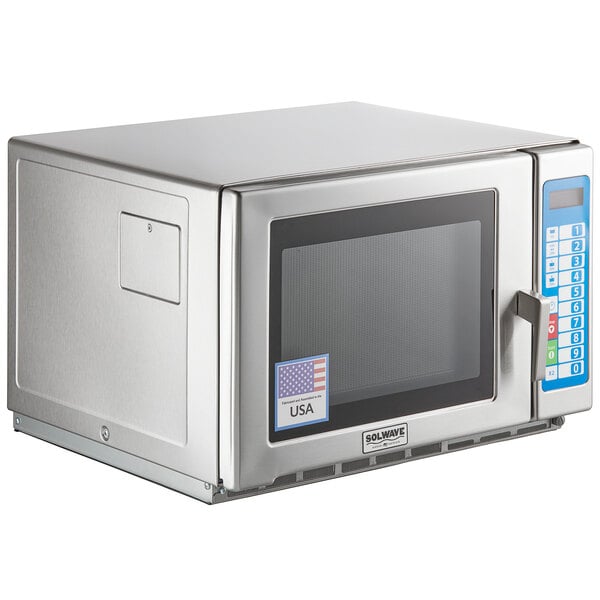


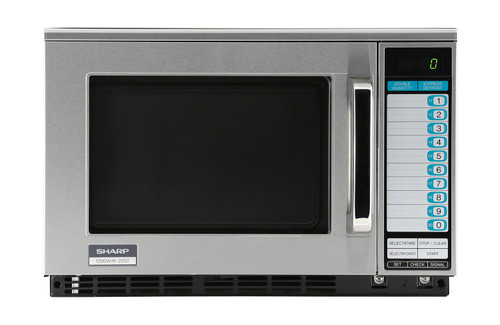
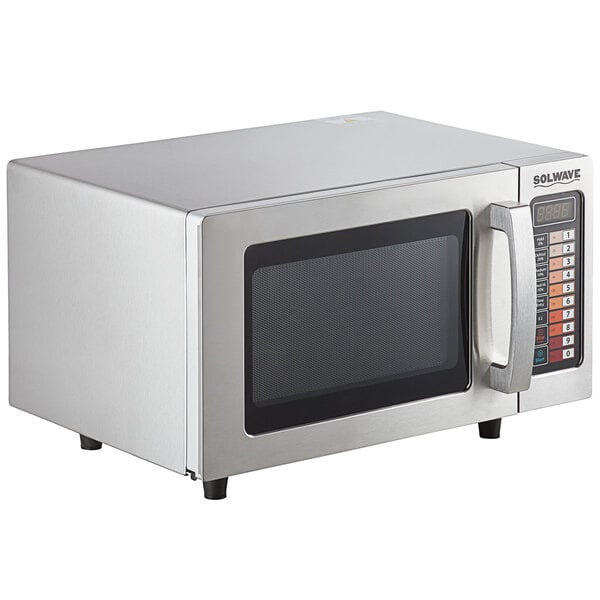

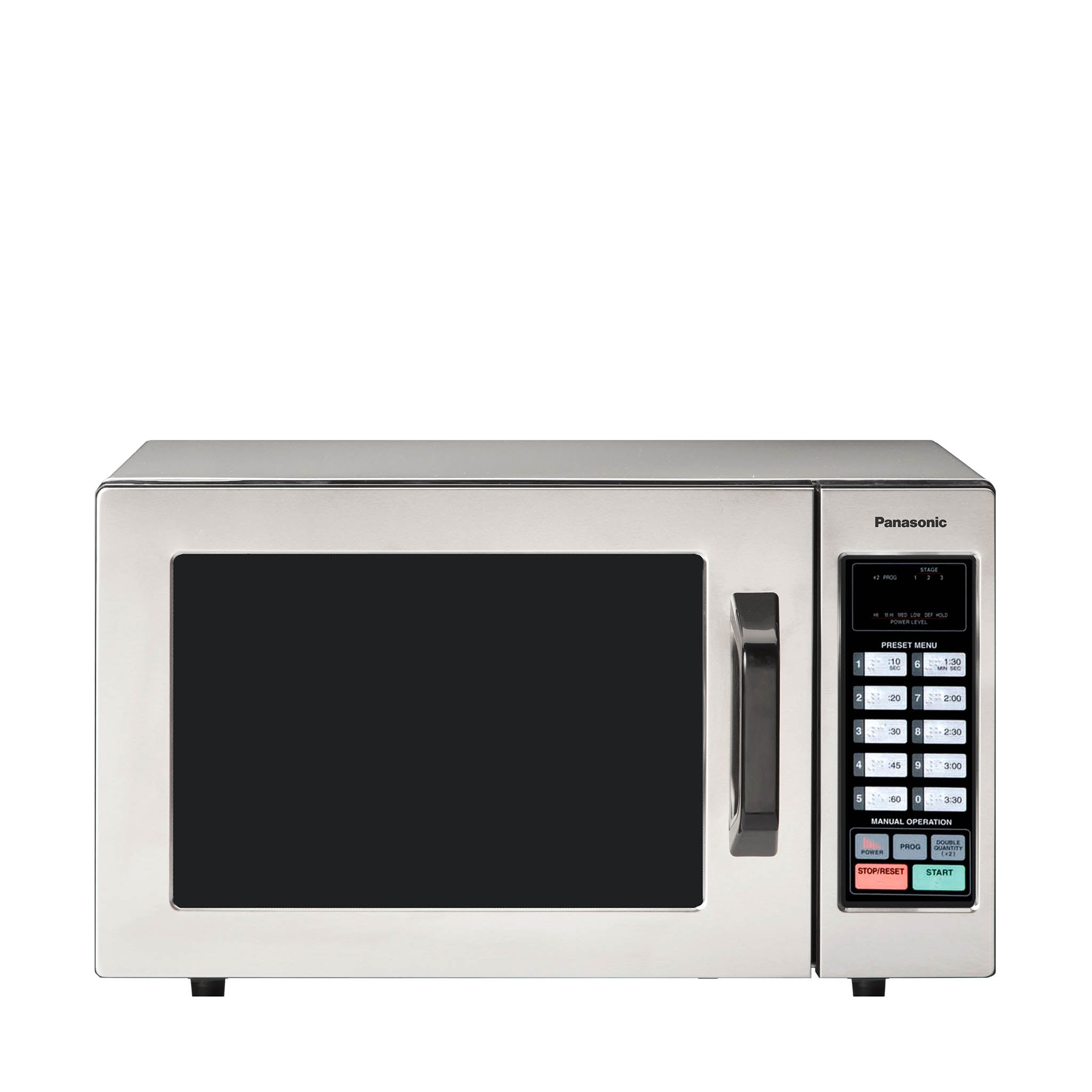


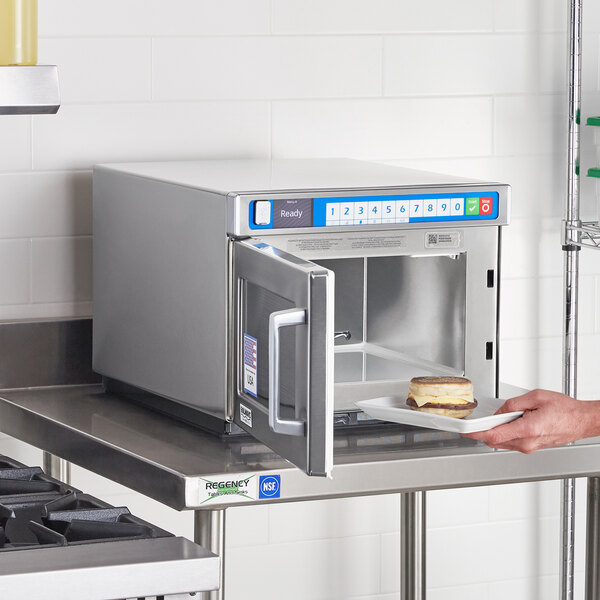
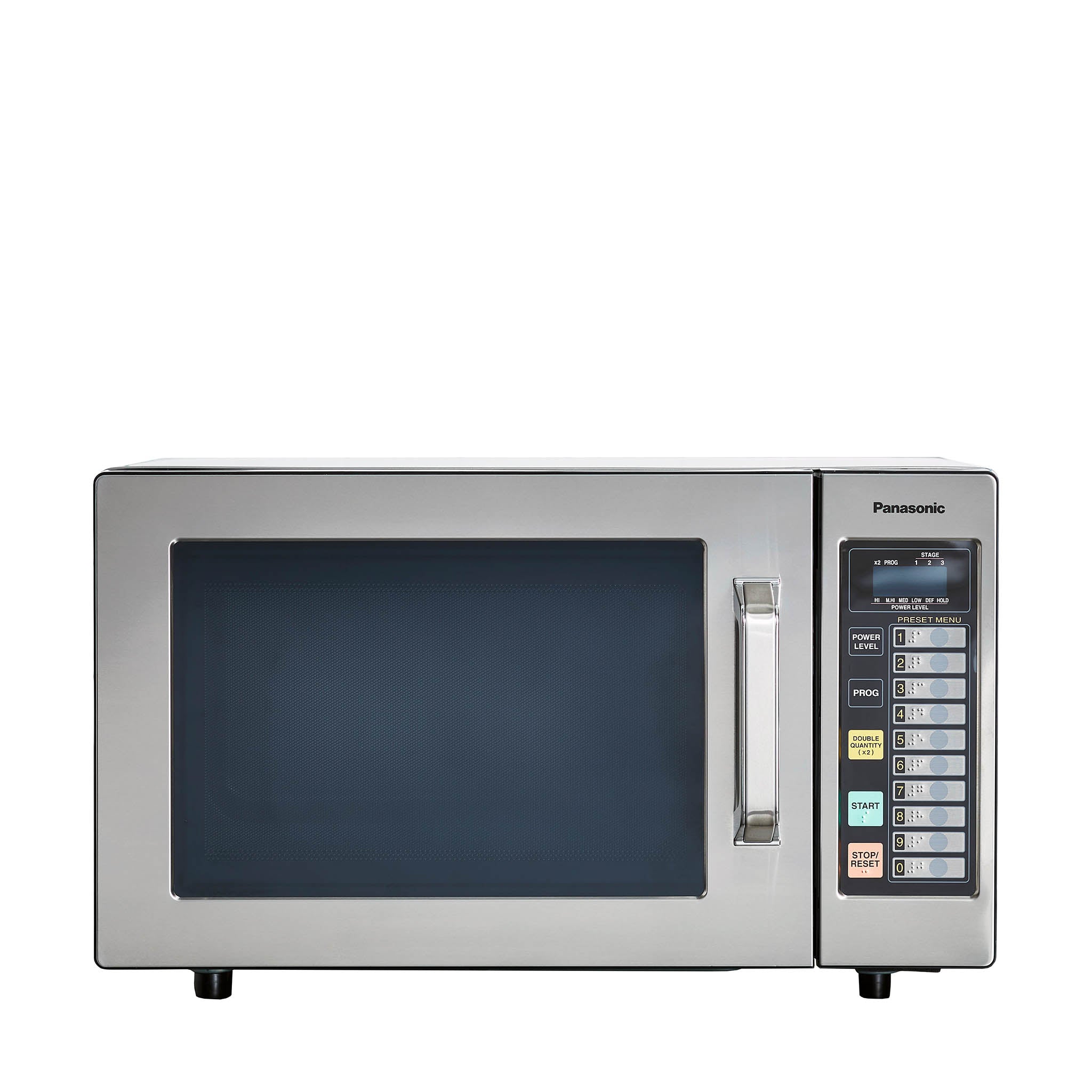
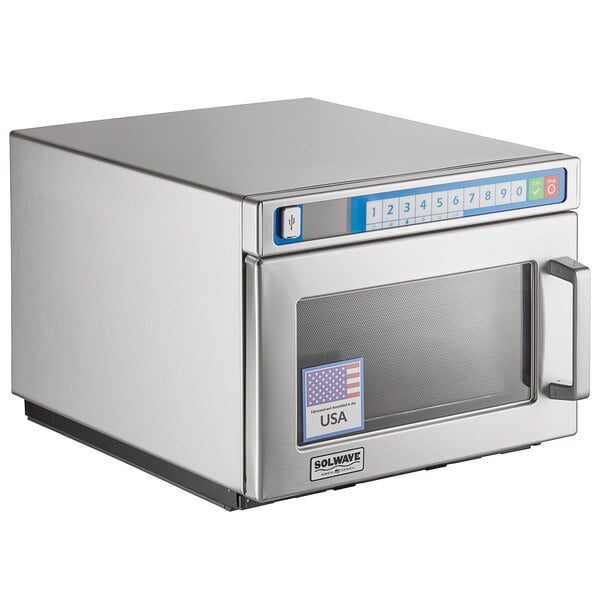


Commercial Microwaves: buying guide
A commercial microwave is chosen by output wattage and duty rating. Here is how to read the 32 units above.
Output wattage
Wattage is heating speed. Roughly: ~1000W light-duty, ~1200–1800W medium-duty, 2000W+ heavy-duty. Higher wattage reheats and cooks faster, which matters on a busy line where seconds per ticket add up.
Duty rating
Duty reflects how the unit is built for repeated use. Light-duty handles occasional reheating; medium-duty takes a steady service; heavy-duty is engineered for continuous, all-day use with a more robust magnetron, door, and controls. Buy up a tier if in doubt — commercial microwaves are worked hard.
Controls and build
Dial controls are simple and durable; touchpad/programmable controls store presets for consistent results across staff. Commercial units have sealed, cleanable stainless cavities. A residential microwave is not built or rated for commercial duty and can be rejected on inspection.
| Choice | Best use | Consideration |
|---|---|---|
| ~1000W light-duty | Break room, small café | Occasional reheating |
| ~1200–1800W medium-duty | Restaurant line | Steady daily use |
| 2000W+ heavy-duty | High-volume kitchen | Continuous all-day use |
| Programmable | Consistency across staff | Stored presets |
Frequently asked questions
What wattage commercial microwave do I need?
Match wattage to volume: about 1000W for light-duty occasional reheating, 1200–1800W for a steady restaurant line, and 2000W or more for heavy-duty continuous use. Higher wattage heats faster, which speeds service during a rush. Duty rating matters as much as raw wattage.
What's the difference between light, medium, and heavy duty?
Duty rating describes how the microwave is built for repeated use. Light-duty suits occasional reheating; medium-duty handles a steady service; heavy-duty is engineered with a more robust magnetron, door, and controls for continuous all-day operation. Under-buying duty leads to early failure in a busy kitchen.
Can I use a residential microwave in a commercial kitchen?
Generally no. Residential microwaves aren't built or rated for commercial-duty cycles and typically lack the sealed, cleanable stainless construction health inspectors expect. A commercial-rated unit is the safe choice and avoids inspection problems and premature failure.
Dial or programmable controls?
Dial controls are simple and durable and fine where staff turnover is low. Programmable touchpad controls store presets so every employee heats an item the same way, which improves consistency and speed on a high-volume line. Choose based on menu complexity and staffing.
About this data
Last verified: August 2026. Specs are compiled from manufacturer spec sheets and authorized dealer listings; where a value isn't published we leave it blank rather than guess.
Methodology: every equipment model is compared on the same set of specifications, and dimensions are checked (for sinks, overall width must exceed the combined bowl widths) — figures that fail validation are corrected from the manufacturer model number or omitted. “Street price” is the lowest legitimate published price we've found and can change.
Sourcing: product specs come from the manufacturer; regulatory statements link to the source (e.g. the FDA Food Code and NSF). Code requirements vary by jurisdiction — confirm with the authority reviewing your plans.
Disclosure: FoodServiceNerd is vendor-neutral and free to use. Some “where to buy” links may be affiliate links — we may earn a commission at no cost to you, and it never changes what we list or how we rank it. We don't sell equipment ourselves.
Editorial: compiled and reviewed by the FoodServiceNerd equipment desk (about us). Spot an error? Tell us and we'll correct it.