Commercial Blenders
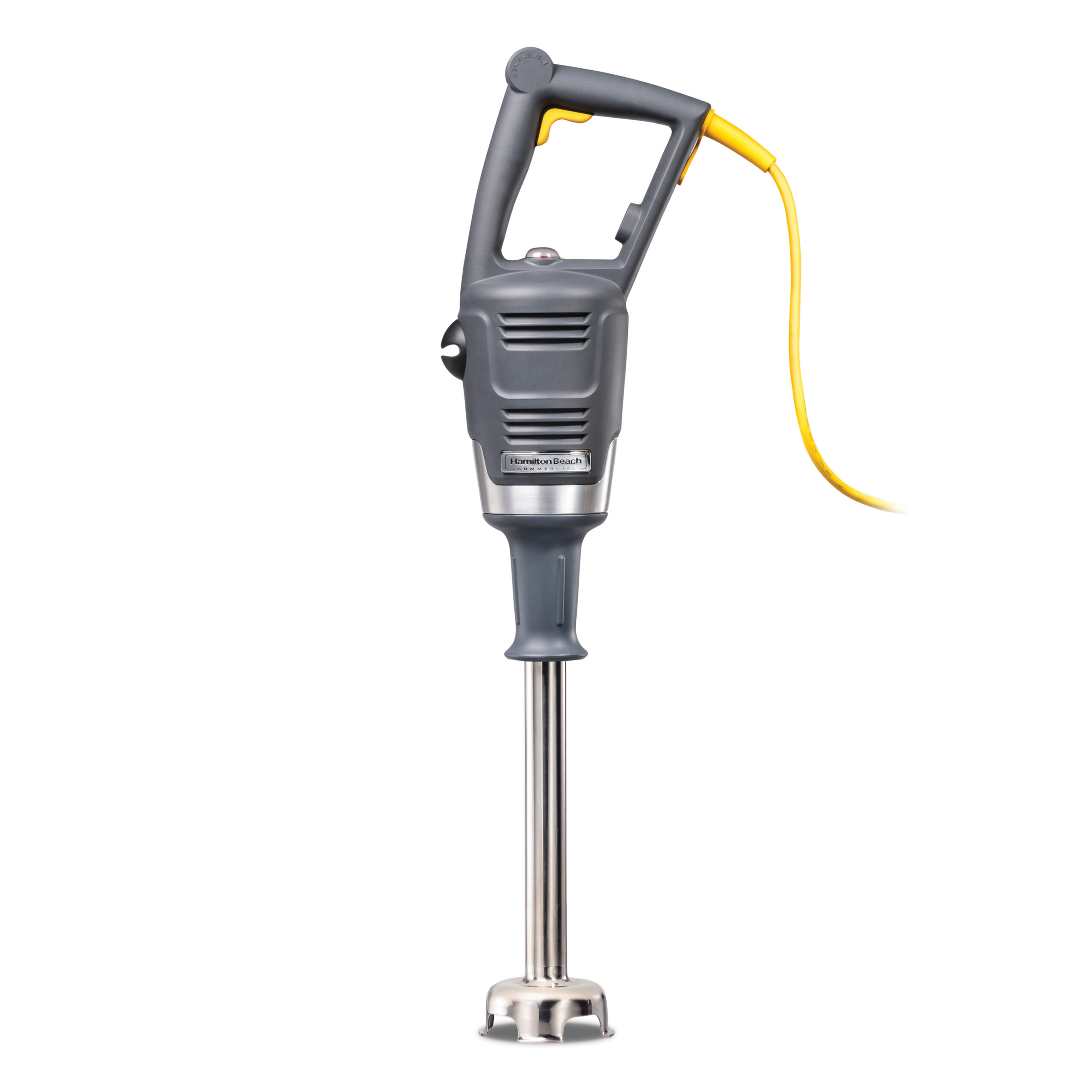
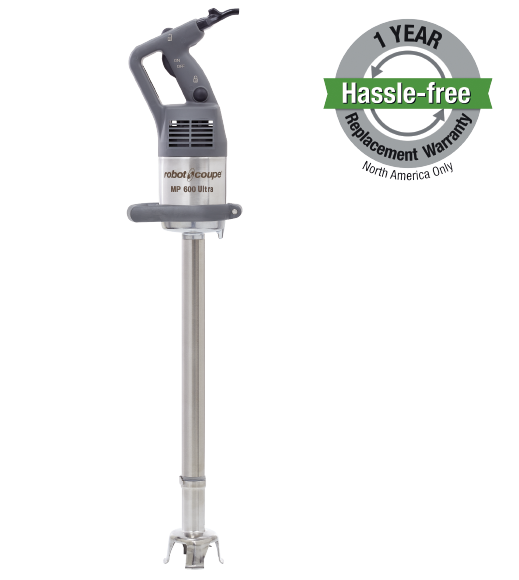
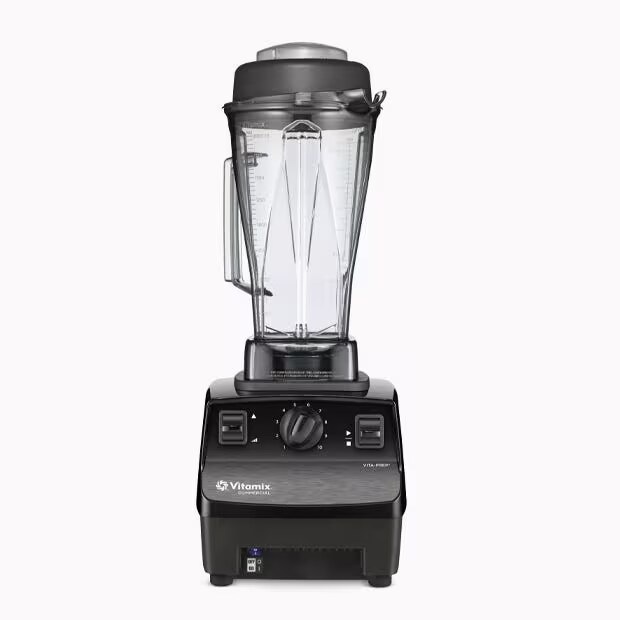
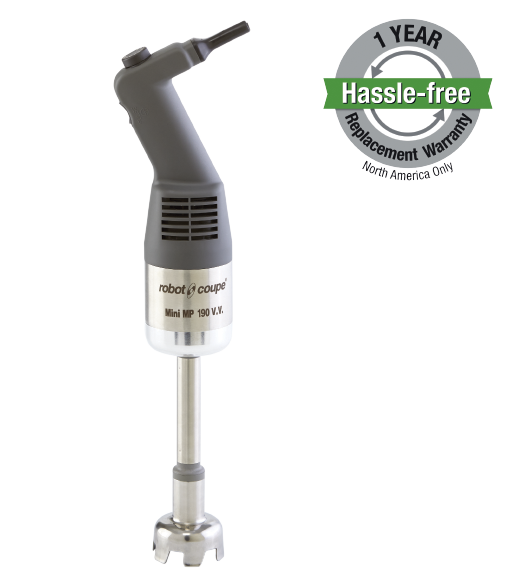
Choose by type first. A bar/drink blender is built for smoothies, frozen drinks, and cocktails, often with a sound enclosure and programmable cycles. A high-performance food blender has the horsepower for hot soups, sauces, nut butters, and heavy prep. An immersion (stick) blender purées soups and batters directly in the pot or kettle for volume prep. Then size the jar capacity to your batch, weigh horsepower for how tough your ingredients are, and pick controls — toggle for simplicity, variable for control, programmable for consistency across staff.
Blenders for bars, cafés and back-of-house prep. Start with type — a bar/drink blender for smoothies and cocktails, a high-performance food blender for hot soups, purées and heavy prep, or an immersion (stick) blender for blending in the pot. Then compare jar capacity, horsepower, and controls.

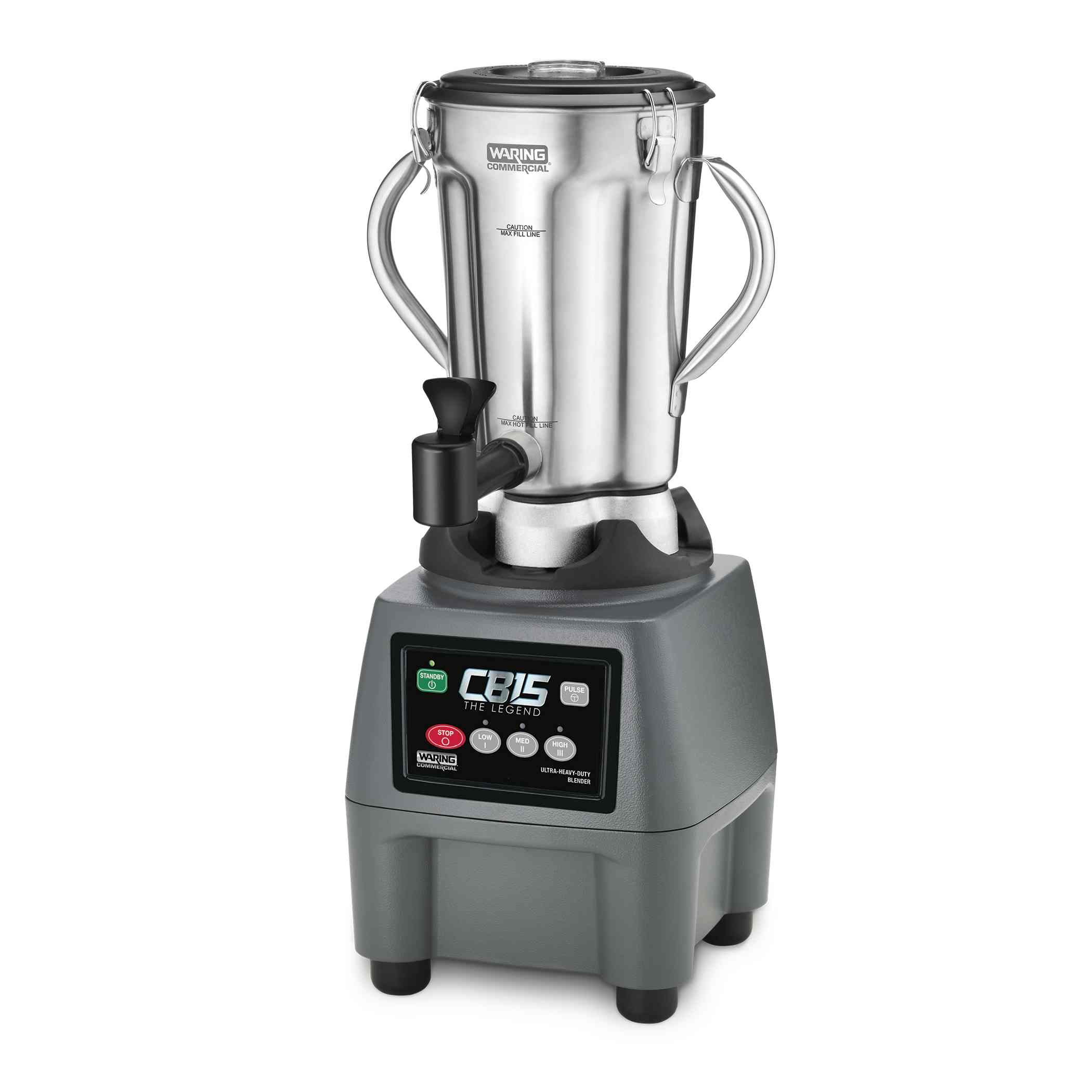

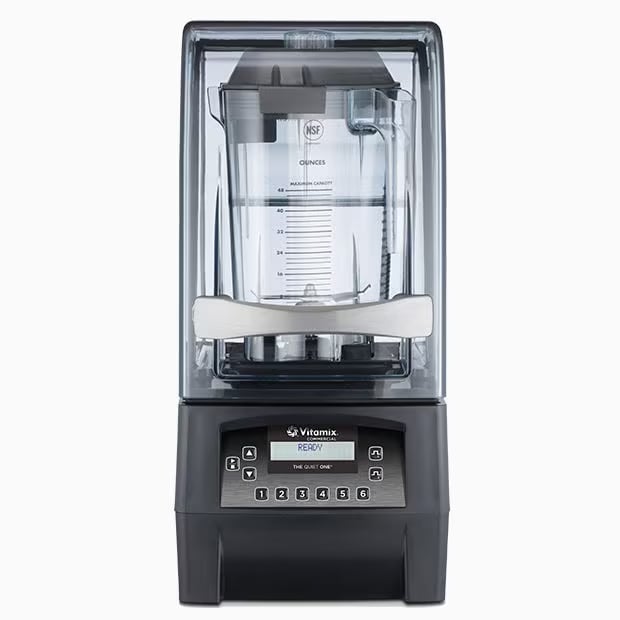
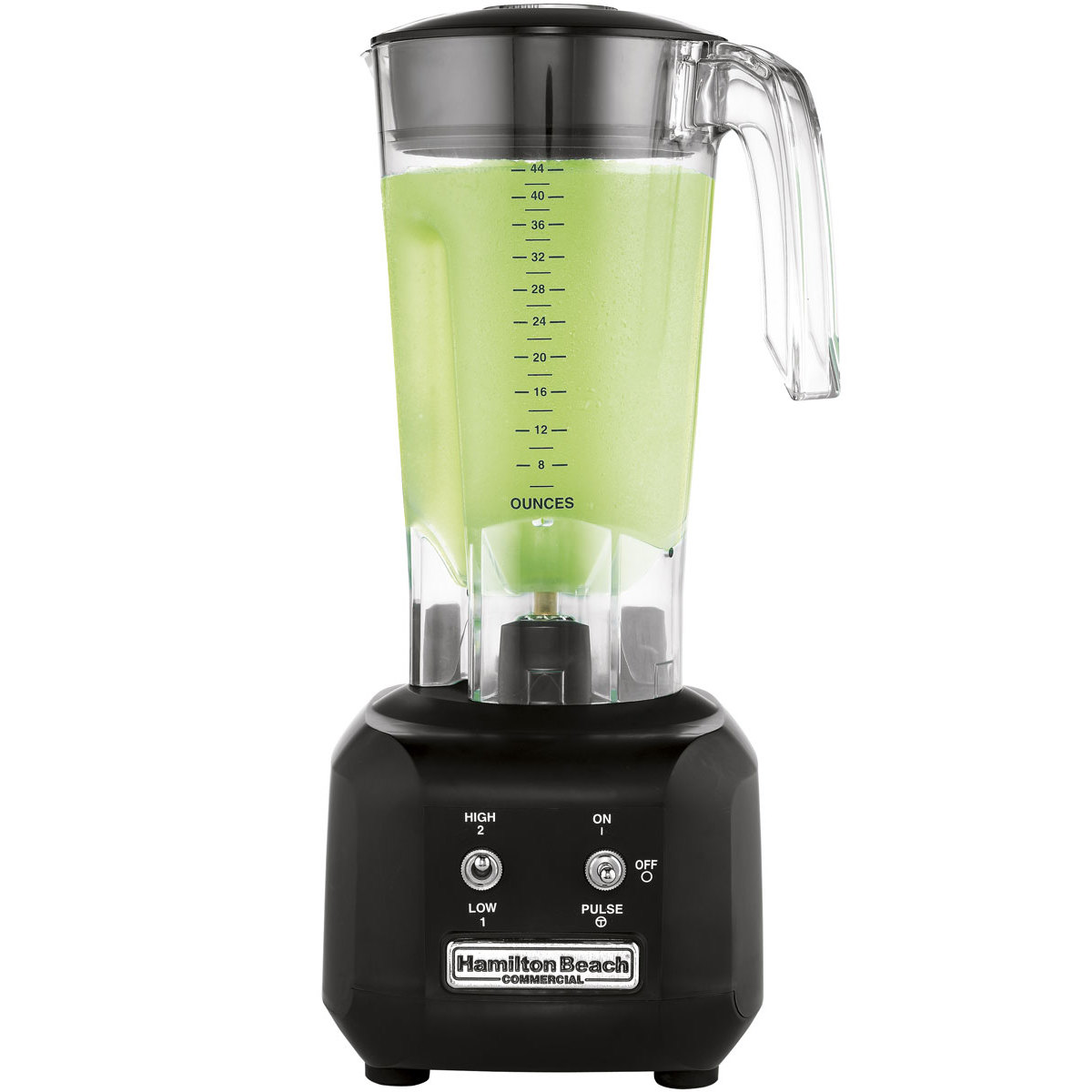
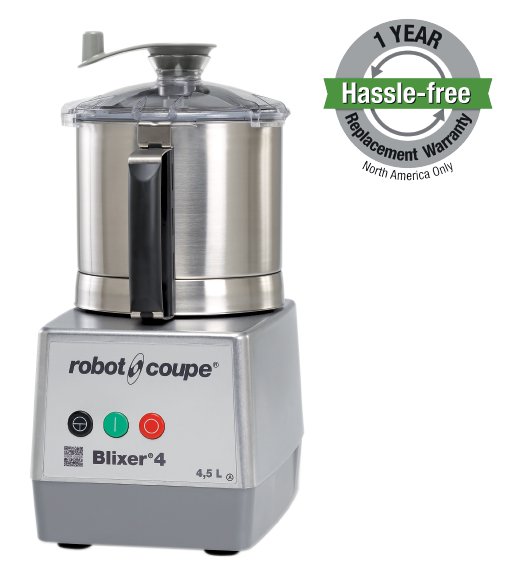
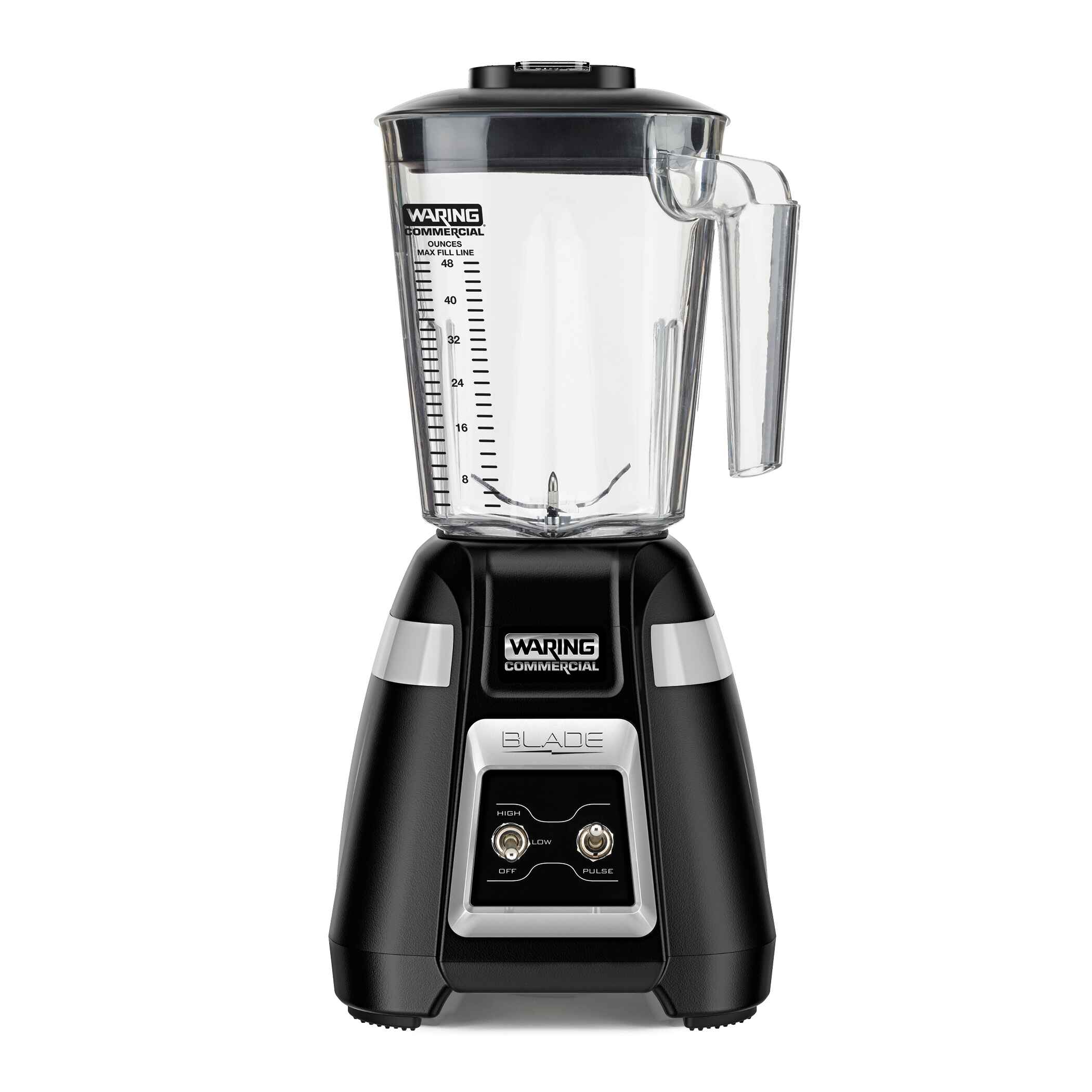

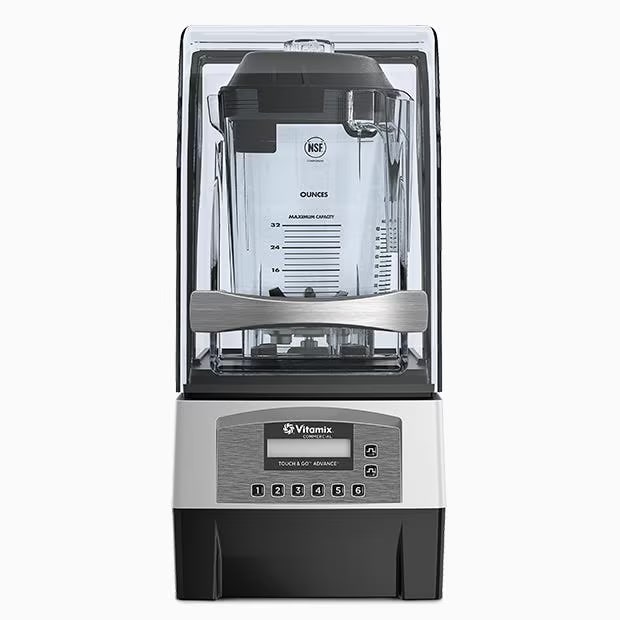
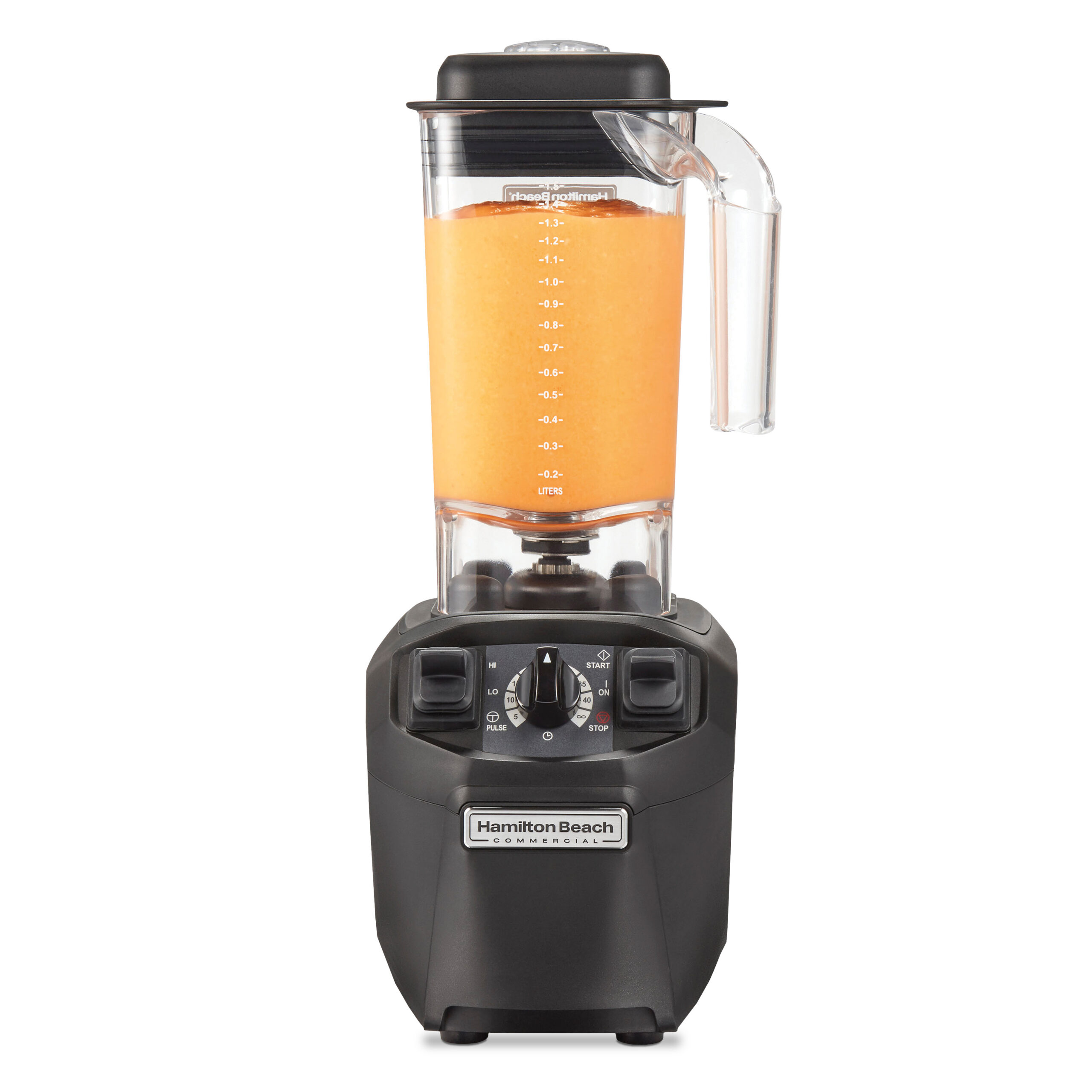
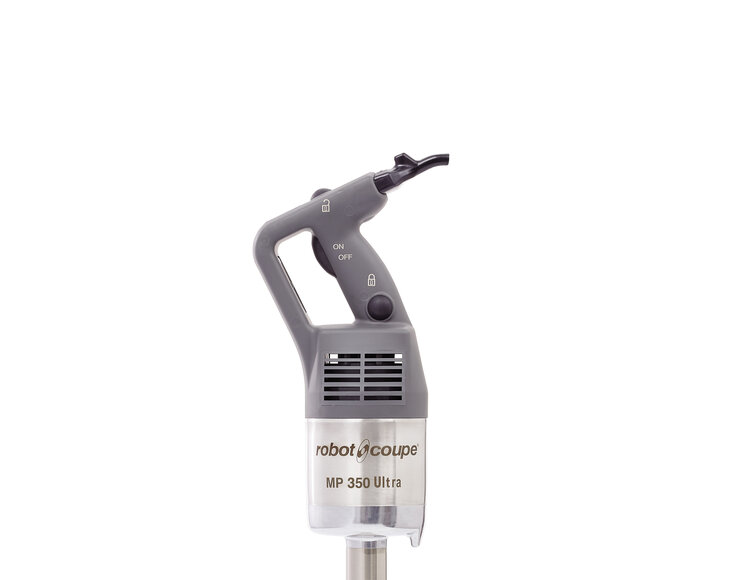
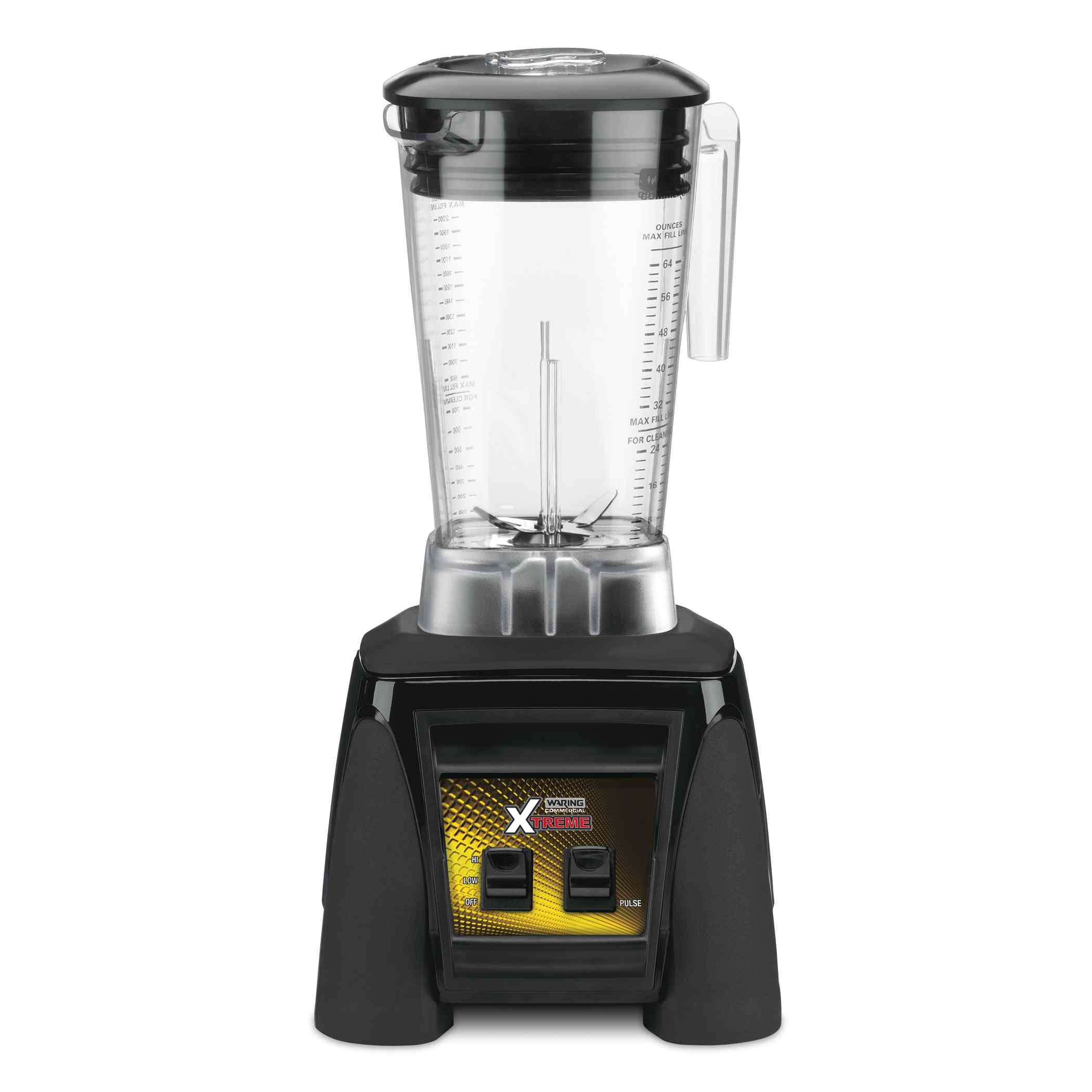


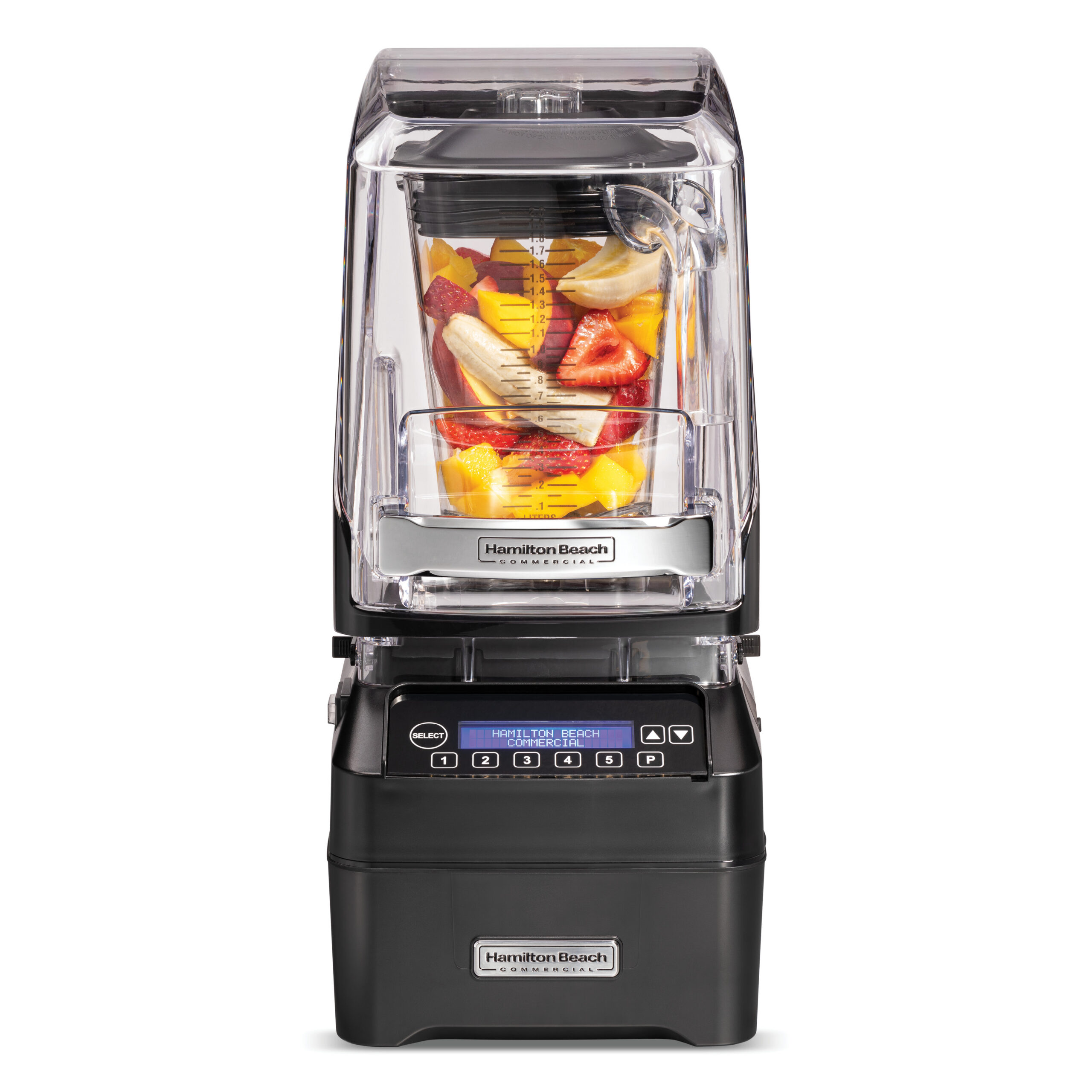
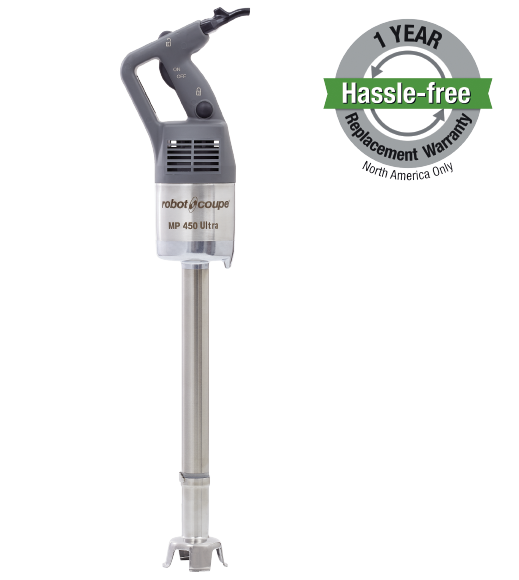
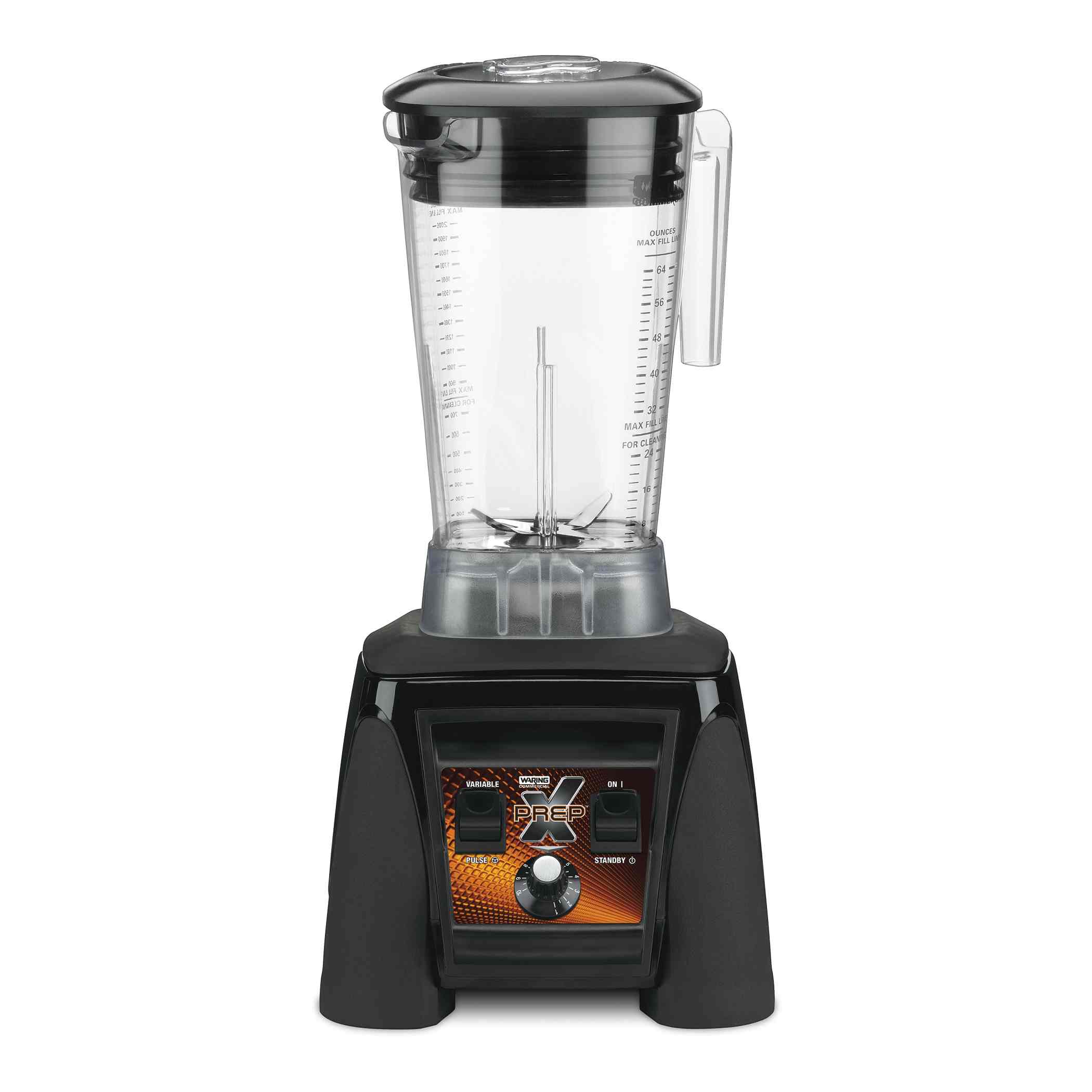

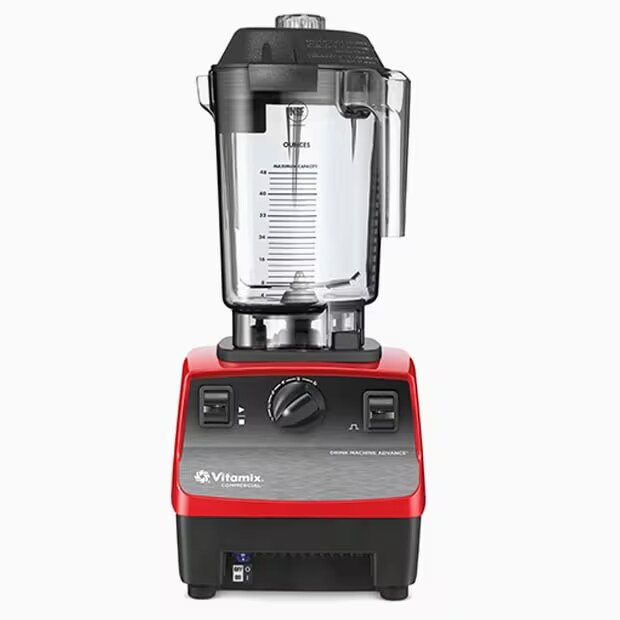
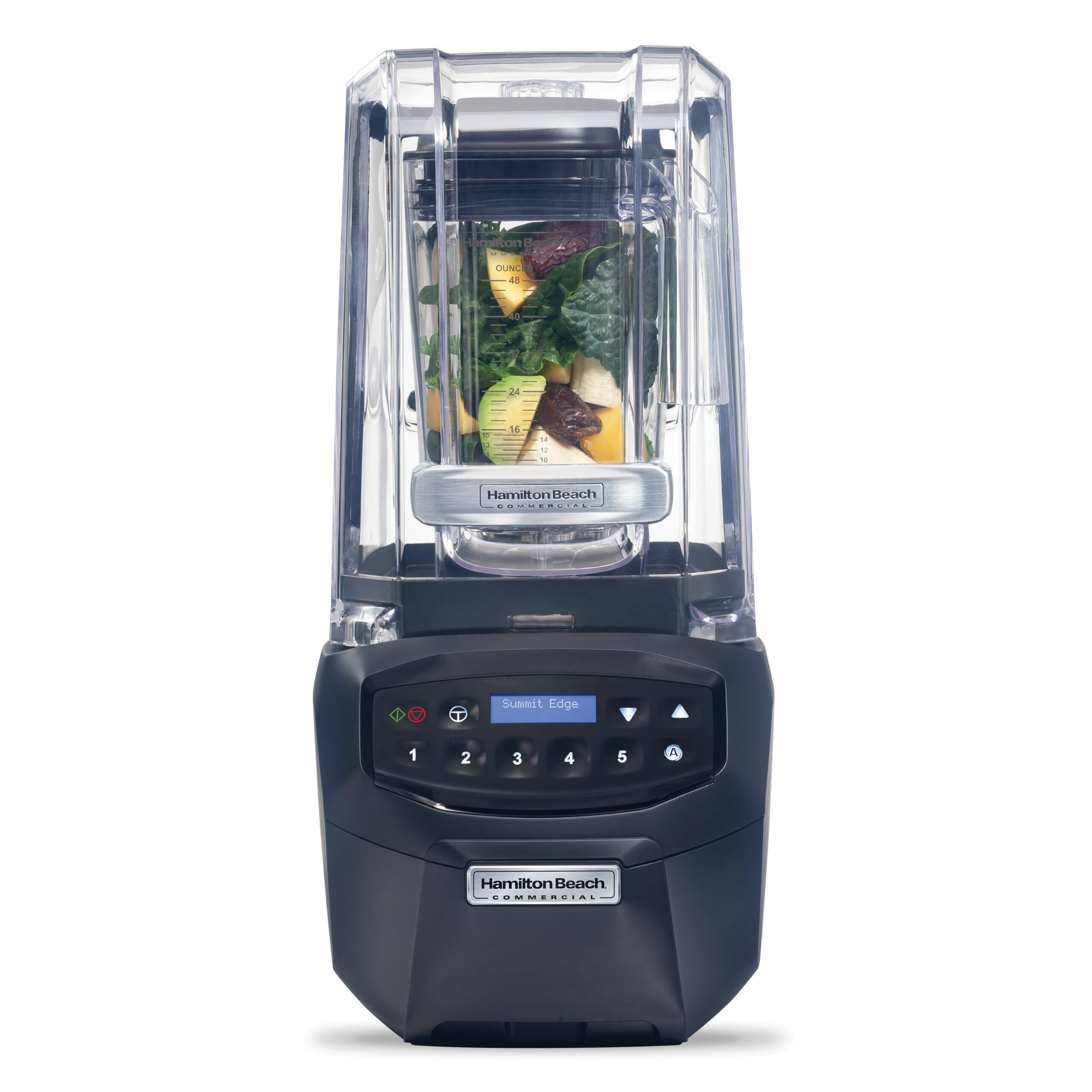
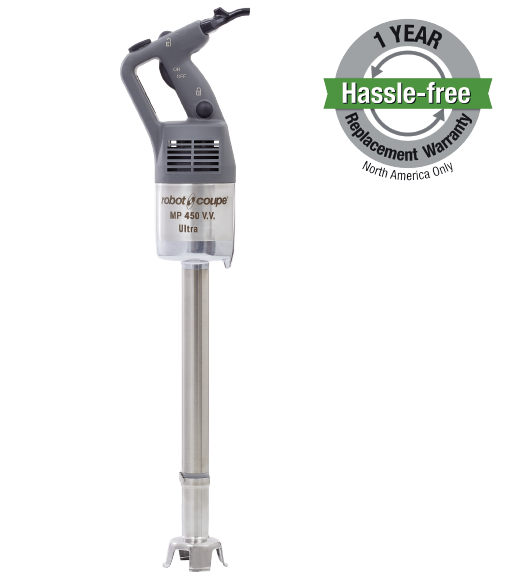


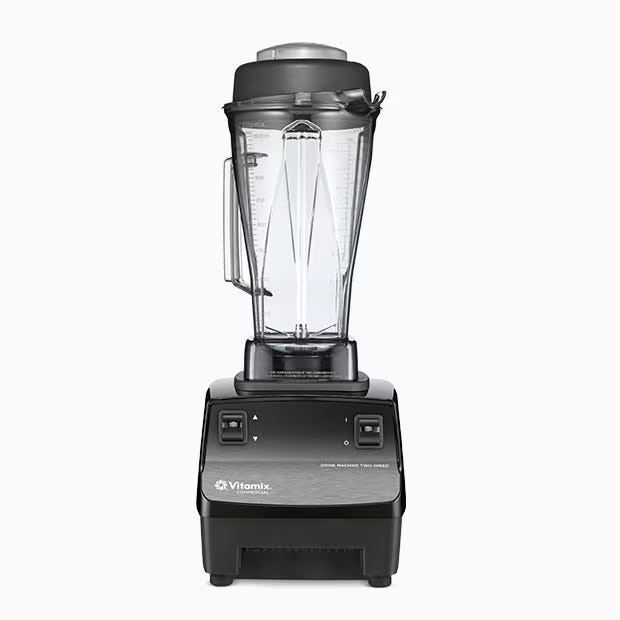
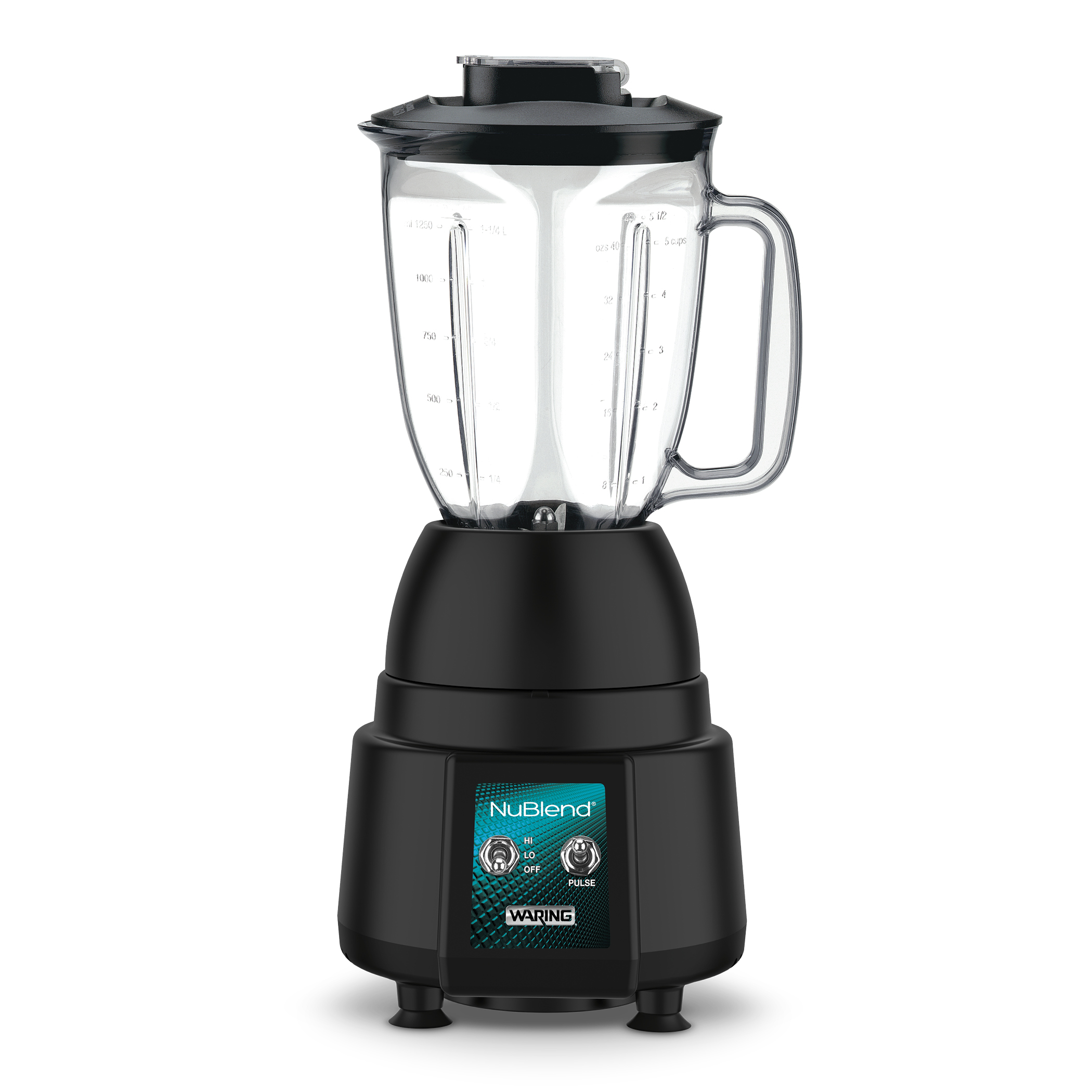
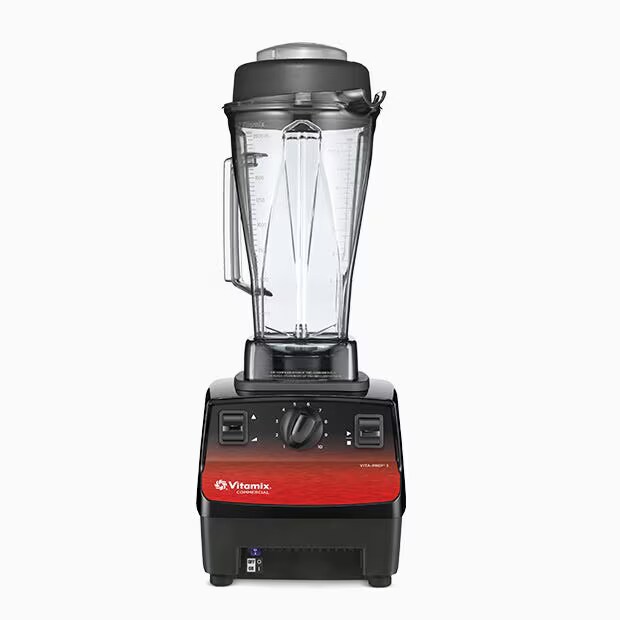
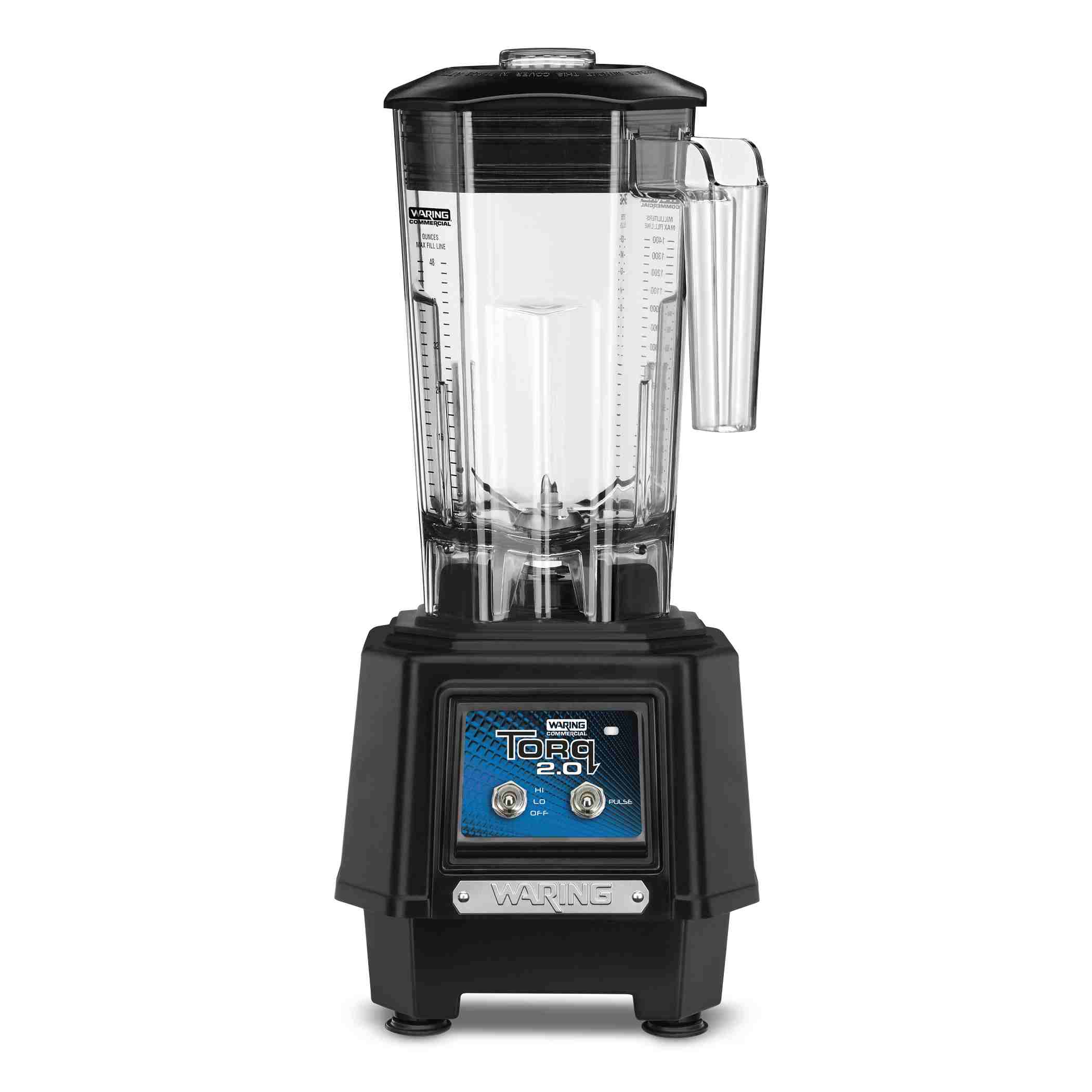
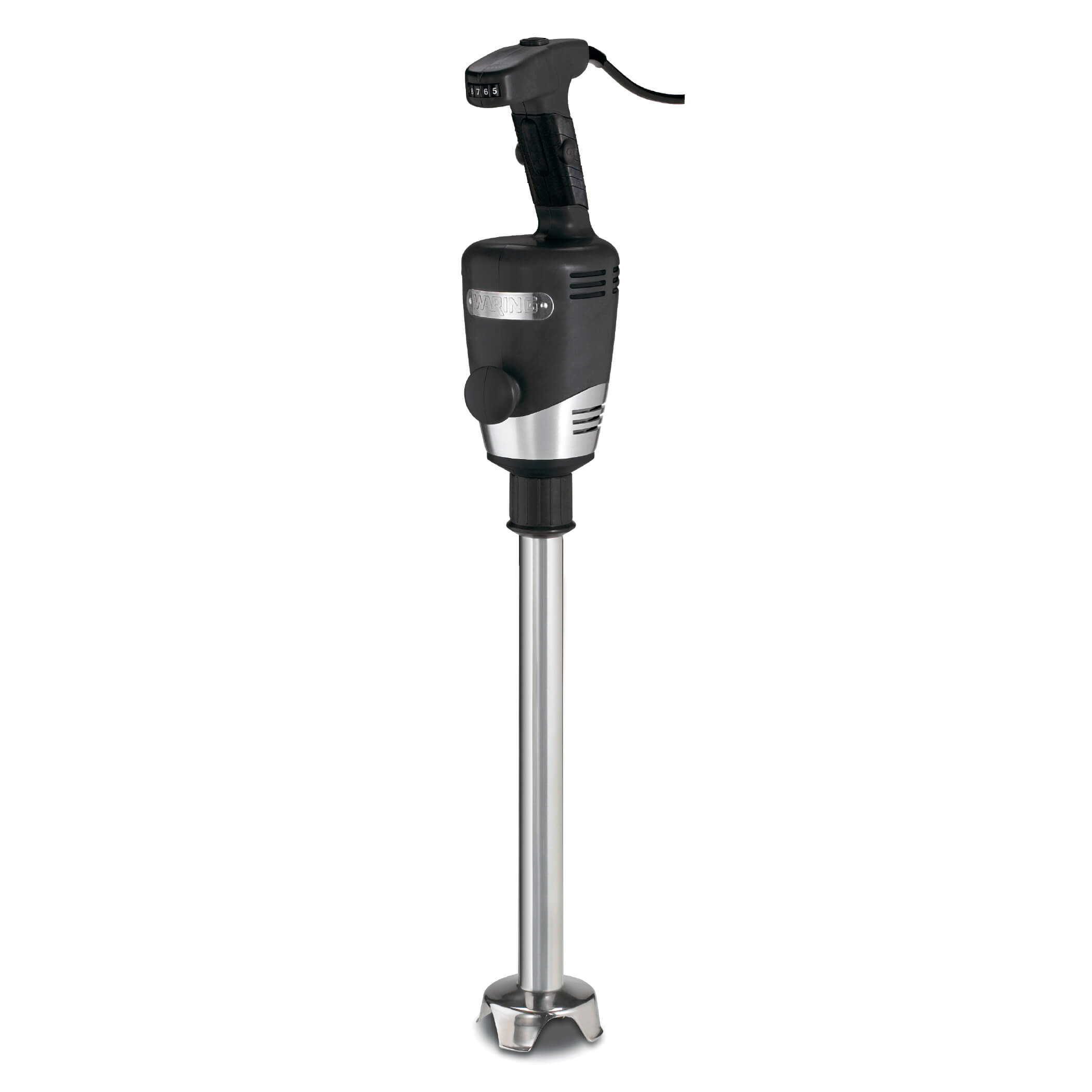
Commercial Blenders: buying guide
A commercial blender is chosen by type (bar, high-performance, immersion), jar capacity, horsepower, and controls. Here is how to read the 44 blenders above.
Blender type
A bar/drink blender handles smoothies, frozen drinks, and cocktails — many add a sound enclosure and one-touch cycles for a busy bar. A high-performance food blender has the power and jar for hot soups, purées, sauces, and nut butters. An immersion (stick) blender blends directly in a pot or kettle, ideal for large-batch soup and sauce prep where pouring into a jar isn't practical.
Jar capacity
Size the jar to your batch — bar and food blenders commonly run 32–64 oz, with larger 1-gallon+ food models for volume. Immersion blenders are rated by shaft length and batch gallons instead of a jar. Match capacity to your typical order or prep batch so you're not re-running the machine.
Horsepower and duty
Horsepower (peak motor rating) reflects how easily the blender powers through ice, frozen fruit, and tough ingredients without stalling — higher HP suits heavier, higher-volume use. Note that peak HP is an input rating, not power at the blade; pair it with the machine's duty and build quality.
Controls
Toggle controls are simple and durable; variable speed gives fine control for texture; programmable presets run a set cycle at the touch of a button so every drink comes out the same regardless of who makes it — the choice for a high-volume, high-turnover bar.
| Choice | Best use | Consideration |
|---|---|---|
| Bar / drink | Smoothies, frozen drinks, cocktails | Often enclosed, programmable |
| High-performance | Hot soups, purées, heavy prep | High HP, larger jar |
| Immersion (stick) | Blend in the pot / large batches | Rated by shaft & gallons |
| Toggle controls | Simple service | Durable, fewest parts |
| Variable speed | Texture control | Dial or lever |
| Programmable | Consistency across staff | One-touch cycles |
Frequently asked questions
What are the main types of commercial blender?
Bar/drink blenders (for smoothies, frozen drinks, and cocktails), high-performance food blenders (for hot soups, purées, sauces, and heavy prep), and immersion or stick blenders (which blend directly in a pot or kettle for large-batch prep). Choose the type by your primary job first, then size and controls.
How much horsepower do I need?
More horsepower powers through ice, frozen fruit, and dense ingredients without stalling, so a busy smoothie bar or a food blender doing nut butters wants higher HP. Remember that manufacturers usually quote peak/input HP, not power at the blade, so weigh it alongside build quality and duty rating.
What jar size should I choose?
Match the jar to your batch. Bar and food blenders commonly run 32–64 oz, with 1-gallon and larger food models for volume kitchens. Immersion blenders don't use a jar — they're rated by shaft length and the batch size (gallons) they can handle in a pot or kettle.
Toggle, variable, or programmable controls?
Toggle is simplest and most durable; variable speed gives fine texture control; programmable presets run a fixed cycle at one touch so results are identical no matter who runs the machine. High-volume bars favor programmable for speed and consistency; kitchens doing varied prep often prefer variable.
Do I need a sound enclosure?
A sound enclosure meaningfully cuts blender noise, which matters at a front-of-house bar or an open café. Many bar/drink blenders offer one. It adds cost and a little cleaning, so weigh it against how close the blender sits to customers.
About this data
Last verified: August 2026. Specs are compiled from manufacturer spec sheets and authorized dealer listings; where a value isn't published we leave it blank rather than guess.
Methodology: every equipment model is compared on the same set of specifications, and dimensions are checked (for sinks, overall width must exceed the combined bowl widths) — figures that fail validation are corrected from the manufacturer model number or omitted. “Street price” is the lowest legitimate published price we've found and can change.
Sourcing: product specs come from the manufacturer; regulatory statements link to the source (e.g. the FDA Food Code and NSF). Code requirements vary by jurisdiction — confirm with the authority reviewing your plans.
Disclosure: FoodServiceNerd is vendor-neutral and free to use. Some “where to buy” links may be affiliate links — we may earn a commission at no cost to you, and it never changes what we list or how we rank it. We don't sell equipment ourselves.
Editorial: compiled and reviewed by the FoodServiceNerd equipment desk (about us). Spot an error? Tell us and we'll correct it.