Commercial Coffee Brewers
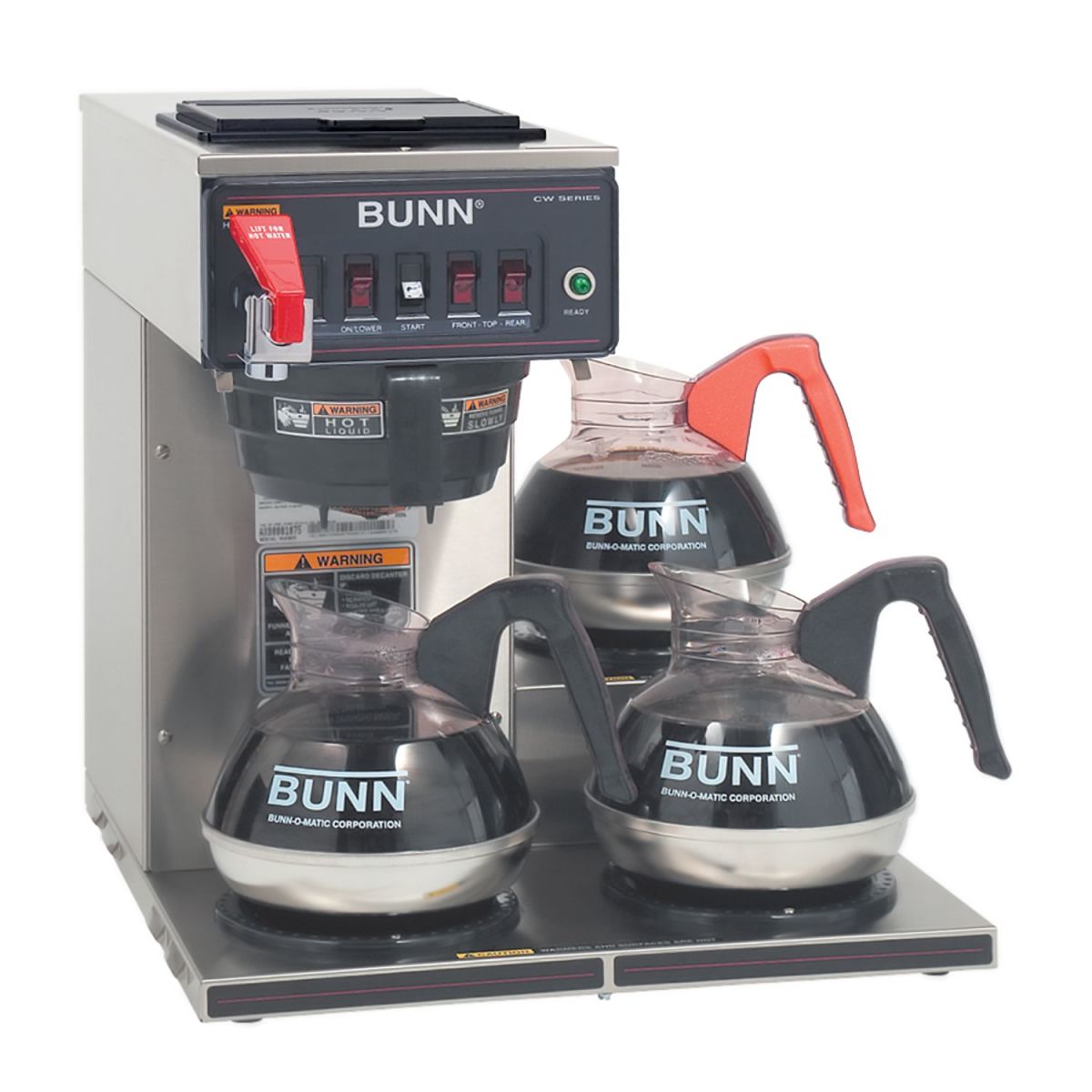
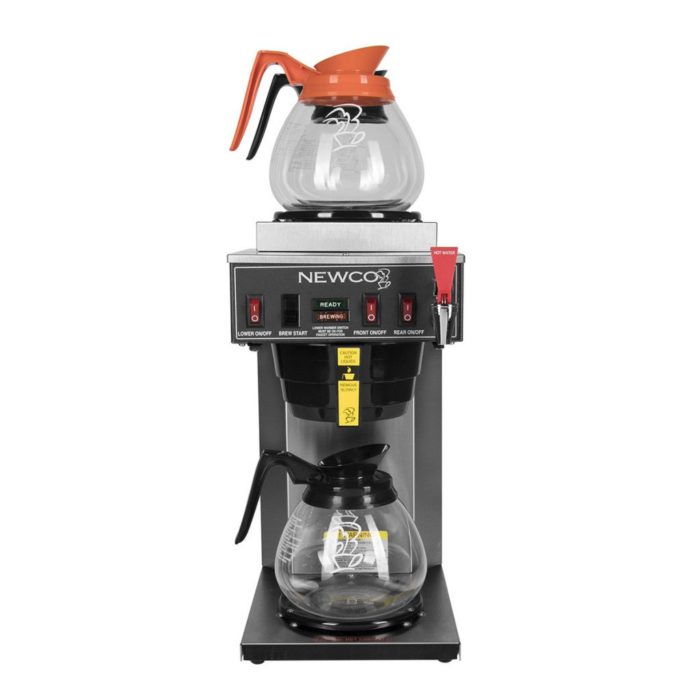
Start with how the coffee is held: glass decanter with warmers for quick turnover, thermal servers or airpots to hold coffee hot without a burner, and satellite/urn systems for high volume. Then choose pour-over (fill the tank by hand — no plumbing) or automatic (plumbed to a water line) and size the brewing capacity to your peak. Most single-station brewers run on 120V; larger multi-station units need 220–240V.
Batch coffee brewers for restaurants, offices, and convenience stores. Choose by brewer type (pour-over vs automatic/plumbed, and how the coffee is held — glass decanter, thermal server, satellite, or airpot) and match brewing capacity to your busiest service.

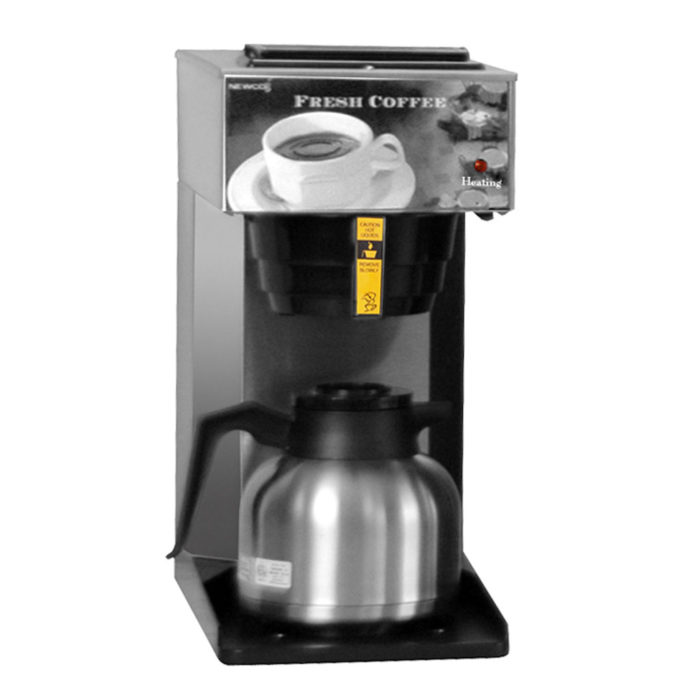


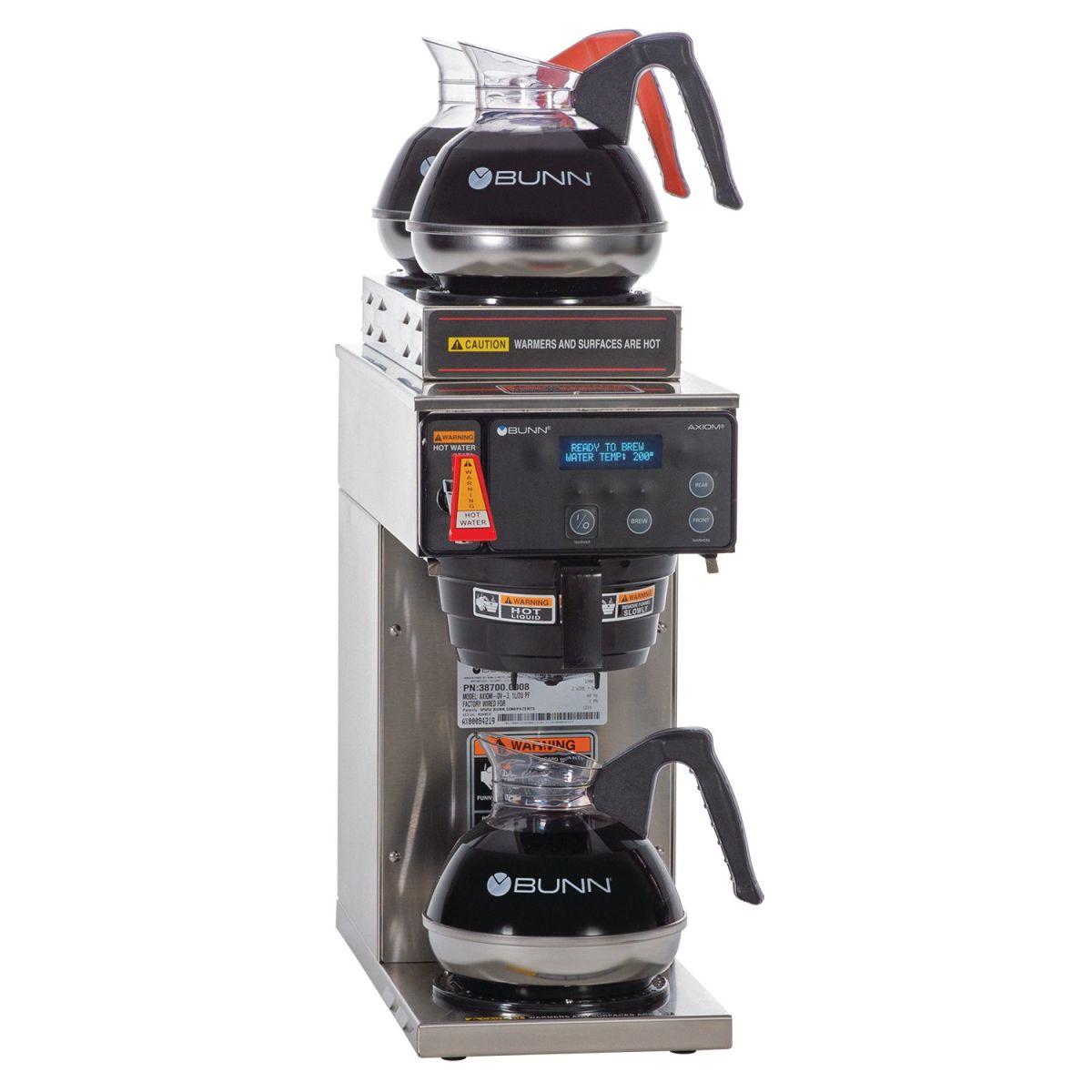


Commercial Coffee Brewers: buying guide
A commercial coffee brewer is chosen by how it holds coffee and brewing capacity, then by pour-over vs automatic and electrical. Here is how to read the 25 brewers above.
Brewer type and holding
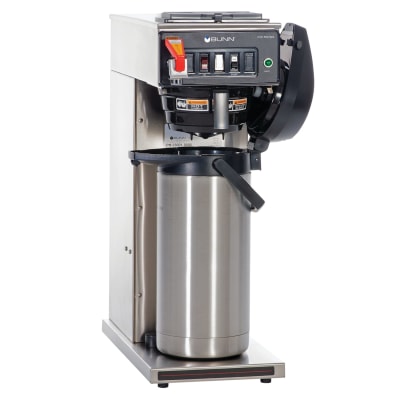
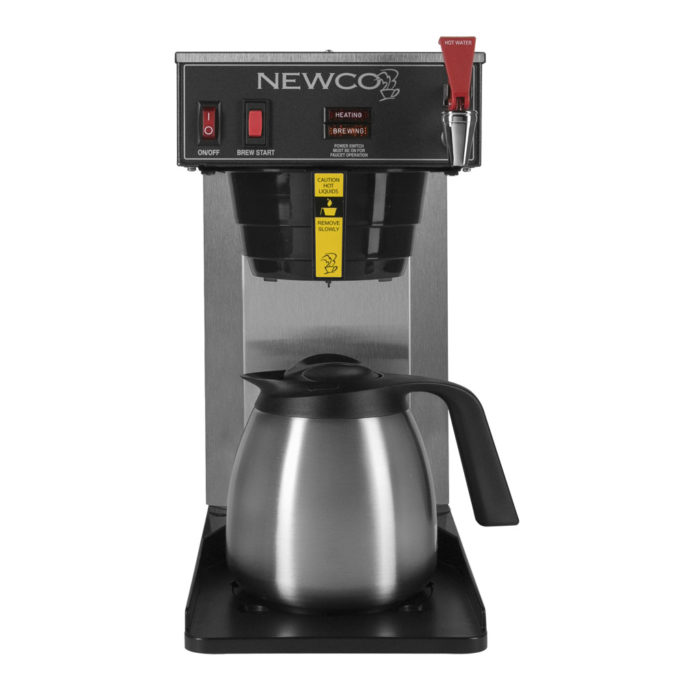
Glass-decanter brewers keep pots hot on warmers for fast turnover; thermal-server and airpot brewers hold coffee hot without a burner (better flavor over time); satellite systems brew into insulated dispensers for high-volume or off-counter service.
Pour-over vs automatic
Pour-over brewers are filled by hand and need no water line — easy to place anywhere. Automatic (plumbed) brewers connect to a water supply and refill themselves, better for steady volume. Automatic units need both a water line and often a larger circuit.
Capacity and power
Match brewing capacity to your busiest service so you don't run dry at rush. Most single-station brewers run on standard 120V; twin and high-capacity units typically need 220–240V. Confirm the circuit before install.
| Choice | Best use | Consideration |
|---|---|---|
| Automatic drip + warmers | Restaurants, diners | Plumbed, glass decanters |
| Thermal / airpot | Offices, catering | Holds hot, no burner |
| Satellite | High volume | Brews into insulated servers |
| Pour-over | Small shops, no plumbing | Fill by hand |
Frequently asked questions
What's the difference between pour-over and automatic coffee brewers?
A pour-over brewer is filled with water by hand and needs no plumbing, so it can go anywhere. An automatic brewer is connected to a water line and refills itself, which suits steady, higher-volume service. Automatic models usually need both a water supply and a dedicated circuit.
Glass decanter, thermal, or airpot?
Glass decanters on warmers are cheapest and best for quick turnover but degrade flavor if held too long. Thermal servers and airpots hold coffee hot without a burner, preserving taste and portability. Choose by how long coffee sits before it's served.
What is a satellite coffee brewer?
A satellite brewer brews directly into insulated, portable dispensers (satellites) rather than glass pots. It's built for high volume and lets you move fresh coffee away from the brewer to a service area, common in cafeterias, convenience stores, and catering.
What power does a commercial coffee brewer need?
Many single-station brewers run on a standard 120V outlet, but twin-station and high-capacity models typically require a 220–240V circuit. Always check the spec sheet for voltage and amperage, and provide a dedicated circuit and, for automatic models, a plumbed water line.
About this data
Last verified: August 2026. Specs are compiled from manufacturer spec sheets and authorized dealer listings; where a value isn't published we leave it blank rather than guess.
Methodology: every equipment model is compared on the same set of specifications, and dimensions are checked (for sinks, overall width must exceed the combined bowl widths) — figures that fail validation are corrected from the manufacturer model number or omitted. “Street price” is the lowest legitimate published price we've found and can change.
Sourcing: product specs come from the manufacturer; regulatory statements link to the source (e.g. the FDA Food Code and NSF). Code requirements vary by jurisdiction — confirm with the authority reviewing your plans.
Disclosure: FoodServiceNerd is vendor-neutral and free to use. Some “where to buy” links may be affiliate links — we may earn a commission at no cost to you, and it never changes what we list or how we rank it. We don't sell equipment ourselves.
Editorial: compiled and reviewed by the FoodServiceNerd equipment desk (about us). Spot an error? Tell us and we'll correct it.