Blast Chillers & Shock Freezers
A blast chiller rapidly cools cooked food to safely pass through the temperature danger zone — typically 135°F to 41°F within 90 minutes — while a blast chiller/freezer also flash-freezes to 0°F. Size it by capacity (pounds of product per cycle) and pan count to your batch size, and confirm the rated pulldown meets your local Food Code. It's an inspection-relevant piece for any cook-chill operation.
Rapid-cooling cabinets that pull hot food through the danger zone fast to meet HACCP time-temperature rules — chilling from 135°F to 41°F in 90 minutes or flash-freezing to 0°F. Compare by capacity (pounds per cycle) and pan count, then match to your production volume.
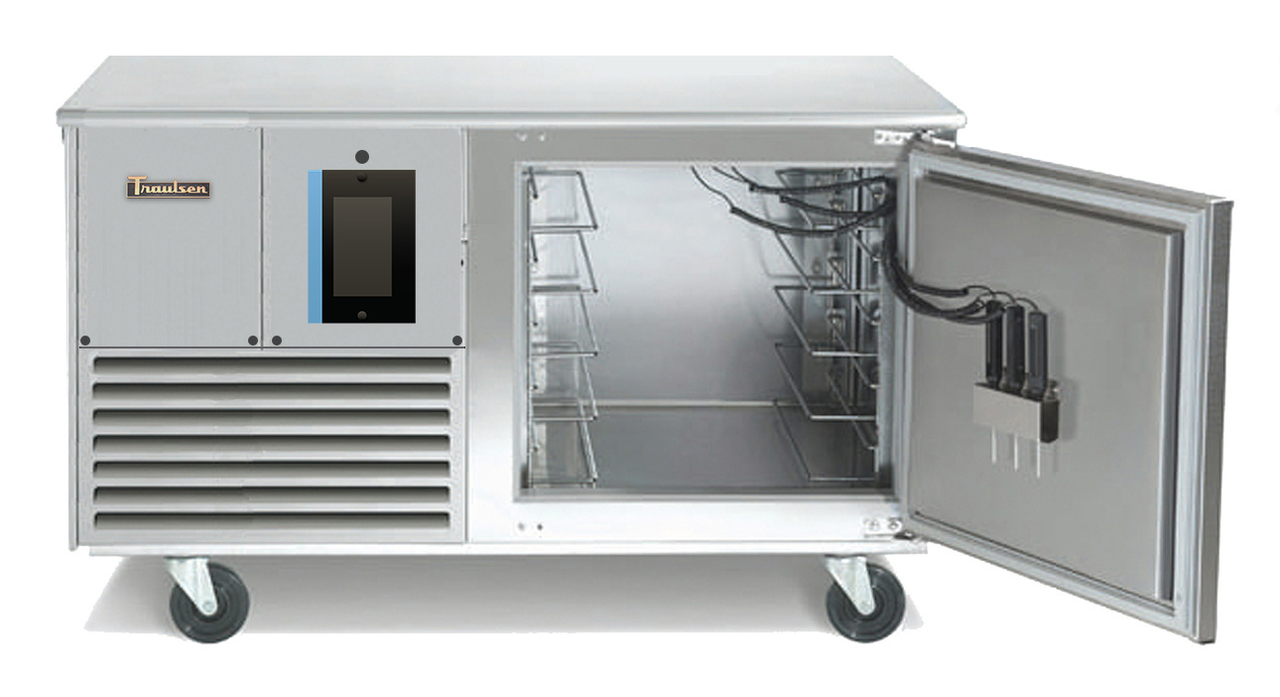
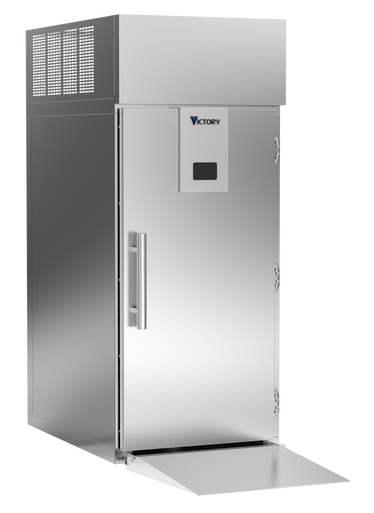


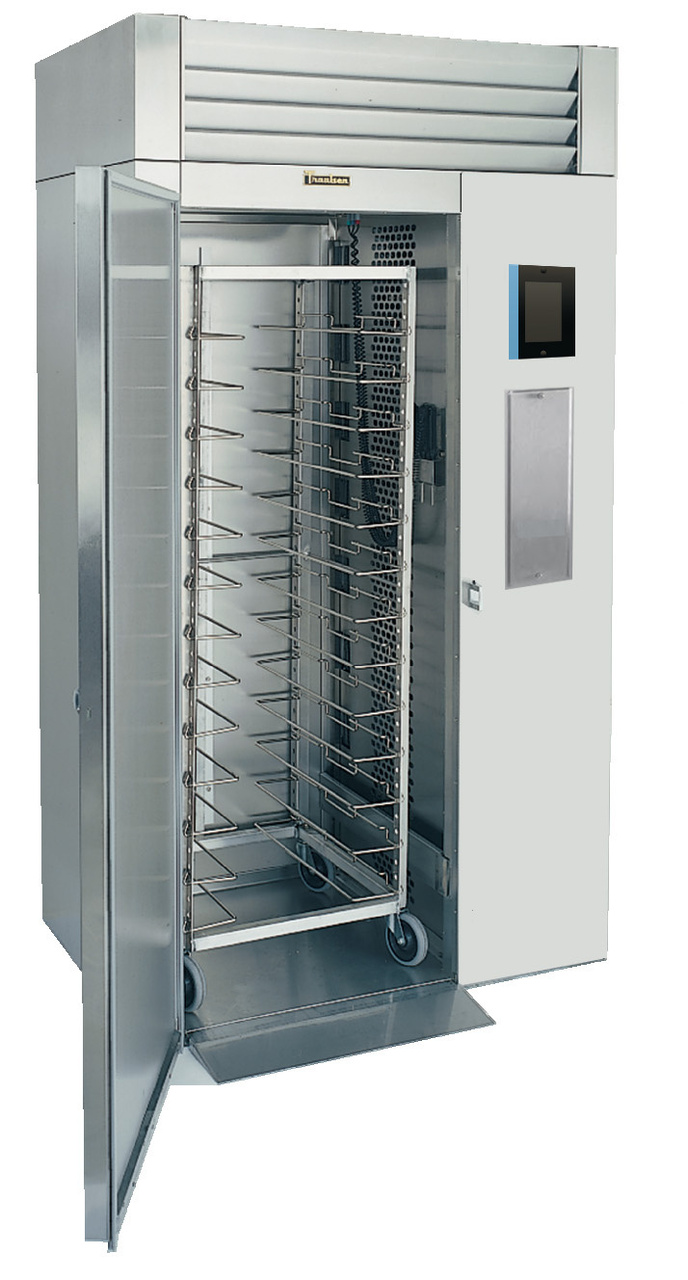


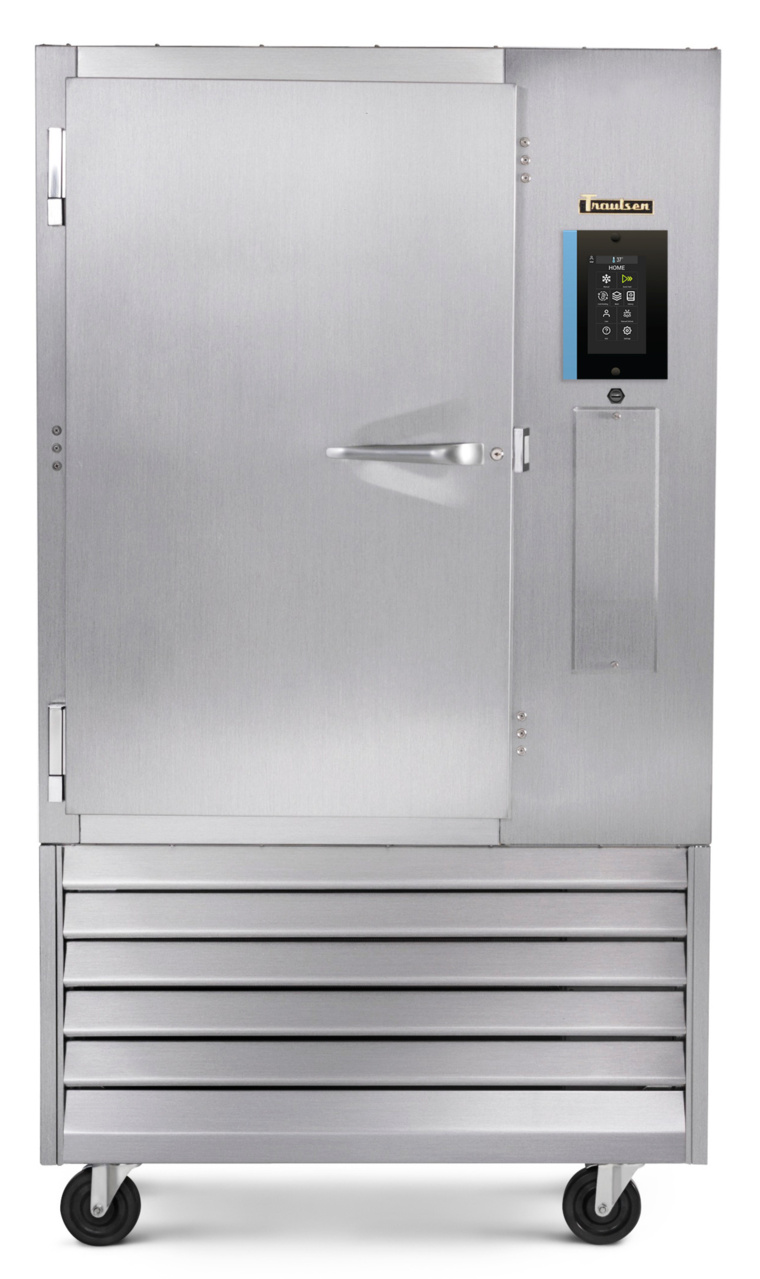

Blast Chillers & Shock Freezers: buying guide
A blast chiller is chosen by capacity (lb per cycle) and pan count, and by whether you need chill-only or chill/freeze. Here is how to read the 11 units above.
Capacity and pans
Size the pounds per cycle and pan count to your batch — an undercounter unit handles a few pans, a reach-in or roll-in handles full production. Don't overload past the rated capacity or the pulldown time slips.
Chill vs chill/freeze
A chill-only unit takes food from 135°F to 41°F fast; a chill/freeze unit also flash-freezes to 0°F for cook-freeze programs. Buy the mode your menu needs.
Meeting the code
Blast chilling is how cook-chill kitchens legally hold prepared food — the rated pulldown (e.g. 135→41°F in 90 min) must meet your local Food Code. Confirm the model's certified cycle and keep chilling logs.
| Choice | Best use | Consideration |
|---|---|---|
| Undercounter | Small-batch cook-chill | A few pans per cycle |
| Reach-in | Full production | More pans, higher lb/cycle |
| Chill/freeze | Cook-freeze programs | Also flash-freezes to 0°F |
Frequently asked questions
What does a blast chiller do?
It rapidly cools cooked food through the temperature danger zone — commonly 135°F to 41°F within 90 minutes — far faster than a walk-in, which limits bacterial growth and lets you safely store prepared food. A chiller/freezer model also flash-freezes to 0°F.
How is a blast chiller sized?
By product capacity (pounds per cycle) and pan count, matched to your batch size. Manufacturers rate capacity for a specific pulldown; overloading past that rating stretches the cycle time and can fail a temperature check.
Chill-only or chill/freeze?
Chill-only takes food to refrigeration temperature fast; chill/freeze also drops it to frozen. Choose chill/freeze only if you run cook-freeze programs — it costs more and isn't needed for straightforward cook-chill.
Is a blast chiller required by code?
For cook-chill and cook-freeze operations, rapid cooling that meets the Food Code's time-temperature limits is required, and a blast chiller is the standard way to achieve it. Confirm the specific requirement with your health department.
About this data
Last verified: August 2026. Specs are compiled from manufacturer spec sheets and authorized dealer listings; where a value isn't published we leave it blank rather than guess.
Methodology: every equipment model is compared on the same set of specifications, and dimensions are checked (for sinks, overall width must exceed the combined bowl widths) — figures that fail validation are corrected from the manufacturer model number or omitted. “Street price” is the lowest legitimate published price we've found and can change.
Sourcing: product specs come from the manufacturer; regulatory statements link to the source (e.g. the FDA Food Code and NSF). Code requirements vary by jurisdiction — confirm with the authority reviewing your plans.
Disclosure: FoodServiceNerd is vendor-neutral and free to use. Some “where to buy” links may be affiliate links — we may earn a commission at no cost to you, and it never changes what we list or how we rank it. We don't sell equipment ourselves.
Editorial: compiled and reviewed by the FoodServiceNerd equipment desk (about us). Spot an error? Tell us and we'll correct it.